Why visit Capri
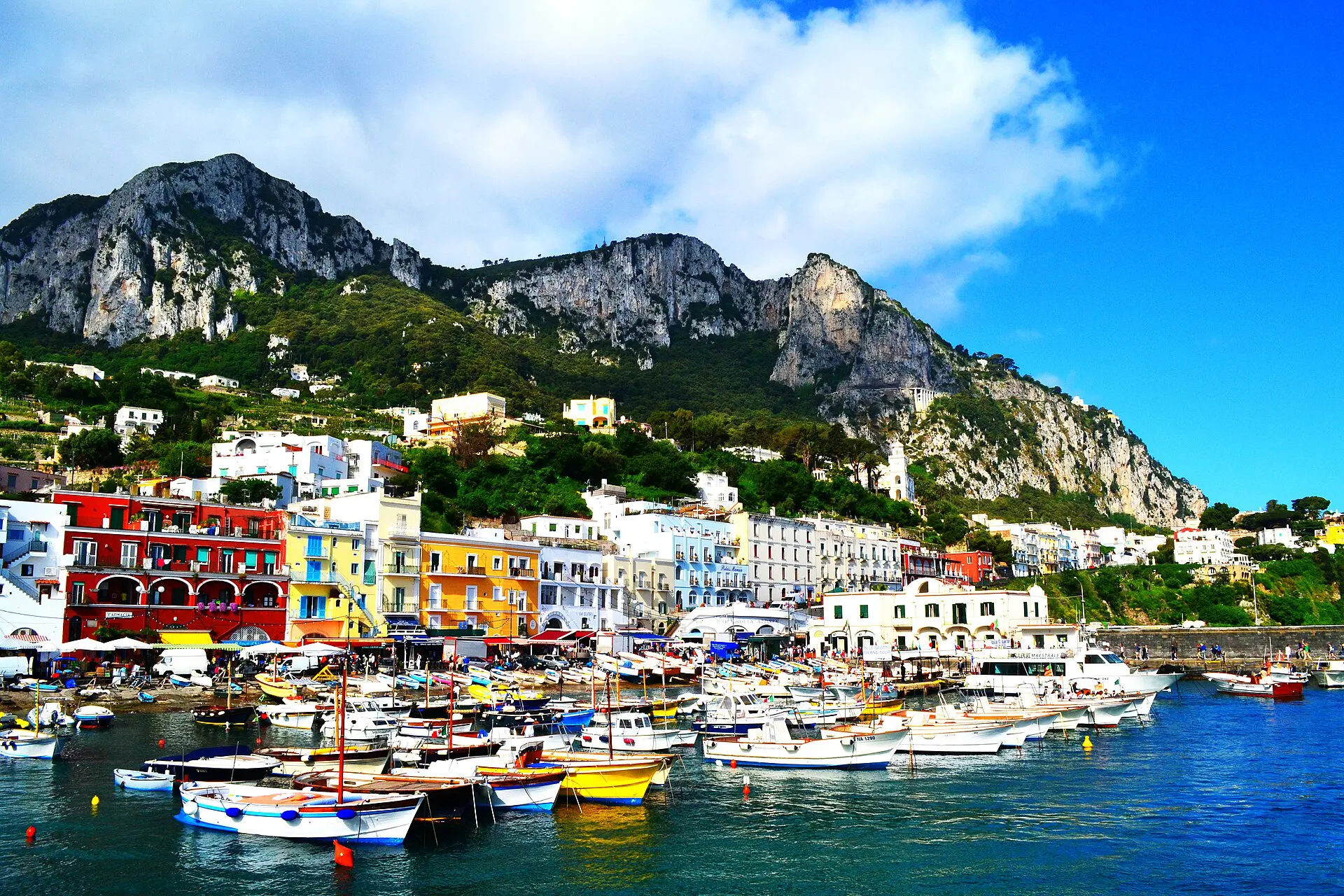
If you are planning things to do in Capri, picture a small island of rugged limestone, high cliffs and clear water. It lies in the Tyrrhenian Sea off the Sorrento Peninsula, on the south side of the Bay of Naples, in the Campania region of Italy. About 13,500 people live there, split between the municipalities of Capri and Anacapri.
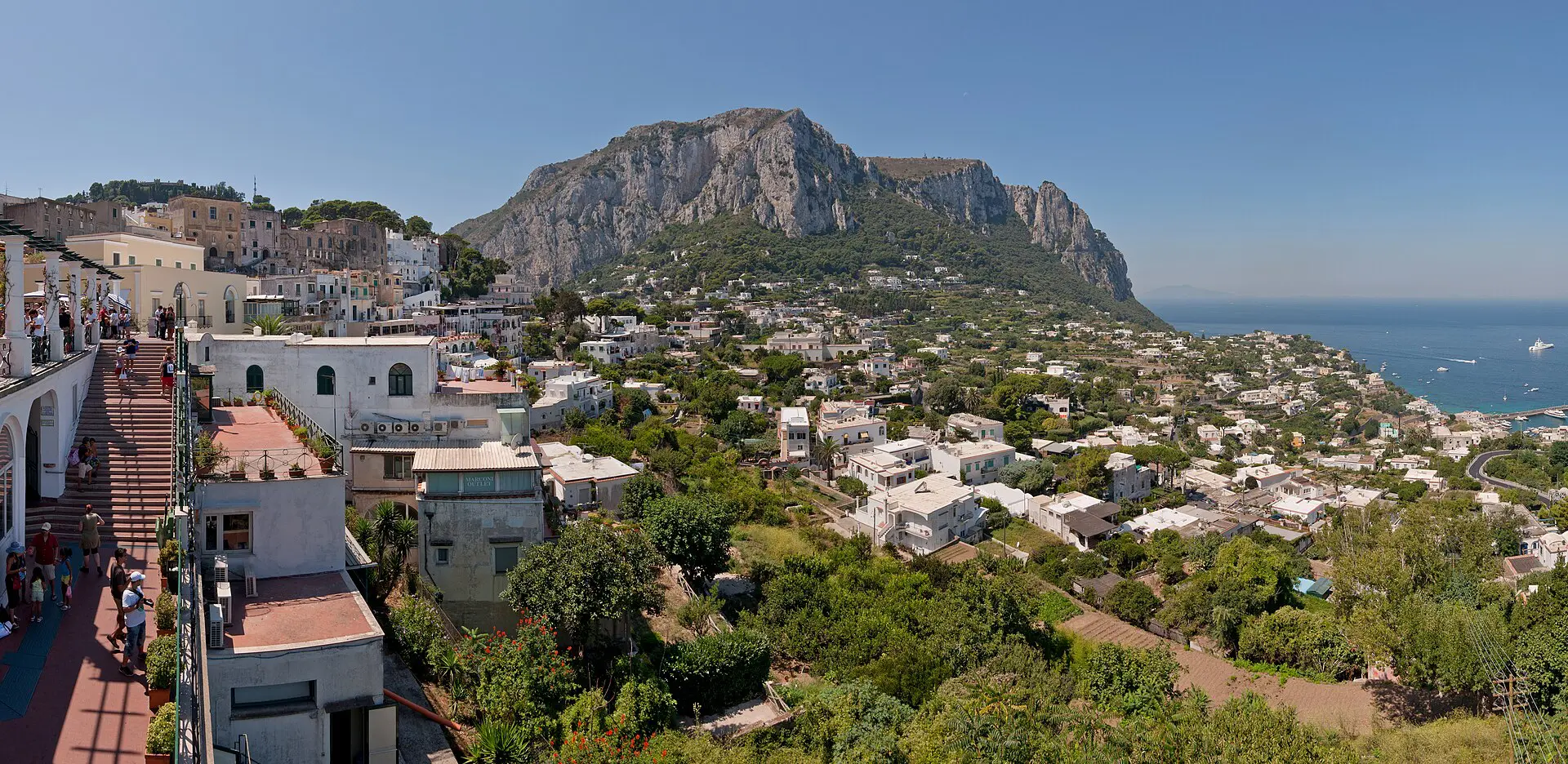
The island has been a resort since the days of the Roman Republic. Emperors favoured it, and the ruins of imperial villas such as Villa Jovis still stand. It is known for sea stacks called the Faraglioni, coastal grottoes including the famous Blue Grotto, and the Belvedere of Tragara.
Capri is world-famous and very touristy, especially in July and August. Outside peak summer it is calmer and more relaxing, and a night on the island changes the experience once the day-trippers have gone.
Top things to do in Capri
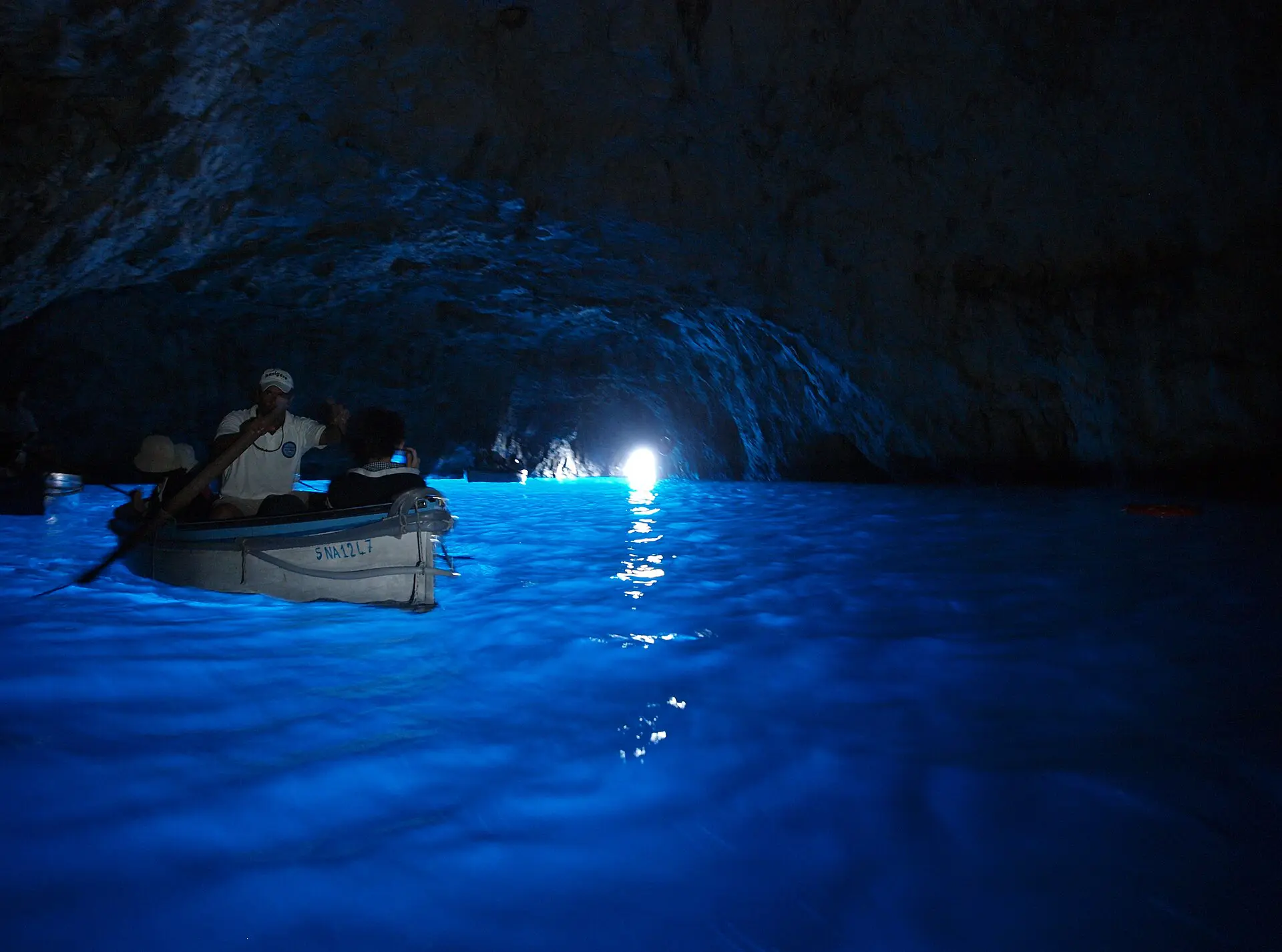
Blue Grotto
The sea cave is famous for its blue light and is reached by small boat from Marina Grande or on a round-island tour. Allow one to two hours including waiting. Entry depends on swell and weather, so check conditions and expect queues in summer.
Faraglioni and Tragara
The three sea stacks off the southeast coast are the island’s best-known landmark. A path from the town leads to the Belvedere of Tragara, a viewpoint with a clear outlook over them. Allow one to two hours. Wear good shoes and go early or late for softer light.
Anacapri and Monte Solaro
Anacapri is the quieter upper town, and Monte Solaro is the island’s highest point, with a chairlift to the top and sweeping views. Allow two to three hours. Check chairlift operating times, and go on a clear day for the best outlook.
Villa Jovis
The ruins of Tiberius’s villa sit on the east side of the island and require a walk uphill from the main town. Allow two hours in total. Bring water, wear sturdy shoes and check the opening hours and ticket arrangements before setting out.
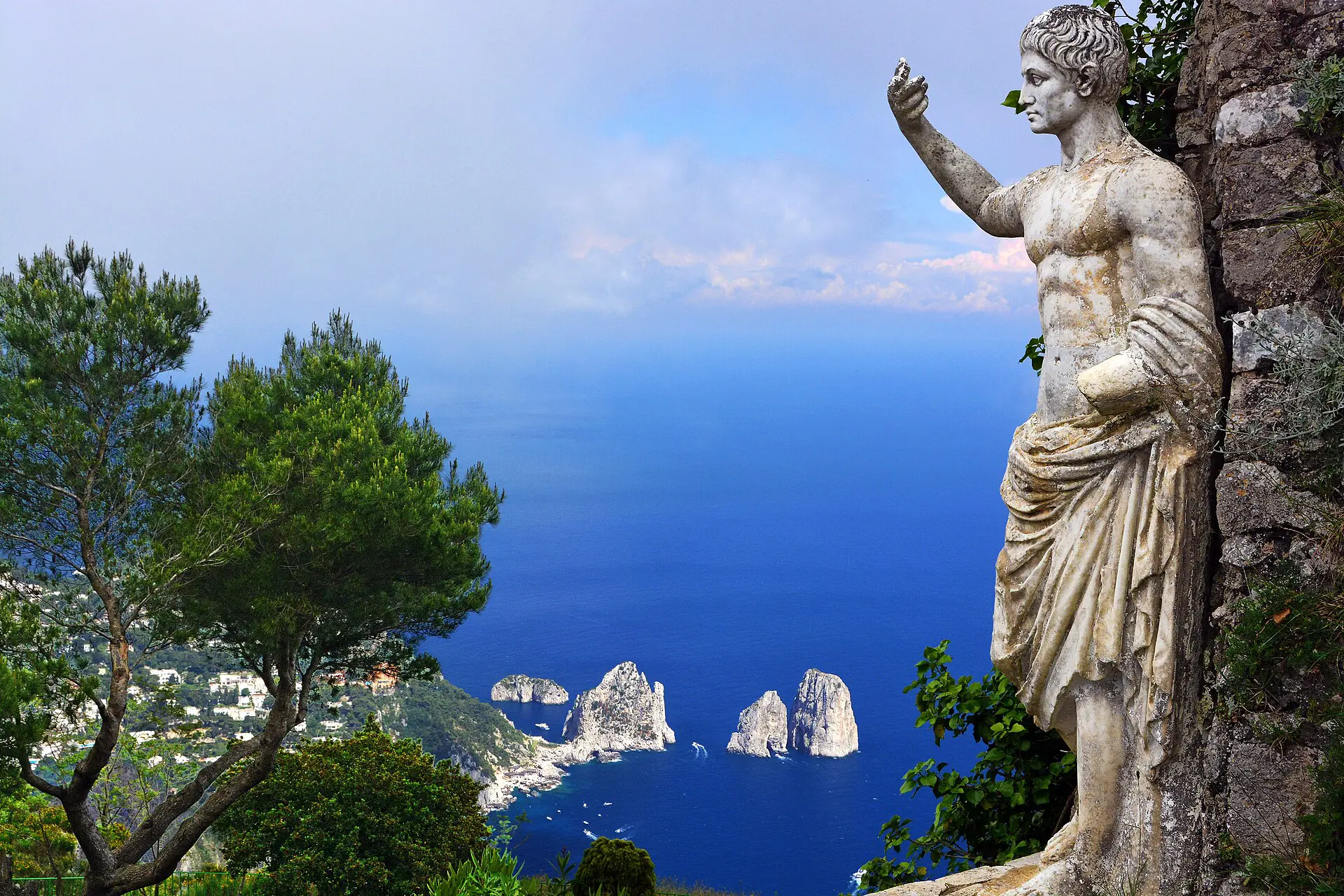
Gardens of Augustus
Terraced gardens near the town of Capri have flowers and a view over the Faraglioni and the coast. Allow about an hour. They are a calm stop between the crowded lanes, so check opening seasons and prices before you go.
Piazzetta and Capri town
The small square in the centre is the social heart, ringed by cafes, with narrow lanes leading to shops and viewpoints. Allow an hour or two. Prices at the square are high, so a coffee or aperitivo is plenty.
Boat tours around the island
A boat trip circles the island and allows swimming stops and views of grottoes and cliffs from the sea. Allow two to three hours. Agree on what is included, such as the Blue Grotto entry, and check sea conditions.
Best time to visit Capri
Capri has a Mediterranean climate. Late spring and early autumn, roughly April to June and September to October, offer warm weather, walkable temperatures and fewer visitors. Sea swimming is most comfortable from late spring to early autumn.
July and August are very busy, with crowds on the ferries, at the Blue Grotto and in the main square, and high prices. Winter is mild but quiet, with many hotels, restaurants and shops closed and ferries running less often. The tourist office is often closed from November to Easter. Check which services run on your dates, and keep a day spare for sea-related cancellations.
| Season | Weather | Crowds and prices |
|---|---|---|
| April to June, September to October | Warm, pleasant | Moderate, good balance |
| July and August | Hot, sunny | Very busy, highest prices |
| November to March | Cool, damp, some closures | Quiet, many places closed |
How to get to Capri and around
Capri is reached by sea, with ferries and hydrofoils leaving from Naples and Sorrento, and some seasonal services from other ports. They arrive at Marina Grande, the main harbour. Check current schedules, book in advance in summer and note that rough seas can cancel services. Naples is the nearest large airport, and trains link it to Sorrento.
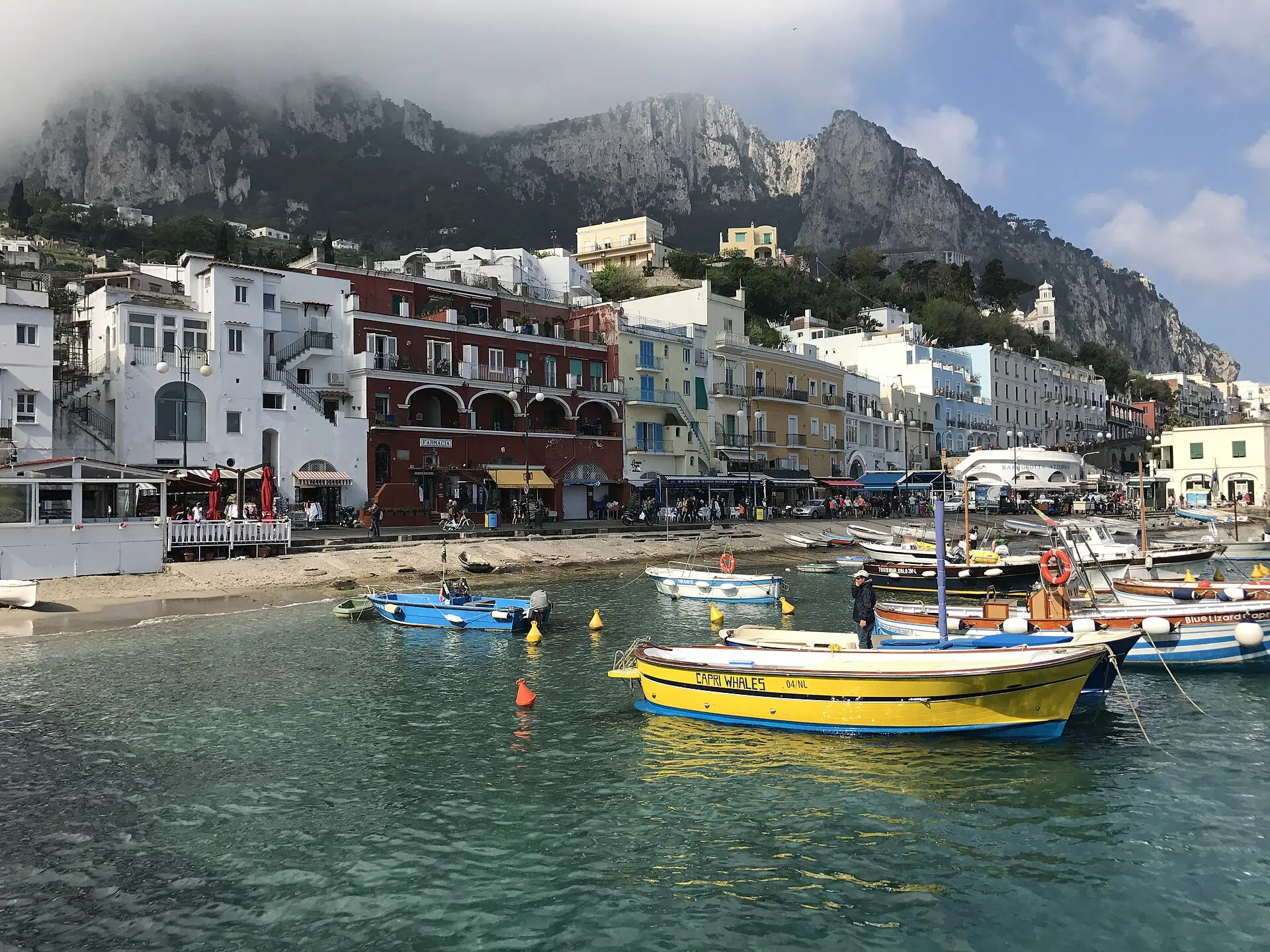
From the harbour, a funicular climbs to the town of Capri, and buses and taxis connect the main towns, including Anacapri. Roads are narrow and the buses fill up in summer. Walking is a good way to see the island, with several paths between the towns and viewpoints, though many are steep. Cars are restricted, and you do not need one.
Where to stay in Capri
Capri town is the classic choice, with the piazzetta, shops and viewpoints, and it is close to the funicular. It suits first-time visitors and those who want a lively evening scene, but prices are very high, especially in summer.
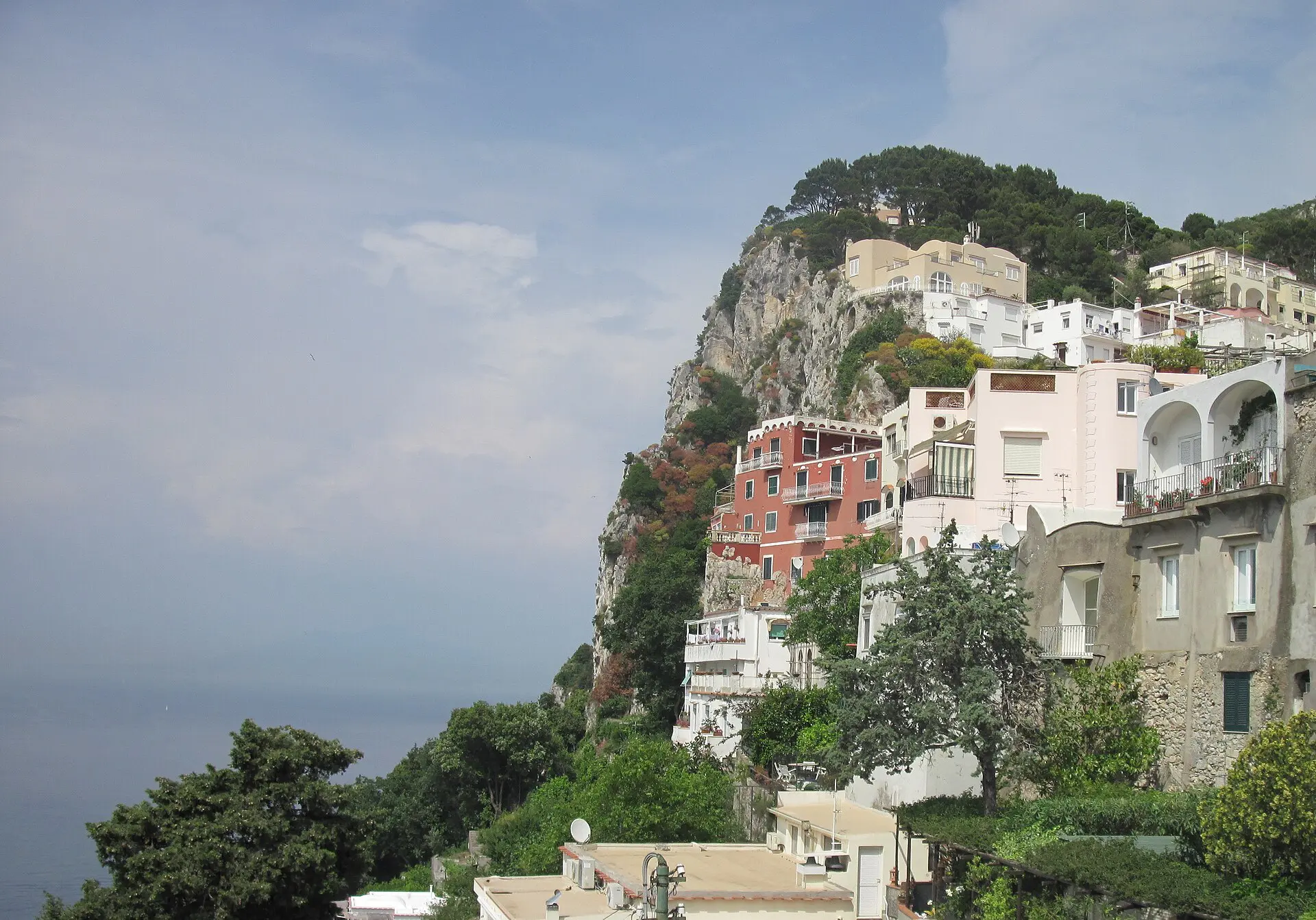
Anacapri is higher up and quieter, with a village feel and easier access to Monte Solaro. It suits travellers looking for calm and slightly better value, and who do not mind taking a bus to the harbour.
Staying near Marina Grande is practical for early ferries and has a mix of small hotels and apartments, though it lacks the charm of the upper towns. Because many places close in winter and fill quickly in summer, book well ahead and check cancellation terms. If prices are too steep, consider staying in Sorrento or Naples and visiting as a day trip.
How many days do you need?
One day is enough for the headline sights if you arrive early on a morning ferry and leave late. Two days is better, allowing you to see both towns, take a boat trip and enjoy the island in the quieter evening. Beyond that, most visitors want to move on to other parts of the bay.
- Day 1: Arrive at Marina Grande, take the funicular to Capri town, walk to the Gardens of Augustus and the Tragara viewpoint, then spend the evening in the piazzetta.
- Day 2: Bus to Anacapri, the chairlift up Monte Solaro, then a boat trip around the island with a Blue Grotto stop if conditions allow.
- Day 3 (optional): Walk to Villa Jovis, swim from a beach and return to the mainland by an afternoon ferry.
Day trips and nearby
Sorrento
The nearest mainland town is the usual departure point for ferries. It has a pleasant old centre and sea views, and works as a cheaper base for visiting the island. Allow an evening or a night.
Amalfi Coast
The dramatic coastline to the south is known for its cliff towns. It can be reached from Sorrento by bus or ferry. Allow a full day, start early and check summer crowds and road traffic.
Naples
The nearest big city has an old centre, museums and famous pizza, and it is where many ferries leave. It suits a day or two before or after your trip to Capri. Check local advice for getting around.
Pompeii and Mount Vesuvius
The ancient Roman site and the volcano are on the mainland and reached by train or tour from Naples or Sorrento. They need a full day each. Book tickets ahead, bring water and check opening hours.
FAQ
Q1When is the best time to visit Capri?
April to June and September to October offer warm weather and fewer crowds. July and August are busy and costly, while winter is quiet with many closures. Check ferry and boat schedules, since rough seas can disrupt them.
Q2How many days do you need in Capri?
One day covers the main sights if you start early. Two days is better, with time for both towns, a boat trip and a quieter evening on the island. More than two is rarely needed.
Q3How do you get to Capri?
Ferries and hydrofoils run from Naples and Sorrento to Marina Grande. Check current schedules, book ahead in summer and keep some flexibility for weather. Naples is the nearest major airport, with train links to Sorrento.
Q4Is Capri expensive?
Yes, Capri is one of the pricier places in Italy, especially hotels and restaurants in summer. Visiting as a day trip and eating simply can reduce costs. A mid-range traveller might budget EUR 200-400 per day, though prices vary.
Prices, schedules and entry rules change. Check current details with official sources before you travel. Read the Italy travel guide.