Why visit Naples
The best things to do in Naples mix history, food and a dramatic setting. It is the regional capital of Campania in southern Italy, and with around 900,000 residents in the city, it is the largest city in the south and the third largest in Italy.
It is also one of the oldest continuously inhabited urban areas in the world. Founded by the Greeks, it later became Neapolis, and the Greek, Roman, Norman, Angevin, Spanish and French periods all left their mark on the architecture. UNESCO describes the historic centre, among the largest in Europe, as being of exceptional value.
Expect a lively, crowded and sometimes chaotic city. If you are prepared for that, you get a rewarding and distinctive stop, with a bay setting, strong food traditions and some of Italy’s most significant ancient sites within reach.
Top things to do in Naples

Historic centre on foot
The UNESCO-listed centre is a dense grid of narrow streets, churches and small squares. Allow half a day to wander. Keep your valuables secure in crowded areas, and look for small side streets for a calmer feel.
National Archaeological Museum
The museum holds major finds from the Roman sites around the bay, and it works well as a companion to a Pompeii trip. Allow two to three hours, and check opening days, since museums here often have a weekly closure.
Naples Underground
Beneath the city lie centuries of tunnels and cisterns, which are open for guided visits. Tours last roughly one to two hours, and it can be cool and damp, so bring a layer. Check current tour availability.
Castel dell’Ovo
This castle on a small peninsula on the seafront gives views across the bay. Allow an hour, including a walk along the waterfront. It is a pleasant place to be near sunset.
Royal Palace and Piazza del Plebiscito
The large public square and nearby palace reflect the city’s royal past. Allow an hour or two. The square is a good meeting point and a landmark for orientation.
Pizza in its home city
Naples is famous as the home of pizza, and you can eat well at many family-run places. Expect queues at the best-known spots, and arrive early or accept a wait. A pizza meal is usually inexpensive by Italian standards.
Viewpoint over the bay
Hillside areas above the centre offer sweeping views of the bay and Mount Vesuvius. Take a funicular or bus where possible, and plan the visit for late afternoon light.
Best time to visit Naples
Spring and autumn are the most comfortable, with warm days that suit both city sightseeing and day trips to the ruins. These are also busy periods, especially around Easter and in early autumn.
Summer is hot and humid, and the city and nearby ruins can be punishing at midday, so start early and take a break in the afternoon. Winter is mild compared with northern Italy but can be rainy, and attractions are quieter, though ferry services to the islands may be reduced.
| Season | Weather | Crowds and prices |
|---|---|---|
| Spring | Mild to warm | Busy, moderate prices |
| Summer | Hot, humid | Busy, higher prices |
| Autumn | Warm, then cooler | Moderate |
| Winter | Mild, rainy | Quieter, cheaper |
How to get to Naples and around
Naples has its own international airport, with links to the centre by bus and taxi. Check current fares, and agree on a fixed price for taxis from the airport. Naples is also a major rail hub, and Napoli Centrale connects to Rome and other Italian cities, with high-speed services available.

Within the city, the metro, buses, trams and funiculars help you cover longer distances, and the historic centre can be explored on foot. A regional railway serves the sites around Mount Vesuvius, and ferries run from the port to islands and coastal towns.
Traffic can be intense, and driving in the centre is best avoided. Keep an eye on your belongings on crowded transport and in busy streets.
Where to stay in Naples
The historic centre suits visitors who want to be near the sights, the food and the street life. It is lively and can be noisy at night, so check reviews for noise and the exact street.
The seafront area, around the castle and promenade, is a calmer and more scenic choice, with a good range of hotels. It is a short walk or ride from the historic centre.
Hillside neighbourhoods give views and a more local feel, but involve funiculars or hills. Staying near the central station is practical for day trips by train, though the area is less atmospheric. Book early for spring and early autumn.
How many days do you need?
Two days covers the historic centre and the archaeological museum, and three days adds the seafront, the underground and a slower pace. Many visitors use Naples as a base for a few more days of day trips along the bay.
- Day 1: Historic centre on foot, a pizza lunch and the underground.
- Day 2: National Archaeological Museum, then the seafront and Castel dell’Ovo.
- Day 3: A day trip to Pompeii or Sorrento, returning for a bay view.
Day trips and nearby
Pompeii and Vesuvius
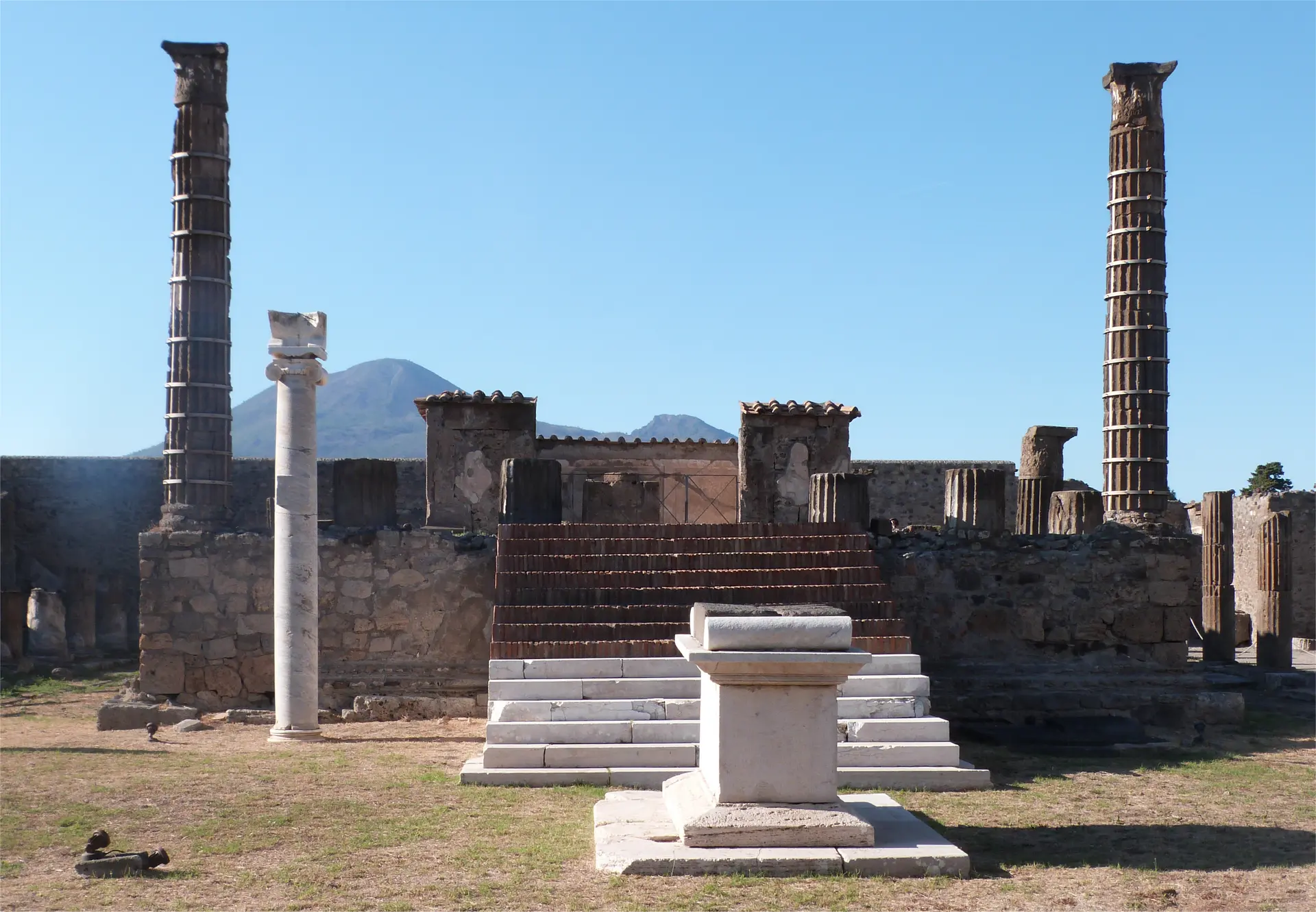
The Roman ruins and the volcano that buried them are reachable by regional train from the city in under an hour or so. Allow at least half a day at the site, wear sturdy shoes and bring water.
Sorrento
Sorrento sits on the far side of the bay and is reachable by train or ferry. It suits a relaxed day trip, or an overnight stay if you want a base for the coast.
Amalfi Coast
The coast is famous for cliffside towns and views. Roads and traffic can be slow in summer, so check bus and ferry options in advance. It works best with an overnight stay.
Rome
Rome is reachable by high-speed train in a bit over an hour. It is possible as a long day trip, though most visitors treat it as a separate stop.
FAQ
Q1When is the best time to visit Naples?
April to June and September to October are the most comfortable, with warm days and good conditions for day trips. Summer is hot and humid, and winter is milder than northern Italy but can be wet.
Q2How many days do you need in Naples?
Two to three days covers the historic centre, the archaeological museum and the seafront. Add one or two days for Pompeii, Sorrento or the Amalfi Coast if you plan to use Naples as a base.
Q3How do you get to Naples?
You can fly into Naples airport or take a train to Napoli Centrale. High-speed services link it with Rome and other cities. Check timetables and book ahead for the best fares, and use a fixed-fare taxi from the airport.
Q4Is Naples safe for tourists?
Most visitors have a trouble-free visit, but pickpocketing happens in crowded areas and on transport. Keep valuables out of sight, stay alert in busy streets and use licensed taxis. Check your government's current travel advice.
Prices, schedules and entry rules change. Check current details with official sources before you travel. Read the Italy travel guide.