Why visit Bologna
If you are planning things to do in Bologna, think of long covered walks, big squares and long lunches. The city is the capital of Emilia-Romagna in northern Italy, home to one of the oldest universities in the world, and its historic centre is lined with kilometres of porticoes, many of them listed by UNESCO.
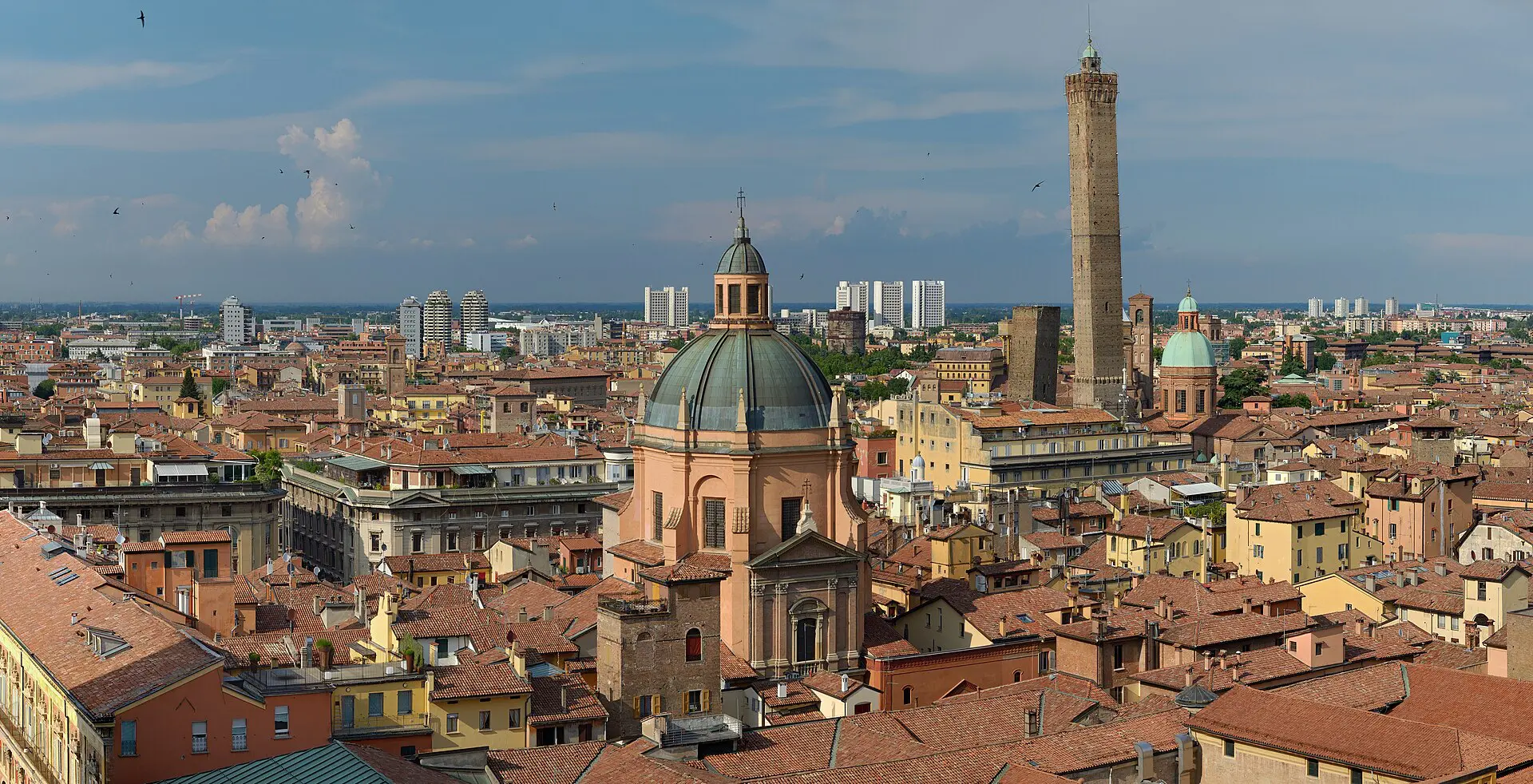
It is known as a food city, with tagliatelle al ragu, tortellini in broth, mortadella and local wines at the centre of the table. It is also a busy student town, so the streets stay lively in the evening and prices can be lower than in Florence or Venice.
Bologna rewards slow wandering more than a checklist. Come for a long weekend, eat well and use the city as a base for trips to nearby towns and the countryside.
Top things to do in Bologna
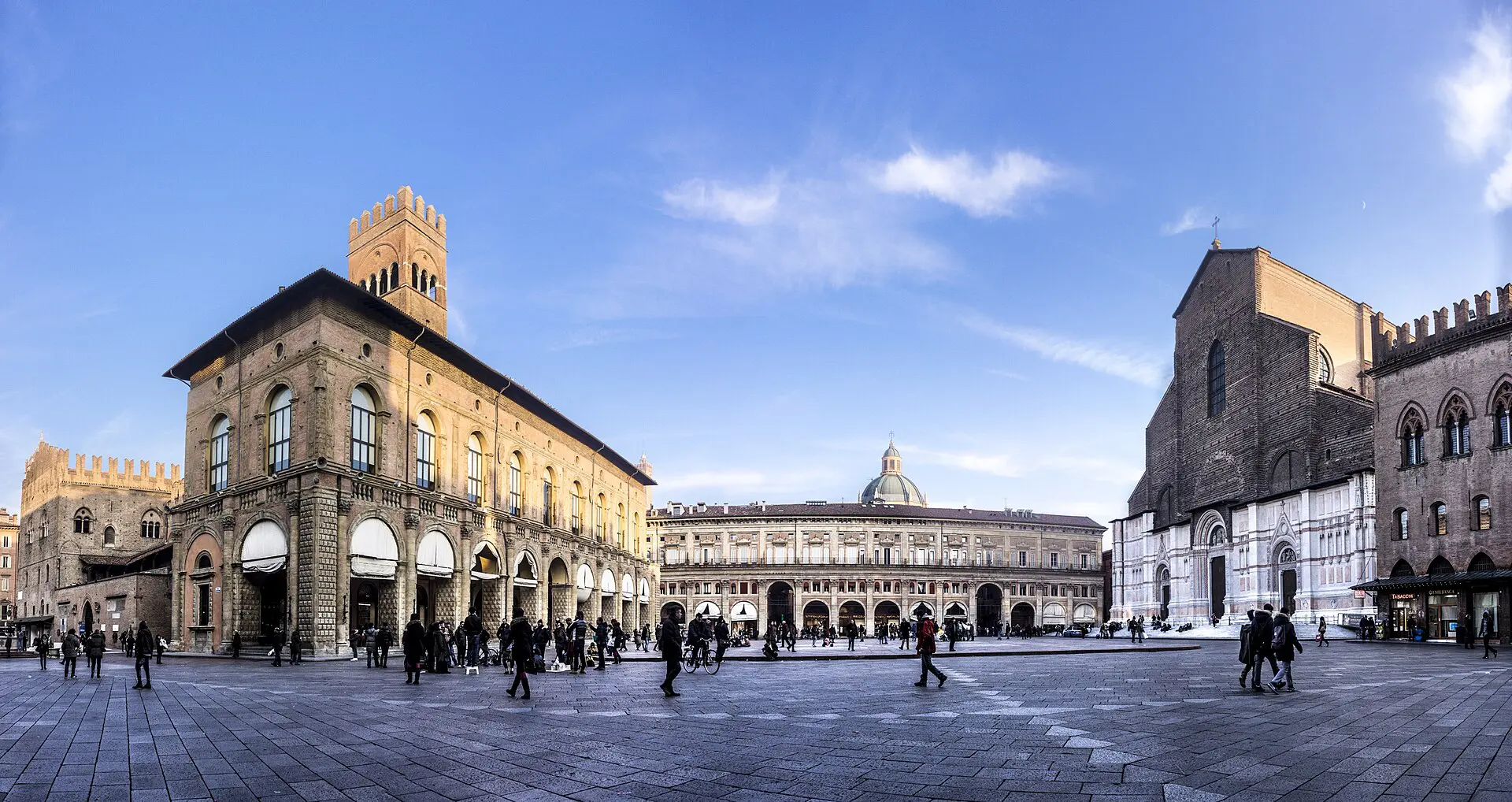
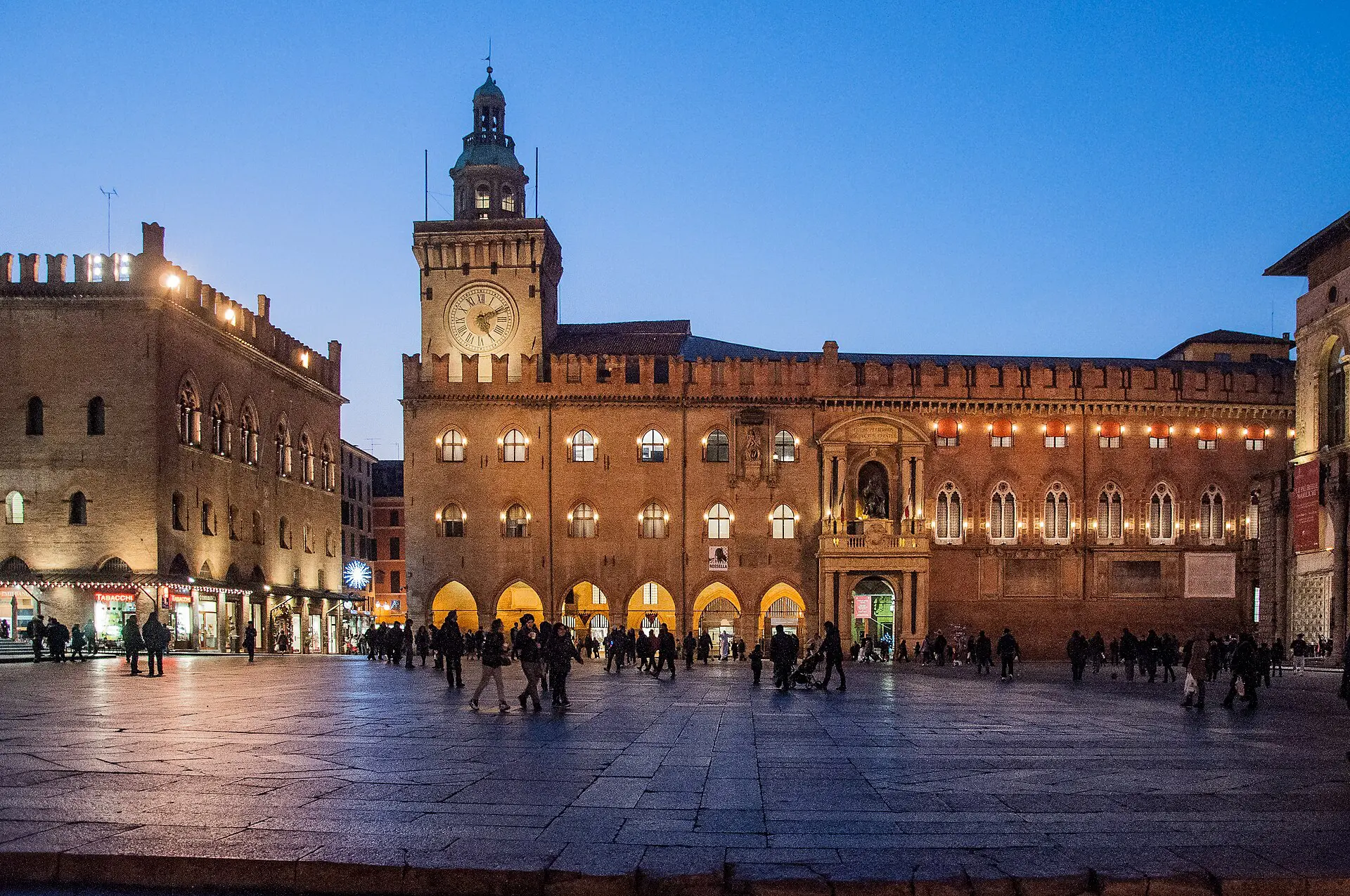
Piazza Maggiore and Basilica of San Petronio
The main square is the heart of the city, surrounded by medieval and Renaissance buildings. The huge basilica of San Petronio has an unfinished facade and a long interior. Allow one to two hours, and dress modestly for the church.
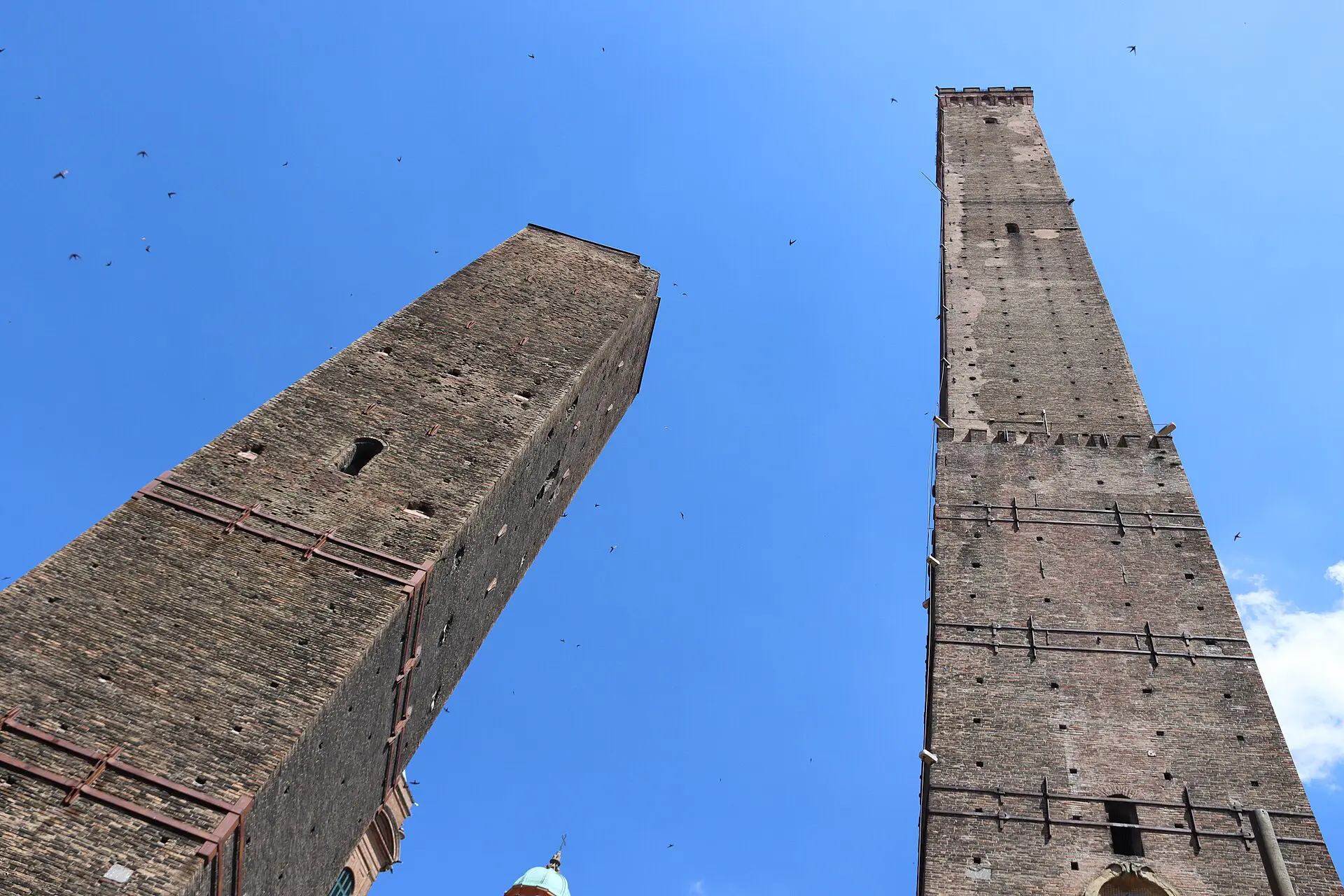
The Two Towers
The Asinelli and Garisenda towers lean over the city and are among its best-known symbols. Climbing Asinelli is possible with a booked ticket, though conditions and access rules change, so check in advance. Allow an hour including the view.
Porticoes and Santuario della Madonna di San Luca
A very long covered walkway climbs from the city edge to the sanctuary on a hill. Walking it is a good half-day activity, and the view over the city is worth the effort. Wear comfortable shoes, and bring water in warm months.
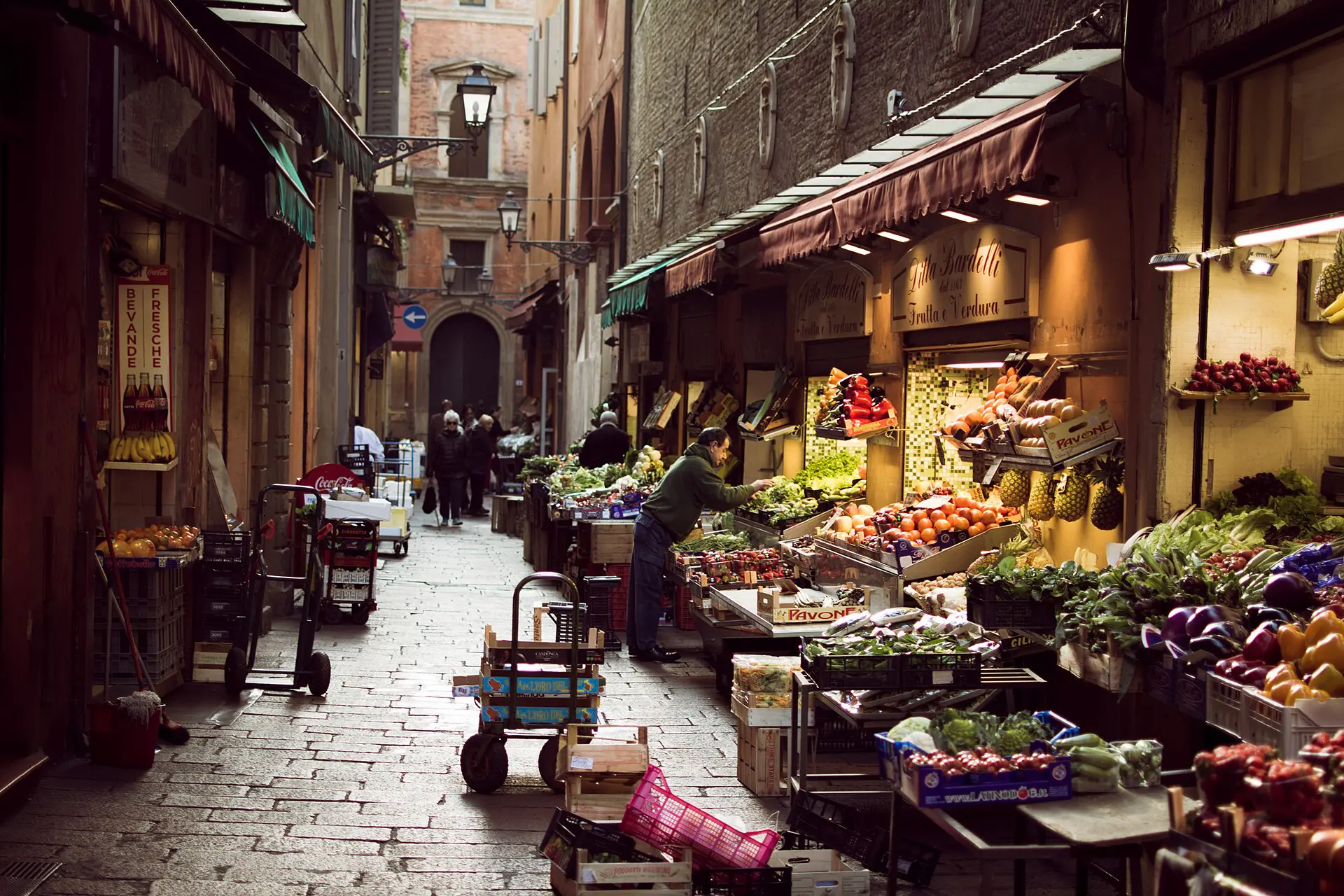
Quadrilatero market streets
The small streets near Piazza Maggiore are lined with delis, bakeries and market stalls selling cheese, cured meats and fresh pasta. Go in the morning, taste a few things and buy picnic food. Check opening hours, as many shops close for part of the day.
Archiginnasio and the old university
The former main university building has a famous anatomical theatre carved in wood. Allow about an hour. Access hours and fees vary, and some areas may close for events, so check before you go.
Basilica of Santo Stefano
Often called the Seven Churches, this complex of linked medieval chapels and a quiet cloister is one of the city’s most atmospheric corners. Allow 30 to 45 minutes. It is usually calmer than the central square.
Food experiences
Take a food tour, cooking class or simply eat at traditional osterias. Reserve ahead for popular places, try small portions in several places and ask for local house wine. Lunch is often better value than dinner.
Best time to visit Bologna
Bologna has hot, humid summers and cool, foggy winters. Spring and early autumn are the most comfortable seasons for walking and eating outside.
| Season | Weather | Crowds and prices |
|---|---|---|
| April to June | Mild to warm, some showers | Moderate |
| July to August | Hot, humid | Quieter in August as locals leave |
| September to October | Warm, pleasant, food season | Moderate to busy |
| November to March | Cold, damp, fog | Low, good value |
The porticoes keep you dry in rain and shaded in heat, so the city works in most seasons. In August, some small restaurants close for holidays.
How to get to Bologna and around
Bologna is a major rail hub. Bologna Centrale has high-speed trains to Florence in around 40 minutes, Milan in roughly an hour, Venice in about 1.5 hours and Rome in around 2 to 2.5 hours, though times vary by train.
Guglielmo Marconi Airport is a few kilometres northwest of the centre and has European flights, many of them low-cost. A shuttle bus and taxis connect it to the station and the old town, and a rail link may also operate, so check current options.
The historic centre is compact and best explored on foot. Buses cover the outer areas, and taxis are available. If you drive, remember that the central traffic-limited zone restricts many vehicles, so park outside and walk in.
Where to stay in Bologna
The historic centre, near Piazza Maggiore and the towers, is ideal for short stays because you can walk to most sights, restaurants and markets. It is also the most expensive and can be noisy at night.
The university district, to the north and east of the centre, is lively, with student bars and cheaper meals, and suits younger travellers and those who like an evening atmosphere.
The area around the central station is practical for early trains and day trips, with many hotels in all price ranges. It is less scenic, but is a short walk or bus ride from the centre. Book early for trade fairs, when prices rise sharply.
How many days do you need?
Two days covers the main sights comfortably, and three allows time for a hill walk and a day trip. A single day is enough for a quick stop between Florence and Venice.
- Day 1: Piazza Maggiore and San Petronio, then the Quadrilatero for lunch, the Two Towers and an evening aperitivo.
- Day 2: Santo Stefano, the Archiginnasio and a walk along the porticoes to San Luca, followed by a long dinner.
- Day 3: Day trip to a nearby town, such as Ravenna or Modena, or a food-focused excursion in the countryside.
Leave room for unplanned stops, since the city rewards slow wandering.
Day trips and nearby
Florence
Fast trains reach Florence in roughly 40 minutes, so it works as a day trip despite its size. Prioritise a few sights, such as the cathedral and a museum, and book timed tickets ahead.
Venice
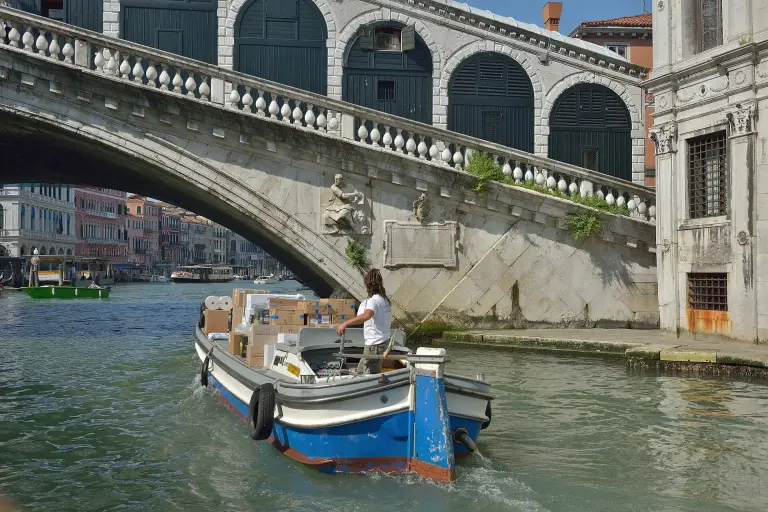
Around 1.5 hours by train, Venice is possible as a long day, but an overnight stay is more rewarding. Go early, avoid peak weekends and check any current entry charges for day visitors.
Verona
A smaller northern city with a Roman arena and a historic centre, about an hour or so by train. It is calmer than Venice and suits a relaxed day with lunch and a walk.
Milan
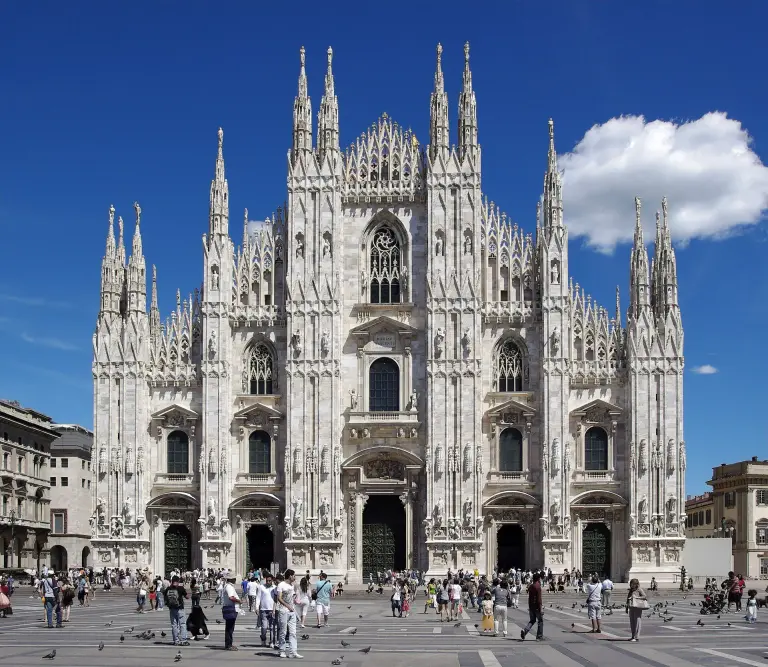
Roughly an hour by fast train, Milan offers its cathedral, shopping and museums. It is a feasible day trip, but is better with an overnight, particularly if you want to see more than one major sight.
FAQ
Q1When is the best time to visit Bologna?
April to June and September to October are usually best, with mild weather and pleasant outdoor dining. Summers can be hot and humid, and winters are cool and foggy, although the porticoes help in any weather.
Q2How many days do you need in Bologna?
Two days is enough to see the main sights and eat well, while three days lets you add a hill walk to San Luca and a day trip. One day works only as a quick stop.
Q3How do you get to Bologna?
Bologna Centrale is on the main high-speed rail line, with frequent trains from Florence, Milan, Venice and Rome. The airport is close to the city and has many European flights, with shuttle buses and taxis into the centre.
Q4Is Bologna expensive?
It is usually cheaper than Florence or Venice, particularly for food, with good value lunches and student-friendly restaurants. Hotel prices rise during trade fairs and peak seasons, so book early and compare central and station-area options.
Prices, schedules and entry rules change. Check current details with official sources before you travel. Read the Italy travel guide.