Why visit Turin
If you are planning things to do in Turin, start with the city’s grand layout. Turin is the capital of Piedmont in northwestern Italy, with a population of about 850,000 in the city proper and more than a million more in the wider area. It sits mainly on the western bank of the River Po, below the Susa Valley, with the western Alps visible on clear days.
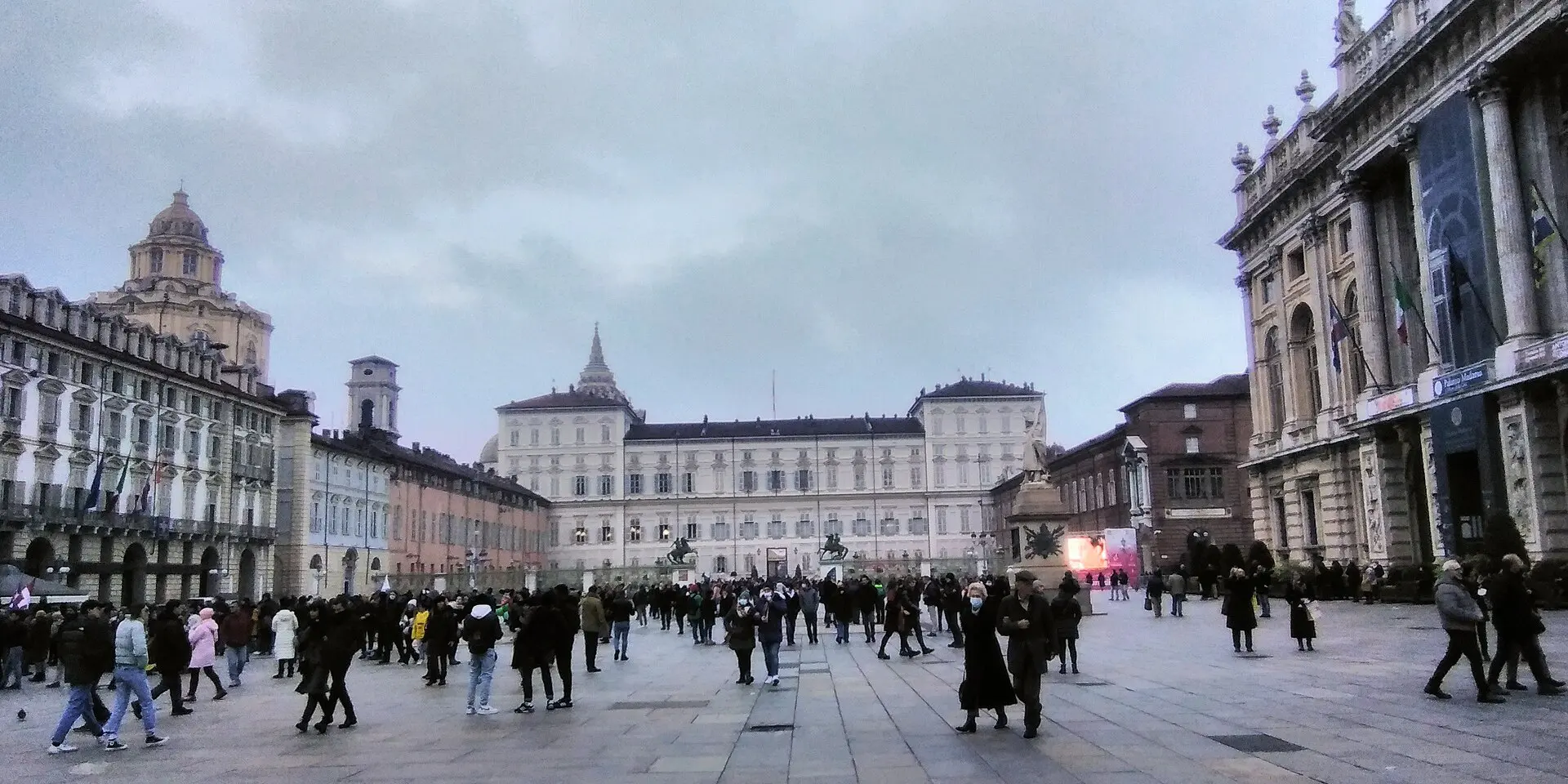
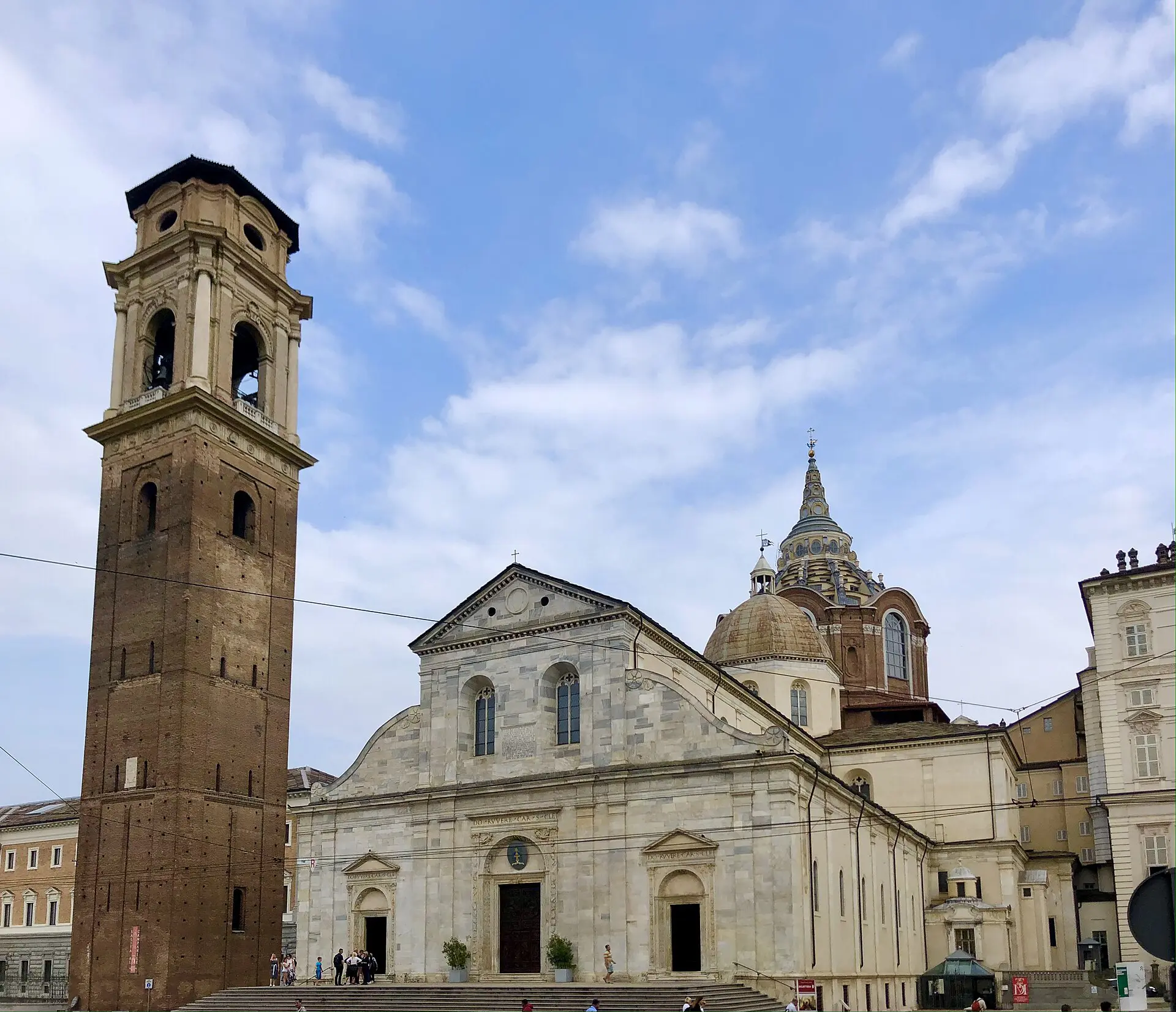
For centuries Turin was the seat of the House of Savoy, and it was the first capital of the Kingdom of Italy, from 1861 to 1865. The Savoy dynasty left baroque palaces, elegant boulevards and grand piazzas, and the city is often called the cradle of Italian liberty. Many visitors only pass through on the way to the Alpine ski resorts, but Turin rewards a stay with museums, cafes and an old-world aristocratic feel.
Top things to do in Turin
Mole Antonelliana
The Mole Antonelliana is the tall spired building that has become Turin’s symbol, and it houses the National Cinema Museum. Allow about two hours including the panoramic lift, if it is operating. Check current hours and book ahead in busy periods, as queues can build at weekends.
Egyptian Museum
Turin’s Egyptian Museum is among the most important collections of Egyptian antiquities outside Egypt, and a major reason many people visit. Plan two to three hours. Timed tickets are common, so book ahead and avoid weekends if you can, as midday gets crowded.
Royal Palace and the Savoy residences
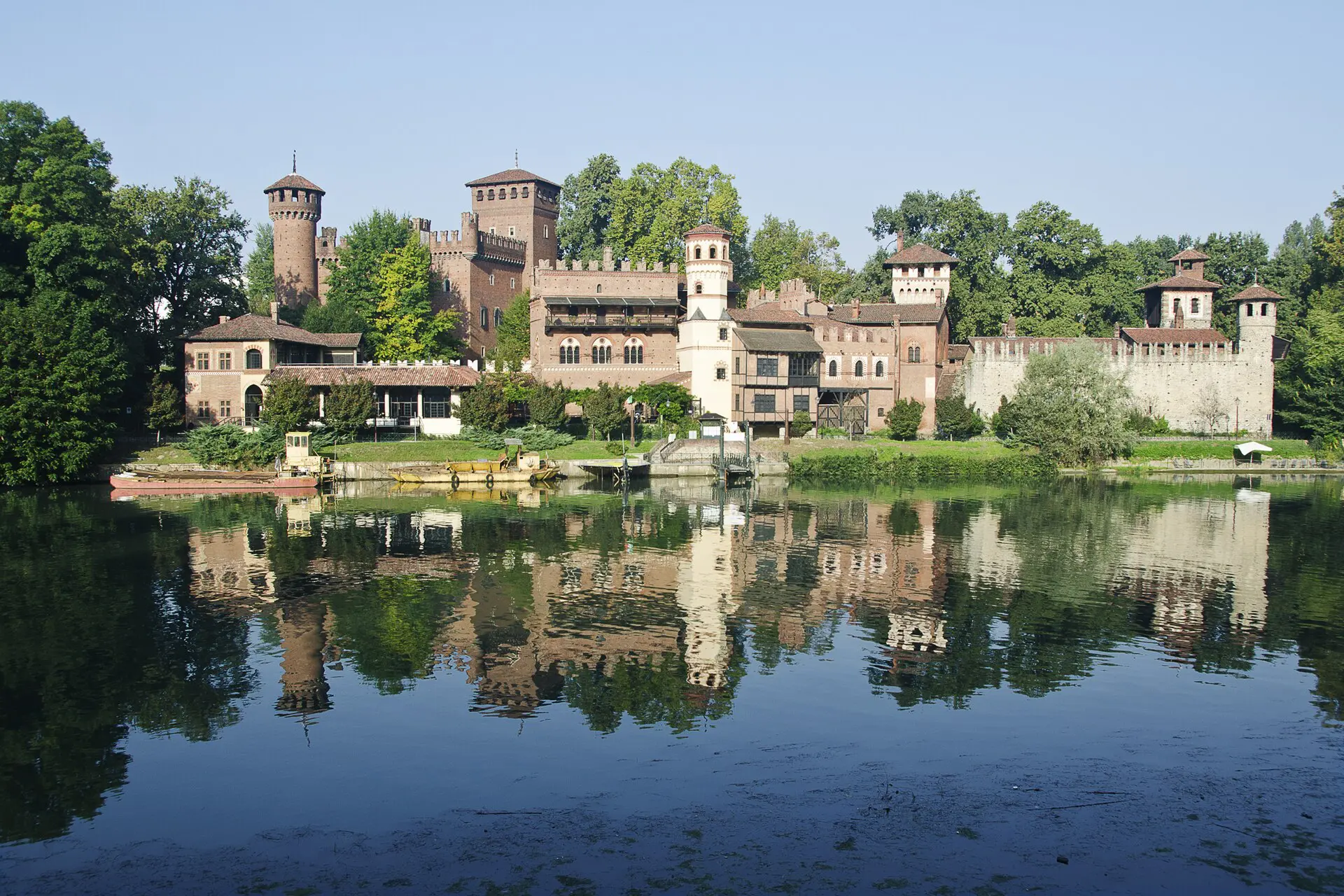
The Palazzo Reale was the main residence of the Savoy and reflects the dynasty’s rise. Allow two hours or more for the interiors and gardens. Several other Savoy residences lie around the city, so check which are open and whether combined tickets are available.
Piazza Castello and Piazza San Carlo
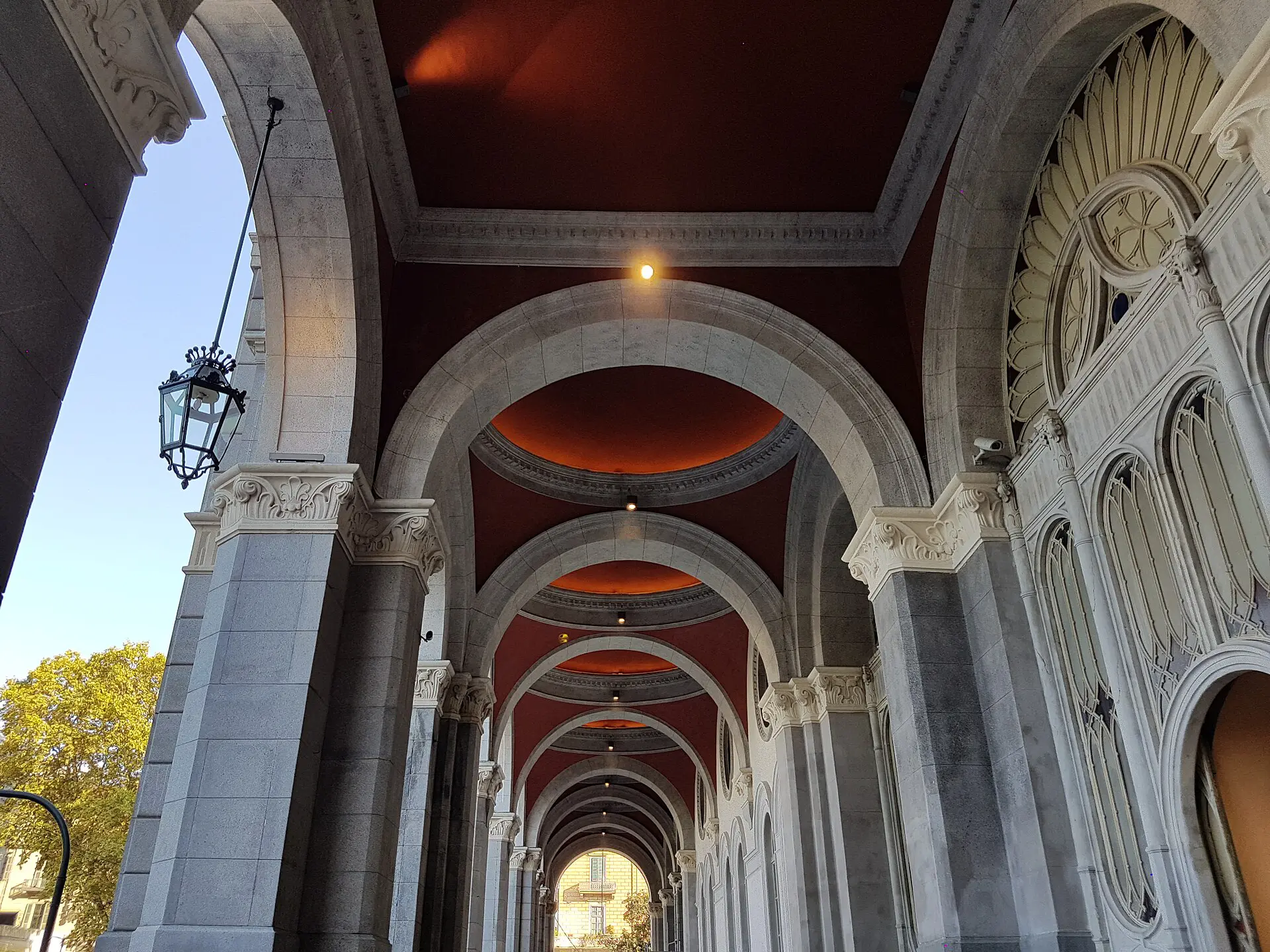
Piazza Castello and Piazza San Carlo are two of the main squares in the old centre, framed by arcades and palaces. Allow one to two hours to walk between them. Turin has long arcaded streets, which means you can stay dry in light rain.
Historic cafes
Turin has a long tradition of grand cafes and of chocolate, including the local drinking chocolate known as bicerin. Plan a stop of 30 to 60 minutes. Prices are higher for table service than at the counter, so check the menu and expect more charge for sitting.
Superga and the hills
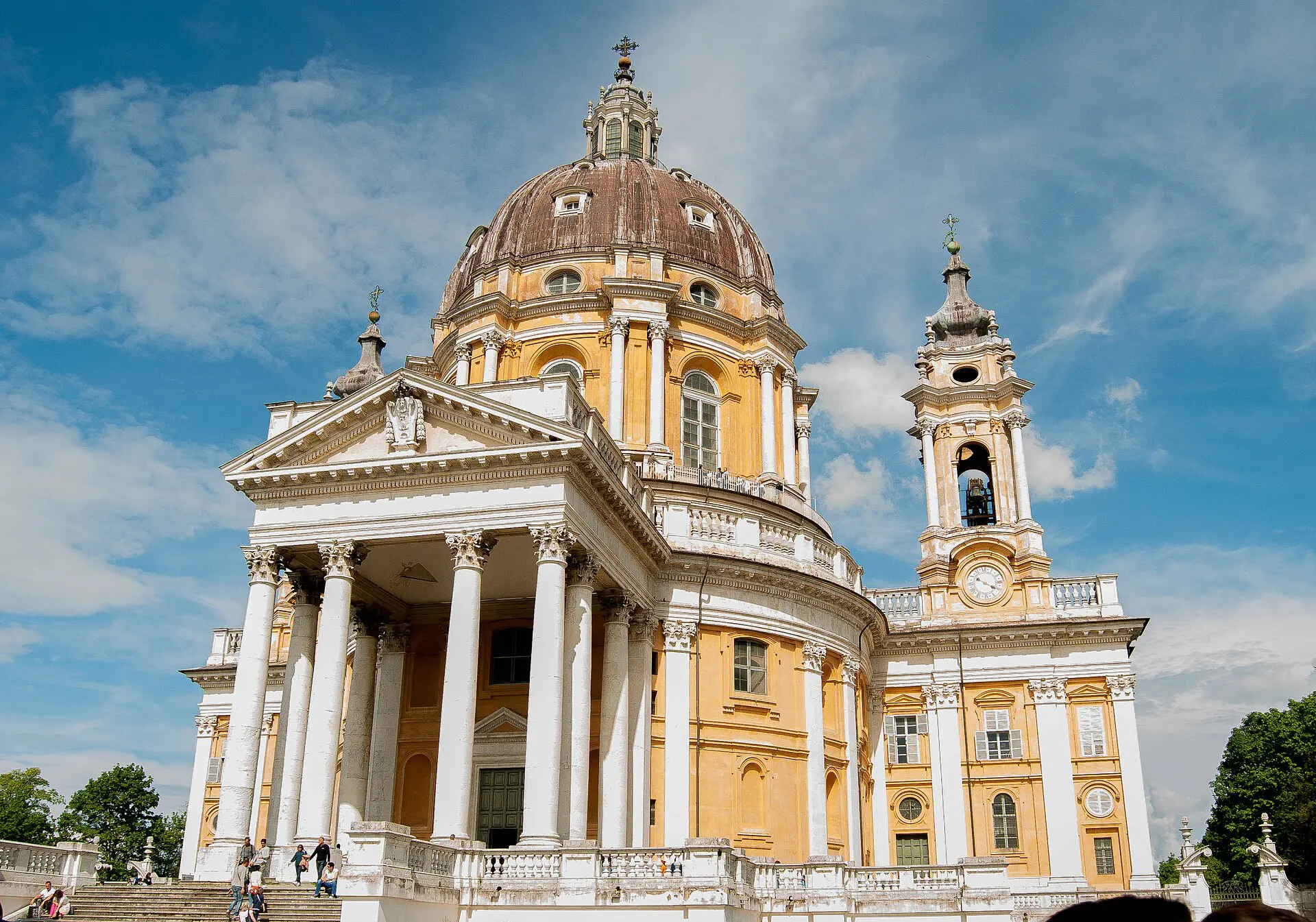
Superga hill, on the edge of the city, offers views over Turin and the Alps. It is reached by a short ride on a rack tramway or by road. Allow half a day, check seasonal operating days, and bring a layer, as the hilltop can be cooler.
Best time to visit Turin
Turin has a continental climate, with hot summers and cold winters. Spring (April to June) and autumn (September and October) are generally the most comfortable, with mild temperatures for walking and clearer Alpine views in many years. July and August can be hot and humid, and some smaller businesses reduce hours around mid-August. Winter is cold, with occasional fog and snow, but the city is quieter, and the nearby Alps are in ski season. Hotel prices rise during major events and trade fairs, so check dates before booking.
How to get to Turin and around
Turin Airport, northwest of the centre, has flights to many European cities, with a bus and rail link to the city. Milan’s airports are an alternative, connected to Turin by train or coach in roughly two hours. Check current options, as routes and timetables change.
Porta Nuova is the main railway station, with high-speed and regional trains to Milan, Genoa, Rome and other cities, and a second station, Porta Susa, handles many high-speed services. In the city, trams, buses and a metro line cover most routes, and the centre is flat and easy to walk. Buy tickets before boarding and validate them where required.
Where to stay in Turin
The historic centre, around Piazza Castello and Piazza San Carlo, is the best choice for a first visit, with sights, cafes and arcades within walking distance. Prices tend to be higher but you can easily explore on foot. The area near Porta Nuova station is convenient for trains and has many mid-range hotels.
The San Salvario neighbourhood suits travellers who want restaurants and nightlife in a more local setting. Across the Po, areas near the hills are quieter and suit longer stays. Book ahead for weekends with major events or fairs.
How many days do you need?
Two days covers the main museums and squares, and three days lets you add the hills and a slower pace in the cafes. If you want to visit the Langhe or the Alps, plan four to five days.
- Day 1: Walk from Piazza Castello to the Royal Palace, then see the Mole Antonelliana and take a cafe break.
- Day 2: Spend the morning at the Egyptian Museum, then walk Piazza San Carlo and the arcaded streets.
- Day 3: Visit Superga for views, or take a day trip into the Piedmont countryside.
Day trips and nearby
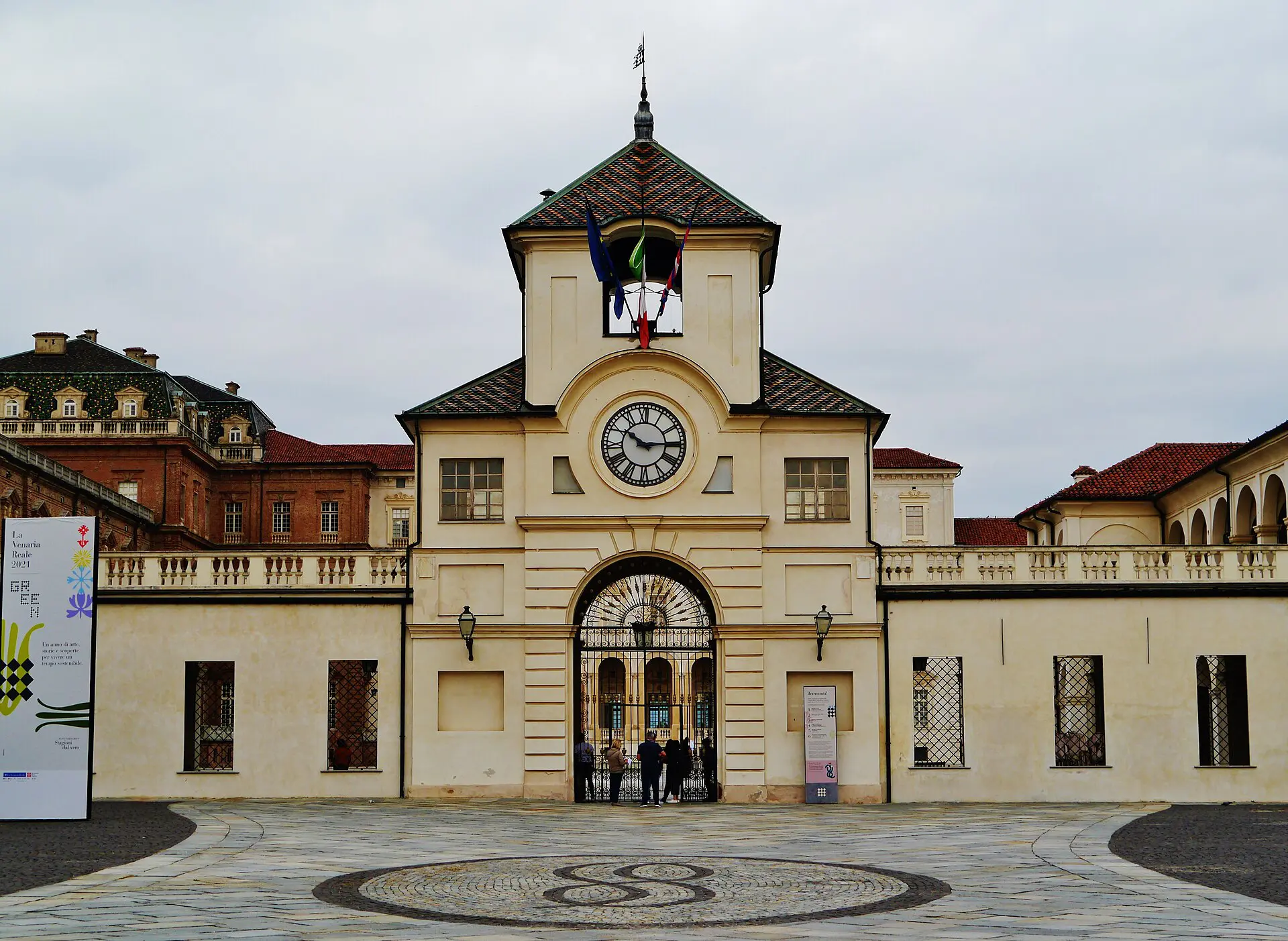
Reggia di Venaria Reale
The Reggia di Venaria is a large Savoy palace complex with gardens, a short trip from Turin by public transport or car. Allow half a day. Check opening days and ticket options, and bring comfortable shoes for the gardens.
Langhe and Piedmont wine country
South of Turin, the Langhe hills are known for wine and food, including Barolo and Barbaresco. A car makes the trip easier. Allow a full day, and book wine tastings in advance, as many producers require appointments.
Milan
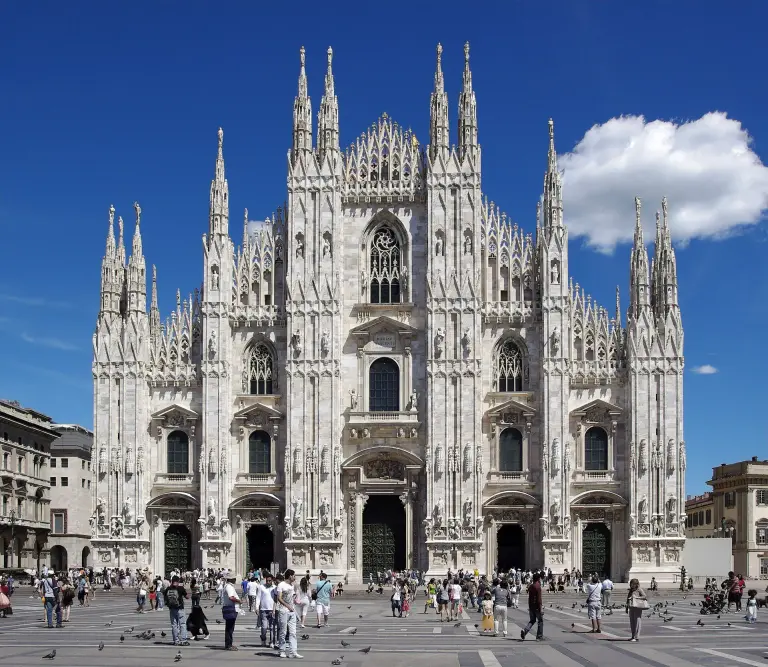
Milan is roughly one hour by high-speed train from Turin and works as a day trip for a quick look at the Duomo and the centre. An overnight stay gives you more time. Check train times and book ahead for lower fares.
Aosta Valley and the Alps
The Val d’Aosta and Alpine resorts lie to the northwest of Turin, with mountain scenery and ski areas in winter. The journey takes roughly two hours by road or coach. Mountain weather can change quickly, so check conditions.
FAQ
Q1When is the best time to visit Turin?
April to June and September to October are generally the most comfortable, with mild weather and clearer views of the Alps. July and August can be hot, and some businesses close around mid-August. Winter is cold but quieter, with ski resorts nearby.
Q2How many days do you need in Turin?
Two to three days is enough for the Royal Palace, the Egyptian Museum, the Mole Antonelliana and the main squares. Add a day for Superga, Venaria Reale or the Langhe. Four days suits a more relaxed trip with day excursions.
Q3How do you get to Turin?
Turin Airport is about 15 kilometres north-west of the centre, and Milan's airports are an alternative, roughly two hours by train or coach. Porta Nuova and Porta Susa stations have high-speed trains from Milan, Rome and other cities. Book rail tickets early for lower fares.
Q4Is Turin worth visiting?
Yes, if you like grand architecture, museums and cafe culture without the crowds of Rome or Venice. It has royal palaces, a major Egyptian collection and Alpine views. Check opening hours for the main sights, and book popular museums ahead.
Prices, schedules and entry rules change. Check current details with official sources before you travel. Read the Italy travel guide.