Why visit Sicily
If you are planning things to do in Sicily, expect variety. It is the largest island in the Mediterranean and an autonomous region of Italy, sitting just off the toe of the mainland. Greek, Roman, Arab and Norman rulers each left their mark, which shows in the temples, cathedrals, mosaics and street food.
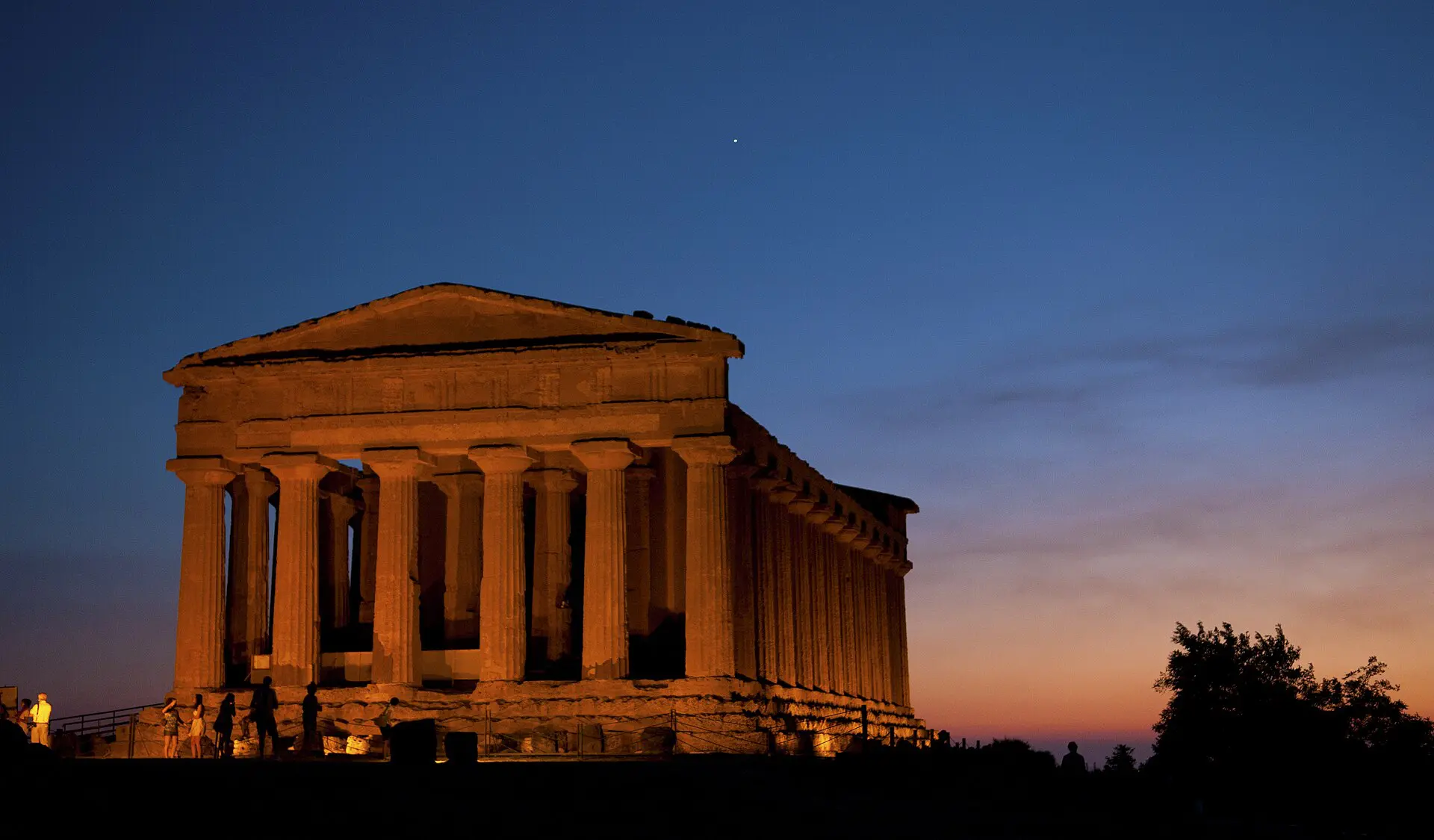
The island offers ancient ruins such as the Valley of the Temples in Agrigento, the volcanic landscape of Mount Etna, one of Europe’s most active volcanoes, and historic cities including Palermo, Syracuse and Catania. Baroque towns, beaches and a distinctive cuisine round out the picture.
Sicily rewards slow travel. Distances look short on the map but drives take time, and trains and buses can be slow, so choose a base or two and do not try to see everything. It is a year-round destination, though summer heat and crowds make spring and autumn more comfortable.
Top things to do in Sicily
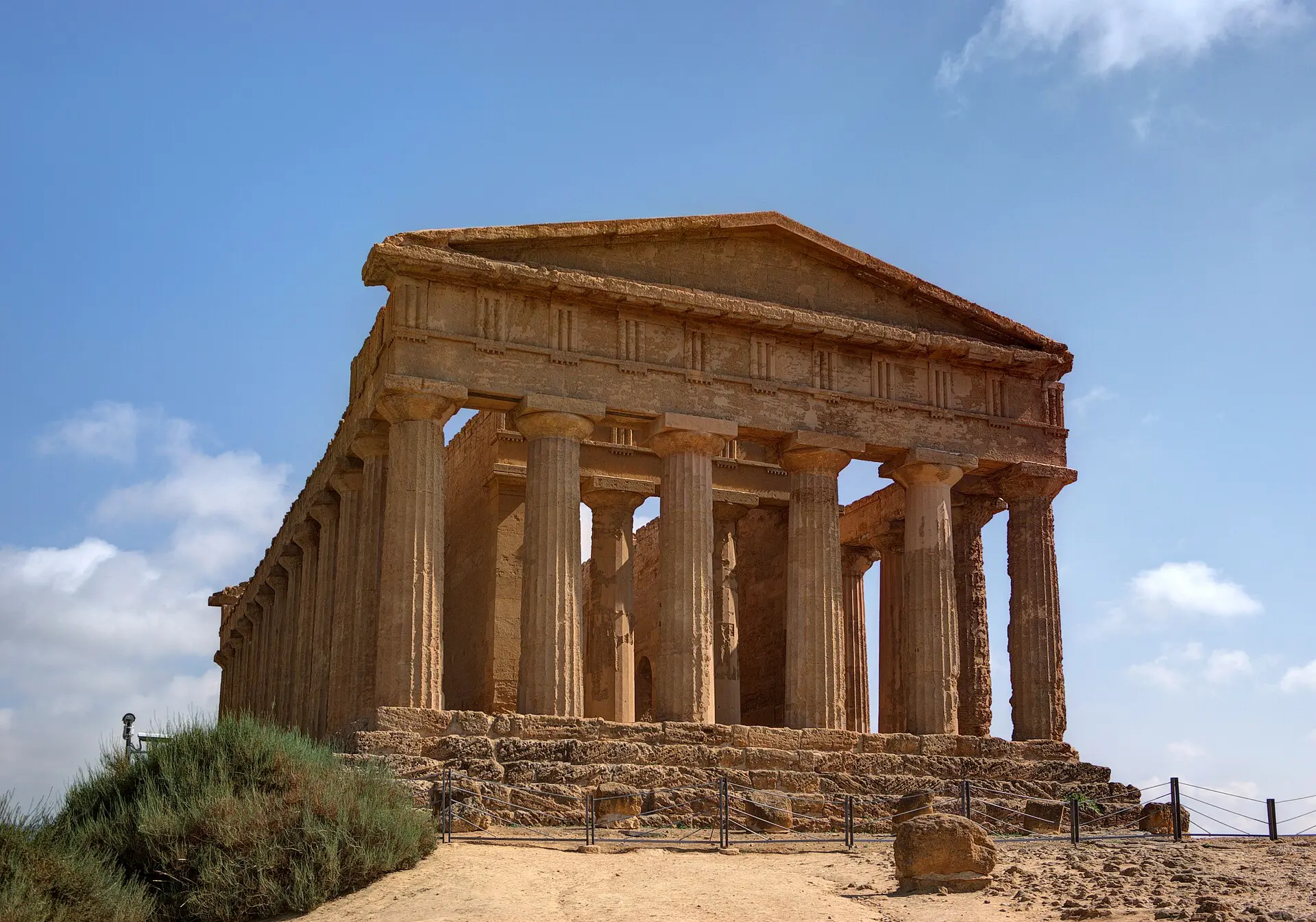
Valley of the Temples, Agrigento
A UNESCO-listed archaeological park with well-preserved Greek temples, including the Temple of Concordia. Allow two to three hours. Go early or late in the day to avoid heat and crowds, wear a hat, and check whether evening openings are available.
Mount Etna
One of the most active volcanoes in Europe, with guided hikes and cable car routes on its slopes. Allow a half or full day. Access to the upper craters depends on volcanic activity, so check current restrictions and bring warm layers, even in summer.
Palermo
The regional capital mixes Arab-Norman monuments, markets and baroque churches. Give it at least two days. Try street food in the historic markets, visit the cathedral and the Palatine Chapel, and check opening times for churches, which can close at midday.
Syracuse and Ortigia
The ancient Greek city has a large archaeological park, while the island of Ortigia holds the old town, the cathedral and seafront. Allow one to two days. Walk Ortigia in the evening when it is cooler.
Taormina
A hilltop town with a Greek theatre and views toward Etna and the sea. It gets busy in summer. Allow half a day, go early, and check the ticket price and opening hours for the theatre.
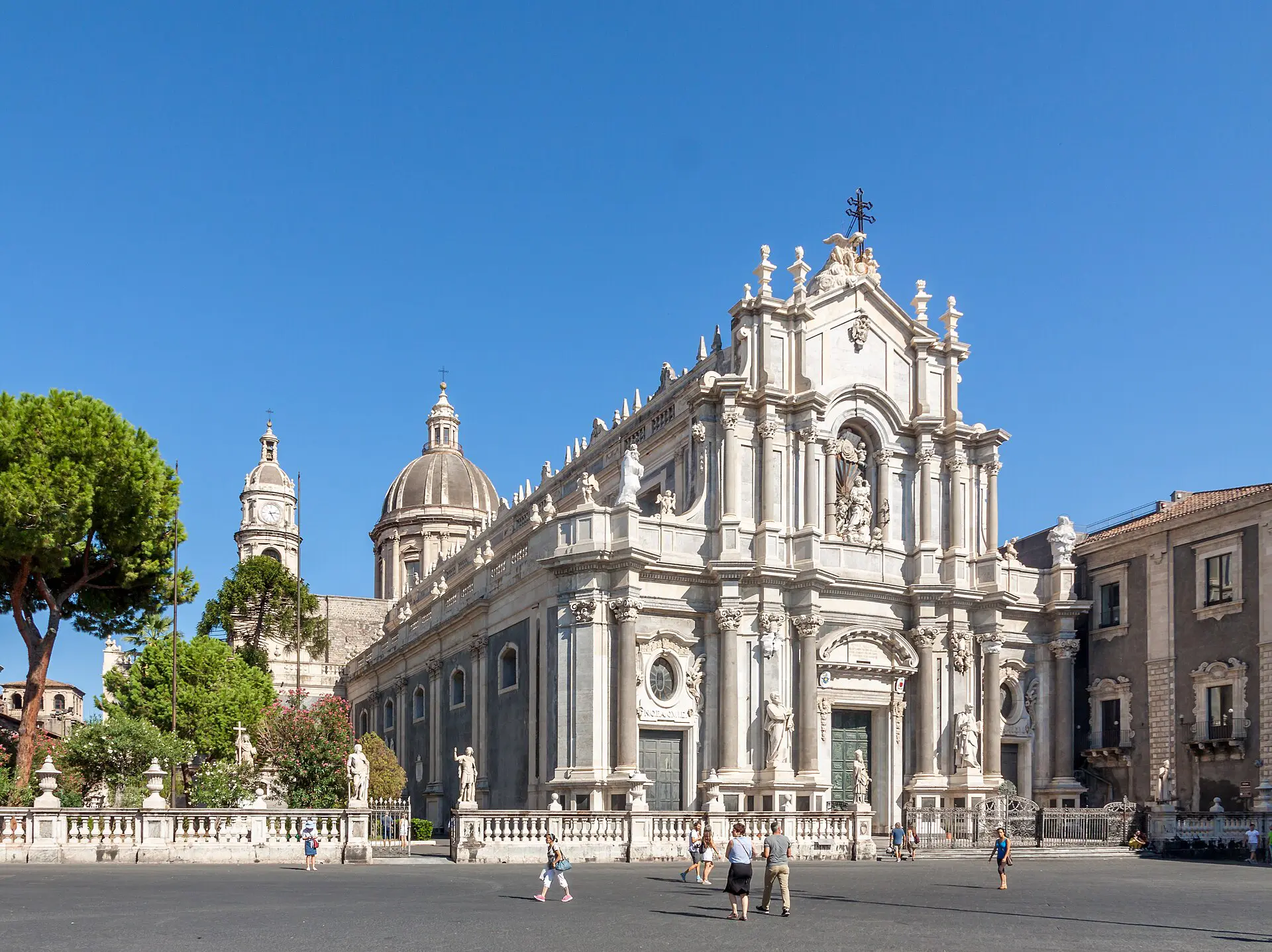
Baroque towns of the Val di Noto
Noto, Ragusa and Modica are known for their honey-coloured baroque architecture, rebuilt after an earthquake in 1693. Allow a day or two by car. Sample local chocolate in Modica and arrive early to avoid the midday heat.
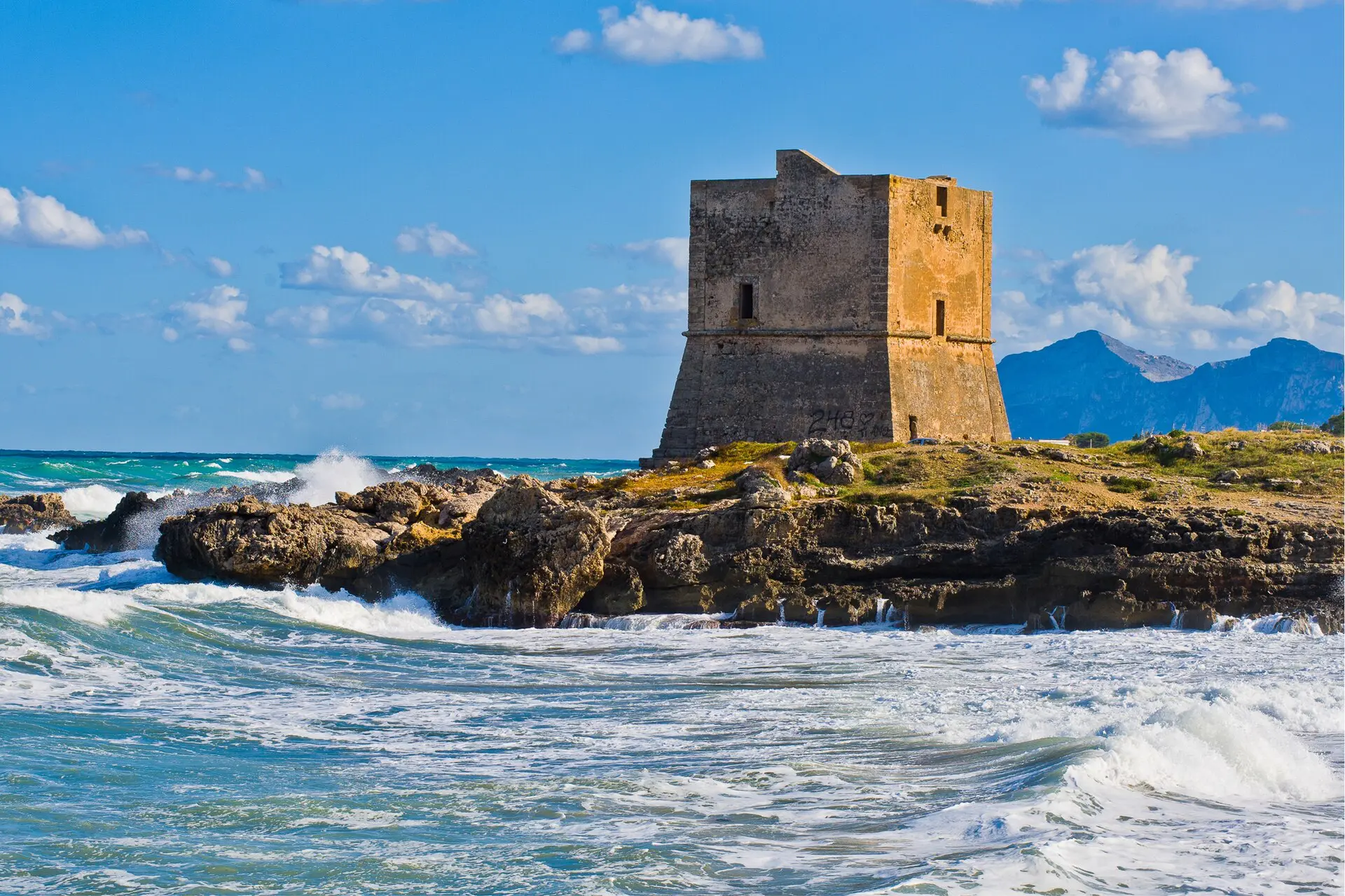
Cefalu and the northern coast
A seaside town with a Norman cathedral, a beach and a small old centre, about an hour from Palermo. It makes a relaxed half-day trip. Avoid August weekends if you dislike crowds.
Best time to visit Sicily
April to June and September to October are usually the best months, with warm weather, open sights and fewer crowds than in high summer. Spring brings wildflowers and green hills, while autumn sea temperatures remain pleasant for swimming.
July and August are hot and busy, especially on the coast, and prices rise. Winters are mild by northern European standards but can be rainy, and some seaside businesses close. Snow is possible on Etna, so winter is also the time for skiing on the volcano.
| Season | Weather | Crowds and prices |
|---|---|---|
| April to June | Warm, green, some showers | Moderate; Easter is busy |
| July to August | Hot and dry | Peak crowds and prices |
| September to October | Warm, sea still swimmable | Moderate, good value |
| November to March | Mild, rainy | Quiet; some services closed |
How to get to Sicily and around
Most visitors fly into Palermo on the west or Catania on the east, with direct flights from many European cities, though routes vary by season. Ferries run from mainland ports such as Naples and Genoa, and trains cross the Strait of Messina from the mainland on ferry carriages.
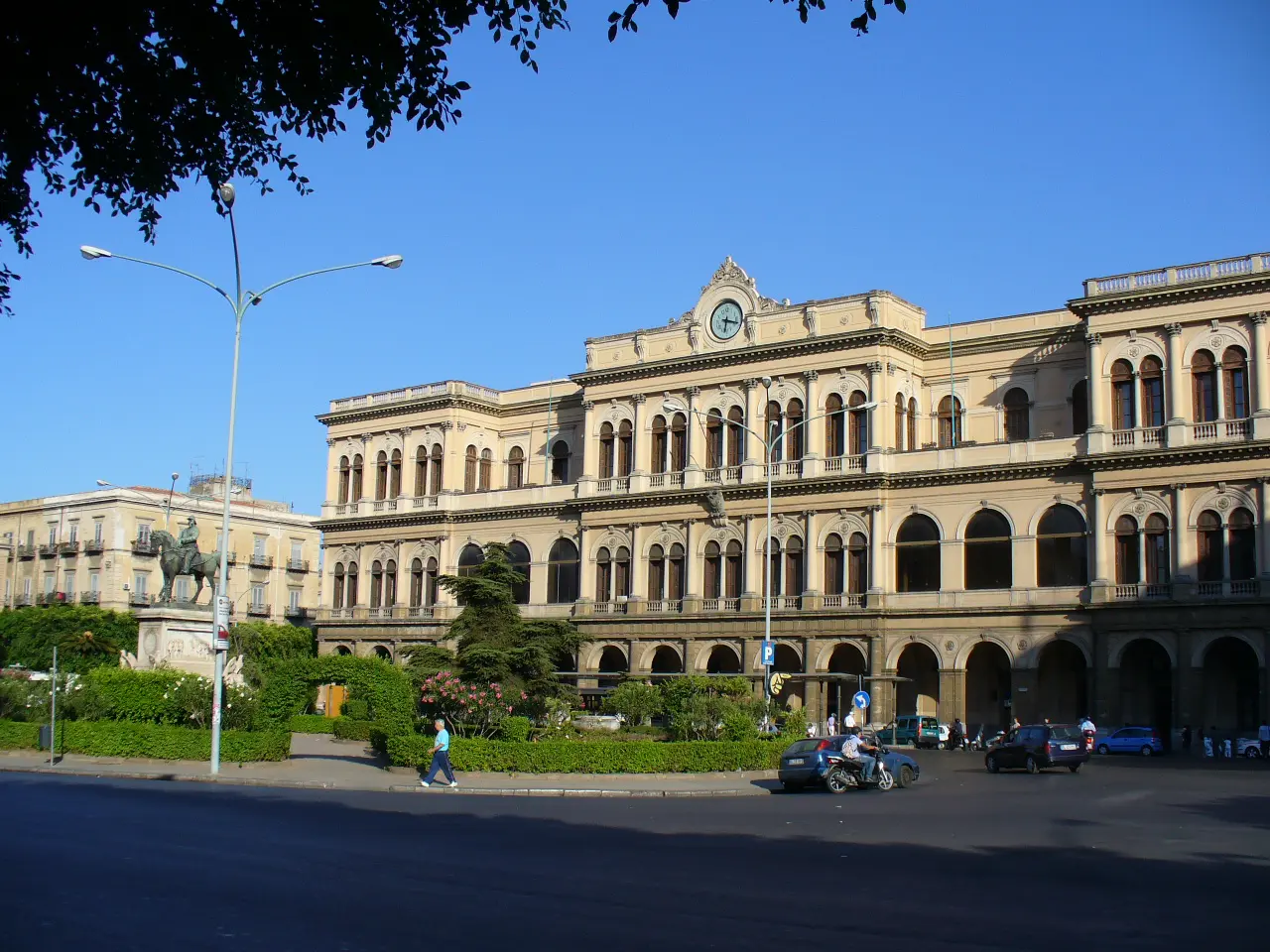
Once on the island, a hire car is the most flexible option, especially for rural sites such as Agrigento and the Val di Noto. Driving in city centres is stressful and parking is limited, so leave the car when you are in Palermo or Catania.
Regional trains and buses link the larger cities but can be slow and infrequent in places. Check timetables and allow generous connection times.
Where to stay in Sicily
With so much ground to cover, it helps to choose two or three bases.
- Palermo: best for the west and for city life, with food markets and historic sights. Suits those who like energy and street food.
- Catania or Taormina: good for Etna and the east coast. Catania is urban and lively, while Taormina is scenic and more expensive.
- Ortigia in Syracuse: a compact, atmospheric island for history lovers and couples.
- Countryside stays: farm stays in the interior or the south suit drivers who want quiet and local food, but they are hard to reach without a car.
How many days do you need?
A week is the sensible minimum for a first visit, with ten days giving more breathing space. With only three or four days, focus on either Palermo and the west, or Catania, Etna and Syracuse.
- Days 1 to 2: Palermo, including markets, the cathedral and Palatine Chapel, with a possible day trip to Cefalu.
- Days 3 to 4: Agrigento and the Valley of the Temples, then on to the southeast.
- Days 5 to 7: Syracuse and Ortigia, the Val di Noto and Mount Etna, ending in Catania or Taormina.
Day trips and nearby
Aeolian Islands
A volcanic archipelago off the northern coast reached by ferry or hydrofoil from Milazzo or other ports. Stromboli and Vulcano are the best known. Plan an overnight stay, and check sea conditions, since services can be cancelled.
Malta
Ferries run from Pozzallo in southern Sicily to Valletta in around two hours, depending on season. It is a longer trip and better with a night or two, but is a good extension.
Reggio Calabria
Across the Strait of Messina on the mainland, it is a gateway to southern Italy and the Calabrian coast. Ferries are frequent and short, which makes it an easy onward route.
Naples and the mainland
Overnight ferries or short flights connect Sicily with Naples and the Amalfi Coast, making it simple to combine both in one trip. Check ferry schedules and book cabins in advance for summer.
FAQ
Q1When is the best time to visit Sicily?
April to June and September to October are the best months, with warm weather and fewer crowds. July and August are hot and busy. Winters are mild but rainy, and some coastal businesses close from roughly November to March.
Q2How many days do you need in Sicily?
At least a week for a first visit, since distances and slow roads add up. With only three or four days, focus on Palermo and the west, or on Catania, Etna and Syracuse in the east.
Q3Do you need a car in Sicily?
A car is the easiest way to reach sites like Agrigento, the Val di Noto and the countryside. Trains and buses link big cities but can be slow. Skip the car in Palermo and Catania, where parking and traffic are difficult.
Q4Is Sicily safe to visit?
Sicily is generally safe for tourists. As in any busy city, watch for pickpockets in crowded markets and on public transport. Drive carefully, as local driving can be assertive, and check current Etna activity before any volcano excursion.
Prices, schedules and entry rules change. Check current details with official sources before you travel. Read the Italy travel guide.