Why visit Genoa
If you are looking for things to do in Genoa, begin with the old port. The capital of Liguria is the sixth-largest city in Italy and one of the busiest ports in the Mediterranean. It was the centre of a powerful maritime republic from the 11th century to 1797, and that wealth is still visible in its churches and palaces.
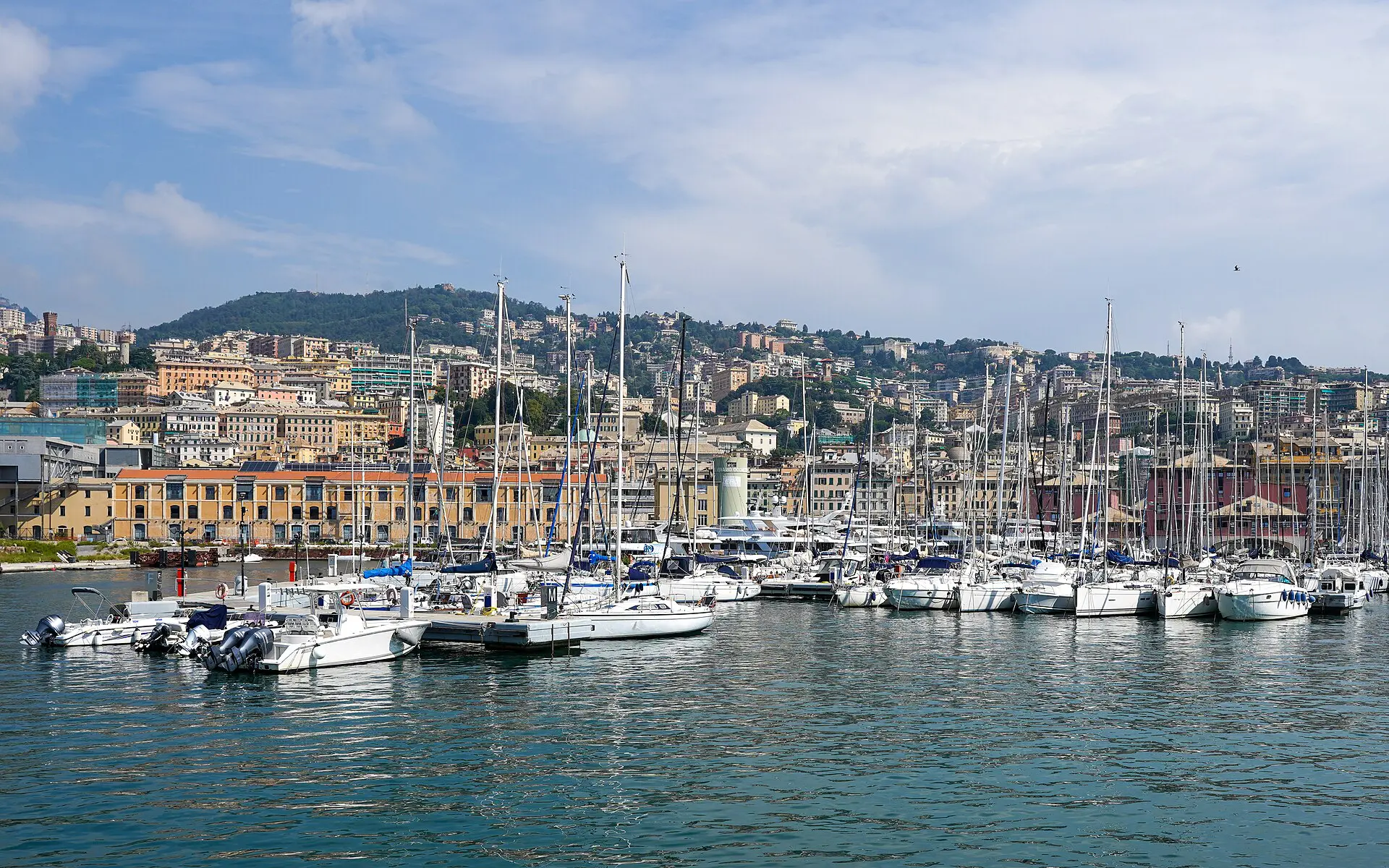
The city is often overshadowed by Rome, Florence or Venice, which suits visitors who prefer a working city to a museum set. Its centre is a dense maze of alleys, with slate-roofed houses, old squares and grand streets lined with palaces, and the food is excellent, notably pesto, focaccia and seafood.
Genoa is also the birthplace of Christopher Columbus, a European Capital of Culture in 2004, and a good base for the Italian Riviera. Expect steep streets, a little grit and a real city atmosphere.
Top things to do in Genoa
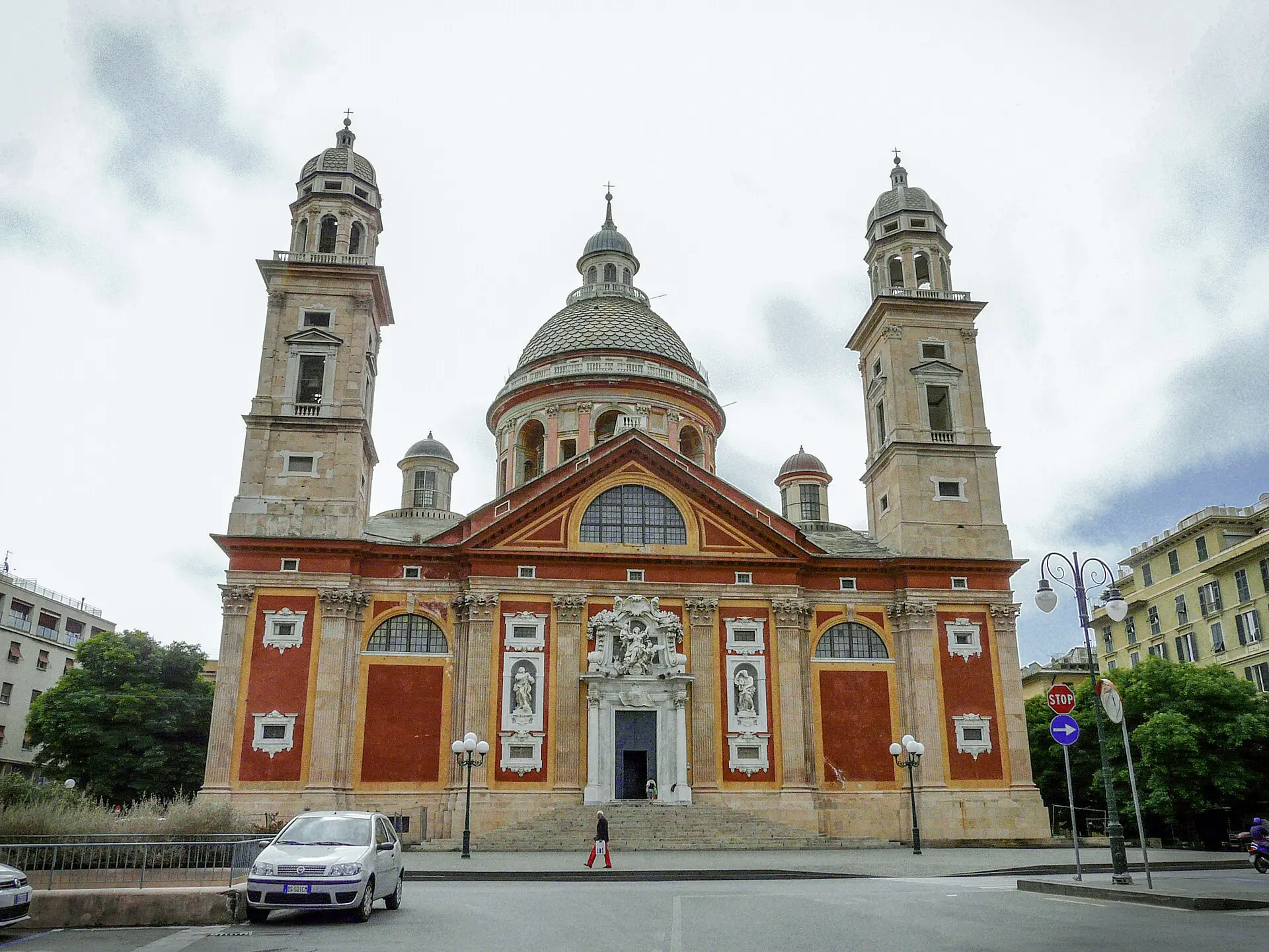
The old town and its alleys
Genoa’s historic centre is one of the largest medieval city centres in Europe, a labyrinth of narrow lanes called caruggi. Allow half a day. It is generally safe by day but gets quiet and rough at night in some corners, so keep to well-lit streets.
Via Garibaldi and the Palazzi dei Rolli
This street is lined with Renaissance and Baroque palaces, several of them museums. Allow two to three hours to visit one or two. Opening hours vary and some palaces close on certain days, so check before you go.
San Lorenzo Cathedral
The striped black-and-white cathedral stands in the heart of the old town. Allow 30 to 45 minutes. Dress modestly, since it is an active church, and look for the facade lions and details that hint at the city’s history.
Porto Antico and the Aquarium
The renovated old port is a pleasant place to walk and eat. The aquarium here is among the largest in Europe, and a visit takes two to three hours. Book tickets ahead in summer and at weekends to avoid queues.
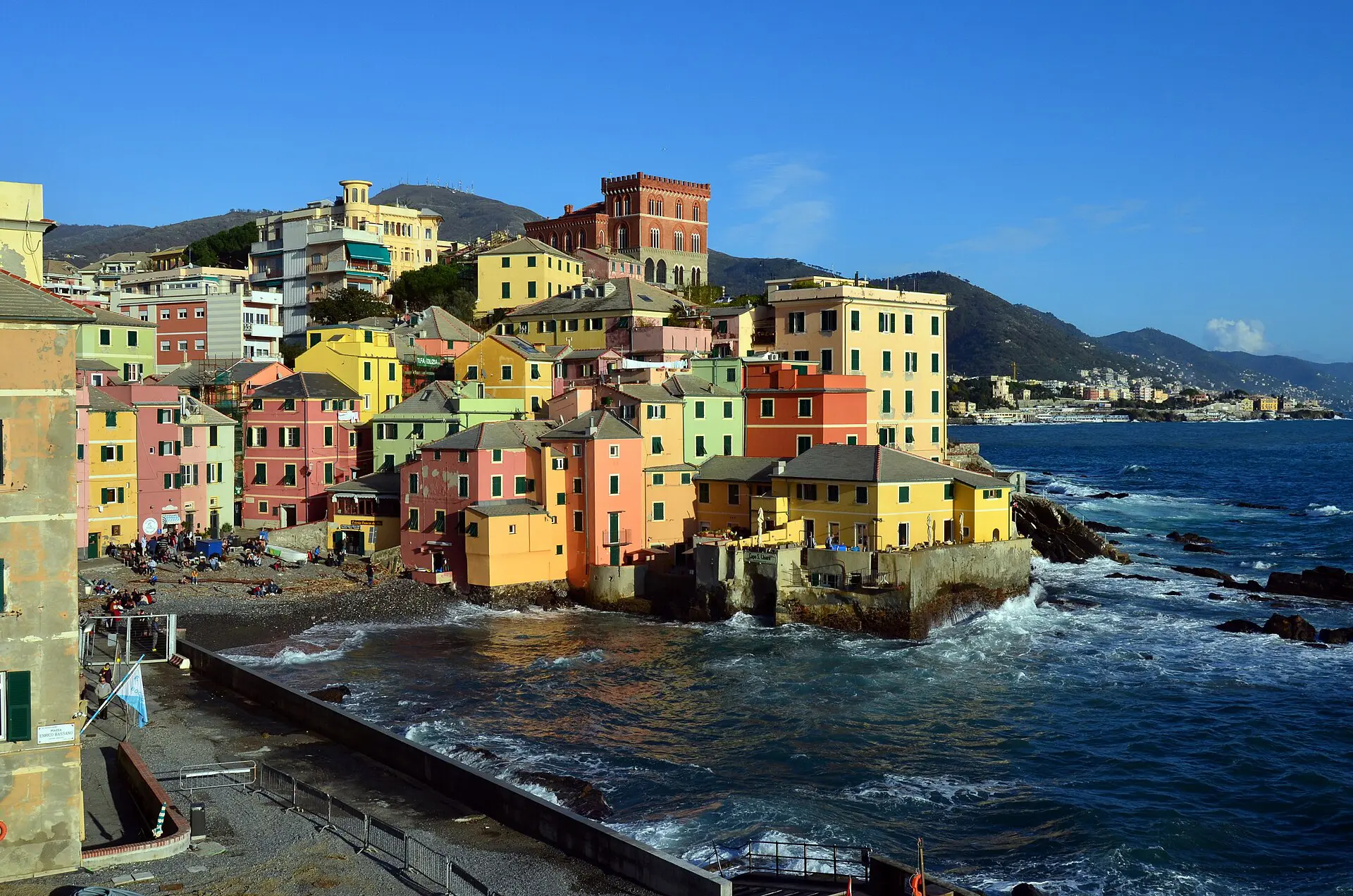
Boccadasse
This former fishing village within the city has colourful houses and a small pebble beach. Allow one to two hours. Come in the early evening for a gelato and a walk along the seafront, which is a short bus ride from the centre.
Staglieno Cemetery
The monumental cemetery is known for its elaborate sculpture and galleries, and it is a surprisingly rewarding half-day trip. Allow two hours, and wear comfortable shoes. It is reached by bus or train from the centre.
Focaccia and local food
The city is known for focaccia, pesto and seafood. Try focaccia for breakfast in a bakery and pesto pasta for lunch. Allow time for a long meal, and check opening hours, as many small places close on Sundays or in the afternoon.
Best time to visit Genoa
Genoa has a mild Mediterranean climate, with warm summers and cool, sometimes wet winters. Spring and early autumn are the most pleasant seasons for walking the old town and the coast. July and August can be hot and humid, while winter is quiet and often rainy.
| Season | Weather | Crowds and prices |
|---|---|---|
| Spring (Mar to May) | Mild, some rain | Moderate crowds, good value |
| Summer (Jun to Aug) | Hot and humid | Busier on the Riviera, higher prices |
| Autumn (Sep to Nov) | Warm, then wetter | Moderate crowds, good value |
| Winter (Dec to Feb) | Cool, rainy periods | Quietest, lowest prices |
April to June and September to October balance weather and crowds best. Note that cruise-ship days can make the port area busy.
How to get to Genoa and around
Genoa Cristoforo Colombo Airport is on the western edge of the city and has flights to a number of European cities. From there a bus or taxi runs into the centre. Many visitors also fly into Milan or Pisa and continue by train.
Genoa is well connected by rail. The main stations are Genova Piazza Principe in the west and Genova Brignole in the east, with regional and long-distance trains to Milan, Turin, Pisa, Rome and the Riviera. Check current timetables, since journey times depend on the service.
The centre is best on foot, but the city climbs steeply. Buses, a small metro and funiculars and lifts cover the hills. Buy tickets before boarding where required, and validate them. A car is not useful in the old town, and parking is hard to find.
Where to stay in Genoa
The old town around San Lorenzo and the port puts you close to the main sights and the aquarium. It suits first-time visitors who want atmosphere and are comfortable with narrow, busy streets. Choose a place on a main lane for easier arrival at night.
The area around Via Garibaldi and the Principe station is convenient for rail connections and has a mix of small hotels and apartments. It suits anyone using the train to reach the Riviera.
The areas near Brignole station and the neighbourhoods to the east, including the Foce and the seafront, are more residential and calmer, with a more local feel. Boccadasse and the eastern coast suit travellers who prefer a quiet seaside base. Check access and stairs, as many old buildings have no lift.
How many days do you need?
Two full days is enough for the main sights, and three gives you time for a day on the Riviera. Genoa works well as a base for Portofino, Camogli and the Cinque Terre by train, so a longer stay makes sense if you want to combine city and coast. A single day only covers the old town and port.
- Day 1: Walk the old town and San Lorenzo Cathedral, then spend the afternoon at Via Garibaldi and the palaces.
- Day 2: Visit the Porto Antico and the Aquarium, then head east to Boccadasse in the evening.
- Day 3: Take a train to Camogli or Portofino, or visit Staglieno Cemetery before heading to the coast.
Day trips and nearby
Portofino
This small harbour village on the Ligurian coast is among the best-known spots on the Italian Riviera. Allow half a day. It can be reached by train to Santa Margherita Ligure and a short bus or boat ride, and it is busy in summer.
Camogli
A colourful fishing village east of Genoa, Camogli has a pebble beach and a small harbour. Allow half a day. It is an easy train ride from the city, and a good alternative to the busier Portofino.
Cinque Terre
The five coastal villages are reached by train from Genoa in roughly 1.5 to 2 hours, depending on the service. Allow a full day, and check current rail connections, trail access and ticket rules before you go.
Milan
The Lombard capital is a longer rail trip north across the Apennines. It is better as a separate stop than a day trip, although fast trains make it possible in a long day.
FAQ
Q1When is the best time to visit Genoa?
April to June and September to October are best, with mild weather and fewer crowds. July and August are hot and humid, and the Riviera is busy. Winter is quieter and cheaper, but wetter, so pack a rain jacket.
Q2How many days do you need in Genoa?
Two to three days covers the old town, the palaces, the port and Boccadasse. Add a day if you want to visit Portofino, Camogli or the Cinque Terre by train, since Genoa is a convenient base for the Riviera.
Q3How do you get to Genoa?
Genoa has an airport on the western edge of the city, and most visitors arrive by train at Principe or Brignole station from Milan, Turin, Pisa or Rome. Check current timetables, since journey times vary by train type.
Q4Is Genoa safe and worth visiting?
Genoa is generally safe for visitors, but like any large port city, parts of the old town can feel rough at night, so keep to busy streets and watch your belongings. It is well worth visiting for its food, palaces and Riviera access.
Prices, schedules and entry rules change. Check current details with official sources before you travel. Read the Italy travel guide.