Why visit Positano
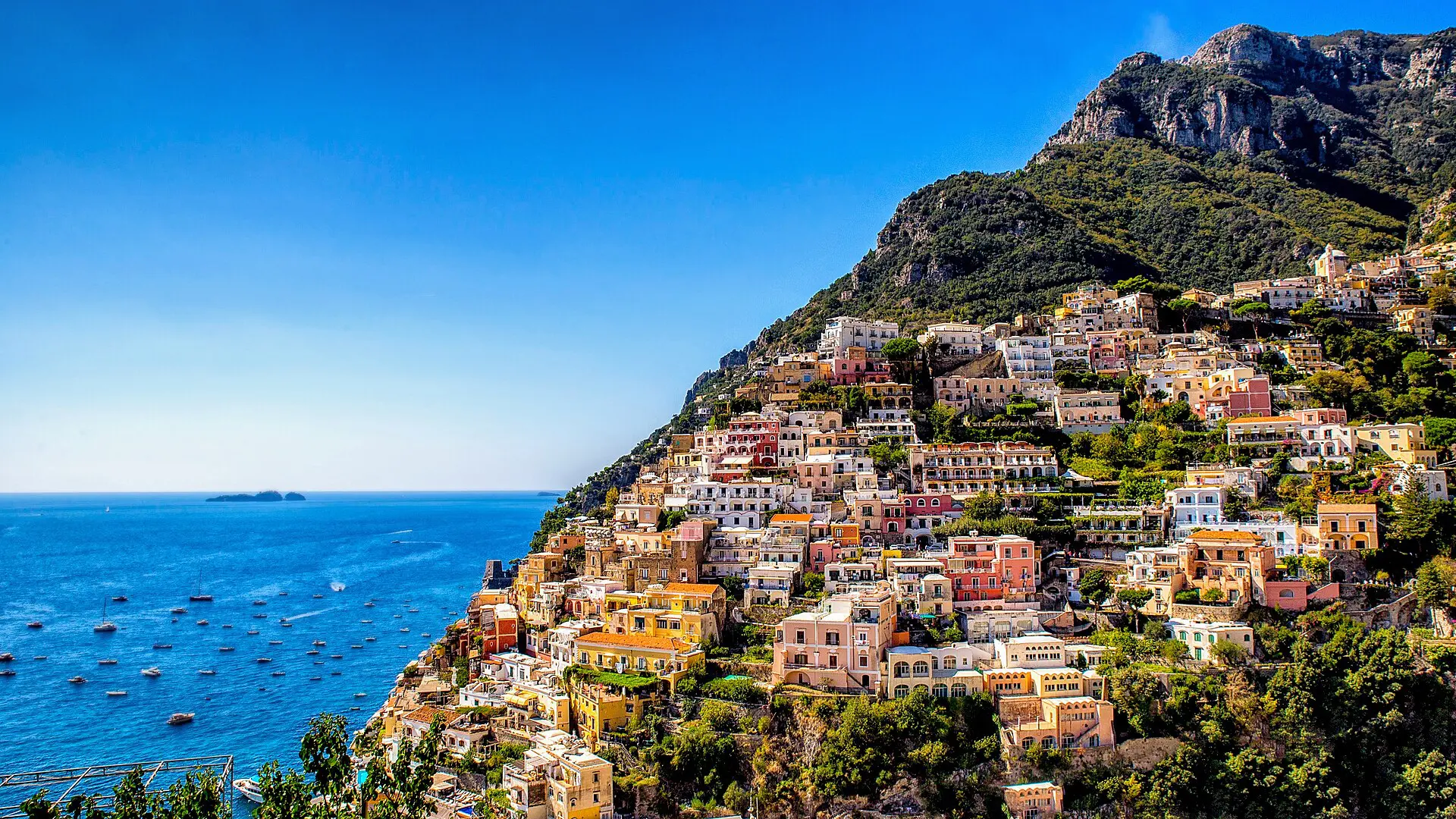
Searching for things to do in Positano usually begins with the view. This is a small, picturesque town on the Amalfi Coast in Campania, Italy, perched on the face of a hill and winding down towards the water.
The town is naturally beautiful and attracts thousands of visitors every year. For most of the year it is full of people, so it is best to schedule a trip for late spring or early autumn, when the weather is warm and the crowds are more manageable than in summer. Even so, all the months from March to November can be good times to visit, thanks to a mild Mediterranean climate.
Positano is not a place of big sights. You come for the setting, the beaches, the boat trips and the walks along the cliffs, as well as the food and the slow evenings. It is also expensive and steep, so it helps to arrive with realistic expectations, comfortable shoes and a flexible budget.
Top things to do in Positano
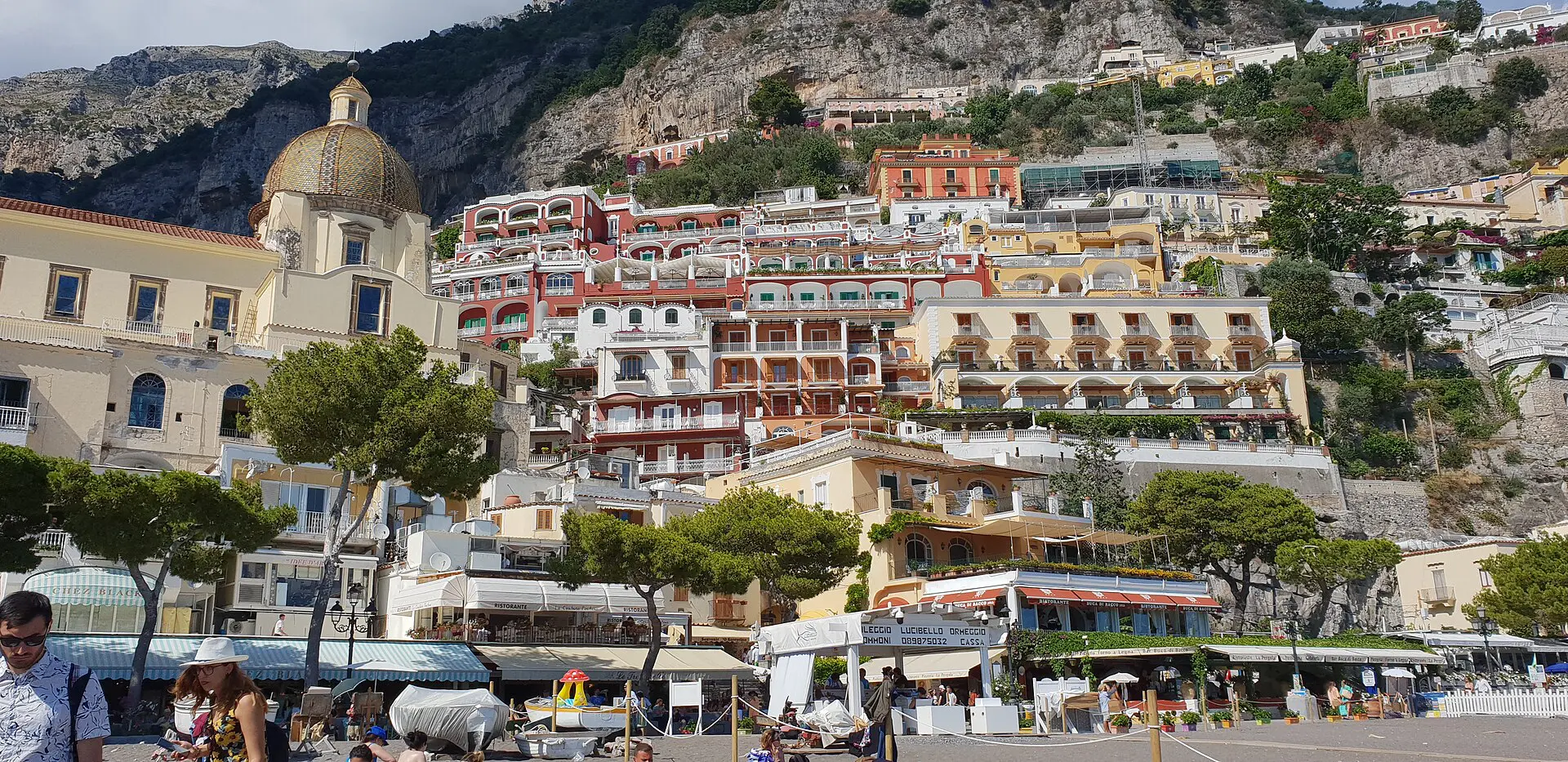
Spiaggia Grande
The main beach sits at the foot of the town and is easy to reach on foot. It is pebbly, with a mix of private beach clubs and public areas. Expect to pay for loungers in peak season, and arrive early if you want a free space on the sand.
Path of the Gods
This famous hiking trail runs along the hills above the coast with sweeping views toward the sea. A walk can take several hours depending on your start and end points. Wear sturdy shoes, bring water and check current trail conditions and transport back before you set off.
Boat trips
Small boats and ferries offer coastal tours, swimming stops and trips to nearby islands and coves. Allow half a day. Compare options, confirm what is included and ask about weather cancellations, since the sea can be rough outside summer.
Church of Santa Maria Assunta
The town’s main church, with its coloured dome, sits close to the beach and is one of the best-known landmarks. Allow 20 to 30 minutes. Dress modestly, with covered shoulders and knees, and check opening hours before you visit.
Fornillo Beach
This quieter beach is a short walk along the coastal path from the main one. It tends to be less crowded, so it suits those who want a calmer swim. Allow an hour or two, and take water and snacks.
Stairways and shopping lanes
The steep lanes that wind down the hillside are lined with boutiques, ceramics and sandals. Allow one to two hours to wander slowly. Prices can be high, so compare before buying, and expect plenty of steps.
Sunset dinner with a view
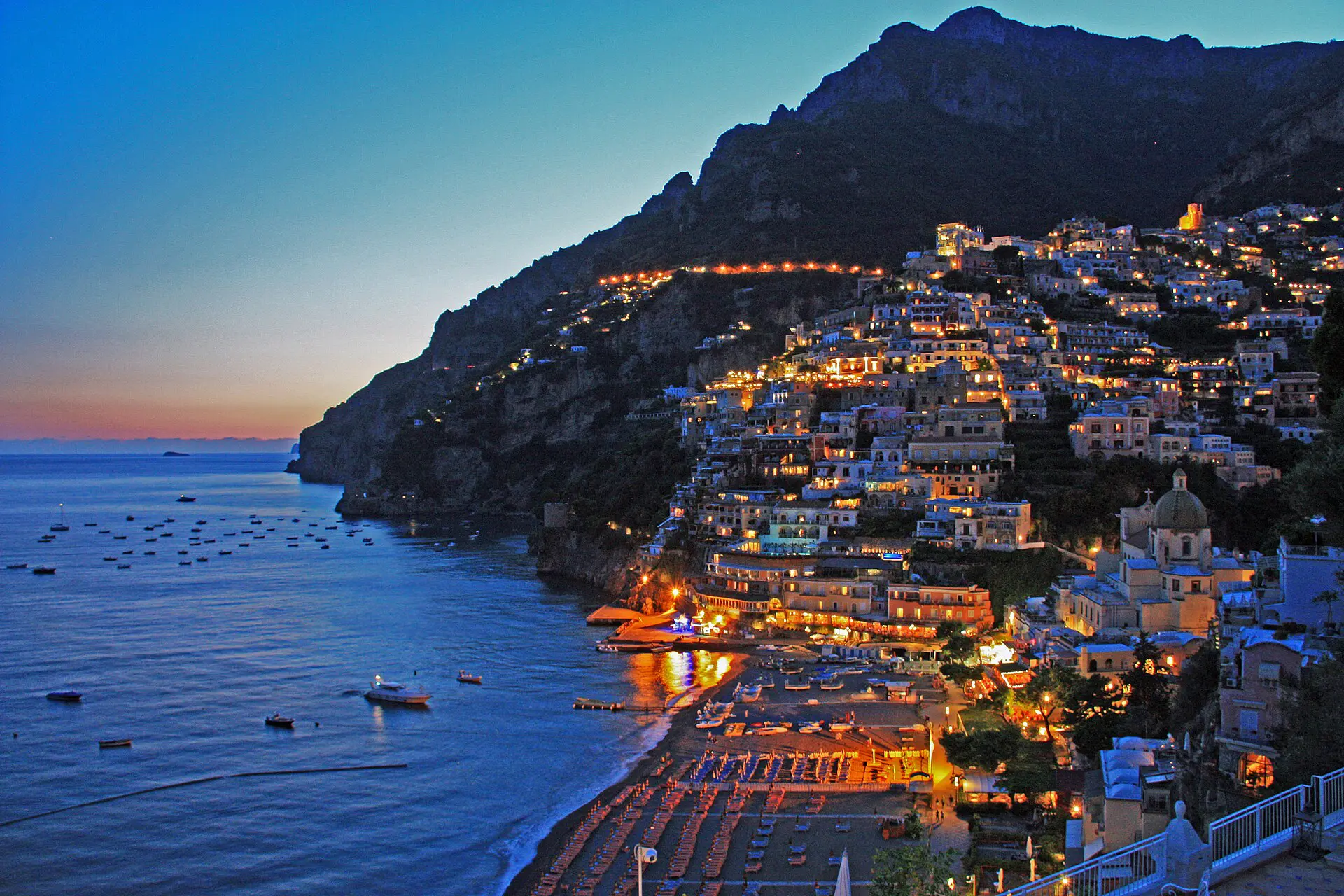
Many restaurants have terraces over the sea, and sunset is a highlight. Book ahead in season and ask about minimum spend. Seafood and lemon-flavoured dishes are common in the region.
Best time to visit Positano
Late spring and early autumn are the best periods, with warm weather, open beach clubs and fewer crowds than in July and August. May, June and September are good choices. Sea temperatures are most comfortable for swimming in summer and early autumn.
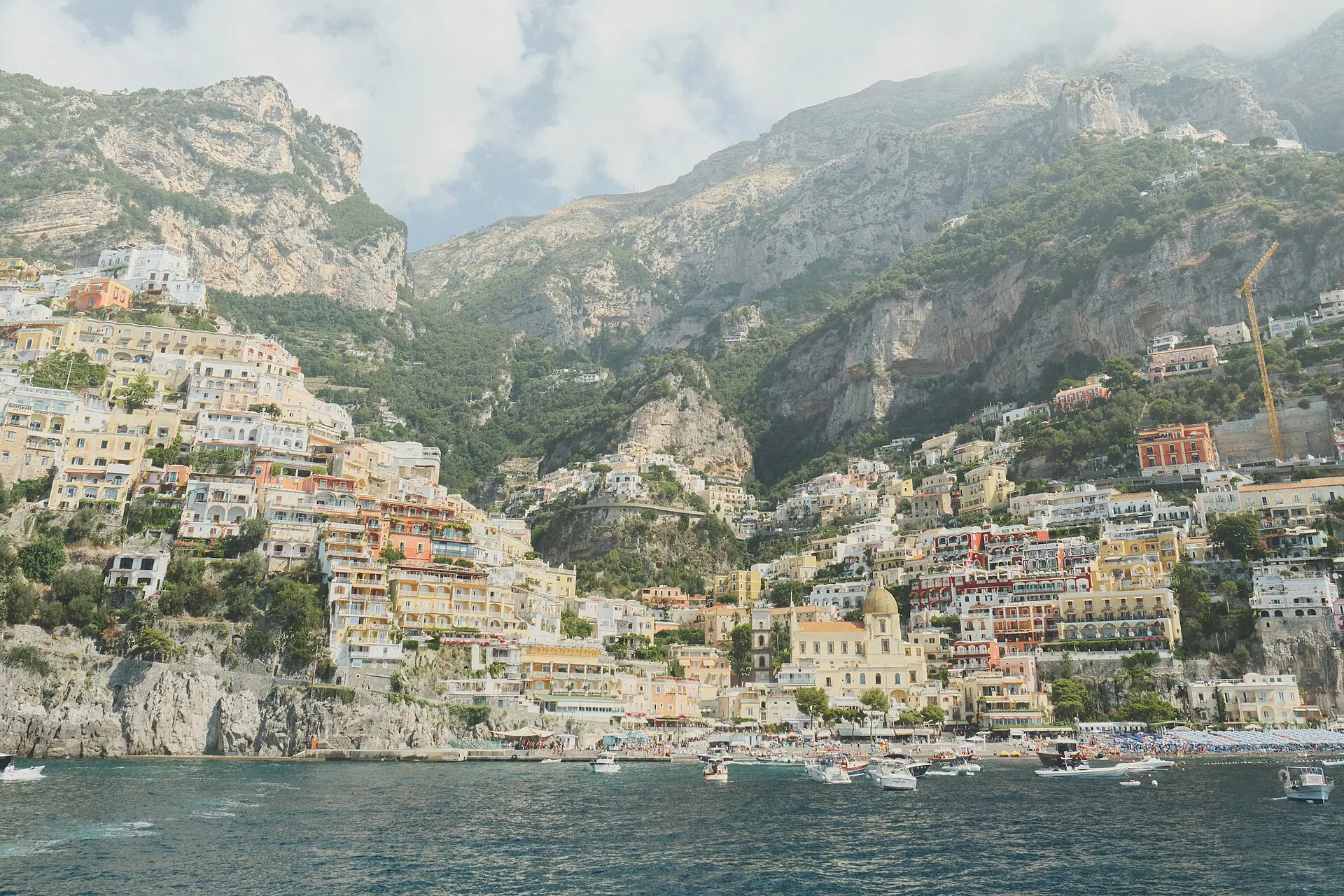
The wider season runs from March to November, and the Mediterranean climate keeps winters mild, but many hotels, restaurants and beach clubs close for the cooler months, so check availability before you plan a winter trip. Summer brings heat, heavy traffic on the coast road and the highest prices. If you must visit in July or August, book months ahead and plan beach time for early morning or late afternoon.
| Season | Weather | Crowds and prices |
|---|---|---|
| May to June | Warm, mostly sunny | Busy, high prices |
| July to August | Hot, sunny | Busiest, highest prices |
| September to October | Warm, some showers | Moderate |
| November to March | Mild to cool, wetter | Quiet, many places closed |
How to get to Positano and around
Most visitors fly into Naples and continue by train, bus or ferry, though routes and timetables change by season, so check before you travel. Rome is a longer journey. From the Naples area, regular trains and buses reach Sorrento, and onward buses run along the coast road to Positano.
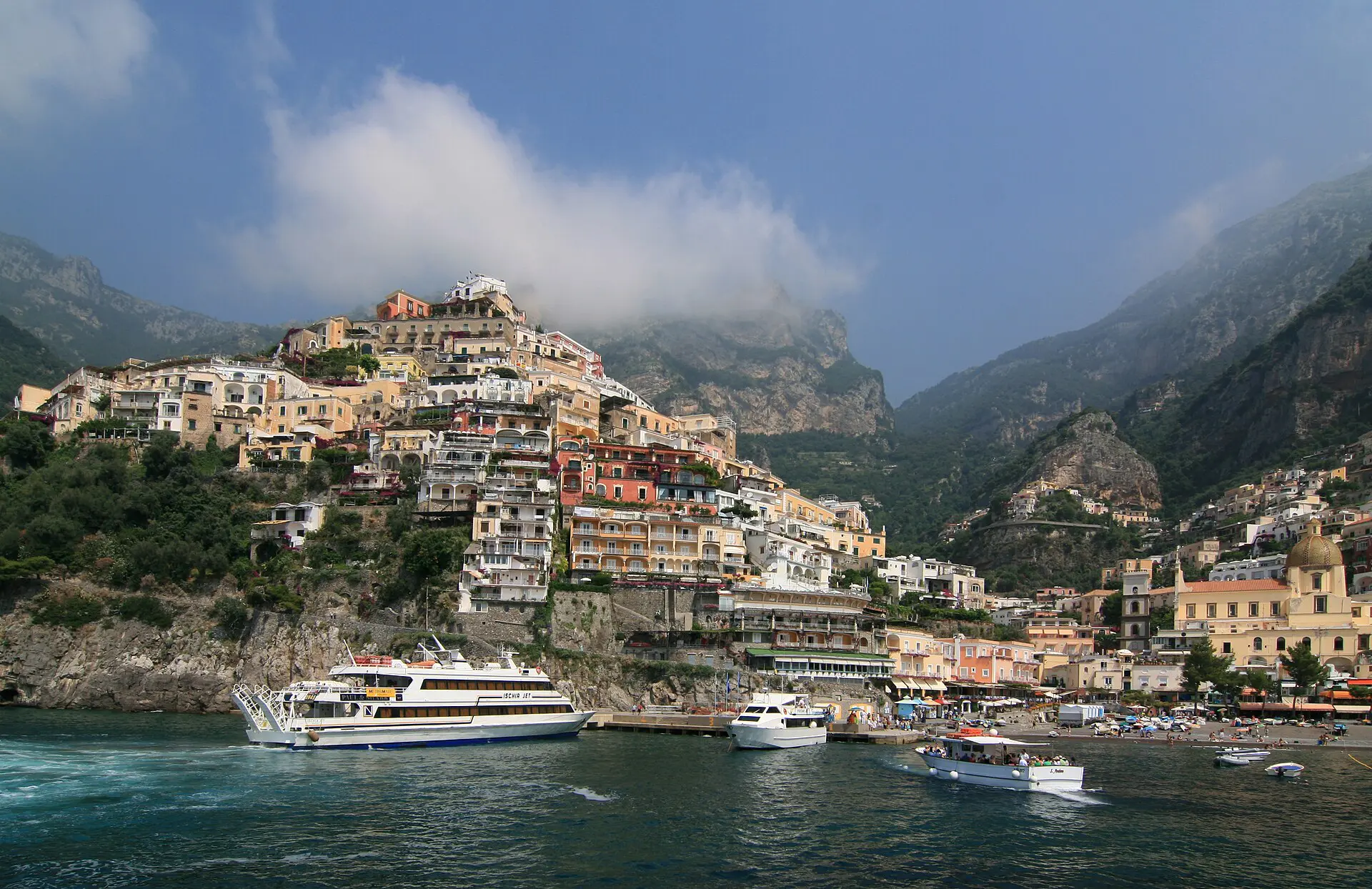
Ferries operate in the warmer months from places such as Sorrento, Amalfi and Salerno, and they avoid the traffic. They are weather-dependent and seasonal, so confirm schedules.
The coast road is narrow and winding, and traffic can be heavy in summer, so driving is stressful. Parking in the town is limited and expensive. Once you arrive, you will mostly walk, using stairways between the beach and the upper streets. Local buses and taxis connect the upper and lower parts of town and nearby villages.
Where to stay in Positano
Staying near the beach and central lanes puts you close to restaurants, shops and the sea, with fewer stairs to climb at the end of the day. It is the most convenient option for short stays but also the most crowded and expensive.
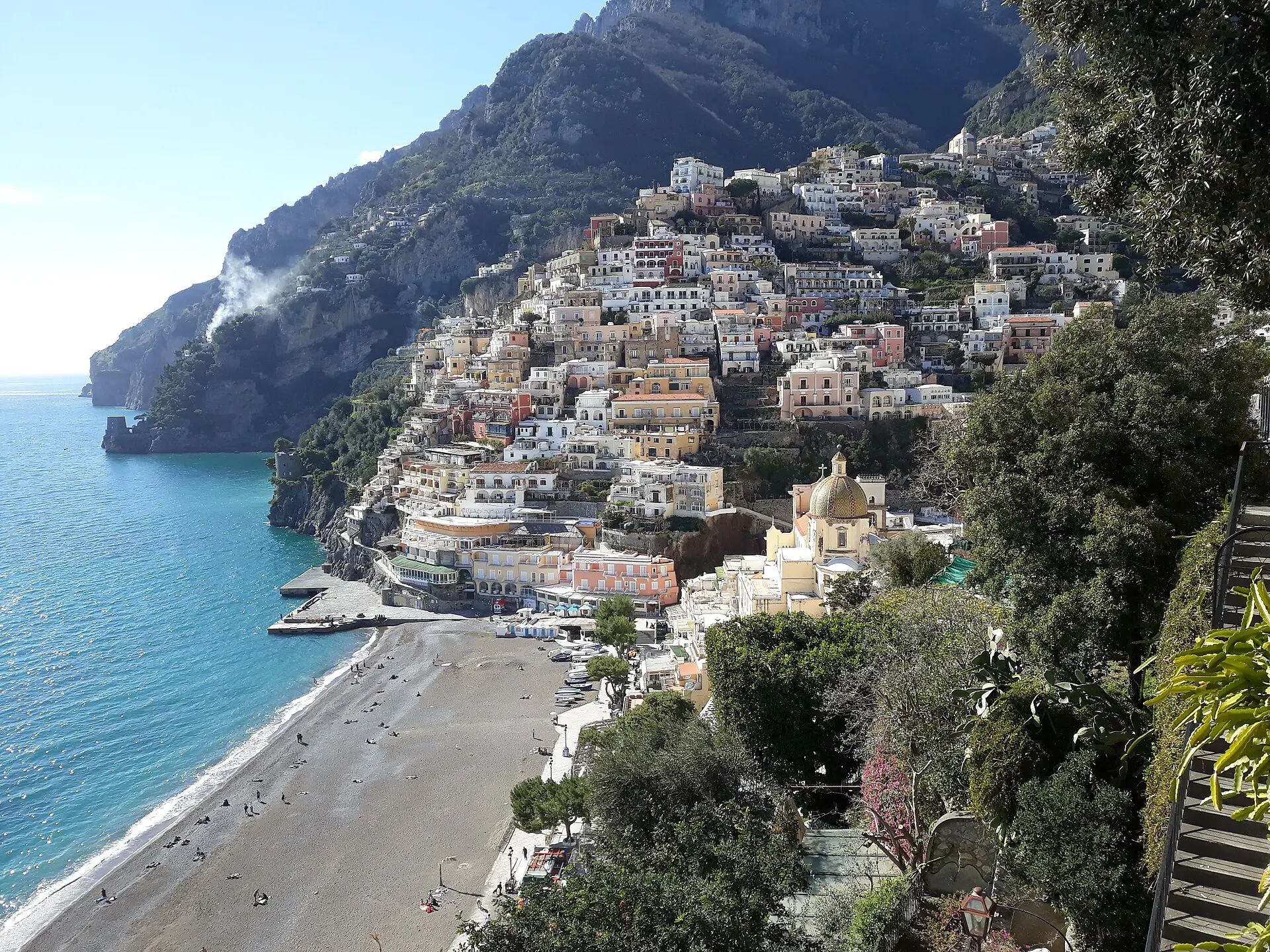
The upper parts of town are quieter and often offer wide views, but you will climb stairs or rely on buses. They suit travellers who value calm and scenery over walkability and who are comfortable with steps.
Fornillo, to the west of the main beach, offers a more relaxed atmosphere and easy access to a smaller beach. Many properties are small hotels, guesthouses and villas, and luxury options exist. If prices in Positano are too high, consider staying in a nearby town and visiting by bus or ferry. Book early for peak months and check luggage arrangements, as porters may be needed.
How many days do you need?
Two to three nights is a good length, giving you time for a beach day, a hike and a boat trip without rushing. One night suits a quick stop, while four or more only make sense if you plan extra day trips along the coast.
- Day 1: Arrive, wander the lanes down to the beach, and have a sunset dinner.
- Day 2: Hike a section of the Path of the Gods in the morning, then relax on the beach in the afternoon.
- Day 3: Take a boat trip or ferry to a neighbouring town, and return for a final evening.
Pack light and wear shoes you can walk on stairs in, since porters and taxis are not always available.
Day trips and nearby
Amalfi and Ravello
Amalfi is a short ferry or bus ride away, with a historic cathedral and lively waterfront. Ravello sits in the hills above with garden views. Allow a day for both, and check current transport options.
Sorrento
A larger town at the western end of the peninsula with good transport links, restaurants and shops. It is a common gateway for Positano and the nearby sights.
Capri
The island is reachable by boat from the coast in season. Allow a full day, check ferry times and expect busy crowds in summer.
Naples
The city offers a major archaeological museum and historic streets, and is the usual gateway. It is a long day trip, so many visitors visit on arrival or departure.
FAQ
Q1What is the best time to visit Positano?
Late spring and early autumn, especially May, June and September, offer warm weather and fewer crowds than July and August. The wider season runs from March to November, but many businesses close in winter. Book well ahead for summer.
Q2How many days do you need in Positano?
Two to three nights is ideal for a beach day, a hike on the Path of the Gods and a boat trip. One night suits a quick visit. Four or more only make sense if you plan several day trips along the Amalfi Coast.
Q3How do you get to Positano?
Most visitors fly into Naples, then continue by train and bus or by ferry in season. The coast road is narrow and busy, so driving is stressful and parking is limited. Check timetables, as services change with the season.
Q4Is Positano worth visiting?
Yes, for its cliffside setting, beaches and sea views, if you accept the crowds, stairs and high prices. It is a place to enjoy the scenery and slow evenings rather than to tick off many sights. Late spring and early autumn are best.
Prices, schedules and entry rules change. Check current details with official sources before you travel. Read the Italy travel guide.