Why visit Palermo
If you are searching for things to do in Palermo, expect a city that rewards curiosity. It has been ruled by Phoenicians, Romans, Arabs, Normans and Spanish, and the layers show in its buildings. The Arab-Norman monuments of Palermo, along with the cathedrals at Cefalu and Monreale, form a UNESCO World Heritage Site.
The historic centre is dense and lively. Baroque churches stand beside crumbling palaces, and open-air markets such as Ballaro and Vucciria fill narrow streets with fish, vegetables and street food. Palermo is one of the best places in Italy to eat cheaply, from panelle and arancine to pasta with sardines.
It is not a tidy city, and traffic and noise are part of the experience. If you accept that, you will find a place with more character than most Italian destinations and a lower price tag.
Top things to do in Palermo
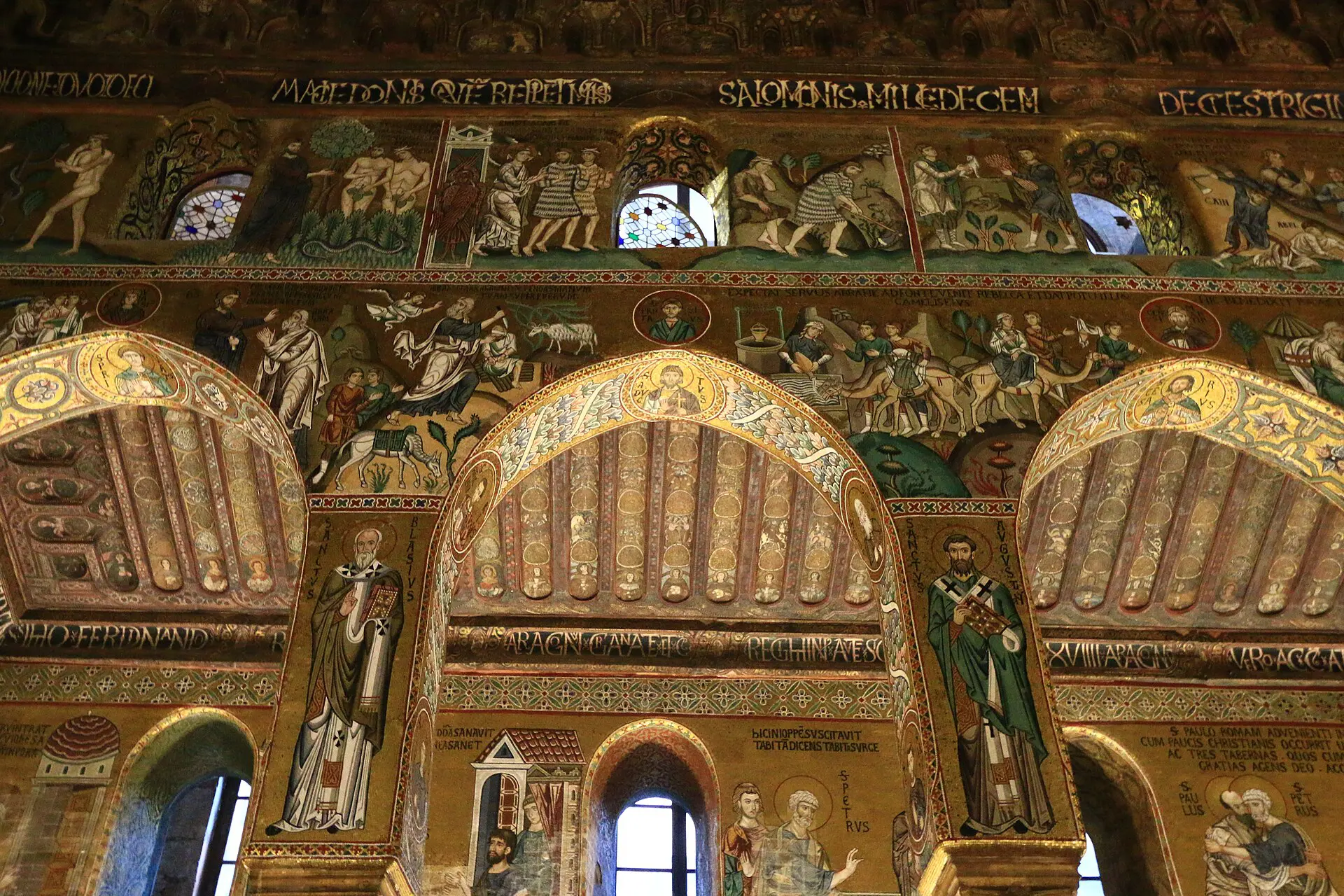
Norman Palace and Cappella Palatina
The palace, once the seat of Norman kings, contains the Palatine Chapel, with gold mosaics and a carved wooden ceiling. Allow 90 minutes. Book ahead in busy periods, and check opening times because parts of the palace close for official use.
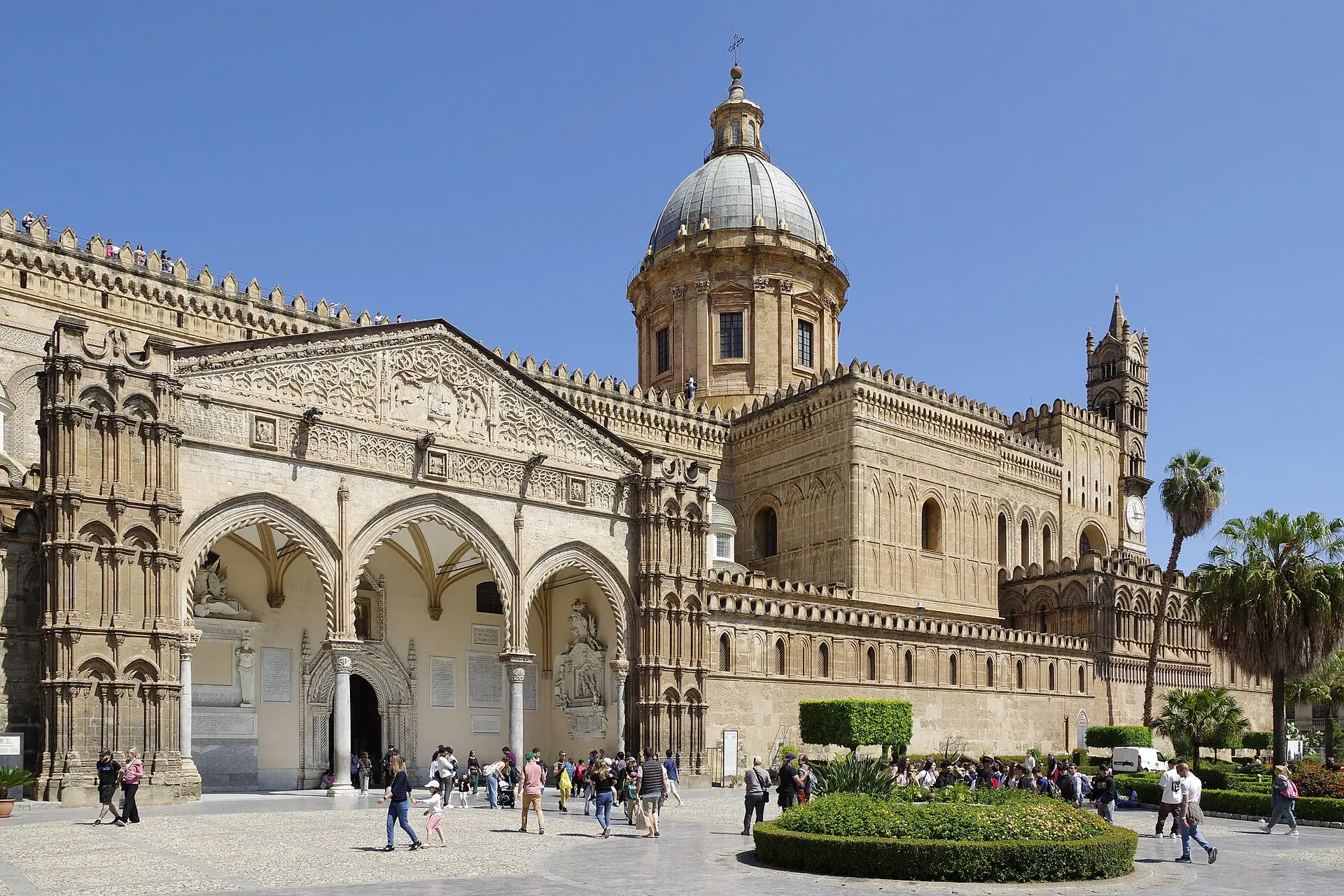
Palermo Cathedral
A large cathedral that blends Norman, Gothic and later styles. You can visit the interior and, for a fee, the roof for city views. Allow an hour. Dress modestly for entry.
Ballaro and Capo markets
These markets are loud and colourful, with stalls selling produce, seafood and snacks. Go in the morning, try small local specialities from the stalls, and watch your belongings in crowded areas.
Quattro Canti and Piazza Pretoria
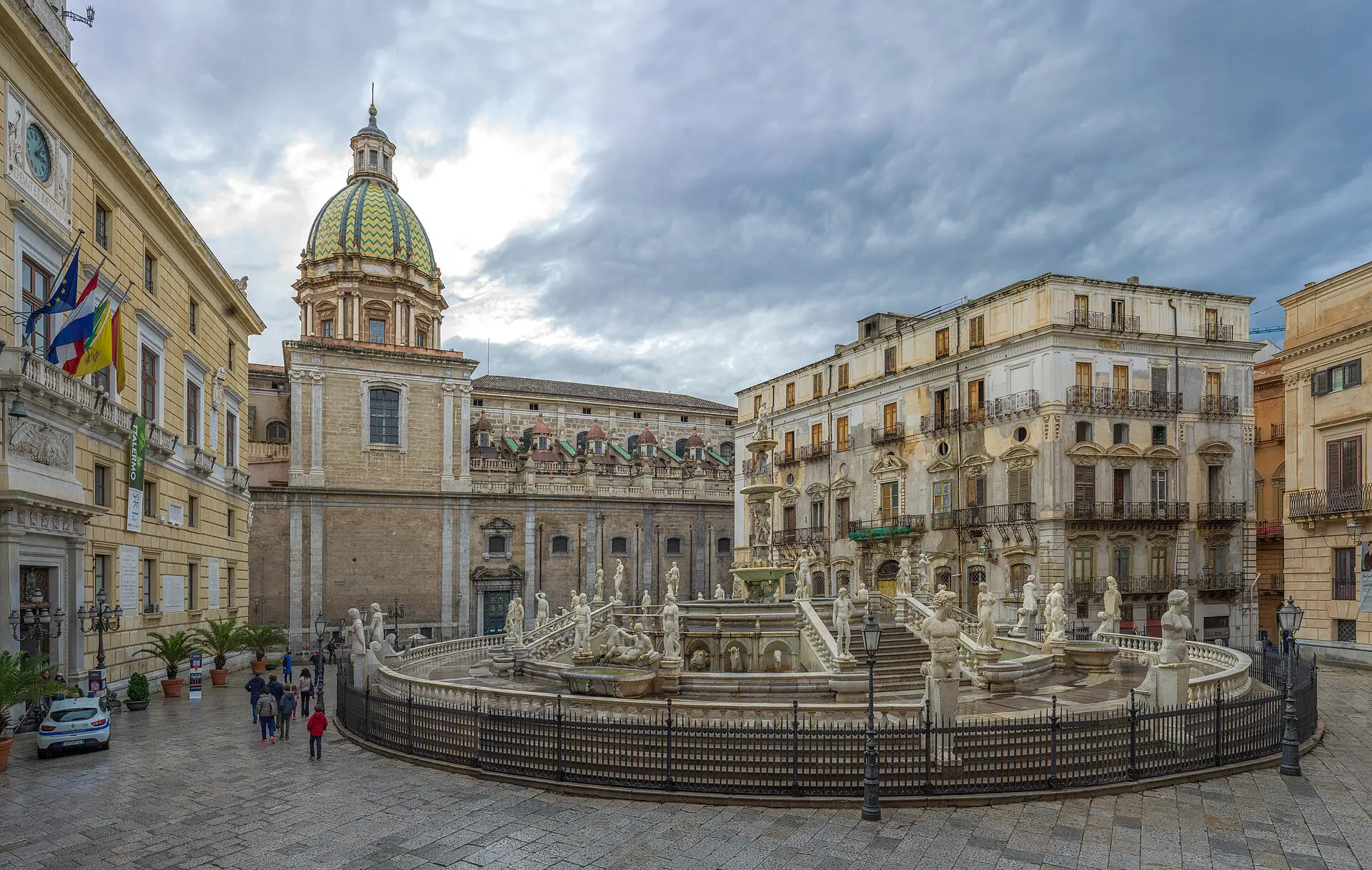
The Quattro Canti is the baroque crossroads at the heart of the old town, and the nearby Piazza Pretoria has a large fountain. They are free, short stops that work well as orientation points on a walk.
La Martorana and San Cataldo
Two small Norman-era churches stand close together, with mosaic interiors in La Martorana. Allow 30 to 45 minutes. Check the hours, as they vary and midday closures are common.
Teatro Massimo
Italy’s largest opera house, which has guided tours on most days. The tour takes around 30 to 45 minutes. Book online if you want a specific language.
Capuchin Catacombs
The catacombs contain preserved bodies along the corridors, dating mainly from the sixteenth to twentieth centuries. They are striking but not for everyone, and photography is restricted. Allow about 45 minutes.
Mondello
A beach district north of the centre, reached by bus or taxi, with a long sandy shore. It is a good half-day option in summer.
Best time to visit Palermo
April to June and September to October are the best months, with warm weather, open-air dining and manageable crowds. Spring has wildflowers in the countryside nearby, and autumn sea temperatures are still pleasant for the beach.
July and August are hot and humid, with temperatures that can be uncomfortable for sightseeing in the afternoon. It is the beach season, and prices rise around mid-August when Italians take holiday. Bring water and plan indoor visits for midday.
Winter is mild compared with northern Italy, though it can be rainy and cooler. Hotel prices fall, markets keep running and the main sights are quieter. Some beach and coastal services reduce hours outside summer, so check ahead.
How to get to Palermo and around
Falcone-Borsellino Airport, around 30 to 35 kilometres west of the city, has flights from across Italy and Europe. A train runs to the central station in roughly 50 minutes, and buses and taxis are also available. Check current schedules and prices.
Ferries link Palermo with Naples, Genoa and other ports, which can suit travellers who want to avoid flying. Intercity buses and trains connect Palermo with Cefalu, Agrigento and other Sicilian towns, although trains can be slow.
The historic centre is best covered on foot, as streets are narrow and traffic is heavy. Buses and a small metro network help for longer distances, and taxis are an option at night. Driving in the centre is stressful, so leave the car outside the old town or avoid renting one until you leave the city.
Where to stay in Palermo
The historic centre, around Quattro Canti, the cathedral and the markets, is the best base for most visitors. It is full of character and within walking distance of the main sights, though it can be noisy at night and some streets feel rough.
The area around Politeama and Via Liberta has wider streets, shops and more modern hotels. It suits travellers who want a quieter and more orderly setting, and it is about 15 to 20 minutes on foot from the old town.
Mondello, on the coast, suits summer visitors who want a beach base, with a bus ride into the city. Budget travellers can find guesthouses and apartments in the old town. Book early for spring and early autumn.
How many days do you need?
Two days is the minimum to see the main monuments and markets. Three days is ideal, with time for a day trip to Monreale or Cefalu. Add more if you plan to use Palermo as a base for western Sicily.
- Day 1: Quattro Canti, the cathedral, Norman Palace and Cappella Palatina, with a market lunch.
- Day 2: La Martorana, Teatro Massimo, Capo market and an evening aperitivo in the old town.
- Day 3: Monreale cathedral in the morning, then Mondello beach or Cefalu.
Day trips and nearby
Monreale
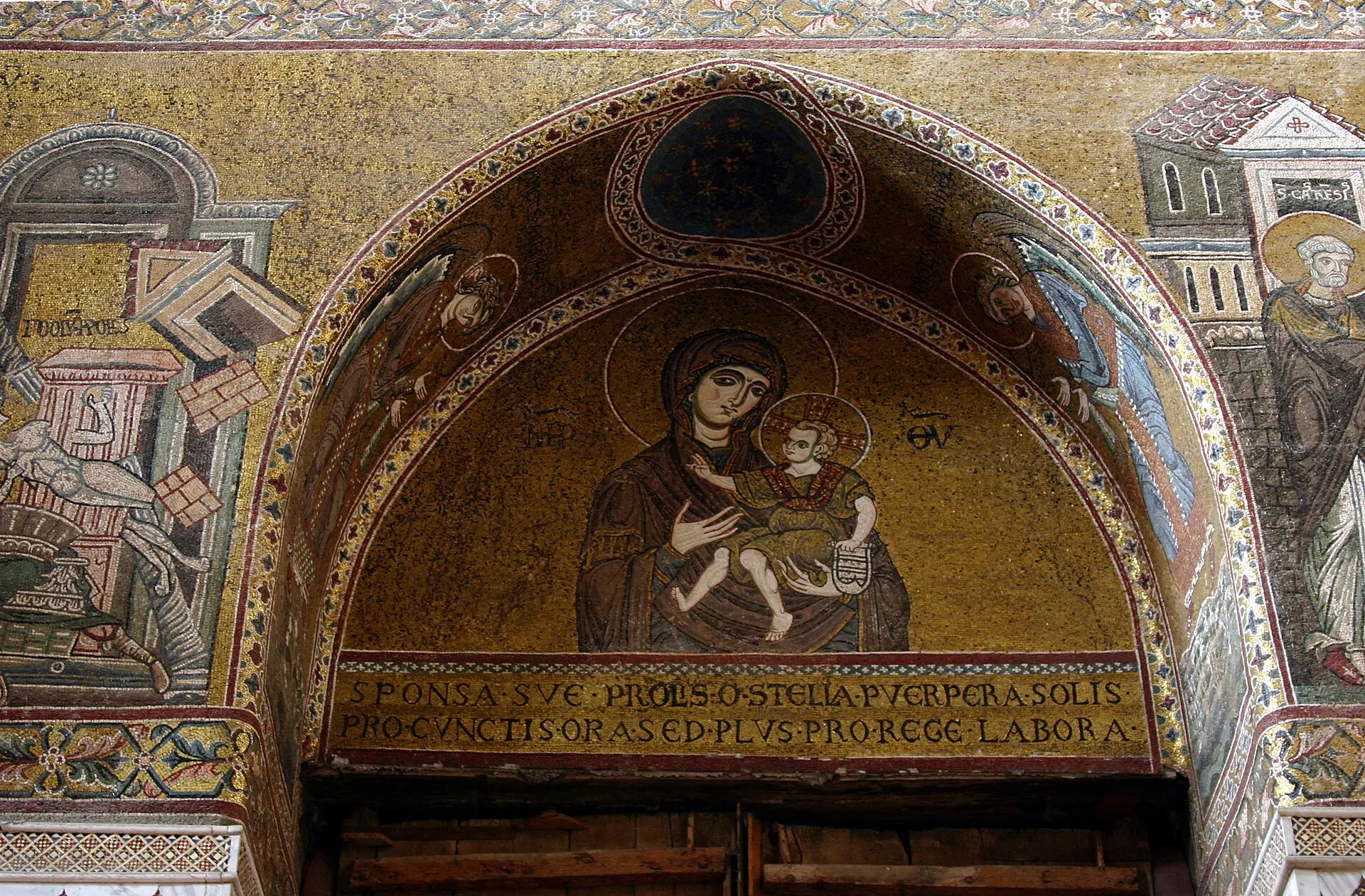
Just outside the city, Monreale Cathedral has some of the most extensive Byzantine-style mosaics in Italy, plus a cloister. It is reachable by local bus in around 30 to 45 minutes. Allow half a day.
Cefalu
A coastal town about an hour east by train, with a Norman cathedral, narrow streets and a beach. It suits a relaxed day, and is busy in summer.
Segesta and Erice
On the west side, Segesta has a well-preserved Greek temple, and Erice is a hilltop town with views. Both are easiest with a car or a tour.
Sicily
Palermo is a gateway for the rest of the island, including Agrigento’s temples and Syracuse. These need a separate trip or an onward journey.
FAQ
Q1How many days do you need in Palermo?
Three days is ideal: one for the Norman Palace and cathedral, one for markets and smaller churches, and one for Monreale or Cefalu. Two days is possible if you focus on the main monuments and skip day trips.
Q2When is the best time to visit Palermo?
April to June and September to October offer warm weather without the peak heat. July and August are hot and busy, especially around mid-August. Winter is mild and quiet, though some beach services are reduced.
Q3How do you get from Palermo airport to the city centre?
A train links the airport with the central station in around 50 minutes, and buses and taxis are also available. Check current timetables and fares before you travel, and allow extra time during peak hours.
Q4Is Palermo safe?
Palermo is generally safe for visitors, but petty theft such as pickpocketing and bag snatching occurs in crowded areas and markets. Keep valuables out of sight, take care in traffic and use licensed taxis late at night.
Prices, schedules and entry rules change. Check current details with official sources before you travel. Read the Italy travel guide.