Why visit Lake Como
If you are planning things to do in Lake Como, start with its shape. The lake lies in the provinces of Como and Lecco in Lombardy, northern Italy, and is part of the Italian Lake District. It is shaped like an inverted Y, with two legs starting at Como in the south-west and Lecco in the south-east that join halfway up.
The southern ends are relatively flat, and the lake becomes more mountainous as you head north into the Alps, with some nearby peaks above the tree-line. It has been popular with visitors since the early 20th century for its mix of fresh air, water, mountains and good weather, and has been admired since Roman times.
The appeal is simple: villages on the shore, ferries between them, gardens and villas, and views of steep green slopes. It is easy to reach from Milan, which also makes it busy in summer.
Top things to do in Lake Como
Ferries on the lake
Public ferries and faster boats connect many lakeside towns, and they are often the best way to see the shoreline. Allow a few hours for a short loop or a full day for several stops. Tip: check timetables and ticket options for your day, as services vary by season.
Bellagio
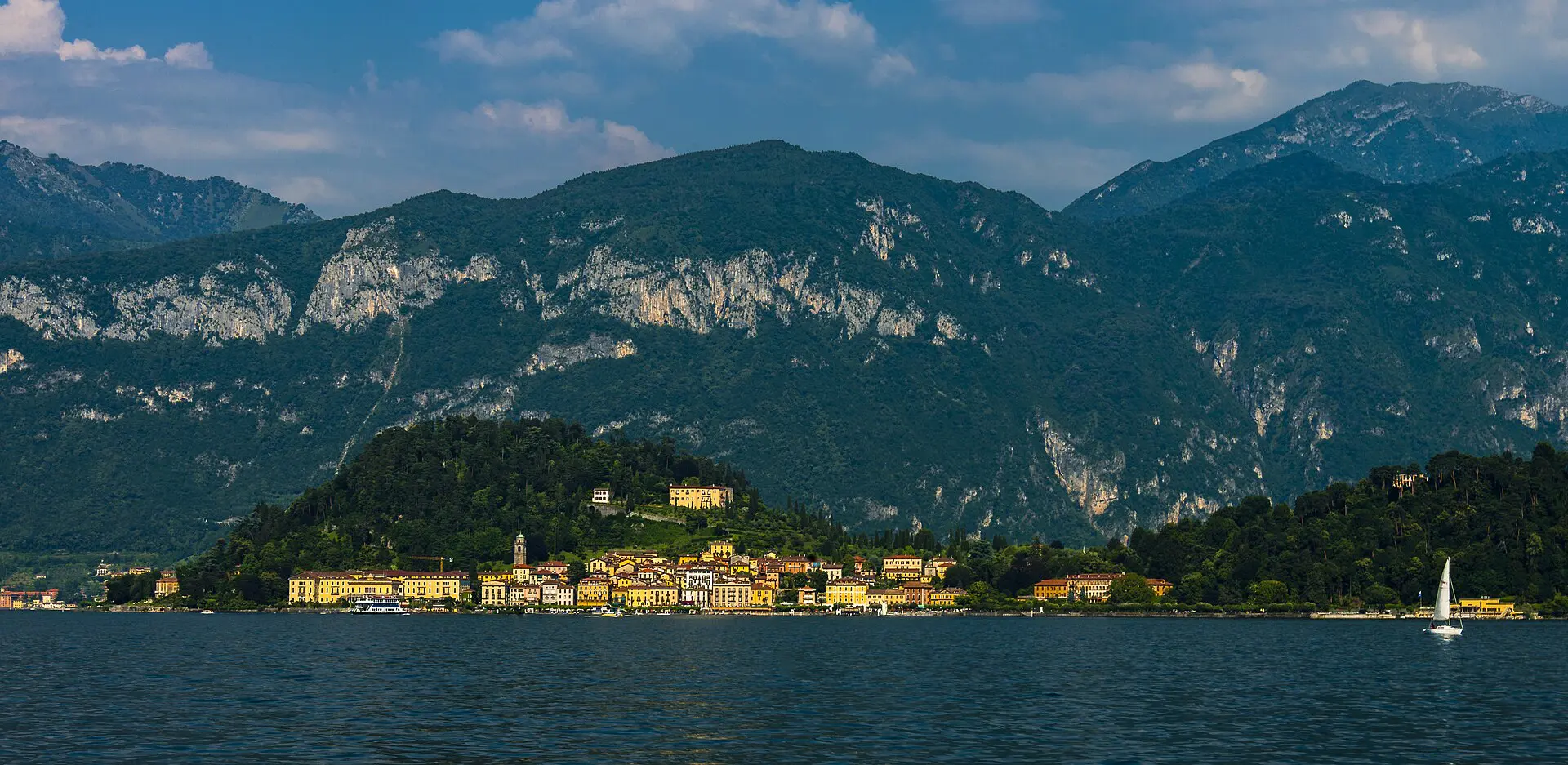
Bellagio sits on the point where the two arms of the lake meet and is one of the best-known villages. Narrow lanes run down to the water. Allow half a day. Tip: it is busy at weekends and in summer, so arrive early.
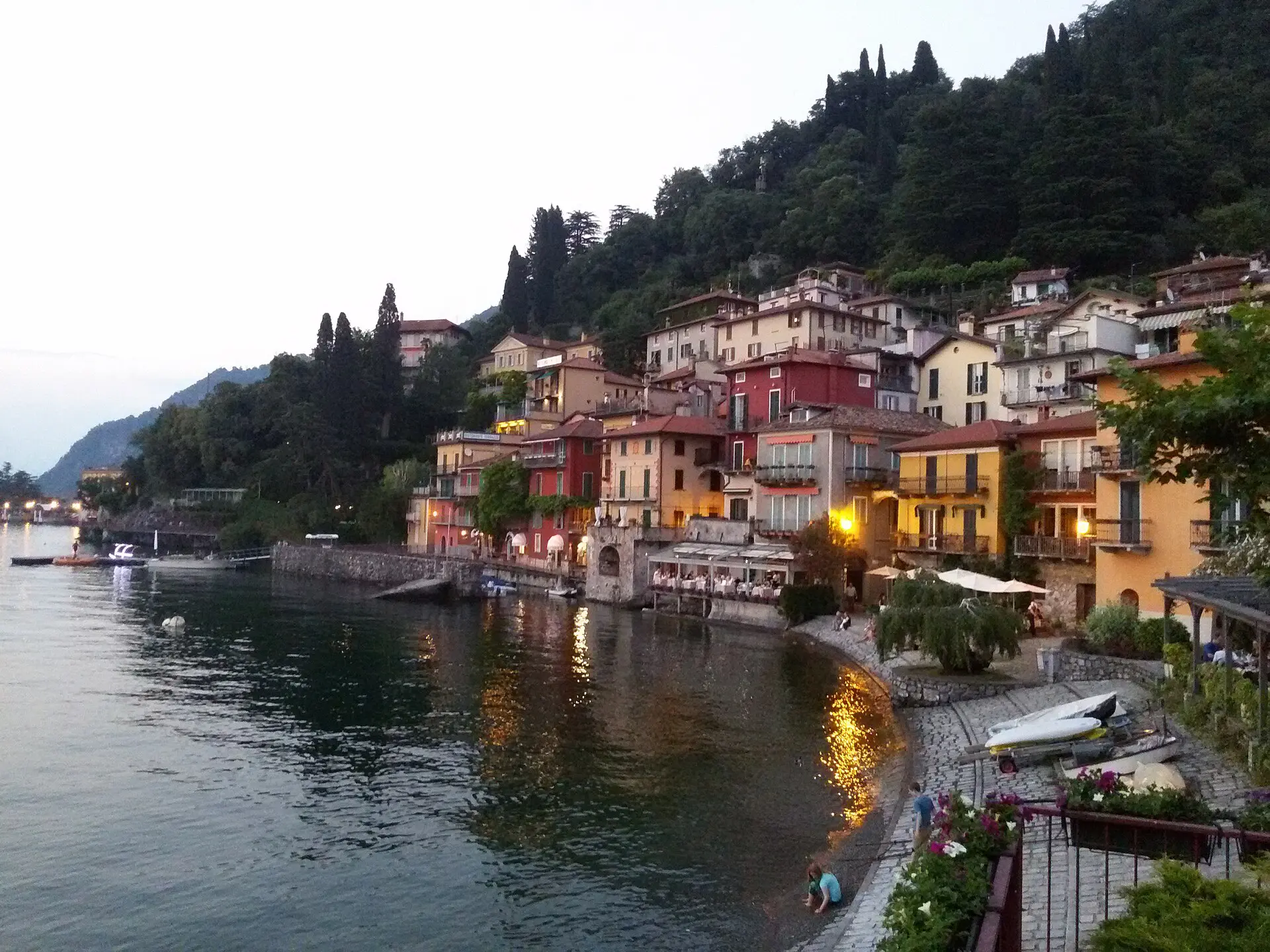
Varenna
Varenna is a small village on the eastern shore with a pretty waterfront and a rail station, which makes it an easy base. Allow two to three hours. Tip: it is connected by ferry to Bellagio and nearby towns.
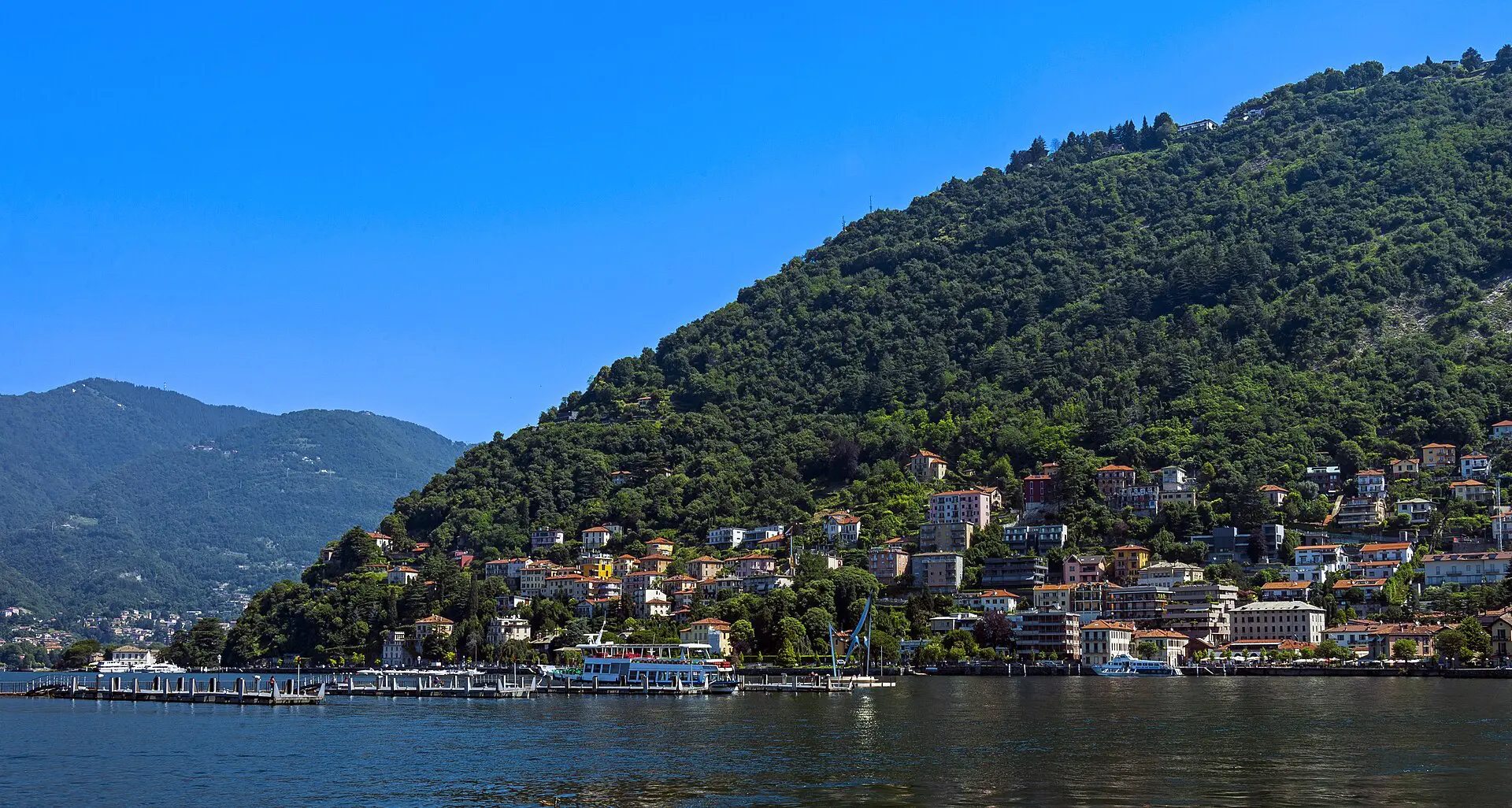
Como town
The town at the south-western end has a historic centre, a lakefront and a funicular to a hillside viewpoint. Allow half a day. Tip: it is the easiest place to reach by train from Milan, so it suits a short visit.
Lakeside villas and gardens
Several villas and gardens are open to visitors, often with views across the water. Allow one to two hours each. Tip: opening dates and hours are seasonal, so check before you go.
Walks above the lake
Paths between villages and up the slopes offer views over the water. Allow two to four hours. Tip: wear proper shoes and take water, since some paths are steep.
Lecco and the eastern arm
Lecco lies at the end of the south-eastern leg and has mountains rising behind it. Allow a few hours. Tip: it is quieter than the better-known villages.
Best time to visit Lake Como
Spring and early autumn are often the best choices, with mild temperatures, good light and fewer crowds than midsummer. Many gardens and villas open in spring, and walking conditions are pleasant.
Summer is warm and busy, with the most ferry services but also the highest prices and the biggest queues in popular villages such as Bellagio. Winter is quiet, and some hotels, restaurants and ferries reduce operations or close. There is skiing in nearby valleys during winter. Weather on the lake can change quickly, so bring layers, and check schedules for ferries and attractions in the low season.
How to get to Lake Como and around
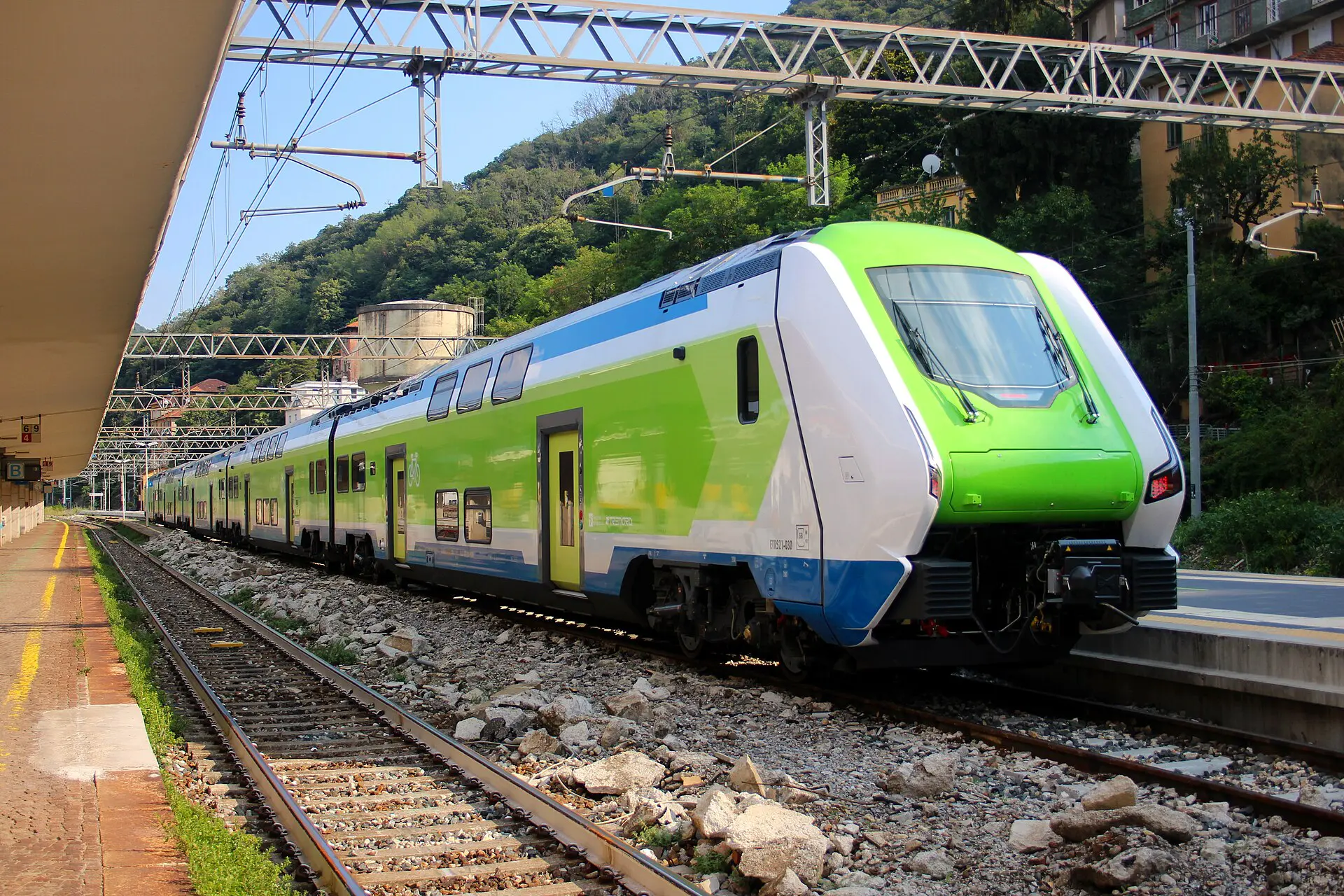
Most visitors start in Milan. Trains run from Milan to Como and Lecco, and also to Varenna on the eastern shore, with journey times of roughly an hour, though check current timetables. Milan’s airports are the usual gateways, with onward rail or bus links.
On the lake, ferries and faster boats are the most scenic way to move between villages, and they run between many towns. Buses cover the roads along the shore, which are narrow and twisty. Driving is possible but parking is limited in popular villages and traffic can be heavy in summer, so a car is often more trouble than help.
Where to stay in Lake Como
Como town suits those who want a larger base with more choice of food, transport and shops, and easy trains to Milan. It is practical rather than quiet.
Varenna and Bellagio suit visitors who want a village atmosphere on the water, with ferry links to neighbouring towns, though prices are high in season and rooms limited. Lecco is a good-value option on the eastern side, with train links. Smaller villages away from the main ferry stops suit travellers who want quiet, but check how you will reach them without a car. Book early for summer weekends.
How many days do you need?
One day gives you a single town and a ferry ride. Two to three days is a better pace, letting you see several villages by boat and add a villa or a walk.
- Day 1: Arrive in Como, walk the lakefront, and take the funicular if it is running.
- Day 2: Ferry to Bellagio, then on to Varenna, with a villa or garden visit if you have time.
- Day 3: A walk above the lake, or a visit to Lecco, then return to Milan.
Day trips and nearby
Milan
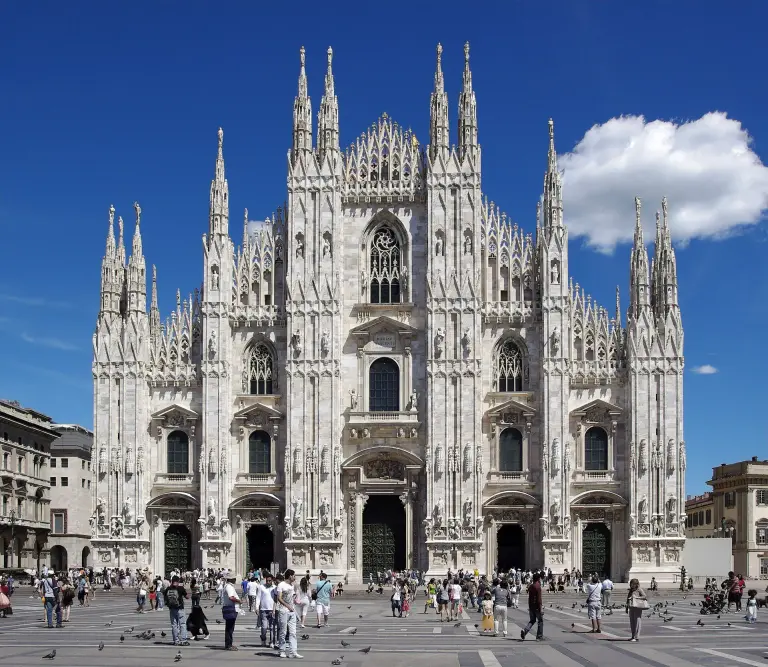
Milan is the usual start and end point and a good city to combine with the lake. It has a famous cathedral and shopping. Allow one or two days, and compare train times.
Verona
Verona lies to the east and is reachable by rail from Milan. It works better as a separate stop than a hurried day trip from the lake.
Venice
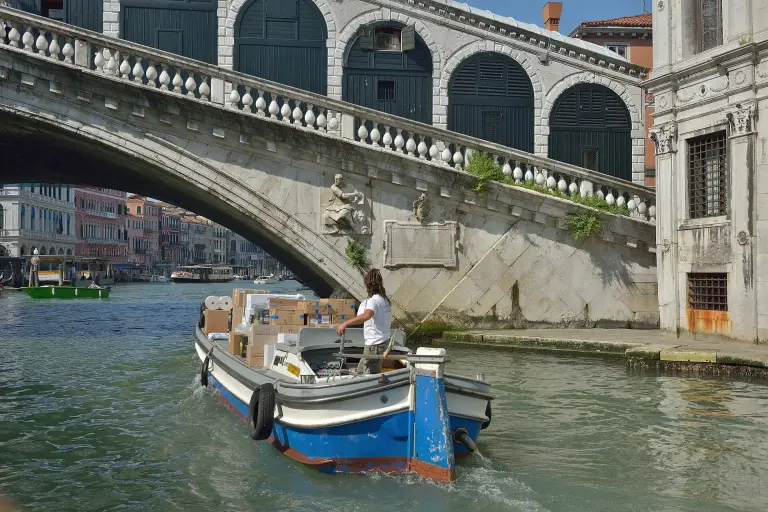
Venice is a longer journey, and works as a separate stay of at least two nights. Check rail options before you plan it as part of a lakes and cities route.
Other Italian lakes
The Italian Lake District includes several other lakes within reach. Check travel times and ferry options, and consider them for a longer trip rather than a day.
FAQ
Q1When is the best time to visit Lake Como?
April to June and September to October are often best, with mild weather and fewer crowds than midsummer. Summer is warm, busy and more expensive. Winter is quiet, with reduced ferry and hotel services, so check what is open before you plan.
Q2How many days do you need at Lake Como?
Two to three days works well. It gives time for a ferry loop, Bellagio, Varenna and Como town without rushing. A single day from Milan is possible, but you will see only one part of the lake and spend a lot of it travelling.
Q3How do you get to Lake Como?
Most visitors fly into a Milan airport and take a train from Milan to Como, Lecco or Varenna, usually about an hour. Check current timetables and which station suits your base. Once there, ferries and buses connect the villages.
Q4Is Lake Como expensive?
It can be, particularly in summer in popular villages such as Bellagio, where hotel rates are high and rooms sell out. Staying in Como or Lecco and visiting other villages by ferry helps. Check current prices before you book.
Prices, schedules and entry rules change. Check current details with official sources before you travel. Read the Italy travel guide.