Why visit Sorrento
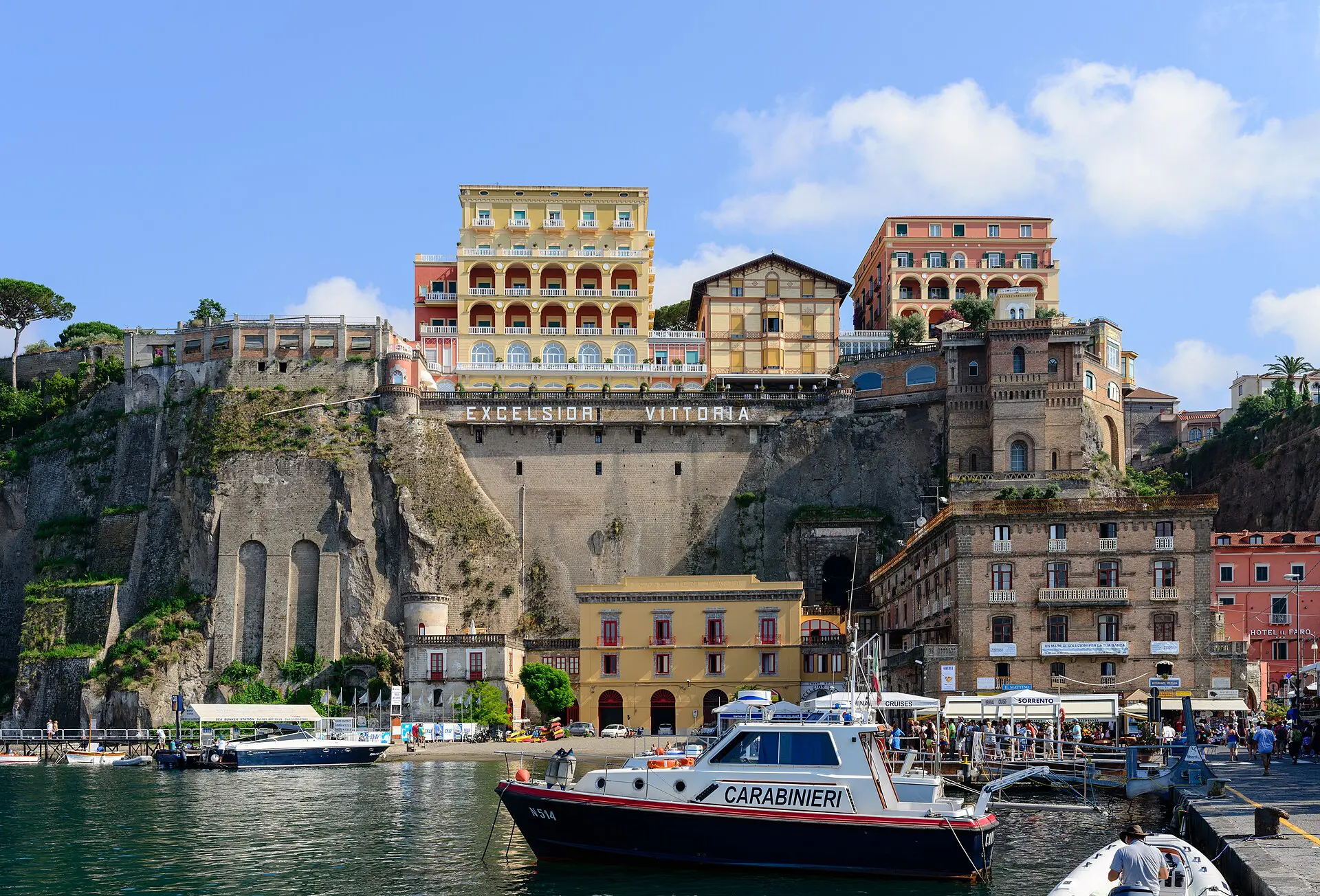
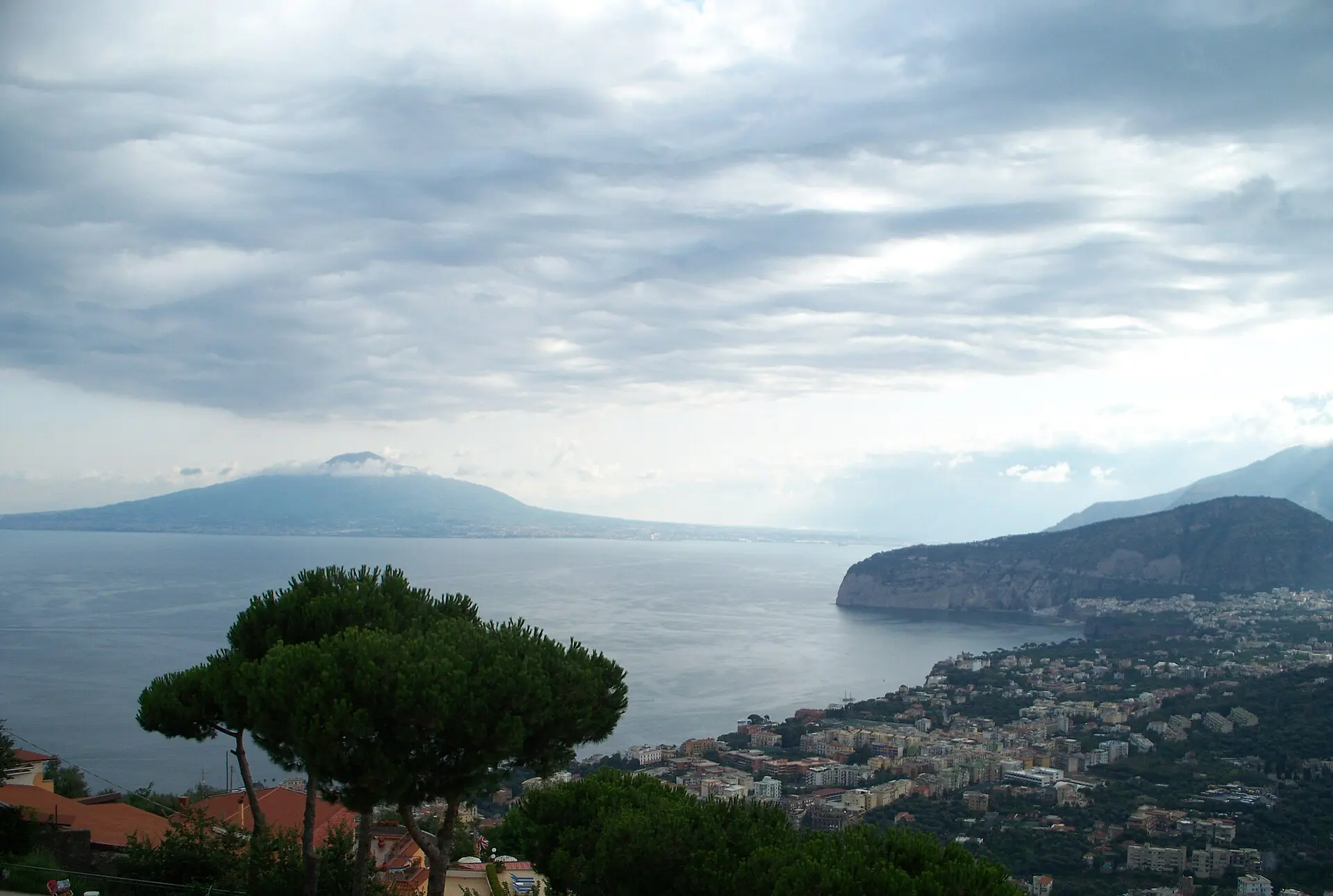
People searching for things to do in Sorrento are usually planning a wider trip, and that is the town’s strength. Sorrento sits on the Sorrentine Peninsula in Campania, overlooking the Bay of Naples, with views of Vesuvius and the island of Capri.
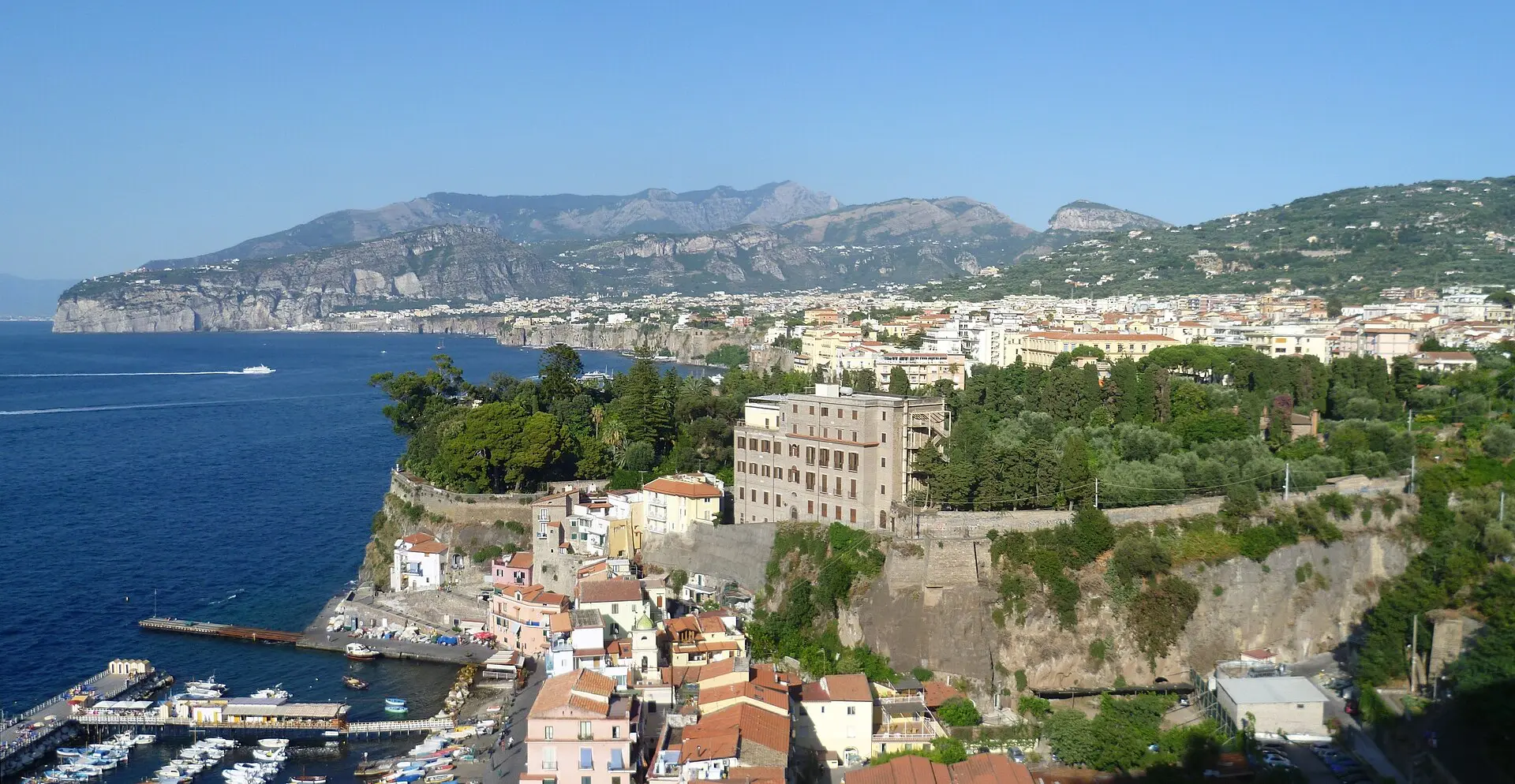
It is the end of a main branch of the Circumvesuviana railway, so Naples, Herculaneum and Pompeii are straightforward to reach. Ferries and hydrofoils link the town with Capri, Positano, Amalfi and Ischia, which makes it a practical base for exploring the whole area without changing hotels.
The town itself is compact and pleasant. It is known for lemons, limoncello, small ceramics, lacework and inlaid woodwork, and the historic centre has plenty of cafes and restaurants. It is touristy, especially in summer, but easy and comfortable for first-time visitors to southern Italy.
Top things to do in Sorrento
Piazza Tasso and the old town
The main square is the hub of the town, with streets of shops, cafes and restaurants running off it. Allow an hour or two to wander the lanes of the old centre. Inlaid woodwork, ceramics and limoncello are the typical souvenirs, so compare prices before buying.
Marina Grande
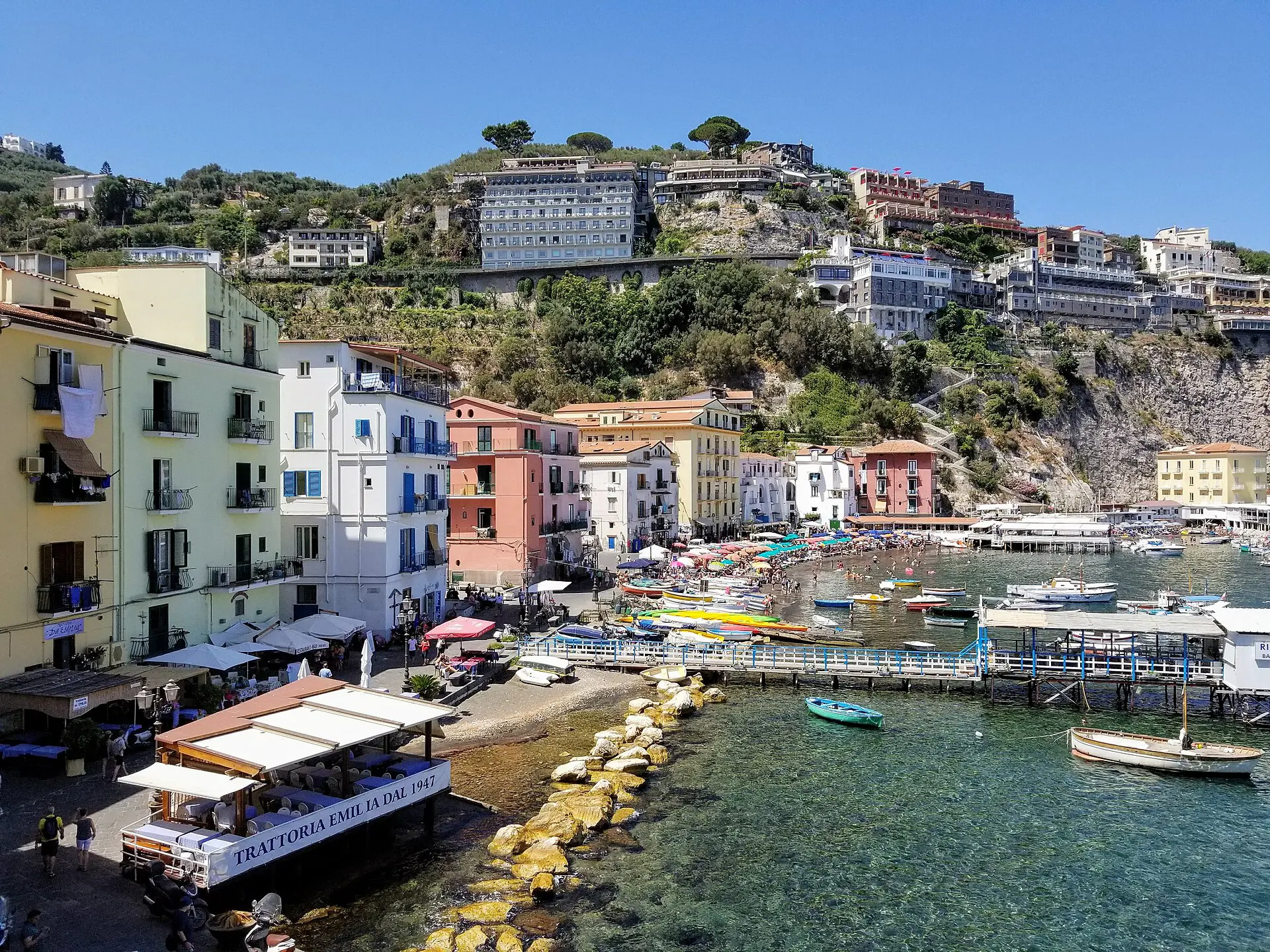
This small fishing harbour below the old town has a more local feel, with seafood restaurants along the waterfront. It is a good place for a sunset walk and a meal. You can walk down from the centre in about 15 minutes, though the return is uphill.
Villa Comunale park
This small public garden sits on the edge of the cliff and has some of the best views of the bay and Vesuvius. It takes 20 to 30 minutes and is free. Go in late afternoon when the light is softer and the heat has eased.
Ferry to Capri
Fast boats cross to Capri in around 20 to 30 minutes, and a day trip is realistic. Book ahead in summer, as boats fill up. Prices on the island are high, so consider a picnic and a walk rather than expensive seafront lunches.
Pompeii and Herculaneum
The Circumvesuviana train reaches the archaeological sites in roughly 30 to 40 minutes for Pompeii. Pompeii needs three to four hours, and has little shade, so bring water and a hat. Herculaneum is smaller and often less crowded, and takes about two hours.
Limoncello and lemon grove visit
Lemons are central to Sorrento, and several local producers offer tastings and short tours of their groves. Plan about an hour. Check opening times and whether booking is needed, and be wary of very cheap bottles sold in tourist shops.
Amalfi Drive
The road along the cliffs from Sorrento to Amalfi is narrow and winding, with sweeping sea views. You can travel it by public bus, private driver or tour. Allow a full day to include Positano and Amalfi, and check current traffic restrictions in peak season.
Best time to visit Sorrento
Sorrento has a Mediterranean climate: hot, dry summers and mild, wetter winters. The best months for sightseeing are generally late April to June and September to October, when it is warm enough for the sea and outdoor meals but less crowded than midsummer.
July and August are the busiest and most expensive months, with heat and queues at Pompeii and on the boats. Winter is quiet, and some restaurants, hotels and ferry routes reduce or pause their service, so check schedules before booking.
| Season | Weather | Crowds and prices |
|---|---|---|
| Spring (Apr-Jun) | Mild to warm | Busy but manageable; good value early on |
| Summer (Jul-Aug) | Hot, dry | Peak crowds and prices |
| Autumn (Sep-Oct) | Warm, sea still warm | Moderate |
| Winter (Nov-Mar) | Cool, wetter | Quiet; some closures |
How to get to Sorrento and around
The nearest major airport is Naples (Capodichino). From there you can take a direct bus to Sorrento, or travel by taxi or transfer. The Circumvesuviana train runs from Naples to Sorrento in roughly an hour and a quarter, with trains about every half hour. It is cheap but often crowded and hot in summer, so board at the start of the line if you can.
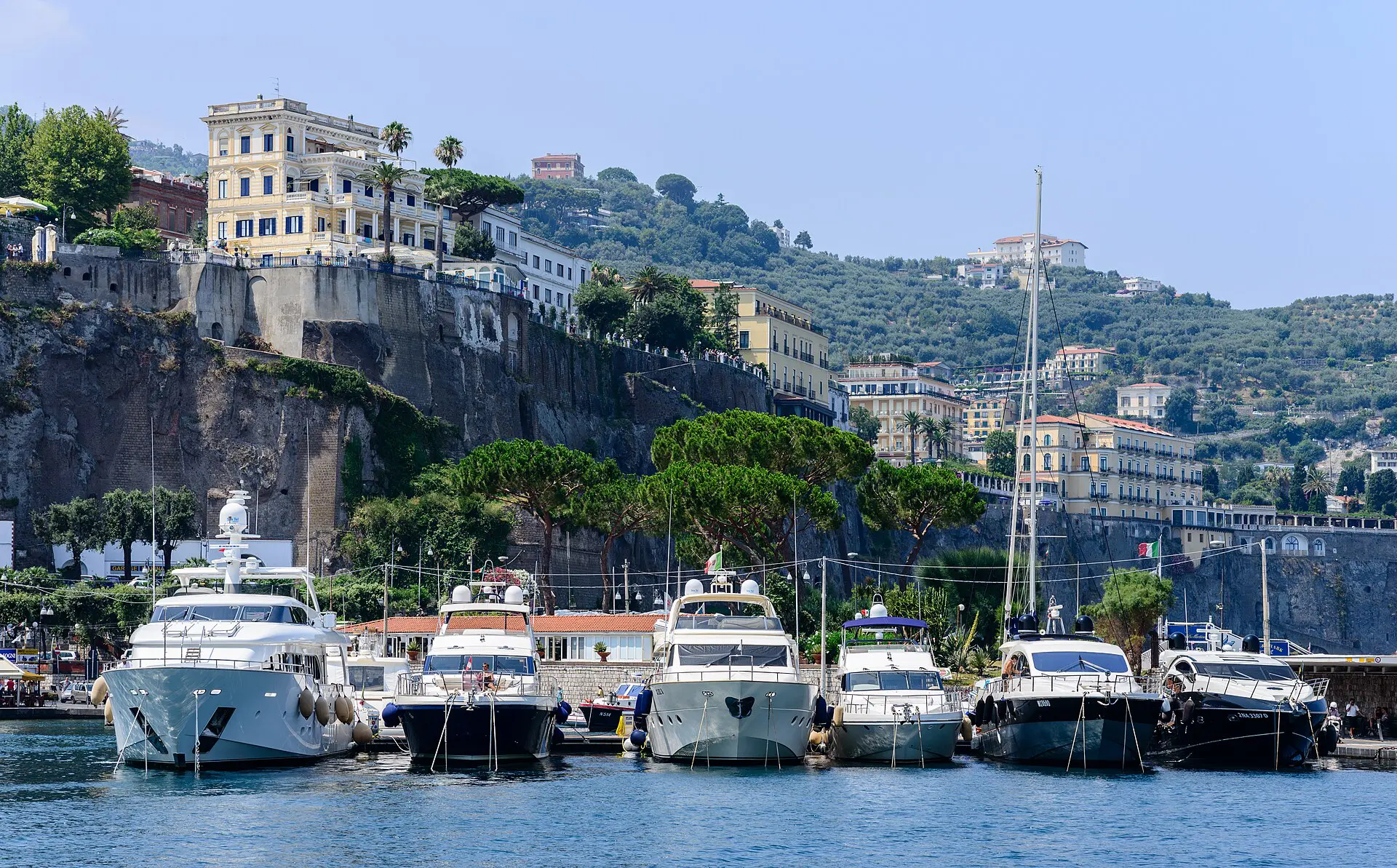
Ferries and hydrofoils run from Naples and from Sorrento to Capri, Ischia and the Amalfi Coast, mostly in the warmer months. Sorrento itself is walkable, though it is hilly, with the port at the bottom of the cliff. Local buses and the SITA services along the coast road connect Sorrento with Positano and Amalfi. A car is more trouble than help in summer because of traffic and parking limits.
Where to stay in Sorrento
The historic centre around Piazza Tasso is the most convenient for first-time visitors, with restaurants, shops and the train station within walking distance. It is lively in the evening, so ask about street noise before you book.
Hotels on the cliff-top edge of town offer sea and Vesuvius views, and many have terraces or pools. Some are a walk from the centre, but they are quieter and often better for couples or longer stays. Look at lift access, as the cliff is steep.
Budget travellers can look at smaller guesthouses and apartments away from the main square, or at nearby villages on the peninsula. Prices rise sharply in July and August, so book early for summer and compare breakfast and parking costs.
How many days do you need?
Two nights is the minimum to enjoy Sorrento and fit in one major excursion. Three or four nights lets you combine Pompeii, Capri and the Amalfi Drive without rushing, and gives you time to relax in the town itself.
- Day 1: Walk the old town, Villa Comunale and Marina Grande, with dinner by the water.
- Day 2: Train to Pompeii in the morning, then an easy afternoon and evening back in Sorrento.
- Day 3: Ferry to Capri, or the Amalfi Drive by bus with stops in Positano and Amalfi.
If you have one day only, see the town in the morning and take an afternoon boat or train trip.
Day trips and nearby
Capri
The island is a short fast ferry away and offers cliffs, gardens, boat trips and the chair lift to Monte Solaro. It is crowded and costly in summer, so go early and plan your return boat in advance.
Pompeii
The famous Roman city buried by the eruption of Vesuvius is reached by the Circumvesuviana train. Allow a half to full day, bring water and wear good shoes, and check ticket and booking rules before you go.
Positano and Amalfi
These Amalfi Coast towns are reached by ferry in season or by bus or road along the coast. Positano is steep and photogenic, and Amalfi has a cathedral and a small old centre. Allow a full day for both.
Naples
Italy’s third city is about an hour and a quarter by train, with a large historic centre, an archaeological museum and well-known pizza. It works as a day trip, or on the way to or from the airport.
FAQ
Q1How many days do you need in Sorrento?
Two to four nights is ideal. One day covers the town, and the rest can go on Pompeii, Capri and the Amalfi Coast. If you only have a short stay, base yourself here and choose one excursion per day to avoid rushing.
Q2What is the best time to visit Sorrento?
Late April to June and September to October are best, with warm weather and fewer crowds. July and August are hot and crowded, and many places reduce service from November to March, so check ferry and restaurant schedules if you visit in winter.
Q3How do I get from Naples to Sorrento?
The simplest option is the Circumvesuviana train from Naples, which takes roughly an hour and a quarter and runs about every 30 minutes. Ferries and buses from the airport are alternatives. Check current times and fares, as services change by season.
Q4Is Sorrento a good base for Pompeii and Capri?
Yes. Pompeii is reached by train in under an hour, and ferries reach Capri in about half an hour in season. Many travellers choose Sorrento because it avoids moving hotels while covering several famous places in the bay.
Prices, schedules and entry rules change. Check current details with official sources before you travel. Read the Italy travel guide.