Why visit Verona
If you are comparing things to do in Verona with a trip to Venice, expect a calmer city. Verona is the largest city in the Veneto region of Italy, with around 255,000 inhabitants, and its historic centre is inscribed on the UNESCO World Heritage list.
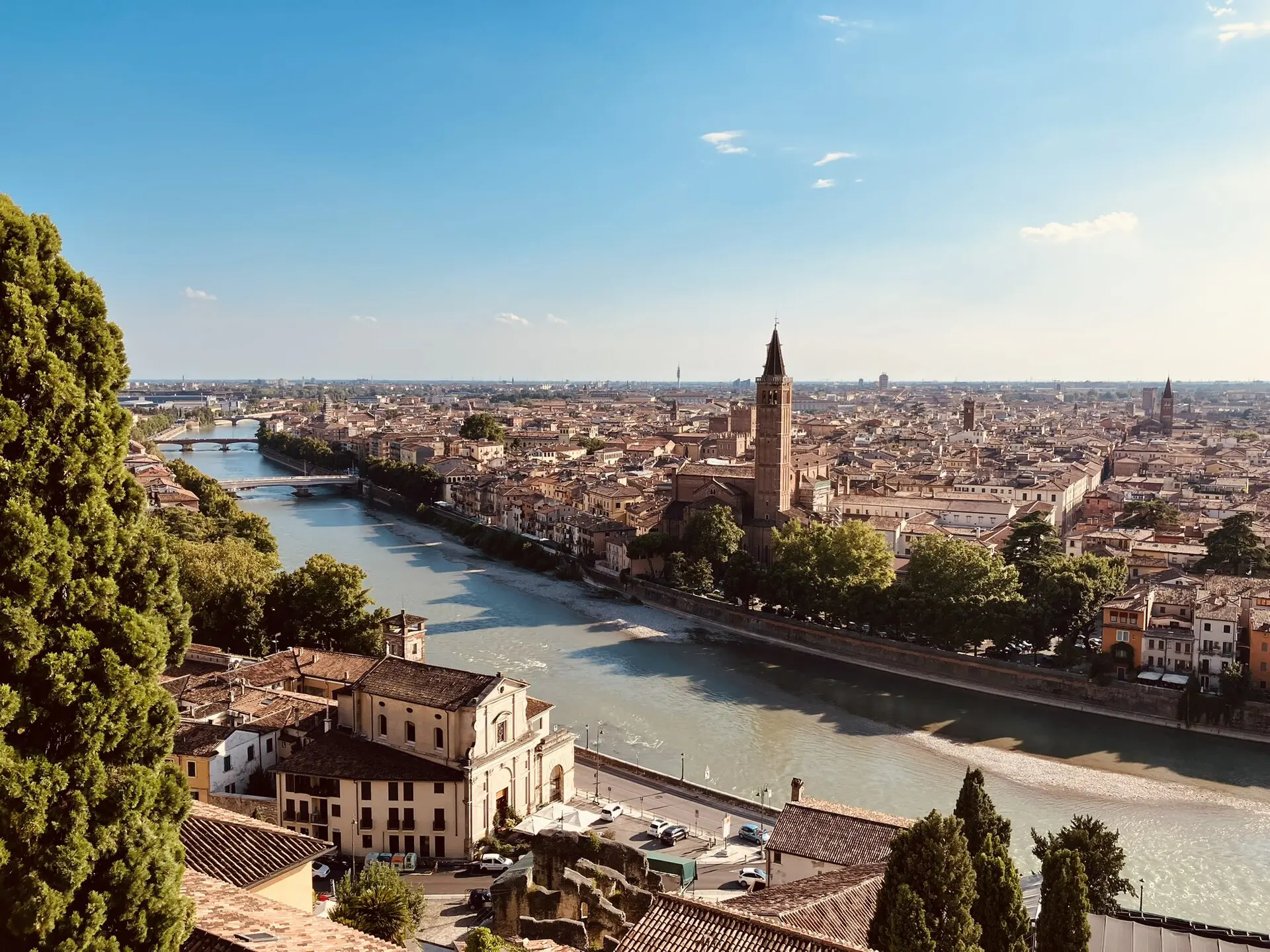
It is best known as the setting of Shakespeare’s Romeo and Juliet, and the Casa di Giulietta draws many visitors. But the city has much more: a Roman amphitheatre that still hosts opera, medieval squares, churches, and a river that wraps around the old centre. There are many tourists, but fewer per square metre than in Venice.
Verona was ruled by the della Scala family in the 13th and 14th centuries, and many monuments from that period survive. It is compact, easy to walk and well connected by train, which makes it ideal for a short stay, or as a stop between Milan and Venice.
Top things to do in Verona
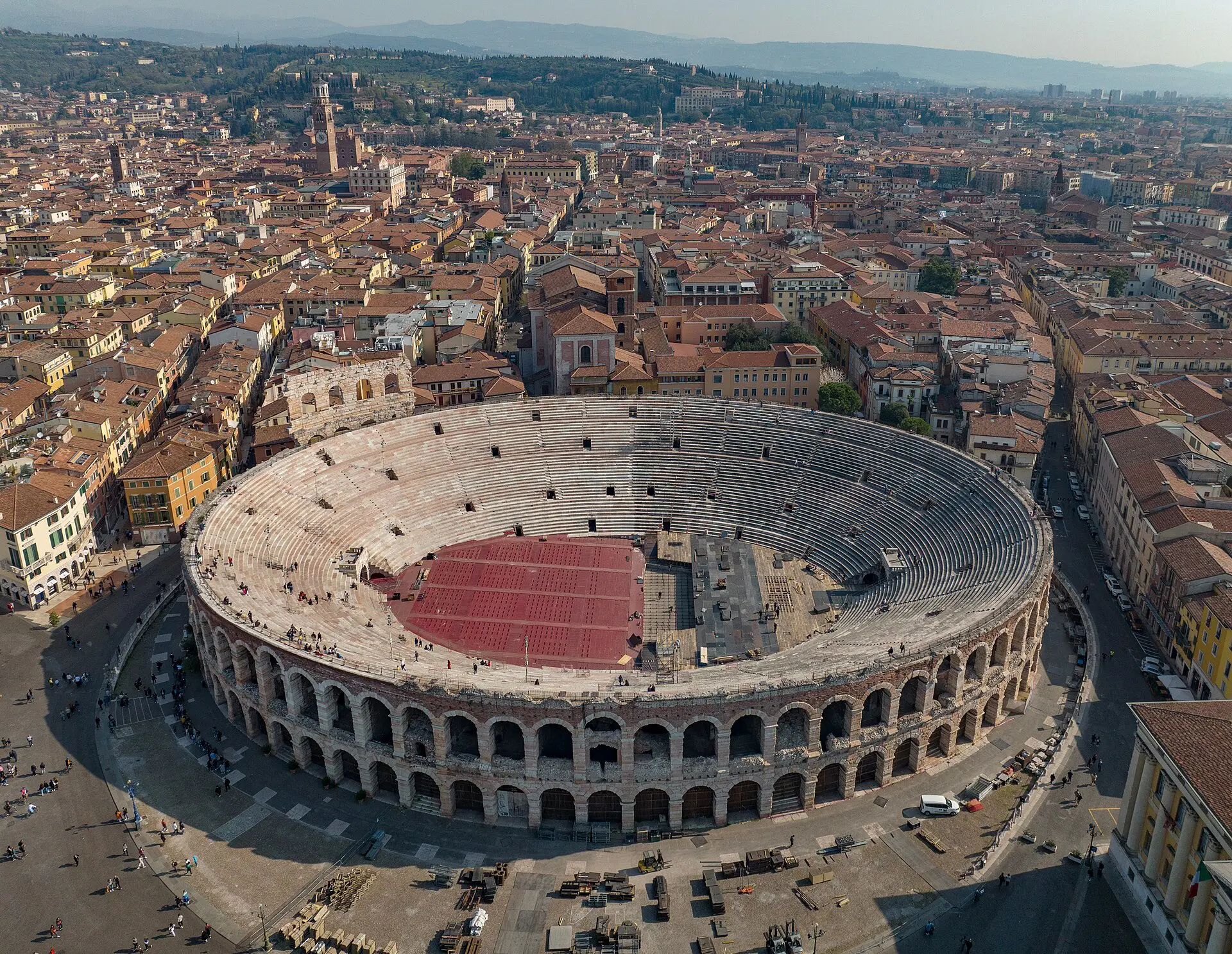
Verona Arena
The Roman amphitheatre on Piazza Bra is one of the best-preserved in Italy. Allow an hour to visit. In summer it hosts an opera season, which is worth planning around, and tickets should be booked ahead. Check current visiting hours and ticket options.
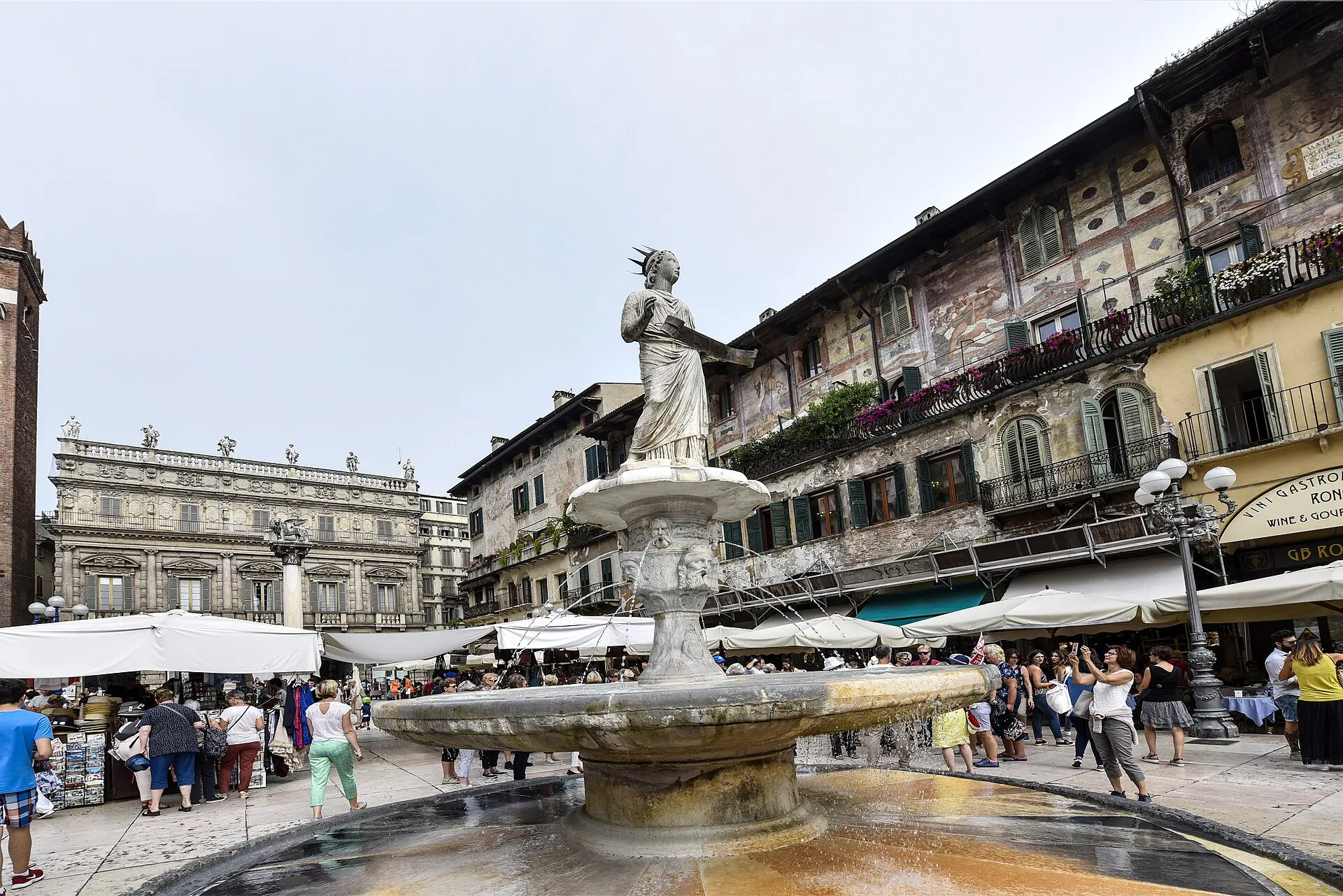
Piazza delle Erbe
The former Roman forum is now a lively square lined with frescoed buildings and market stalls. Allow around 30 to 45 minutes. Prices at cafes on the square are high, so enjoy the view and eat in a side street instead.
Casa di Giulietta (Juliet’s House)
A medieval house with a balcony associated with Juliet. The courtyard is crowded and the connection is a tourist tradition rather than fact. Allow 20 to 30 minutes, and decide whether you want to pay to enter the house itself.
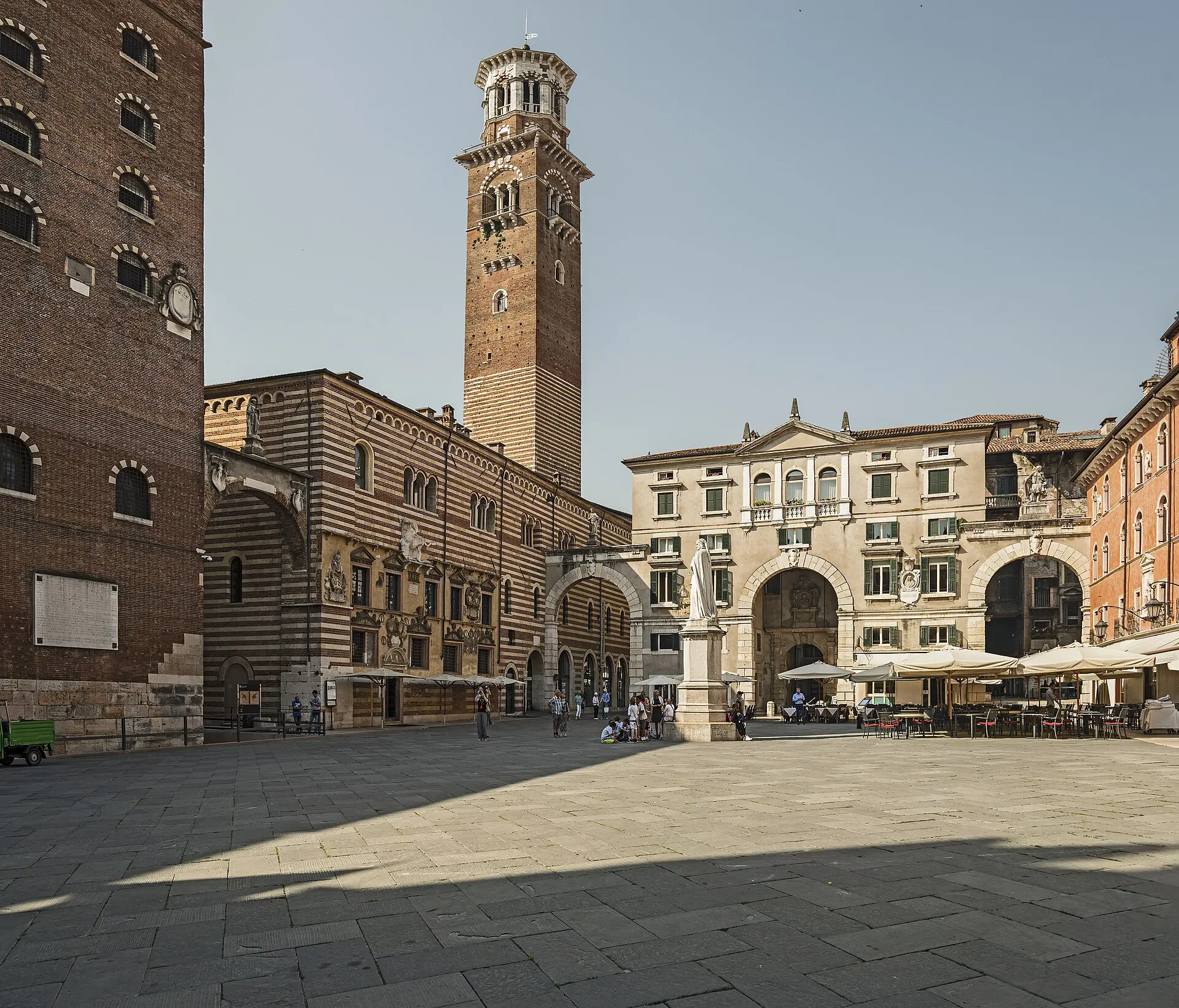
Torre dei Lamberti
Climb or take a lift up the medieval tower beside Piazza delle Erbe for views across the red-tiled roofs. Allow 30 to 45 minutes. Check opening times, and aim for a clear day.
Castelvecchio and its bridge
The fortress built under the della Scala family houses a museum of art and a fine bridge across the Adige. Allow one to two hours. It is quieter than the central sights, and the bridge makes a good photo stop.
Basilica of San Zeno Maggiore
A fine Romanesque church a short walk from the centre, with bronze doors and a peaceful cloister. Allow around an hour. Dress modestly and check visiting hours, as churches often close at midday.
Giardino Giusti and Ponte Pietra
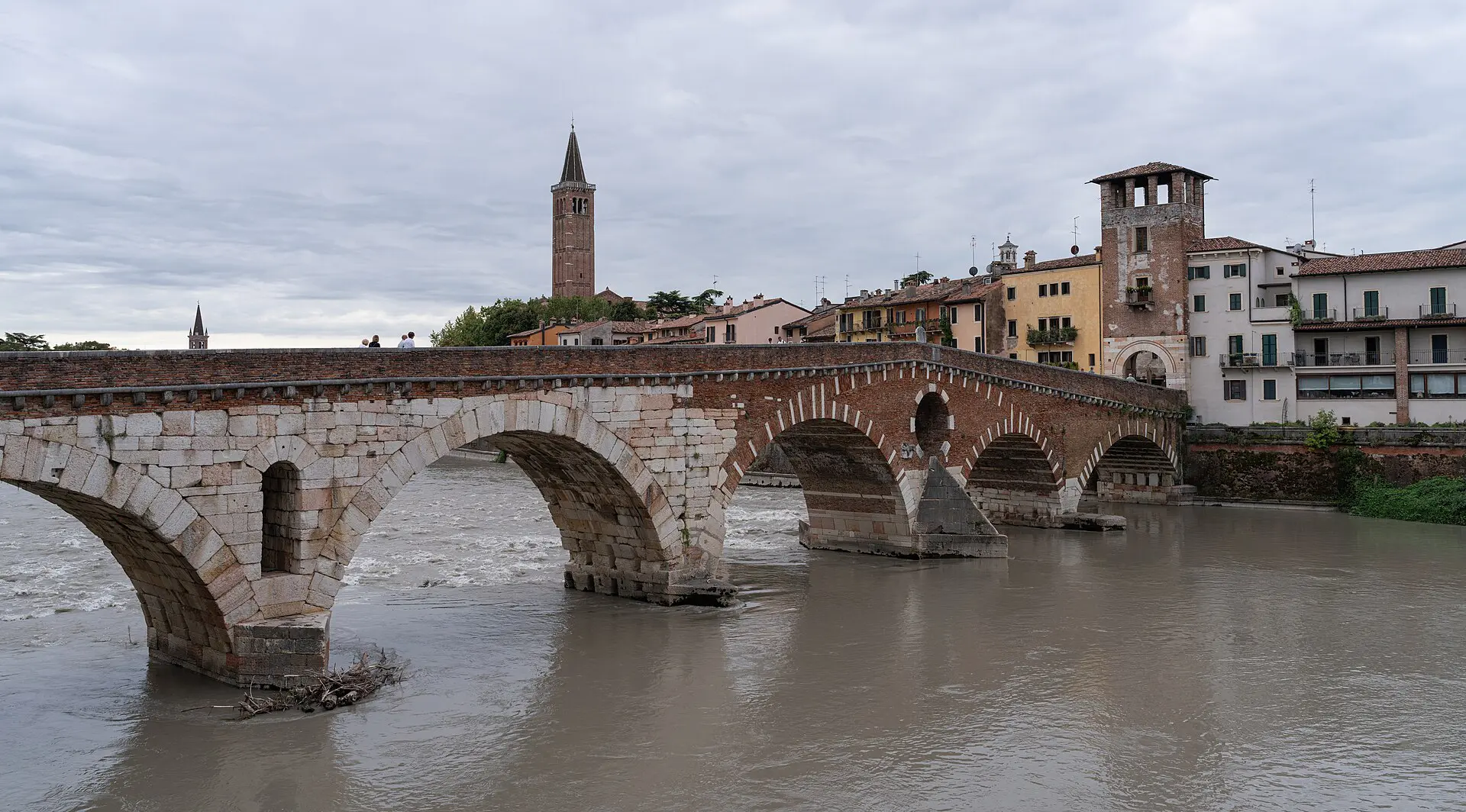
The Roman stone bridge and the terraced Renaissance garden offer views over the old town. Allow one to two hours. A walk along the Adige at sunset is a pleasant free way to end the day.
Best time to visit Verona
Verona has a humid subtropical climate, with hot summers and cool, sometimes foggy winters. Spring and early autumn, roughly April to June and September to October, are generally the most pleasant, with comfortable temperatures for walking.
Summer is hot and busy, but it is also opera season at the Arena, with evening performances. Winter is quiet and cool, and there is a Christmas market in December. Prices and bookings rise during big events such as Vinitaly in spring and the opera season, so book early.
| Season | Weather | Crowds and prices |
|---|---|---|
| Spring (Apr-Jun) | Mild, some rain | Moderate; event spikes |
| Summer (Jul-Aug) | Hot, humid | Busy; opera season |
| Autumn (Sep-Oct) | Mild, often misty | Moderate |
| Winter (Nov-Mar) | Cool, foggy | Quiet; Christmas market |
How to get to Verona and around
Verona Villafranca Airport (VRN), about 12 kilometres from the city, has mostly budget flights from European cities, plus some domestic routes. An airport bus runs to the centre and station, and taxis are available. Many travellers also fly to Venice, Milan or Bergamo and continue by train.
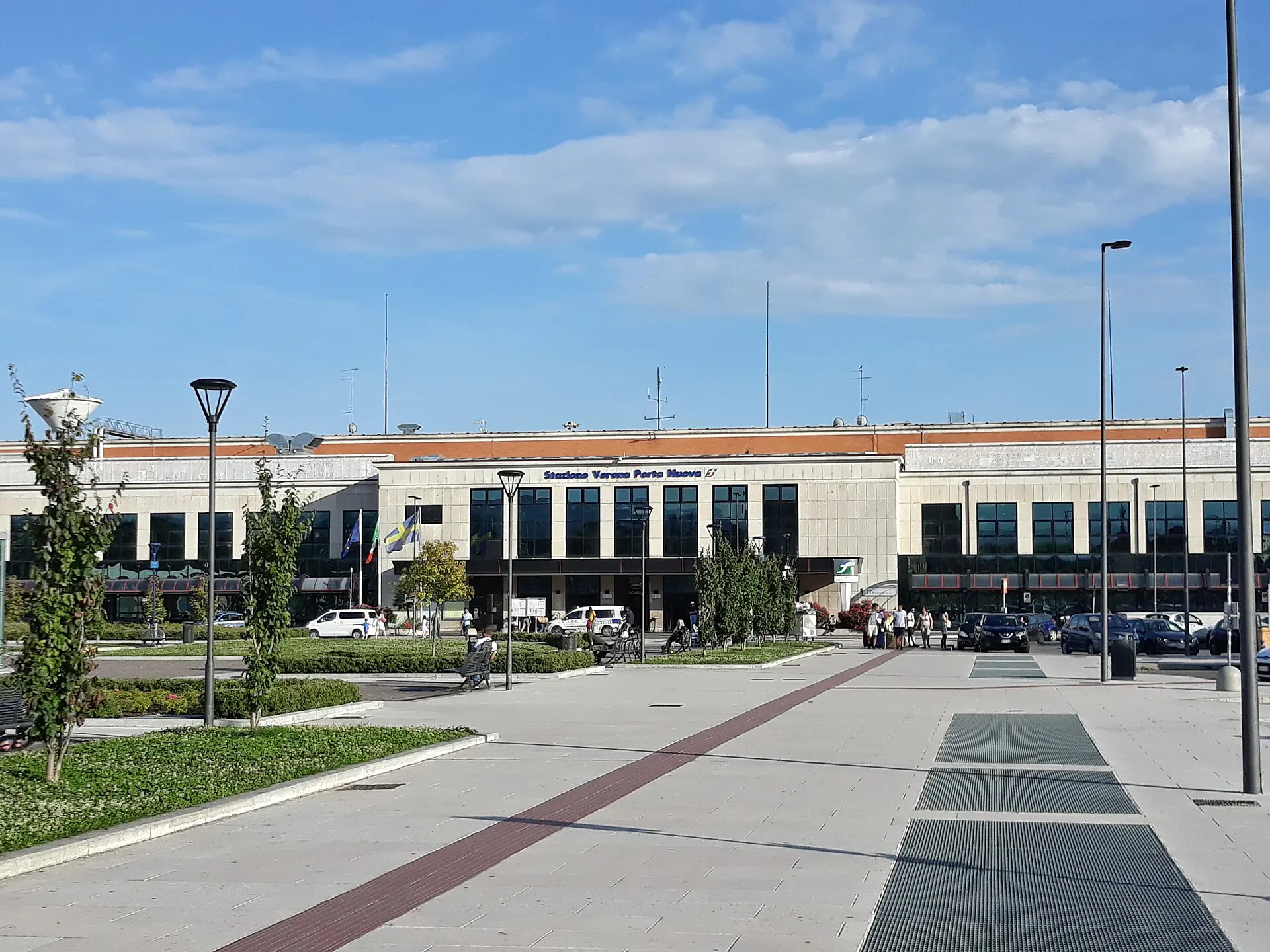
Verona Porta Nuova station sits on the main Milan to Venice line, with frequent trains to Venice, Milan, Bologna and Florence. Check timetables, as journey times depend on the train type. The historic centre is compact and best explored on foot, and city buses cover the rest. The station is about 15 to 20 minutes’ walk from the Arena, or a short bus ride.
Where to stay in Verona
The historic centre, near Piazza Bra, Piazza delle Erbe and the Arena, suits first-time visitors who want to walk everywhere. Hotels here are pricier and rooms can be small, so check the location against noise from evening events.
The area around the station, Borgo Roma and Veronetta across the river, offers more affordable options and quick transport links, although it is less atmospheric. Veronetta also has a student feel, with bars and cafes.
For a quieter stay, look at guesthouses on the hills or in the outskirts, with a short bus ride into the centre. During the opera season and big trade fairs, book well ahead, as prices rise sharply and rooms sell out.
How many days do you need?
One full day is enough for the central highlights, and two days allows a slower pace, extra museums and an evening at the Arena. If you plan a Lake Garda trip, add a third day.
- Day 1: Arena, Piazza delle Erbe, Juliet’s House and Torre dei Lamberti, with dinner in a side street.
- Day 2: Castelvecchio, San Zeno and a riverside walk to Ponte Pietra and Giardino Giusti.
- Day 3 (optional): Lake Garda or a Valpolicella wine area visit.
With a few hours, see the Arena, Piazza delle Erbe and Juliet’s House on a short loop.
Day trips and nearby
Lake Garda
Italy’s largest lake lies about 30 minutes to an hour from Verona by train or bus. Sirmione and Peschiera are easy to reach. It works as a relaxed day trip in warmer months.
Venice
Trains reach Venice in roughly 1 hour 10 minutes to two hours depending on the service. It works as a long day trip, though an overnight stay is better.
Valpolicella wine region
The hills north of the city produce well-known red wines. You can join a tour or hire a car. Allow a half to full day, and book tastings ahead.
Mantua and Vicenza
Mantua, linked to Romeo’s exile in the play, and Vicenza, known for Palladian architecture, are each reached by train in under an hour or so. Each makes a good half-day trip.
FAQ
Q1How many days do you need in Verona?
One day covers the Arena, Piazza delle Erbe and Juliet's House, but two days is more relaxed and lets you add Castelvecchio, San Zeno and the riverside. Add a day if you plan a Lake Garda excursion.
Q2Is Verona worth visiting?
Yes. It combines Roman and medieval monuments with a walkable centre and fewer crowds than Venice. It is a good stop between Milan and Venice and a handy base for Lake Garda and the Valpolicella wine area.
Q3When is the best time to visit Verona?
April to June and September to October are best for comfortable walking weather. Summer is hot but has the opera season at the Arena. Winter is quiet and foggy, with a Christmas market in December.
Q4How do I get from Verona airport to the city?
Verona Villafranca Airport is about 12 kilometres from the centre, and a shuttle bus runs to the city and the main railway station. Taxis are also available. Check current timetables and fares before you travel.
Prices, schedules and entry rules change. Check current details with official sources before you travel. Read the Italy travel guide.