Why visit the Amalfi Coast
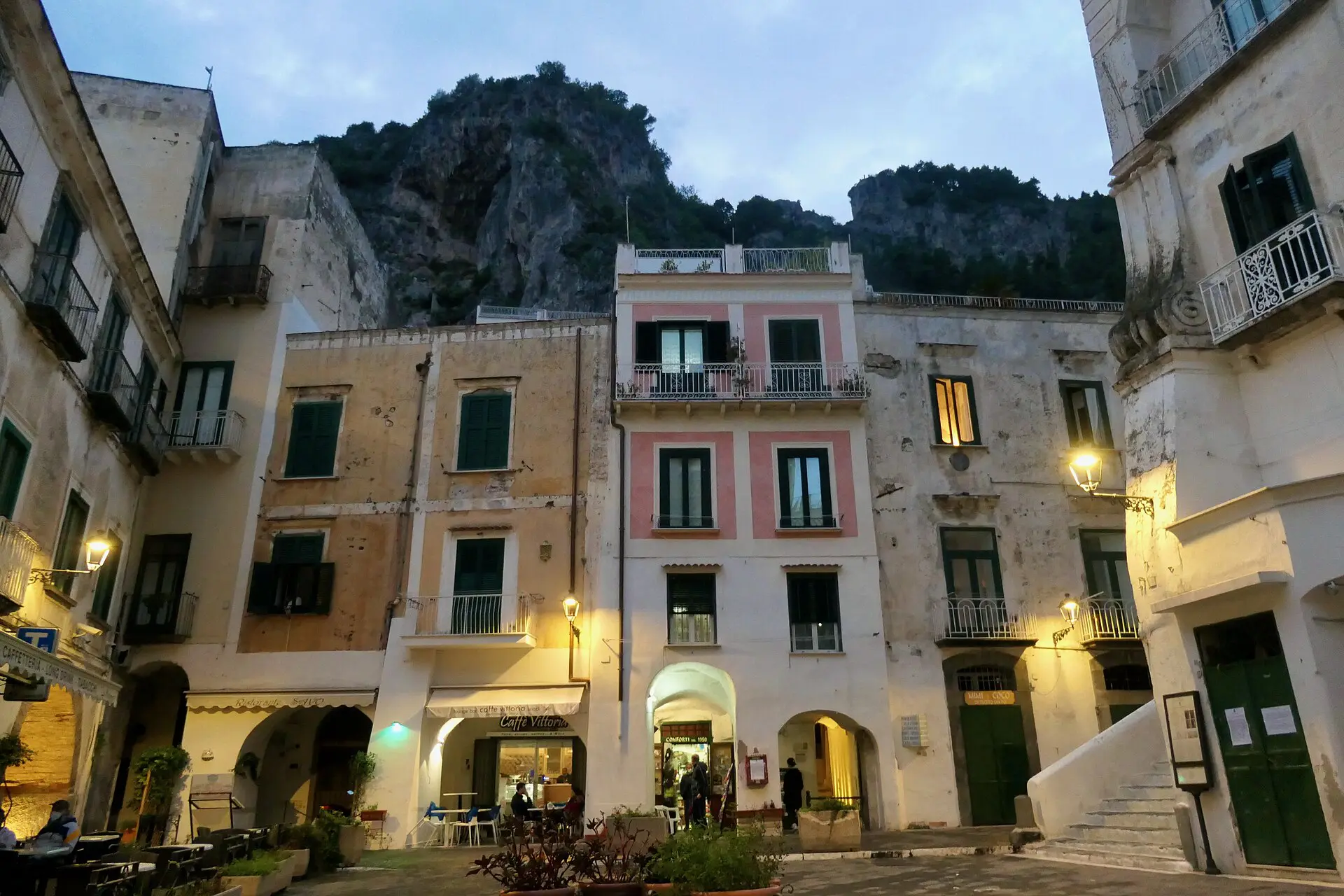
People searching for things to do on the Amalfi Coast are usually picturing steep cliffs, pastel villages and a deep blue sea. The coast overlooks the Tyrrhenian Sea and the Gulf of Salerno in the province of Salerno, in the Campania region of southern Italy, south of the Sorrentine Peninsula. It has been a UNESCO World Heritage Site since 1997 and is one of Italy’s most popular seaside destinations.
It is named after the town of Amalfi, which was historically its main hub and the centre of the Duchy of Amalfi in the 10th and 11th centuries. The terrain is steep, leaving little room for farming, so villages cling to the slopes and lemon gardens climb the terraces.
The coast enjoys a Mediterranean climate with long, hot summers and short, mild winters. Prices are high compared to Naples. The appeal is the scenery, the walking and the sea, and the main drawback is crowds in peak season, so plan carefully and travel in the shoulder months if you can.
Top things to do on the Amalfi Coast
Wander Positano
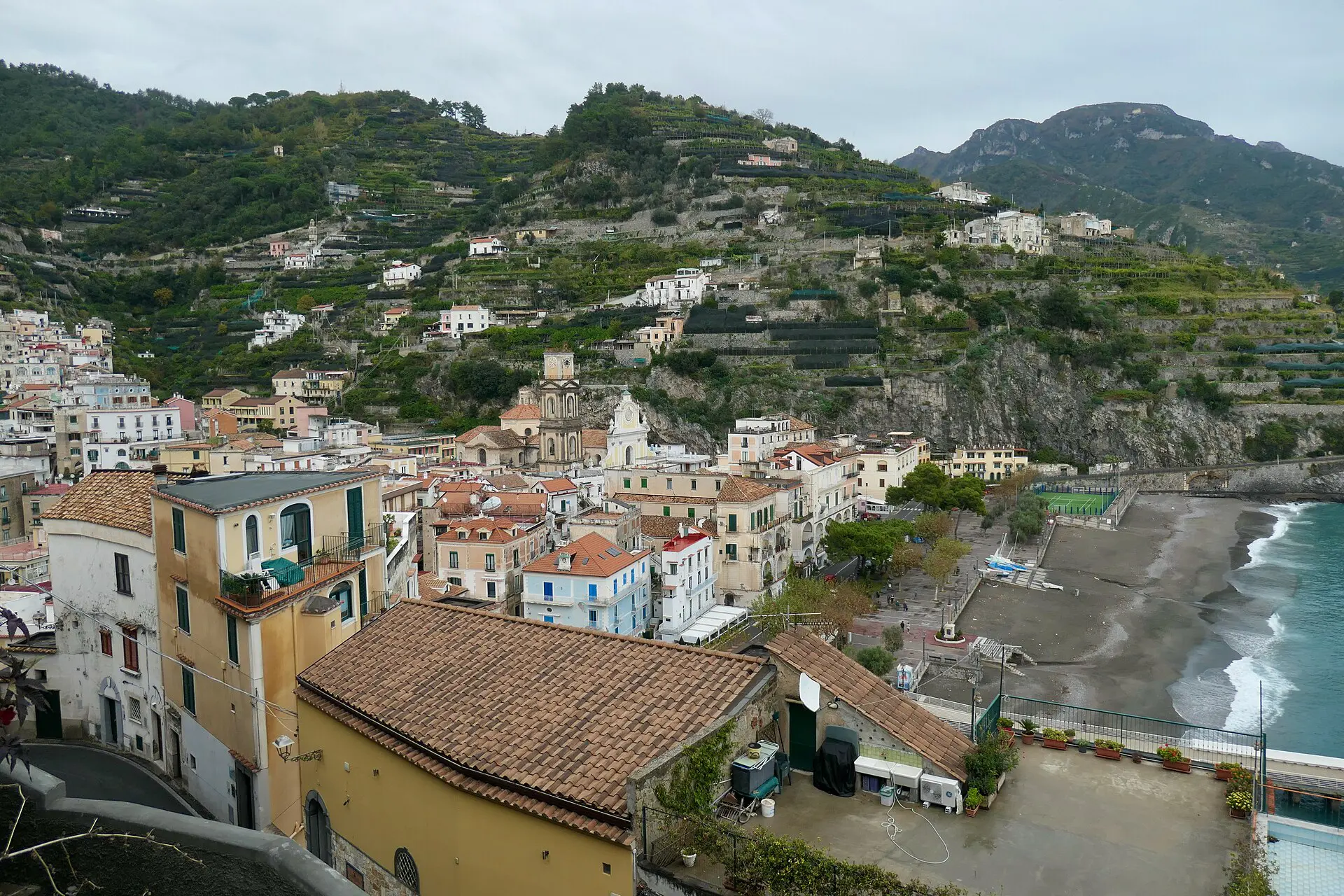
The village stacks colourful houses down a steep hillside to a pebbly beach, with stepped lanes and boutiques. Allow half a day. Tip: wear comfortable shoes, as it is all stairs, and visit early or late to avoid the busiest hours.
Explore the town of Amalfi
The historic hub has a harbour, a cathedral at the heart of the old town and narrow lanes behind the seafront. Allow half a day. Tip: the main square gets crowded when day-trip boats arrive, so visit in the morning or evening.
Visit Ravello
High above the sea, Ravello is known for its gardens and terraces with sweeping views. Allow half a day. Tip: it is a calm, elevated escape, but reaching it requires a bus or taxi up the hillside, so check schedules.
Walk a coastal path
Mountain paths link villages and give views across the water, including well-known routes in the hills above the coast. Allow two to five hours. Tip: carry water, wear proper footwear and check route conditions locally, as some paths have steep sections.
Take a ferry along the coast
Seasonal boats connect the main villages and give a different view of the cliffs. Allow one to two hours per leg. Tip: services depend on season and sea conditions, so check timetables before you plan around them.
Visit Atrani and Cetara
These smaller villages offer a quieter feel, with Atrani tucked beside Amalfi and Cetara known as a fishing village. Allow two hours each. Tip: they make good lunch stops away from the larger crowds.
Try the local lemons and seafood
Lemon groves are a symbol of the coast, and seafood is a staple in local restaurants. Allow an evening. Tip: check prices before ordering, since seafront restaurants can be expensive.
Best time to visit the Amalfi Coast
The coast has long, hot, sunny summers and short, mild winters, with winter weather that can be variable. Many hotels, restaurants and ferry services run seasonally, so winter visits can mean closures and fewer boats.
| Season | Weather | Crowds and prices |
|---|---|---|
| July and August | Hot, dry, sunny | Busiest, highest prices, heavy traffic |
| May, June, September | Warm, pleasant | Good balance, still busy |
| November to March | Mild, variable | Quiet, some places closed |
For walking and sightseeing, late spring and early autumn are usually the most comfortable. Check which businesses are open if you plan to travel outside the main season.
How to get to the Amalfi Coast and around
The main road along the coast is the Amalfi Drive, the Strada Statale 163, which runs roughly 40 kilometres along the cliffs. It is narrow and winding, and traffic can be slow, especially in summer. Most visitors fly into Naples and continue by transfer, bus, train and ferry, though options change, so check current services.
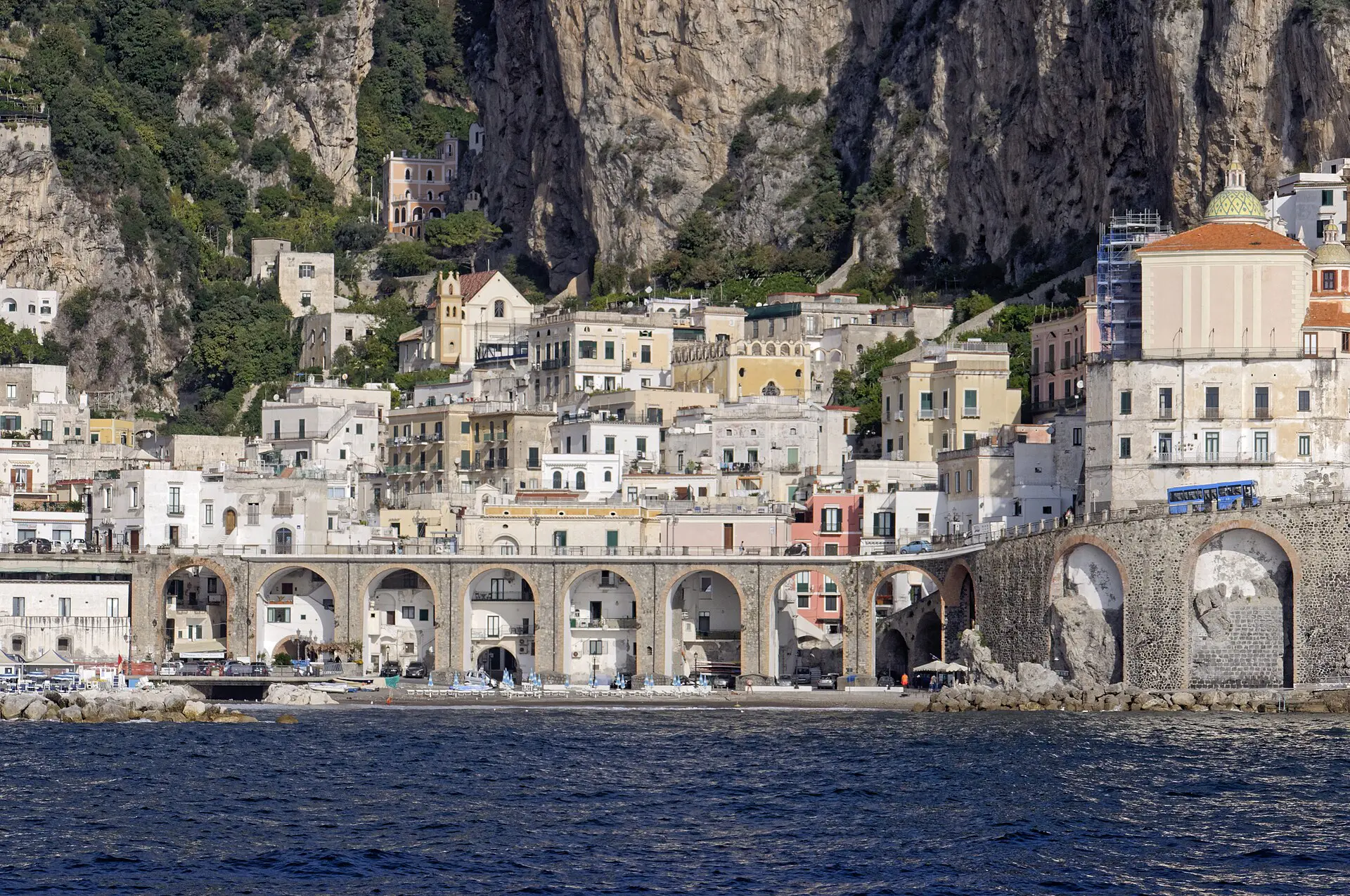
Sorrento is a common gateway at the western end, and Salerno is the usual entry to the east. Seasonal ferries link the main villages with these towns and with Naples, and they are often the most pleasant way to travel.
Local buses serve the coastal road, but they can be crowded in summer. Driving yourself is demanding, with tight bends and limited parking, so many visitors skip it. Taxis and private drivers are also available at a premium, so agree the price first.
Where to stay on the Amalfi Coast
Positano suits couples and first-time visitors who want the postcard view and do not mind stairs and high prices. It is lively and photogenic but expensive, and its steep layout is hard with heavy luggage.
Amalfi has a more practical base with a central position, good transport links and a wider range of prices. It suits travellers who want to move around by bus and ferry.
Ravello and the smaller villages, such as Atrani, Praiano and Maiori, offer quiet, space and often better value. They suit walkers, long stays and visitors who prefer less bustle, but check the transport links first.
Book early for summer, and consider staying a night or two in a village where the day trippers leave in the evening.
How many days do you need?
Three to four days covers Positano, Amalfi and Ravello at a comfortable pace, with time for a walk or boat ride. A long weekend works if you stay in one base and keep plans simple. One day trip from Naples or Sorrento feels rushed but is possible.
- Day 1: Arrive, settle in and explore the village where you are staying.
- Day 2: Take a ferry to Amalfi, visit the cathedral and old town, and continue to Atrani.
- Day 3: Go up to Ravello for gardens and views, or walk a coastal path.
Use the ferry where possible and avoid driving during the busiest hours.
Day trips and nearby
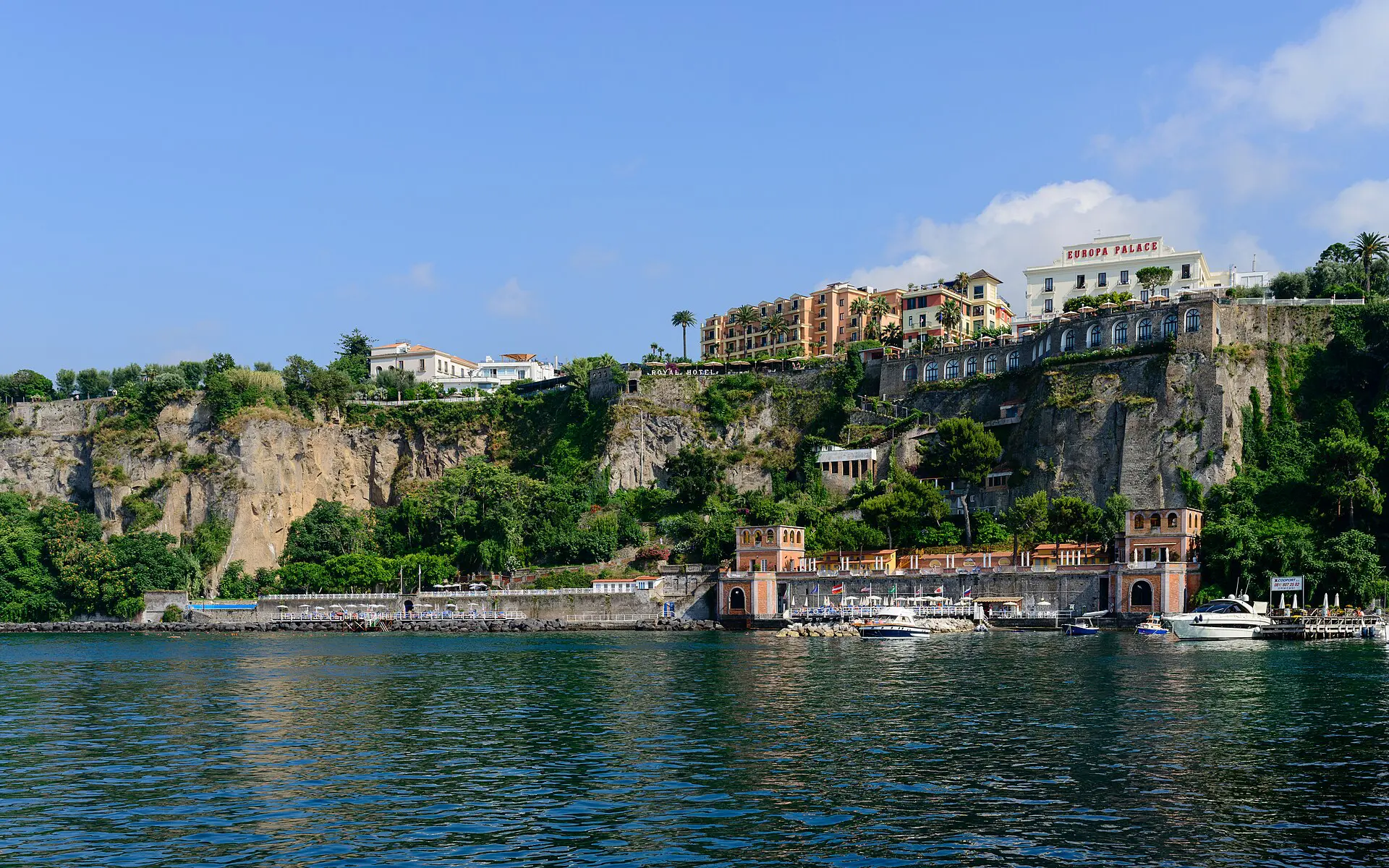
Sorrento
This town on the Sorrentine Peninsula is a common gateway and base, with good ferry and bus links. Allow half a day or more. Tip: it is easier and cheaper to stay in than the villages on the coast.
Naples
The city is the main airport gateway and offers food, archaeology and a lively old town. Allow a full day. Tip: check train and ferry connections to the coast.
Sicily
The island is a separate trip that needs flights or a long journey, better saved for another visit. Tip: combine it with a longer southern Italy itinerary.
Rome
The capital is a few hours away by train, often combined with the coast in a longer trip. Tip: check the route via Naples or Salerno.
FAQ
Q1When is the best time to visit the Amalfi Coast?
May, June and September are usually the best mix of warm weather and manageable crowds. July and August are hot, busy and costly. In winter the weather is mild but variable, and many hotels, restaurants and ferries run limited schedules.
Q2How many days do you need on the Amalfi Coast?
Three to four days lets you see Positano, Amalfi and Ravello at a calm pace and add a walk or boat ride. A day trip from Naples or Sorrento is possible but rushed. Longer stays suit walkers and travellers who prefer a slower rhythm.
Q3How do you get to the Amalfi Coast?
Most visitors fly into Naples and continue by transfer, bus, train and ferry. The main coastal road is the narrow Amalfi Drive of roughly 40 kilometres, which can be slow in summer. Check current services, as ferries and timetables change by season.
Q4Is the Amalfi Coast expensive?
Prices are high compared with Naples, particularly for hotels and seafront restaurants in summer. Staying in a smaller village, travelling in the shoulder season and eating away from the main squares can lower costs. Budget extra for ferries and transfers.
Prices, schedules and entry rules change. Check current details with official sources before you travel. Read the Italy travel guide.