Why visit Sardinia
People searching for things to do in Sardinia are usually after beaches, and the island has plenty. It is the second-largest island in the Mediterranean after Sicily and one of Italy’s twenty regions, lying about 200 kilometres west of the Italian peninsula and 16.5 kilometres south of Corsica. Cagliari is the capital and largest city, followed by Sassari, and the island has more than 1.5 million residents.
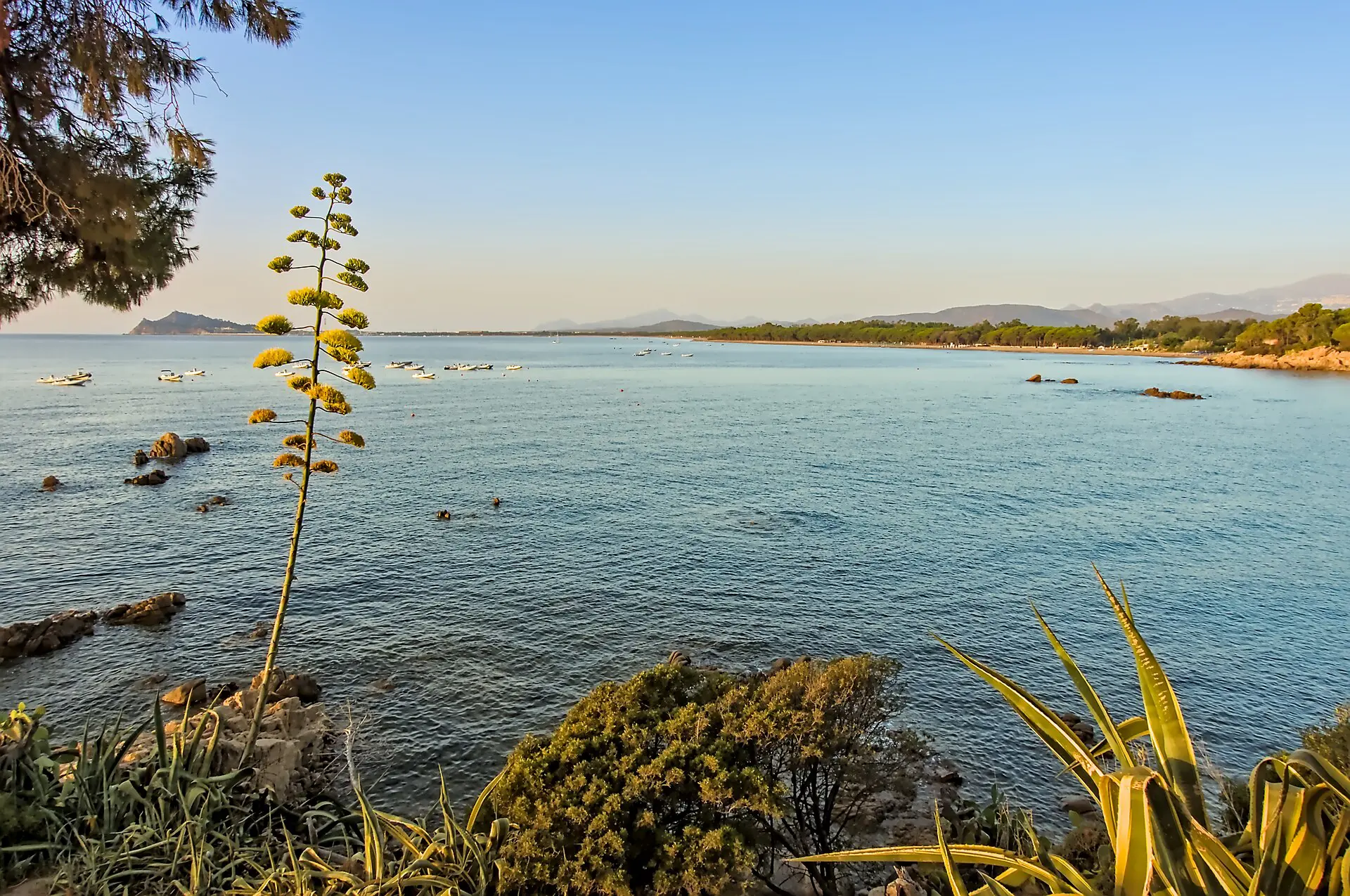
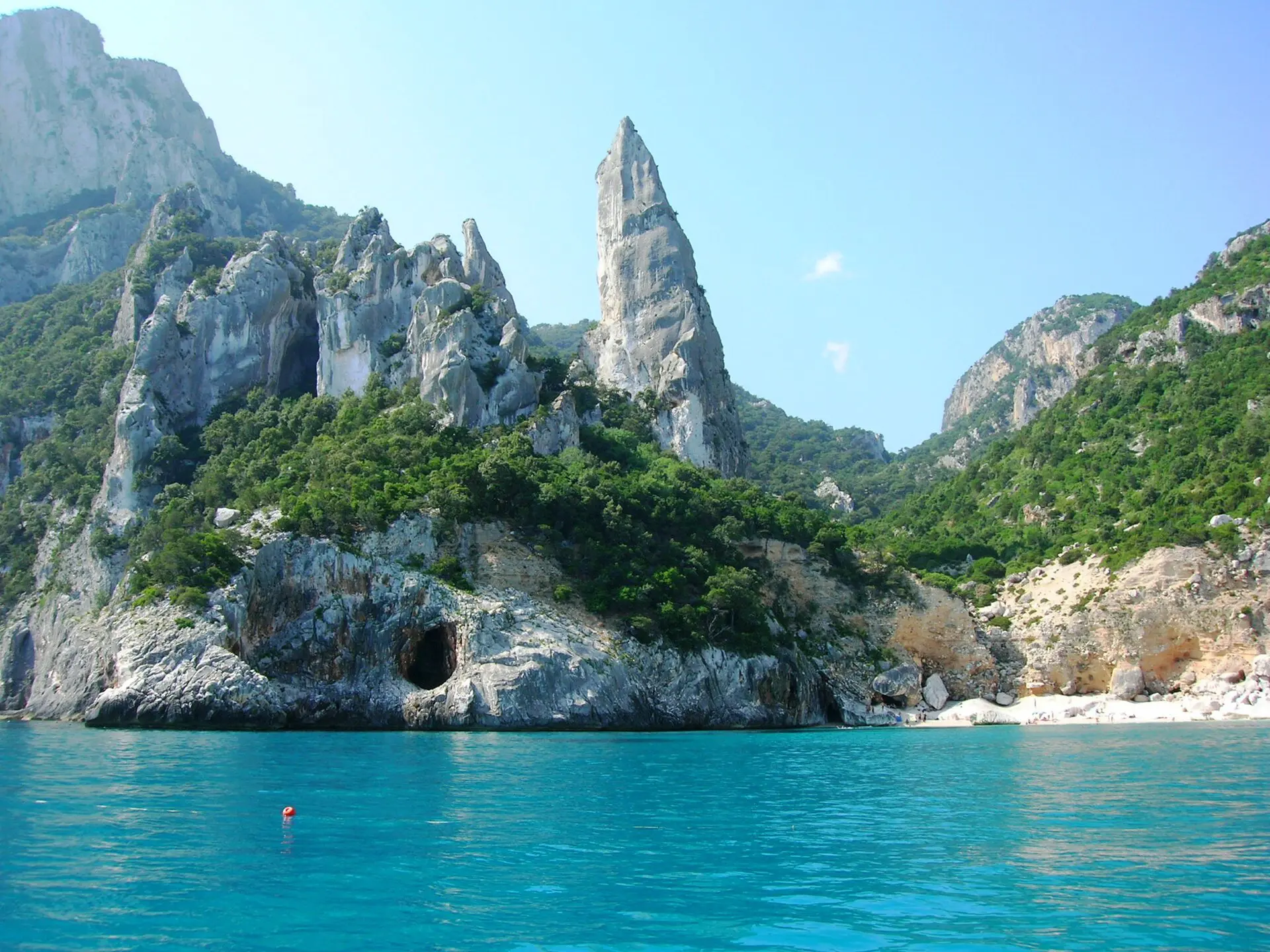
It has varied ecosystems, including mountains, woods, plains, streams, rocky coasts and long sandy beaches. Swimming, windsurfing, hiking and boating are highlights, particularly in the La Maddalena Archipelago National Park, where several protected beaches can be reached only by sea.
The interior has a different feel from the coast. The Sardinian language and the Catalan dialect of Alghero are officially protected, and archaeological tourism has grown around ancient sites. Plan around the weather and your transport, as the island is large and public transport is limited.
Top things to do in Sardinia
Visit the La Maddalena Archipelago
This national park off the northeast coast includes protected beaches, some reached only by boat. The famous Pink Beach on Budelli is strictly protected and landing there is not allowed, though boat trips pass nearby. Allow a full day. Tip: access rules are strict, so check current restrictions and book through an authorised operator.
Explore Cagliari
The capital has a historic hilltop district, a harbour and a lively food scene. Allow one day. Tip: wear comfortable shoes for the steep streets, and enjoy the city’s beaches nearby.
Walk Alghero’s old town
This coastal town has a Catalan heritage, with sea walls, narrow streets and a harbour. Allow half a day. Tip: stay for sunset along the walls.
Discover Bosa
A beautiful medieval town in Oristano province, with colourful houses along the river. Allow half a day. Tip: combine it with a drive along the coast.
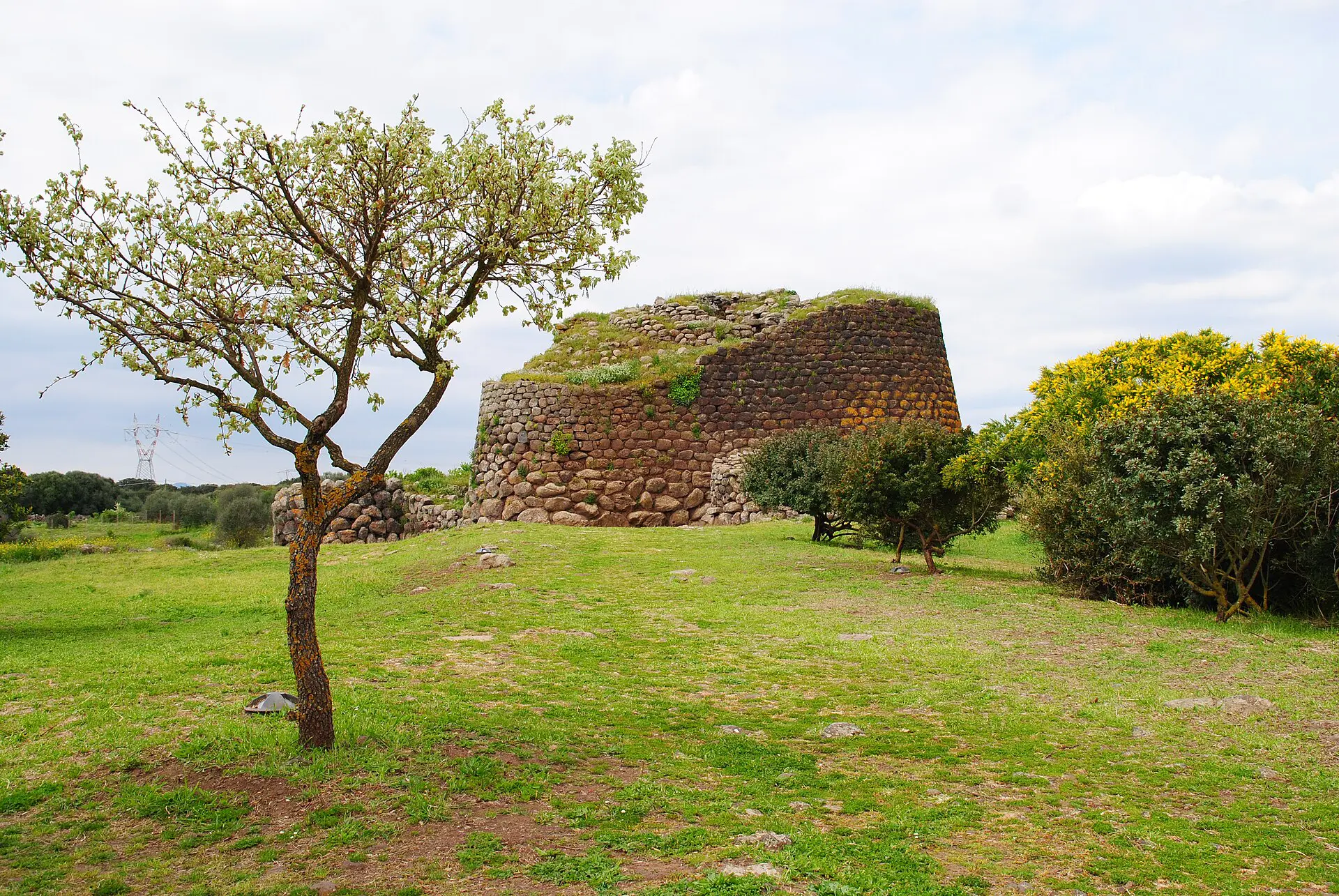
Visit a nuraghe site
The island holds many ancient stone-tower sites from its prehistoric past, with growing archaeological tourism. Allow two hours per site. Tip: opening hours vary, so check before you drive.
Hike the interior
The mountains and valleys inland offer trails and a quieter side of the island. Allow a half or full day. Tip: carry water, and avoid midday heat in summer.
Relax on the beaches
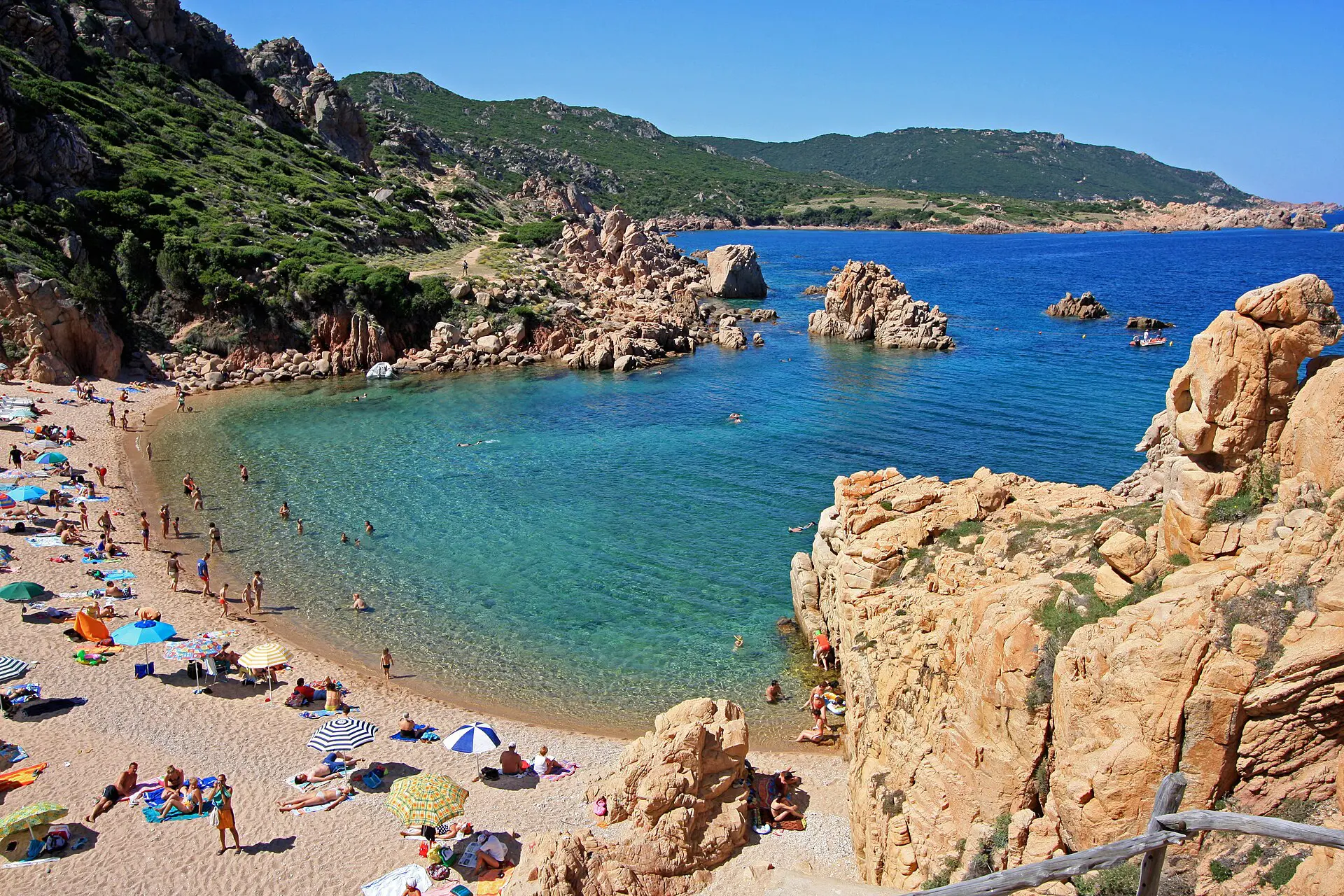
Long sandy beaches and rocky coves are found around the island, with clear water for swimming. Allow a day. Tip: the busiest beaches fill early in summer, and some need advance reservations in peak months.
Best time to visit Sardinia
Sardinia has a Mediterranean climate, with hot, dry summers and mild winters. Beach season runs from late spring to early autumn, while spring and autumn are better for hiking and sightseeing.
| Season | Weather | Crowds and prices |
|---|---|---|
| July and August | Hot, dry, sunny | Busiest and most expensive, ferries and hotels book out |
| May, June, September | Warm, pleasant sea | Good balance of weather and value |
| October to April | Mild to cool, some rain | Quiet, many coastal businesses closed |
Check opening seasons for hotels, restaurants and boat trips, as many close outside summer.
How to get to Sardinia and around
The island has airports at Cagliari, Olbia and Alghero, with flights from many Italian and European cities, and some routes are seasonal. Check current options.
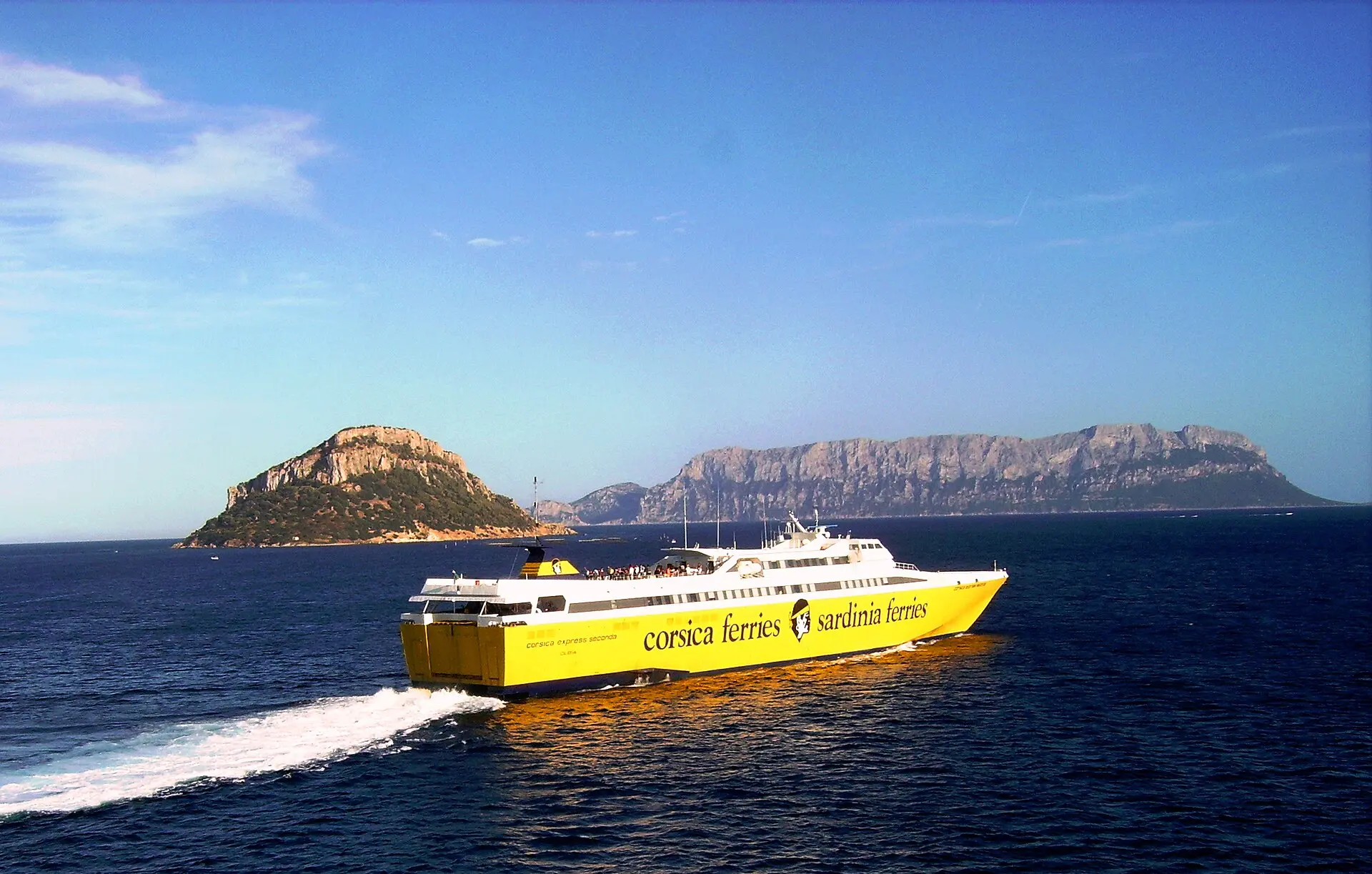
Ferries link Sardinia with the Italian mainland and with Corsica. Services are busier and more frequent in summer, and cars and cabins should be booked well ahead.
On the island, a rental car gives the most freedom, as public transport is limited outside the main towns. Distances are larger than they look, and rural roads can be slow, so plan realistic daily distances. Buses and trains link the main towns, and boats serve some coastal destinations, but schedules are thinner in winter.
Where to stay in Sardinia
Cagliari and the south suit city lovers who want food, history and nearby beaches, with a good airport and public transport. It is a practical base for a first visit.
The northeast around Olbia and the coast towards La Maddalena suits beach and boat trips, and is a popular summer area with higher prices.
The northwest around Alghero suits travellers who want an old town with beaches and sunset walks, and is a good base for the coast. Inland villages and agriturismo-style farm stays suit those who want quiet, hiking and local food. Book early for July and August, and plan to hire a car if staying outside the towns.
How many days do you need?
Five to seven days is a good length to see more than one region, such as the south and the northwest. Three to four days works if you stay in one area and focus on beaches. For the whole island at an easy pace, allow ten days or more.
- Day 1: Arrive and explore a town such as Cagliari or Alghero.
- Day 2: Spend the day on beaches, with a swim and a seafood lunch.
- Day 3: Visit a nuraghe site or an inland village, or take a boat trip to La Maddalena.
Leave time for driving, since distances are long, and book beach and boat access ahead in summer.
Day trips and nearby
Bosa
A medieval town in Oristano province with colourful riverside houses. Allow half a day. Tip: combine it with a coast drive.
Alghero
A coastal town with Catalan heritage and sea walls. Allow half a day. Tip: visit late afternoon for sunset.
Sicily
Italy’s largest island lies to the south east and is a separate trip, reached by ferry or air. Tip: do not try to combine it with a short Sardinia stay.
Corsica
The French island lies just 16.5 kilometres north and can be reached by ferry. Tip: check current ferry schedules and entry details.
FAQ
Q1When is the best time to visit Sardinia?
May, June and September offer warm weather and a pleasant sea with fewer people than July and August. Summer is hot, busy and expensive. Between October and April the weather is milder but many coastal businesses close, so check before you travel.
Q2How many days do you need in Sardinia?
Five to seven days lets you see more than one region, such as the south and the northwest. Three to four days works if you stay in one area. For a relaxed tour of the whole island, allow ten days or more.
Q3How do you get to Sardinia?
Most visitors fly into Cagliari, Olbia or Alghero, with some routes only in summer. Ferries connect the island with the Italian mainland and Corsica, and busy in summer. Check current routes and book early for cars and cabins.
Q4Do you need a car in Sardinia?
A car is strongly recommended for beaches, inland villages and archaeological sites, as public transport is limited outside the main towns. Distances are longer than they look and rural roads are slow. If you stay in Cagliari or Alghero, you can manage without.
Prices, schedules and entry rules change. Check current details with official sources before you travel. Read the Italy travel guide.