Why visit the United Kingdom
This UK travel guide starts with the case for going: the United Kingdom packs a huge range into an area of about 242,900 square kilometres, from a capital with free national museums to Roman walls, medieval castles, Highland glens and the coast of Wales and Northern Ireland (see the Wikipedia overview for background). It consists of four nations, England, Scotland, Wales and Northern Ireland, each with its own character, and the official name is the United Kingdom of Great Britain and Northern Ireland.
It suits first-time travellers who want an easy trip, because English is the main language, trains connect most major cities and tourist infrastructure is mature. It works for city breaks, literary and music pilgrimages, family trips and walkers who want pub lunches and national parks. The trade-offs are cost, especially in London, unpredictable weather and the tendency for small places to close early. Driving is on the left.
Best places to visit in the United Kingdom
The best places to visit in the United Kingdom range across four nations, and the main cities are close enough to link by train.
London
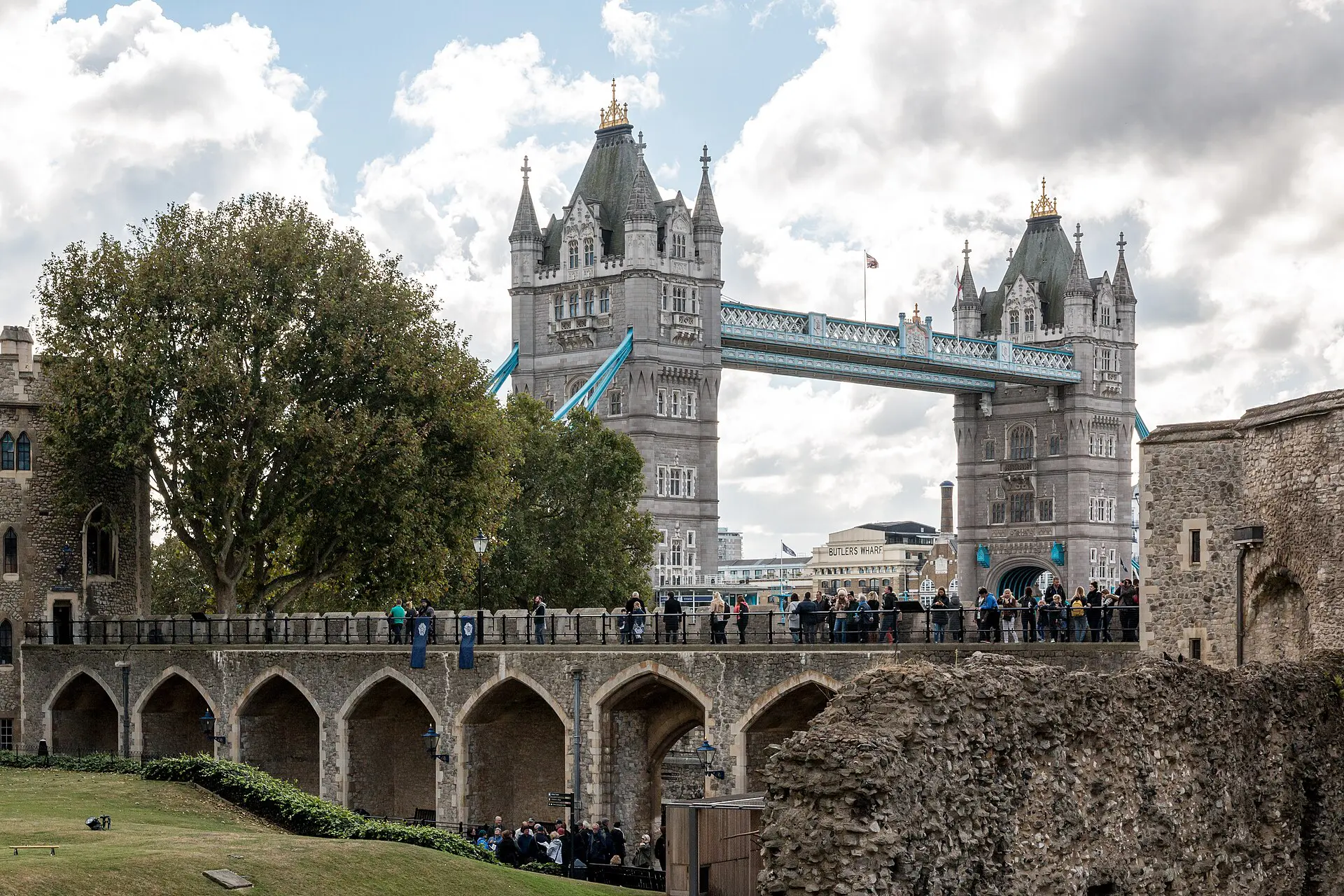
The capital has the British Museum, the National Gallery and Tate Modern, all free to enter, as well as the Tower of London, Westminster Abbey and the Thames. Neighbourhoods such as Shoreditch, Borough and Notting Hill give a sense of everyday life.
Edinburgh
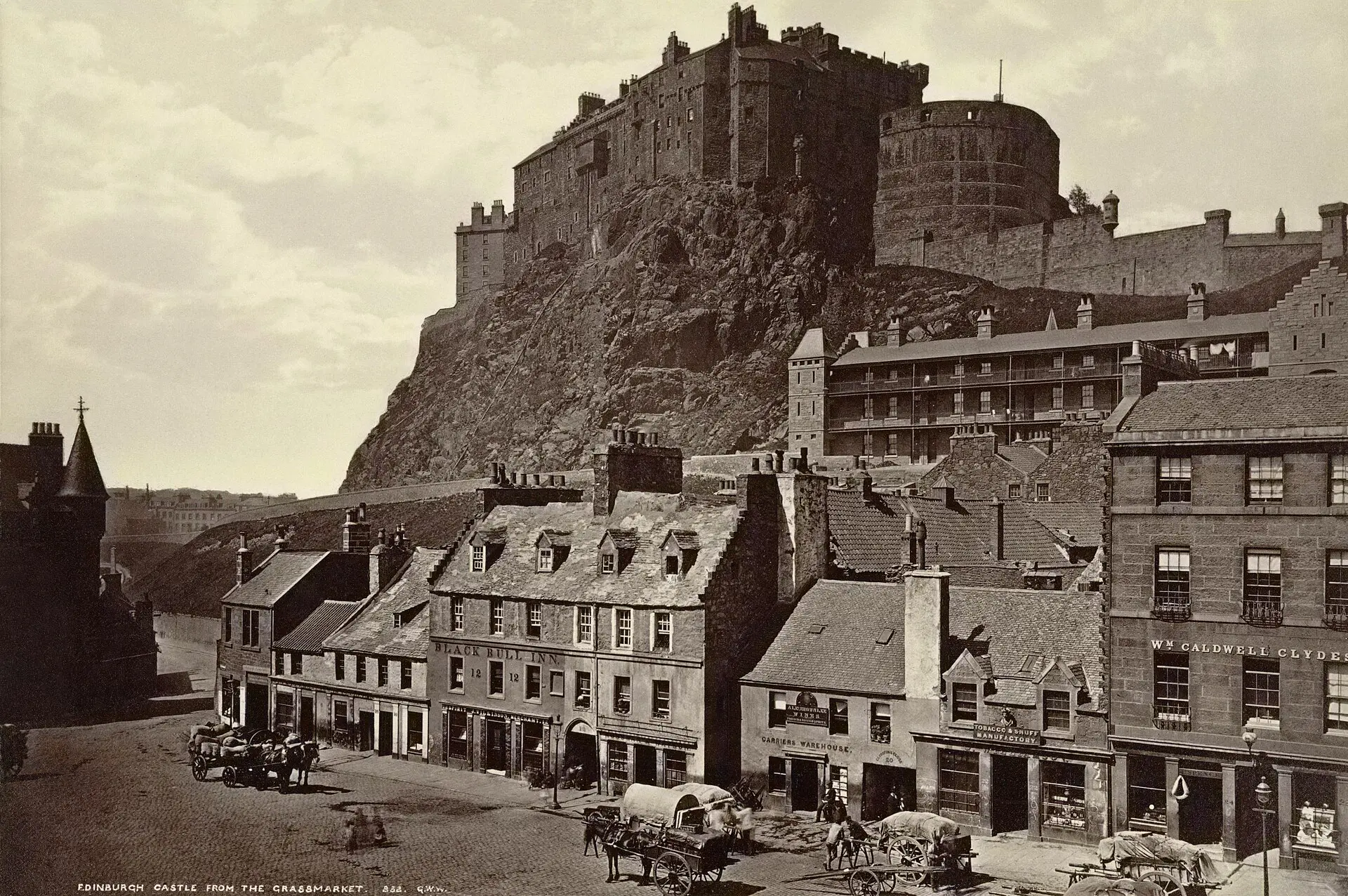
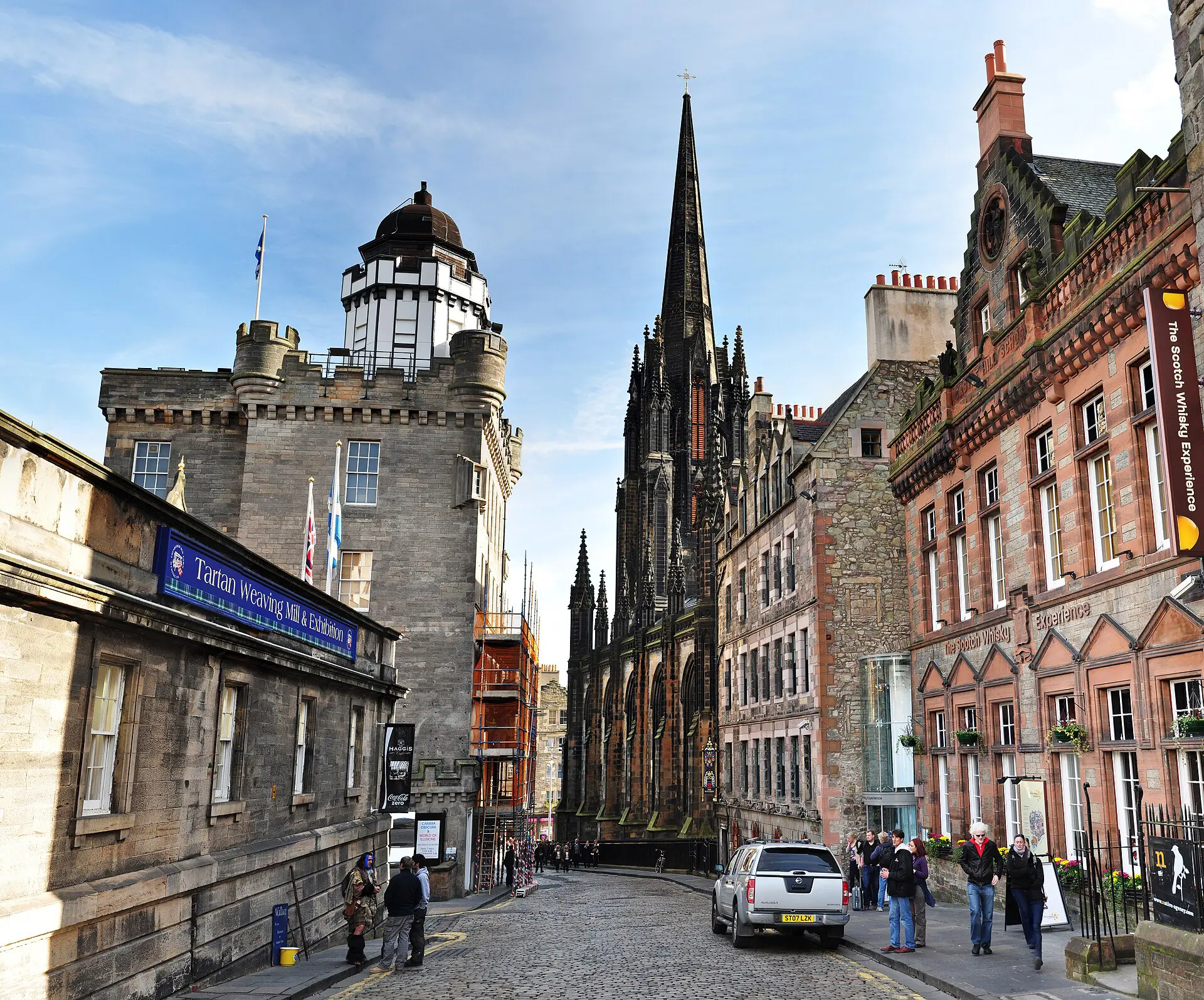
Scotland’s capital has a castle on a volcanic rock, the Royal Mile and a UNESCO-listed Old and New Town. The Edinburgh festivals fill the city in August.
The Scottish Highlands
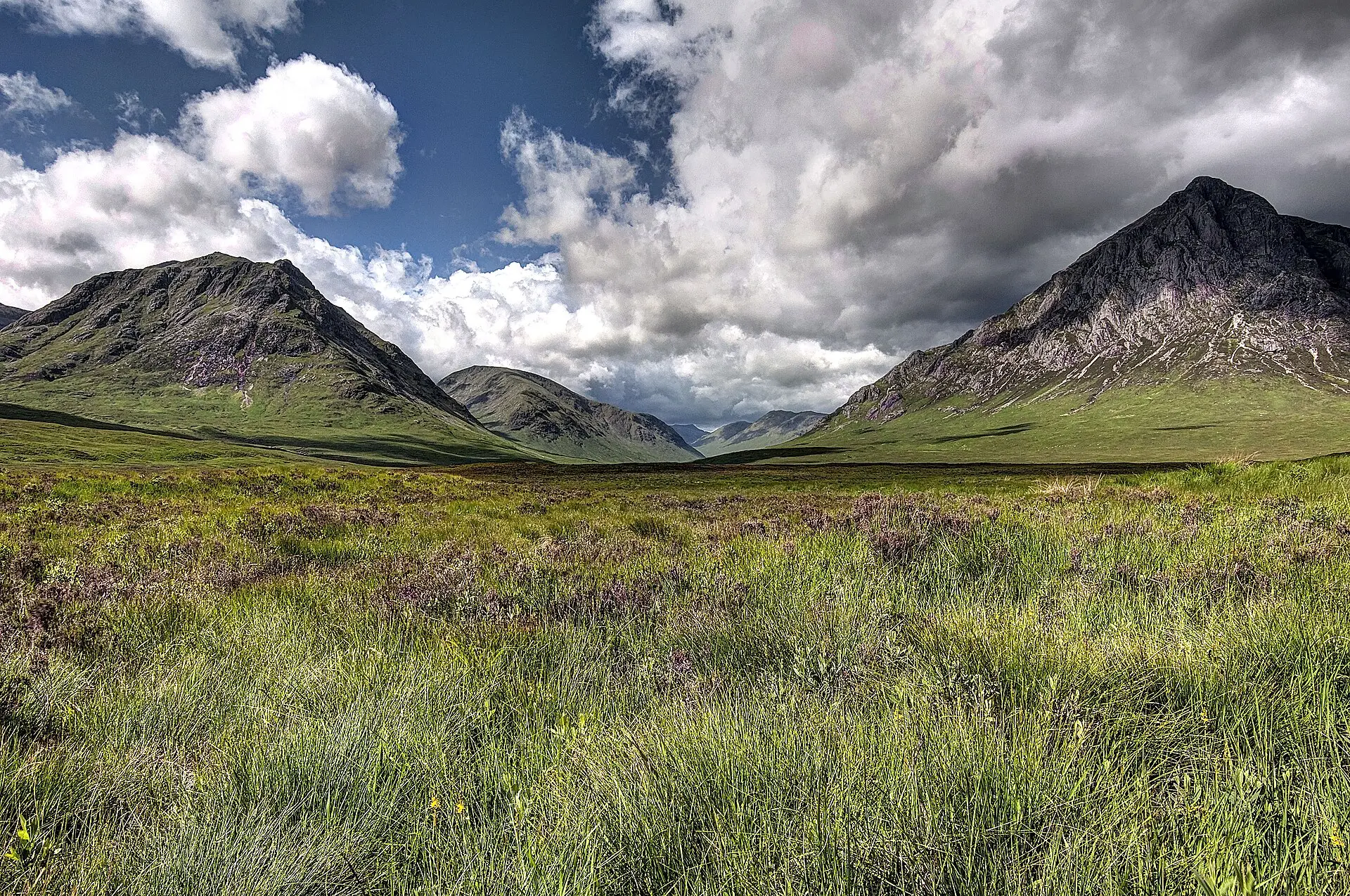
Glencoe, Loch Ness, Fort William and the Isle of Skye have the country’s best mountain scenery. Distances are long, and roads are narrow.
Cotswolds and Bath
Honey-coloured villages and rolling hills, with Roman Baths and Georgian architecture in Bath nearby.
Cardiff and Snowdonia
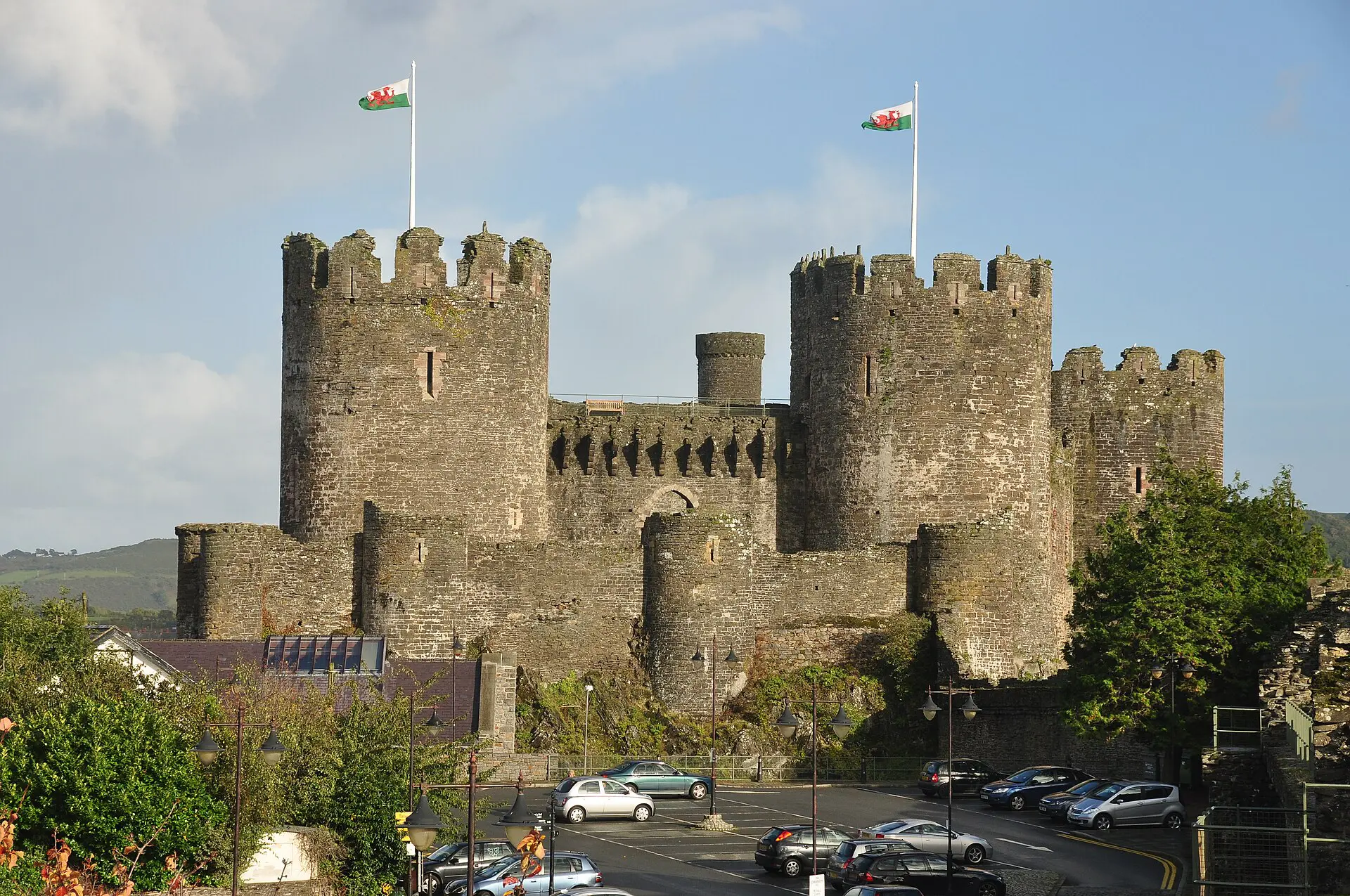
Wales offers a compact capital, huge medieval castles at Conwy and Caernarfon, and Snowdonia National Park for walking.
Belfast and the Causeway Coast
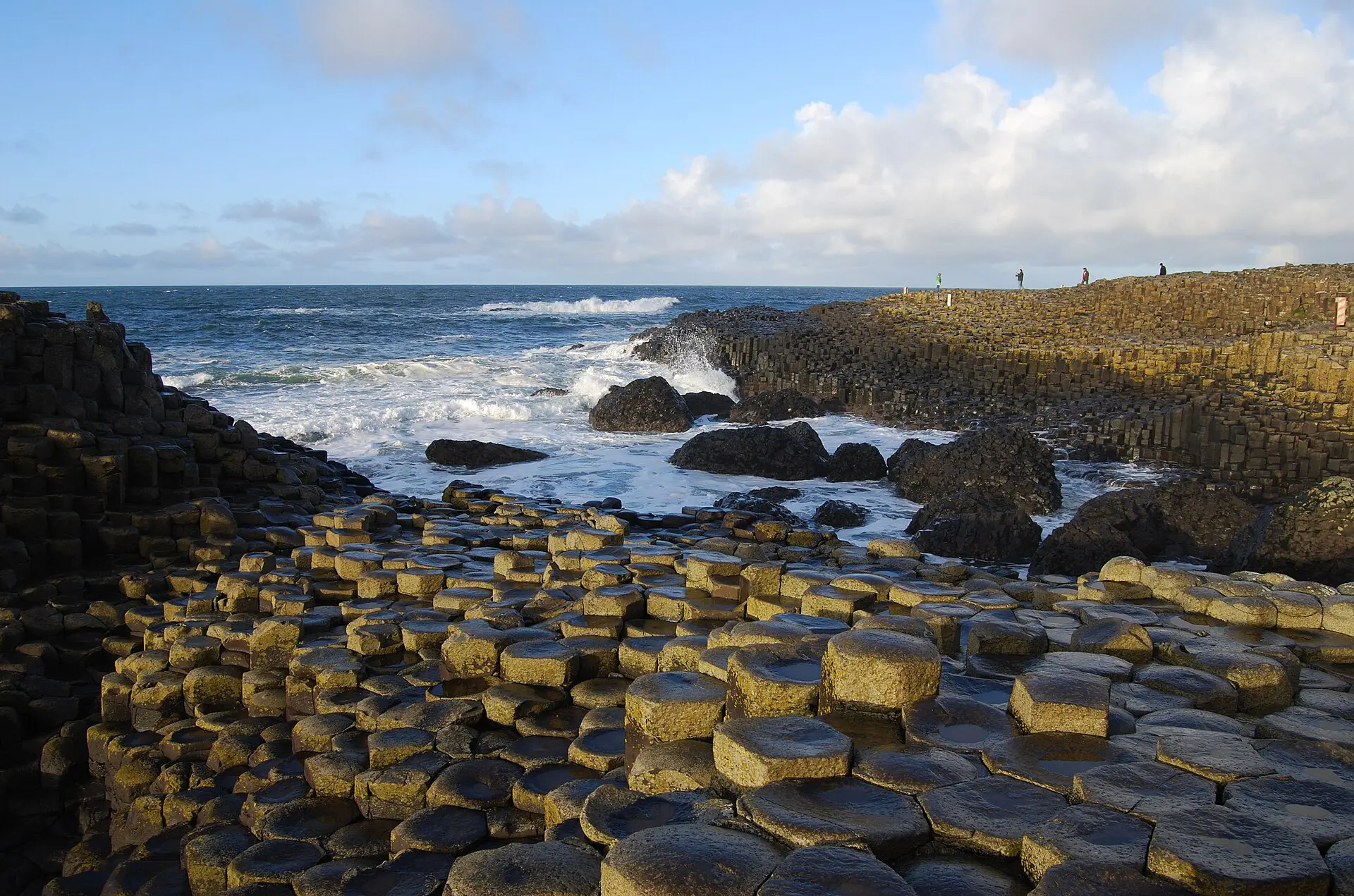
Belfast has Titanic Belfast and political murals, and the Giant’s Causeway, a UNESCO site of basalt columns, is about an hour and a half north.
Top things to do in the United Kingdom
The top things to do in the United Kingdom combine history, landscape and everyday culture, and many sights are free or low cost.
- Tour the Tower of London: see the Crown Jewels and hear from the Yeoman Warders, and book ahead for weekends.
- Visit a national museum in London: the British Museum and Natural History Museum are free and busy, so go early.
- Walk Hadrian’s Wall: a UNESCO-listed Roman frontier across northern England with forts and dramatic ridges.
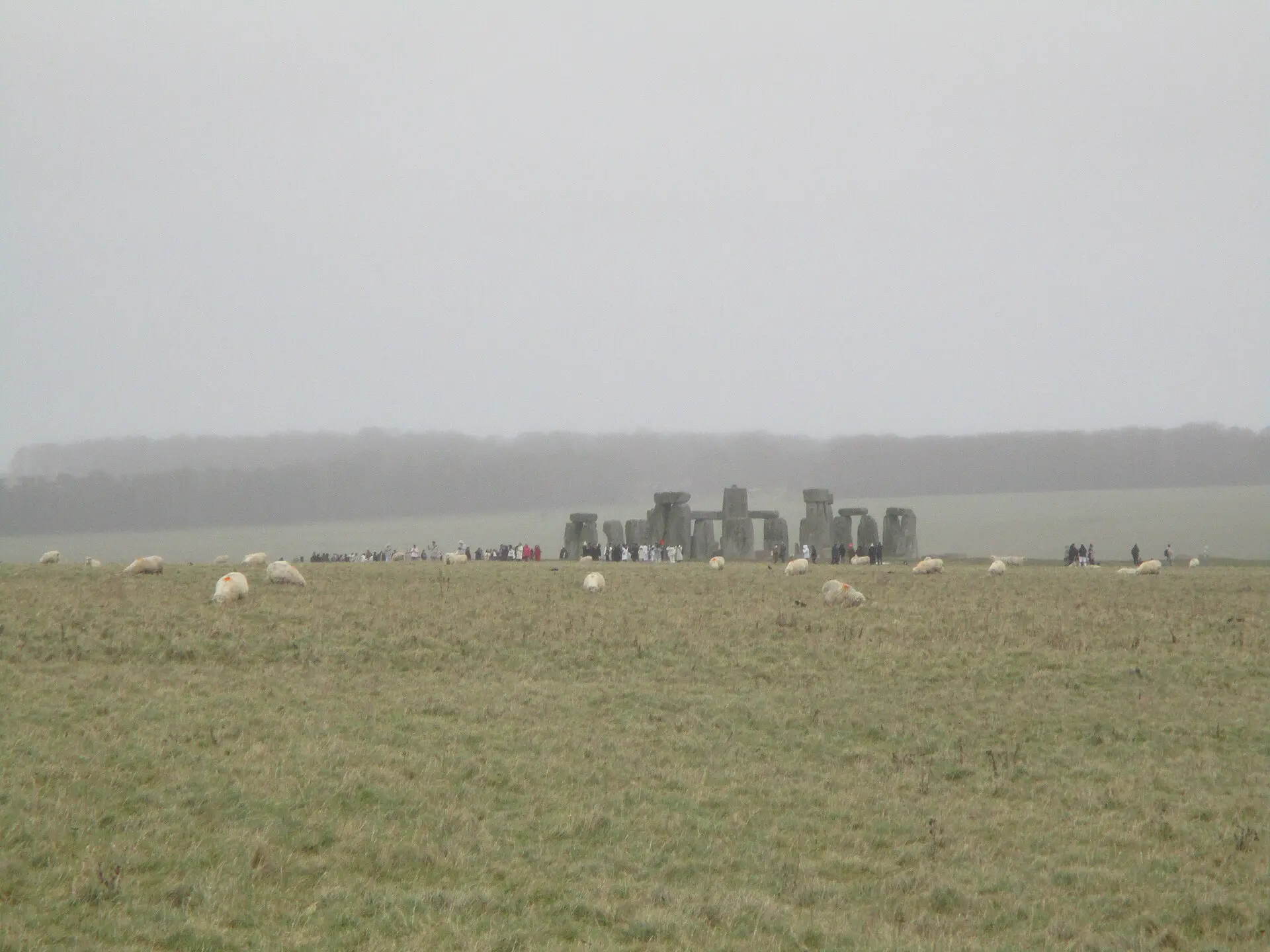
- Stand at Stonehenge: the prehistoric stone circle in Wiltshire, with timed entry.
- Climb Arthur’s Seat in Edinburgh: an hour’s walk gives views over the city and the Firth of Forth.
- Walk in the Lake District: lakes and fells with day walks for all levels.
- Visit Bath’s Roman Baths: a well-preserved bathing complex next to the abbey.
- Take the train to Oxford or Cambridge: college courtyards and punting on the river.
- Drive the North Coast 500 or Glencoe: Scotland’s best-known scenic roads, best in good weather.
- Eat in a traditional pub: a roast on Sunday or fish and chips by the sea.
Best time to visit the United Kingdom
The best time to visit the United Kingdom is May to September, when days are long, gardens are in bloom and attractions are fully open. June has the longest days, July and August bring the most visitors and highest prices, and September is often mild and less crowded. Weather is changeable at any time, so pack layers and a waterproof.
| Season | Weather | Crowds and prices | Good for |
|---|---|---|---|
| Spring (Mar-May) | Cool to mild, showers, long evenings by May | Moderate, rising at Easter | Gardens, cities, early walking |
| Summer (Jun-Aug) | Mild to warm, 18-25 C typical, sometimes hotter | Highest prices and crowds | Highlands, coast, festivals |
| Autumn (Sep-Nov) | Cooling, colourful, wetter | Falling after September | Walking, castles, city breaks |
| Winter (Dec-Feb) | Cold and wet, short days | Lowest except around Christmas | Museums, theatre, Christmas markets |
Scotland and the north are colder and wetter than the south, and Highland midges can be a nuisance in summer. Some rural attractions close from November to March, so check opening hours.
Is the United Kingdom safe to visit?
Yes, the United Kingdom is very safe for visitors, with low rates of violent crime against tourists and good emergency services. The most common problems are petty theft in crowded places, occasional scams and unpredictable weather. Check your government’s current travel advice, such as the US State Department or Australian Smartraveller pages, for any updates.
Theft and scams. Pickpocketing and phone snatching occur on busy London streets, tube trains and around tourist sites, and thieves on bicycles or mopeds can grab phones from hands. Keep your phone away near roads, use bags that close, and be wary of street games and unlicensed taxis. Use black cabs, ride-hailing apps or pre-booked cars.
Emergencies. Dial 999 or 112 for police, fire, ambulance or coastguard. NHS hospitals treat emergencies, but visitors may be charged for other care, so take travel insurance.
Outdoors. Mountain weather in Scotland, Wales and the Lake District can change fast. Carry navigation, water, warm layers and tell someone your route. Coastal tides and cliff edges are hazards, so follow signs.
Roads. Traffic drives on the left. Look right when crossing the road, and take care with single-track roads in the Highlands.
Visa and entry requirements for the United Kingdom
Entry rules depend on your nationality and have been tightening, so confirm the current position with the official UK government website (gov.uk) before booking. Citizens of the US, Canada, Australia, the EU and many other countries do not need a visa for tourist stays of up to six months, but most now need an Electronic Travel Authorisation (ETA) before they travel. The ETA is applied for online, costs around GBP 16 as of 2026 and is usually valid for multiple trips over two years, though fees change.
Irish citizens can travel freely, and some others, such as British and Irish citizens, do not need an ETA. Citizens of other countries need a Standard Visitor visa, which must be applied for in advance.
Bring a passport valid for the full stay, proof of onward travel, accommodation details and enough funds, since border officers may ask. If you travel to Northern Ireland from the Republic of Ireland, there are no routine border checks, but you remain subject to UK immigration rules, and an ETA still applies if needed. The UNESCO page for the United Kingdom lists the heritage sites, but not entry rules.
Getting to and around the United Kingdom
Most visitors fly into London Heathrow or Gatwick, with major airports also at Manchester, Edinburgh, Glasgow and Belfast. Eurostar trains link London St Pancras with Paris, Brussels and Amsterdam, and ferries cross from France, Ireland and the Netherlands.
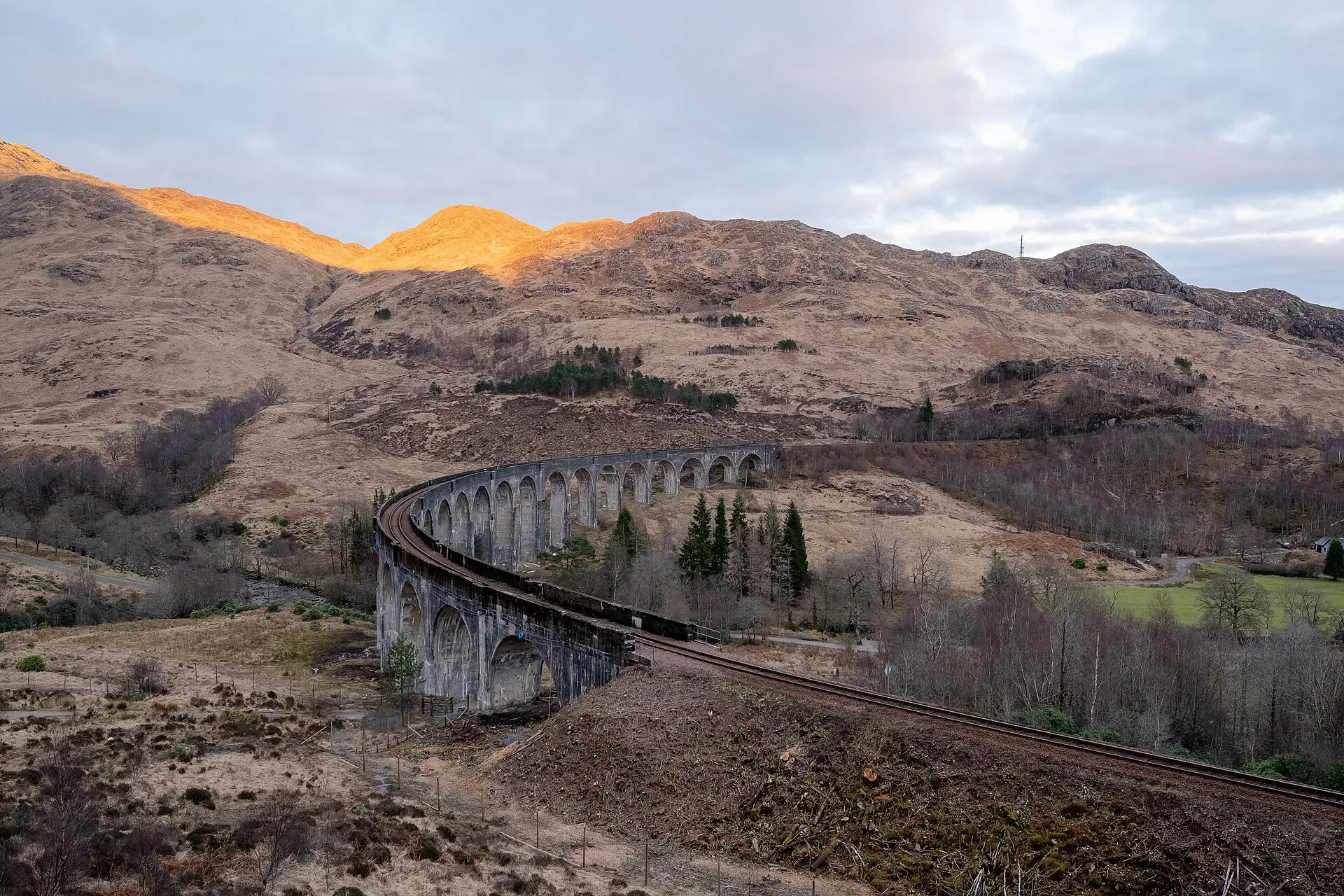
Trains are the easiest way to cover long distances, though tickets are expensive when bought on the day. Book in advance on operator sites, or use railcards and passes if they suit your route. London to Edinburgh takes about four and a half hours, London to Bath around 90 minutes, London to Cardiff under two hours, and London to Manchester about two hours and 10 minutes. Belfast is reached by air or ferry from Great Britain, then by train to Dublin or the coast. Coaches are slower but cheaper.
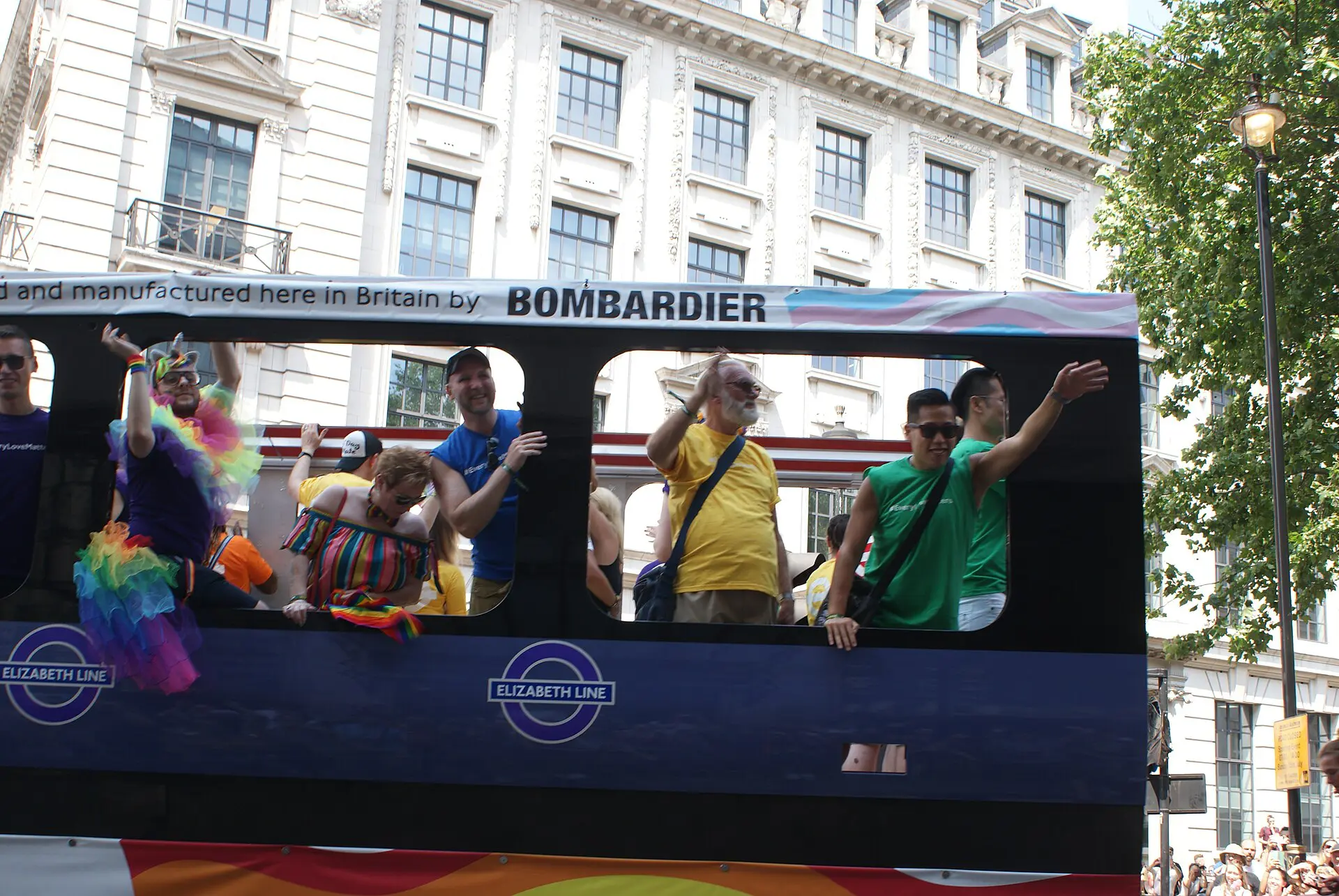
London has the Underground, buses, overground trains and the Elizabeth line, all payable by contactless card. A rental car is helpful in the Highlands, Cornwall and the Lake District, but expect narrow roads, left-hand driving, and London congestion charges, so avoid driving in the capital. Ferries serve the Scottish islands, with advance booking for cars in summer.
How much does a trip to the United Kingdom cost?
The United Kingdom is one of the more expensive destinations in Europe, with London at the top of the scale and other regions cheaper. The currency is the pound sterling (GBP), and Scotland and Northern Ireland issue their own banknotes, which are valid but sometimes refused in England. Figures below are rough per-person guides for the 2026 season.
- Budget: around GBP 70 to 110 per day, with hostels, supermarket meals, free museums and advance rail tickets.
- Mid-range: around GBP 130 to 250 per day, with a hotel or good B&B, pub or restaurant meals and some paid sights.
- High-end: from around GBP 350 per day, with boutique hotels, fine dining and private transport.
Accommodation is the biggest cost, followed by transport. London hotels are far more expensive than elsewhere, and summer and event weekends raise prices across the country. Many top museums and galleries are free, so budgets stretch further on cultural days, while castles, cathedrals and tours charge entry. Pub meals typically cost less than restaurant dinners, and supermarket meal deals keep lunch cheap. VAT is included in listed prices, and tax refunds for visitors no longer apply on most goods.
United Kingdom food and drink
United Kingdom food has moved well beyond its reputation, with strong regional produce, a good restaurant scene in the cities and a pub culture that remains central. Each nation has its own specialities.
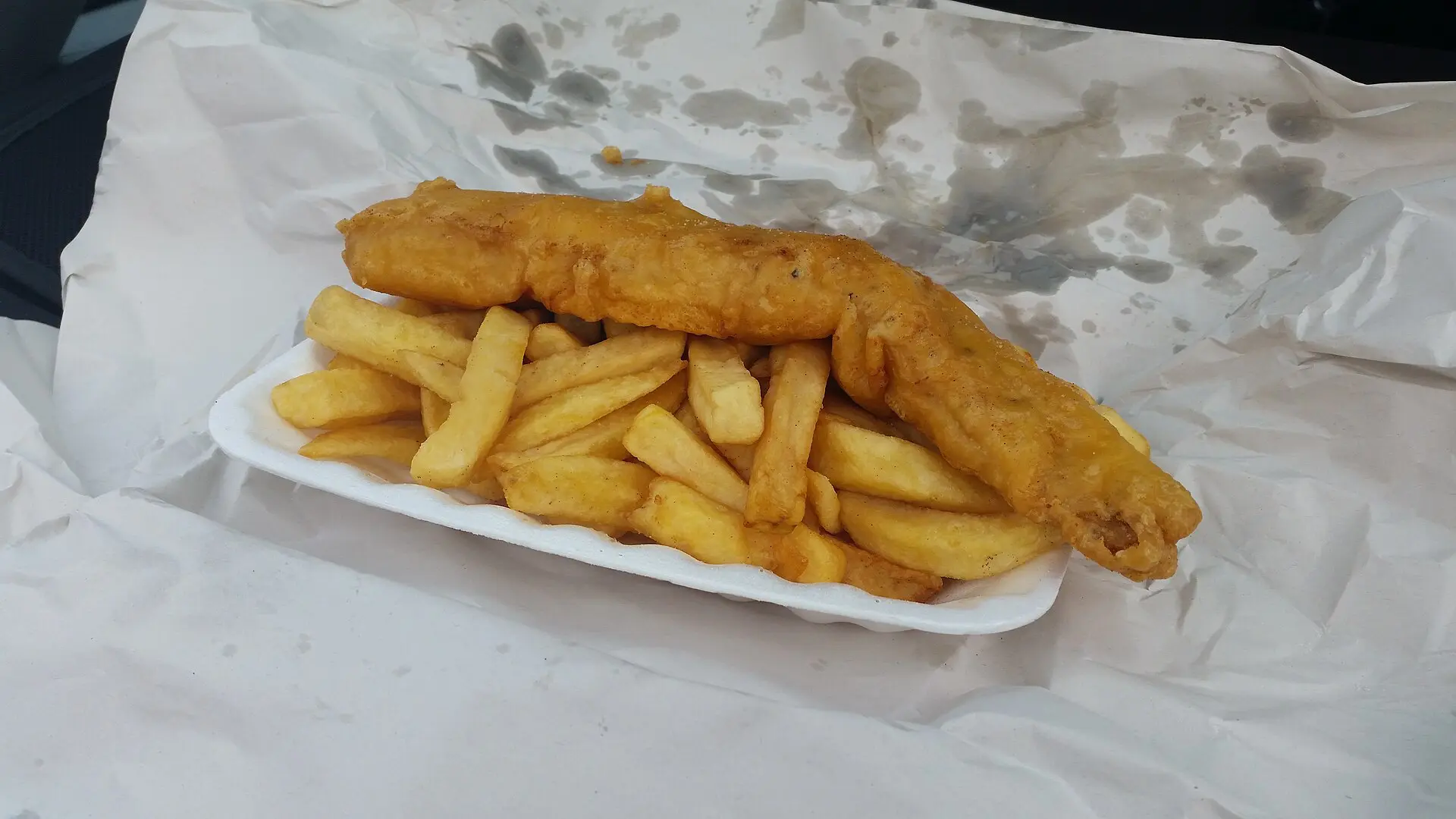
- Fish and chips: battered fish and thick chips, best near the coast.
- Full English breakfast: eggs, bacon, sausage, beans, tomato and toast, with Scottish and Irish versions.
- Sunday roast: roast meat with potatoes, vegetables and Yorkshire pudding in a pub.
- Haggis, neeps and tatties: Scotland’s national dish, served with mashed turnip and potato.
- Cornish pasty and cream tea: a pastry of beef and vegetables, and scones with jam and clotted cream in the south-west.
- Welsh rarebit and cawl: savoury cheese on toast, and a lamb and vegetable stew.
- Ulster fry and soda bread: the Northern Irish breakfast with potato bread.
- Ales, whisky and gin: real ale in pubs, single malts in Scotland and craft gin and cider across the country.
Indian and other international food is excellent, with curry houses in nearly every town, and chicken tikka masala is often listed as a national favourite. Vegetarian and vegan options are widely available, and menus mark allergens. Pubs often serve food until the early evening, and some kitchens close on Sunday nights.
Culture, language and etiquette in the United Kingdom
English is the main language across the United Kingdom, with Welsh spoken widely in parts of Wales and shown on bilingual signs, Scottish Gaelic in the Highlands and islands, and Irish in parts of Northern Ireland. Accents vary a lot, and a patient ear helps, especially in Scotland and the north of England.
Queuing is taken seriously, so join the line and wait your turn. Politeness is expected, with please, thank you and sorry used often. Standing on the right on escalators in London lets others pass on the left. At a pub, you usually order and pay at the bar, and there is no table service; rounds of drinks are normal among groups.
Tipping is not required in pubs. Small talk about weather is normal. Avoid assuming that England, Britain and the United Kingdom are interchangeable: people in Scotland, Wales and Northern Ireland tend to identify with their own nation, and Northern Ireland has a sensitive political history. Do not use political or sectarian slogans or symbols. Dress is casual, and cathedrals and churches welcome visitors, though quiet is expected during services. Remember to keep to the left on pavements and in corridors.
United Kingdom itinerary: a 7-day route
This route links London, Bath, the north of England and Edinburgh using trains, with early booking to keep fares low.
- Day 1, London: arrive, walk along the Thames from Westminster to the Tower, and eat in a pub.
- Day 2, London museums: spend the morning at the British Museum, and the afternoon at Tate Modern or the Tower of London.
- Day 3, Windsor or Oxford: take a day trip by train, about an hour each way, to see a castle or the colleges.
- Day 4, Bath: travel about 90 minutes west, visit the Roman Baths and walk the Royal Crescent.
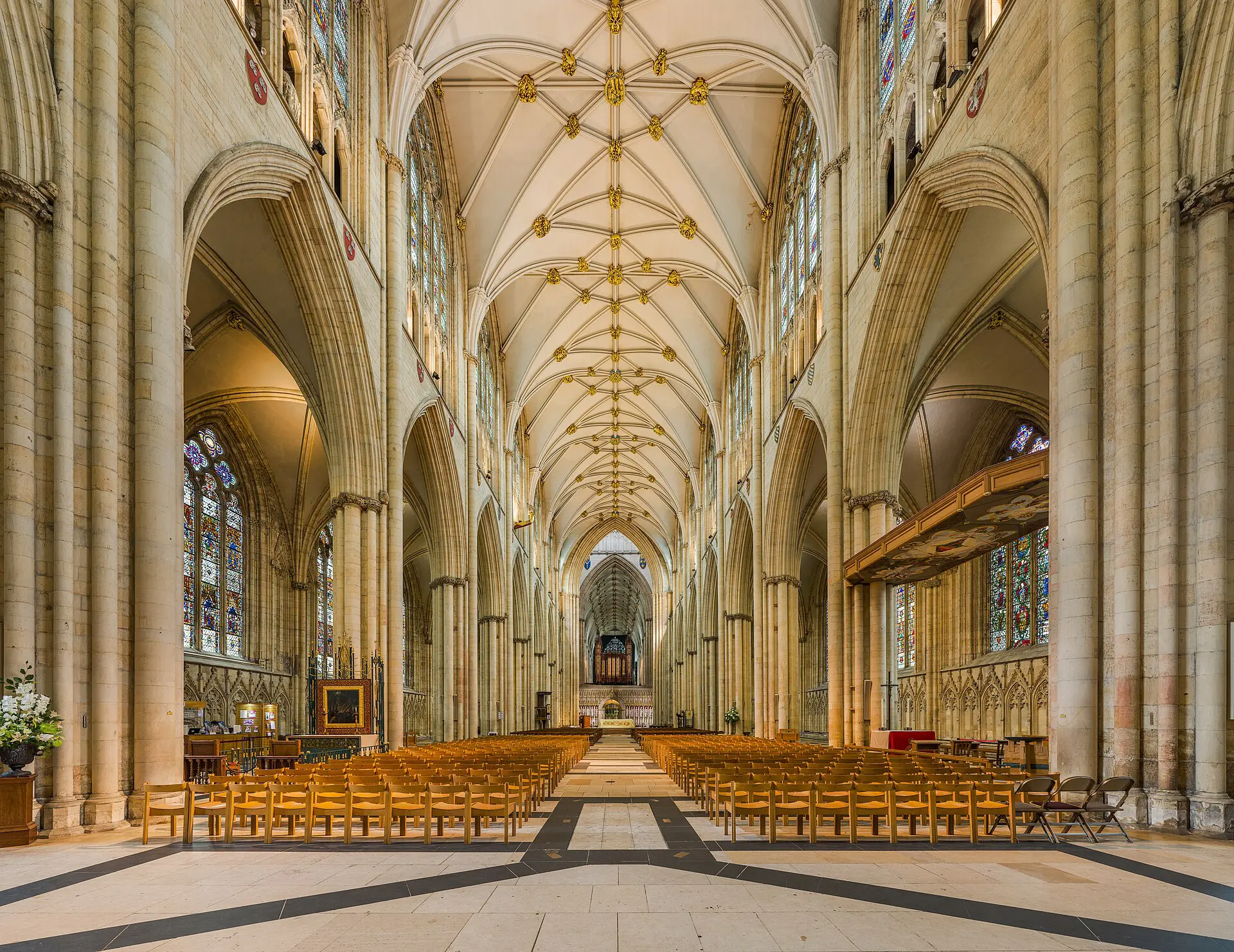
- Day 5, York: take a train via London, about four hours or more, and walk the medieval city walls and the Minster.
- Day 6, Edinburgh: travel about two and a half hours north, visit the castle and the Royal Mile.
- Day 7, Arthur’s Seat and departure: walk the hill in the morning, then fly out of Edinburgh or take a train back south.
For a different mix, replace Bath and York with Cardiff and Snowdonia, or add a Highland day trip by organised tour. In winter, trim countryside stops and add theatre and museums.
Practical tips for the United Kingdom
- Money: the pound sterling is the currency. Cards and contactless payments are accepted almost everywhere, including buses and the Tube, and cash is needed rarely. ATMs are common.
- SIM and eSIM: prepaid SIMs and eSIMs from the main networks are easy to buy. Coverage is good in cities and weaker in the Highlands and national parks.
- Plugs: type G (British three-pin) at 230 V. Bring an adaptor.
- Tipping: around 10 to 12.5 percent in restaurants if no service charge is added, and not expected in pubs; round up for taxis.
- Health: bring travel insurance. Tap water is safe to drink.
- Packing: a waterproof jacket, comfortable walking shoes and layers, whatever the season.
- Booking: reserve rail tickets, castles, Stonehenge and popular restaurants in advance, and check pub and attraction opening hours.
- Time zone: GMT in winter and British Summer Time (UTC+1) from late March to late October.
For wider background, see the Wikivoyage United Kingdom guide.
FAQ
Q1What is the best time to visit the UK?
May to September is best, with long days, mild weather and everything open. June is often the mildest, while July and August are busiest and priciest. Spring and early autumn are good for lower prices. Winter is cold and dark but suits museums and theatre.
Q2Do you need a visa for the UK?
Many visitors, including from the US, Canada, Australia and the EU, do not need a visa for tourist stays but now need an Electronic Travel Authorisation (ETA) before travel. Others need a Standard Visitor visa. Check the official gov.uk page for your passport.
Q3Is the UK safe to visit?
Yes, the UK is very safe overall. The main problems are pickpocketing in crowded tourist areas, phone snatching and unlicensed taxis. Emergency services are reliable, and the number is 999 or 112. Take care with mountain weather and coastal cliffs.
Q4What are the best places to visit in the UK?
London, Edinburgh, the Scottish Highlands, Bath and the Cotswolds, the Lake District, Cardiff and Snowdonia, and Belfast with the Giant's Causeway. Cities link easily by train, while the Highlands and Cornwall are easier with a car.
Q5How much does a trip to the UK cost?
Mid-range travellers should expect around GBP 130 to 250 per person per day, with London and summer at the high end. Budget trips can run from GBP 70 to 110. Accommodation and rail are the main costs, and many museums are free.
Q6What are the best things to do in the UK?
Visit the Tower of London and a national museum, walk Edinburgh's Royal Mile and Arthur's Seat, see Stonehenge, tour the Roman Baths in Bath, hike in the Lake District or Snowdonia, and eat fish and chips or a pub roast.
Q7How many days do you need in the UK?
Seven days covers London plus two or three other places such as Bath, York and Edinburgh by train. Ten to fourteen days allow the Highlands, Wales or Northern Ireland without rushing. A long weekend is enough for London alone.