Why visit Brighton
If you are planning things to do in Brighton, think seafront, architecture and atmosphere. It is a seaside resort in East Sussex, 76 km south of London, and part of the city of Brighton and Hove, which was given city status in 2001. Records of the settlement of Brighthelmstone go back to the Domesday Book of 1086.
Its rise as a resort began with sea bathing in the 18th century and the patronage of the Prince Regent, later George IV, who built the Royal Pavilion. The railway arrived in 1841 and made Brighton a major destination for day-trippers, a role it still plays.
Today it is known for Regency architecture, a large LGBT community and a creative, independent streak, which has earned it the nickname London-by-the-Sea. It is compact and walkable, with a lively seafront and many cafes and shops. Summer weekends are busy, so plan ahead if you want to see the main sights at a calm pace.
Top things to do in Brighton
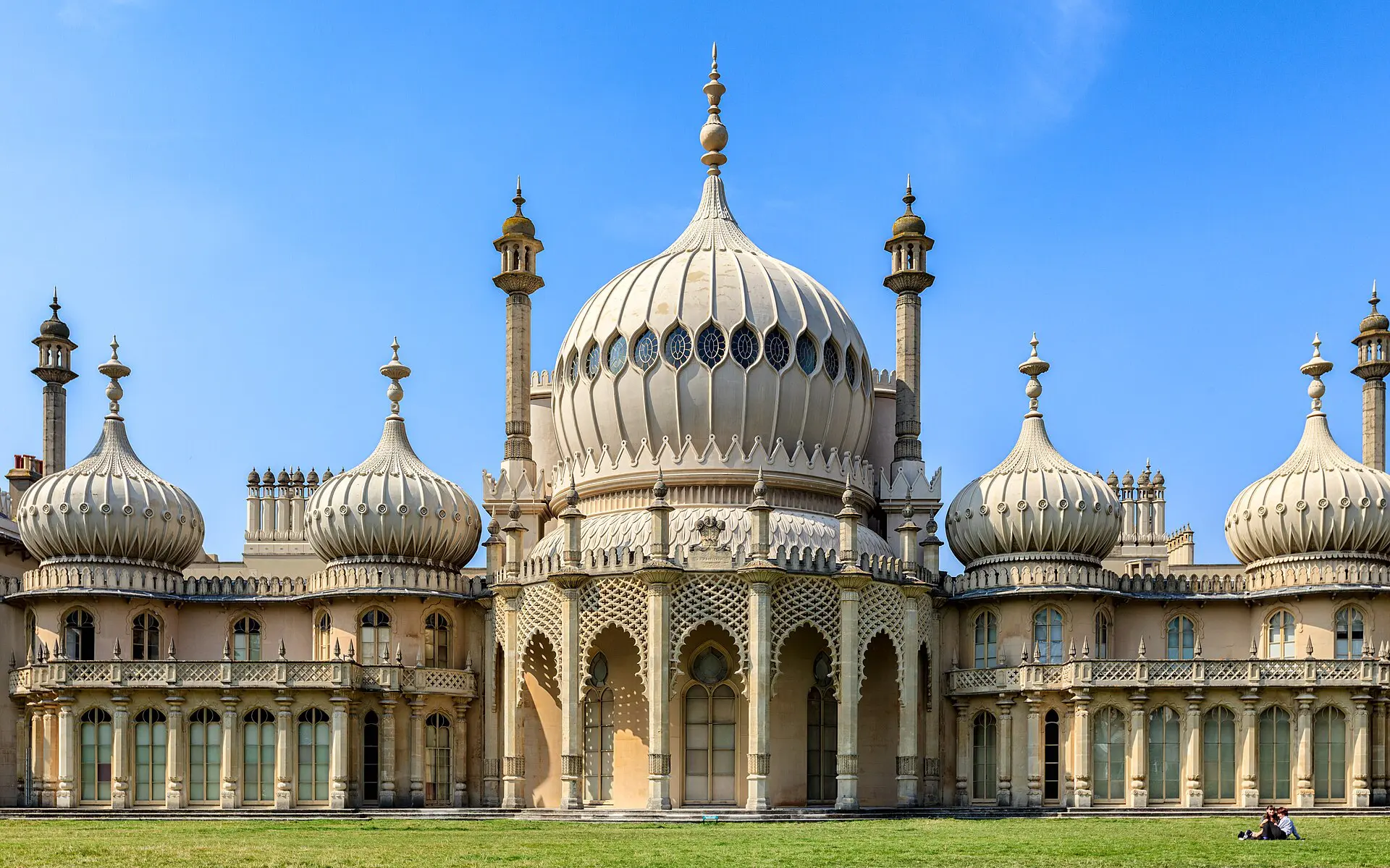
Tour the Royal Pavilion
The Royal Pavilion is a Grade I listed Regency palace in an oriental-inspired style, designed by John Nash for the Prince Regent. Allow one to two hours. Tip: book ahead in summer, check opening times and combine it with a walk in the surrounding gardens.
Walk the seafront and pier
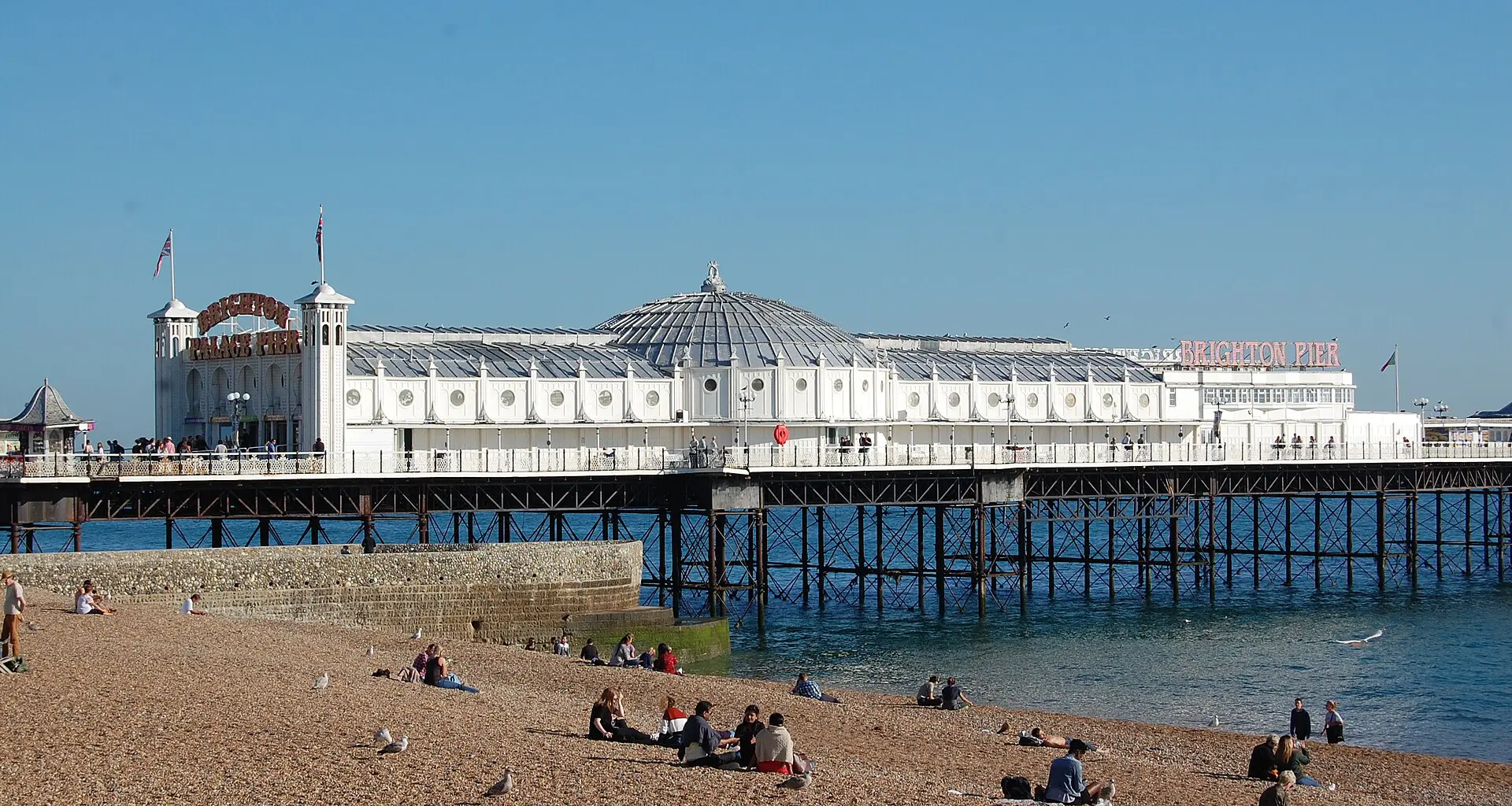
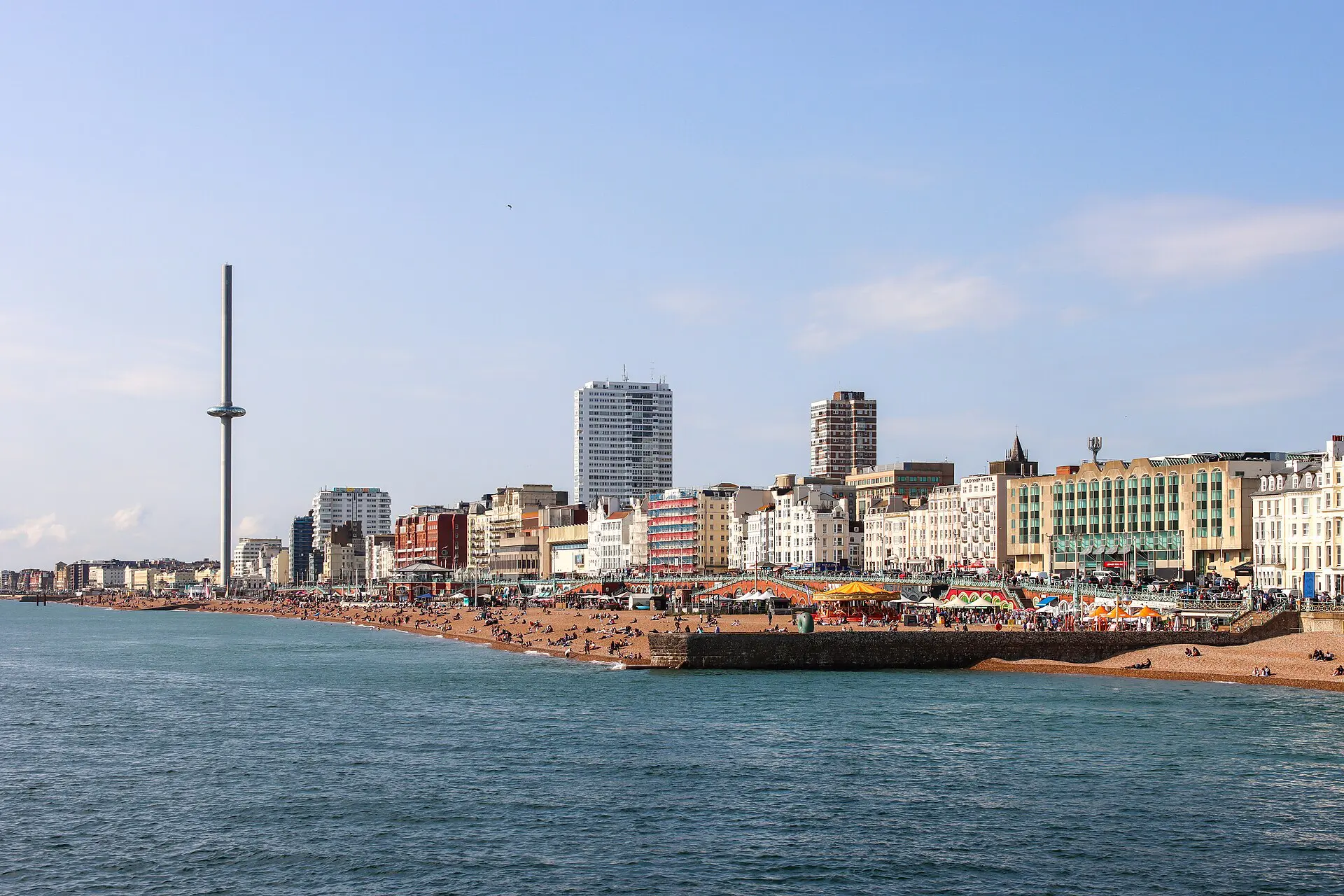
The seafront promenade runs along a pebble beach, with a pier, cafes and viewpoints. Allow one to two hours for a stroll. Tip: the pebble beach is hard on bare feet, so bring shoes or sandals, and go early in summer to avoid the busiest hours.
Browse the Lanes and North Laine
The Lanes are narrow streets with jewellers, antique shops and restaurants, while North Laine is known for independent boutiques and cafes. Allow half a day. Tip: wander without a fixed route, and check closing times, as some small shops close early on Sundays.
Swim or sit on the beach
Brighton beach is popular in warm weather, with deckchairs and cafes along the front. Water is often cold, even in summer, and conditions vary. Allow a few hours. Tip: pay attention to lifeguard flags and local warnings.
Explore the Old Town
The area around the Lanes preserves the historic core of Brighthelmstone, with older buildings and narrow lanes. Allow an hour. Tip: combine it with a meal, as many restaurants sit in the same streets.
Take a coastal walk
You can walk along the seafront towards Hove, where there are beach huts and a quieter promenade. Allow one to two hours. Tip: cycle paths and walking paths share the route, so keep to the correct side.
Go out in the evening
Brighton has a reputation for music, theatre and nightlife, with many venues near the seafront and in the centre. Tip: check listings in advance, and book food ahead on weekends.
Best time to visit Brighton
Late spring and summer, from May to September, are the most popular times, with long days and busy beaches. Weekends and school holidays are the busiest, and accommodation prices rise accordingly.
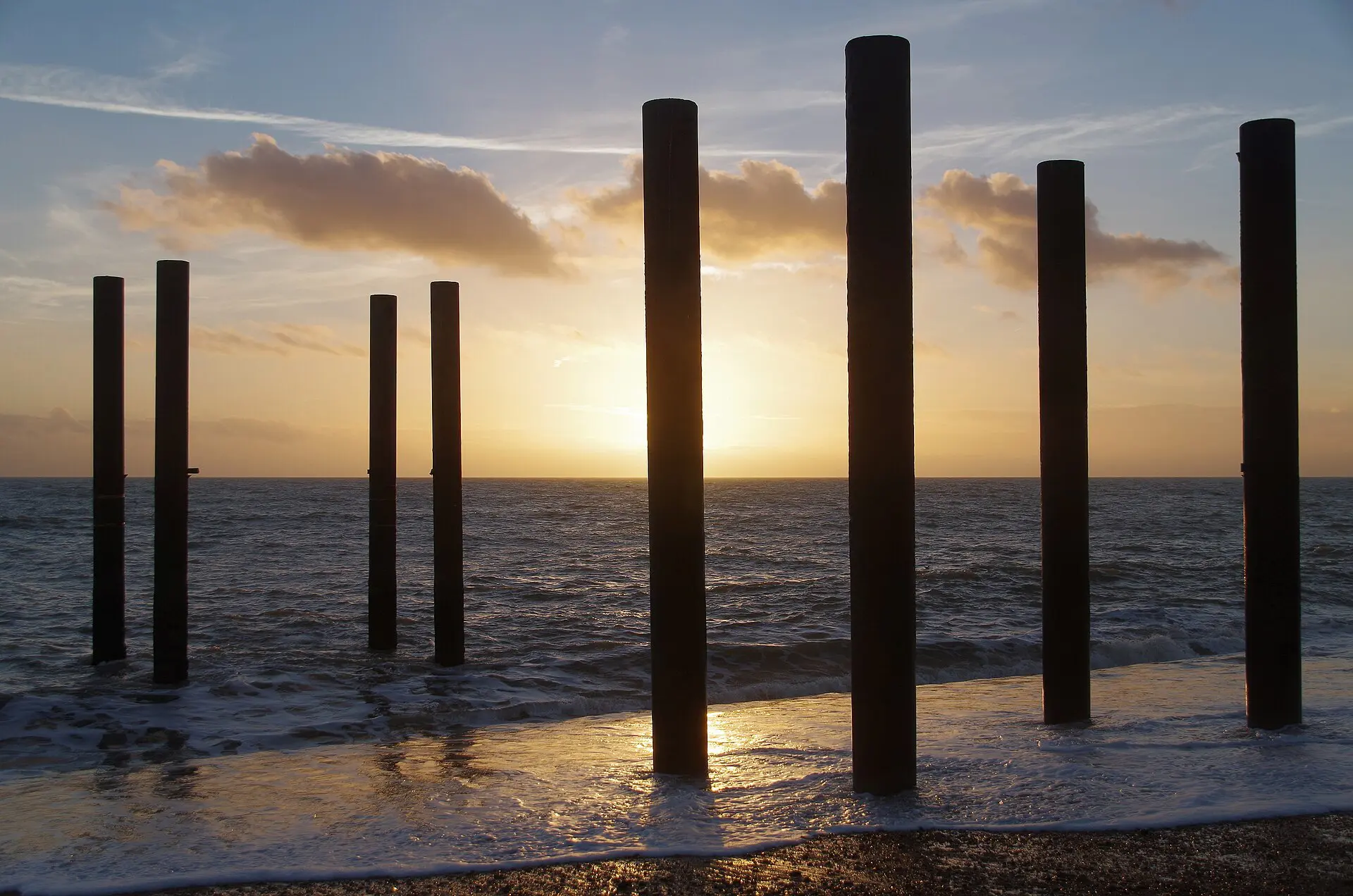
Spring and early autumn can be a good compromise, with milder weather, fewer crowds and many outdoor options. Winter is cold, windy and often damp, but the city remains lively, with indoor attractions, cafes and events.
Weather on the English coast is changeable even in summer, so bring a waterproof layer and a sweater. If you want a calm look at the Royal Pavilion and the Lanes, aim for a weekday outside July and August. Check event dates, as major festivals and sports matches can fill hotels.
How to get to Brighton and around
Brighton is about 76 km south of London, and the train is the easiest way to arrive. Direct services run from London stations in around an hour, as of 2026; check timetables and fares, and book in advance for lower prices. The railway has served the town since 1841.
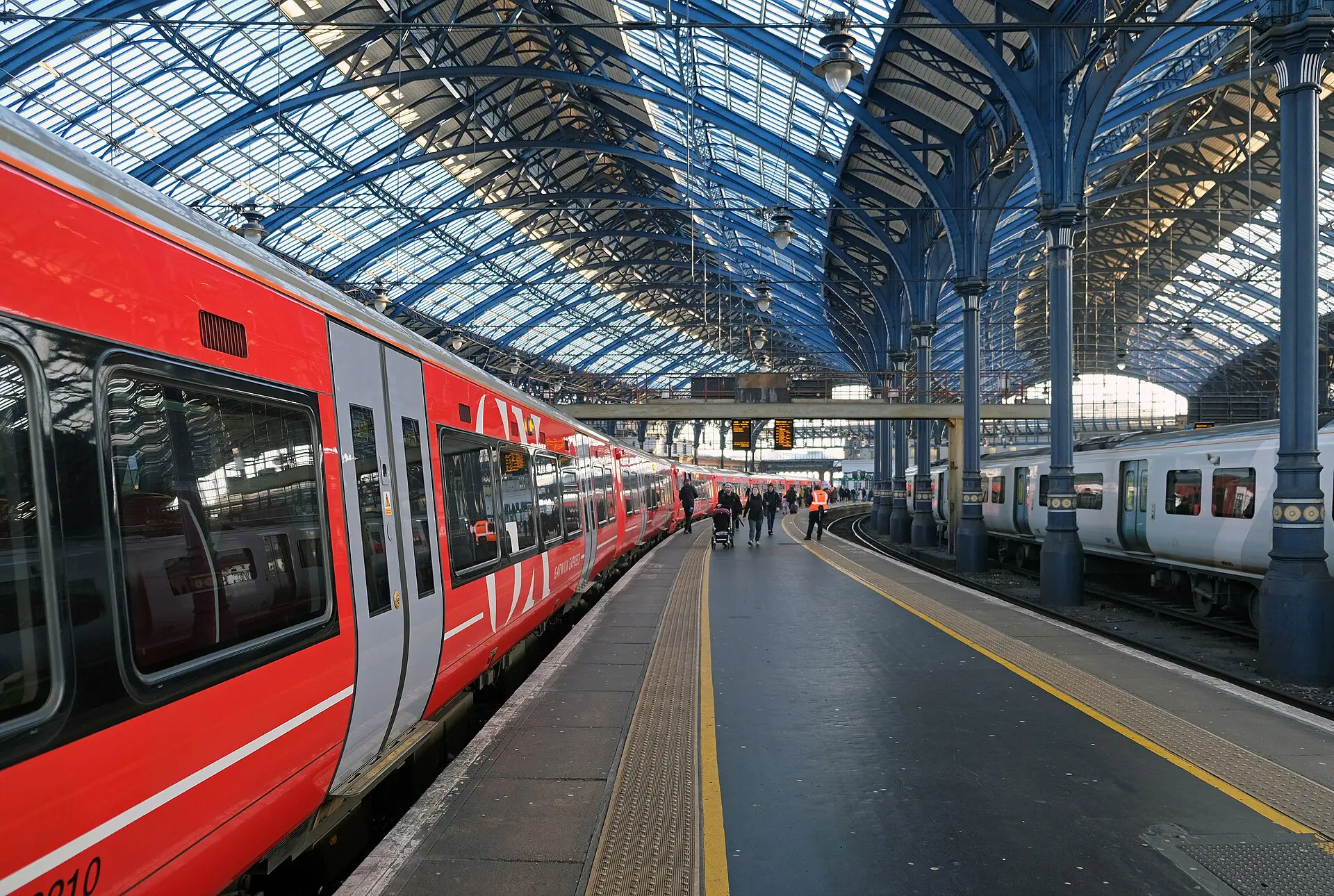
Gatwick Airport is the nearest major airport, with trains to Brighton in roughly 30 minutes; London airports further away require a transfer through London. Coaches and driving are also options, but parking is limited and costly in the centre.
Within the city, the centre and seafront are compact, so most visitors walk. Local buses cover the wider city and Hove, and taxis are available. Check parking rules if you drive, and consider using a park-and-ride option at busy times.
Where to stay in Brighton
The seafront and central area suit first-time visitors who want to walk to the pavilion, pier, Lanes and station. Rooms with sea views cost more, and the area can be noisy at weekends.
North Laine and the streets near the station suit travellers who want cafes, shops and nightlife close by, and who value easy rail links. It is lively and often more affordable than the seafront.
Hove, to the west, is quieter and more residential, with a calmer promenade and some larger guesthouses. It suits families and those who prefer a slower pace, and it is a short bus ride or walk from the centre. Book early for summer weekends and major events, and compare prices for midweek stays, which are often lower.
How many days do you need?
You can see the main sights in a long day, especially if you are coming from London by train. Two days lets you add the coast, a longer meal and an evening out, and gives you slack for weather. If you want to include the countryside nearby, a third day helps.
- Day 1: Tour the Royal Pavilion, then explore the Lanes and North Laine.
- Day 2: Walk the seafront to the pier and on to Hove, then spend time on the beach.
- Day 3: Take a day trip to the coast or countryside nearby.
Day trips and nearby
London
London is about 76 km north and is the main gateway. Many visitors combine it with Brighton, travelling by direct train in around an hour. Check timetables and book fares ahead.
Oxford
Oxford lies north-west and is not a practical day trip, though it can be reached via London. Treat it as a separate stop and check train times before planning.
Bath
Bath is further west and best treated as a separate trip, reached by train with connections. Allow a full day and check routes and timings before you go.
Cambridge
Cambridge is to the north, reached through London, and works as an onward stop rather than a day trip from Brighton. Check connections and journey times in advance.
FAQ
Q1When is the best time to visit Brighton?
May to September offers the warmest weather and longest days but is also the busiest, especially at weekends. Spring and early autumn are a good compromise. Winter is cold and windy, though many indoor attractions and cafes stay open.
Q2How many days do you need in Brighton?
One long day covers the Royal Pavilion, the Lanes and the seafront. Two days lets you add Hove, the beach and an evening out. A third day works if you want to explore the countryside or coast nearby.
Q3How do you get to Brighton?
Take a train from London, which usually takes about an hour on direct services, or from Gatwick Airport in around 30 minutes. You can also drive or take a coach, but parking is limited in the centre. Check timetables and fares.
Q4Is Brighton expensive?
It is mid-range to expensive for the UK, especially on summer weekends. Hotel prices rise with demand, while midweek stays are often cheaper. Eating in independent cafes, walking and enjoying the free beach and seafront help keep costs down.
Prices, schedules and entry rules change. Check current details with official sources before you travel. Read the United Kingdom travel guide.