Why visit London
The most useful things to do in London depend on how you like to travel, because the city offers an unusual amount of choice. It is the capital and largest city of the United Kingdom, sits on the River Thames in South-East England, and has a little over 9 million people across Greater London.
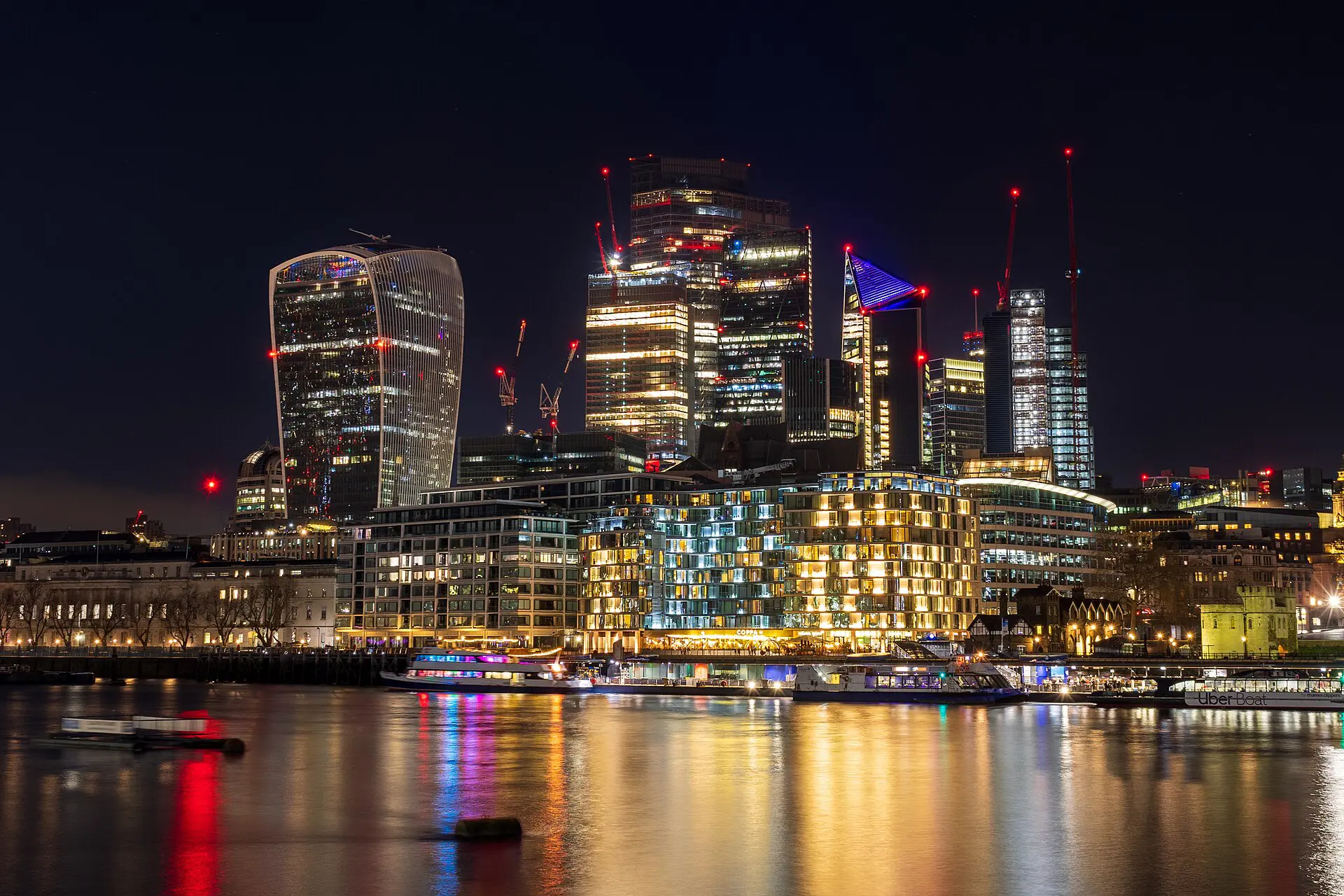
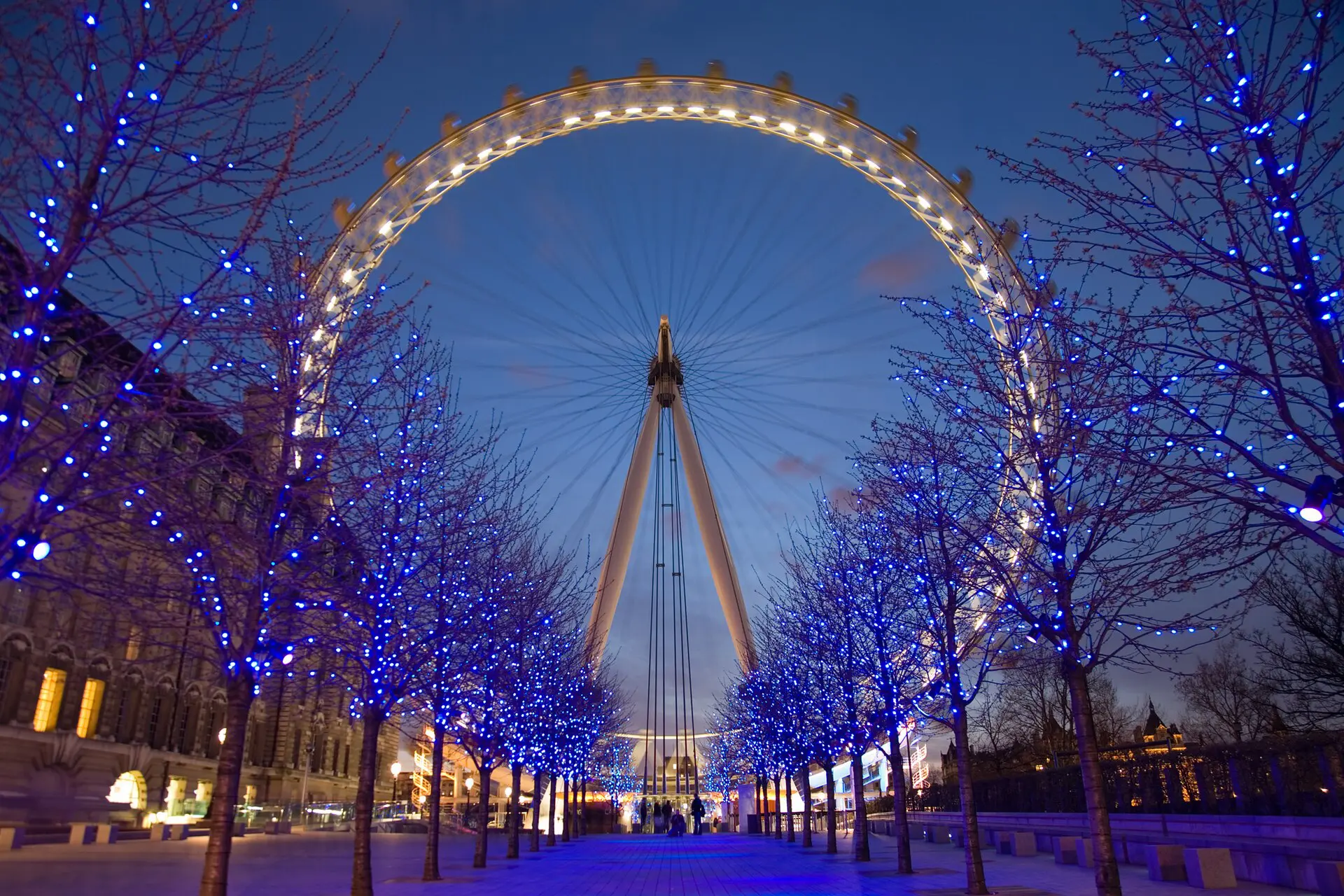
For visitors, that scale translates into historic sites, museums, galleries, theatre, food and nightlife in every direction. Royal-themed landmarks such as Buckingham Palace, the Tower of London and Westminster Abbey share the map with modern icons like the London Eye. Many of the large national museums are free to enter, which softens the cost of an expensive city.
London is best understood as a set of neighbourhoods connected by an excellent transport network, rather than a single centre. Pick a few areas, plan around the weather, and book the popular attractions ahead. That approach makes the city feel manageable.
Top things to do in London
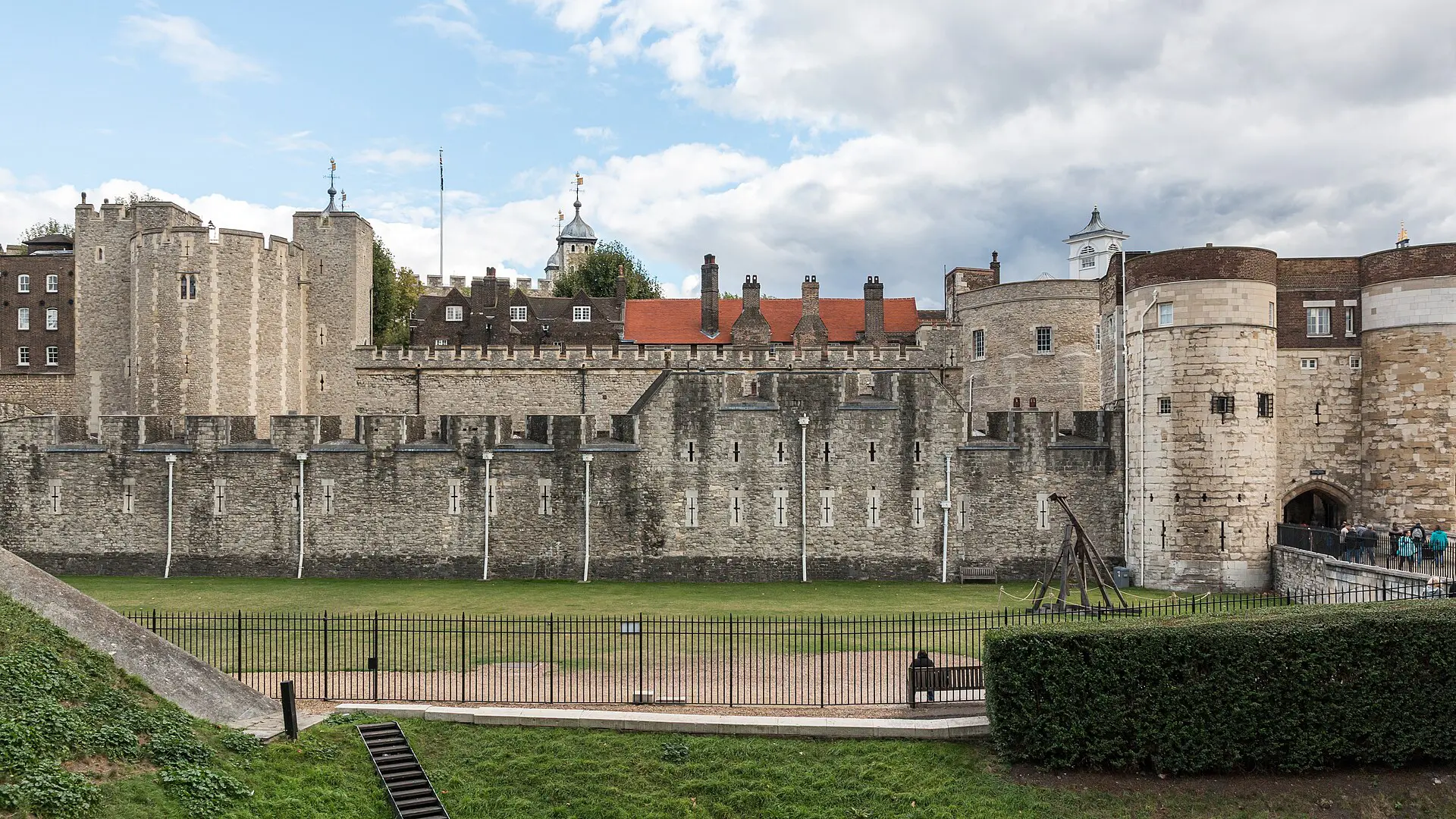
Tower of London
This medieval fortress beside the Thames houses the Crown Jewels and is guarded by the Yeoman Warders. Allow around three hours. Book timed tickets online where possible, and arrive at opening time to see the jewels before queues build up.
Westminster Abbey and Parliament
The area around Westminster brings together the Abbey, the Houses of Parliament and Big Ben’s clock tower. You can see the exterior in an hour, or go inside the Abbey for longer. Check opening times and any closures for services before visiting.
The British Museum
One of the world’s major museums, with collections spanning ancient Egypt, Greece and beyond. Entry to the permanent collection has generally been free. It is huge, so choose two or three galleries rather than trying everything in one visit. Weekday mornings are calmer.
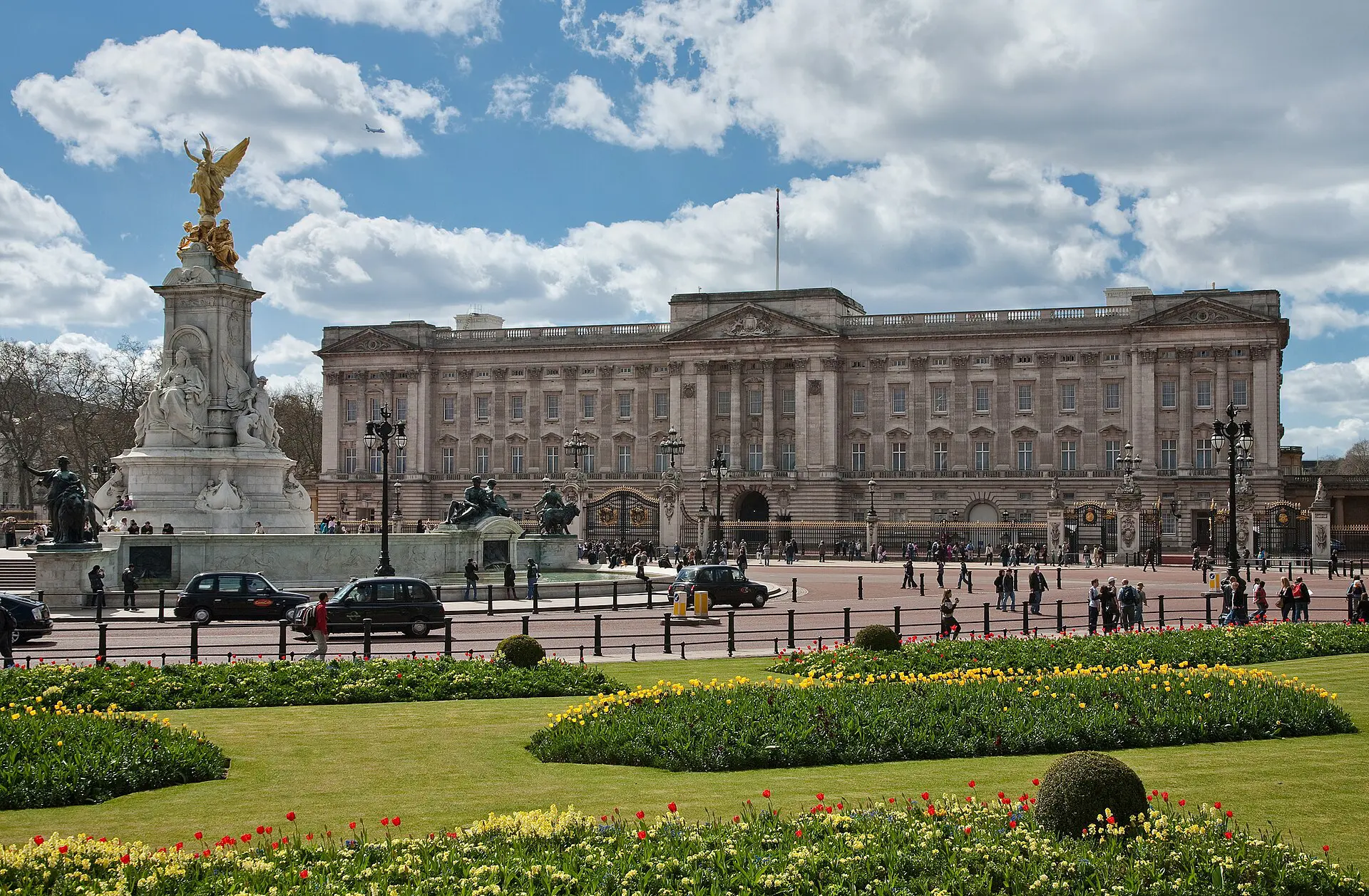
Buckingham Palace and the Royal Parks
The palace is the royal residence, with state rooms opening on a seasonal basis. The ceremonial Changing of the Guard is popular and crowded, so check the schedule. Nearby St James’s Park and Green Park make a pleasant walk between sights.
Tate Modern and the South Bank
A converted power station holds modern and contemporary art, and the riverside path outside links the Globe Theatre, Borough Market and Tower Bridge. Plan two to three hours inside, then walk the river. Entry to the main collection has generally been free.
Tower Bridge and the Thames
The bridge is one of London’s best-known landmarks, and you can cross it on foot for free. River boats run along the Thames to Greenwich and other stops, which is a scenic alternative to the Tube. Check timetables before you set off.
Covent Garden and the West End
This is the centre of London’s theatre scene, with street performers, shops and restaurants close together. Book shows in advance for popular productions, though same-day tickets are sometimes available. Evenings are lively, so expect crowds.
Greenwich
Home to the Royal Observatory, the Prime Meridian and the Maritime Museum, Greenwich suits a relaxed half day. Take a river boat or the Docklands Light Railway, and climb the park hill for views toward the city.
Best time to visit London
London has a mild, changeable climate. Summers are comfortable rather than hot, winters are cool and damp, and rain can arrive in any season, so carry a light waterproof. Spring and early autumn often give the best mix of comfortable temperatures and manageable crowds.
| Season | Weather | Crowds and prices |
|---|---|---|
| Spring (Mar-May) | Cool to mild, showers | Moderate, busy around holidays |
| Summer (Jun-Aug) | Mild to warm, longest days | Busiest, highest prices |
| Autumn (Sep-Nov) | Mild, then cooler and wetter | Moderate, easing |
| Winter (Dec-Feb) | Cold, short days | Quieter, except at Christmas |
December brings Christmas lights and markets, which many visitors enjoy, though hotel prices rise at that time. Check school holiday dates, as they affect crowds at the major attractions.
How to get to London and around
London is served by several airports, including Heathrow, Gatwick, Stansted, Luton and City, each with rail or coach links into the centre. Heathrow connects to central London by the Elizabeth line and Underground, while Gatwick and Stansted have dedicated rail services. Eurostar trains arrive at St Pancras International from Paris, Brussels and Amsterdam. Check current routes and fares before booking.
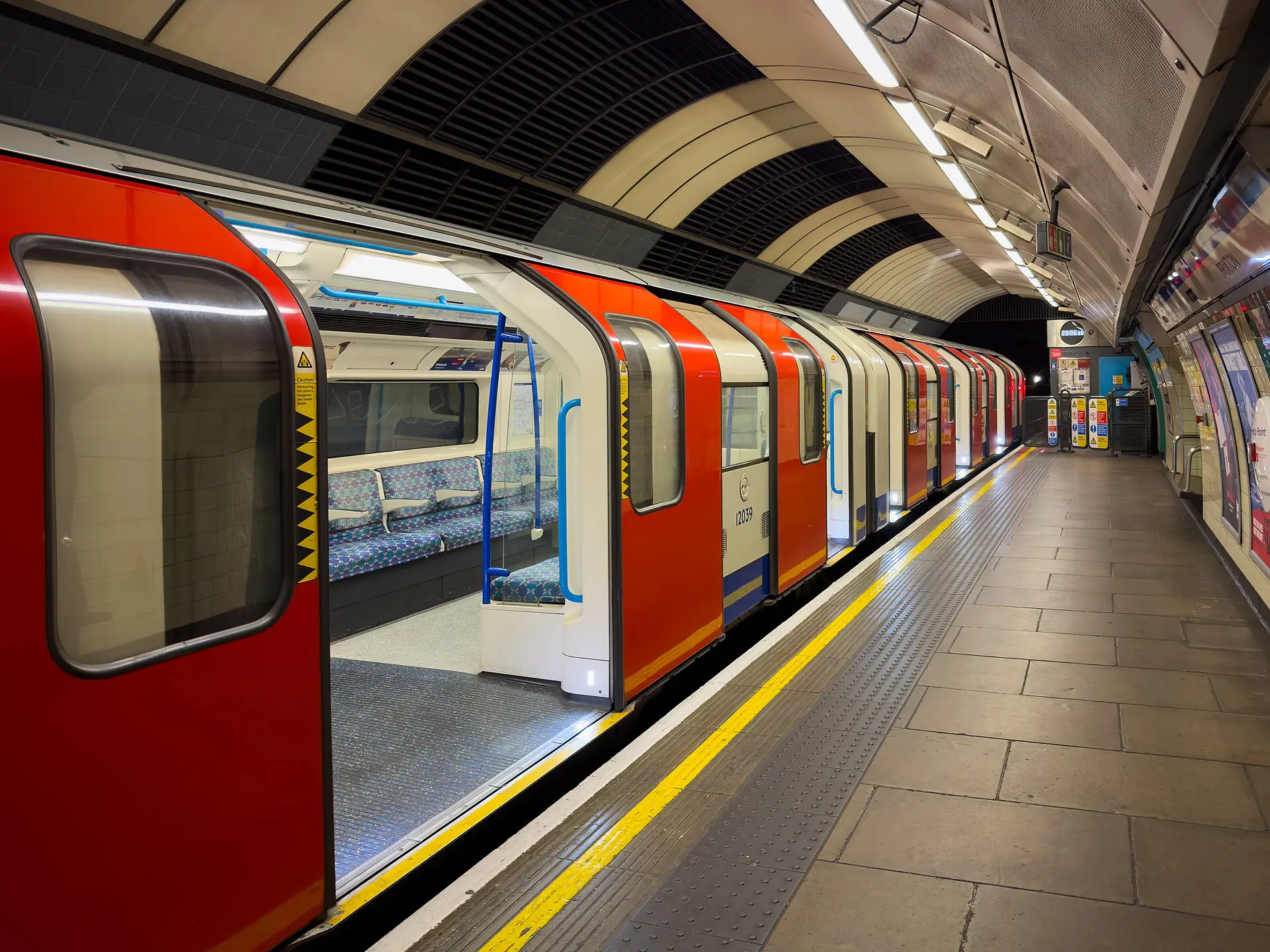
Within the city, the Underground (the Tube), buses, the Overground and the Elizabeth line cover most destinations. Contactless bank cards and phones work on most services and cap daily spending, which is usually simpler than buying paper tickets. Buses are slower but scenic. Walking is often the best way to link nearby sights. Avoid driving, because of congestion charges and parking costs.
Where to stay in London
Where you sleep shapes your trip, since London is large. Choose an area with a good Tube or rail connection, and compare current rates, which vary widely.
- Westminster, Covent Garden and the West End: central for first visits, theatre and major sights. Convenient, but among the most expensive areas.
- South Bank and Southwark: close to the river, markets and Tate Modern, with a lively evening scene.
- Kensington and South Kensington: quieter and close to major museums and parks. Suits families and longer stays.
- King’s Cross and Bloomsbury: good for rail connections, including Eurostar, and handy for the British Museum.
How many days do you need?
Four days lets you see the main landmarks, one or two big museums and a few neighbourhoods without exhausting yourself. Two days is enough for a quick overview, while a week allows markets, parks, theatre and day trips. London distances are larger than they look on a map, so allow travel time between sights.
- Day 1: Westminster Abbey, Parliament, a walk through St James’s Park and Buckingham Palace, then dinner around Covent Garden.
- Day 2: Tower of London, Tower Bridge, then the South Bank walk to Tate Modern.
- Day 3: British Museum in the morning, then Bloomsbury, a park walk and an evening show.
Day trips and nearby
Oxford
The university city has historic colleges, libraries and museums, and trains from London typically take around an hour. It suits a full day. Some colleges charge entry or restrict access, so check before visiting.
Cambridge
Another university city, known for its colleges and the River Cam. Trains from London take roughly an hour, depending on the route. Punting is a popular activity in warmer months, and the centre is easy to cover on foot.
Bath
The Roman Baths and Georgian architecture draw visitors to Bath, usually reached by train in about an hour and a half. It works as a day trip, but an overnight stay gives more time.
Brighton
This seaside city on the south coast is roughly an hour by train from London. It has a pebble beach, a historic pier and a busy lanes area for shopping. Go on a weekday in summer to avoid crowds.
FAQ
Q1When is the best time to visit London?
May to September offers the longest days and mildest weather, though it is also the busiest and most expensive period. Spring and early autumn can give a good balance. Winter is quieter, with a festive atmosphere in December. Carry a waterproof in every season.
Q2How many days do you need in London?
Four days is a good target for first-time visitors, allowing time for the main landmarks, one or two museums and several neighbourhoods. Two or three days works for a quick visit if you plan carefully. A week gives time for day trips and slower exploring.
Q3How do you get from Heathrow to central London?
The Elizabeth line and the Underground's Piccadilly line both connect Heathrow to central London, taking roughly 30 to 60 minutes depending on the route. Express and coach services also exist. Compare current fares and timetables, and check for engineering works before you travel.
Q4Is London expensive for tourists?
London is one of the more expensive destinations in Europe, mostly because of hotels and dining out. Many major museums are free, parks cost nothing, and contactless daily caps limit transport costs. Staying slightly outside the centre can reduce lodging costs noticeably.
Prices, schedules and entry rules change. Check current details with official sources before you travel. Read the United Kingdom travel guide.