Why visit Manchester
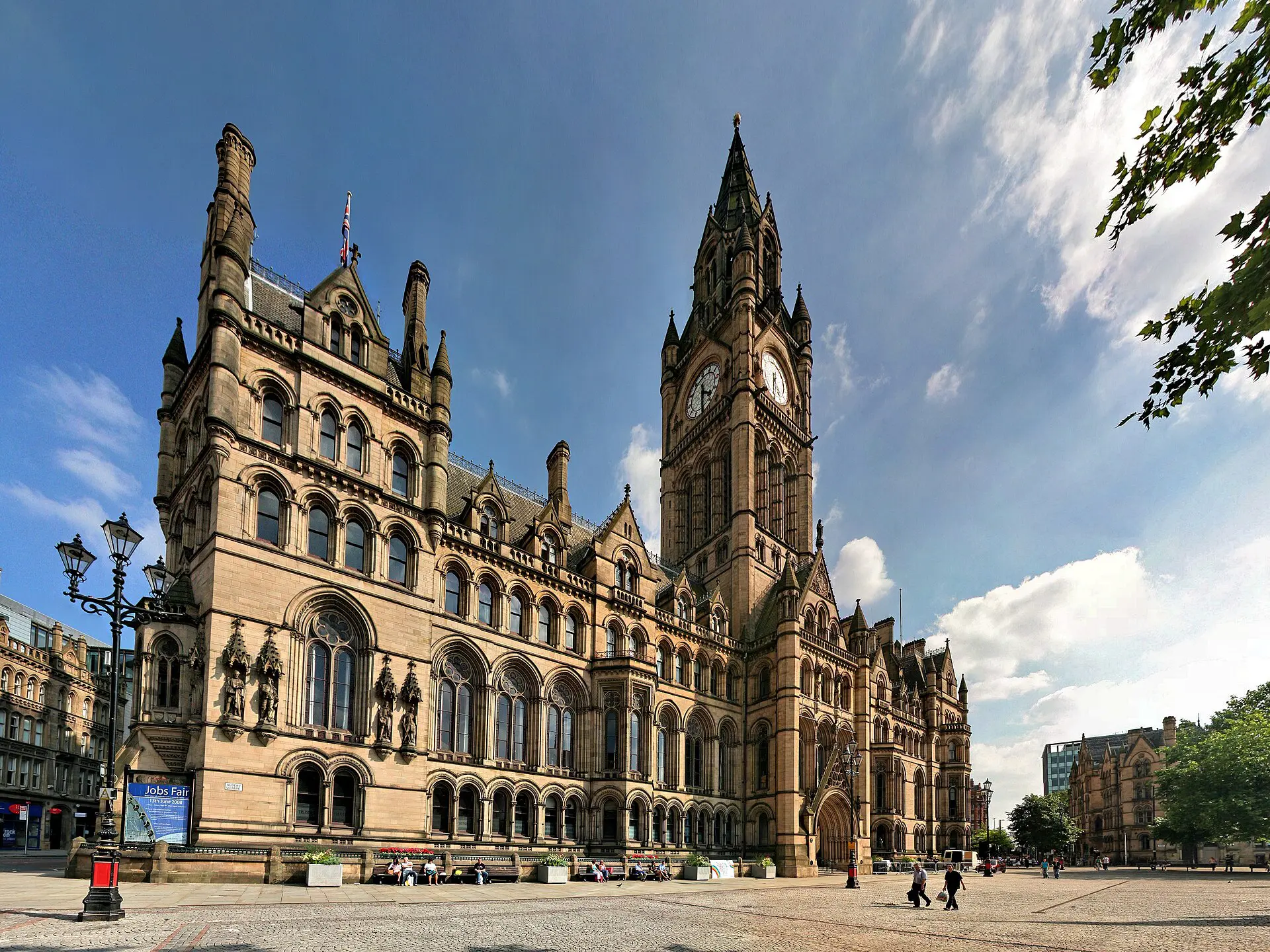
For things to do in Manchester, think of a city that changed the world and still carries that confidence. It is in North West England, and it grew from a Roman fort settlement into the world’s first industrialised city, known as “Cottonopolis” for its textile mills.
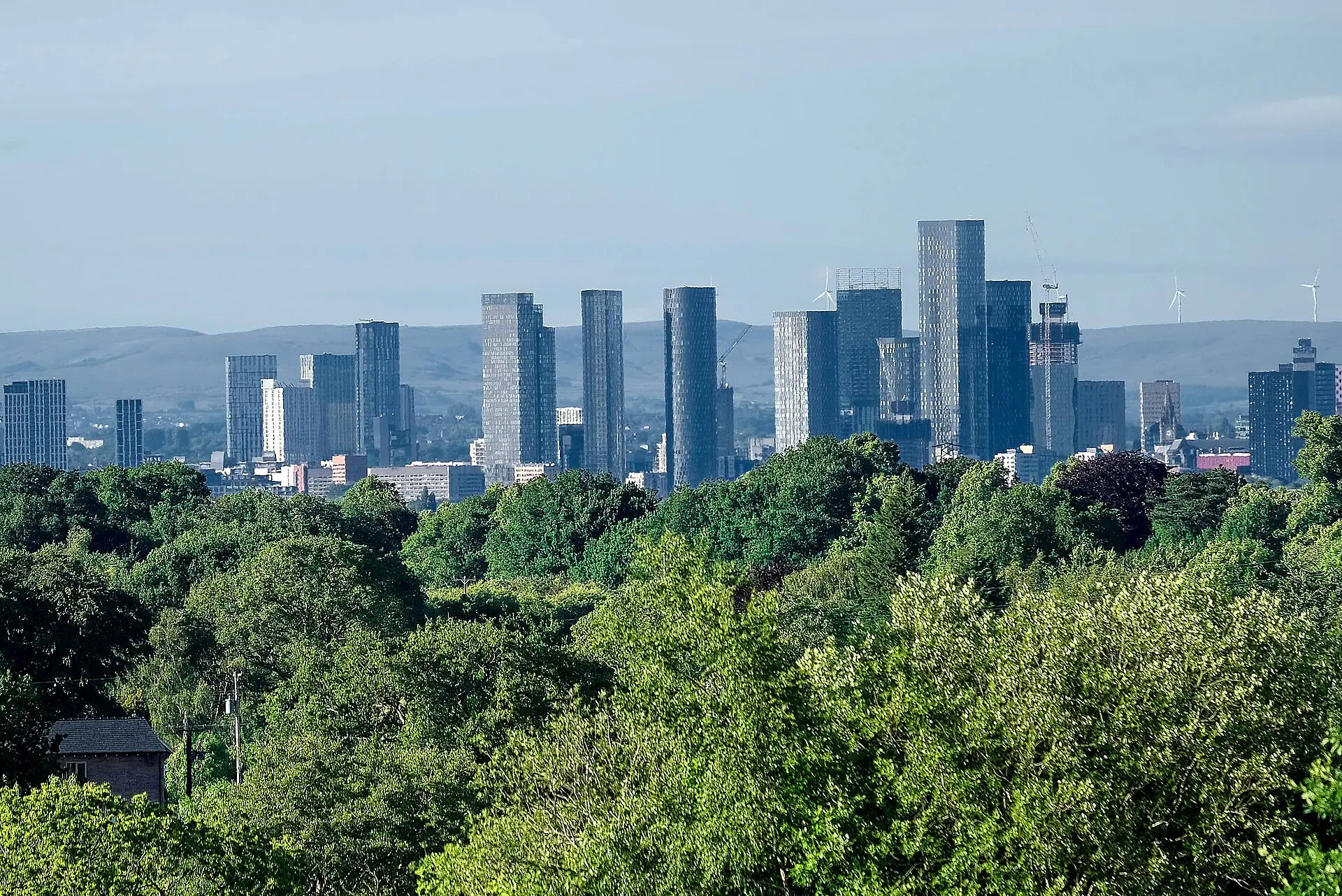
Today the mills and warehouses hold museums, apartments, bars and restaurants. The city is known for its music, its two famous football clubs, its large student population and its proud northern identity. It has the buzz of a big city without the scale of London.
Manchester is also a very practical base. It has a major airport, good rail links, an easy tram system and the Peak District, Liverpool and Cheshire within an hour or so. A short stay is enough to see the highlights.
Top things to do in Manchester
Science and Industry Museum
Built on the site of the world’s oldest surviving passenger railway station, it explores the city’s industrial role, with working machinery and textile exhibits. Allow two to three hours. Entry has been free in the past, though some exhibits are charged, so check before you go.
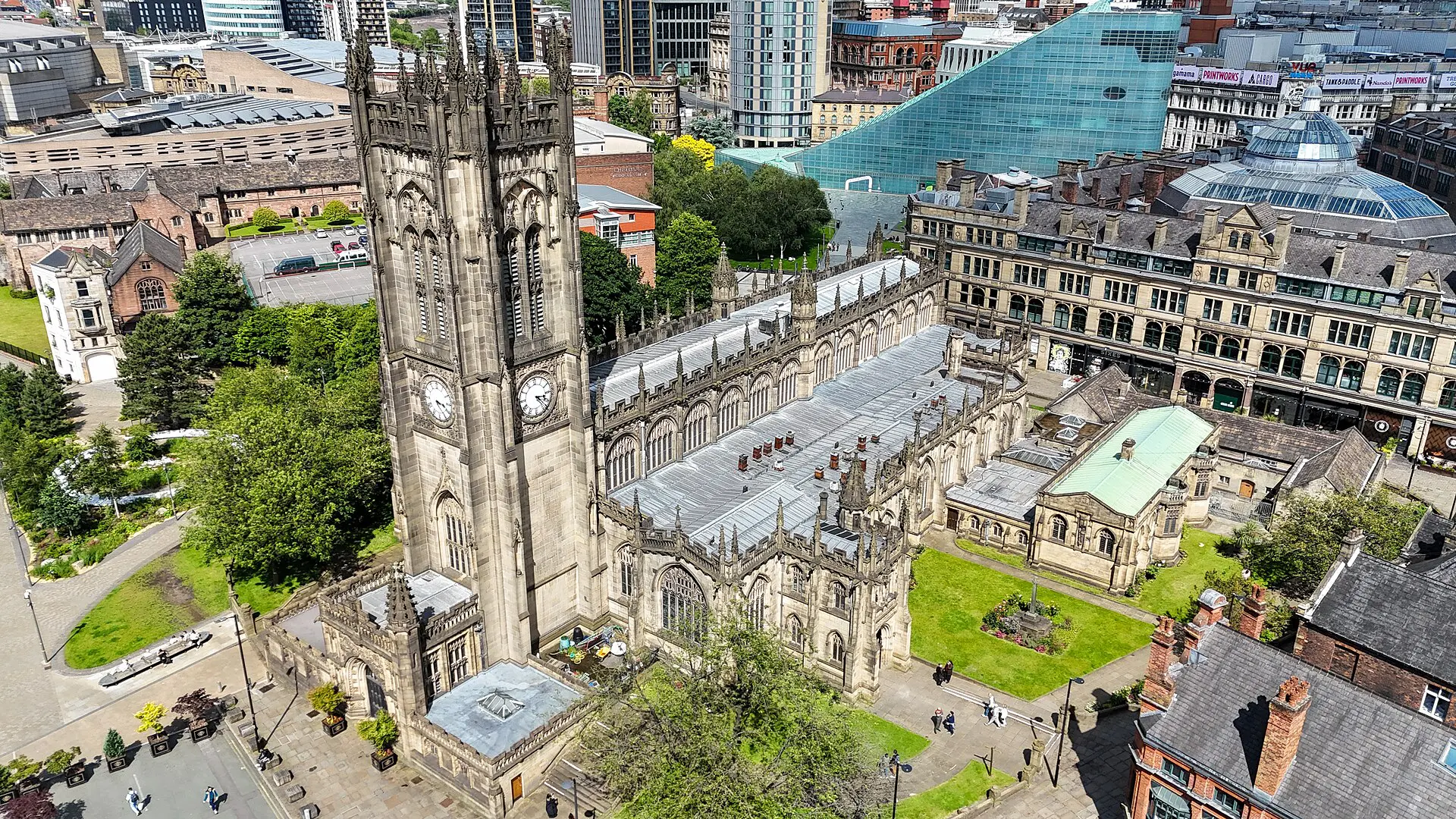
Manchester Cathedral and the Northern Quarter
The medieval cathedral sits near the compact Northern Quarter, an area of independent shops, record stores, street art, cafes and bars. Allow half a day for both. The quarter is best from late morning onward, when most places are open.
National Football Museum
Housed in a landmark glass building in Cathedral Gardens, it covers the history of the game with a large collection. Plan about two hours. It is worth visiting even if you are not a fan, and you can check current ticket options on the official site.
Old Trafford and Etihad Stadium
Manchester United and Manchester City both offer stadium tours and club museums. Allow two hours each, and book ahead for match days or tours. Tickets for league games can be hard to get, so check official sales channels only.
John Rylands Library
A neo-Gothic library on Deansgate with a grand reading room and rare collections. It takes around an hour. It is free to enter in normal times, but hours vary, so check the opening days and any special exhibitions before visiting.
Castlefield and the canals
The Roman fort site, the canal basin and the Victorian viaducts make for a pleasant walk. Allow an hour or two, longer if you add a drink beside the water. It is easy to combine with the Science and Industry Museum.
Music and nightlife
Manchester has a long musical tradition, and venues run from small clubs to arenas. Check listings for gigs during your visit. Many pubs also offer live music, and the Northern Quarter and Deansgate Locks are popular for nights out.
Best time to visit Manchester
Manchester has a mild, changeable climate, and rain can arrive in any month, so pack a waterproof whatever the season. The warmest, longest days run from late May to early September, when parks and canal-side terraces are at their best.
Spring and early autumn are good for sightseeing, with fewer visitors. Winter is cool and often wet, but it has Christmas markets in November and December, plus fewer crowds at the museums. Match days and big concerts push up hotel prices, so check the football and events calendars when choosing dates.
| Season | Weather | Crowds and prices |
|---|---|---|
| Spring (Mar-May) | Cool, showers | Moderate |
| Summer (Jun-Aug) | Mild to warm, some rain | Busier; higher prices on event days |
| Autumn (Sep-Nov) | Cool, wetter | Moderate |
| Winter (Dec-Feb) | Cold, damp | Christmas markets; quieter otherwise |
How to get to Manchester and around
Manchester Airport (MAN) is one of the busiest in the UK, with direct flights from many European and long-haul cities. A train from the airport reaches the city centre in roughly 15 to 25 minutes, and trams and buses also run. Mainline trains from London take roughly two hours or so, and direct services reach Liverpool, Leeds, Birmingham and Edinburgh.
The centre is compact and walkable, and the Metrolink tram network covers many suburbs, the airport and the stadiums. Buses cover areas the tram does not. Contactless payment works on much of the network, though you should check the current fare system. Taxis and ride-share are plentiful at night, and you rarely need a car in the city.
Where to stay in Manchester
The city centre is the most convenient option, with hotels near Piccadilly and Victoria stations, Deansgate and the Northern Quarter. This suits short city breaks, nightlife and train travel, although prices can climb on event weekends.
Salford Quays and the area around MediaCityUK offer modern hotels near the waterside, a tram stop and several museums. It is quieter in the evening and a good option if you plan to visit the area’s attractions or want a calmer base.
For a budget stay, look at the university areas along Oxford Road, such as around the Curry Mile, or at suburban areas along the tram lines. Book early for football matches, concerts and festival weekends, and compare weekday and weekend rates.
How many days do you need?
Two days is enough to see the main museums and walk the centre. Three days adds a stadium tour, a canal walk and more time for food and music. If you plan to add the Peak District or Liverpool, allow four.
- Day 1: Science and Industry Museum, Castlefield and John Rylands Library, with an evening in the Northern Quarter.
- Day 2: National Football Museum and a stadium tour, then dinner and live music.
- Day 3: A day trip to the Peak District or Liverpool.
With one day only, combine the Northern Quarter, a museum and Castlefield.
Day trips and nearby
Liverpool
A direct train takes around an hour, and the city offers the waterfront, museums and Beatles history. It is easy to cover in a day, with the Royal Albert Dock as the main focus.
Peak District
The national park lies to the east and south of Manchester, with moorland, villages and walking routes. Trains and buses reach towns such as Edale and Buxton, though a car gives more freedom for a full day.
Chester
A walled city with Roman remains and a medieval centre, reached in around an hour by train. It suits a relaxed day with a walk along the city walls.
Cheshire and Greater Manchester towns
Towns such as Stockport, Bolton and Altrincham have markets and historic buildings, and are reached by tram or train. They are good if you want a quieter day away from the centre.
FAQ
Q1How many days do you need in Manchester?
Two to three days is enough for the museums, football attractions and the Northern Quarter. Add a fourth day if you want to take a trip to the Peak District or Liverpool, both of which are within an hour or so.
Q2When is the best time to visit Manchester?
Late May to September has the longest days and mildest weather, but it rains at any time of year. Winter has Christmas markets and fewer crowds. Check football and concert dates, as hotel prices rise sharply on match weekends.
Q3How do I get from Manchester Airport to the city centre?
The train is the quickest option, usually taking roughly 15 to 25 minutes to the main city stations. Trams and buses also run, and taxis are available. Check current timetables and fares, as these change regularly.
Q4Is Manchester worth visiting?
Yes, especially for museums, music, football and food. It is compact, easy to reach and often better value than London. It also works well as a base for Liverpool, Chester and the Peak District.
Prices, schedules and entry rules change. Check current details with official sources before you travel. Read the United Kingdom travel guide.