Why visit Edinburgh
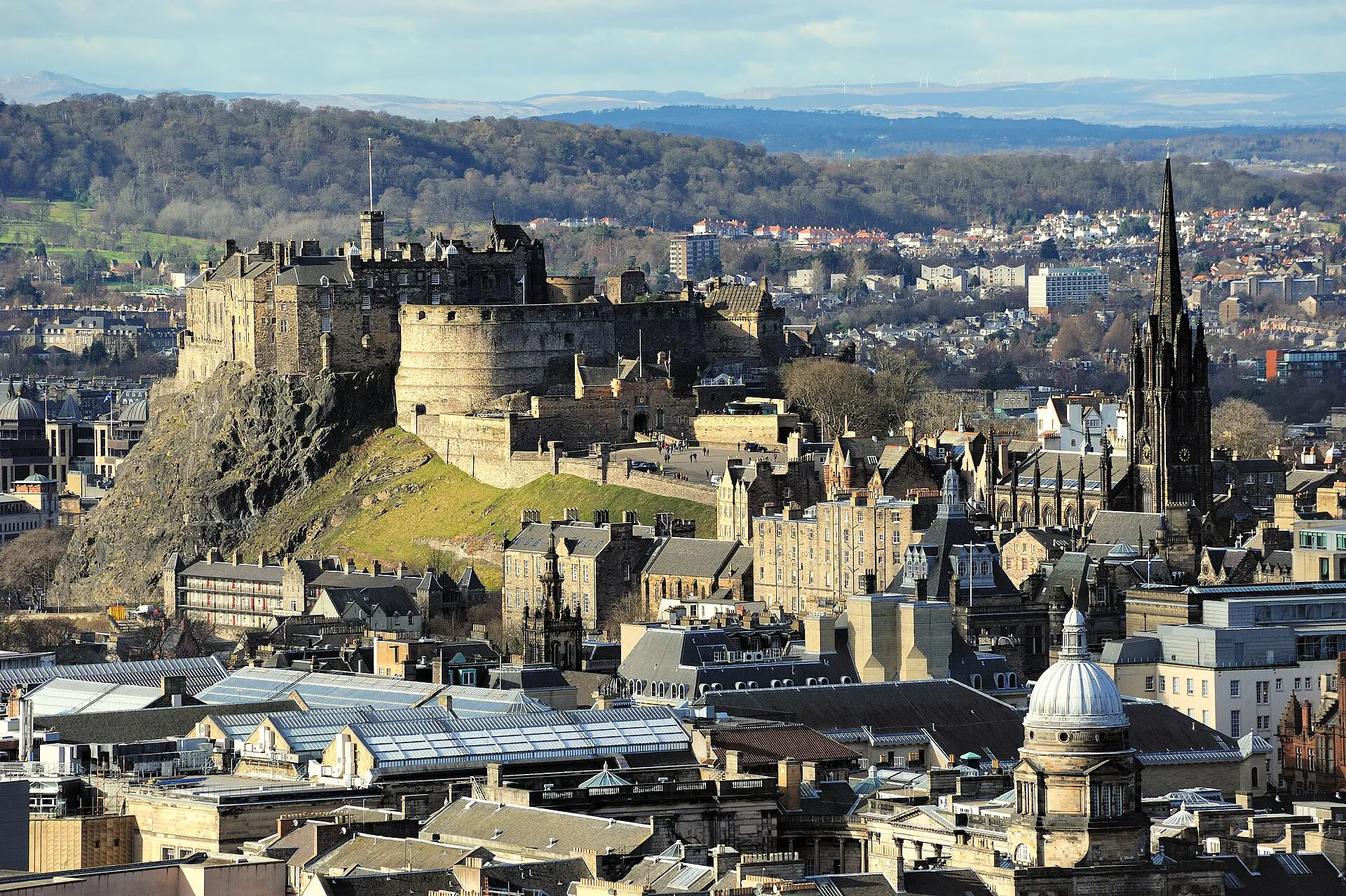
If you are listing things to do in Edinburgh, the first thing to know is that the city’s shape does much of the work. Edinburgh is the capital of Scotland, built across a series of hills and ridges, with a castle on a volcanic rock at its centre and a medieval Old Town running down the Royal Mile. UNESCO lists the Old and New Towns together as a World Heritage Site.
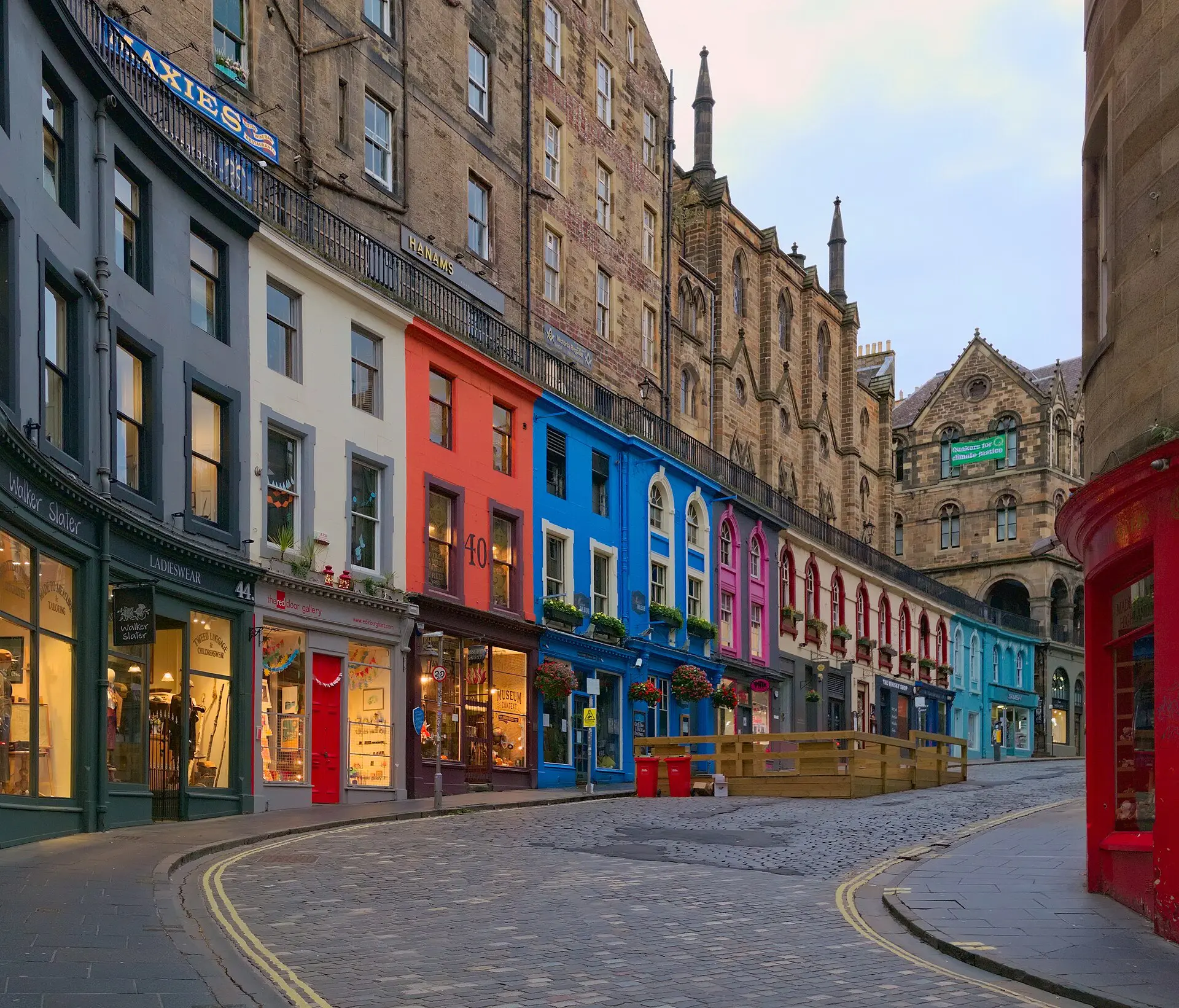
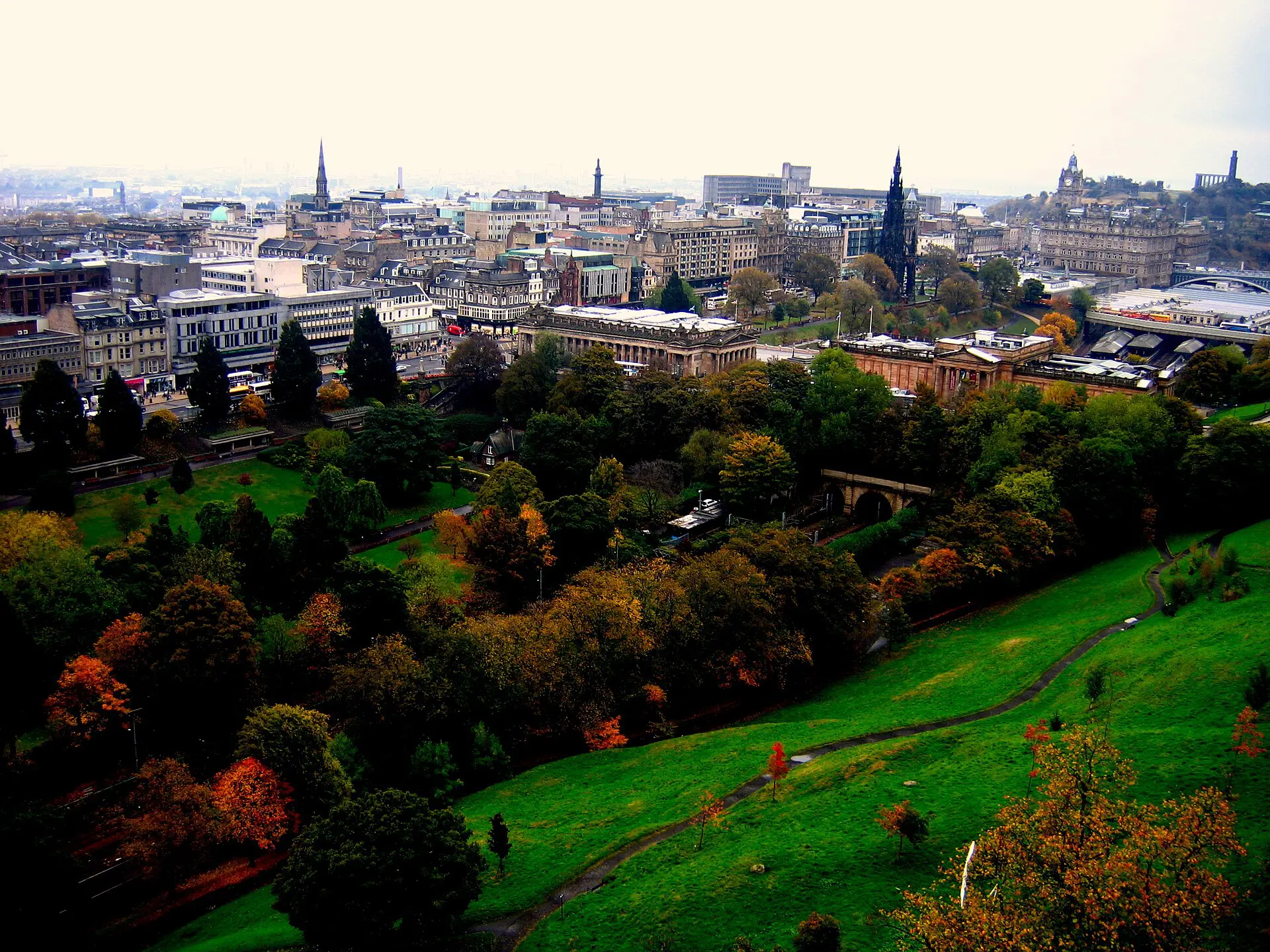
Across a valley from the Old Town lies the New Town, a planned Georgian district of crescents, squares and shops. Museums, galleries and libraries are numerous and often free, and the city has a strong literary reputation. Beyond the centre, a large hill, Arthur’s Seat, offers a surprisingly wild walk within the city boundary.
Edinburgh also hosts a series of festivals, the biggest of which takes place in August, filling streets with performers and filling hotels months in advance. The weather is changeable and often breezy, so pack layers. The compact centre means you can see much of it on foot, though some streets and closes are steep and cobbled.
Top things to do in Edinburgh
Edinburgh Castle
The castle stands at the top of the Royal Mile and houses the Scottish crown jewels and a historic great hall. Allow two to three hours. Book timed tickets online, arrive early to avoid queues, and check the schedule for the one o’clock gun, which is not fired every day.
The Royal Mile
This long street runs from the castle to Holyrood and is lined with shops, closes and historic buildings. It takes an hour to walk without stops. Side alleys, called closes, often reveal quieter courtyards and viewpoints, and side streets are good for lunch.
Palace of Holyroodhouse
The royal residence at the bottom of the Royal Mile has staterooms and ruined abbey grounds. Allow about two hours. Opening can be restricted when members of the royal family are in residence, so check before you go.
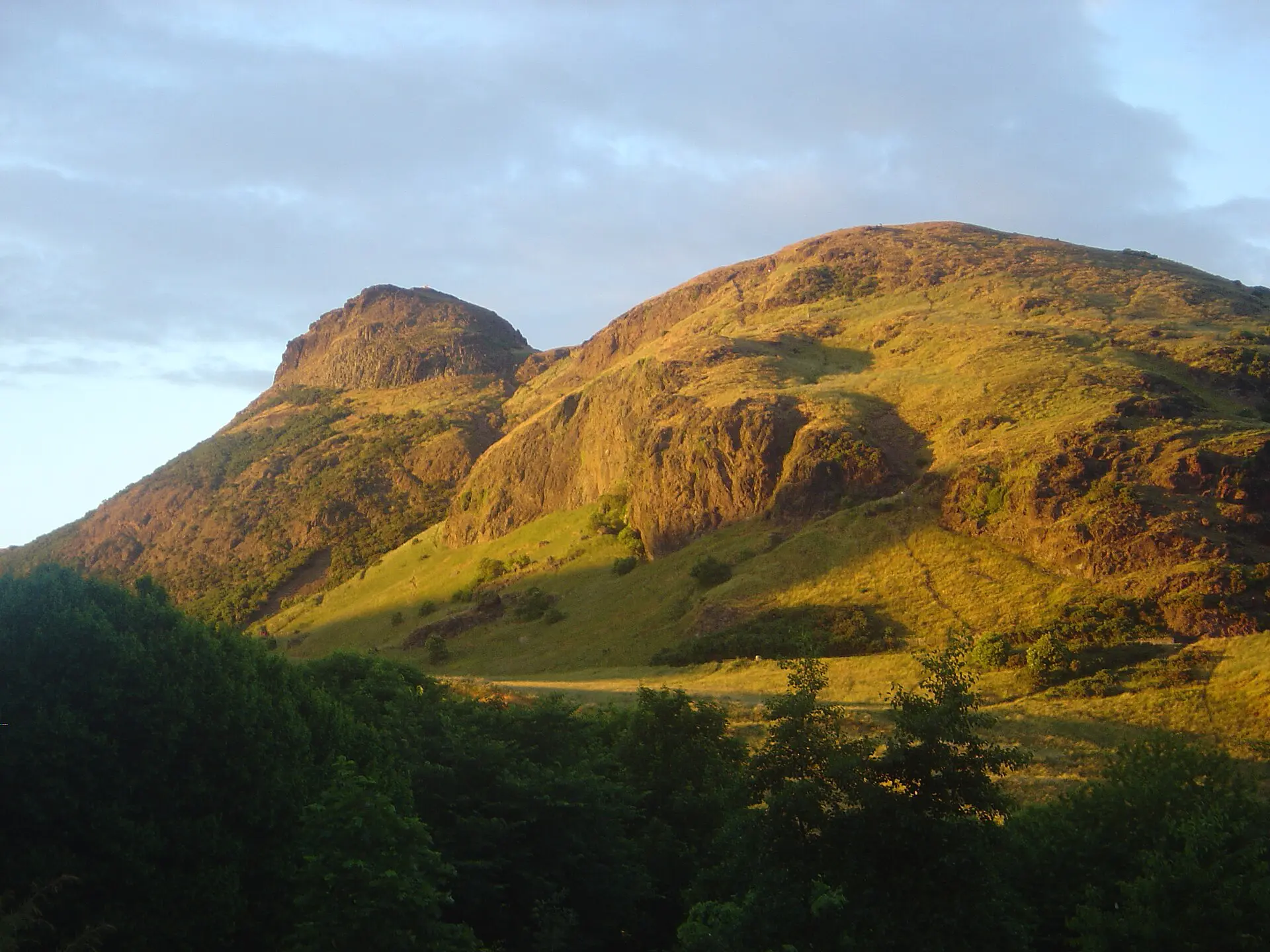
Arthur’s Seat and Holyrood Park
An extinct volcano rising above the city. The summit walk takes about 45 minutes to an hour from the park’s base, and the path can be steep and slippery. Choose a clear day, bring a windproof layer and wear shoes with grip.
St Giles’ Cathedral and the National Museum
St Giles’ has a crown-shaped spire and impressive interior, and the nearby National Museum of Scotland is free and covers history, science and design. Allow an hour for the church and two to three for the museum, whose rooftop terrace has city views.
Calton Hill
A short climb leads to monuments and one of the best panoramic views of the city, especially near sunset. Plan about an hour, and note that the paths can be exposed and windy.
Dean Village and the Water of Leith
A peaceful former milling village a short walk from the New Town, with a riverside path. It makes a good break from the busier centre, and a walk of about an hour is enough.
Best time to visit Edinburgh
Edinburgh has a cool, maritime climate, and weather can change in a few hours. Summer has the longest days, with light until late evening, but it is also the most crowded, especially during the August festivals. Spring and early autumn offer a good balance, while winter has short days, cold weather and festive events around Hogmanay, the Scottish New Year.
| Season | Weather | Crowds and prices |
|---|---|---|
| Spring (March to May) | Cool, variable, some sun | Moderate |
| Summer (June to August) | Mild, long days, showers | Very high in August |
| Autumn (September to November) | Cool, wetter and windier | Moderate, lower later |
| Winter (December to February) | Cold, damp, short days | Busy at Christmas and Hogmanay, otherwise low |
Book accommodation very early for August and Hogmanay, and expect higher prices on those dates.
How to get to Edinburgh and around
Edinburgh Airport is west of the city and has flights across the UK, Europe and some long-haul routes. A tram and airport buses reach the city centre in about 25 to 40 minutes, depending on traffic, and taxis are also available.
Waverley station sits in the heart of the city, with direct trains from London, taking around four and a half hours, and from Glasgow, Newcastle, York and other places. Long-distance coaches run to many cities, and some are cheaper than trains.
The centre is compact, and walking is the best way to see it, although hills and cobbles make it tiring. Buses cover the city and link it with the suburbs and the coast, and a tram runs from the airport through the centre. Taxis and ride-hailing are available. A car is rarely needed in the city, but it helps for day trips into the Highlands.
Where to stay in Edinburgh
The Old Town is atmospheric and central, suiting first-time visitors who want to be close to the castle and Royal Mile. Expect busy streets and some late-night noise.
The New Town has elegant Georgian streets, shops and restaurants, and is quieter at night, a good choice for couples and travellers who value a more refined setting. Prices are mid-range to high.
Leith, to the north near the waterfront, has a distinct local feel, with bars and restaurants and generally better value. Southside areas near the university, such as around Marchmont and the Meadows, are residential and lively, with a range of budget guesthouses. Book early for summer and festival periods, and check whether your hotel is on a steep street.
How many days do you need?
Two days covers the castle, Royal Mile, a museum and a hill walk. Three days adds a slower pace and one longer outing. If you want a Highland or coastal day trip, plan four days.
- Day 1: Edinburgh Castle, the Royal Mile, St Giles’ Cathedral and an evening in the Old Town.
- Day 2: Arthur’s Seat in the morning, the Palace of Holyroodhouse, the National Museum and a New Town walk.
- Day 3: Calton Hill, Dean Village and Leith, or a day trip beyond the city.
Day trips and nearby
Glasgow
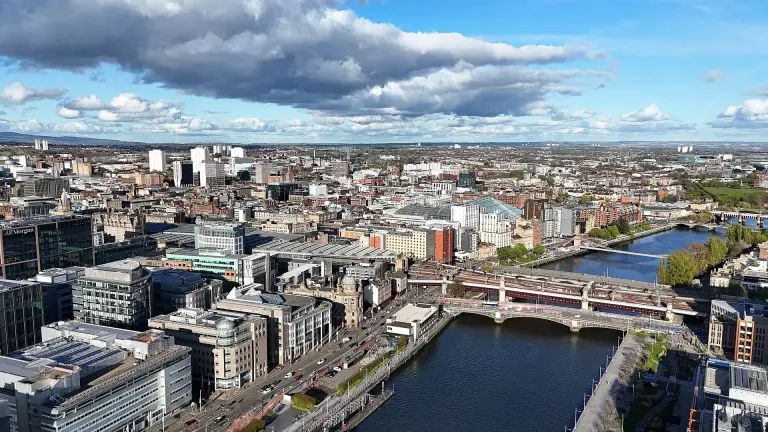
Scotland’s largest city is roughly 50 minutes by train and has museums, architecture and a lively music and food scene. It works well as a day trip and offers a different feel from Edinburgh.
Stirling
Stirling lies about 50 minutes away by train and has a castle and a monument tied to Scottish history. It can be combined with a short walk in the Trossachs foothills.
Inverness and the Highlands
Inverness is around three and a half hours by train. A day trip is long, and most visitors prefer to stay overnight or join an organised tour of Loch Ness and the Highlands.
Belfast, London and York
York is roughly two and a half hours by train and has a medieval minster and walls. London and Belfast are better with extra days or flights, rather than as day trips.
FAQ
Q1When is the best time to visit Edinburgh?
May to September has the longest days and the mildest weather. August is busiest because of the festivals, with high prices and crowded streets. Spring and early autumn are a good balance, and winter suits those who want Christmas markets and Hogmanay.
Q2How many days do you need in Edinburgh?
Two days covers the castle, the Royal Mile, a museum and Arthur's Seat. Three days gives you a slower pace and time for Calton Hill and Leith. Add a fourth day if you want a day trip to the Highlands or another city.
Q3How do I get from Edinburgh Airport to the city centre?
A tram and airport buses run to the centre in roughly 25 to 40 minutes depending on traffic, and taxis are available outside arrivals. Check current timetables and fares, and buy tickets before you board where machines are provided.
Q4Is Edinburgh expensive?
Edinburgh is among the pricier UK cities, especially in August and over New Year. Many museums are free, and guesthouses, pub lunches and public transport can keep costs down. Booking accommodation early usually saves money, and the centre is easy to walk.
Prices, schedules and entry rules change. Check current details with official sources before you travel. Read the United Kingdom travel guide.