Why visit Glasgow
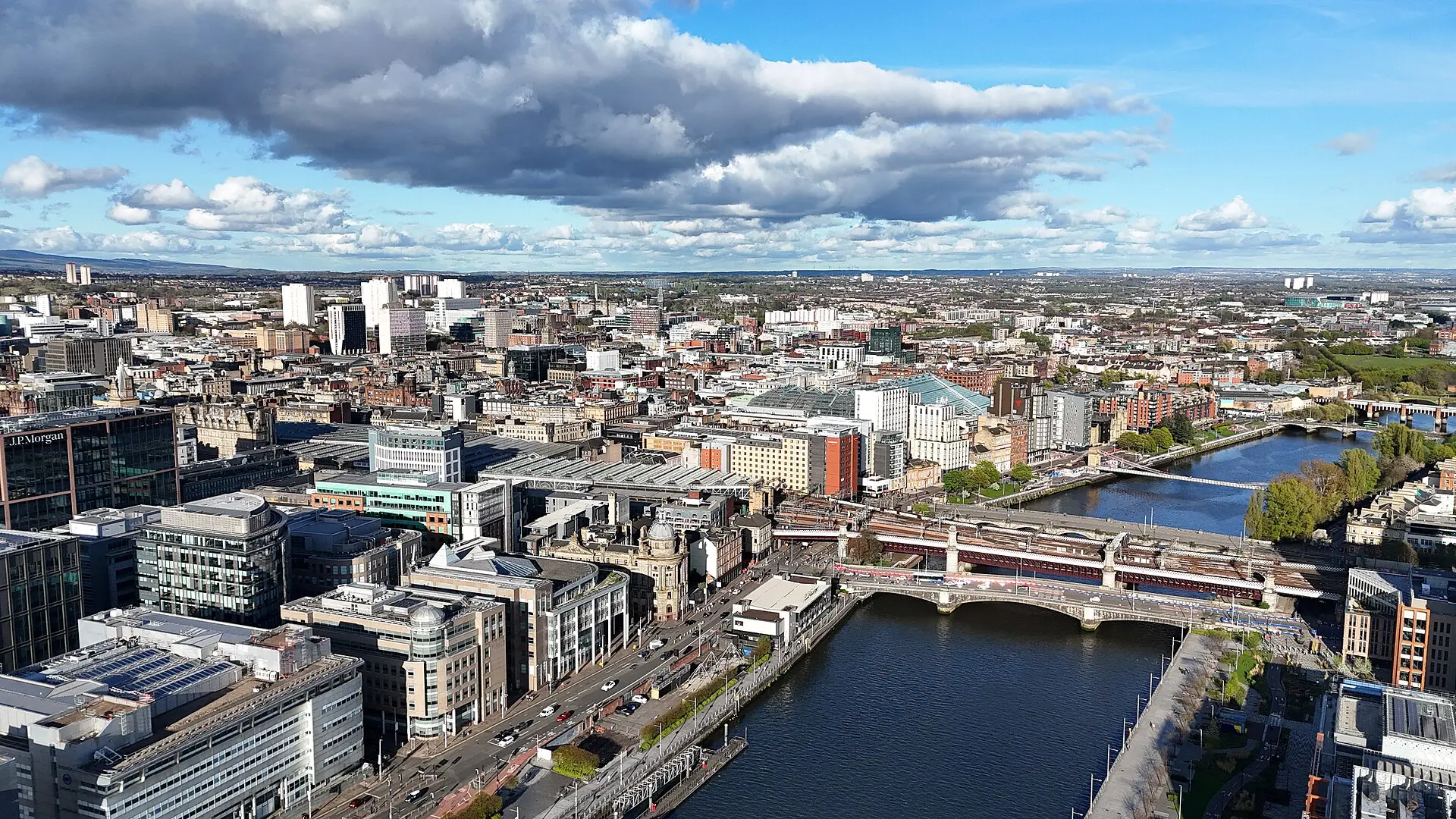
If you are searching for things to do in Glasgow, start with the city’s reinvention. Glasgow is the largest city in Scotland, on the River Clyde in the Central Belt, with about 650,000 people in the city and 1.2 million in the Greater Glasgow area. It has reinvented itself since the 1990s through industry, culture, cuisine and architecture.
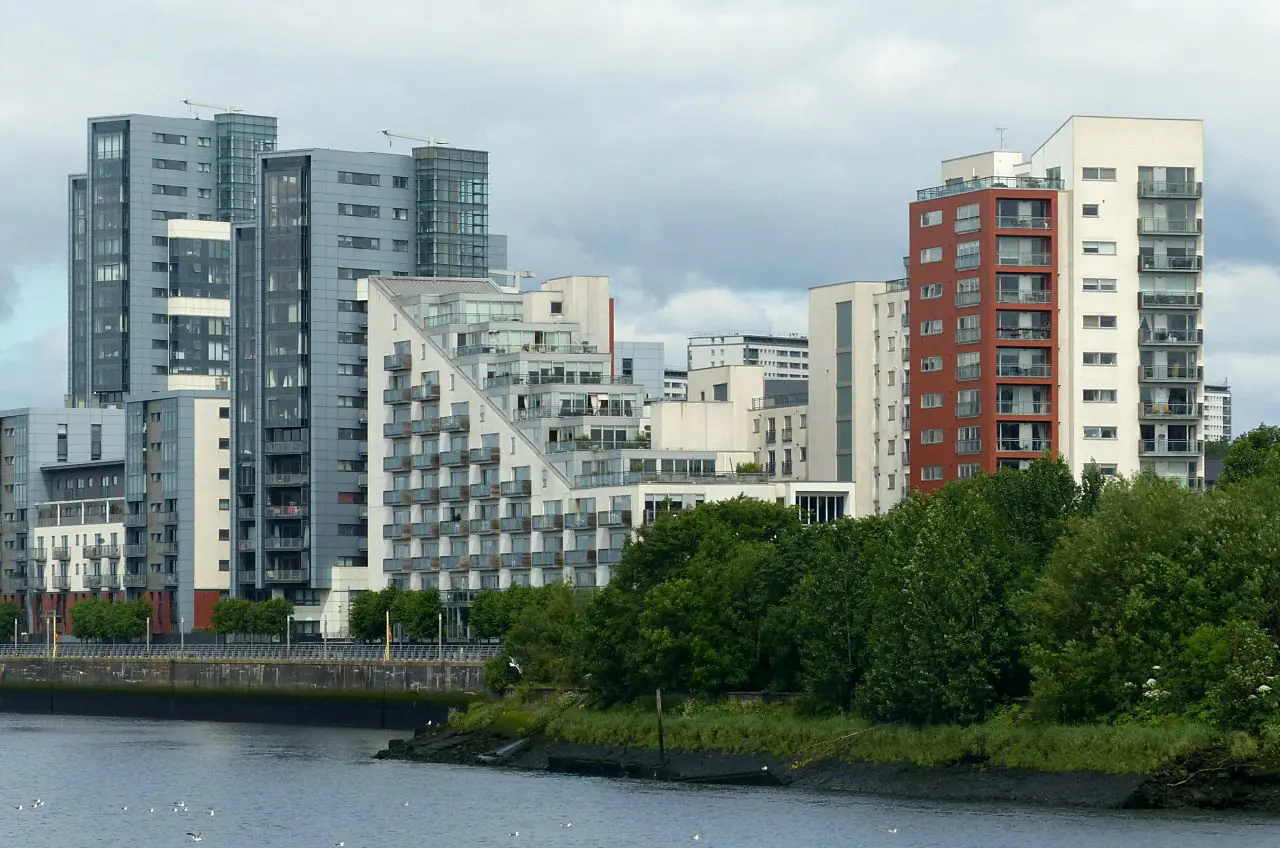
Its deep-red sandstone buildings have been cleaned of grime, and the city is described as glorious in the sunshine but also a year-round place with plenty to do on dreich, or gloomy, days. Glasgow grew rapidly after the 1707 Act of Union opened trade with the English colonies, and Victorian wealth shaped much of what you see.
The city suits travellers who like museums, live music, food and walking neighbourhoods more than postcard scenery. Many museums are free, and it offers amenities in all price brackets, so it can be more affordable than Edinburgh.
Top things to do in Glasgow
Kelvingrove Art Gallery and Museum
This large red sandstone museum in the West End holds art, natural history and Scottish history in one building. Allow two to three hours. Tip: entry has usually been free, but check current policy and opening hours, and visit on a rainy day when it is busiest.
Glasgow Cathedral and the Necropolis
The medieval cathedral, in the oldest part of the city, is one of Scotland’s best-preserved, and a Victorian cemetery on the hill behind it has wide views. Allow two hours. Tip: wear good shoes for the steep paths, and check cathedral opening times.
Riverside Museum
This transport museum on the Clyde holds trams, cars, trains and a full-size street scene, and a tall ship is moored nearby. Allow two hours. Tip: it is popular with families, so go early, and check current opening hours and any charges.
Mackintosh architecture and design
Charles Rennie Mackintosh shaped Glasgow’s design identity, and sites around the city show his work. The School of Art’s Mackintosh Building was badly damaged by fire and is being restored, so do not expect to go inside. Allow two hours. Tip: check which buildings are open and whether tours must be booked.
West End and Botanic Gardens
The West End has the university, cafes, shops and the Botanic Gardens with its Victorian glasshouses. Allow half a day. Tip: combine it with Kelvingrove by walking through Kelvingrove Park.
Merchant City and George Square
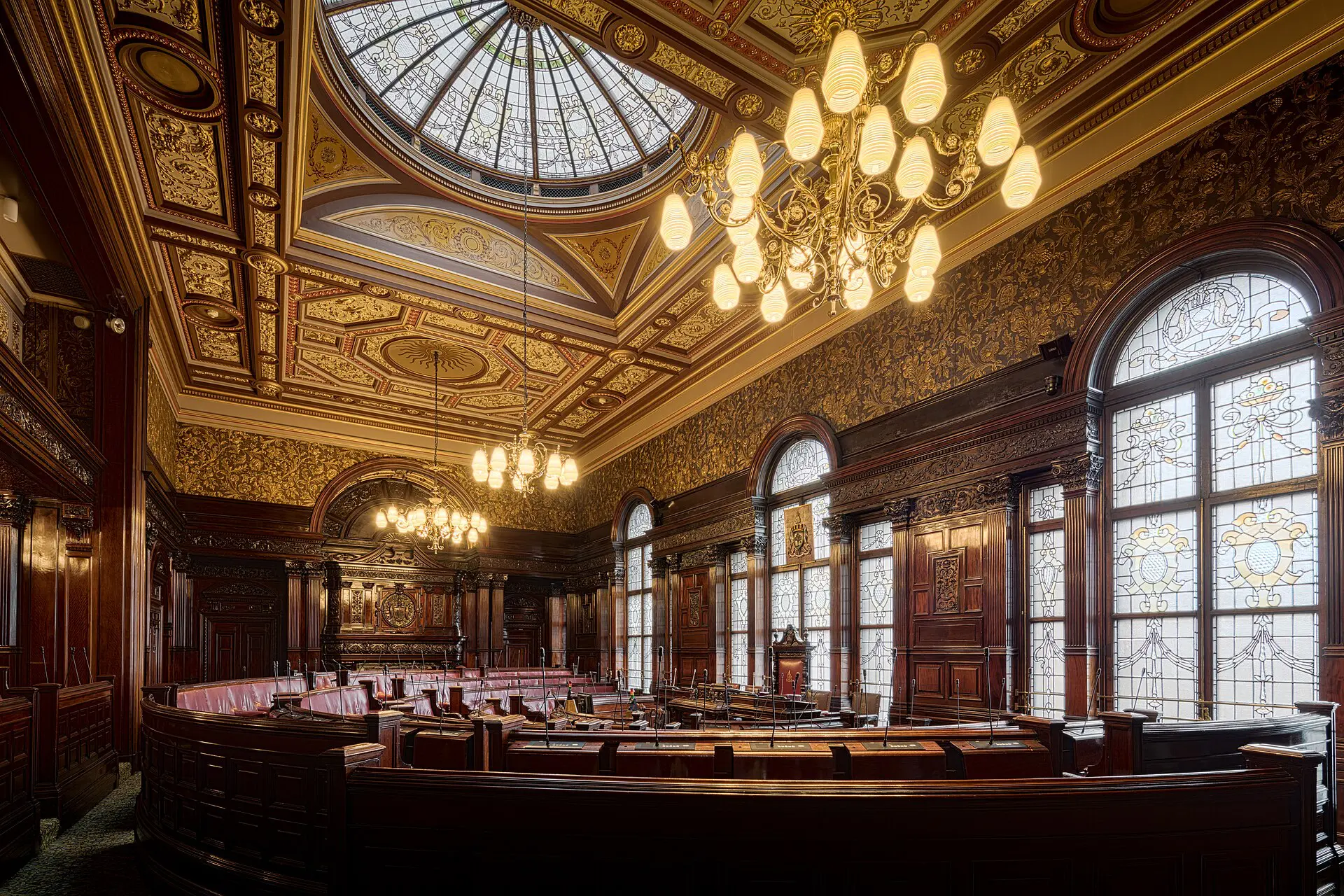
The central area of grand 18th- and 19th-century buildings holds shops, bars and restaurants around the City Chambers. Allow two hours. Tip: look up at the architecture, and walk the lanes for small independent shops.
Live music and pubs
Glasgow is known for its live music, from small venues to larger halls, and for friendly pubs. Allow an evening. Tip: check listings for the night you are visiting, since many gigs sell out, and carry ID.
Best time to visit Glasgow
Glasgow has a mild, changeable, wet climate in every season, so plan on a waterproof jacket whenever you go. Summer offers the longest days and the best chance of sun, while winter has short days but warm, lively pubs.
| Season | Weather | Crowds and prices |
|---|---|---|
| Spring (April to May) | Cool, fresh, changeable | Moderate, fair prices |
| Summer (June to August) | Mild, long days, some rain | Busier, higher prices around festivals |
| Autumn (September to October) | Cool, wetter | Quieter, good value |
| Winter (November to March) | Cold, damp, short days | Quiet, lower hotel prices |
Check event calendars before you book, because concerts and conferences can raise hotel prices sharply.
How to get to Glasgow and around
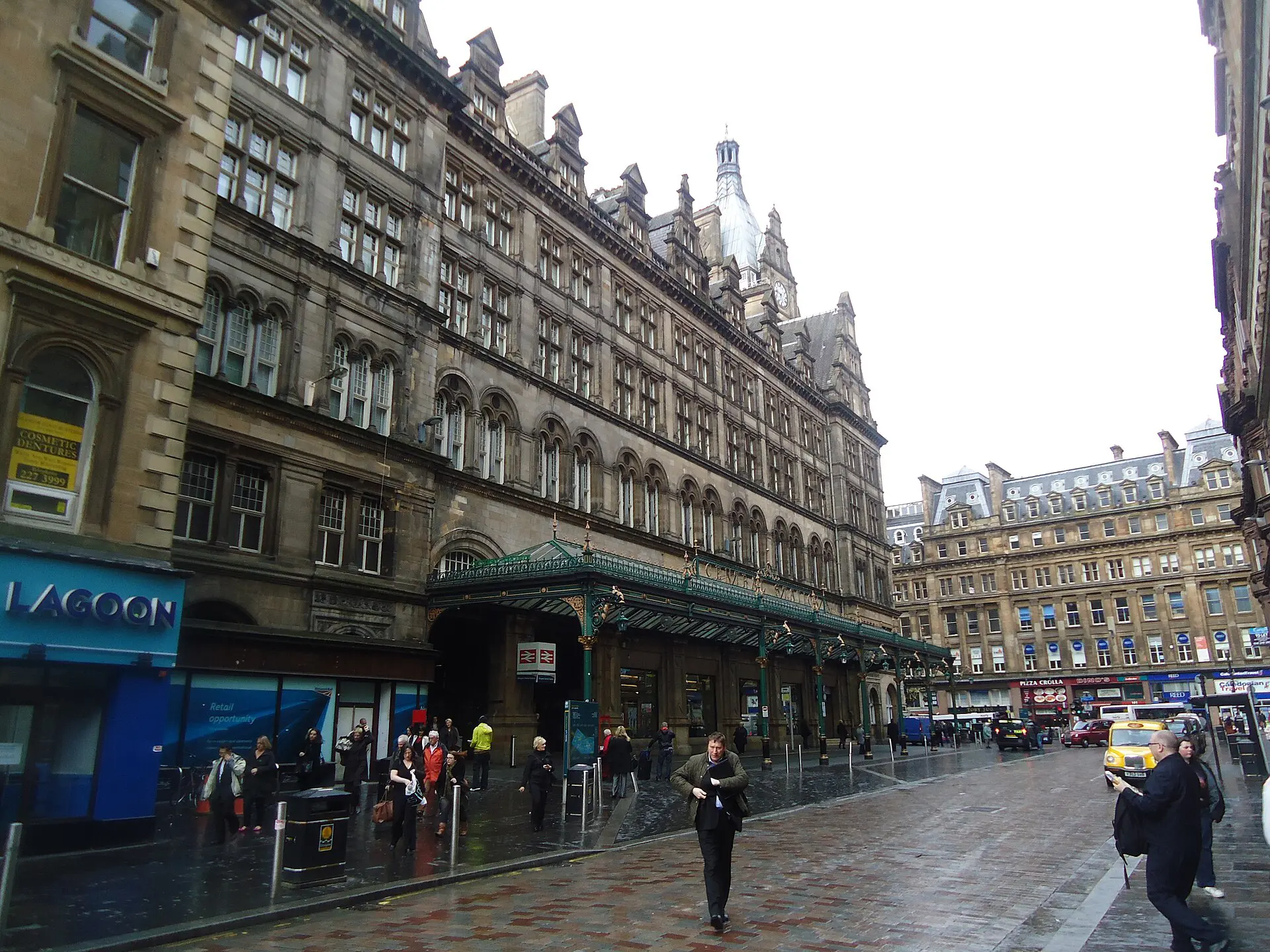
Glasgow Airport lies west of the city near Paisley, with a frequent bus link to the centre, and a smaller airport at Prestwick serves some low-cost flights, so check which one your flight uses. By train, Glasgow Central serves London and southern routes, and Queen Street serves Edinburgh, Stirling and the Highlands. The journey from Edinburgh takes roughly an hour, and trains run frequently.
The city centre is compact and walkable, with a grid of streets that is easy to navigate. Buses and a small subway loop, known locally as the Clockwork Orange, link neighbourhoods such as the West End and the south side. Suburban trains reach areas outside the centre, and taxis are widely available. Check current fares, and consider a day ticket if you plan to use public transport several times.
Where to stay in Glasgow
The city centre, around Merchant City and the main shopping streets, is the most convenient for first-time visitors, with many hotels, restaurants and transport links. It is busy on weekends and event nights, so ask for a quieter room.
The West End is leafy and cultured, with the university, the Botanic Gardens and independent restaurants, and it suits travellers who want a calmer stay close to Kelvingrove. The area near Glasgow Central and Queen Street stations is handy for early trains, and some visitors choose a hostel or apartment in the centre to save money. Book early for big events, and check recent reviews for noise levels in central bar districts.
How many days do you need?
Two days allow you to see the main museums, the cathedral and the West End. Three days give time for the Mackintosh sites, an evening of live music and a short day trip. A longer stay makes sense if you want to explore Loch Lomond and the surrounding area.
- Day 1: Glasgow Cathedral and the Necropolis, then Merchant City and George Square.
- Day 2: Kelvingrove, the Botanic Gardens and the West End, then an evening in a pub with music.
- Day 3: Riverside Museum and a Mackintosh site, or a day trip out of the city.
Day trips and nearby
Edinburgh
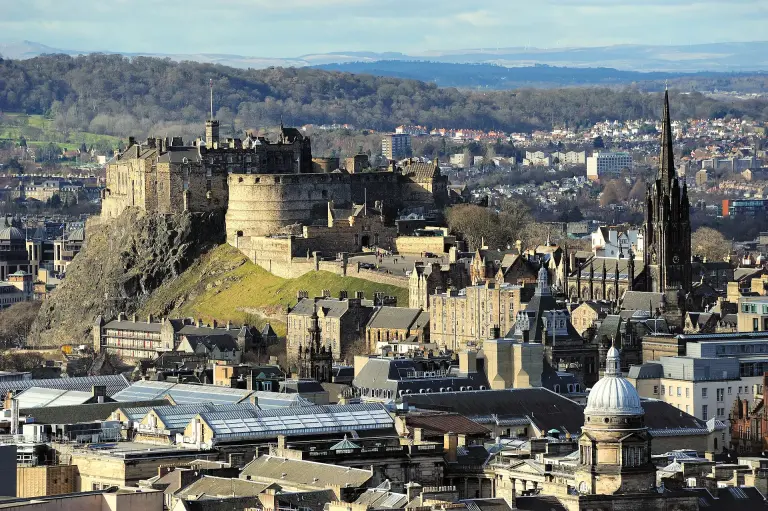
Scotland’s capital lies about an hour east by train and has a castle, an old town and many museums. Allow a full day. Tip: trains run frequently, but check ticket prices in advance for busy days, and consider an overnight stay in August.
Loch Lomond
The loch and its national park lie northwest of Glasgow and offer walking, boat trips and village stops. Allow a full day. Tip: check train and bus options, since services are less frequent than in the city.
Stirling
Stirling has a hilltop castle and links to Scottish history, and it is reachable by train in under an hour. Allow half a day. Tip: check opening hours, and combine it with the nearby Wallace Monument.
Inverness
The main city of the Highlands is a long journey north and is best as an overnight stop on a longer route. Tip: check the train times and book early for summer.
FAQ
Q1When is the best time to visit Glasgow?
May to September offers the longest days and the best chance of dry weather, though rain is possible at any time. Winter is cold and dark but quiet, with cosy pubs and lower hotel prices. Check event calendars, since concerts can raise prices.
Q2How many days do you need in Glasgow?
Two days cover the cathedral, Kelvingrove and the West End, and three days add the Riverside Museum, a Mackintosh site and an evening of live music. Add one more day if you want a trip to Loch Lomond or Stirling.
Q3How do you get to Glasgow?
Glasgow Airport is west of the city, with a bus link to the centre, and trains from Edinburgh take about an hour. Trains from London arrive at Glasgow Central. Check which airport your low-cost flight uses, and confirm current schedules before travelling.
Q4Is Glasgow expensive?
Glasgow is generally cheaper than Edinburgh and London for hotels and meals, and many museums are free. Prices rise during major events and in summer. Compare options, book early for busy weekends, and check current costs before you go.
Prices, schedules and entry rules change. Check current details with official sources before you travel. Read the United Kingdom travel guide.