Why visit Cornwall
If you are planning things to do in Cornwall, start with the coast. Cornwall lies at the southwest tip of England, bordered by the Atlantic to the north and west and the English Channel to the south. It has a long coastline, a warm climate by British standards and a strong Celtic identity.
The county is mostly rural, with small harbours, wide beaches, cliff paths and fishing villages. Its mining heritage is recognised by UNESCO, and more than 30 percent of Cornwall is designated an Area of Outstanding Natural Beauty. It also has a long association with the arts and a wealth of archaeological sites.
The result is a region that rewards slow travel. You can surf one day, walk a headland the next and eat fresh seafood in a harbour town in the evening. It is popular with holidaymakers, so book ahead for summer, and expect narrow lanes and slow traffic.
Top things to do in Cornwall
St Ives
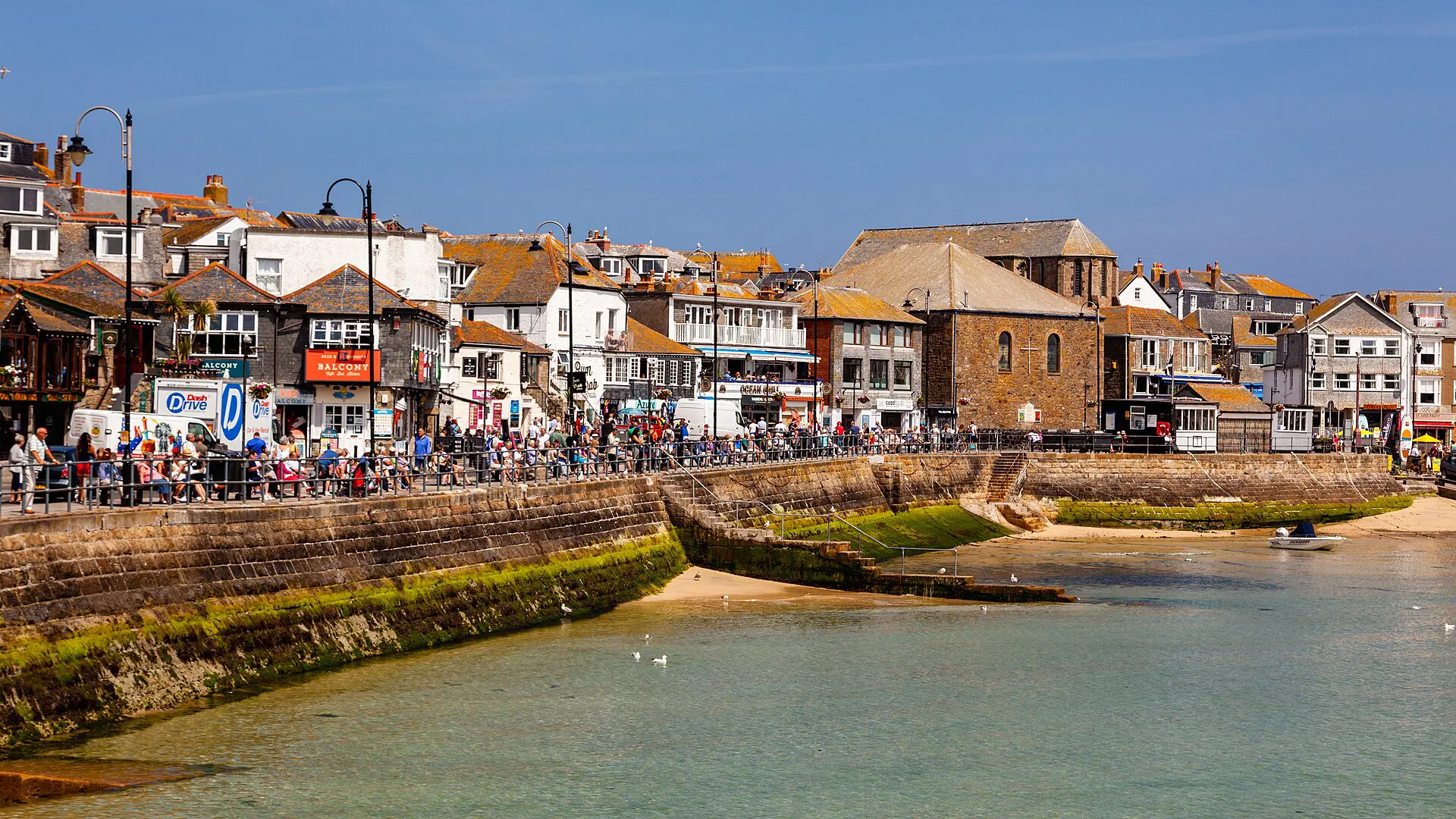
This harbour town on the north coast is known for its beaches, narrow streets and galleries. Allow half a day to a full day. It is very busy in summer, so arrive early or take the train from St Erth rather than driving into town.
Land’s End and the far west
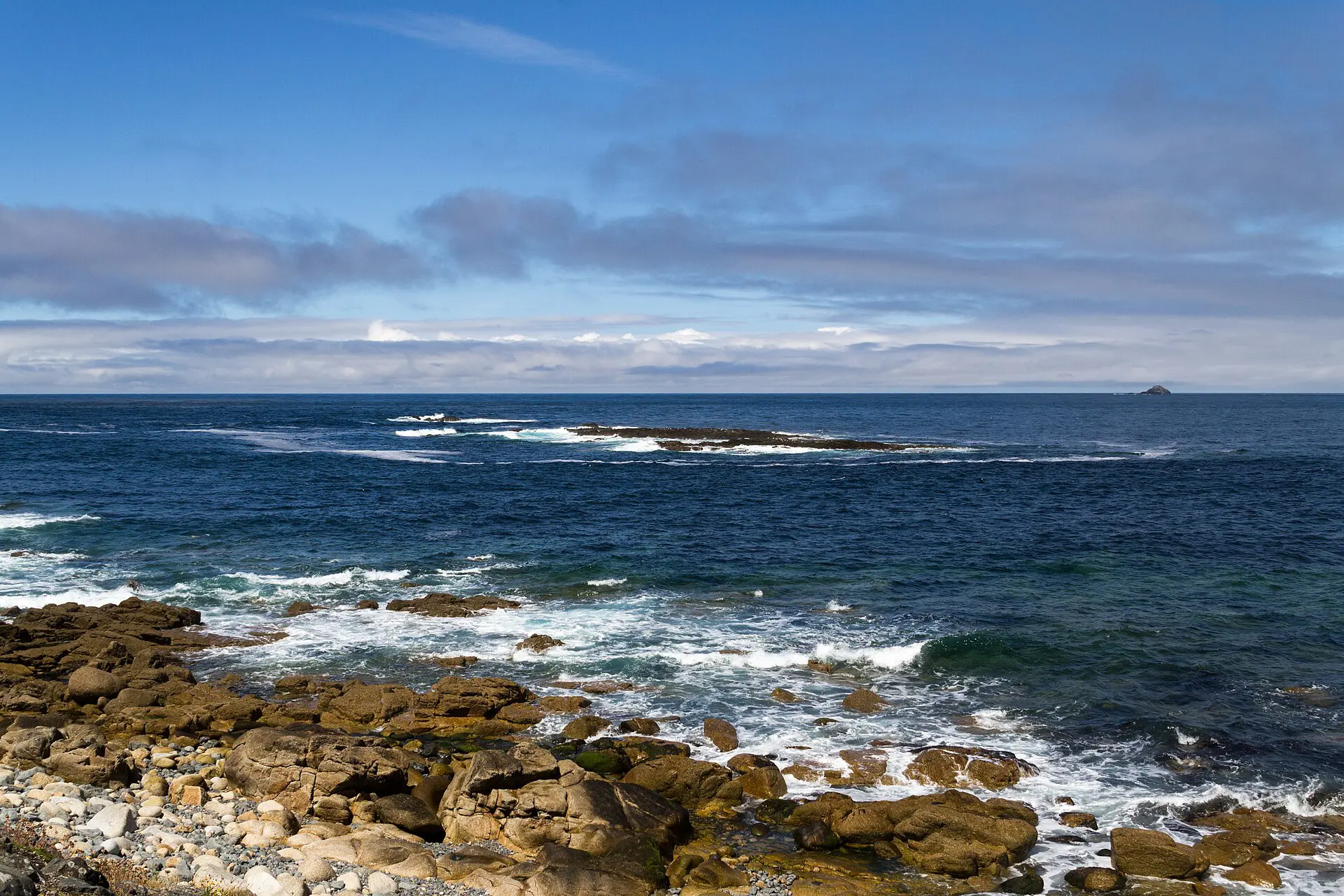
The cliffs at Land’s End mark the westernmost point of mainland England. Allow one to two hours. Nearby, the coast around Sennen and Pendeen is quieter, with big views and mining remains. Check weather before you go, as exposed headlands can be windy.
South West Coast Path
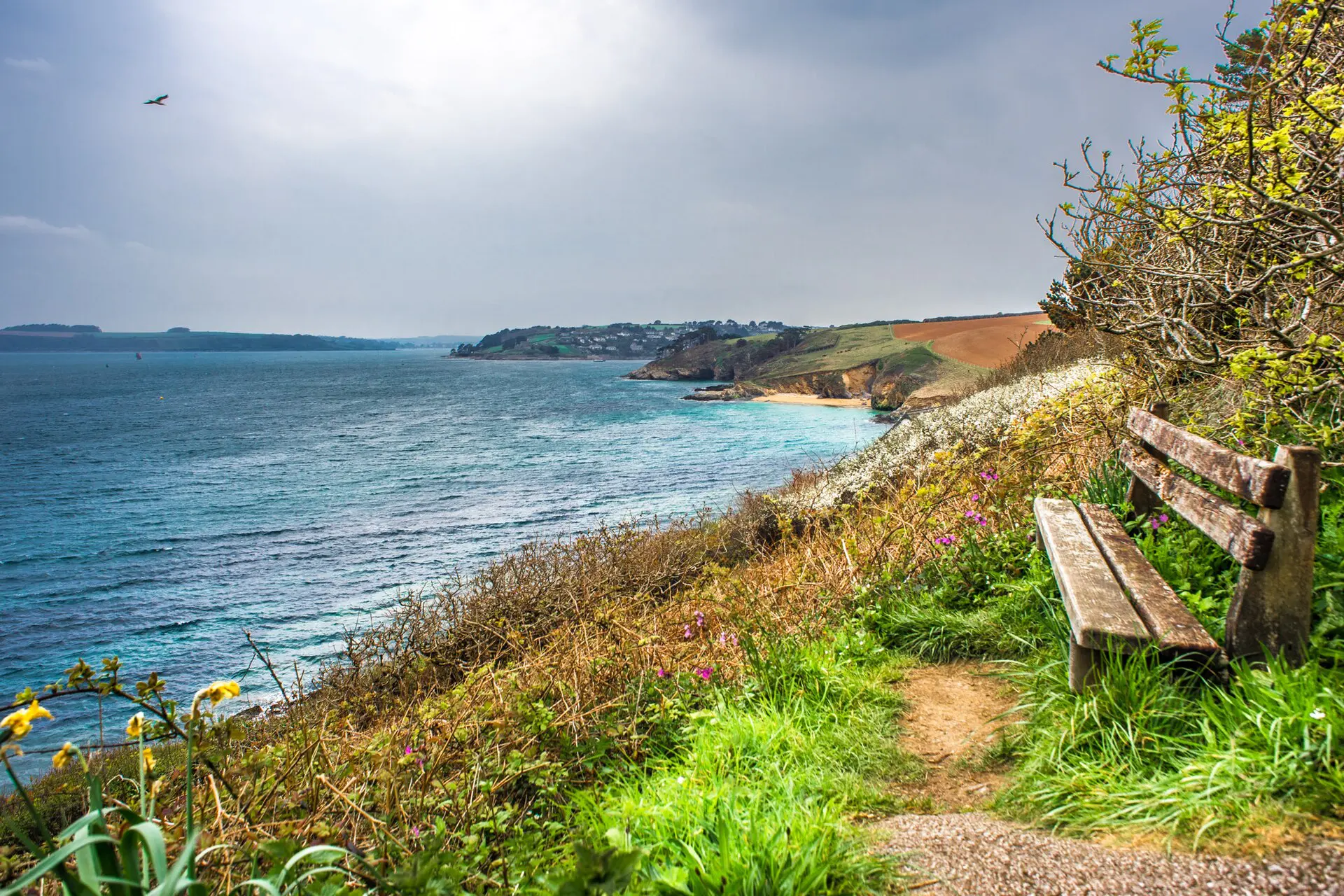
The national trail follows the Cornish coast. You can walk short sections of one to three hours in almost any town. Wear sturdy shoes, carry water and keep away from cliff edges, which can be unstable.
Mining heritage
Engine houses and old mine workings dot the coast and the area around Redruth and Camborne, and they are part of a UNESCO-recognised landscape. Allow two to three hours. Several sites have visitor centres with seasonal hours, so check before you travel.
Falmouth and the south coast
Falmouth is a working harbour town with a strong maritime feel. Allow half a day. From the town you can catch ferries on the River Fal and visit nearby creeks. Quiet coves and sheltered beaches make the south coast good for families.
Truro
Truro is Cornwall’s only city and its county town, with a cathedral and compact shopping streets. Allow two to three hours. It is a handy rail hub and a sensible rainy-day option.
Beaches and surfing
The north coast has large, exposed beaches that suit surfing, while the south coast is calmer. Allow a half day at any beach. Swim only where lifeguards are on duty, and check the tide times, as some beaches shrink quickly at high tide.
Best time to visit Cornwall
Cornwall’s climate is mild for Britain, but weather can change quickly and the coast is often windy. Summer is the warmest and busiest season, with school holidays bringing the heaviest traffic and highest prices. Spring and early autumn are quieter and often good for walking, while winter is wet and some attractions close.
| Season | Weather | Crowds and prices |
|---|---|---|
| Spring (Mar to May) | Mild, changeable, spring flowers | Quiet to moderate, good value |
| Summer (Jun to Aug) | Warmest, longest days, can be showery | Busiest, highest prices |
| Autumn (Sep to Nov) | Mild, often settled early | Quieter, lower prices |
| Winter (Dec to Feb) | Cool, wet and windy | Quietest, some places closed |
May, June and September give the best balance of weather and space.
How to get to Cornwall and around
Cornwall is a long way from most of England. Trains run to Truro, Penzance, Falmouth and other stations from Exeter and beyond, and a sleeper service also serves the county. Check current timetables, because journey times are long. The main airport is Newquay, with other options at Exeter, about an hour from the Devon border.
By road, the A30 and A38 are the main routes into the county. In summer, traffic on Saturdays and bank holidays is heavy, so avoid peak changeover days if you can.
Once there, a car is the easiest way to reach the coast, but lanes are narrow and parking in harbour towns fills early. Local buses link the main towns, and trains serve places such as St Ives and Falmouth on branch lines. Walkers can combine buses with the coast path for point-to-point routes.
Where to stay in Cornwall
West Cornwall around Penzance and St Ives suits first-time visitors who want coast, art and the far west in one area. It has the best mix of harbours, beaches and rail links, but it is also the busiest and most expensive in summer.
North Cornwall, including the area around Padstow and Newquay, suits surfers, families and beach lovers. Expect larger resorts as well as small villages, and book well ahead in school holidays.
The south coast around Falmouth and Fowey is more sheltered and suits couples and sailing fans. Inland towns such as Truro are cheaper bases with good transport links. Campsites, holiday cottages and guesthouses are widespread, and you should reserve early for July and August.
How many days do you need?
Four to five days is the minimum for a good feel of the coast, since distances and slow roads eat up time. A week allows a loop of the north and south coasts, and a long weekend works if you pick one area such as the far west. Plan to base in two places rather than moving every night.
- Day 1: Arrive in St Ives, walk the harbour and beaches, and take a short stretch of the coast path.
- Day 2: Drive the far west to Land’s End and the old mining coast around Pendeen.
- Day 3: Cross to the south coast for Falmouth, a river ferry and a harbour dinner.
Day trips and nearby
Isles of Scilly
This island group lies off the far southwest coast and is reached by boat or air from Penzance or Newquay. It is quieter than the mainland, with beaches and clear water. Allow at least a day, and check current ferry and flight schedules.
Dartmoor and Devon
Across the River Tamar lies Devon, with Dartmoor National Park and the coast beyond. It is best as a stop on the way in or out. Allow half a day if you are arriving by road.
Truro
The county town has a cathedral and good rail links, and it makes a useful base or a half-day stop. Allow two to three hours for the centre.
Penzance
This harbour town in the west is a gateway to Land’s End and the Isles of Scilly. It is the end of the main railway line, with ferry and bus links. Allow half a day.
FAQ
Q1When is the best time to visit Cornwall?
May, June and September offer the best balance of weather, daylight and space. July and August are warmest but busiest and most expensive, with heavy traffic. Winter is quiet and wet, and some attractions and cafes close, so check opening times.
Q2How many days do you need in Cornwall?
Four to five days gives you a good sample of the coast, and a week lets you cover the north and south. Distances look short on a map but roads are slow, so choose one or two bases rather than trying to see everything.
Q3How do you get to Cornwall?
Trains run from Exeter and beyond to Truro, Penzance and Falmouth, and Newquay has an airport. Most visitors drive, using the A30 or A38. Traffic is heavy on summer Saturdays, so check timetables and plan your arrival day carefully.
Q4Is Cornwall expensive?
Cornwall costs more in summer, especially for accommodation and parking in popular harbour towns. Prices drop in spring and autumn. Budget options include campsites, hostels and self-catering stays, and many beaches and coast path walks are free.
Prices, schedules and entry rules change. Check current details with official sources before you travel. Read the United Kingdom travel guide.