Why visit Bath
If you are planning things to do in Bath England, start with its history. The city in Somerset is known for, and named after, its Roman-built baths. It became a UNESCO World Heritage Site in 1987 and was later listed as one of the Great Spa Towns of Europe. It lies in the valley of the River Avon, 97 miles west of London and 11 miles southeast of Bristol.
The Romans built baths and a temple here around 60 AD, calling the place Aquae Sulis, after the goddess Sulis. In the Georgian era it became a fashionable spa, and the architecture, built from local Bath stone, includes the Royal Crescent, the Circus, the Grand Pump Room and the Assembly Rooms. About 4.4 million visitors come each year to a city of roughly 90,000 people, so expect crowds in the centre. It is also a university city with theatres, pubs and museums.
Top things to do in Bath
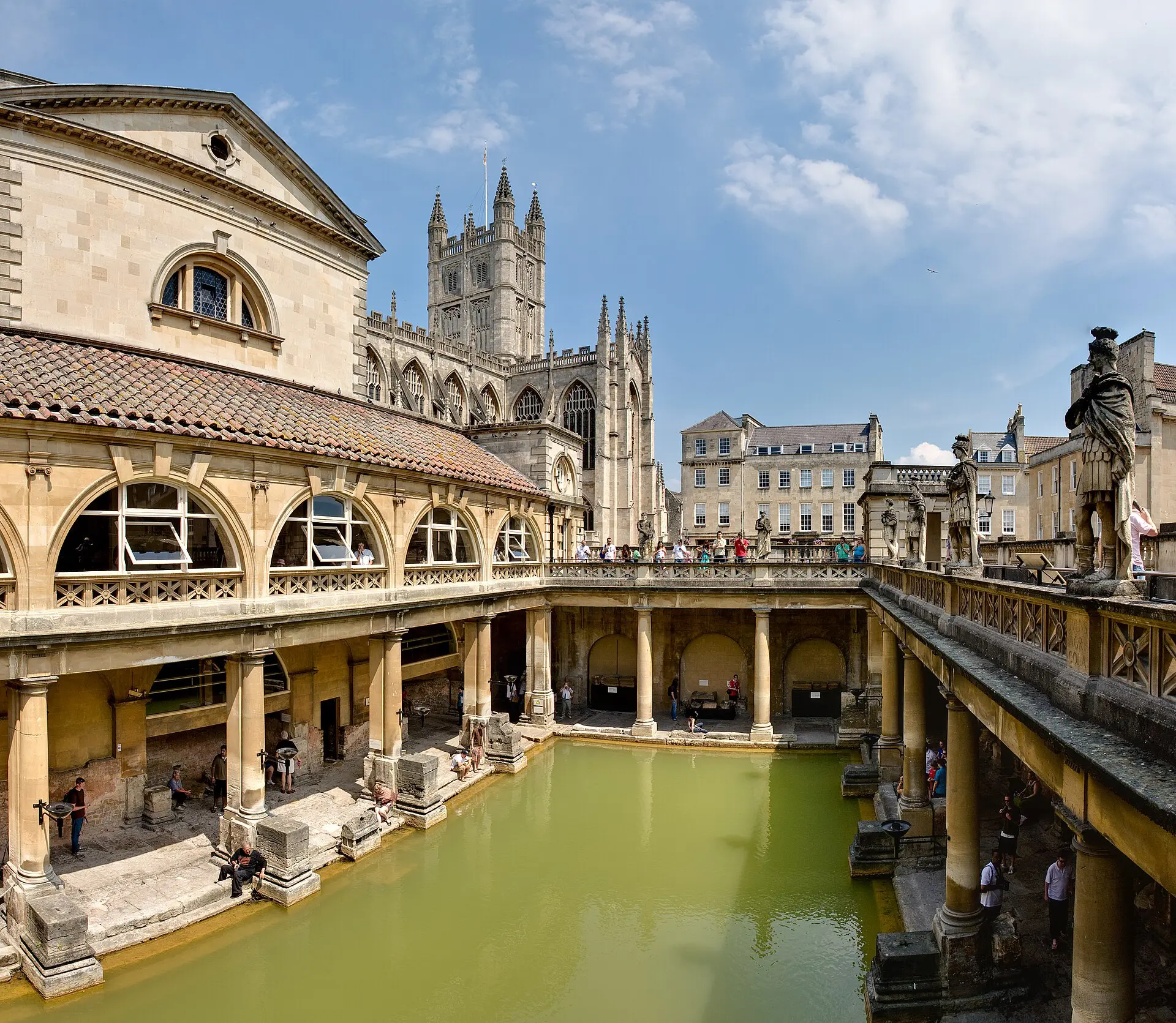
Visit the Roman Baths
The Roman complex built around the hot springs is the city’s best-known attraction. Allow about two hours. Check current ticket prices and book a time slot ahead, especially in summer, and go early or late to avoid peak crowds.
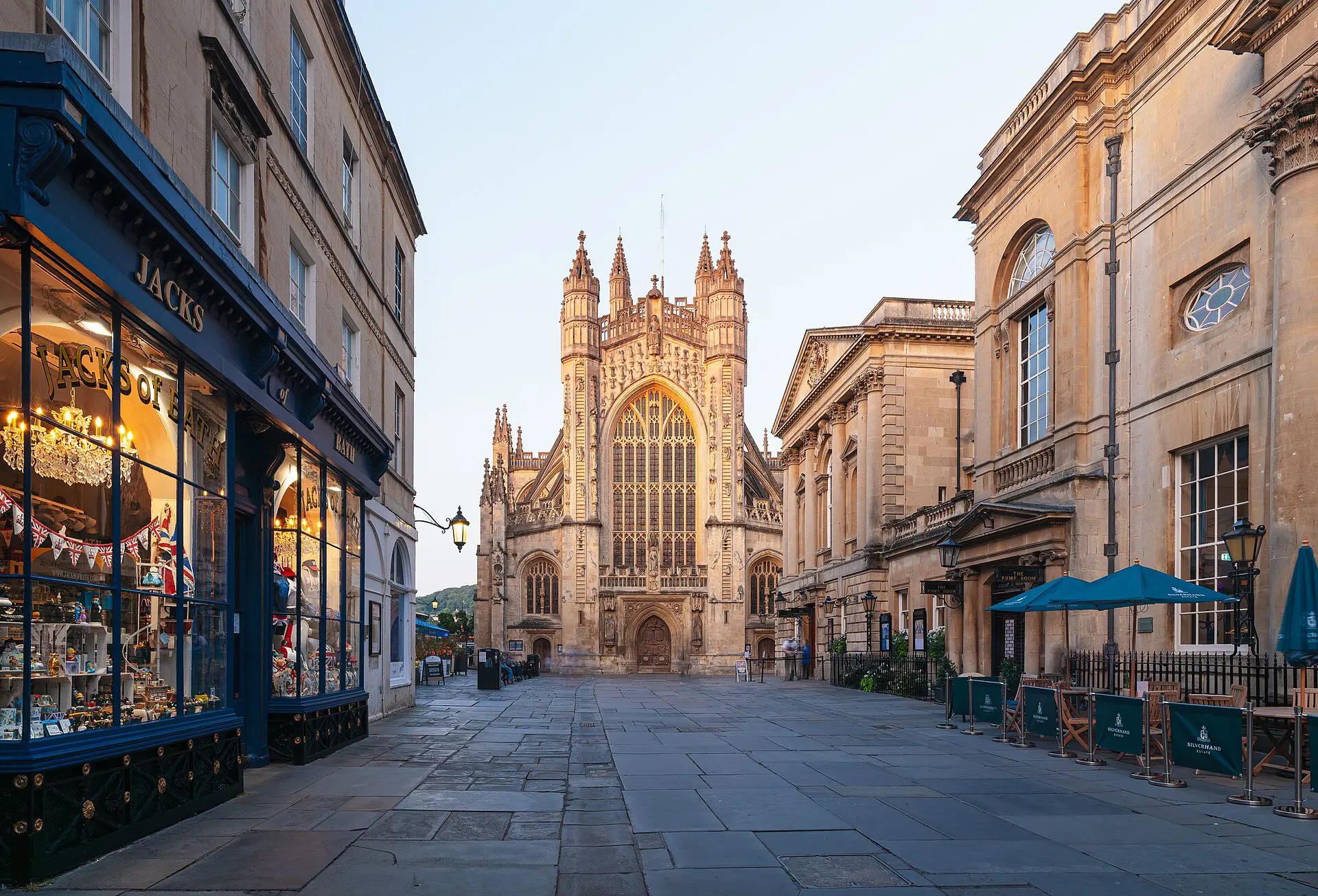
Step inside Bath Abbey
The abbey was founded in the 7th century and rebuilt in the 12th and 16th centuries. Allow 45 minutes to an hour. Check opening times, which change around services, and consider a tower tour if offered, since it gives city views.
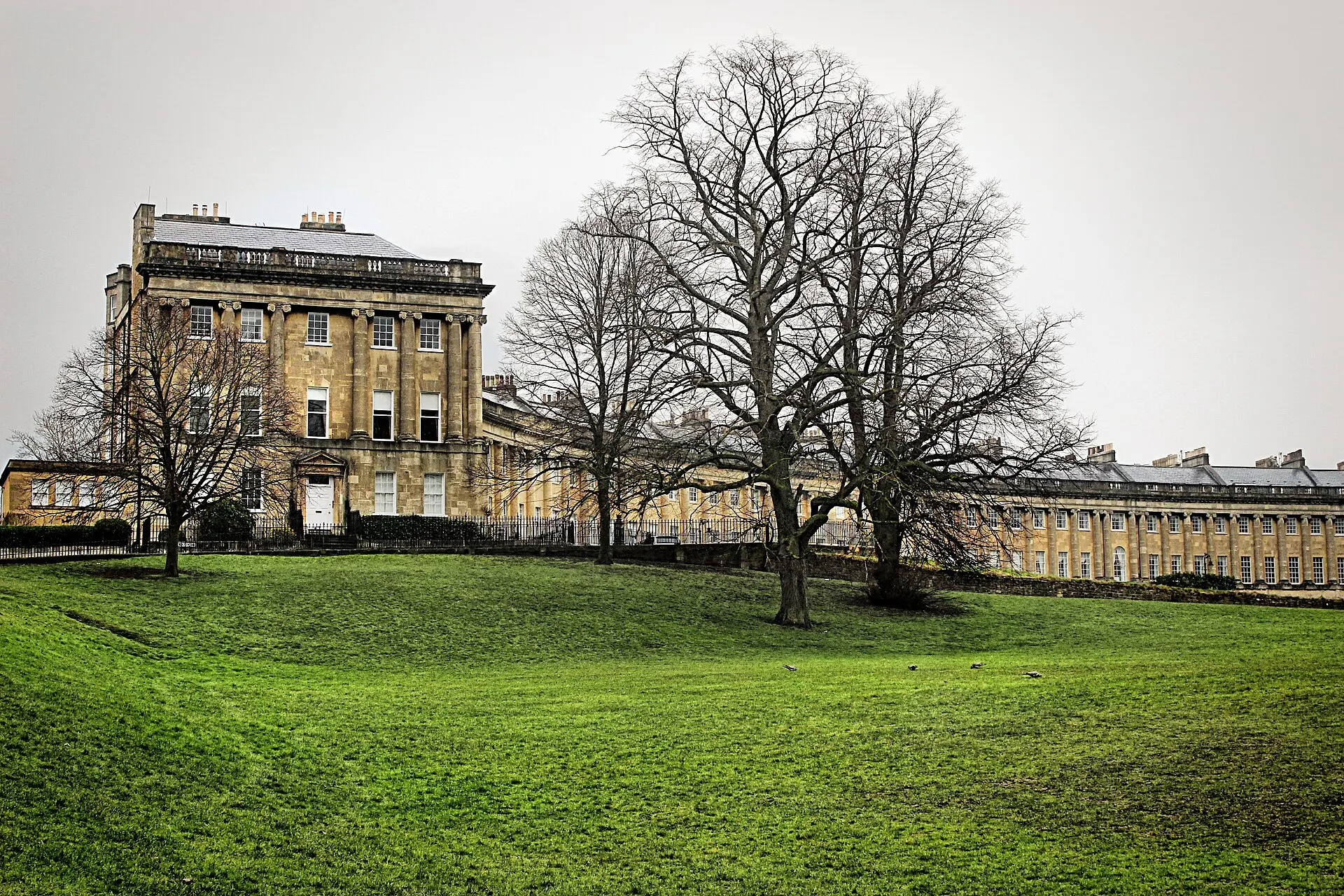
See the Royal Crescent and the Circus
The Circus was designed by John Wood the Elder and the Royal Crescent by his son, John Wood the Younger. Allow an hour to walk the area. Go in the morning for softer light, and wear comfortable shoes, since the streets slope.
Visit the Grand Pump Room
The Georgian Pump Room sits beside the Roman Baths and was a social centre of the spa city. Allow an hour, or longer if you stop for tea. Check opening hours and whether you need to book.
Explore the Assembly Rooms
The Georgian Assembly Rooms were a centre of the city’s social life, a tradition shaped by Beau Nash, master of ceremonies from 1705 until his death in 1761. Allow an hour. Check current opening times, as parts of the building may close for events.
Walk the river and the city centre
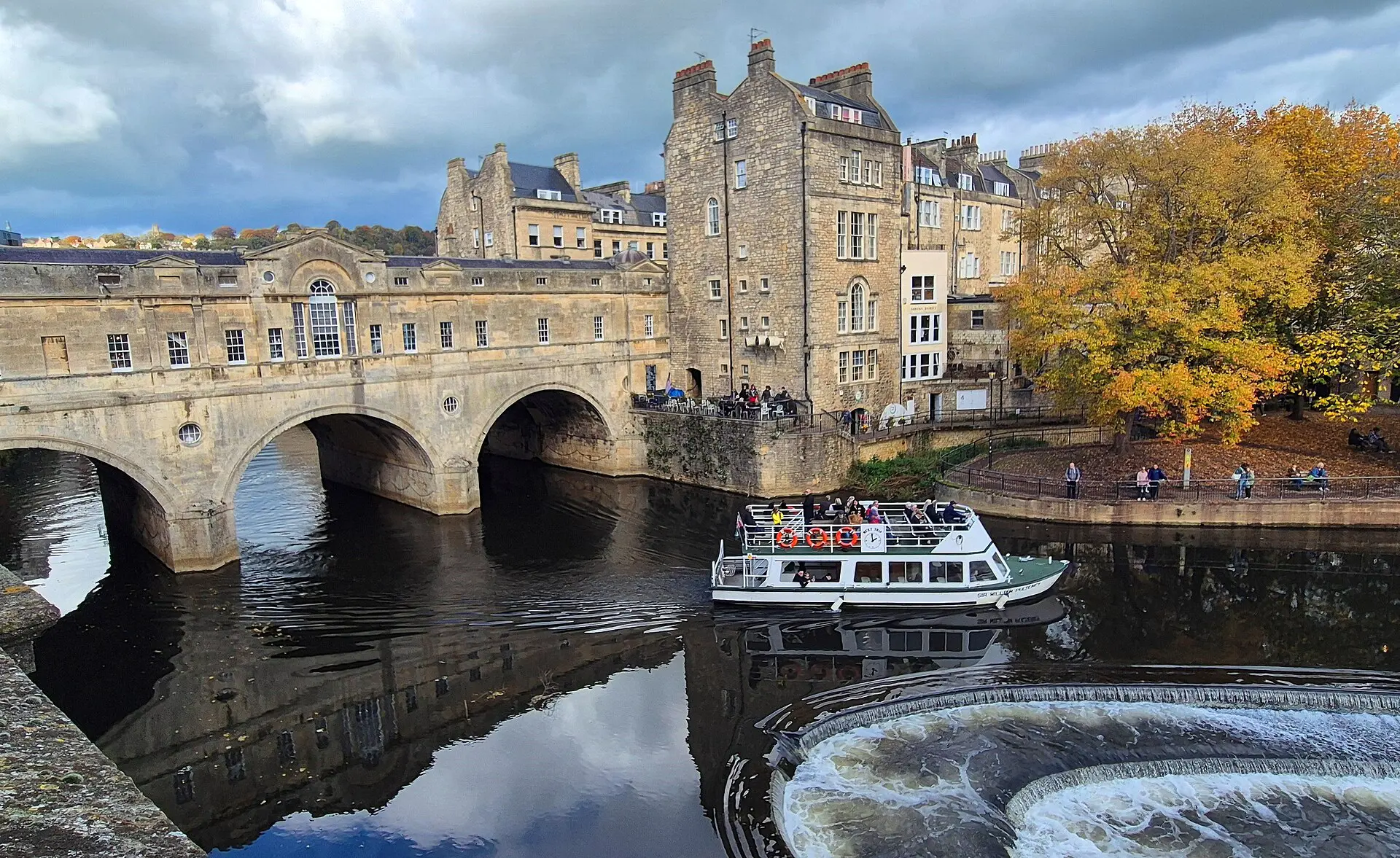
The River Avon runs through the city, and a stroll along it gives views of the old bridges and buildings. Allow one to two hours. It suits a free half day, with plenty of cafes and shops nearby.
Try a guided tour
A wide range of guided tours is available. Allow one to two hours for a walking tour. Check current operators and times, and book ahead in peak months.
Best time to visit Bath
Bath is a year-round destination, and the centre is busy most of the year. Spring and early autumn are the most comfortable, with mild weather for walking and fewer people than high summer. Summer brings the longest days, plus the biggest crowds and highest prices. Winter is quieter and cooler, with a seasonal market atmosphere in the run-up to Christmas, though rain is common.
| Season | Weather | Crowds and prices |
|---|---|---|
| Spring (March to May) | Cool to mild | Moderate |
| Summer (June to August) | Warm, rain possible | Busiest, highest prices |
| Autumn (September to November) | Mild, cooling | Moderate |
| Winter (December to February) | Cold, damp | Quieter, except near Christmas |
Carry a waterproof in any season, and book Roman Baths tickets early in summer.
How to get to Bath and around
Bath is easy to reach by train from London and Bristol, arriving at Bath Spa station, which is a short walk from the centre. The nearest major airports are Bristol and London’s airports, so check current rail or coach links. Coaches also serve the city, and driving is possible, though parking in the centre is limited and can be expensive.
The historic centre is compact and best explored on foot, and most sights lie within a short walk of each other. Hills can be steep in some areas, so wear comfortable shoes. Local buses help for outlying hotels and nearby villages. Many visitors use Park and Ride sites on the edge of the city, so check current options if you arrive by car, and avoid driving into the centre.
Where to stay in Bath
The city centre near the Abbey and the Roman Baths suits first-time visitors who want to walk everywhere. It can be busy and noisy at night, and prices are higher.
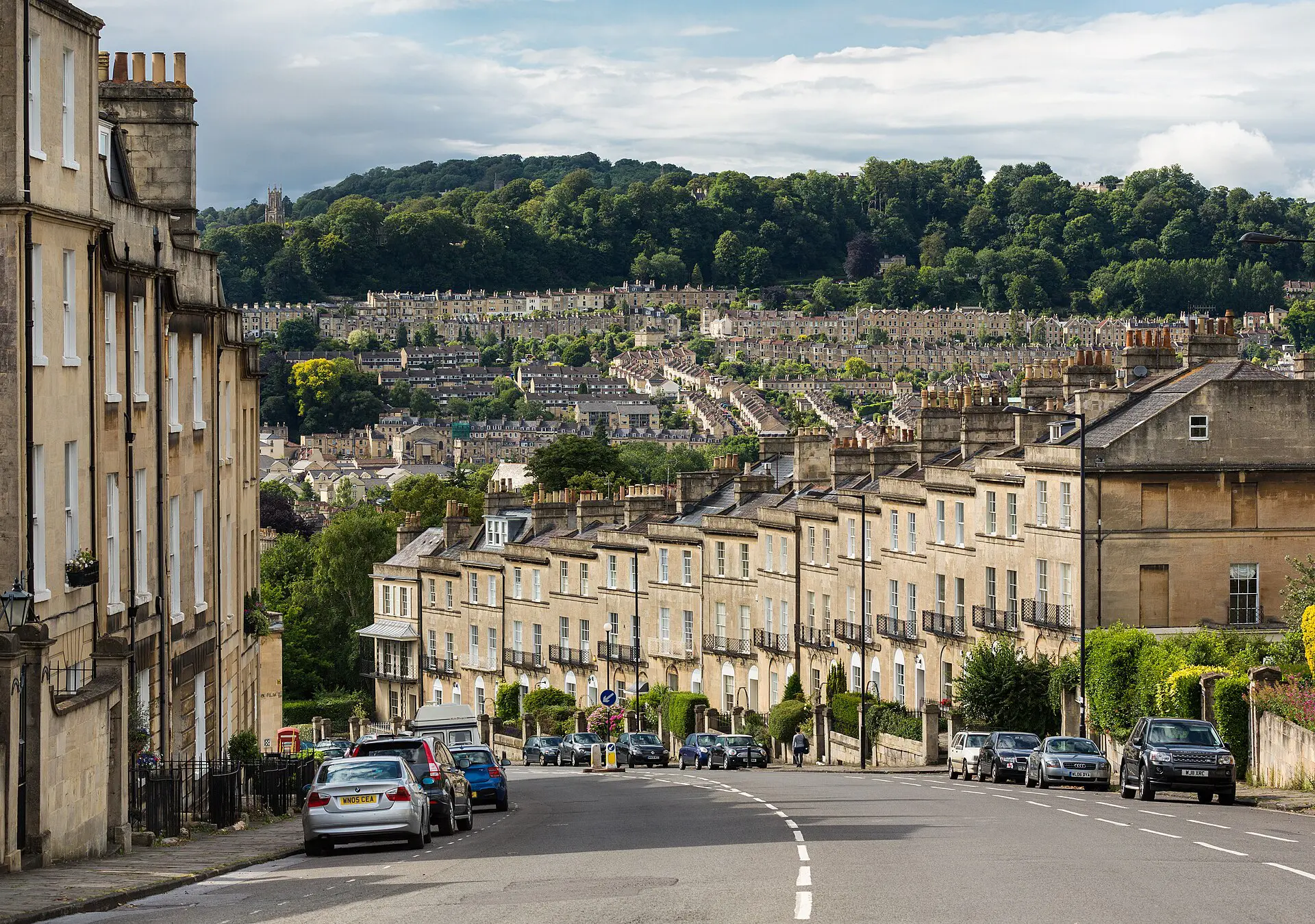
Areas around the Royal Crescent and the upper town suit those who want a Georgian setting, quieter streets and views, with a short walk to the centre.
Neighbourhoods near the station and the river suit short stays and easy connections. They tend to offer a wider range of prices.
Guesthouses and countryside stays on the edge of the city suit travellers with a car and those who want quiet, though they will need transport. Book early for weekends and summer.
How many days do you need?
One to two days covers the main sights. A single day works if you focus on the Roman Baths, the Abbey and the Crescent, while two days let you add museums and a slower pace. Here is a simple plan.
- Day 1: Roman Baths in the morning, then the Abbey and the Pump Room.
- Day 2: The Royal Crescent, the Circus and the Assembly Rooms, then a riverside walk.
Add a third day if you want to visit the countryside or nearby cities.
Day trips and nearby
Oxford
The university city is a longer trip by train or road, so check journey times and consider it a full day. It suits those interested in colleges and history.
London
The capital is 97 miles east and easy to reach by train. It works better as a separate stay than a day trip, so check train times and book in advance.
Cotswolds
Bath sits on the southern edge of the Cotswolds, with villages and countryside nearby. A car or guided tour helps, and public transport can be limited.
Bristol
Bristol lies 11 miles northwest and is a short train ride. Allow a day for harbourside walks and museums, and check current train times.
FAQ
Q1When is the best time to visit Bath?
Spring and early autumn have mild weather and fewer crowds than summer. Summer is busiest and most expensive, while winter is quieter but cold and damp, with a festive feel before Christmas. Carry a waterproof in any season.
Q2How many days do you need in Bath?
One to two days covers the Roman Baths, the Abbey, the Royal Crescent and a riverside walk. One day is enough for a quick visit. Add a day for museums, tours or a trip to nearby places.
Q3How do you get to Bath?
Take a train from London or Bristol to Bath Spa station, a short walk from the centre. The nearest major airports are Bristol and London. Check current rail and coach options, and use Park and Ride if you drive.
Q4Is Bath worth visiting?
Yes, for its Roman baths, Georgian architecture and compact, walkable centre. It is crowded in peak months, so go early or outside summer. It suits history and architecture fans, and it is an easy trip from London.
Prices, schedules and entry rules change. Check current details with official sources before you travel. Read the United Kingdom travel guide.