Why visit Oxford
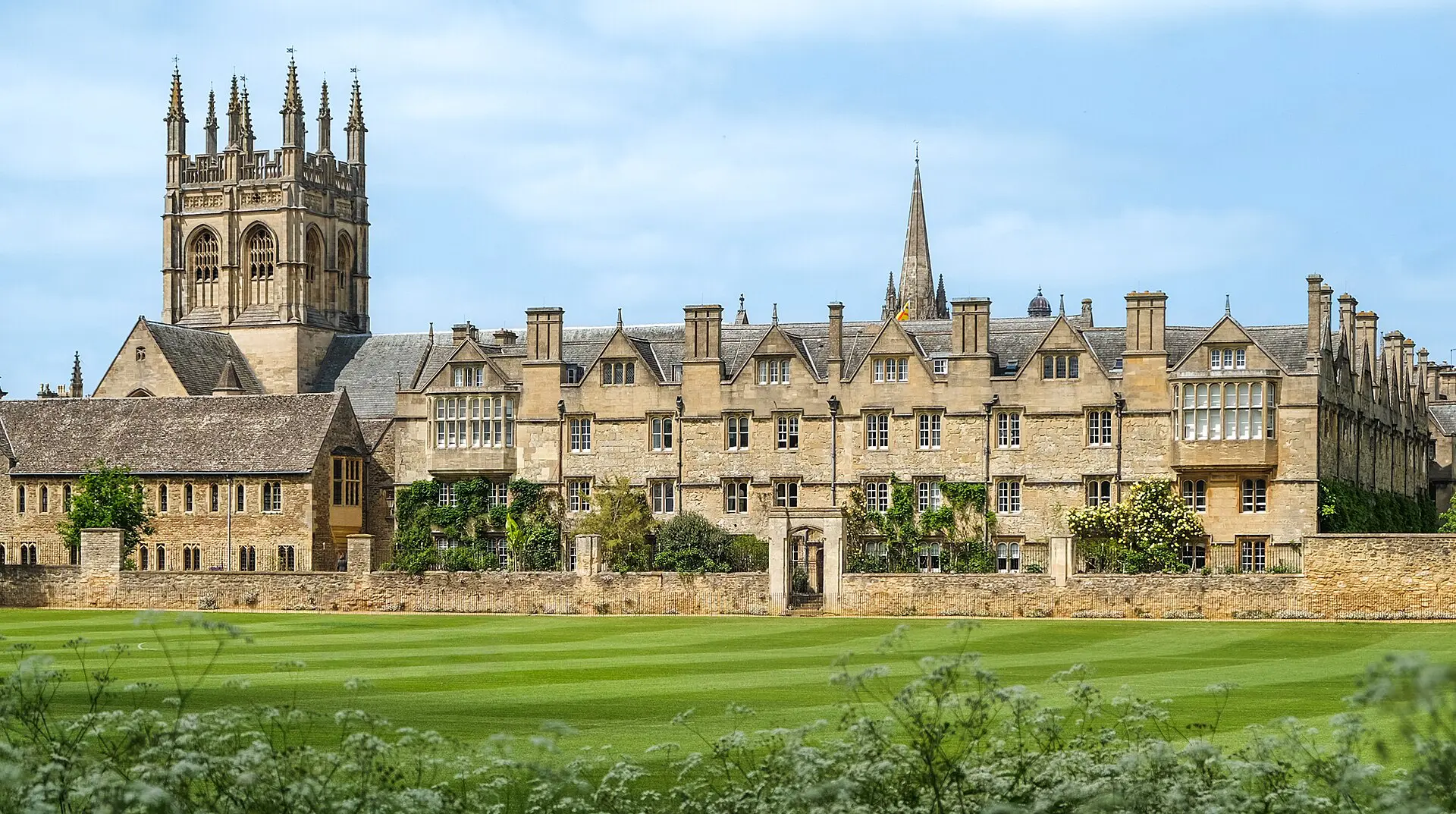
The most rewarding things to do in Oxford are all within a short walk of each other, which is part of its appeal. It is the oldest university city in the United Kingdom, about 80 km west of London on the Thames and the Cherwell, and its “dreaming spires” refer to the medieval churches and Gothic colleges that dominate the skyline.
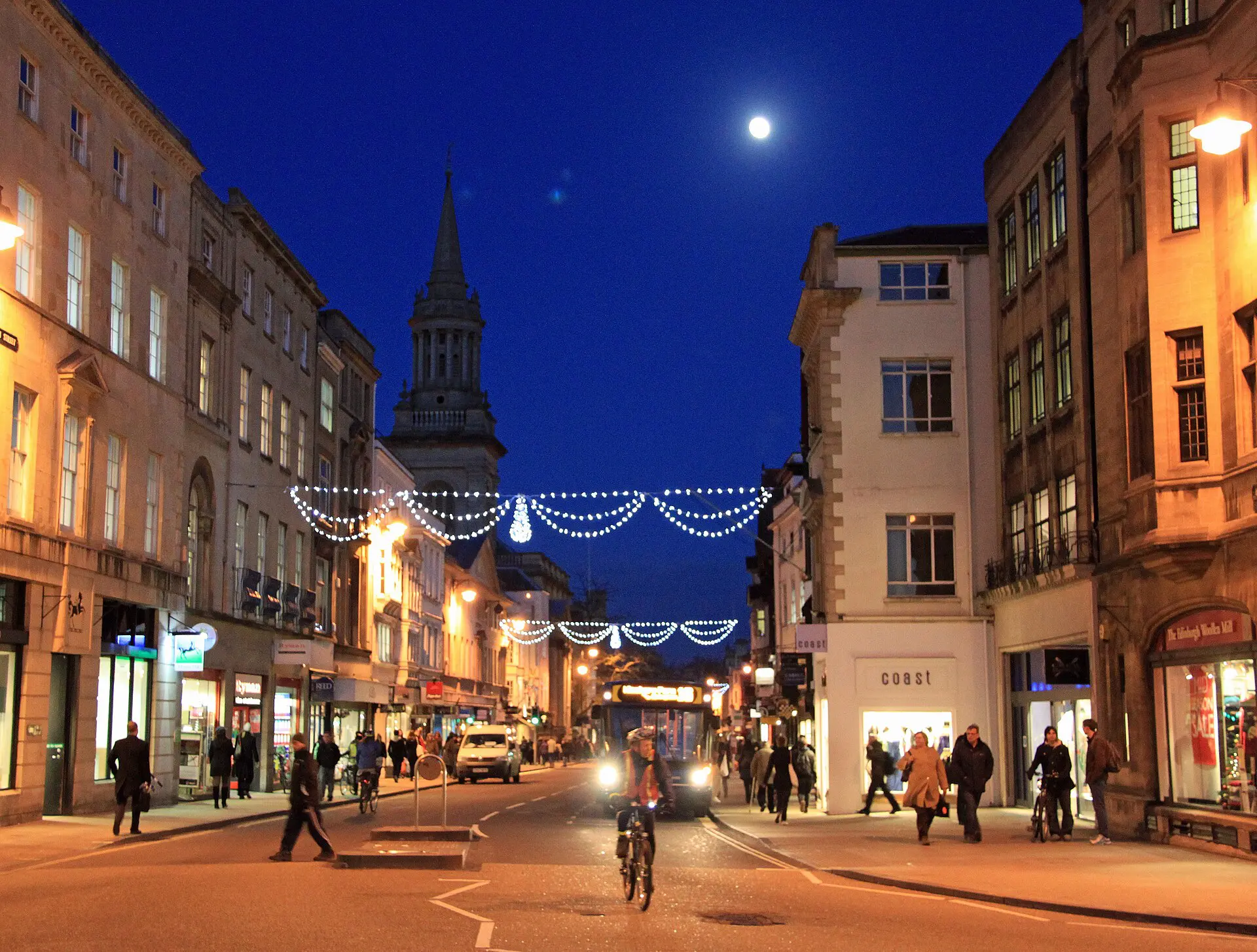
The colleges, the libraries and the museums give the city a depth that goes beyond a photo stop. Many of the university’s buildings are open to visitors, though opening times shift with the academic year, and some colleges close for exams or events.
Oxford is also a lively modern town, with markets, pubs, cafes and a busy river scene. It suits history lovers, literature fans and families, and it works as a day trip from London or as the start of a trip through the Cotswolds.
Top things to do in Oxford
Radcliffe Square and the Radcliffe Camera
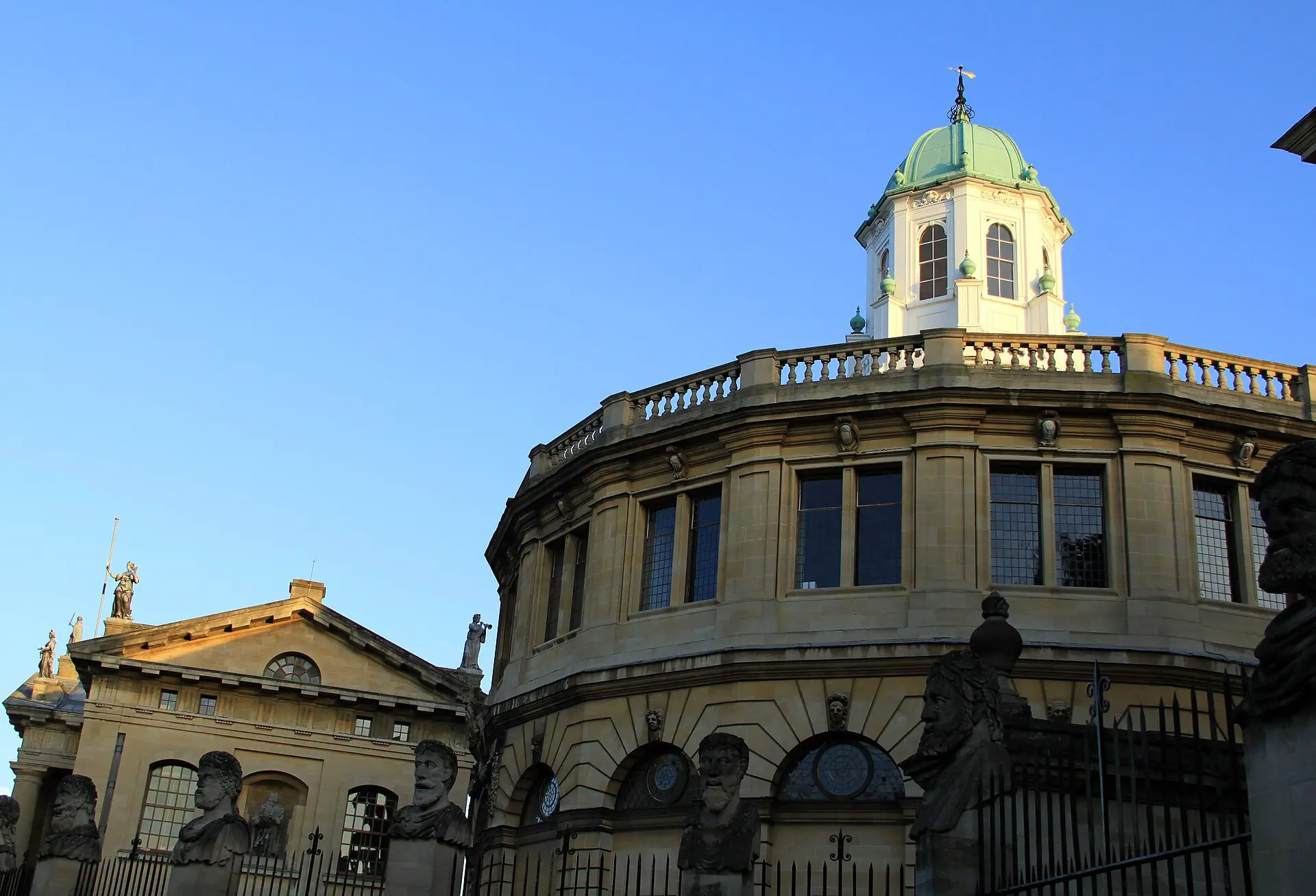
This is the postcard centre of Oxford, with the circular library building surrounded by university and church buildings. It is free to see from the outside, and some guided tours go inside. Visit early or late in the day for fewer crowds, and look for the tower of the university church for views.
Bodleian Library
One of the oldest libraries in Europe, with guided tours that take you through historic rooms. Tours usually need to be booked ahead and last about an hour. Check current tour times and rules on photography before you plan the day.
Christ Church
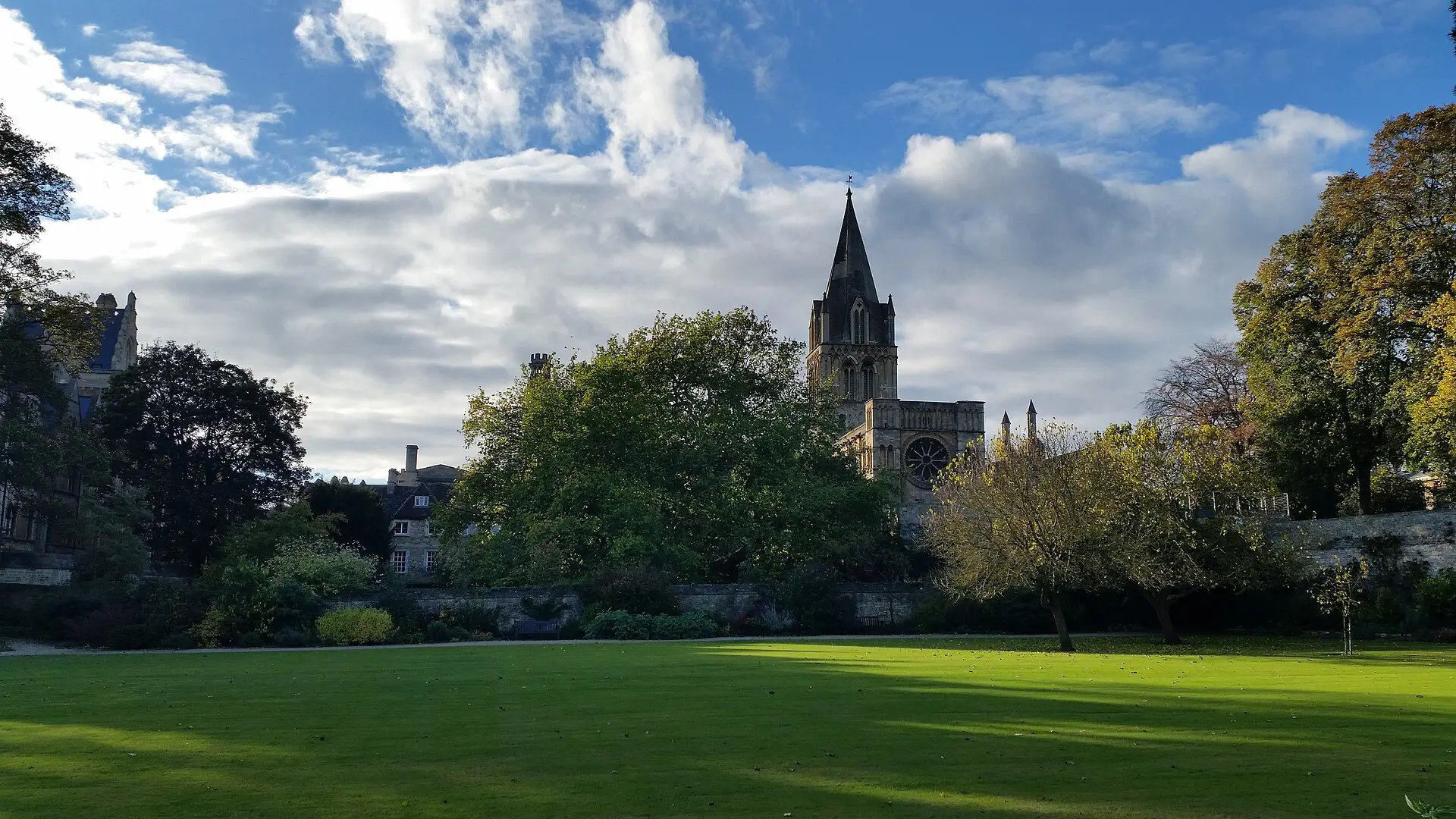
One of the best-known colleges has a grand hall, a cathedral and meadows beside the river. Entry is usually ticketed and can be limited during services or events, so check opening times first. Allow around an hour and a half, and arrive early to avoid queues.
Ashmolean Museum
The university’s art and archaeology museum is free to enter and covers a wide span, from ancient Egypt to modern art. Allow two hours for the highlights. It is a good wet-weather option, and the rooftop restaurant offers a break between galleries.
Punting and river walks
You can hire a punt on the Cherwell or the Thames, or walk along the towpaths and through the Christ Church Meadow. Allow one to two hours. Punting is trickier than it looks, so consider a chauffeured punt on a busy day.
Covered Market and the colleges
The Covered Market is a good stop for lunch, and many smaller colleges are worth a short visit, especially Magdalen, with its deer park. Allow half a day. Check each college’s visiting hours, as access varies by term and by day.
Best time to visit Oxford
Oxford has a mild, damp climate, and most of the sights are open year-round. Late spring and early autumn offer the best balance of weather and crowds, with gardens and meadows at their best.
| Season | Weather | Crowds and prices |
|---|---|---|
| Spring (Mar-May) | Cool to mild, some showers | Moderate, busier around Easter |
| Summer (Jun-Aug) | Warm, long days | Busiest, higher hotel prices |
| Autumn (Sep-Nov) | Mild, colourful | Moderate, students return |
| Winter (Dec-Feb) | Cold, damp, short days | Quiet, cheaper rooms |
Check university dates, since colleges can close for exams or graduation ceremonies, and book accommodation early in June and during graduation weeks.
How to get to Oxford and around
From London, the train is the simplest way to reach Oxford, with direct services from Paddington taking roughly an hour, and some from Marylebone. Coaches run from central London and from Heathrow and Gatwick airports, often with frequent departures (check current times and fares).
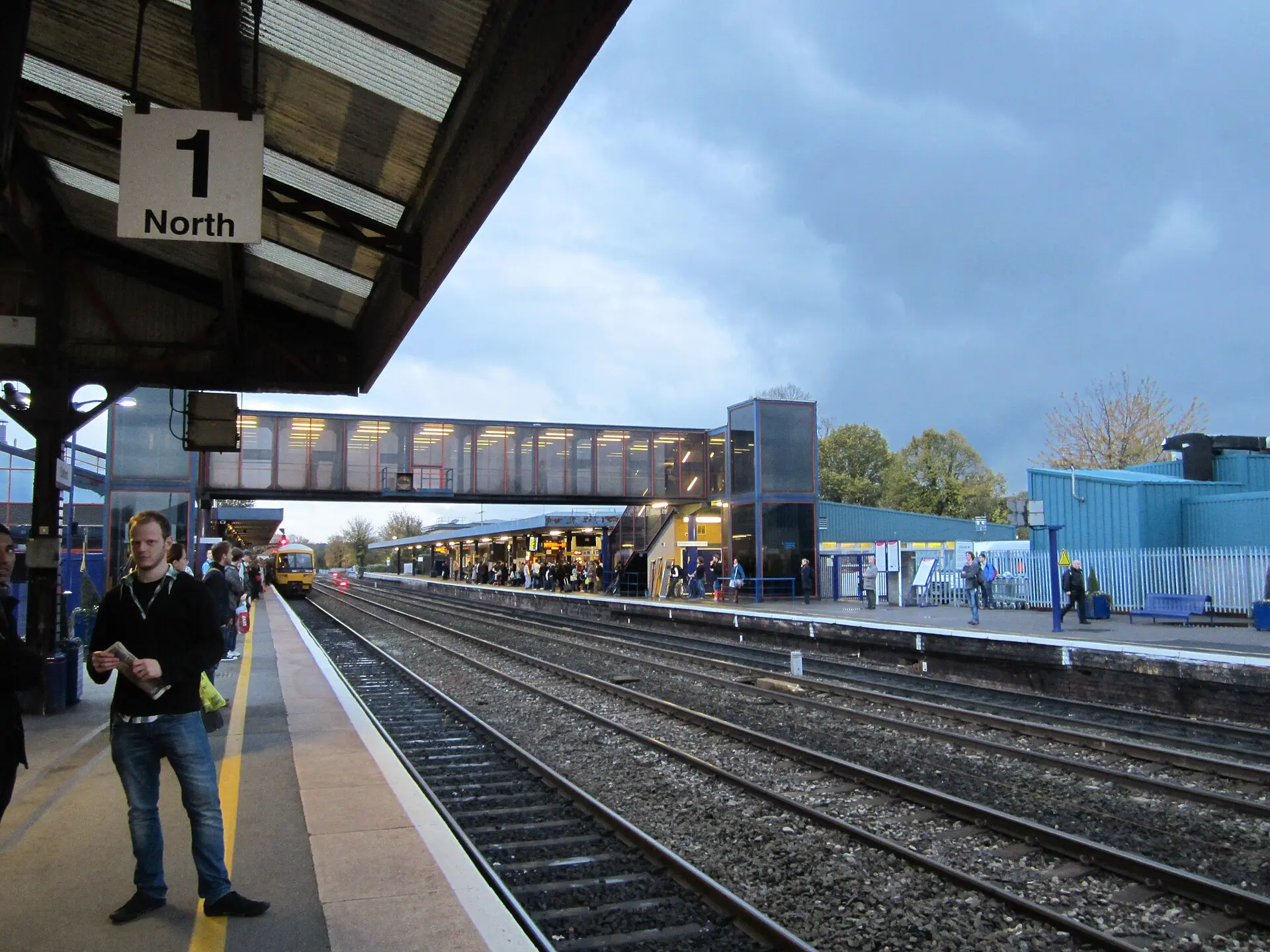
There is no airport in the city itself, so most international visitors arrive via Heathrow, which is roughly an hour away by coach. Driving is possible, but parking in the centre is expensive and limited, so many visitors use the park-and-ride sites on the edge of town.
The centre is compact and best seen on foot. Buses cover the wider area, and bicycles are common. Taxis are available at the station and in the centre.
Where to stay in Oxford
Oxford is a popular destination and accommodation can be expensive, especially in summer and on graduation weekends. Booking ahead is wise.
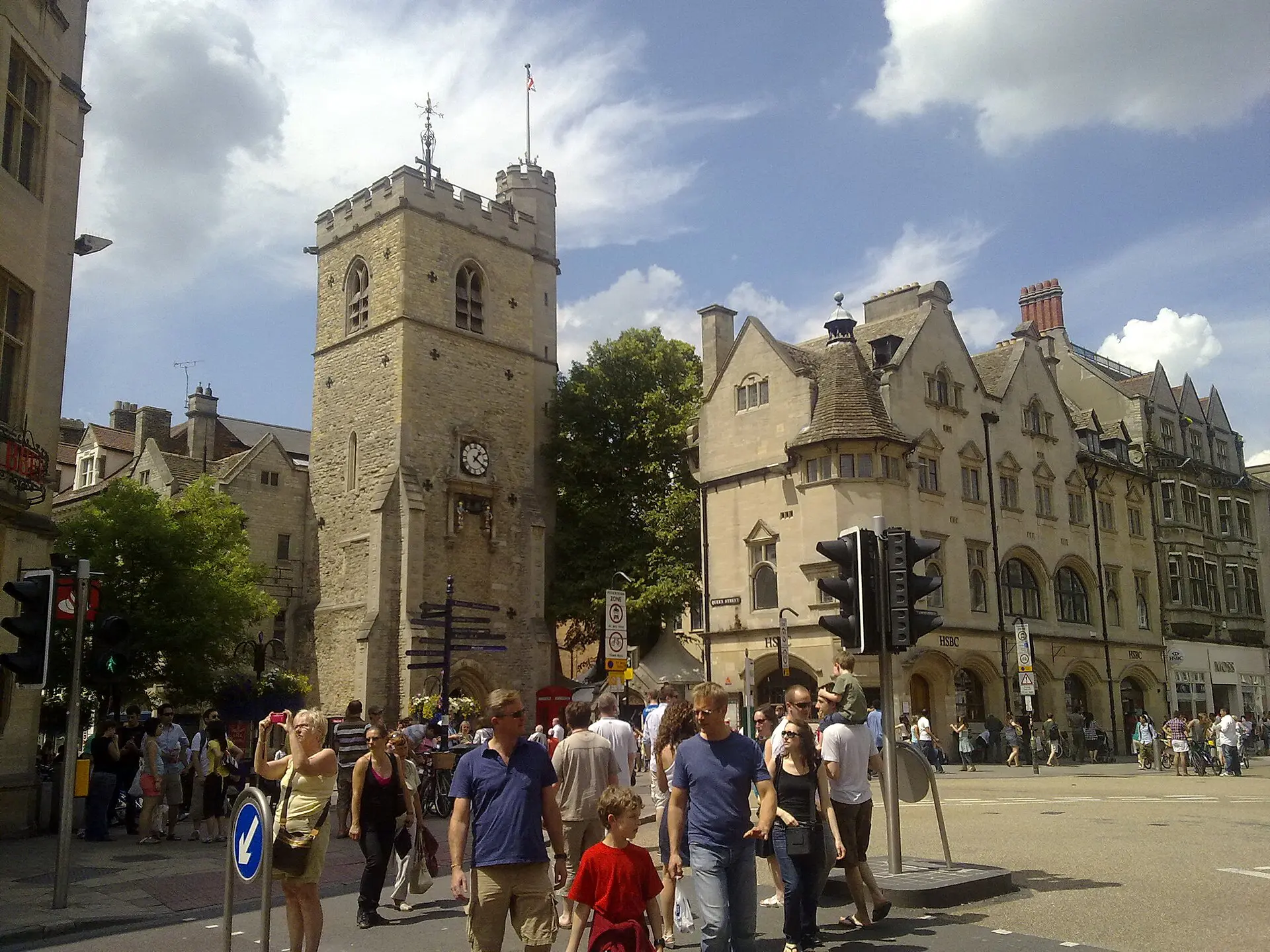
- City centre: the best choice for first-time visitors who want to walk to the colleges, though rooms are pricier and smaller.
- Jericho and Summertown: residential areas with cafes and independent shops, suited to those who want a calmer base and are happy with a short walk or bus ride.
- Near the station and Park-and-Ride sites: practical and cheaper, ideal for travellers on a budget or with a car.
- Nearby villages: guesthouses outside the city work for visitors combining Oxford with the Cotswolds.
College rooms are sometimes offered to visitors in the vacations.
How many days do you need?
You can see the main sights in one long day, particularly if you arrive early from London. Two days is more relaxed, letting you enter several colleges, spend time in a museum and enjoy the river. Book any timed tours in advance and plan around closing days.
- Day 1: Radcliffe Square, a Bodleian tour, lunch in the Covered Market and Christ Church in the afternoon.
- Day 2: the Ashmolean Museum, a few smaller colleges, and a punt or a walk along the river.
- Day 3 (optional): a day trip to Blenheim Palace or the Cotswolds.
Day trips and nearby
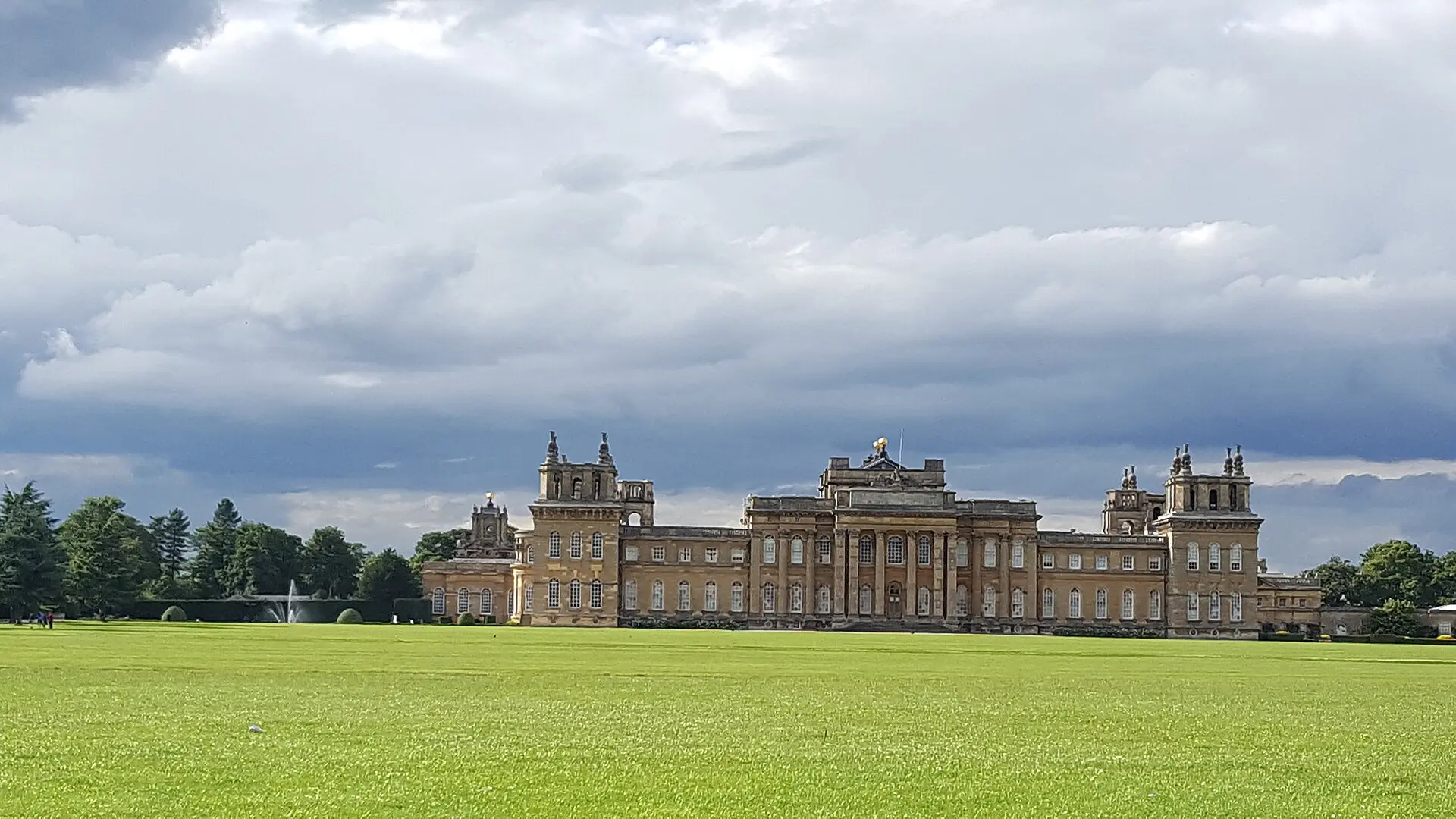
Blenheim Palace
This large baroque palace and park lies just outside the town of Woodstock, about 13 km from Oxford, and can be reached by bus. Allow half a day or more, and check ticket options for the house, the gardens and the park.
The Cotswolds
The honey-coloured villages of the Cotswolds begin a short drive west of the city. Without a car, a guided minibus tour is the easiest way to see a few villages in a day. Check what is included before you book.
London and Cambridge
London is around an hour by train, so it is easy to continue there after your stay. Cambridge, Oxford’s rival, is reachable by rail or coach, though the connection is less direct and usually takes longer, so allow most of a day.
FAQ
Q1When is the best time to visit Oxford?
Late spring and early autumn offer mild weather and fewer crowds than midsummer. Summer is busiest and rooms cost more, while winter is quiet and cheaper. Check college opening dates, as exams and graduation periods can limit access to some buildings.
Q2How many days do you need in Oxford?
One long day is enough to see the main sights, but two days is more comfortable and lets you visit several colleges, a museum and the river. Add a third day if you want a trip to Blenheim Palace or the Cotswolds.
Q3How do you get to Oxford from London?
Direct trains from London Paddington take about an hour, and some services also run from Marylebone. Coaches from central London and from Heathrow and Gatwick airports are another option. Check current timetables, and consider booking train tickets in advance for lower fares.
Q4Is Oxford expensive?
Accommodation is the main cost, especially in summer and during graduation weeks. Many sights, including some museums, are free, while college entry and tours are charged. Eating in markets and pubs, and staying outside the centre, can lower your daily costs.
Prices, schedules and entry rules change. Check current details with official sources before you travel. Read the United Kingdom travel guide.