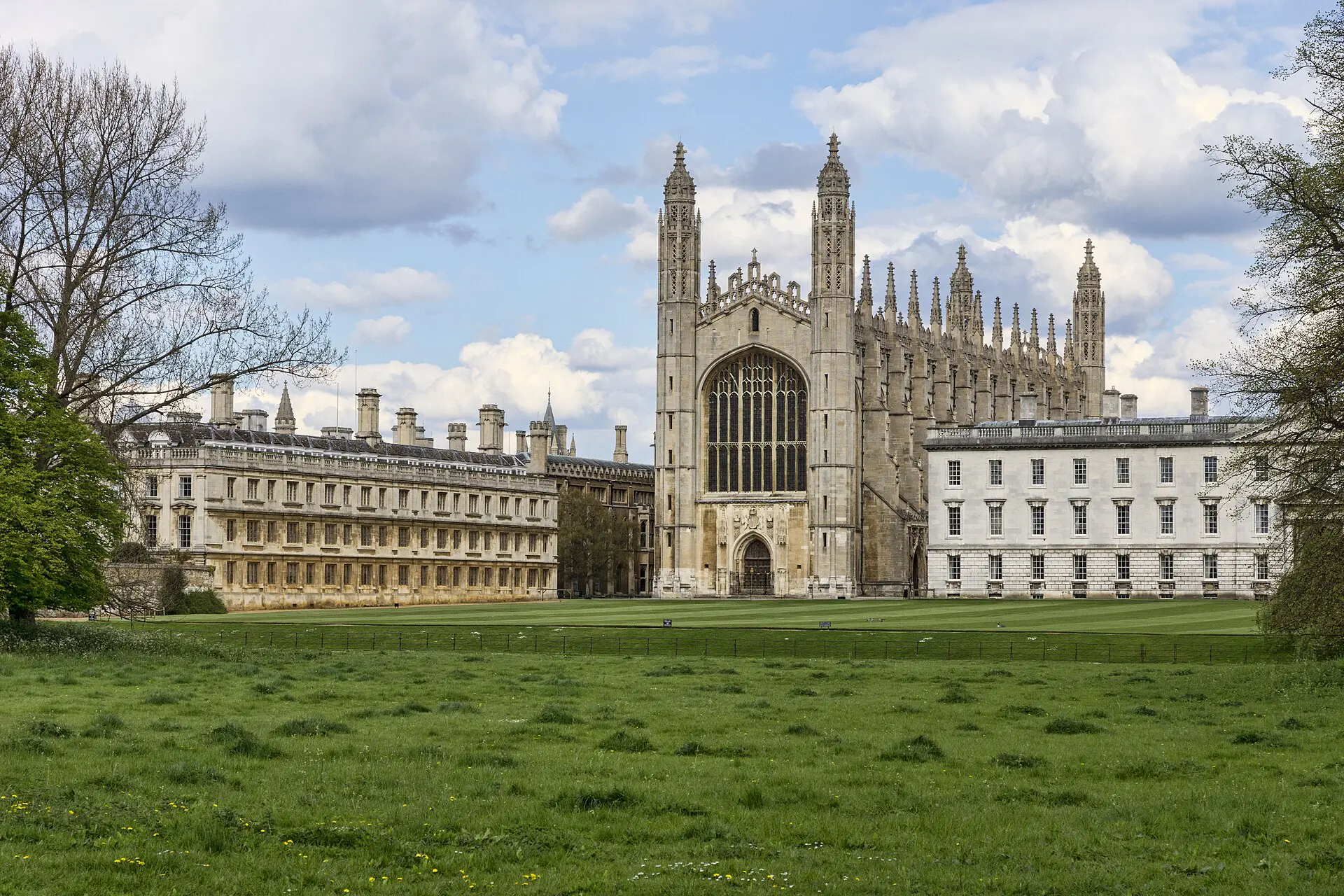
Why visit Cambridge
If you are looking for things to do in Cambridge, the answer starts with the university. The University of Cambridge was founded in 1209 and its colleges, chapels and libraries define the city centre, with King’s College Chapel as the best-known landmark. The city lies on the River Cam, about 55 miles (89 km) north of London, and is the county town of Cambridgeshire.
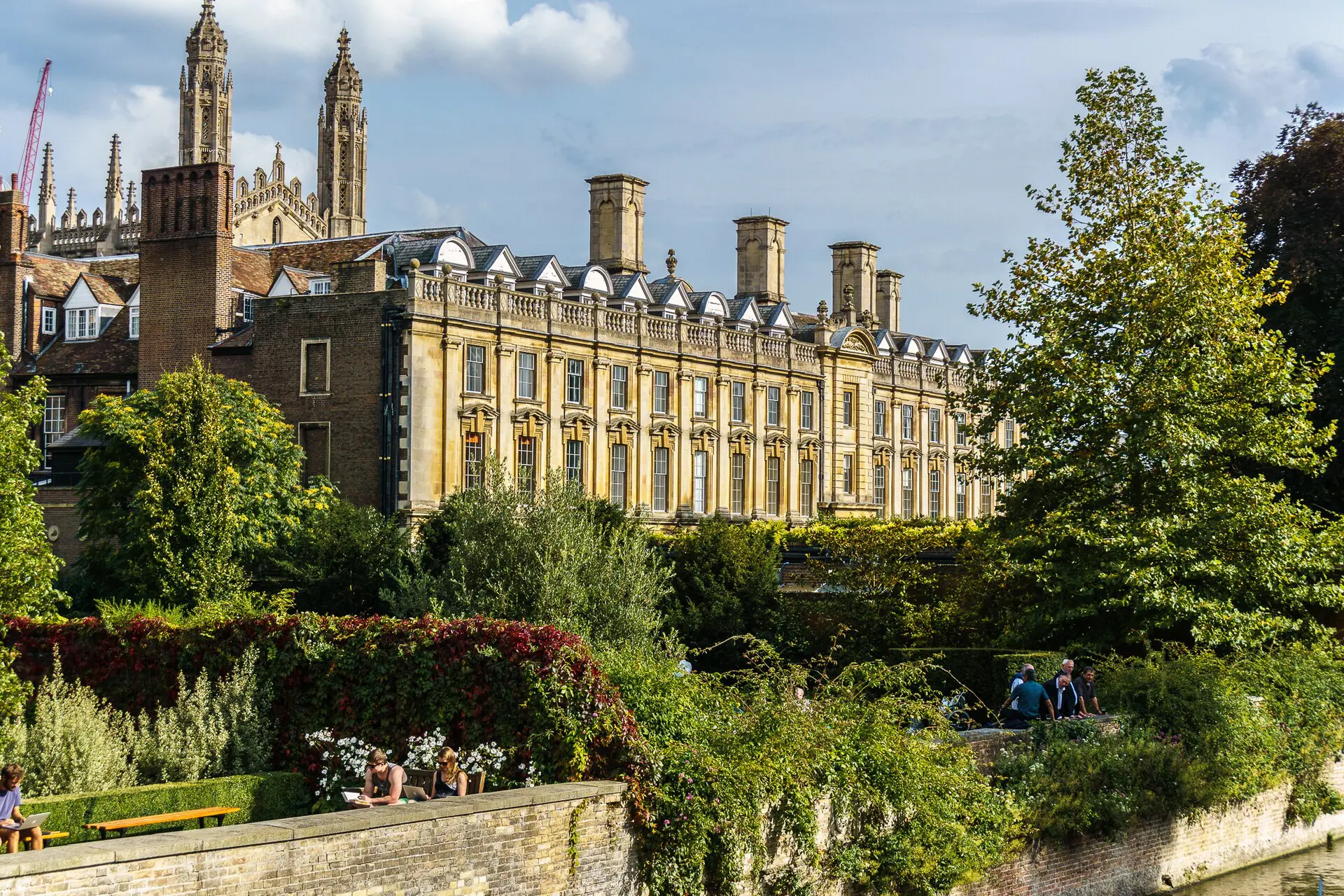
The centre is small and flat, so the sights sit close together. Stone courtyards, narrow lanes and open green spaces run down to the river, where the college gardens known as the Backs line the water. Students cycle everywhere, and in summer the river fills with punts.
It is also a modern science and technology centre, which gives the city an energy beyond the postcard view. Come for the architecture, stay for the riverside walks and a slow afternoon tea.
Top things to do in Cambridge
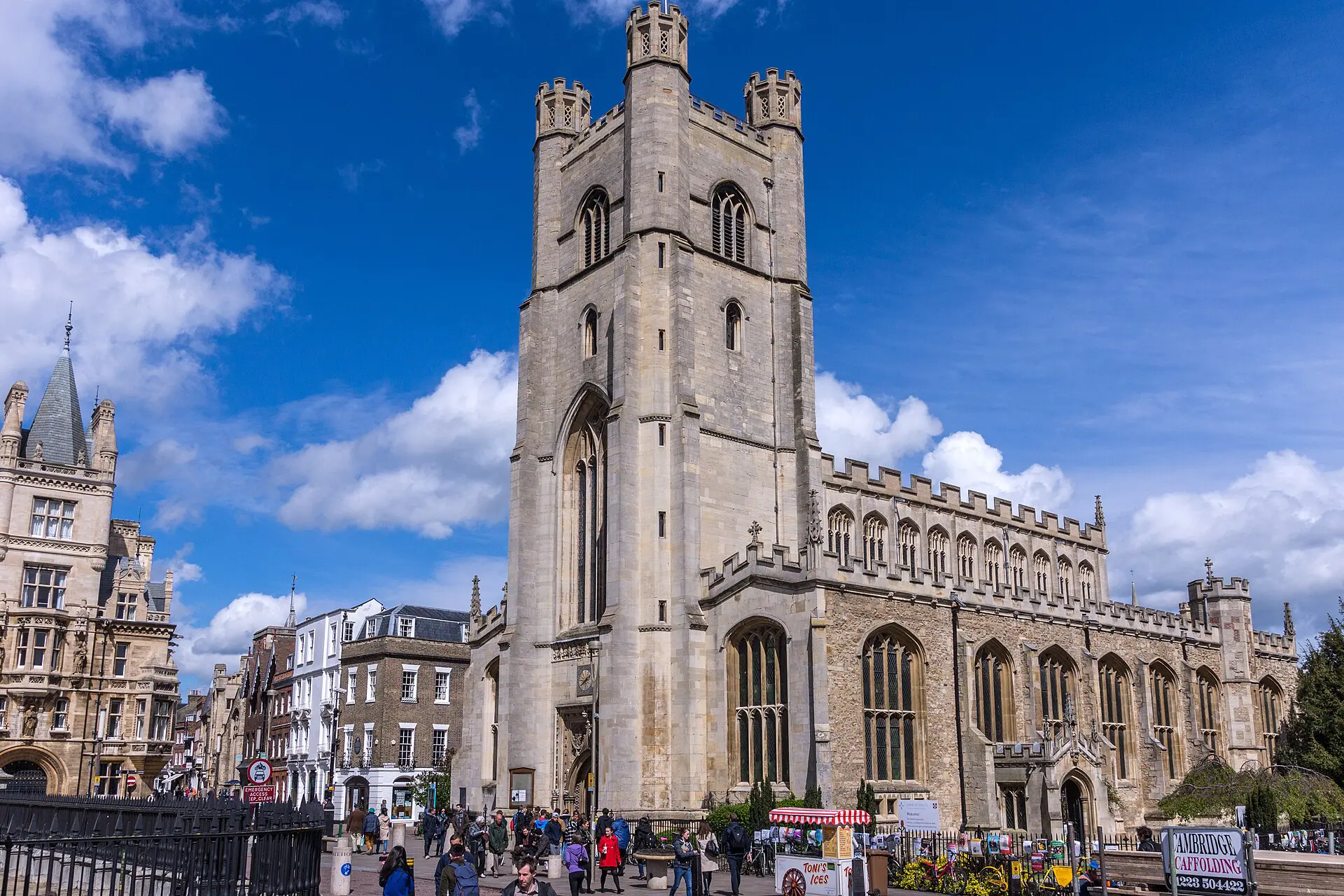
King’s College Chapel
The chapel is the icon of Cambridge, known for its Gothic architecture and famous choir. Allow about an hour. Opening hours change during term, exams and services, so check the college website before you go and book timed tickets in peak months.
Punting on the Cam
A punt trip along the Backs is the classic way to see the colleges from the water. You can book a chauffeured punt or hire one and pole it yourself. Allow about an hour. Self-punting is harder than it looks, so try a chauffeured trip first if you are unsure.
The Backs and college gardens
The green lawns and bridges behind several major colleges make a lovely walk, especially in spring when crocuses and daffodils bloom. You can enjoy much of the view from public paths and bridges. Allow one to two hours and bring a camera.
Visiting other colleges
Many colleges let visitors enter for a fee or at set times, but access is limited during exams and some close without notice. Pick two or three, such as Trinity or St John’s, and check opening times the day before you go. Allow about 30 minutes each.
Fitzwilliam Museum
The university’s art and antiquities museum has collections from ancient Egypt to modern art. Entry has traditionally been free, but check current arrangements. Allow one to two hours, and pick a few galleries rather than trying to see everything.
Market Square and the old streets
The market square lies at the heart of the city, with stalls, food vendors and bookshops nearby. Walk the lanes around it to see old pubs, colleges and shop fronts. Allow an hour, and note that market days and stall hours vary.
Botanic Garden
The university’s botanic garden is a calm, green stop away from the busiest streets, with glasshouses and a lake. Allow an hour or so. It works well as a rest between college visits, so check opening hours and ticket prices first.
Best time to visit Cambridge
Spring is a favourite time, when the Backs are covered in crocuses and daffodils and the weather is mild. Summer brings the warmest days, punting and long evenings, but also the largest crowds and the highest hotel prices. Many colleges restrict visitors during the exam period in late spring and early summer.
Autumn is quieter, with students returning and good light for photographs. Winter is cold and can be wet, but the centre is calm and the college buildings look atmospheric. Some attractions have shorter hours then. The weather in England is changeable at any time, so pack a layer and a rain jacket.
| Season | Weather | Crowds and prices |
|---|---|---|
| Spring | Mild, spring flowers on the Backs | Moderate, rising towards summer |
| Summer | Warmest, longest days | Busiest, highest prices |
| Autumn and winter | Cool to cold, often damp | Quieter, better value |
How to get to Cambridge and around
Trains from London take under an hour, with services from London King’s Cross and, on other routes, from Liverpool Street. Check timetables before travelling. Stansted Airport is the nearest large airport and has a direct rail link, and many visitors also arrive via Heathrow or Luton using trains or coaches.
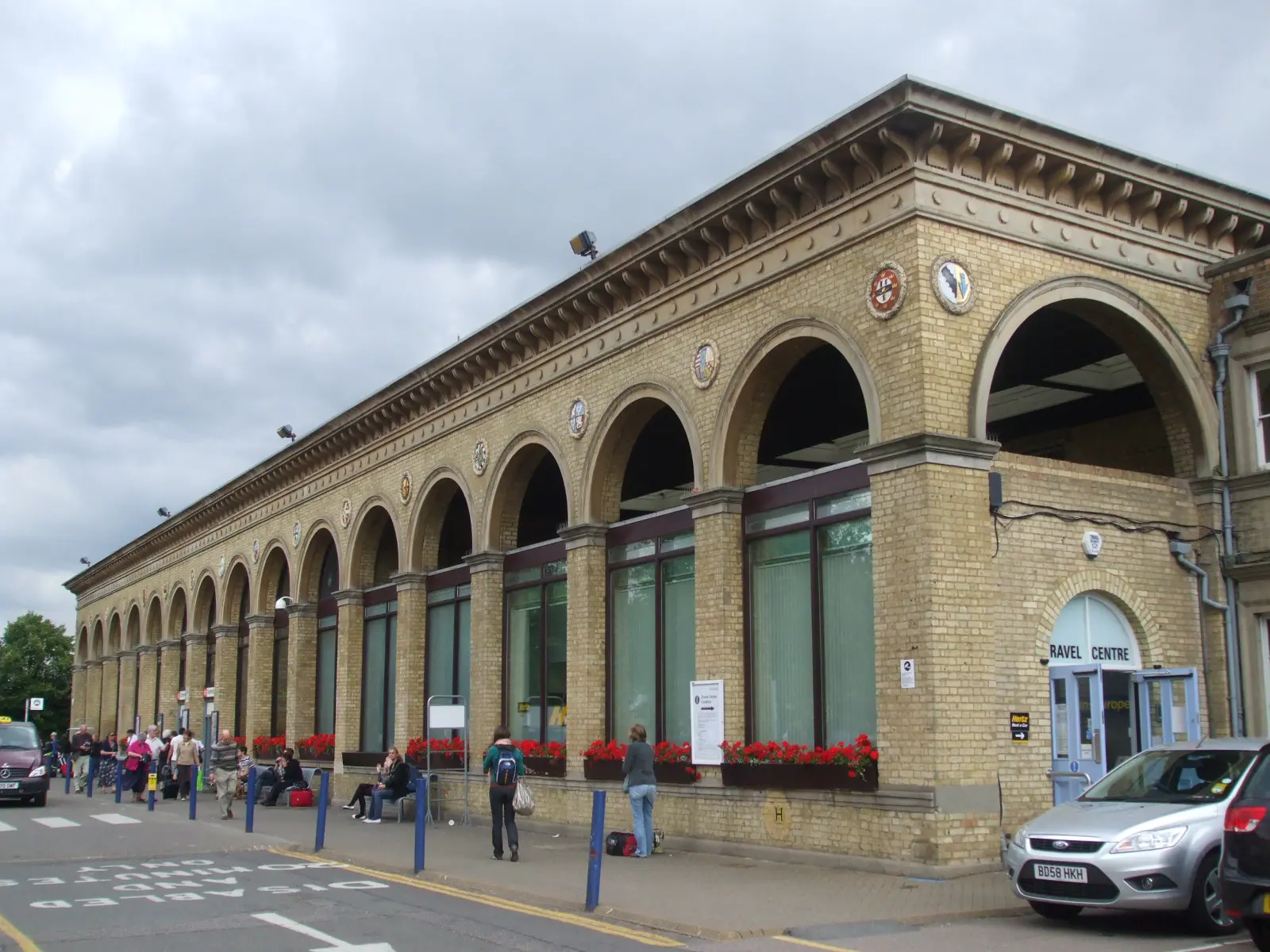
The station sits a short walk or bus ride south of the centre. Once in the city, walking is the best option, because the colleges, river and market are all close. Cycling is popular, and bicycles can be hired. Cars are not helpful in the old centre because of limited parking and restricted streets, so use the park and ride sites on the edge of town if you drive.
Where to stay in Cambridge
The historic centre has the most atmosphere, with small hotels and guesthouses close to the colleges and the river. It suits first-time visitors who want to walk everywhere, though rooms are often pricey, especially in summer and around graduation weeks.
Areas around the station and on the south side of the centre offer more modern hotels, usually at slightly lower rates, and give quick access to the train. They suit short stays and travellers arriving by rail.
Budget-minded visitors can look at the outskirts, the surrounding villages or nearby towns, then use buses or park and ride services to reach the centre. Book well ahead for summer weekends and university events, since rooms can fill early.
How many days do you need?
One full day is enough for a first look: the main colleges, a punt and a stroll through the market. A second day lets you add a museum, the Botanic Garden and a slower walk along the river. Three days is only needed if you add day trips or want to work through several museums.
- Day 1: King’s College Chapel in the morning, a walk along the Backs, a punt on the Cam after lunch, and an evening around the market square.
- Day 2: Fitzwilliam Museum, one or two more colleges, then the Botanic Garden or a riverside walk.
- Day 3: A day trip to a nearby city such as Oxford or a return to London, depending on your plans.
Day trips and nearby
London
The capital is under an hour away by train, so it works as a day trip in either direction. Many visitors base themselves in Cambridge and go in for a day, or the other way around. Check train times and book ahead for savings.
Oxford
England’s other great university city lies to the west. The journey is not direct by train and takes a few hours, so it works better as a separate stop than a day trip, though it pairs naturally with Cambridge.
York
York is further north and better as an overnight stop, with its medieval walls and minster. It is reachable by train with a change, so check the timings carefully before planning it as part of the same trip.
Bath
This Georgian spa city lies in the southwest and is a longer journey from Cambridge. It fits best as part of a wider England itinerary, rather than a day trip from here.
FAQ
Q1When is the best time to visit Cambridge?
Spring and early summer are popular, with flowers on the Backs and pleasant weather. Summer is warmest but busiest. Autumn is quieter and good for photography. Check college opening times during exam periods, when access can be limited.
Q2How many days do you need in Cambridge?
One full day covers the main colleges, a punt and the market. Two days lets you add the Fitzwilliam Museum, the Botanic Garden and more relaxed walks along the river. A third day only makes sense if you add trips.
Q3How do you get to Cambridge from London?
Direct trains run from London and take under an hour, so it is a popular day trip. Stansted Airport also has a rail link. Check current timetables, and book in advance where possible for cheaper fares.
Q4Is Cambridge expensive?
Cambridge is not cheap, especially for hotels in summer. Many walks and green spaces are free, while college entry, punting and meals add up. A mid-range traveller might budget around GBP 120-220 per day, though prices change.
Prices, schedules and entry rules change. Check current details with official sources before you travel. Read the United Kingdom travel guide.