Why visit Liverpool
If you are deciding on things to do in Liverpool, begin with its identity. It is a big city in Merseyside, England, famed for its football teams, the Grand National horse race, music including the Beatles, lively nightlife and a strong arts and culture scene.
Within the historic boundaries of Lancashire, Liverpool became one of the leading ports linking Europe to the Americas. By the 1861 census it was England’s second most populated city. Many Europeans migrating to the New World passed through it, particularly Irish and Italian travellers, and the city still has a large Irish community and two impressive cathedrals.
Today the waterfront, museums and galleries make it a rewarding city break. Most major sights cluster around the docks and the city centre, so you can walk between them. Add the music venues, the football grounds and the friendly local humour, and you have a destination that feels distinctive even to people who have visited other British cities.
Top things to do in Liverpool
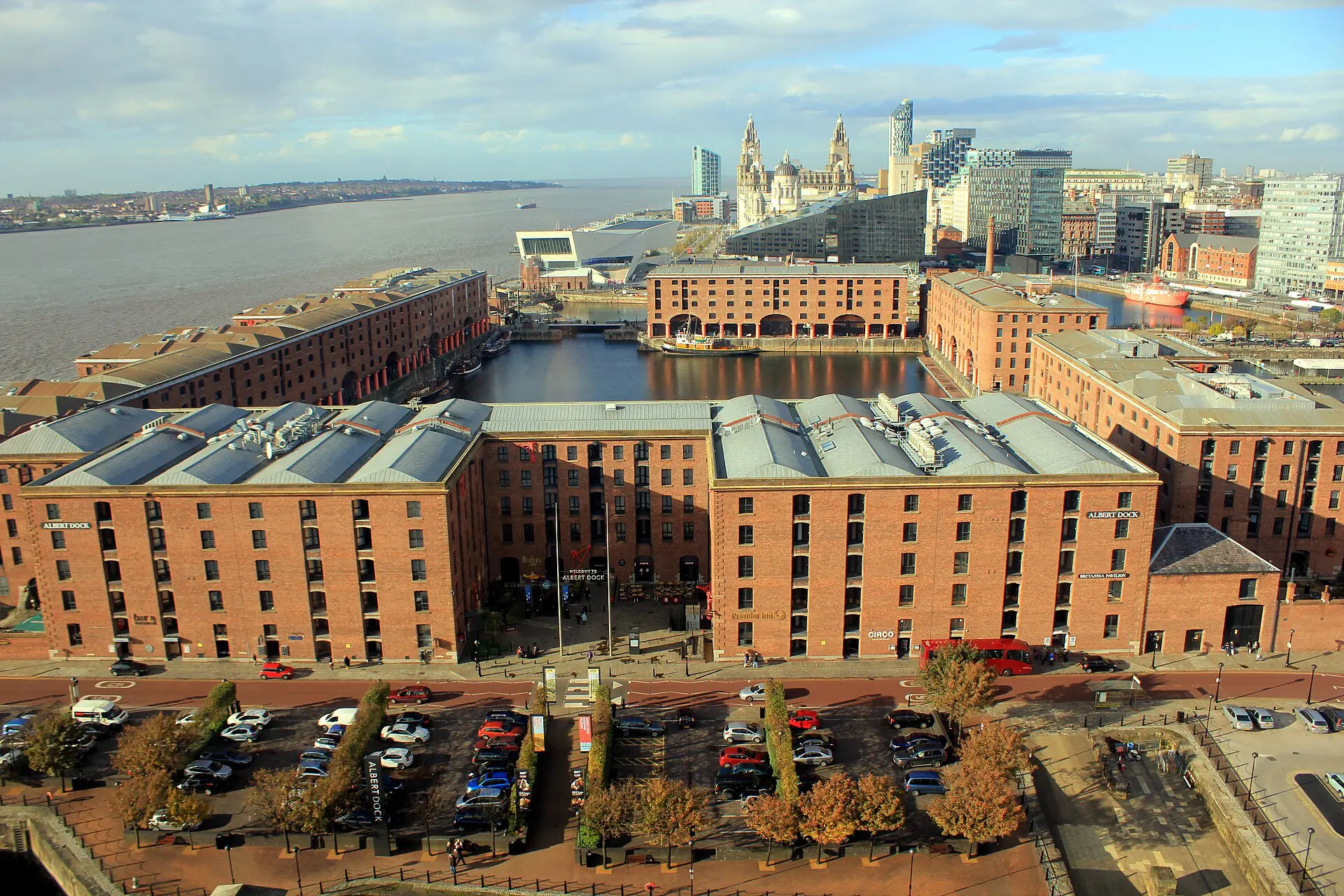
Royal Albert Dock
The restored dock warehouses hold museums, galleries, cafes and shops beside the water. Allow two to four hours, more if you visit several museums. Many are free or low-cost, but check opening times and any booking rules before you go. It is also pleasant for an evening walk.
The Beatles story
The Beatles are central to Liverpool’s identity, and fans can visit the dedicated museum at the dock, as well as the Cavern Club area and other music sites in the centre. Allow two to three hours. Book ahead in busy periods, and expect to pay extra for tours of the band’s former homes.
Liverpool Cathedral and the Metropolitan Cathedral
The city has an Anglican and a Roman Catholic cathedral at either end of a street, and both are impressive in different ways. Allow an hour each. The Anglican cathedral has a tower with city views that usually requires a ticket, so check access on the day.
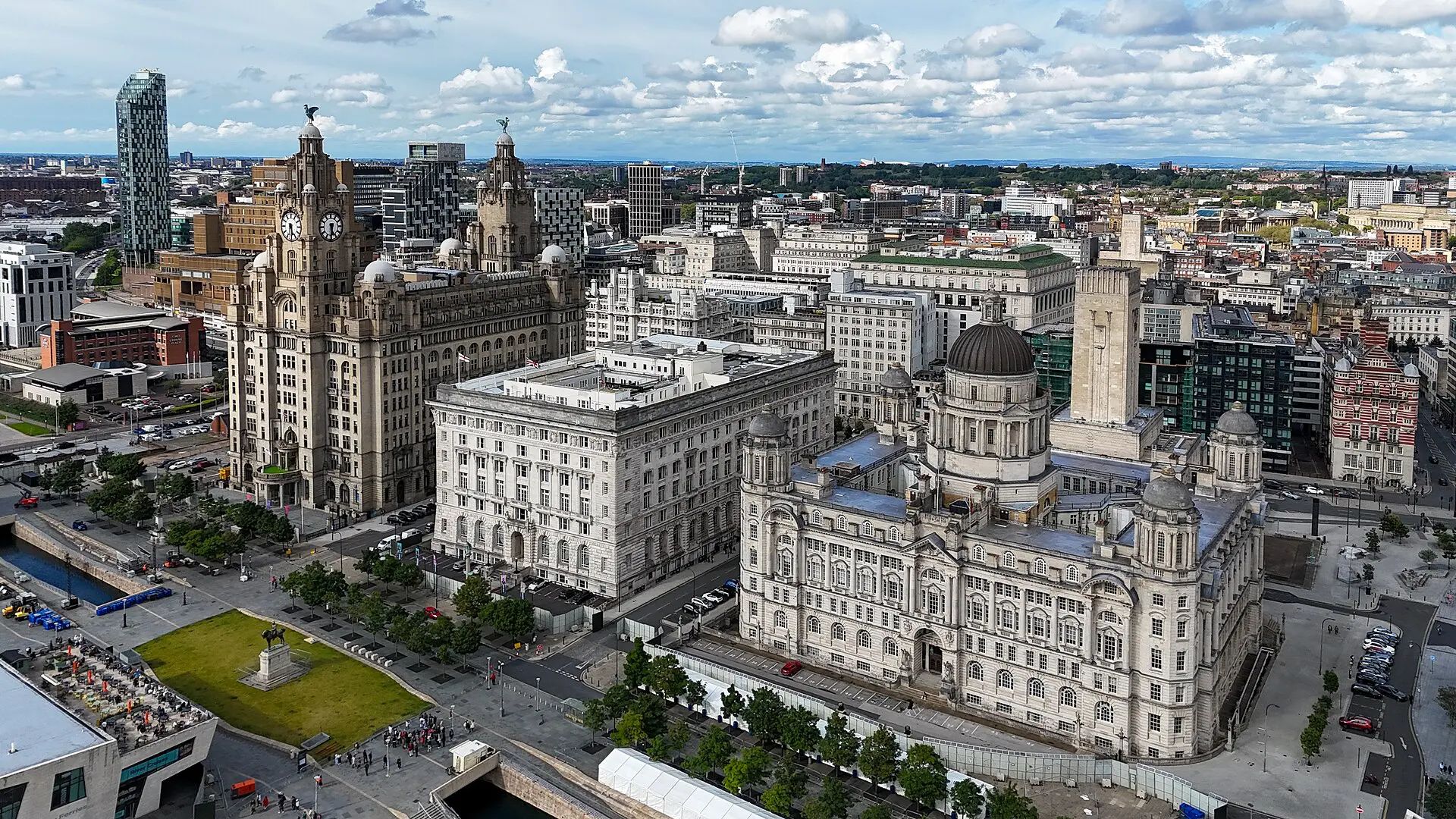
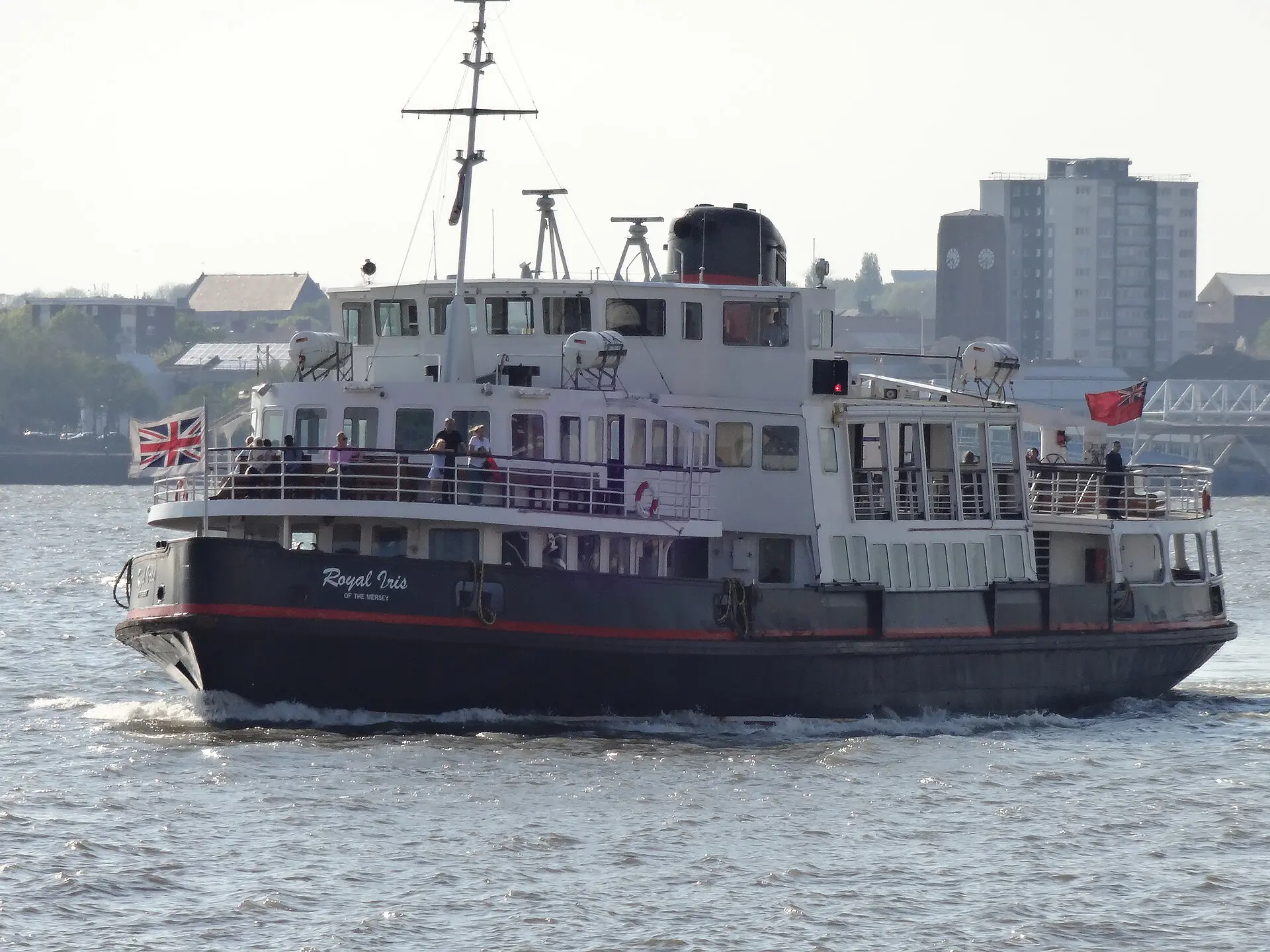
Pier Head and the Mersey ferry
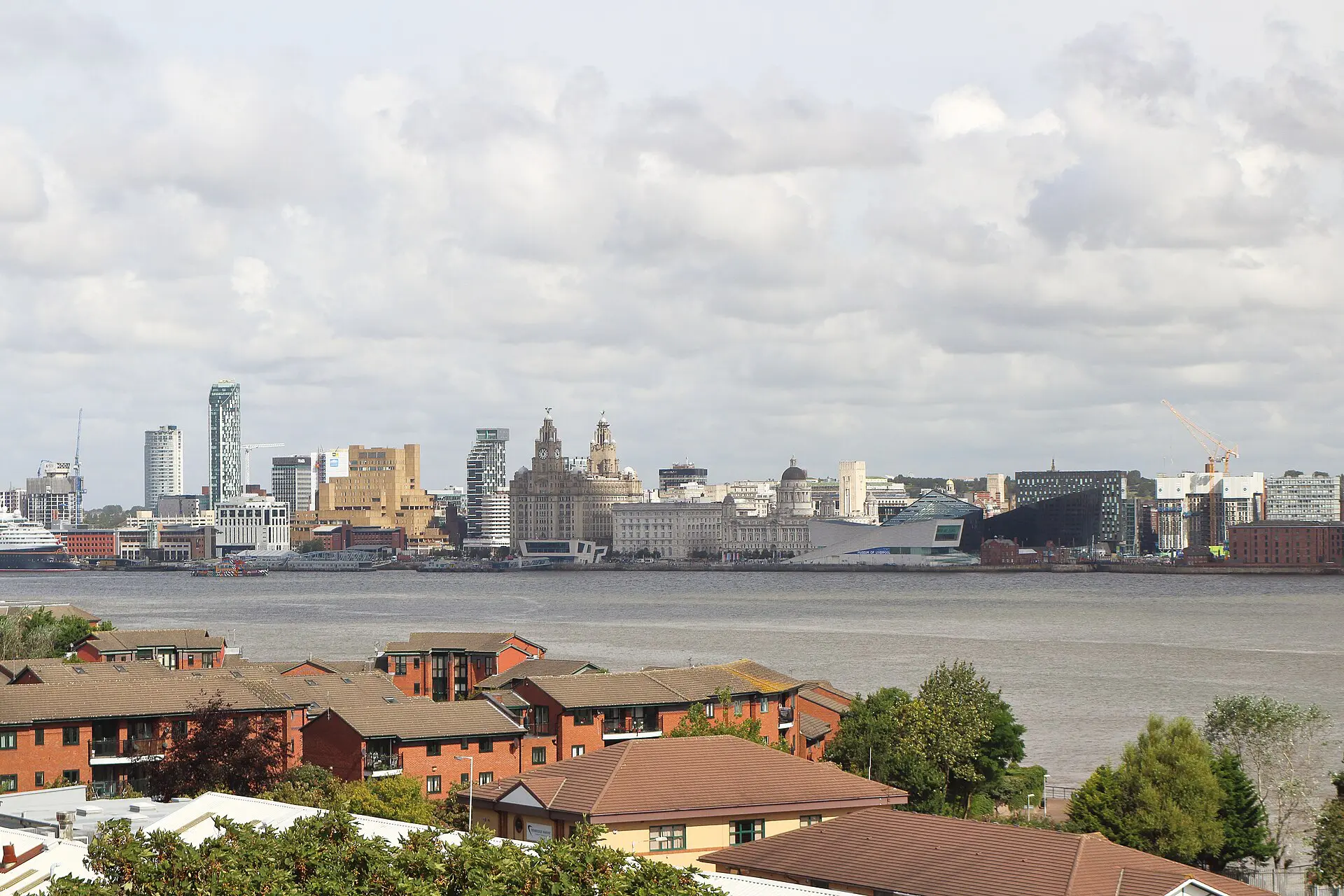
The ferry across the River Mersey offers a quick, scenic view of the skyline and the historic buildings along the water. The cruise takes around 50 minutes and runs year-round, with schedules changing seasonally. Sit on the outer deck for the best photographs.
Museums on the waterfront
Maritime and city history are well covered, including the port’s role in transatlantic trade and migration. Plan half a day for a main museum, and read the interpretation about the slave trade, which is a central part of the city’s past.
Football
Liverpool is famed for its two major clubs. Match tickets can be hard to get and expensive, so check fixtures early and book through official channels. Stadium tours are an alternative and usually take around an hour and a half.
Music and nightlife
Live music venues, pubs and clubs fill the city centre, especially around the Cavern Quarter and Ropewalks. Evening is the best time to explore. Check listings online, and arrive early for popular gigs.
Best time to visit Liverpool
Late spring and summer, from May to September, bring the longest days and the best chance of mild weather for waterfront walks and ferry trips. These months are also the busiest and most expensive, especially around major events and match weekends.
Spring and early autumn are good compromises, with fewer visitors and lower hotel prices. Winter can be cold, damp and windy off the river, but museums, pubs and music venues keep the city lively, and the Christmas period has its own appeal. Rain is possible at any time of year, so pack a waterproof jacket whatever the month.
| Season | Weather | Crowds and prices |
|---|---|---|
| May to September | Mild to warm, some rain | Busiest, higher prices |
| March to April, October | Cool, changeable | Moderate |
| November to February | Cold, damp, windy | Quieter, lower prices |
How to get to Liverpool and around
Liverpool Lime Street is the main railway station, with direct services from London, Manchester, Birmingham and other English cities. Journey times vary, so check current timetables and book ahead for cheaper fares. Coaches are another budget option from many UK towns.
Liverpool John Lennon Airport has flights to UK and European destinations, and many international travellers arrive via Manchester Airport and continue by train. From the airport you can reach the centre by bus or taxi.
The city centre and waterfront are walkable. For longer distances, local trains on the Merseyrail network, buses and taxis serve the suburbs, stadiums and nearby coast. Contactless payment is accepted on many services, though check each operator before you travel. Mersey ferries also link Liverpool with the Wirral peninsula.
Where to stay in Liverpool
The city centre and the area around Lime Street suit most visitors, as nightlife, shops and transport are all close. It is convenient for short breaks, though some streets can be noisy at weekends.
The waterfront and Albert Dock area gives you museums and water views on your doorstep, with a quieter feel in the evening. It suits couples and families who prefer a scenic base and do not mind paying a premium.
The Georgian quarter and the areas near the two cathedrals offer handsome streets, cafes and a more residential atmosphere, with good value guesthouses and mid-range hotels. Budget hostels and chain hotels are available across the centre. Book early for football weekends, concerts and major events, when prices can rise sharply and rooms sell out.
How many days do you need?
Two days is enough for the main sights, three allows a match, a day trip or a more relaxed pace. A single day works for a stopover if you stick to the waterfront and one museum.
- Day 1: Pier Head, the Mersey ferry, Royal Albert Dock and a museum, then dinner and music in the centre.
- Day 2: Both cathedrals in the morning, a Beatles-themed visit in the afternoon, and an evening in the Ropewalks area.
- Day 3: A football stadium tour or match, or a day trip to a nearby city.
If you only have one night, prioritise the waterfront and one cathedral, and leave the rest for a return visit.
Day trips and nearby
Manchester
England’s other major northern city is a short trip by train from Liverpool. It has its own museums, football clubs and music scene, so it works for a full day out, especially if you travel on a weekday.
Wirral peninsula
Across the river by ferry or train, the Wirral offers coastal walks, seaside towns and open countryside. It is a good choice if you want a quieter break from the city for a half day.
Chester
The walled city of Chester is a short rail trip away and is known for its Roman and medieval heritage. Allow a full day, and check train times before you go.
Other cities
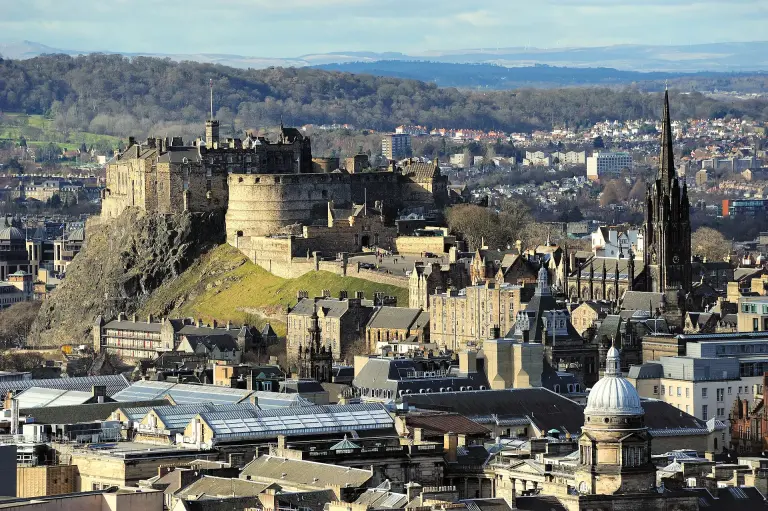
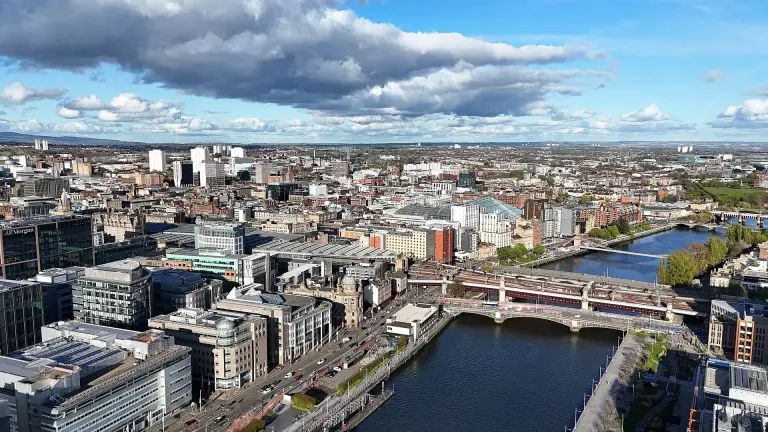
Liverpool is also a convenient base for onward travel to places listed nearby, such as Edinburgh, Glasgow or London by train. These are longer journeys and better treated as separate stays rather than day excursions.
FAQ
Q1What is the best time to visit Liverpool?
May to September offers the longest days and mildest weather, but also the biggest crowds and highest hotel prices. Spring and early autumn are good compromises. Winter is cold and damp, though museums, pubs and music venues stay lively.
Q2How many days do you need in Liverpool?
Two days covers the waterfront, Albert Dock, a museum, both cathedrals and a Beatles-themed visit. Three days gives time for a football tour or match and a day trip. One day only suits a quick stopover.
Q3How do you get to Liverpool?
The easiest route is by train to Liverpool Lime Street, with direct services from London, Manchester and other English cities. Liverpool John Lennon Airport has flights to UK and European destinations. Many international visitors fly into Manchester and take a train.
Q4Is Liverpool worth visiting?
Yes. It combines Beatles heritage, a restored waterfront, free or low-cost museums, two cathedrals, live music and football culture in a compact city. It is also usually cheaper than London, which makes it a good-value city break.
Prices, schedules and entry rules change. Check current details with official sources before you travel. Read the United Kingdom travel guide.