Why visit Belfast
If you are planning things to do in Belfast, start with the contrast between the city’s industrial past and its current energy. It grew rapidly in the nineteenth century around shipbuilding, linen and rope-making, and it is where the Titanic was built. Since the 1998 Good Friday Agreement it has become a confident, creative city.
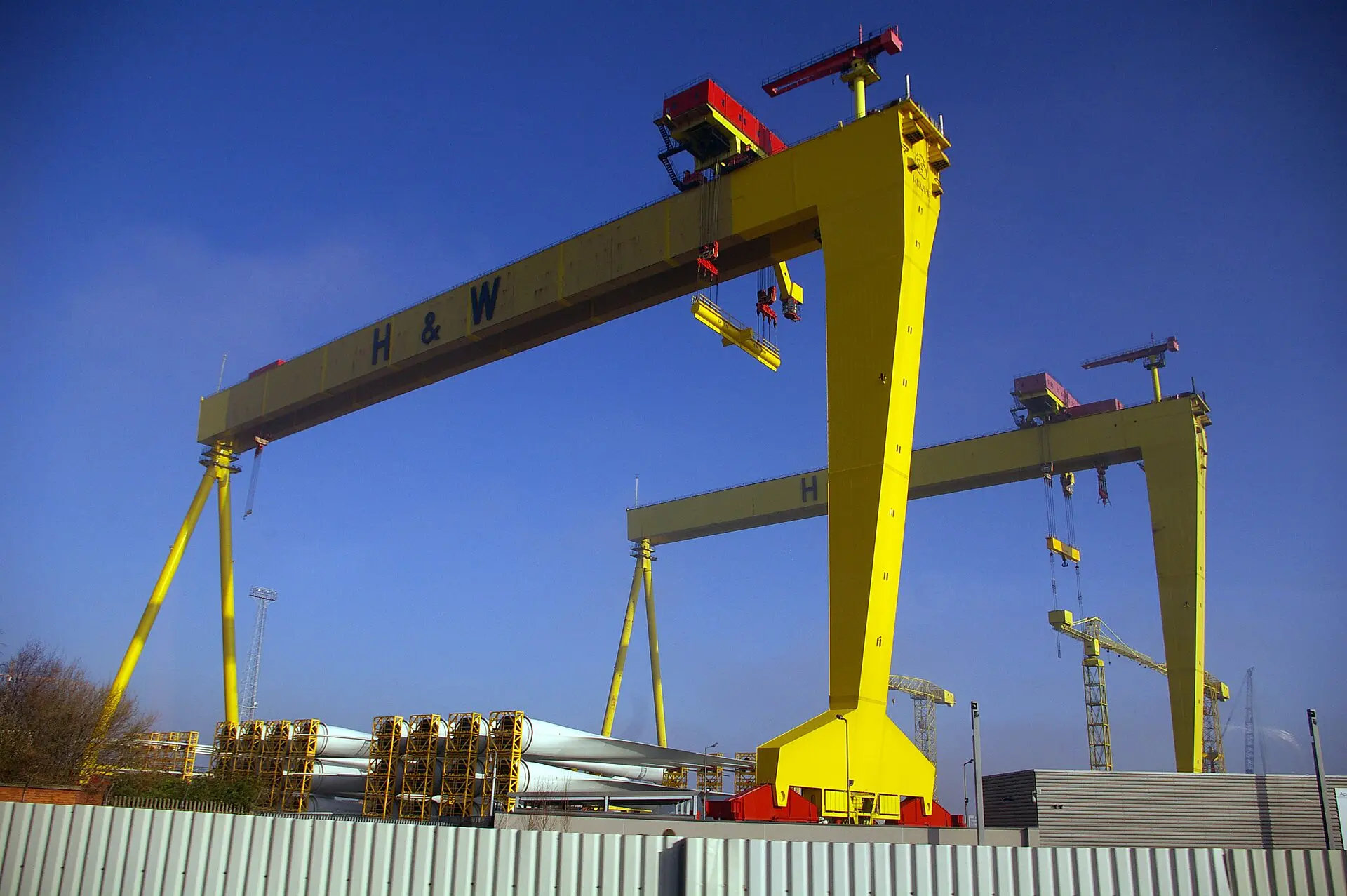
The centre is compact and walkable. Around City Hall you will find Victorian buildings, the Cathedral Quarter with its pubs and live music, and the redeveloped Titanic Quarter along the Lagan. Political murals and the peace walls on the west side tell a more complicated story, and local guides explain it with care.
Belfast is also a practical base. The Antrim coast, the Giant’s Causeway and the Mourne Mountains are within a day trip, and Dublin is a few hours away by train.
Top things to do in Belfast
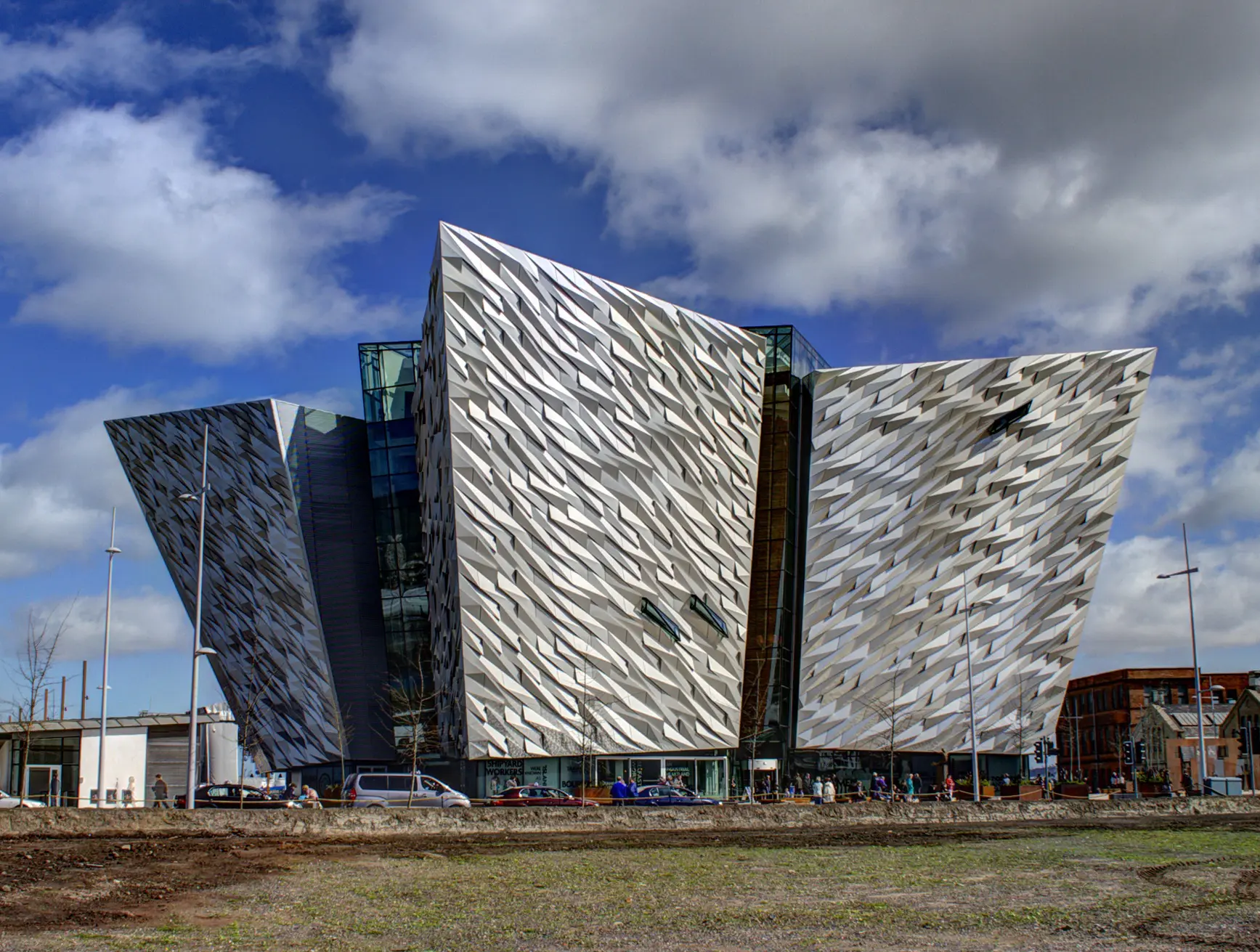
Titanic Belfast
This large museum on the former shipyard site tells the story of the Titanic from design to launch and loss, with galleries on the city’s industrial life. Allow two to three hours. Book timed tickets online and visit at opening or late in the day to avoid crowds.
Black Taxi political tour
Local drivers run tours of the Falls and Shankill areas, with murals and the peace walls. They give personal and often differing perspectives on the Troubles. Tours last around 90 minutes. Book in advance and approach the subject respectfully.
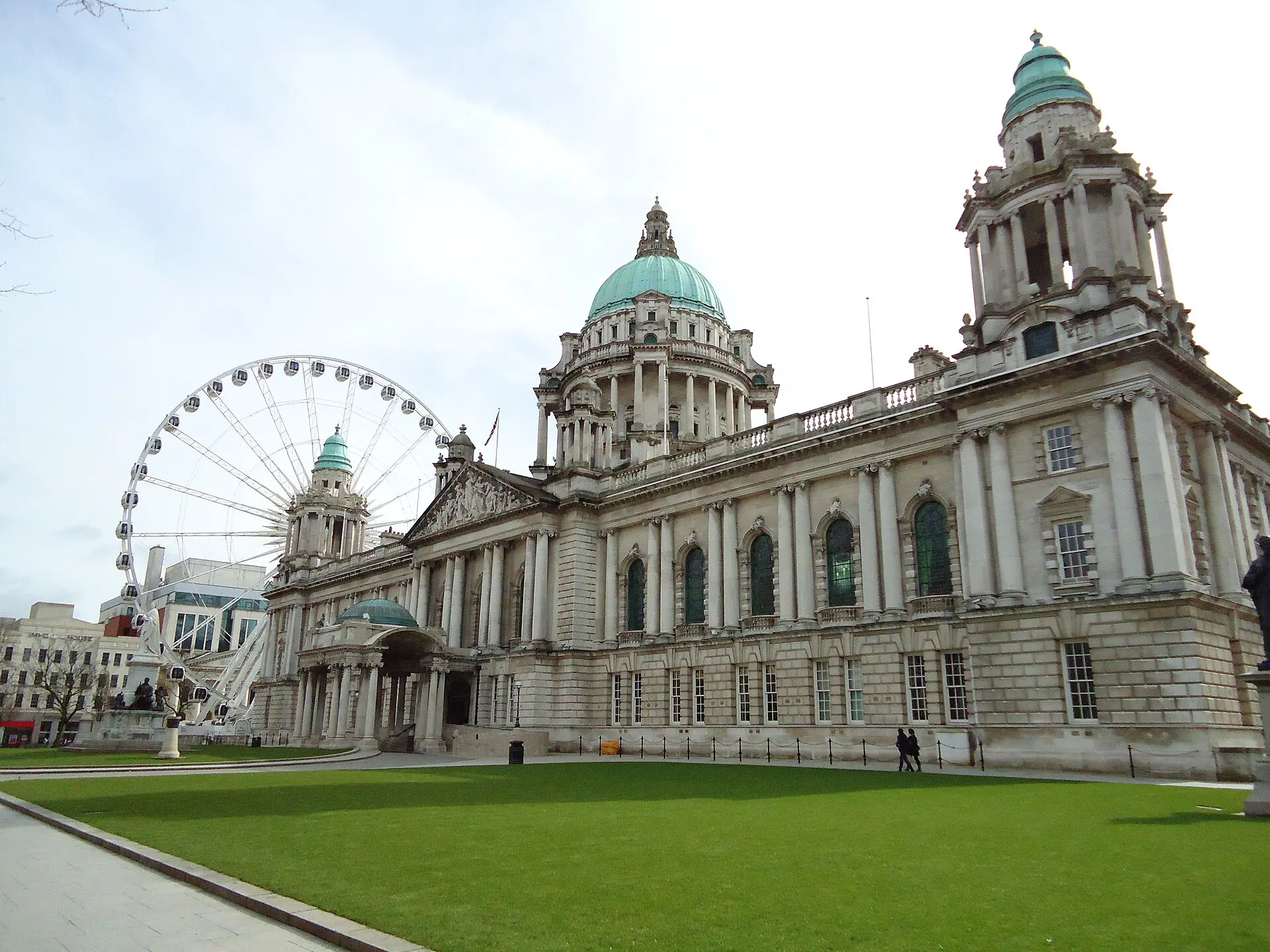
Belfast City Hall
The Edwardian building in Donegall Square is free to see from outside, and guided tours inside are available at set times. Check dates before arrival. The gardens are a pleasant stop for lunch in dry weather.
Cathedral Quarter
This old warehouse district has street art, live music pubs and restaurants. It is the best area for an evening, with traditional music sessions in many bars. Weekends get busy, so arrive early for a seat.
St George’s Market
A Victorian covered market open on certain days of the week, with food, crafts and live music. Go for breakfast or lunch, and check opening days before planning your visit.
Ulster Museum and Botanic Gardens
The museum is free and covers art, history and natural history, including Irish history and the Troubles. The adjacent gardens have a Victorian glasshouse. Allow two hours for both.
Crumlin Road Gaol
A former Victorian prison turned visitor attraction, with guided tours that explain its history. Plan about 90 minutes, and check tour times.
Best time to visit Belfast
May to September is the warmest and brightest period, with long daylight into the evening, although Northern Ireland weather is changeable and rain is possible at any time of year. Summer is also the busiest season for the coast and for events, so book accommodation and Causeway tours in advance.
Spring and early autumn are good compromises, with milder weather, fewer crowds and lower prices. Pack a waterproof layer whatever the month.
Winter is cold and damp but rarely severe. Days are short, though festive lights and pubs add charm in December. Some coastal attractions have reduced hours in winter, so check schedules before planning a day trip.
How to get to Belfast and around
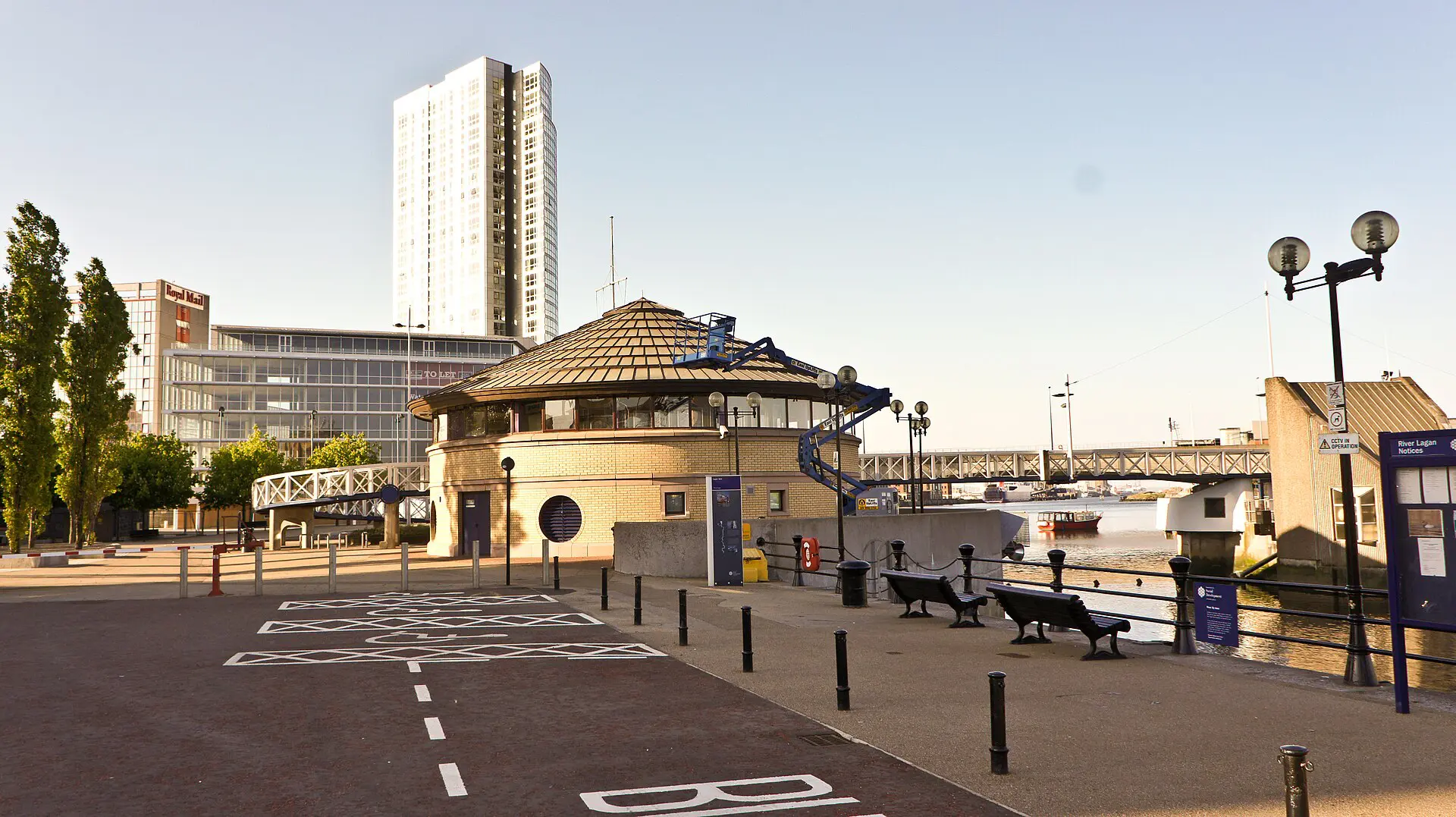
Belfast has two airports. Belfast International is further out, with an airport bus into the centre, while George Best Belfast City Airport is close to the centre and handles mostly UK and short-haul flights. Ferries also link Belfast with Scotland and northwest England, and the port is close to the centre.
Trains run between Belfast and Dublin in about two hours, and buses are a cheaper alternative. Check current timetables and book in advance for the best fares.
Within the city, the central area is easy to walk. Buses and the Glider service connect the Titanic Quarter and the east, and taxis are widely available. For the Causeway Coast, you can take a train or bus to some points, but a tour or hire car gives more flexibility.
Where to stay in Belfast
The city centre around Donegall Square and the Cathedral Quarter is the most convenient base, with hotels at most price levels and easy access to pubs and sights. It suits first-time visitors, though weekend nights can be noisy.
The Queen’s Quarter near the university and Botanic Gardens is leafier and calmer, with guesthouses, cafes and restaurants. It is good for longer stays and travellers who prefer a residential feel.
The Titanic Quarter has modern hotels near the museum, suited to those focused on the waterfront. Prices rise on concert and event nights, so book early. Hostels and budget options are available in the centre.
How many days do you need?
Two days is enough for the main city sights. Three days lets you add a coast excursion without rushing. If you only have one day, focus on Titanic Belfast, the centre and a Black Taxi tour.
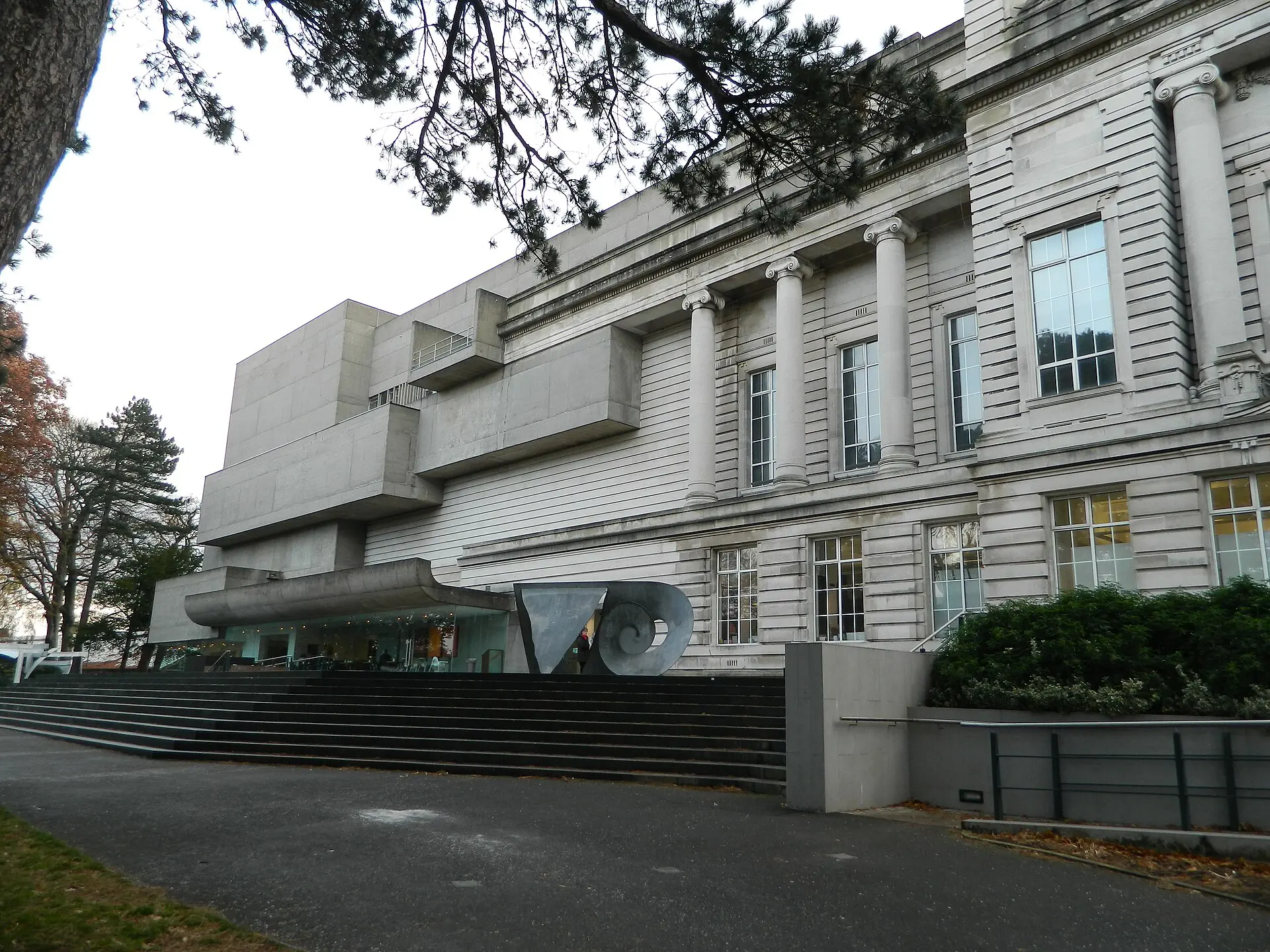
- Day 1: City Hall, St George’s Market, Ulster Museum, and an evening in the Cathedral Quarter.
- Day 2: Titanic Belfast in the morning, a political tour in the afternoon, and dinner in the centre.
- Day 3: A coast day trip to the Giant’s Causeway and the Antrim coast road.
Day trips and nearby
Giant’s Causeway
Roughly one to two hours away depending on how you travel, this UNESCO site has thousands of basalt columns on the Antrim coast. Tours often combine it with Carrick-a-Rede and the Dark Hedges. Book ahead in summer.
Dublin
The capital of the Republic of Ireland is about two hours away by train or bus. It works as a long day trip or the next stop on an Ireland itinerary. Bring your passport if you need it for onward travel.
Mourne Mountains
South of Belfast, these hills offer walks and coastal scenery. They suit hikers who want a break from the city, and need a car or a tour.
Glasgow
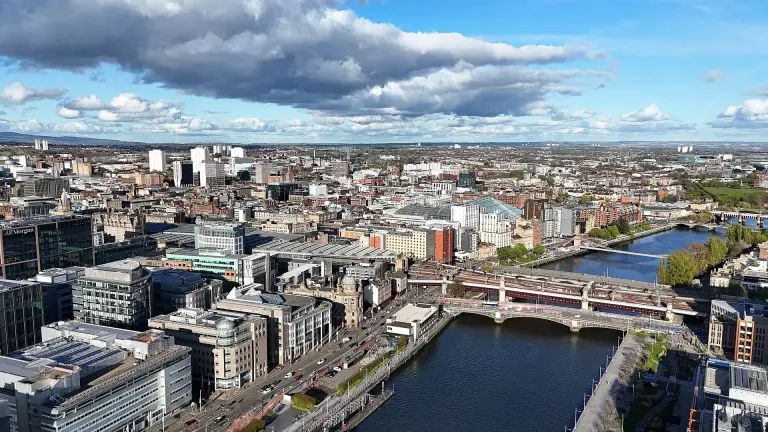
Reachable by ferry and rail, or a short flight, Glasgow is a natural pairing for a Scotland and Northern Ireland trip.
FAQ
Q1How many days do you need in Belfast?
Two days covers Titanic Belfast, City Hall, a political tour and an evening in the Cathedral Quarter. Add a third day for the Giant's Causeway and Antrim coast, which most travellers want to see.
Q2When is the best time to visit Belfast?
May to September has the longest days and the best chance of dry weather, though rain is possible year-round. Spring and early autumn are quieter and cheaper. Winter is cold and damp, with some coastal attractions on reduced hours.
Q3How do you get from Belfast to Dublin?
Trains and buses run regularly and take roughly two hours, depending on service. Trains are more comfortable, while buses are often cheaper. Check current timetables and book in advance for the best fares.
Q4Is Belfast safe to visit?
Belfast is generally safe for visitors, with crime levels comparable to other UK cities. Take normal city precautions at night. Political tours and murals are safe to visit, but be respectful and avoid taking sides in conversations.
Prices, schedules and entry rules change. Check current details with official sources before you travel. Read the United Kingdom travel guide.