Why visit York
If you are planning things to do in York, you will not struggle to fill a weekend. York is a cathedral city in North Yorkshire with Roman origins, sited where the rivers Ouse and Foss meet. The minster, castle and city walls are all Grade I listed, and the built-up area had around 141,700 people at the 2021 census.
The city was founded as Eboracum in AD 71 and later became a capital of Northumbria and of Scandinavian York. It grew as a wool-trading town in the Middle Ages and as a railway hub in the 19th century. Romans, Vikings and medieval builders have all left their mark.
York is the unofficial capital of Yorkshire and a good base for the wider county. It combines the feel of a small town with the amenities of a city, and it hosts festivals throughout the year.
Top things to do in York
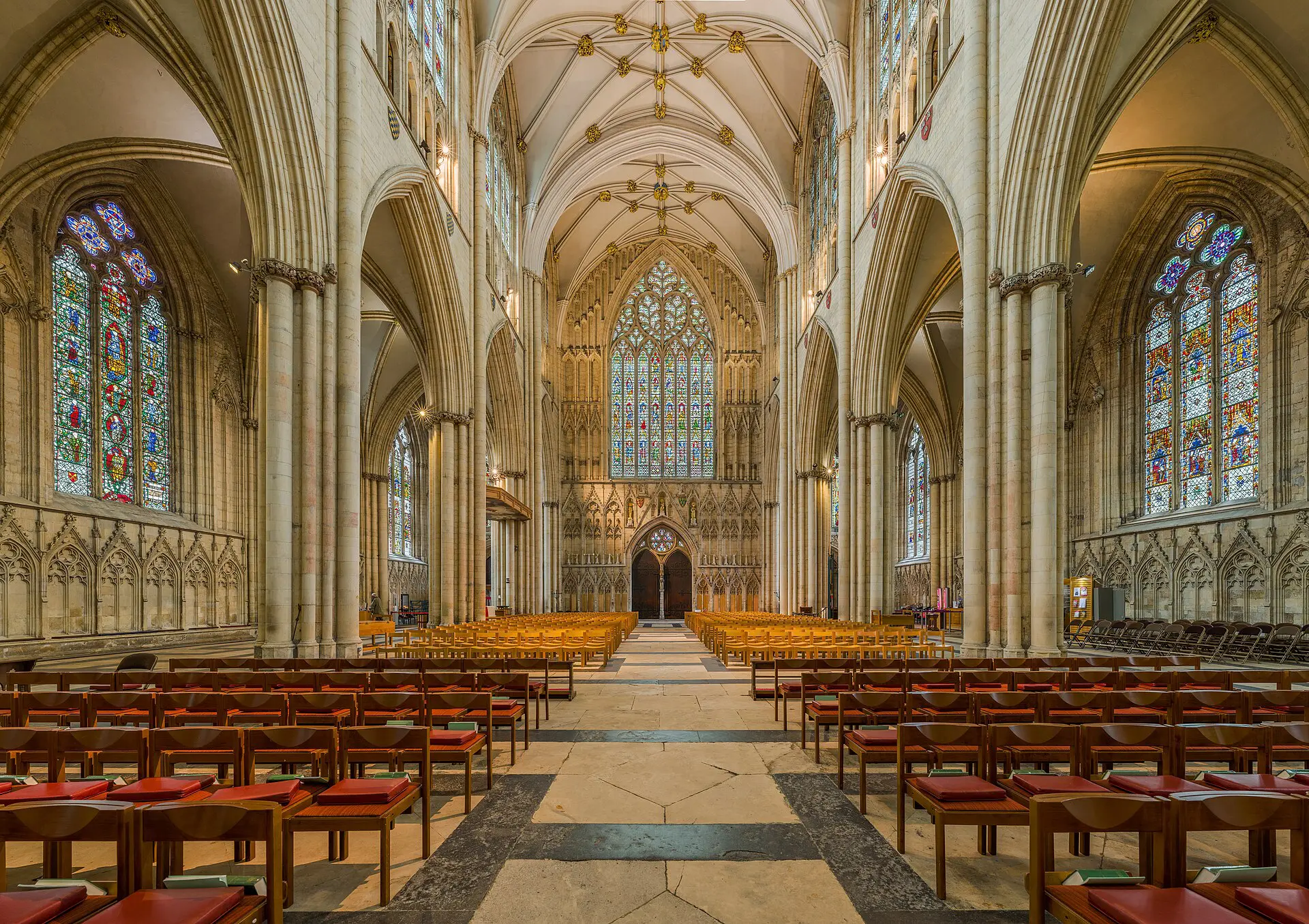
York Minster
The Gothic minster is the city’s landmark, with medieval stained glass and a tower you can climb for views over the city. Allow two to three hours. Check opening times and ticket options, as the building is also a working church.
Walk the city walls
The medieval walls and gates circle much of the old centre, and you can walk along sections of the top. The full circuit is a couple of miles and takes around two hours. Wear flat shoes, and check for closed sections.
The Shambles
This narrow medieval street, with overhanging timber-framed buildings, is one of the best-known in England. It is lined with shops and cafés. Visit early in the morning, since it becomes very crowded by midday.
Jorvik Viking Centre
This museum presents York’s Viking past through reconstructed scenes and archaeological finds. Allow about two hours. Book online in busy periods, and check what is included before you go.
National Railway Museum
Britain’s national railway museum holds a large collection of locomotives and carriages. Allow two to three hours, or more if you enjoy trains. Check ticket conditions, since entry has been free or paid at different times.
Clifford’s Tower and the castle area
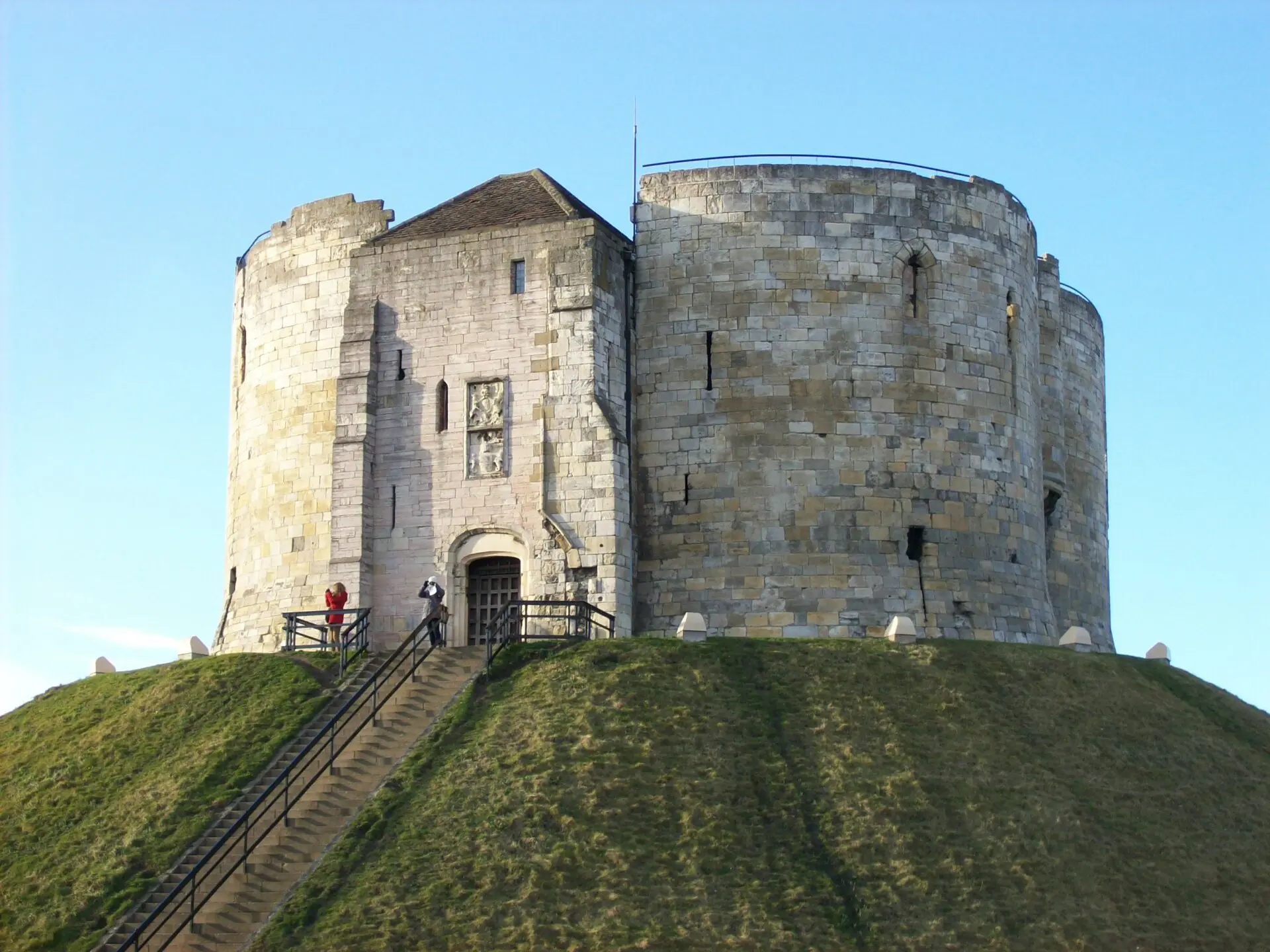
The tower stands on a mound by the castle area, and the climb gives views over the city. Allow an hour. The nearby museums and the riverside are worth a look as well.
Markets, food and pubs
York’s shops, markets and pubs offer Yorkshire-made produce and local ales. Allow a relaxed afternoon, and look for traditional pubs in the lanes around the minster. Book dinner on weekends.
Best time to visit York
York has a cool, temperate climate with rain possible at any time. The city is busy year-round, especially at weekends and around holidays.
| Season | Weather | Crowds and prices |
|---|---|---|
| Spring (March to May) | Cool to mild, showers | Moderate; Easter is busy |
| Summer (June to August) | Warm, long days | Busiest; hotels dearest |
| Autumn (September to October) | Mild, crisp, often bright | Moderate; good for walking |
| Winter (November to February) | Cold, damp, short days | Busy at Christmas markets; quiet in January |
The city holds festivals through the year, including music, literature and food events, which can raise prices. Check dates before you book.
How to get to York and around
York is a major rail hub, with frequent services from London, Edinburgh, Manchester and Leeds. London is about 207 miles (333 km) to the south, and the journey by train takes roughly two hours. Check timetables and book ahead for lower fares.
The nearest major airports are Leeds Bradford and Manchester, with rail or road connections onward. Some visitors also fly to Newcastle or Edinburgh and continue by train.
The centre is compact and mostly pedestrian, so walking is the best way to get around. Park-and-ride buses serve drivers, and driving into the walled centre is restricted. Local buses and river boats offer other options.
Where to stay in York
Staying inside or near the city walls puts you close to the minster, the Shambles and most attractions. It suits first-time visitors and short stays, though rooms can be pricey, especially at weekends.
Near the railway station you will find hotels and guesthouses with easy access to trains and a short walk to the centre. It is practical if you plan day trips by rail.
Residential areas just outside the walls, such as those along the river or towards the university, offer guesthouses and quieter streets. Budget travellers can look at hostels and rooms further out. Book early for summer weekends, Christmas markets and major events.
How many days do you need?
Two days covers the main sights comfortably. Add a third day for the railway museum or a trip beyond the city.
- Day 1: The Shambles early, then York Minster and a walk on the city walls.
- Day 2: Jorvik Viking Centre and Clifford’s Tower, then an afternoon at a market or a pub.
- Day 3: The National Railway Museum, or a day trip into the Yorkshire countryside.
If it rains, the museums, the minster and cafés make good fallback stops.
Day trips and nearby
Leeds
Leeds is about 27 miles (43 km) to the south-west, with frequent trains. It offers shopping, galleries and a food scene, and makes an easy half-day or full-day trip.
Yorkshire coast and moors
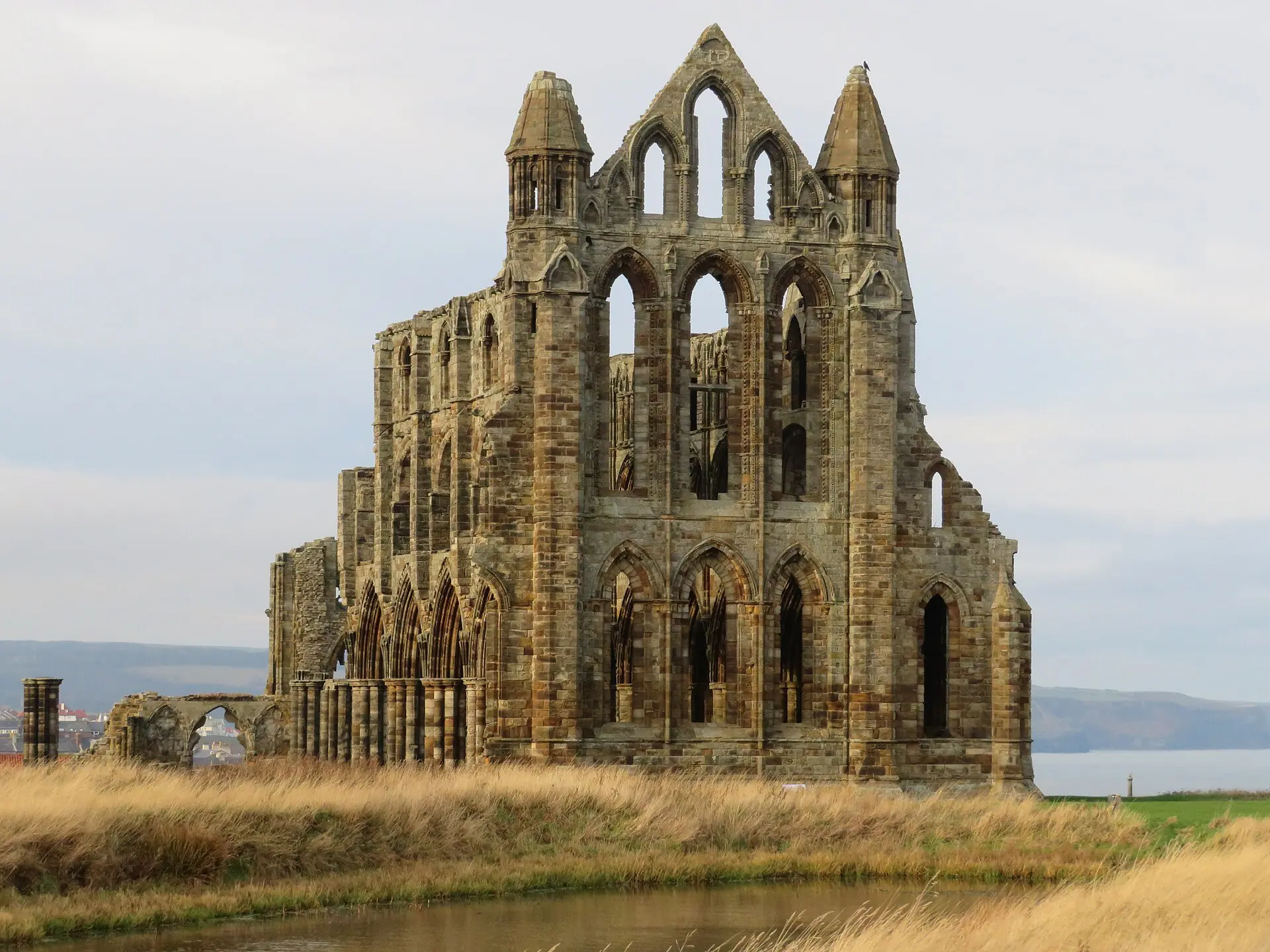
Towns such as Whitby and Scarborough, and the North York Moors, are reachable by car or rail with some connections. A car makes a full day easier, and bus or rail services run in season.
Manchester and Liverpool
Both cities are reachable by train within a couple of hours, though they suit longer excursions rather than quick day trips. Check timetables and returns.
Edinburgh
Edinburgh is a longer journey north, roughly two and a half hours by train. It is better as an onward destination than as a day trip from York.
FAQ
Q1How many days do you need in York?
Two days is enough for the minster, walls, Shambles and a museum or two. A third day lets you visit the railway museum or take a trip to the Yorkshire coast, moors or nearby towns.
Q2When is the best time to visit York?
April to October offers mild weather and long days. Summer is busiest and priciest, while autumn is a good balance. Winter has fewer visitors outside the Christmas market period, though days are short and damp.
Q3How do you get to York?
Take a train to York station, with frequent services from London, Edinburgh, Manchester and Leeds. London takes roughly two hours. The nearest major airports are Leeds Bradford and Manchester, each with onward connections.
Q4Is York expensive?
York is moderately priced by UK standards, but hotels rise at weekends and during events. Walking the city and walls is free, and many pubs offer reasonable meals. Booking early and visiting midweek helps.
Prices, schedules and entry rules change. Check current details with official sources before you travel. Read the United Kingdom travel guide.