Why visit Inverness
People searching for things to do in Inverness are usually planning a Highlands trip, and the city is the natural starting point. It is the de facto capital of the Scottish Highlands, in the north of Scotland, and the administrative centre of the Highland Council area. It lies at the mouth of the River Ness, where it flows into the Moray Firth, at the north end of the Great Glen.
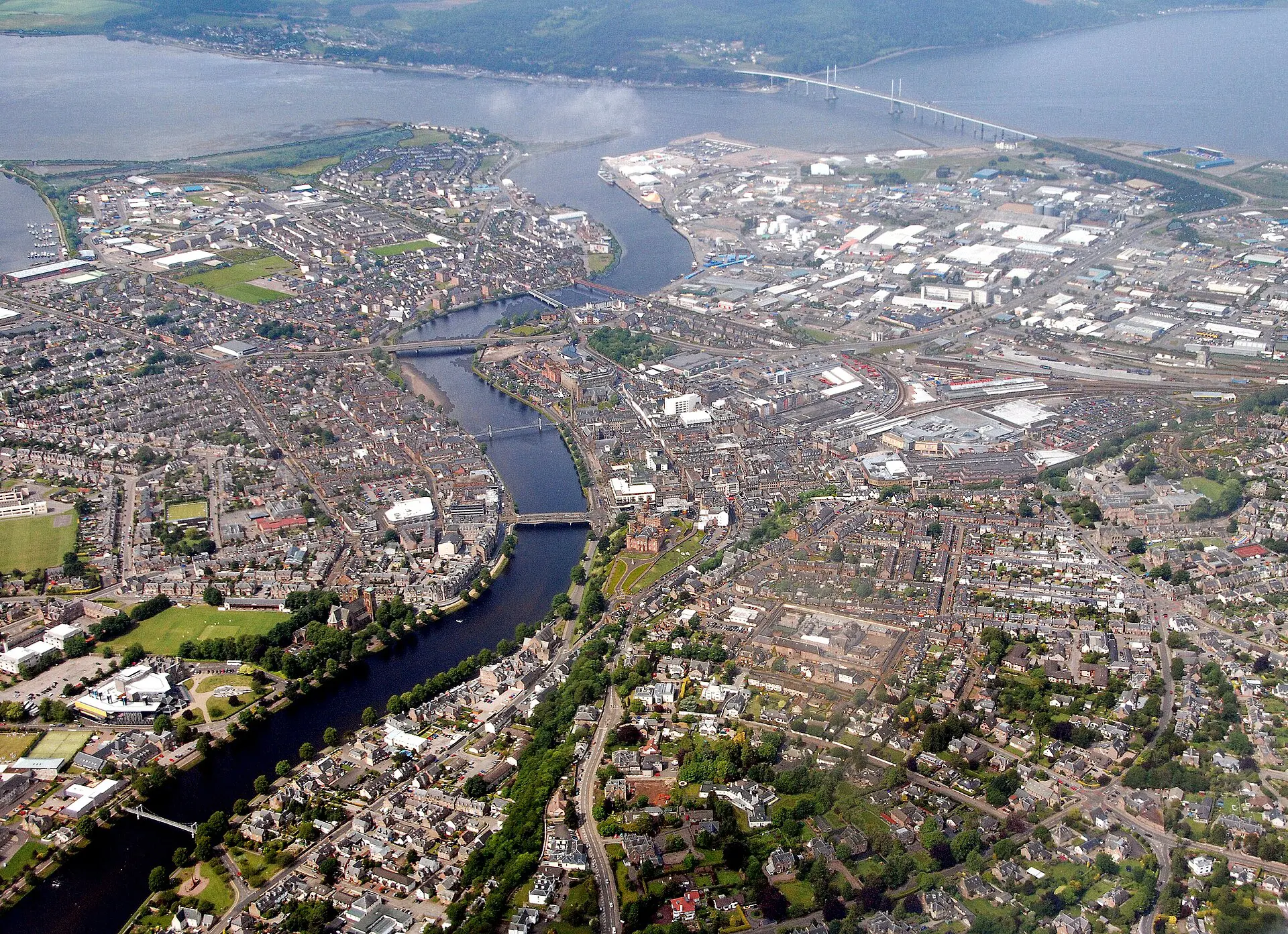
Inverness is an agreeable Victorian town with no stand-out tourist attractions of its own, but with good transport and a choice of lodging and eating places. That makes it a good base for exploring Loch Ness, the Black Isle, Culloden, Strathspey and the Cairngorms National Park.
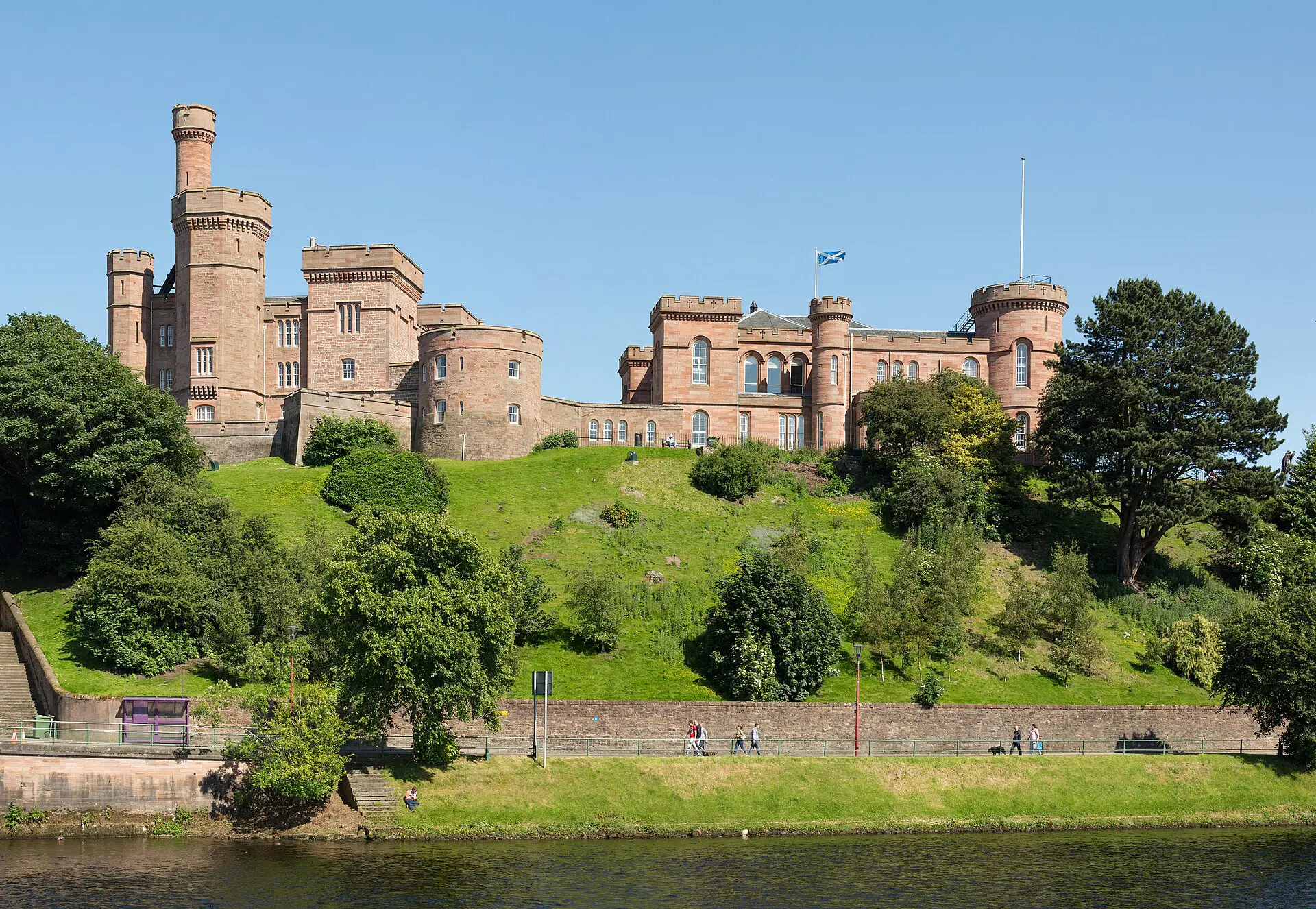
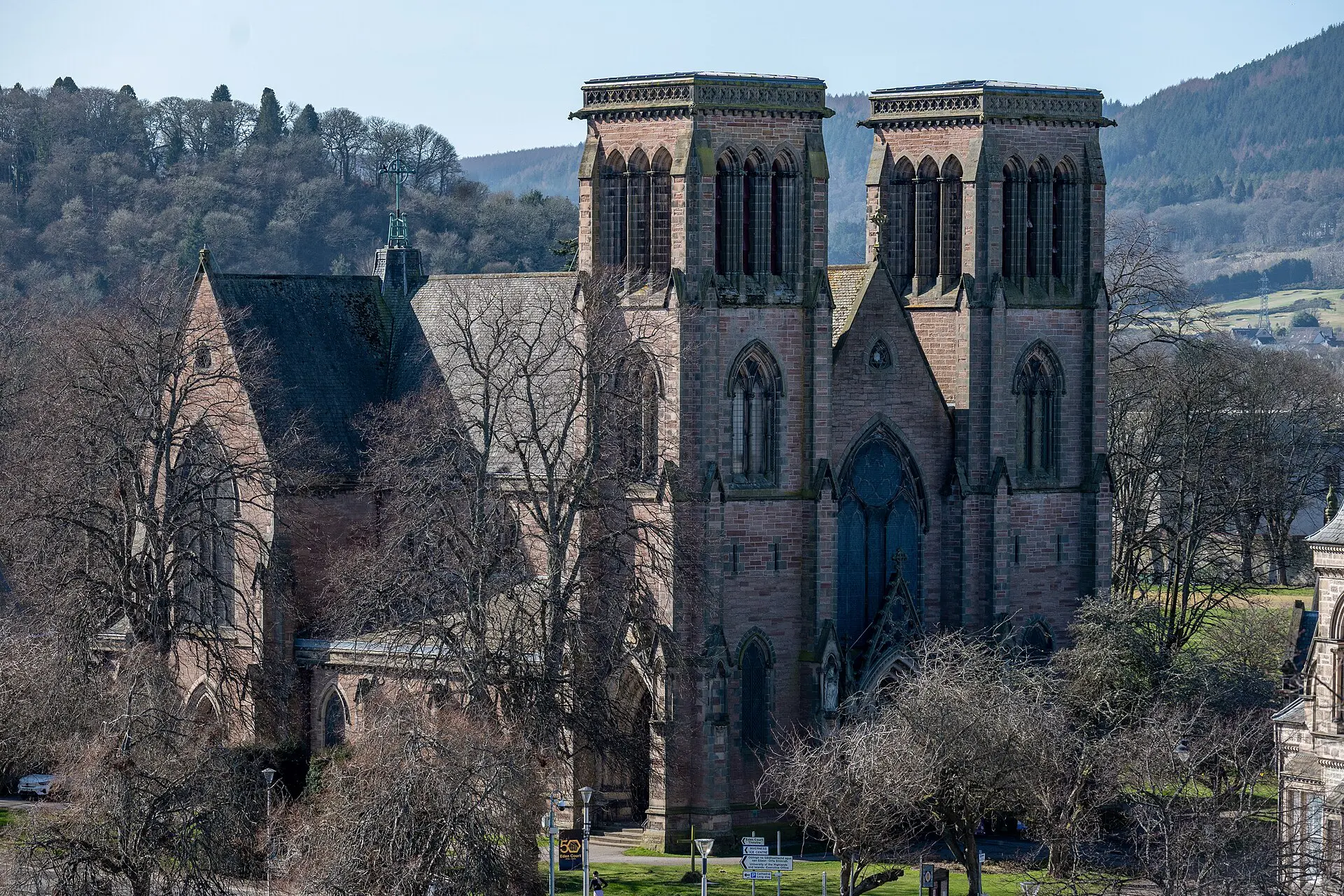
The location has long made it strategically important, with settlement dating back thousands of years and a history of conflict, the last being the Jacobite conflict of 1746. The present castle dates from 1835. The city feels more like a provincial market town than a big city, and its charm is the river, the compact centre and the landscape around it.
Top things to do in Inverness
Visit Loch Ness
The famous loch stretches along the Great Glen southwest of the city, with villages, viewpoints and boat trips. Allow half a day to a full day. Tip: weather changes quickly, so bring layers, and book boat trips in summer.
See Urquhart Castle
The ruined castle on the loch shore is one of the most photographed sights in the area. Allow one to two hours. Tip: opening hours and ticketing vary by season, so check ahead and go early or late to avoid peak crowds.
Walk along the River Ness
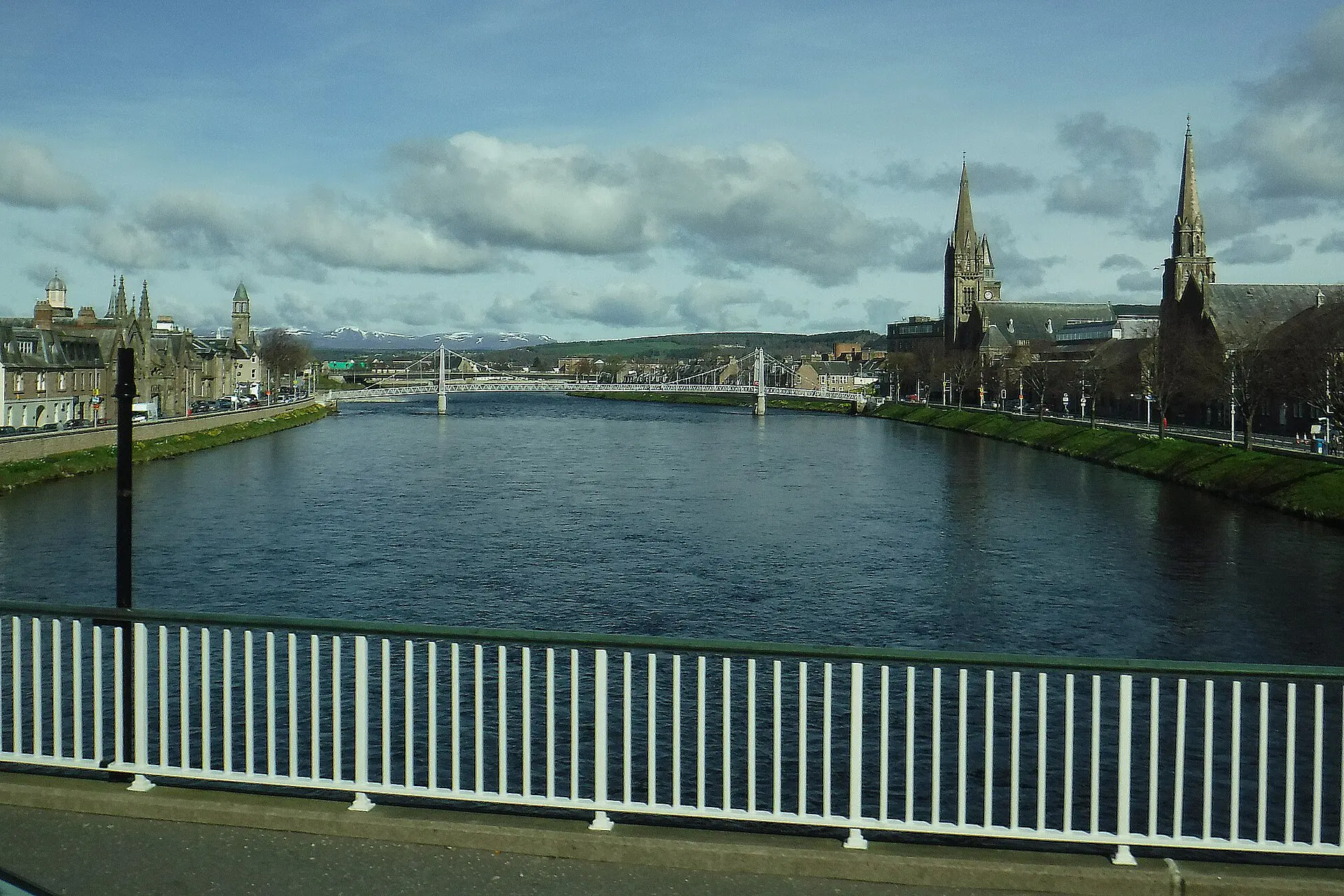
Riverside paths and footbridges link the centre with the Ness Islands, and give a gentle, green walk. Allow one to two hours. Tip: it is easy to combine with a coffee stop in the centre.
Visit Culloden Battlefield
The site east of the city marks the 1746 battle that ended the Jacobite rising, and has a visitor centre. Allow two to three hours. Tip: check opening arrangements, and bring a waterproof, as the moor is exposed.
Explore the Black Isle
This peninsula north of the city has villages, farmland and coastal wildlife watching. Allow half a day. Tip: you need a car or an organised tour, and dolphin watching depends on conditions.
Look around Inverness Castle and the old centre
The compact centre has Victorian streets, shops and cafes, with the castle high above the river. Allow one to two hours. Tip: check whether the castle is open to visitors, as it has been undergoing change.
Drive to the Cairngorms
The national park to the south has walking, wildlife and mountain scenery in the Spey Valley. Allow a full day. Tip: mountain weather is changeable, so check forecasts and conditions.
Best time to visit Inverness
Inverness has a cool, changeable climate, with mild summers and cold, damp winters. Long summer days give plenty of daylight for sightseeing, while winter days are short.
| Season | Weather | Crowds and prices |
|---|---|---|
| June to August | Mild, long daylight, some rain, midges | Busiest, higher prices, book ahead |
| May and September | Cool to mild, changeable | Good balance, fewer visitors |
| October to April | Cold, wet, short days | Quiet, lower prices, some places closed |
Midges can be a nuisance in summer, especially at dawn and dusk, so bring repellent. Check seasonal opening times for attractions and boat trips.
How to get to Inverness and around
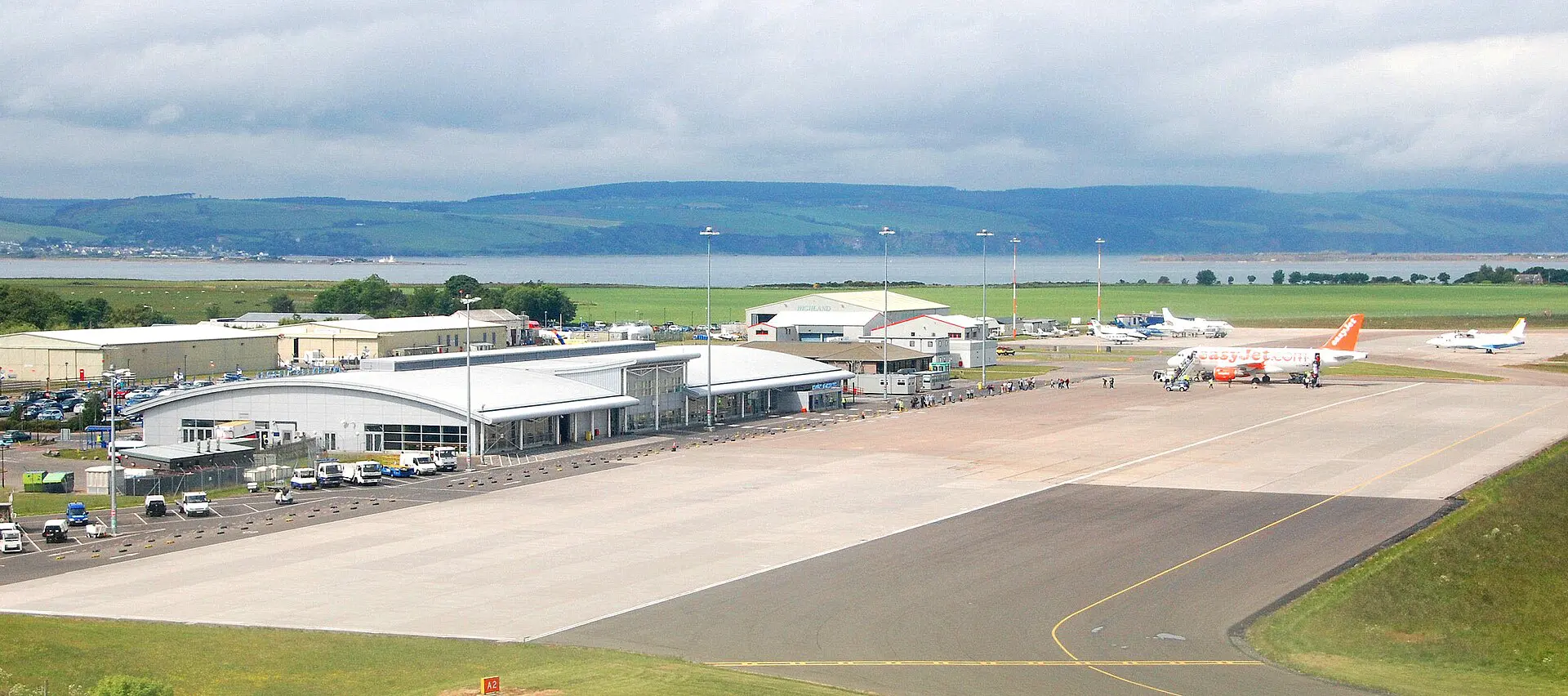
Inverness Airport serves the city, with flights from other British cities and some European routes. Check current options.
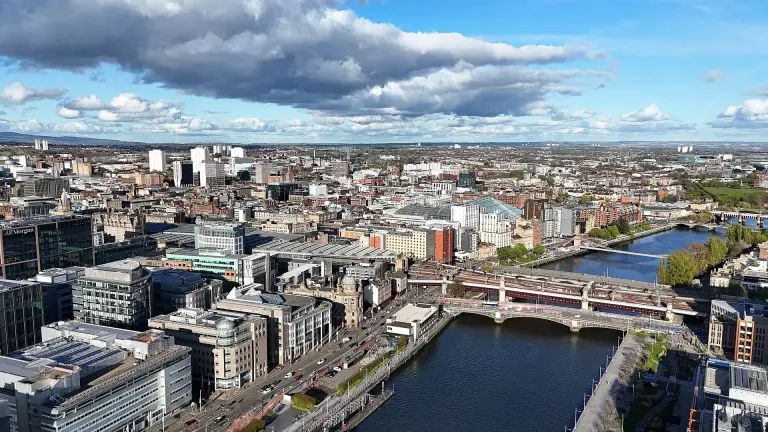
Trains run from Edinburgh, Glasgow and Aberdeen, and long-distance buses also link the city with other Scottish towns. Journey times depend on the route, and some are scenic, so check current timetables. The road network leads to the Highlands, with routes north, west and south.
The centre is compact and walkable. For Loch Ness, Culloden and the Black Isle, you can use local buses and tours, but a car gives much more freedom. Rural roads can be narrow and slow, with single-track stretches, so allow extra time and follow passing-place etiquette.
Where to stay in Inverness
The city centre, near the river and the station, suits travellers who want restaurants, shops and transport close by. It is practical for short stays and for those without a car.
The residential areas along the River Ness, such as the area near the Ness Islands, offer quieter guest houses and a pleasant walk into town. They suit couples and anyone who wants a calmer base.
Villages around Loch Ness and the Black Isle suit travellers with a car who want scenery, space and a more rural feel. Book well ahead for July and August and for local events, and check whether breakfast and parking are included.
How many days do you need?
Two days covers the city, Loch Ness and Culloden. A third day lets you add the Black Isle or the Cairngorms, and a longer stay opens the north coast and the west. For a wider Highlands trip, treat Inverness as the first stop of several.
- Day 1: Walk the River Ness and the centre, then visit Culloden Battlefield.
- Day 2: Drive or tour along Loch Ness, stopping at Urquhart Castle.
- Day 3: Explore the Black Isle or head to the Cairngorms.
Weather changes quickly, so keep the plan flexible, and swap indoor and outdoor days as needed.
Day trips and nearby
Loch Ness
The loch lies southwest along the Great Glen, with castle ruins and boat trips. Allow a full day. Tip: combine it with Urquhart Castle.
Black Isle
A peninsula north of the city with villages, farmland and wildlife. Allow half a day. Tip: you will need a car or a tour.
Cairngorms National Park
Mountain scenery, forests and the Spey Valley to the south. Allow a full day. Tip: check the weather and your route before you set off.
Edinburgh
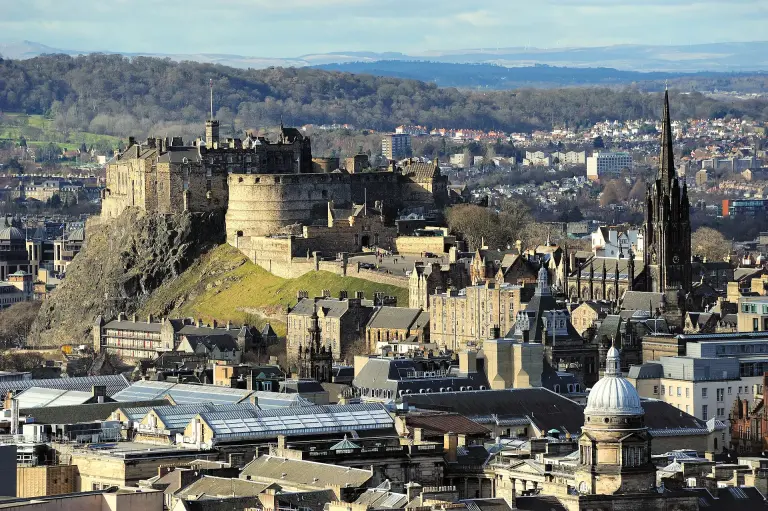
The capital lies several hours south by train or road, so it is better as a separate stop. Tip: check train times.
FAQ
Q1When is the best time to visit Inverness?
May to September is the best time, with longer days, milder weather and everything open. July and August are busiest and priciest, and midges can be a nuisance. Winter is cold and wet with short days, but quiet and cheaper.
Q2How many days do you need in Inverness?
Two days covers the city, Loch Ness and Culloden. A third day lets you add the Black Isle or the Cairngorms. Allow more if you want to continue to the north coast or the west Highlands.
Q3How do you get to Inverness?
Inverness Airport has flights from other British cities and some European routes. Trains run from Edinburgh, Glasgow and Aberdeen, and buses and roads link the city with the rest of Scotland. Check current timetables before you travel.
Q4Is Inverness worth visiting?
Yes, mainly as a base. The city has an agreeable Victorian centre but no big stand-out sights of its own, and its strength is the surroundings, including Loch Ness, Culloden, the Black Isle and the Cairngorms. Plan day trips and you will see why.
Prices, schedules and entry rules change. Check current details with official sources before you travel. Read the United Kingdom travel guide.