Why visit Switzerland
This Switzerland travel guide begins with the contrast that defines the country: a landlocked nation of about 9 million people in which the Alps cover most of the land, yet cities such as Zurich, Geneva and Bern are compact and easy to reach (see the Wikipedia overview). Four national languages, German, French, Italian and Romansh, give regions their own food, architecture and customs within a short train ride of each other.
Switzerland suits travellers who value scenery, order and ease. Trains, boats, buses and cable cars connect most places on one timetable, and the hiking network is among the best marked in the world. The price is high, so most visitors plan around a few focused regions, and use passes and off-peak days to keep costs in check.
Best places to visit in Switzerland
The best places to visit in Switzerland combine alpine resorts, lake cities and medieval towns, and can be linked by train.
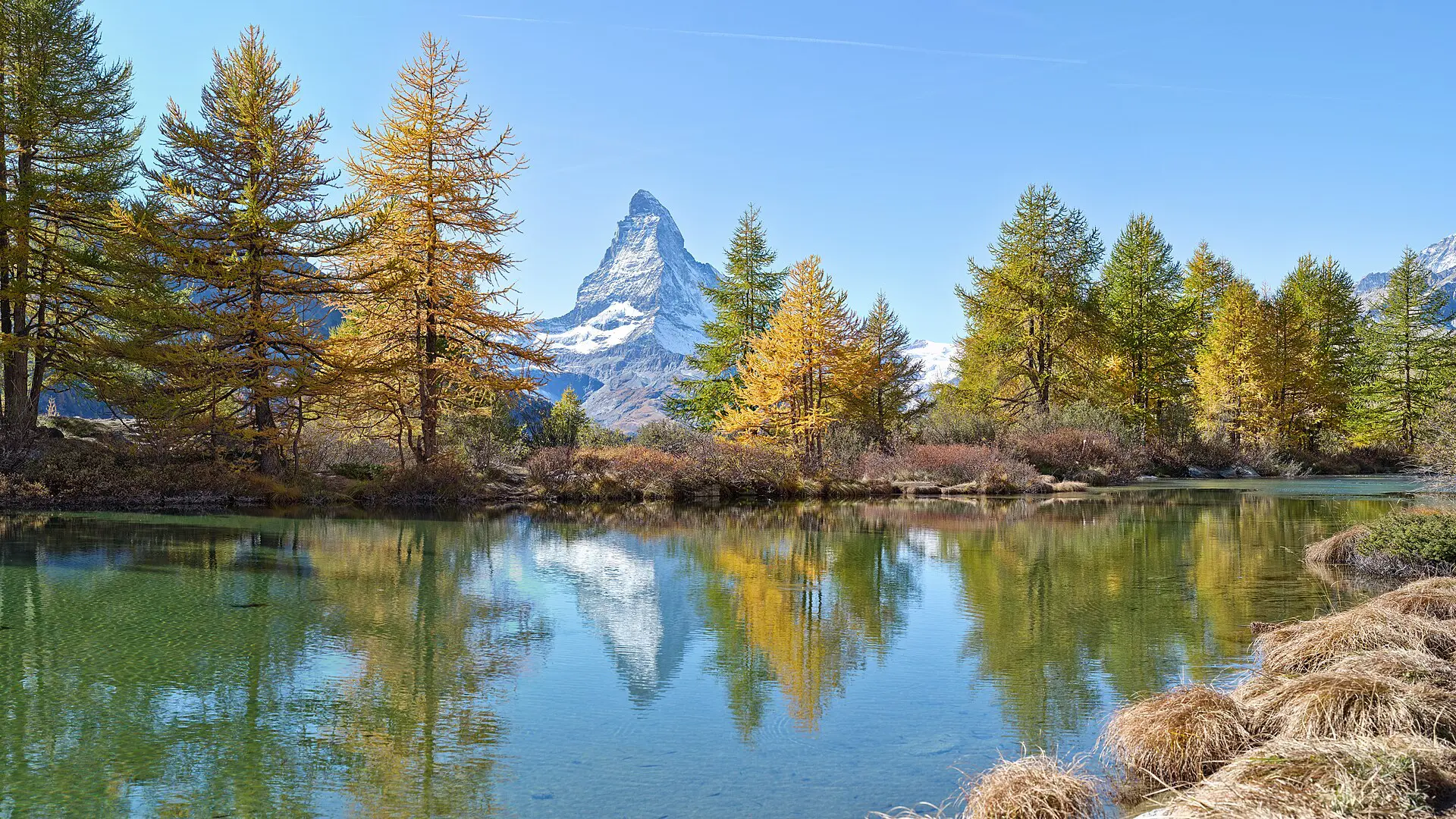
Zermatt and the Matterhorn
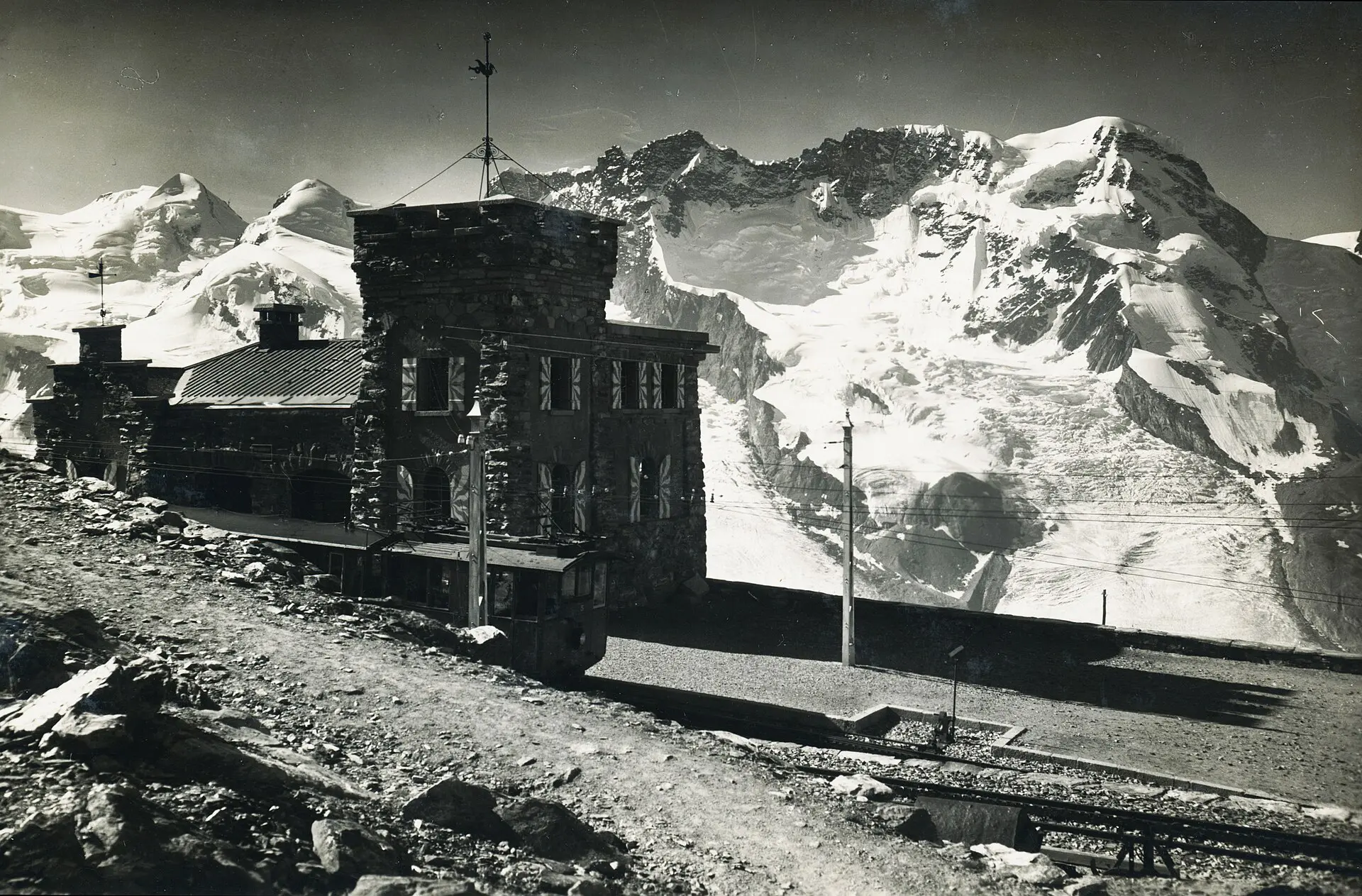
A car-free resort at the foot of the Matterhorn, reached by train from Täsch. Cable cars climb to the Gornergrat and Klein Matterhorn for views over dozens of 4,000-metre peaks.
Interlaken and Jungfrau region
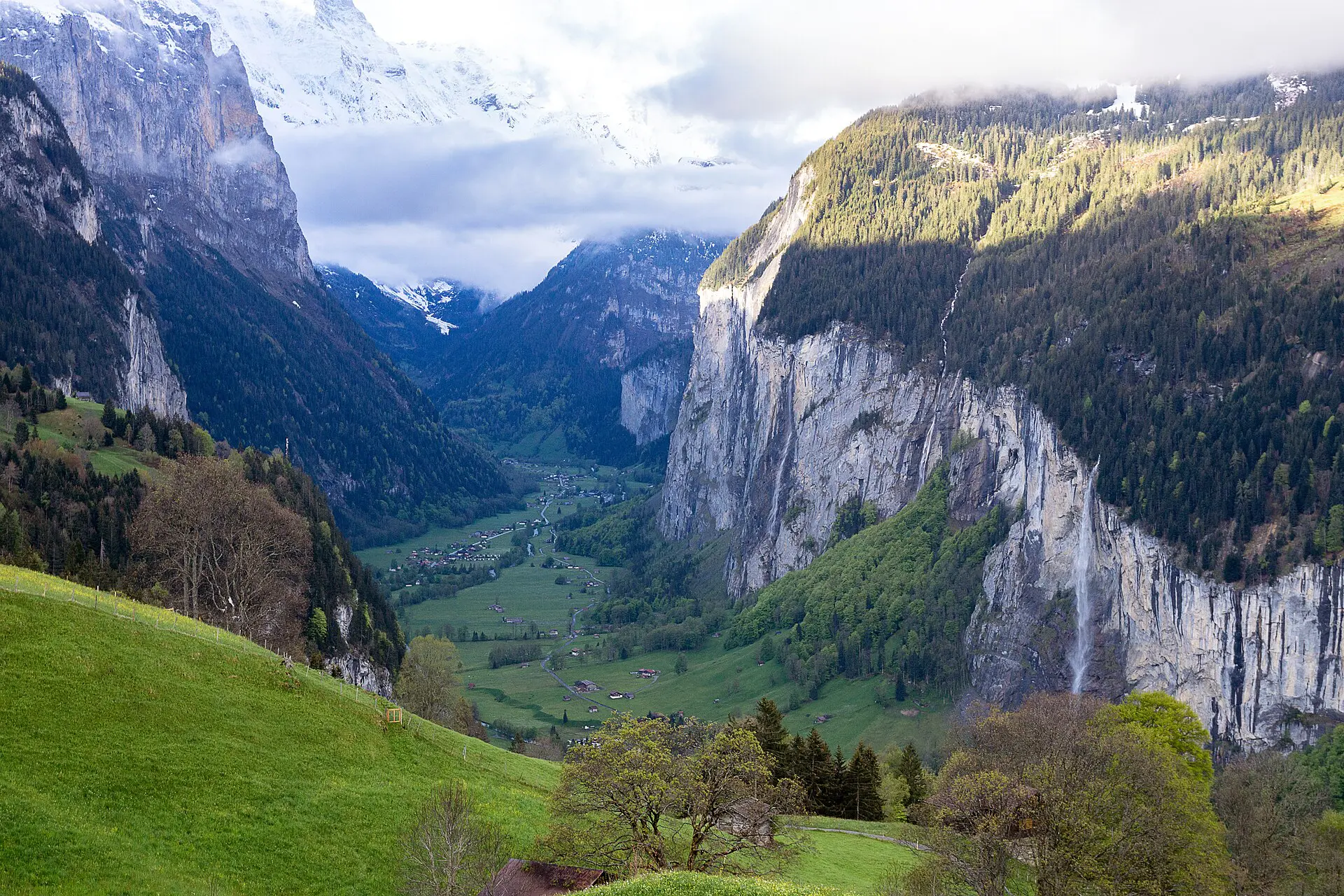
The base for Lauterbrunnen’s waterfall valley, Grindelwald and the Jungfraujoch railway to Europe’s highest railway station. Book the Jungfrau trip on a clear day.
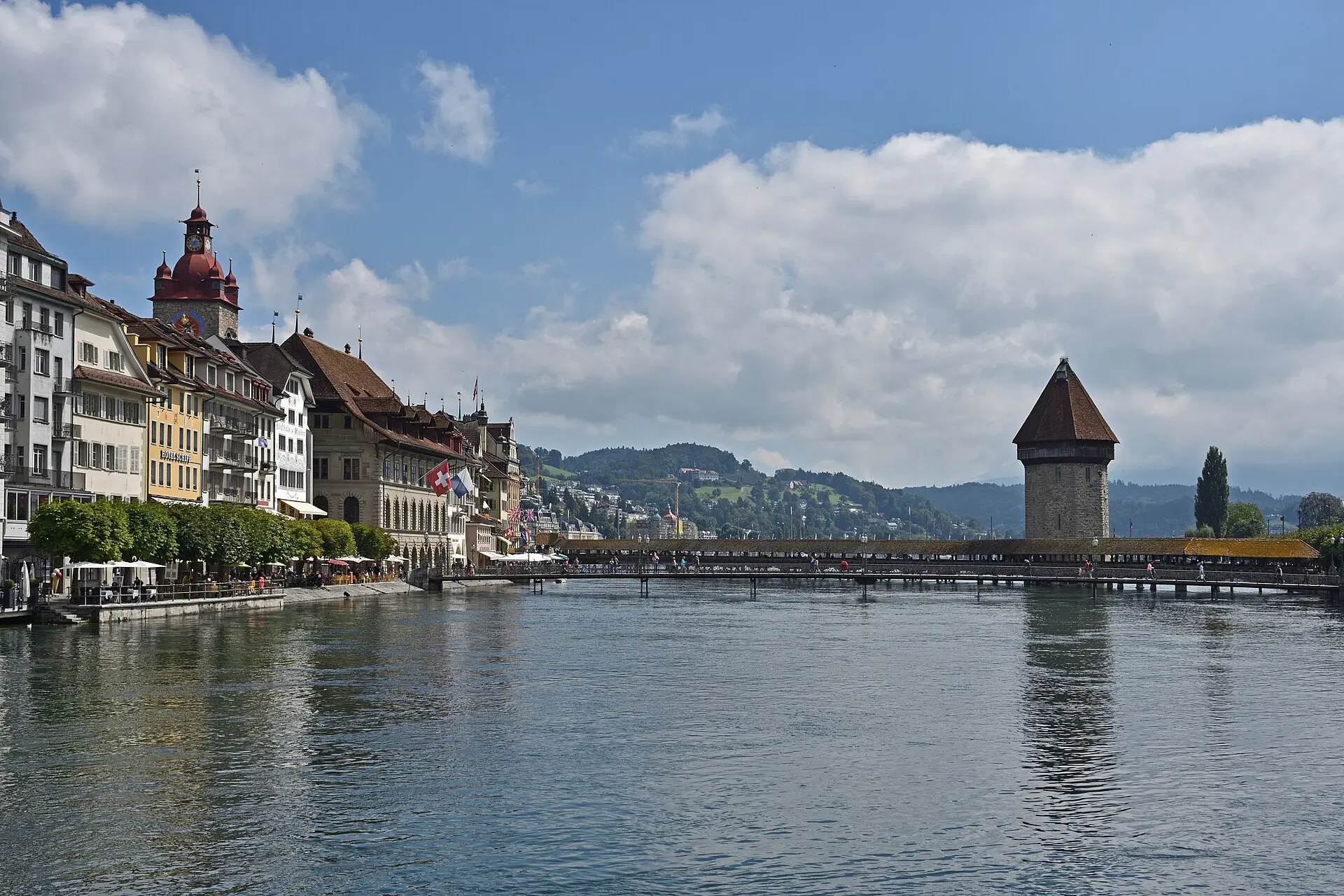
Lucerne
A lakeside old town with the wooden Chapel Bridge, and boats and cogwheel railways to Mount Pilatus and Rigi.
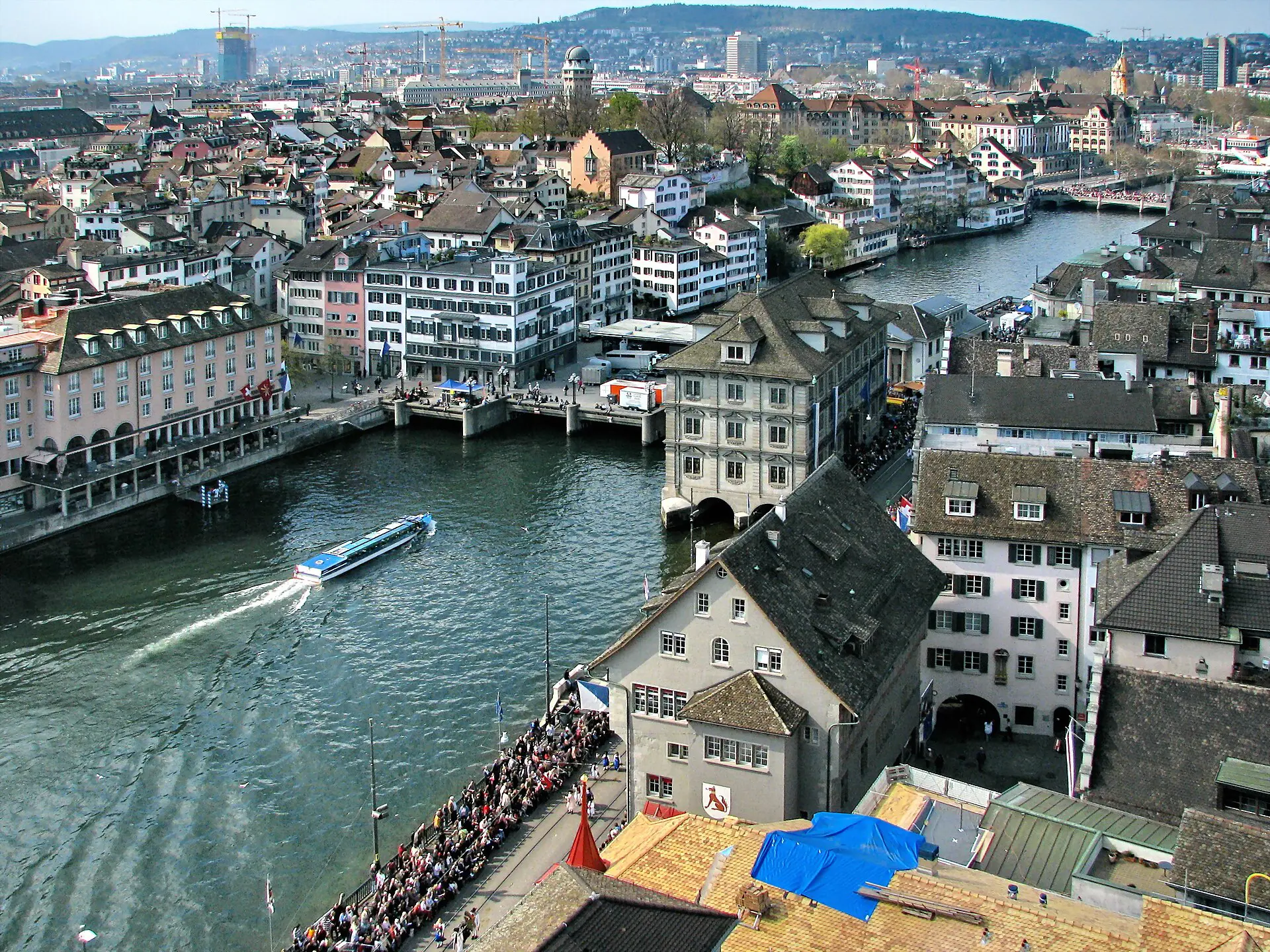
Zurich
The largest city has a lake, a compact old town and many museums. It is also the main international gateway.
Bern
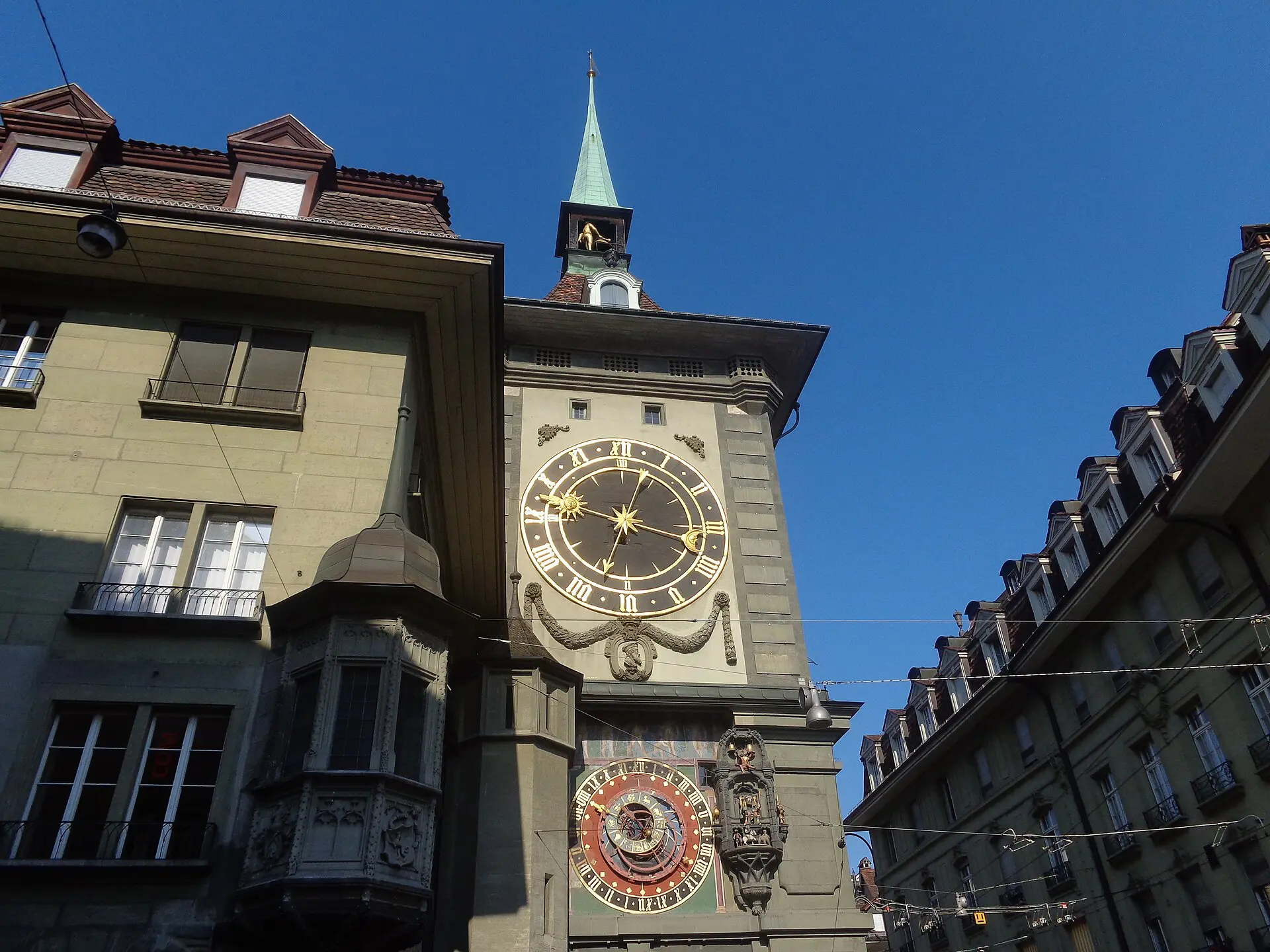
The federal city, with a UNESCO-listed medieval centre, arcaded streets and the Zytglogge clock tower, wrapped by the Aare river.
Geneva and Lake Geneva
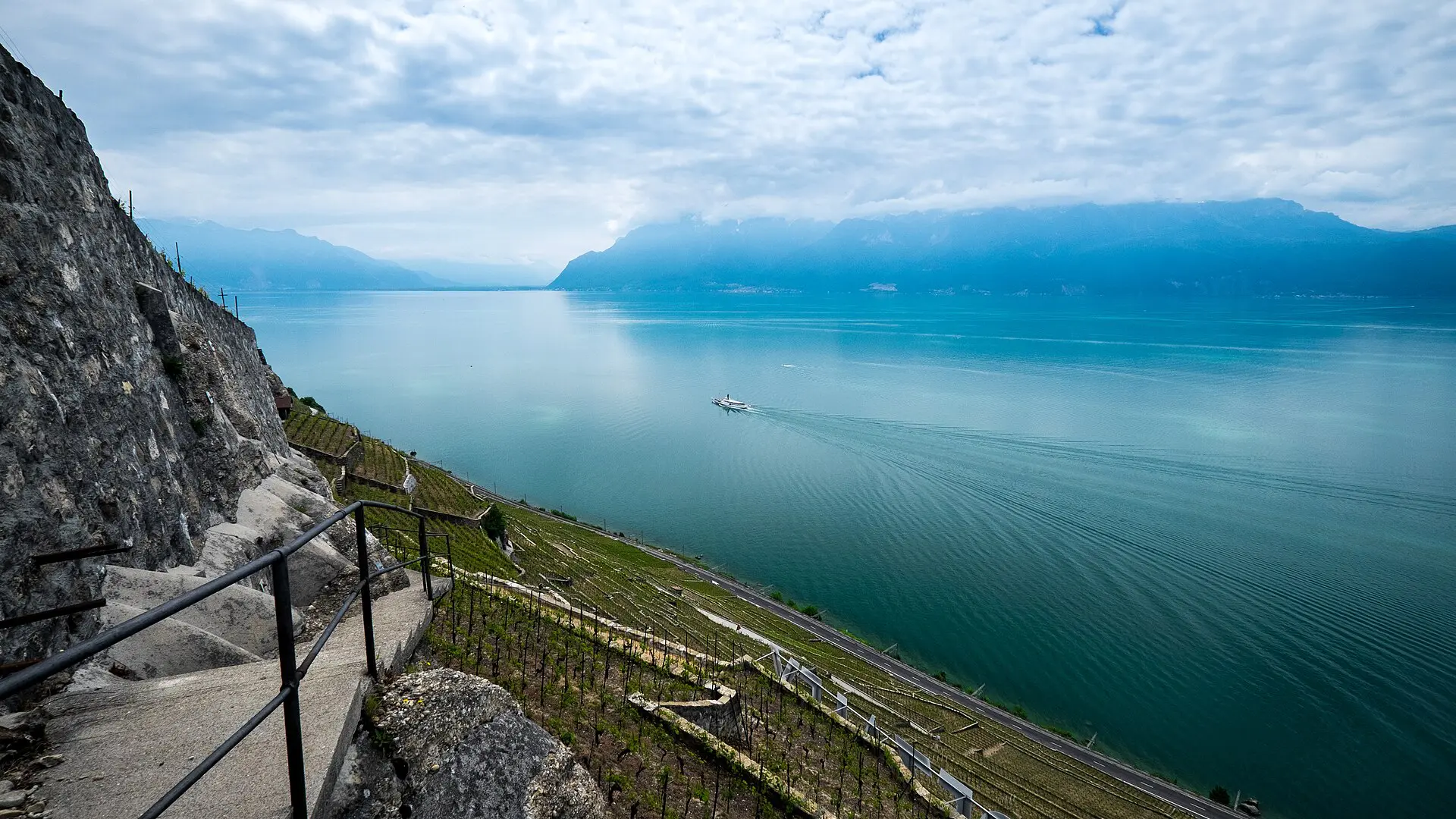
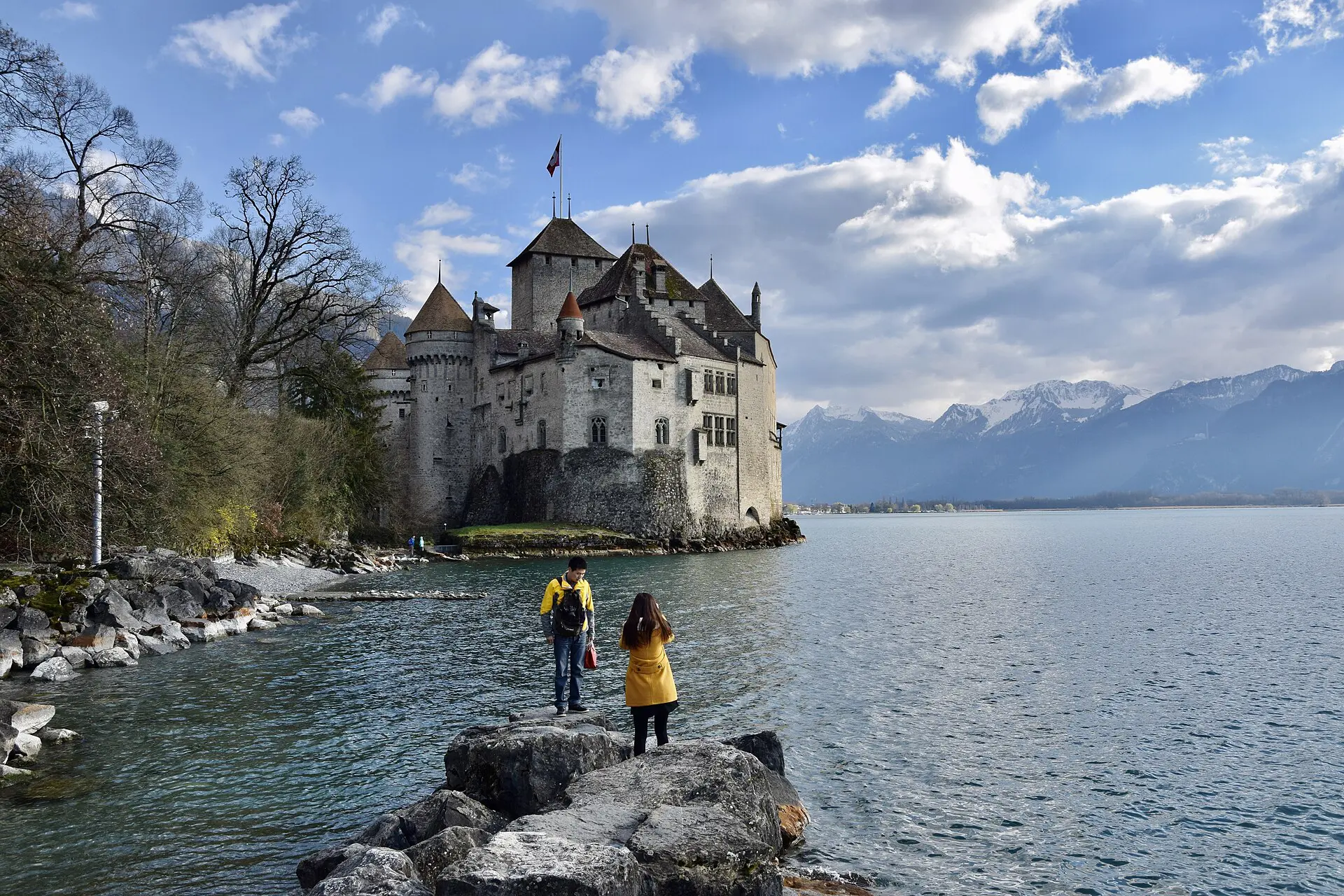
A multilingual city by a large lake, with the Jet d’Eau fountain, and vineyards at Lavaux and the castle of Chillon nearby.
Ticino
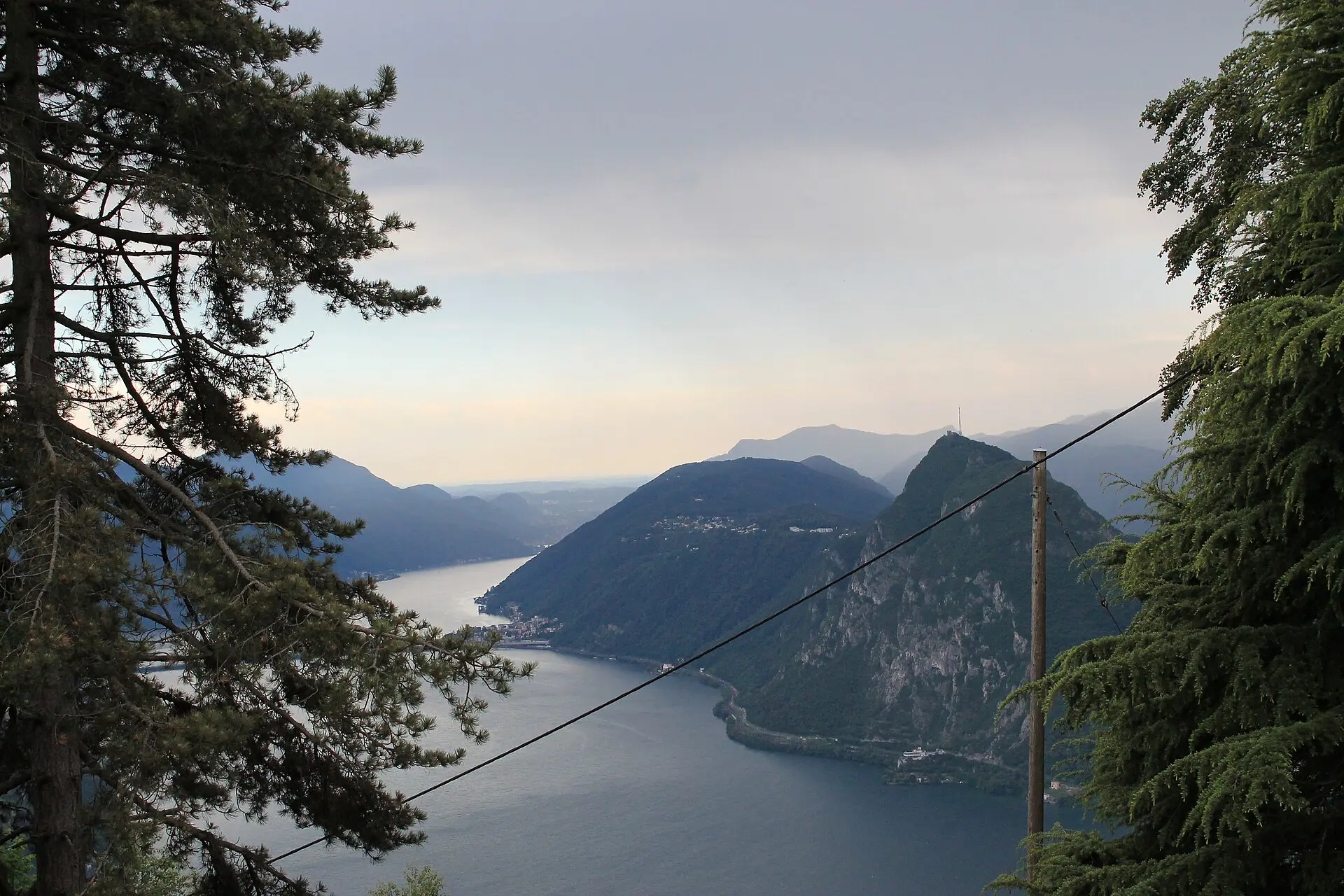
The Italian-speaking south, with palm-lined lakes at Lugano and Locarno and a different climate and cuisine.
Top things to do in Switzerland
The top things to do in Switzerland combine scenic rail journeys, high-altitude viewpoints and lakeside days, and weather often decides the order.
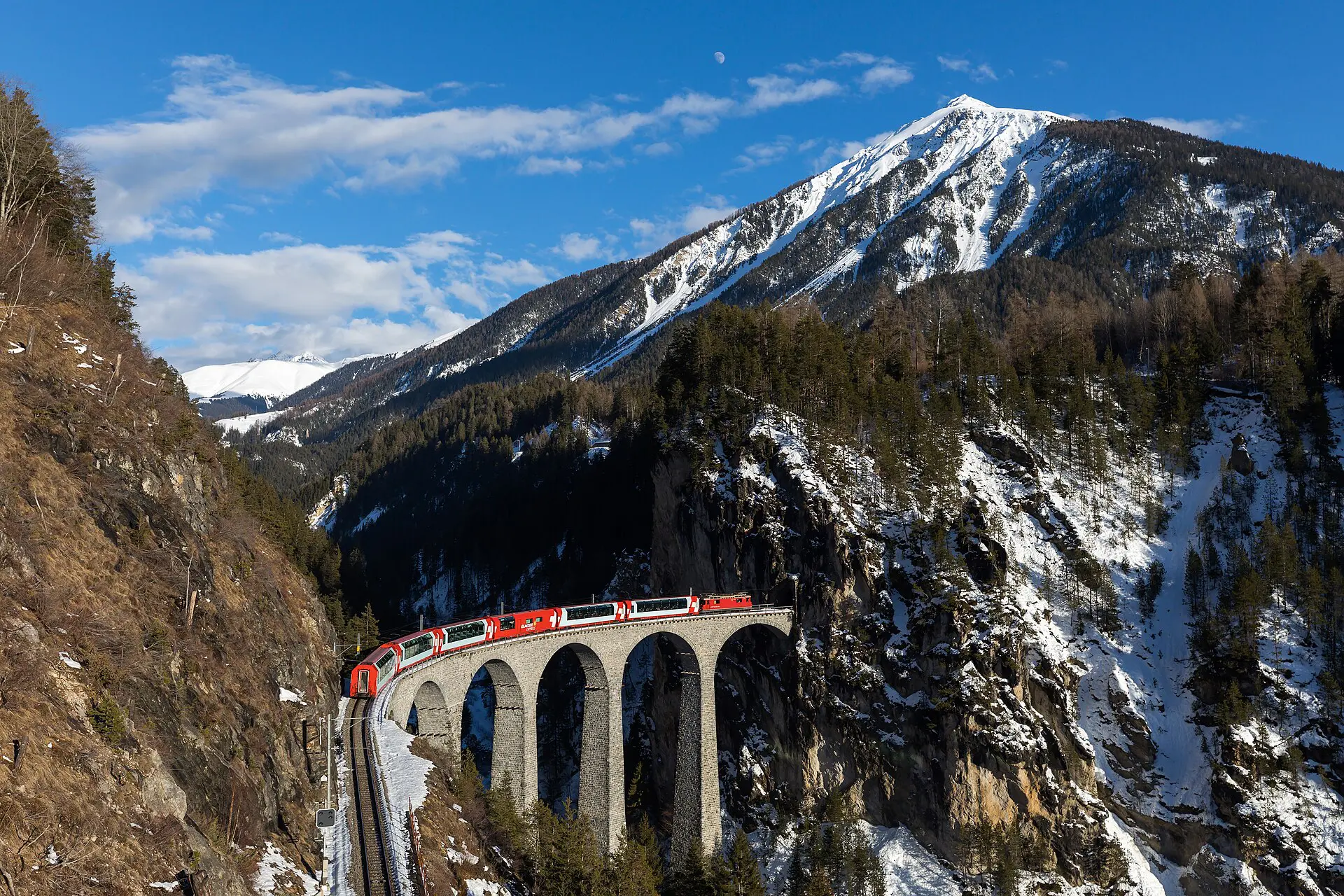
- Ride a scenic train: the Glacier Express and Bernina Express cross high Alpine passes and viaducts.
- Go up to Jungfraujoch: a rack railway through the mountain reaches the high-altitude station.
- Take the Gornergrat railway: views of the Matterhorn from Zermatt.
- Hike an alpine trail: trails around Grindelwald and Lauterbrunnen suit all levels in summer.
- Cruise Lake Lucerne: steamers connect lakeside villages and mountain railways.
- Walk Bern’s old town: arcades, fountains and the bear park by the Aare.
- Swim in a lake or river: Zurich and Basel locals swim in the lake and drift down the Rhine in summer.
- Visit Château de Chillon: a medieval castle on Lake Geneva.
- Ski or snowboard: resorts such as Zermatt, Verbier and St. Moritz operate from roughly December to April.
- Taste cheese and chocolate: visit a dairy in Gruyères or a chocolate factory.
Best time to visit Switzerland
The best time to visit Switzerland depends on what you want. June to September is the main hiking and sightseeing season, with warm days and open mountain lifts. December to March is the ski season. May and October are quieter and cheaper but have a mix of open and closed mountain facilities.
| Season | Weather | Crowds and prices | Good for |
|---|---|---|---|
| Spring (Apr-May) | Mild in valleys, snow above 2,000 m | Low; some lifts closed | Cities, lakes, flowers |
| Summer (Jun-Aug) | Warm; thunderstorms in mountains | Highest | Hiking, lakes, scenic trains |
| Autumn (Sep-Oct) | Clear and cool, golden larches | Falling | Hiking, vineyards, fewer crowds |
| Winter (Nov-Mar) | Cold; reliable snow at altitude | High at ski resorts and Christmas | Skiing, Christmas markets, spas |
Weather in the mountains changes quickly, and clouds can hide views even in summer, so keep your plans flexible and check the forecast for peaks the day before.
Is Switzerland safe to visit?
Switzerland is among the safest countries in the world for visitors. Violent crime is rare, public transport is reliable and emergency services are efficient. Petty theft, especially pickpocketing at big train stations, in crowded tourist spots and on trains, is the most likely problem, so keep bags closed and in sight.
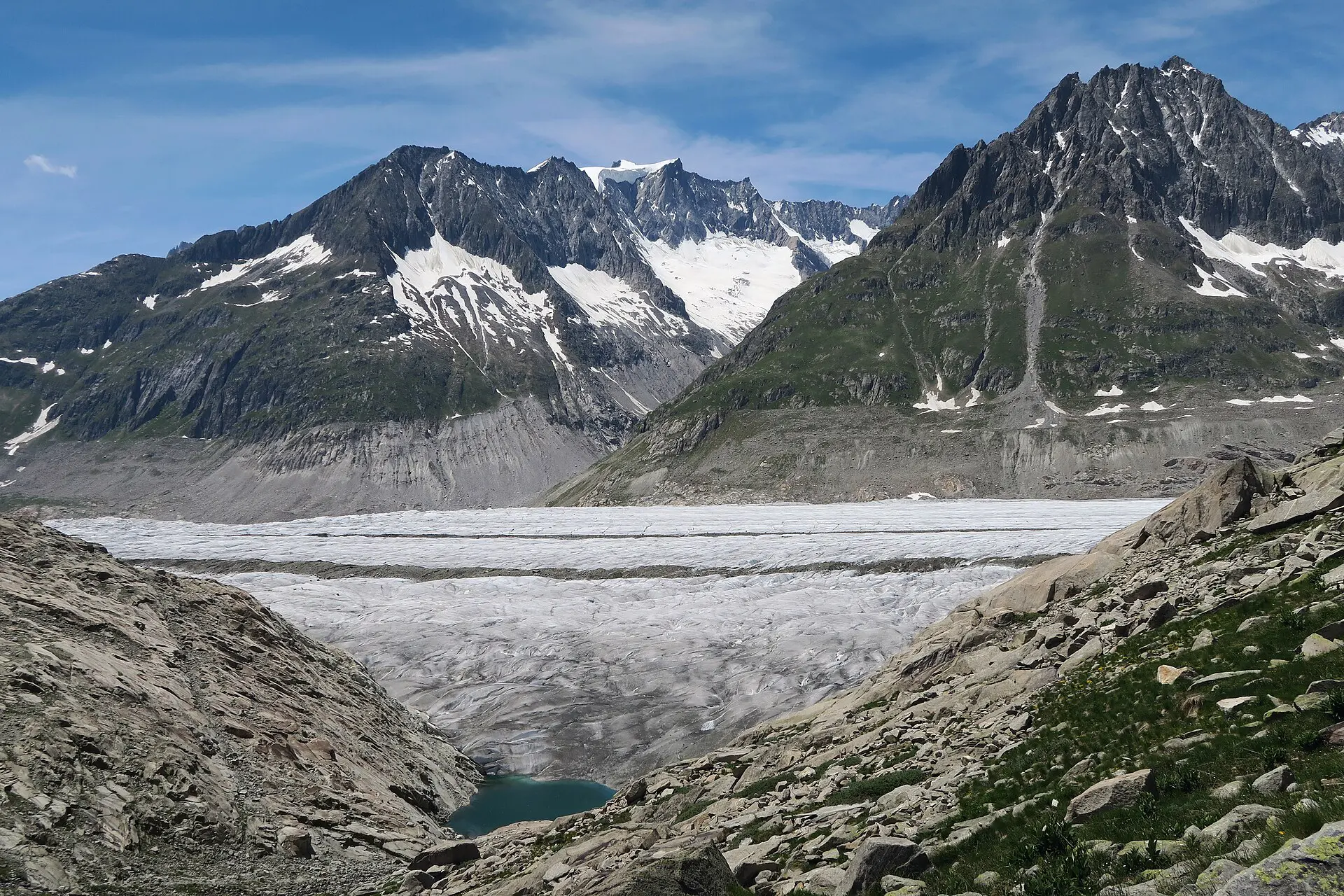
The real hazards are in the mountains. Weather can change within an hour, and snow, lightning and fog catch inexperienced hikers. Stay on marked trails, carry water, warm layers and a map, check the forecast and tell someone your route. In winter, avalanches are a real risk away from marked pistes, so never ski off-piste without a guide, avalanche gear and training, and always check the avalanche bulletin.
High altitude can cause headaches and nausea at places like Jungfraujoch, so ascend slowly and drink water. Cycling and driving are orderly, though mountain roads are narrow and winter tyres are required in snow. The emergency number is 112 (or 144 for medical help). Check your government’s travel advice, such as the UK FCDO page, before you go.
Visa and entry requirements for Switzerland
Switzerland is not in the EU but is a member of the Schengen Area, so the general entry picture depends on your nationality and follows Schengen rules. Citizens of the EU and EFTA countries can enter with a valid ID card or passport. Citizens of the UK, US, Canada, Australia and many other countries can currently stay for up to 90 days in any 180-day period without a visa, while others need a Schengen visa from a Swiss embassy or consulate.
The EU is phasing in an Entry/Exit System and ETIAS travel authorisation for visa-exempt visitors, and Switzerland takes part in the Schengen system, so check whether these apply on your travel dates. A passport valid for at least three months beyond your planned departure is generally required, and you may be asked for proof of funds and accommodation.
Switzerland is outside the EU customs union, so customs limits on goods and food apply at the border even from EU countries. Confirm all requirements with the official State Secretariat for Migration or your nearest Swiss embassy before booking.
Getting to and around Switzerland
Zurich Airport is the largest gateway, with trains to the city centre in around 10 minutes, and Geneva Airport is another major hub with a rail link in about 7 minutes. Basel’s EuroAirport and Bern’s small airport are other options, and international trains arrive from Germany, France, Italy and Austria.
Getting around Switzerland by public transport is easy, as trains, buses, boats and many mountain railways are coordinated, and trains run on time. Zurich to Bern takes about an hour, Zurich to Lucerne about 45 minutes, and Zurich to Geneva about two hours 45 minutes. The Swiss Travel Pass covers unlimited travel on consecutive days and discounts on many mountain lifts, while the Half Fare Card suits trips with fewer rides. Compare both with point-to-point tickets for your route, because passes are not always cheaper.
Driving is on the right, roads are excellent and a motorway vignette is required, though parking in resorts is costly and many, like Zermatt, are car-free. Mountain roads can close in winter. Cycling is well supported, and e-bikes can be hired in many towns.
How much does a trip to Switzerland cost?
A trip to Switzerland costs more than almost anywhere else in Europe. These are rough bands for 2026, in Swiss francs (CHF), and mountain excursions can push them up.
- Budget (about CHF 150-220 per day): hostel dorm, supermarket meals, regional passes and free hiking.
- Mid-range (about CHF 250-400 per day): a three-star hotel, restaurant lunch or dinner, public transport and one paid excursion.
- High (CHF 500 and up per day): upscale hotels, fine dining, private transfers and ski days.
Accommodation, restaurants and mountain lifts are the biggest costs. A single high-mountain ticket, such as to the Jungfraujoch, can cost well over CHF 200 per person, so choose a few excursions rather than many. Tap water is excellent and free, and supermarkets such as Migros and Coop sell good ready-made meals and picnics.
Savings come from travelling in shoulder season, staying outside the most famous resorts, using the Half Fare Card or Swiss Travel Pass where they pay back, booking trains and lift tickets early online and eating the daily lunch menu. Cards are accepted nearly everywhere.
Food and drink in Switzerland
Food and drink in Switzerland vary by region: German-speaking areas favour hearty alpine dishes, the French-speaking west leans on fondue and wine, and Ticino cooks in Italian style.
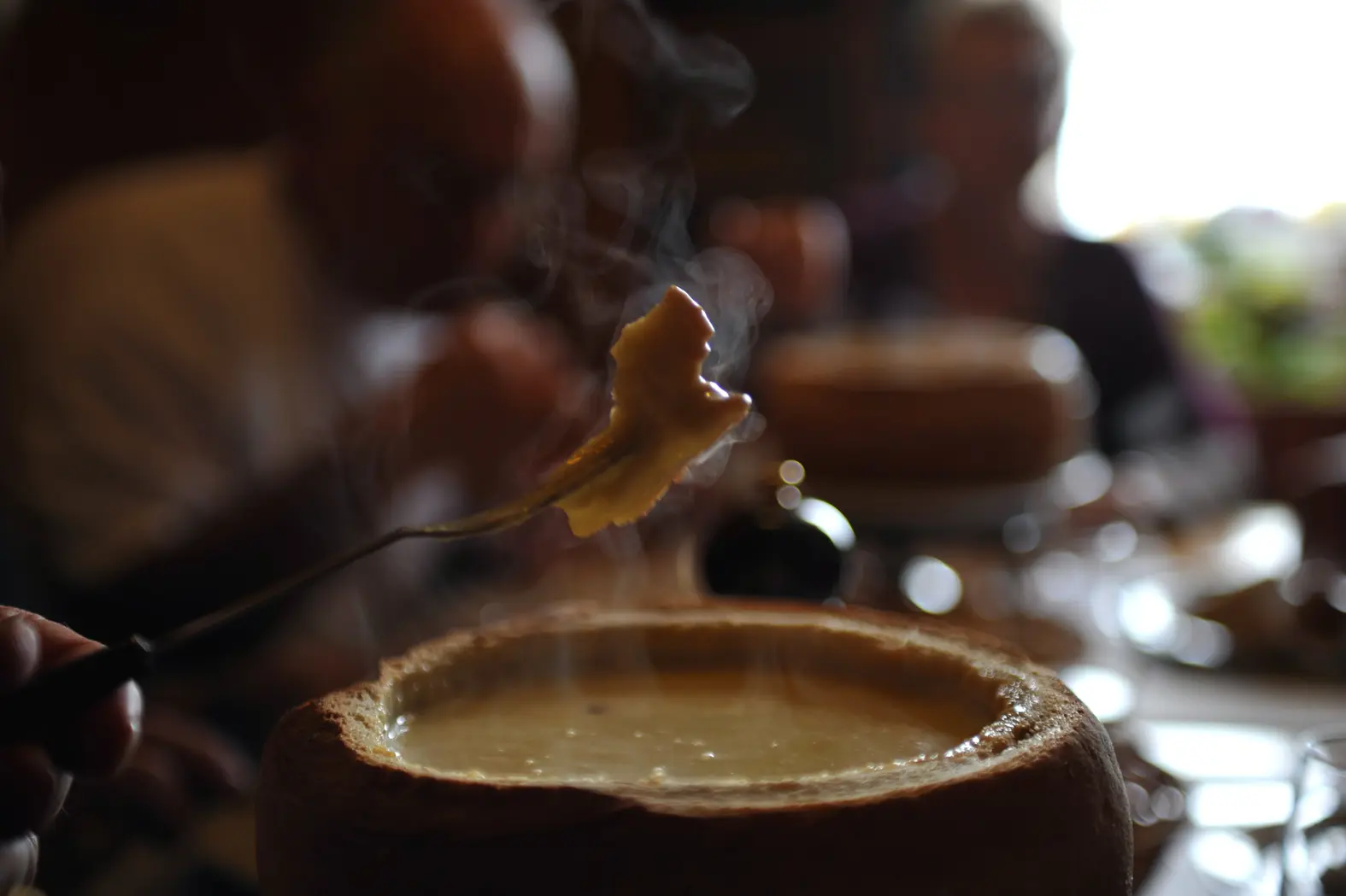
- Fondue: melted cheese, often Gruyère and Vacherin, eaten with bread from a shared pot.
- Raclette: melted cheese scraped over potatoes, pickles and cured meats.
- Rösti: a fried grated-potato dish, often served with sausage or egg.
- Zürcher Geschnetzeltes: sliced veal in cream and mushroom sauce, served with rösti.
- Älplermagronen: an alpine dish of macaroni, potatoes, cheese and onions.
- Swiss chocolate: widely available, from supermarkets to specialist chocolatiers.
- Wine: Swiss wines such as Chasselas from Lavaux are rarely exported, so try them locally.
Lunchtime set menus are cheaper than dinner, and bakeries sell sandwiches and pastries. Vegetarian options are widespread in cities, though traditional mountain restaurants lean on meat and cheese. Restaurants in smaller towns often close on Sundays or Mondays and between meal times, so check opening hours before you go.
Culture, language and etiquette in Switzerland
Switzerland has four national languages: German (spoken mostly as Swiss German dialects, with Standard German in writing), French in the west, Italian in Ticino and parts of Graubünden, and Romansh in parts of Graubünden. English is widely spoken in tourism and by younger people, but a greeting in the local language is appreciated.
Swiss culture values punctuality, order and respect for rules and quiet. Trains and meetings start on time, and people expect you to arrive on time too. Greetings are polite, with a handshake and, in French-speaking areas, often three cheek kisses among friends. Say hello when entering a shop and goodbye on leaving.
Quiet hours are taken seriously, particularly on Sundays and at night, when noisy activities such as mowing lawns or doing laundry in shared buildings are discouraged. Recycle rubbish properly, since many municipalities require official bags. Dress is casual but neat, and hiking clothes are normal on mountain trains. Respect farm fences and close gates on alpine pastures, where cows and dogs may be present. Direct democracy shapes civic life, and politics is generally discussed calmly.
Switzerland itinerary: a 7-day route
This Switzerland itinerary uses the rail network and works best from June to September. Check mountain lift opening times and weather before committing to peak excursions.
- Day 1, Zurich: arrive, walk the old town and the lake, and eat a rösti dinner.
- Day 2, Lucerne: train (about 45 minutes), then the Chapel Bridge and a lake cruise or Rigi excursion.
- Day 3, Bern: train (about an hour from Lucerne via Bern), then the old town and Aare river.
- Day 4, Interlaken and Lauterbrunnen: short train, then waterfalls and valley walks.
- Day 5, Jungfrau region: Grindelwald and, on a clear day, Jungfraujoch, or a lower-altitude hike.
- Day 6, Zermatt: train changes via Visp, then the Gornergrat railway for Matterhorn views.
- Day 7, Geneva or home: train to Lausanne and Lake Geneva (about three hours), see Chillon or Lavaux and fly from Geneva, or return to Zurich.
In winter, base yourself in Zermatt or Grindelwald for skiing and use the second half of the week for Bern and Zurich.
Practical tips for Switzerland
Practical tips for Switzerland start with money: the currency is the Swiss franc (CHF), not the euro, though some tourist businesses accept euros at a poor rate. Cards and contactless payments work almost everywhere, and ATMs are common, but carry a little cash for mountain huts and small cafés.
- SIM and data: roaming is not automatically included for EU SIMs, so check your plan or buy a prepaid SIM or eSIM; coverage is good even in many mountain areas.
- Power: type J and C sockets at 230 V; bring a Swiss or universal adapter, since some type F plugs do not fit.
- Tipping: service is included; rounding up or leaving a few francs for good service is normal.
- Health: tap water is safe, and travel insurance matters because health care is excellent but costly.
- Packing: layers, a waterproof jacket, sun protection at altitude and sturdy walking shoes.
- Time and dialling: the country code is +41, and Switzerland uses Central European Time.
- Shops: many close on Sundays, so buy groceries on Saturday.
For more planning detail, see the Wikivoyage Switzerland guide and the UNESCO list of Swiss World Heritage Sites.
FAQ
Q1Is Switzerland safe to visit?
Yes, Switzerland is one of the safest countries for visitors. Violent crime is rare, and pickpocketing at train stations and tourist spots is the most common problem. The main risks are in the mountains, such as sudden weather and avalanches off-piste, so check forecasts and follow marked trails.
Q2What is the best time to visit Switzerland?
June to September is best for hiking, lakes and scenic trains, when mountain lifts are open. December to March suits skiing. May and October are quieter and cheaper but some mountain facilities close. Weather changes quickly, so check forecasts before going up high.
Q3How much does a trip to Switzerland cost?
Roughly CHF 250 to 400 per day mid-range, around CHF 150 to 220 on a budget. Accommodation, restaurants and mountain lifts drive costs, and a single high-mountain ticket can exceed CHF 200. Supermarket meals, shoulder season and rail passes where they pay back reduce the bill.
Q4What are the best things to do in Switzerland?
Ride a scenic train such as the Glacier Express, see the Matterhorn from Gornergrat, visit Jungfraujoch, hike around Lauterbrunnen, cruise Lake Lucerne, explore Bern's old town and taste fondue. In winter, ski at resorts such as Zermatt or St. Moritz.
Q5Do I need a visa for Switzerland?
It depends on your nationality. Switzerland is in the Schengen Area, so EU and EFTA citizens enter freely, and many others, such as UK, US and Canadian citizens, can stay up to 90 days in 180 without a visa. Others need a Schengen visa. Confirm with Swiss migration authorities.
Q6Is the Swiss Travel Pass worth it?
It is worth it if you take many long train, bus and boat rides in a few days and use the included museum entries. For a few journeys, point-to-point tickets or a Half Fare Card may be cheaper. Add up your planned trips before buying.
Q7Does Switzerland use the euro?
No, Switzerland uses the Swiss franc (CHF). Some tourist businesses accept euros but at a poor exchange rate and give change in francs. Cards are accepted almost everywhere, so you rarely need much cash. ATMs dispense francs, and some also give euros.