Why visit Lugano
If you are planning things to do in Lugano, expect a lakeside city with a Mediterranean feel. Lugano is the largest city in Ticino, the Italian-speaking canton of southern Switzerland, with about 64,000 people in the city and over 150,000 in the wider urban area, as of recent figures.
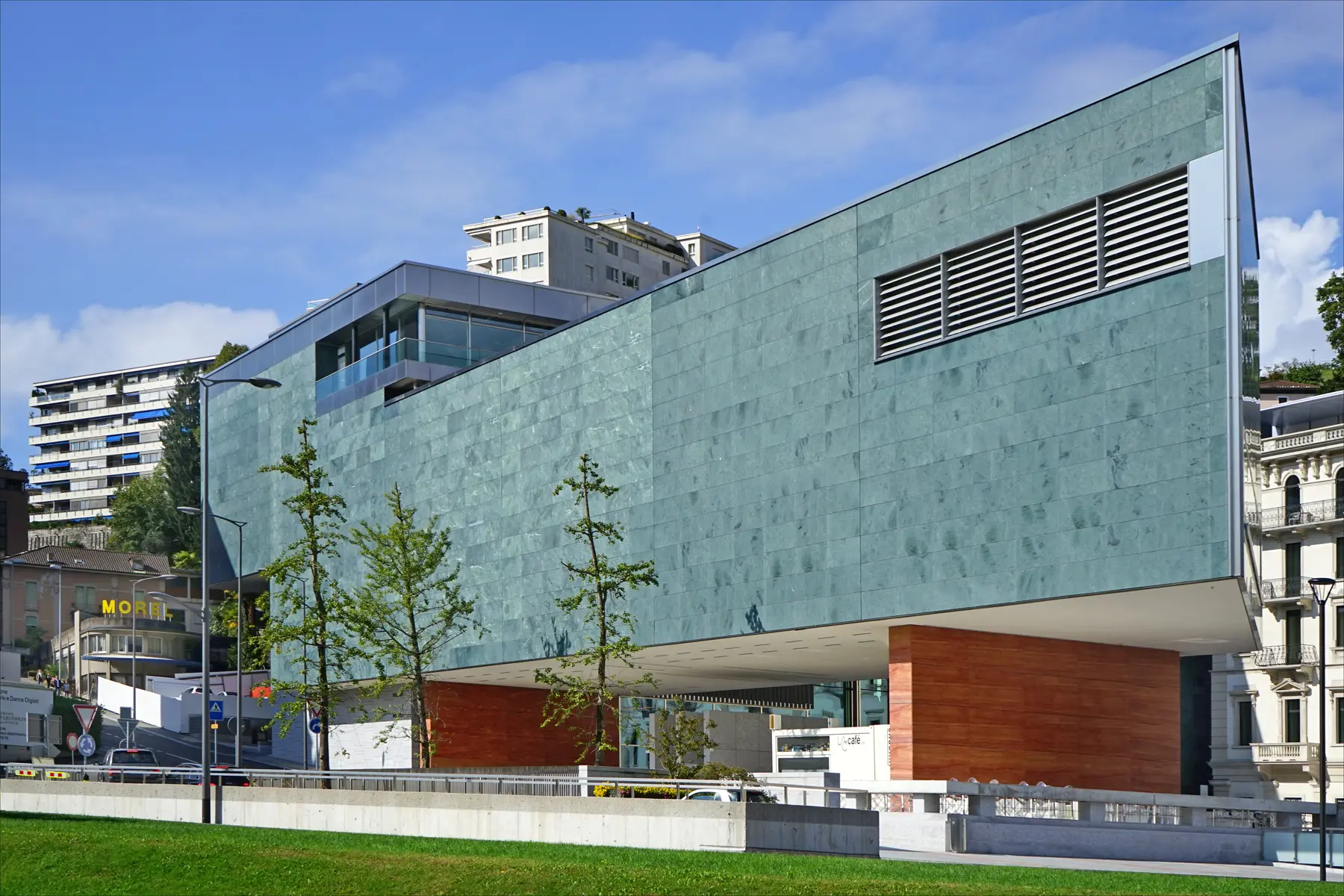
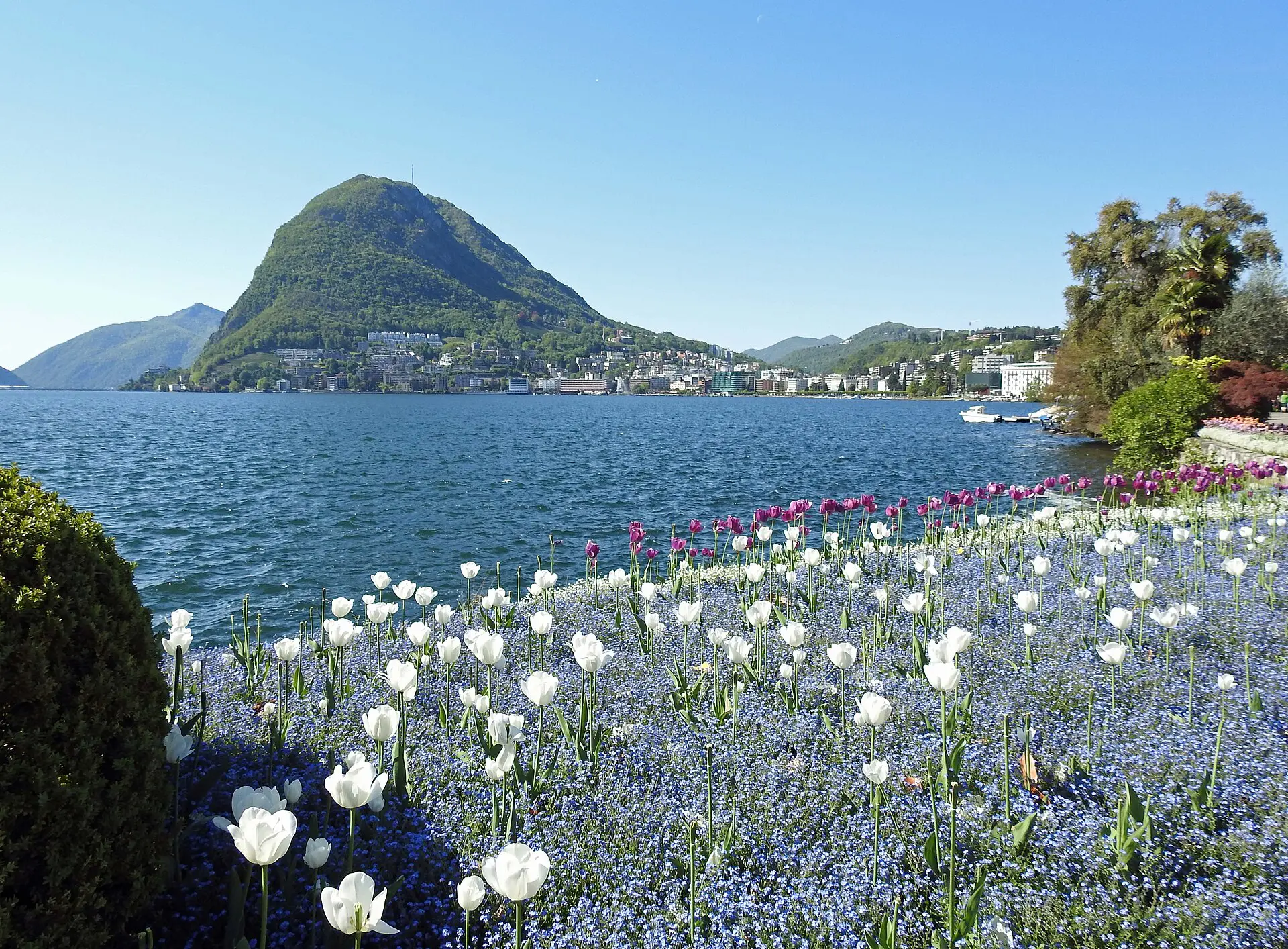
It sits on Lake Lugano, together with neighbouring Paradiso, in a bay surrounded by the Lugano Prealps. A mild microclimate brings palm trees, boulevards and views of the lake and mountains, and the city is only around half an hour from Lake Como in Italy.
Lugano is also the third-largest banking centre in Switzerland and the unofficial capital of Ticino, though the cantonal government sits in Bellinzona. It suits relaxed city breaks, lake walks and trips to nearby peaks and Italian towns.
Top things to do in Lugano
Lakefront promenade
The waterfront walk is the core of a Lugano visit, with gardens, palm trees and mountain views. Allow one to two hours, and walk the stretch toward Paradiso for a quieter stroll. Early evening light is the best time.
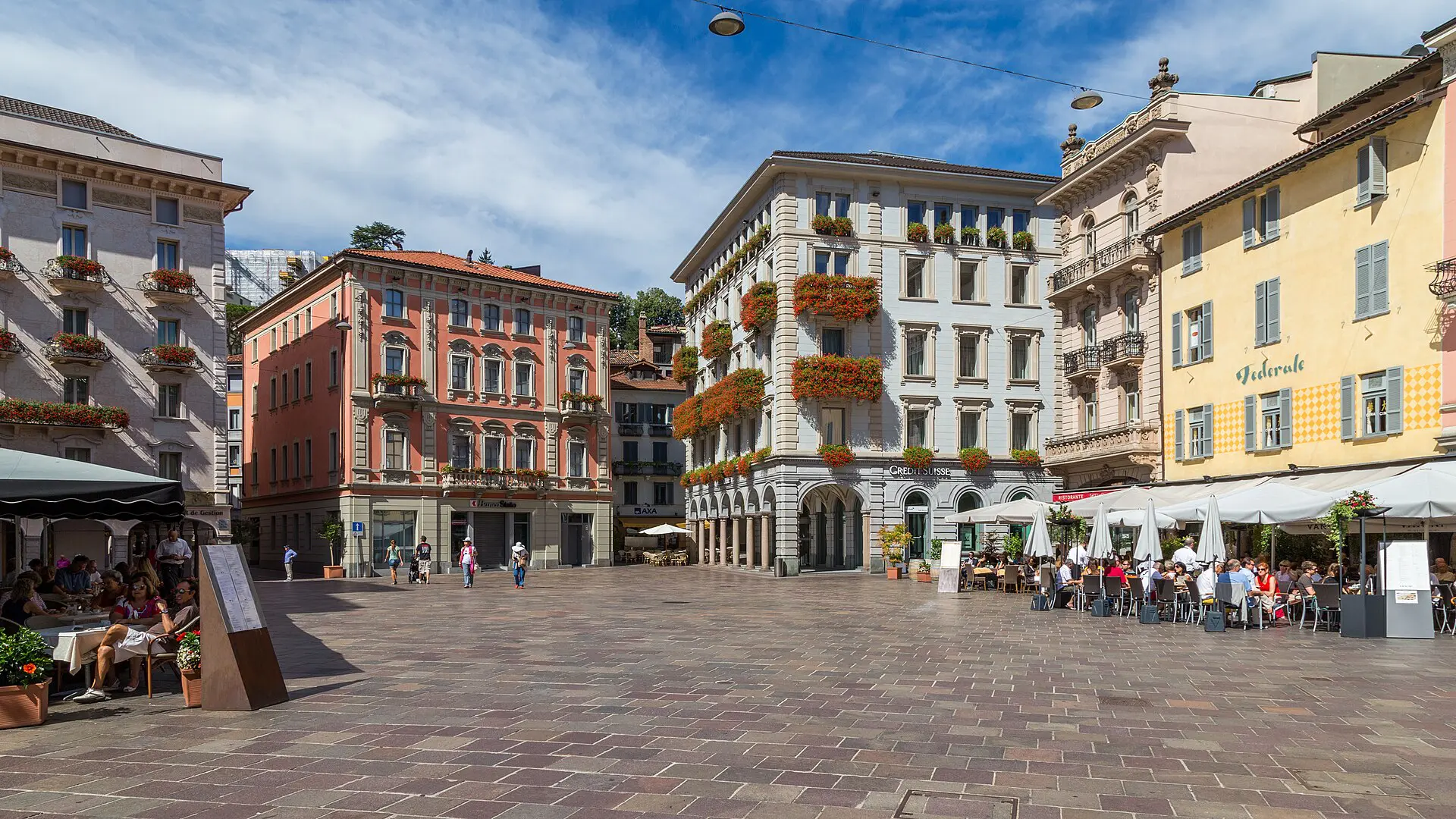
Piazza della Riforma and the old town
The main square has arcaded buildings, cafés and a lively atmosphere, with narrow lanes running off into the old town. Allow an hour or two. Sit for a coffee and look at the Italian-style architecture.
Monte San Salvatore
This peak rises beside the city and can be reached by funicular. The top offers wide views of the lake, the Alps and the surrounding hills. Allow two to three hours, and go on a clear day, ideally in the morning.
Monte Brè
On the other side of the bay, Monte Brè has a funicular and a village, with a different perspective on the lake. Allow half a day with a walk. Check the funicular timetable and weather before you travel.
Lake boat trips
Boats run across the lake to villages, some only reachable by water, as well as scenic cruises. Allow two hours or more. Check timetables, since services vary by season, and bring a light jacket for the breeze.
Museums and the cathedral
The city has museums of art and culture, and a cathedral with views over the old town. Allow an hour or two per stop. Check opening days, because many museums close on Mondays.
Parco Ciani
This lakeside park is a green, shaded space near the centre, good for a picnic or a rest. Allow an hour. It is a good option in summer, and when the weather is wet you can combine it with a nearby museum.
Best time to visit Lugano
Lugano is warmer and sunnier than much of Switzerland north of the Alps, thanks to its location south of the mountains. Summers are warm and can be humid, while winters are mild but grey at times.
| Season | Weather | Crowds and prices |
|---|---|---|
| Spring (April to May) | Mild, blooming gardens, some rain | Moderate; good value |
| Summer (June to August) | Warm, long days, lake swimming | Busiest; hotel prices highest |
| Autumn (September to October) | Mild, colourful hills | Quieter; pleasant walking |
| Winter (November to March) | Cool, grey spells, occasional sun | Quiet; some services reduce |
Late spring and early autumn are good for walking and boat trips. Check seasonal boat and funicular times before you go.
How to get to Lugano and around
Lugano Airport stopped regular commercial flights in 2021, so check whether services have resumed; most visitors arrive via Milan or Zurich. Milan Malpensa airport is roughly one to one and a half hours away by shuttle bus or around an hour and 40 minutes by train, depending on connections.
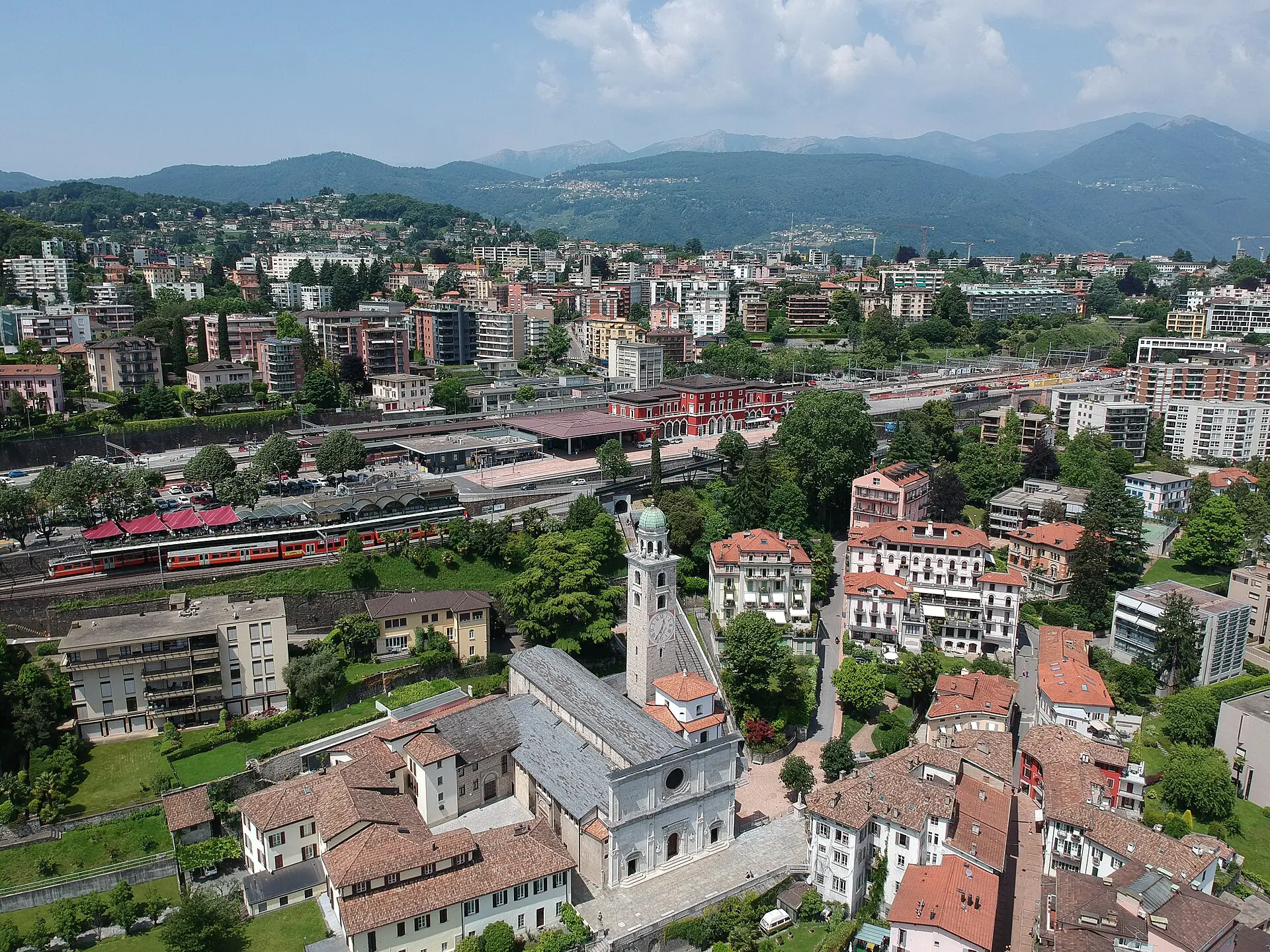
Lugano station lies on the Gotthard railway, which crosses the Alps and connects Ticino with the cantons of Schwyz and Uri. Trains run from Zurich and Milan, and the scenic route is worth the journey. Check timetables and booking options.
The centre is compact and walkable, and a funicular links the station to the lakefront. Buses cover the wider area, and boats are an option for lake destinations. Many hotels give guests a Ticino travel card, so ask when you check in.
Where to stay in Lugano
The lakefront and old town put you within walking distance of the sights, shops and restaurants. This suits first-time visitors and short stays, although prices are highest here.
Paradiso, next to Lugano, offers lakeside hotels with views and a quieter setting, with easy access to the city centre. It suits travellers who want a resort feel and a view of the water.
Near the station you will find a wider range of accommodation and better value, with easy rail connections. Villages on the hillsides and the lake edge offer a calmer base if you have a car or do not mind public transport. Book early for summer.
How many days do you need?
Two days covers the main sights, and a third day adds flexibility for a mountain excursion or an Italian trip.
- Day 1: Lakefront promenade, Piazza della Riforma and the old town, then Parco Ciani.
- Day 2: Funicular to Monte San Salvatore or Monte Brè, then a lake boat trip in the afternoon.
- Day 3: A day trip to Lake Como, or to a nearby village.
If it rains, swap outdoor stops for museums and cafés.
Day trips and nearby
Lake Como
Lake Como is around half an hour away, across the Italian border. It has lakeside villages, villas and ferries. Bring ID, and allow a full day, with a train or bus plus ferry connections.
Milan
Milan is reachable by direct train in roughly an hour and a half. It has a cathedral, museums and shopping, and it works as a day trip or as a flight gateway.
Locarno and Bellinzona
Both are in Ticino and reachable by train. Locarno sits on Lake Maggiore, while Bellinzona has well-known medieval castles. Each makes a half-day or full-day outing.
Zurich and Lucerne
Both cities are reachable via the Gotthard railway, though the journey takes a couple of hours. They suit travellers continuing north rather than a short day out.
FAQ
Q1How many days do you need in Lugano?
Two days is enough for the lakefront, old town and one mountain viewpoint. A third day lets you add a lake boat trip or a visit to Lake Como. Longer stays suit walkers and those using Lugano as a base for Ticino.
Q2When is the best time to visit Lugano?
April to October is the usual period, with mild to warm weather and pleasant lake conditions. Summer is busiest and most expensive. Spring and early autumn offer a good balance of weather, crowds and prices.
Q3How do you get to Lugano?
Lugano Airport stopped regular commercial flights in 2021 (check for any change), so most visitors fly to Milan Malpensa and continue by shuttle or train. You can also take direct trains from Zurich or Milan along the Gotthard railway.
Q4Is Lugano expensive?
Yes, Lugano is expensive, as are most Swiss destinations. Hotels and restaurants cost the most. You can save by travelling in shoulder season, picnicking by the lake and using the visitor card many hotels offer.
Prices, schedules and entry rules change. Check current details with official sources before you travel. Read the Switzerland travel guide.