Why visit Zurich
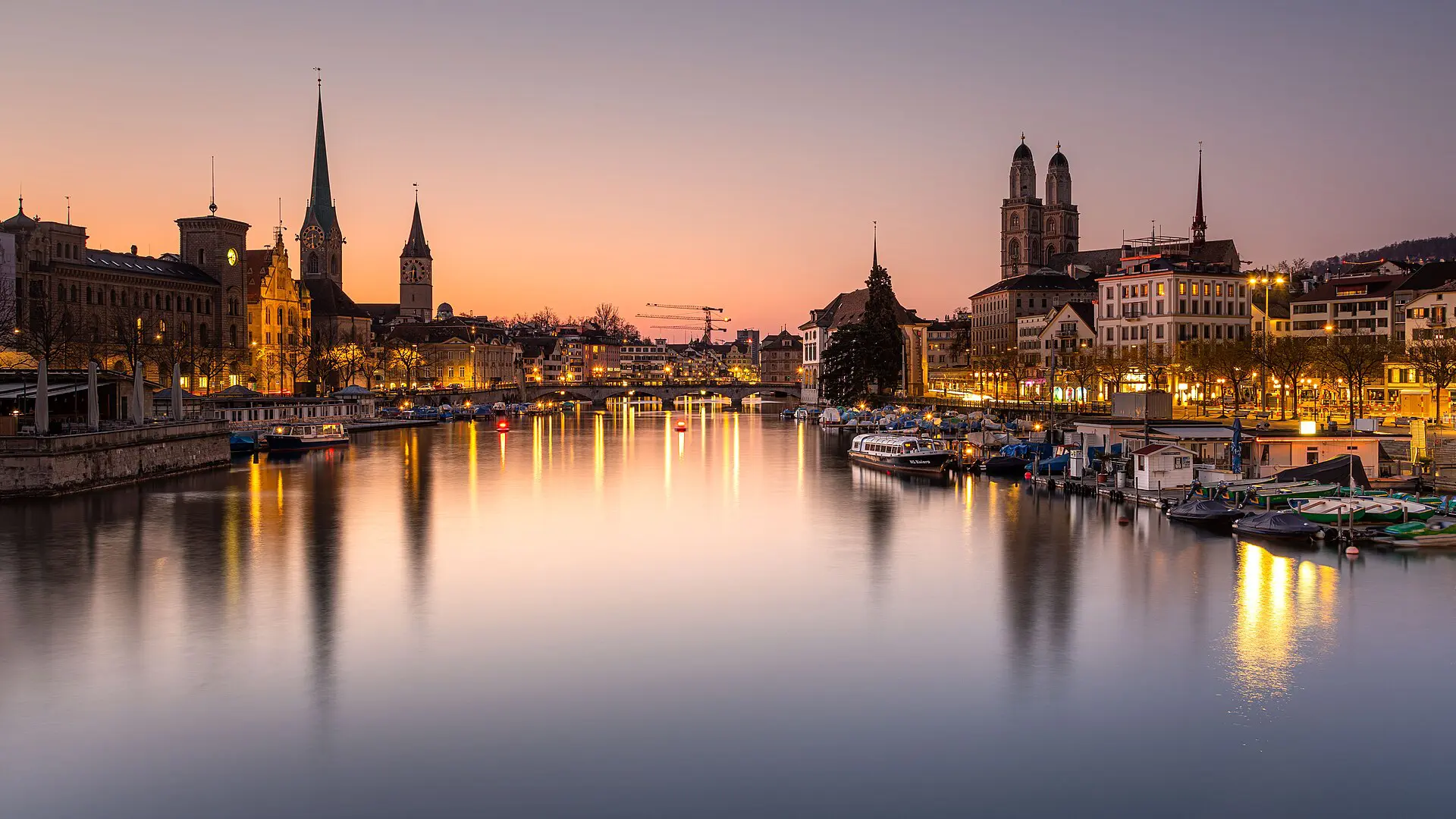
If you are planning things to do in Zurich, expect a calm, compact city rather than a checklist of monuments. Zurich is the largest city in Switzerland and a global banking centre, set at the northern end of Lake Zurich and divided by the Limmat river, with wooded hills on either side and, on clear days, the Alps on the horizon.
The old town has narrow lanes, guildhalls, churches with distinctive towers and small squares, all within a short walk of the lake. Museums cover fine art, Swiss history and design, and the city has a thriving food, coffee and nightlife scene, especially in the former industrial districts west of the station.
What sets Zurich apart is how easily you can use the city for outdoor time. In summer you can swim in the lake or in the river at designated bathing spots, and in winter you can reach snow within a couple of hours. The trains are punctual, signs are clear and the city feels safe. The main drawback is cost, since prices for hotels, food and transport are among the highest in Europe.
Top things to do in Zurich
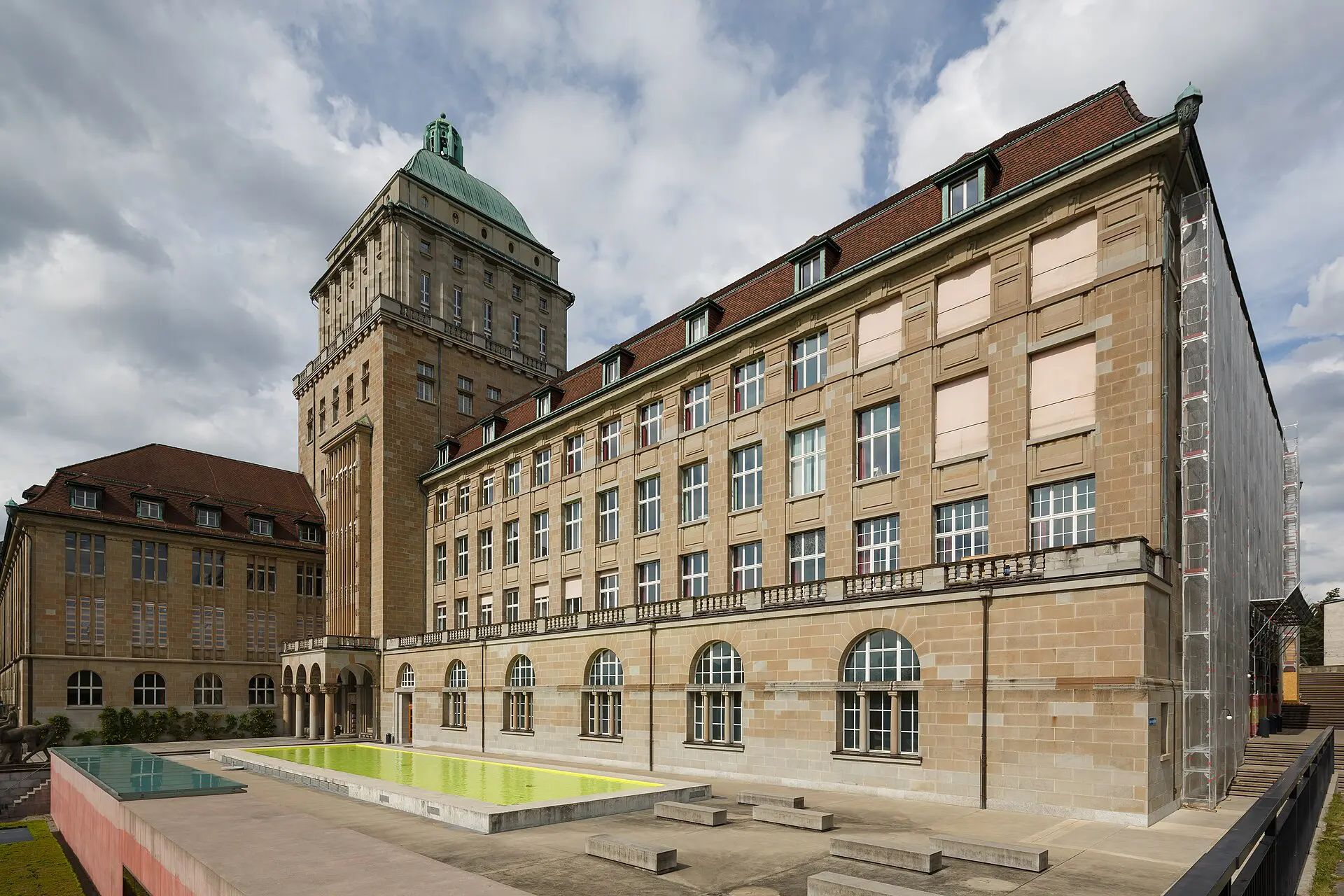
Altstadt and the Limmat quays
The old town on both sides of the river is best explored on foot over a couple of hours. Look for cobbled lanes, painted facades and small bridges. Lindenhof, a shaded terrace on a hill, offers good views over the roofs and river.
Grossmunster and Fraumunster
The Grossmunster, with its twin towers, is the symbol of Zurich and is tied to the Reformation. You can climb one tower for views. The Fraumunster, across the river, is known for stained-glass windows by Marc Chagall. Allow an hour for each, and check opening times.
Lake promenade and swimming
The lakeside paths stretch along both shores, with grassy parks and public lake baths. A stroll takes an hour or more. In summer you can swim at free public spots, and boats on the lake run to villages along the shores.
Uetliberg
Zurich’s local mountain offers views of the city, lake and Alps and can be reached by a short train ride from the main station followed by a walk. Allow half a day. Wear sturdy shoes and check the weather, since views vary with cloud.
Kunsthaus Zurich
The city’s main art museum has a collection ranging from old masters to modern works. Allow two to three hours. Opening days vary, so check the schedule, and combine a visit with a walk through the nearby university district.
Bahnhofstrasse
The famous shopping street runs from the station toward the lake and is lined with department stores, watchmakers and chocolate shops. A walk takes about 30 minutes without shopping. It is a good place to buy Swiss chocolate, though prices are high.
Zurich West
This former industrial district has converted warehouses, galleries, bars and weekend markets, and it shows a more contemporary side of the city. Plan an evening here after seeing the old town.
Best time to visit Zurich
Zurich has a temperate climate with four clear seasons. Late spring to early autumn is best for lake swimming, terraces and hiking, while winter brings Christmas markets and a fresh chance of snow in the hills. Rain can occur at any time of year, so a compact umbrella is useful.
| Season | Weather | Crowds and prices |
|---|---|---|
| Spring (March to May) | Cool to mild, showers | Moderate |
| Summer (June to August) | Warm, some thunderstorms | High |
| Autumn (September to November) | Mild, then misty | Moderate, lower later |
| Winter (December to February) | Cold, grey, occasional snow | Busy for Christmas markets, otherwise quieter |
Hotel prices often rise during large trade fairs and events, so check dates when booking.
How to get to Zurich and around
Zurich Airport is Switzerland’s main international hub, about 10 km north of the centre. Trains run to the main station in around 10 to 15 minutes, and there is also a tram and bus network. Taxis are convenient but expensive.
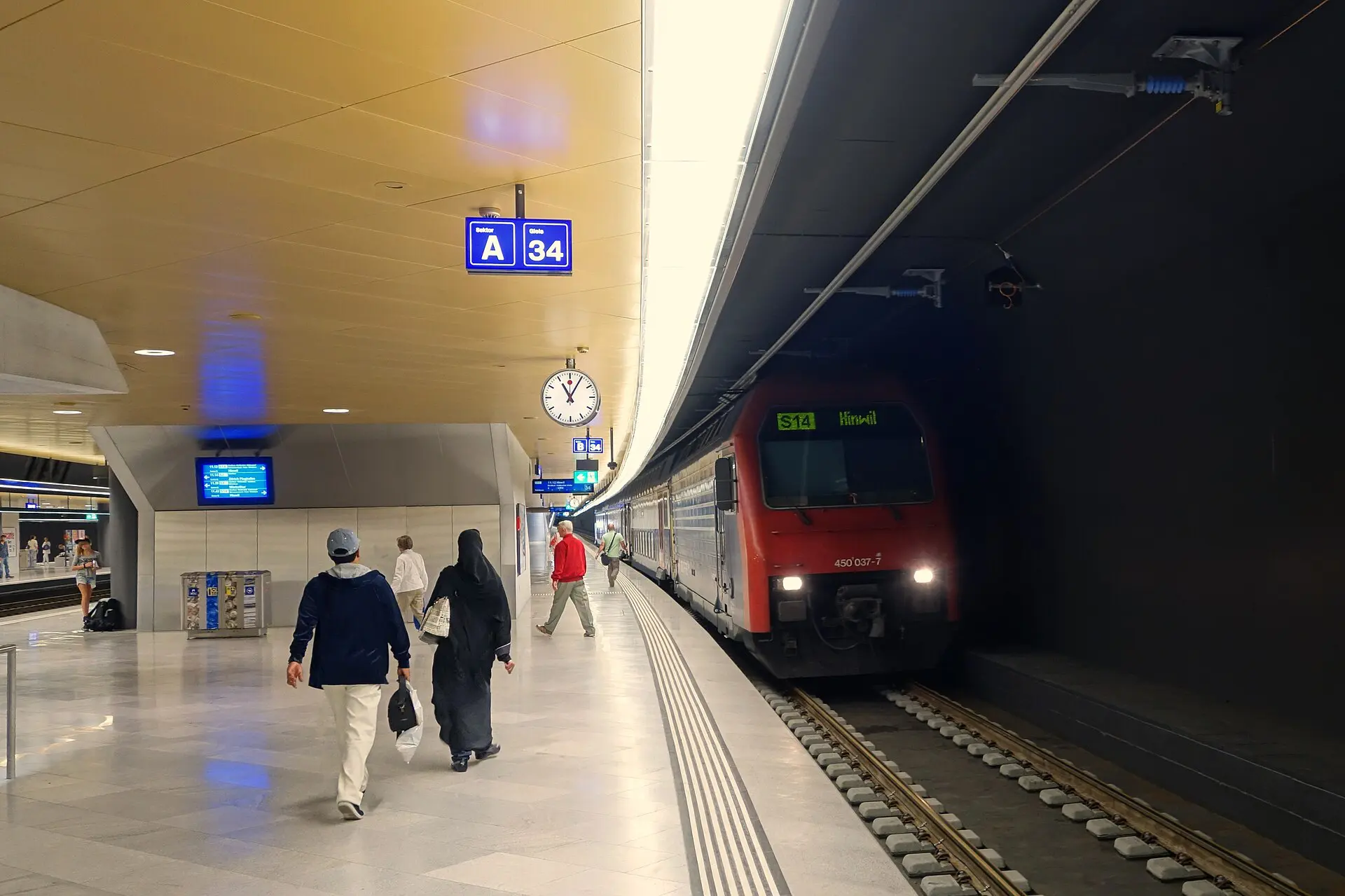
Zurich Hauptbahnhof is a major rail hub, with frequent services to Basel, Bern, Lucerne, Geneva, Lugano and international destinations such as Munich, Milan and Vienna. Swiss trains are punctual, and journeys are comfortable and scenic.
The city centre is compact, and many sights are within walking distance. Trams and buses cover the rest, with tickets that work across all modes, and a day pass makes sense if you travel often. Lake boats are part of the public network on some routes. A Swiss travel pass may be worthwhile if you plan several day trips, so compare prices before you buy.
Where to stay in Zurich
The old town and the area around the main station are the most convenient for sightseeing and train connections. Prices are high in the old town, while the station area has a wide mix of hotels.
Zurich West suits travellers who like modern design hotels, restaurants and nightlife, with good tram links to the centre. Districts around the lake, such as Enge and Seefeld, are quieter and greener, and suit couples and travellers who prefer lakeside walks.
Because Zurich is expensive, some visitors choose cheaper hostels or hotels near transport lines at the edge of town, or stay in smaller nearby towns and commute by train. Book early for trade fairs and summer weekends.
How many days do you need?
One full day is enough to see the old town and the lake promenade, and two days let you add a museum and a hill viewpoint. A third day suits a trip to Lucerne or a mountain excursion.
- Day 1: Old town walk, Grossmunster, Fraumunster, Lindenhof, Bahnhofstrasse and a lake promenade in the evening.
- Day 2: Kunsthaus, Uetliberg or a lake boat trip, and dinner in Zurich West.
- Day 3: Day trip to Lucerne or the Rhine Falls by train.
Day trips and nearby
Lucerne
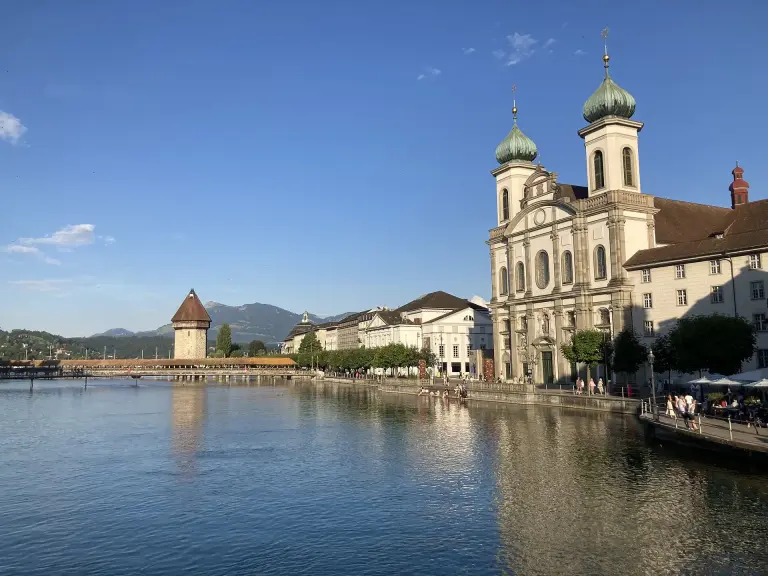
About 45 minutes by train, Lucerne has a wooden chapel bridge, a lakeside old town and mountains for excursions. It is the most popular day trip from Zurich.
Rhine Falls
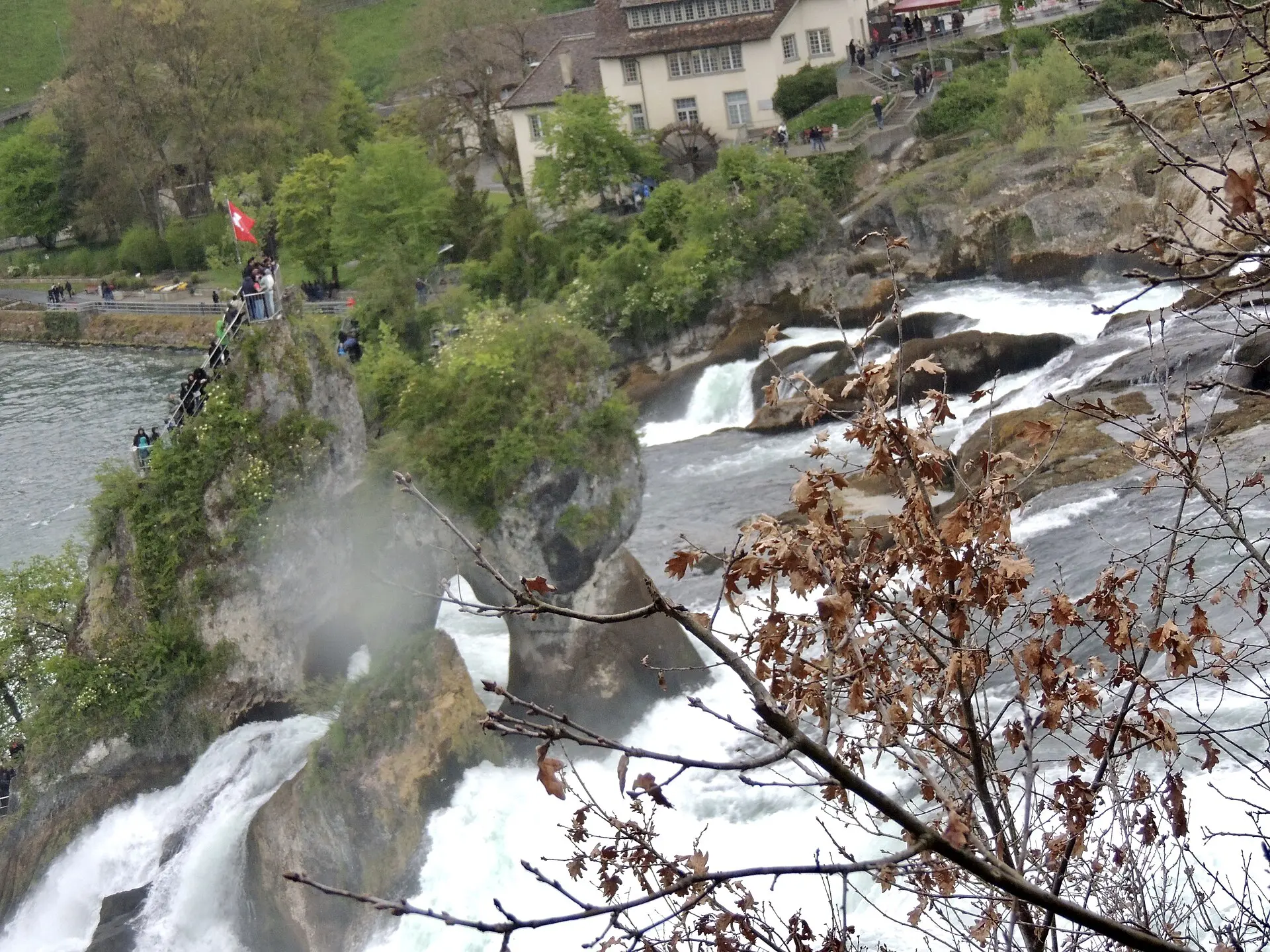
One of Europe’s largest waterfalls lies close to Schaffhausen, reachable by train in under an hour. Allow half a day for viewpoints and a short boat trip.
Bern
The Swiss capital is roughly an hour by train, with an old town on a river loop and arcaded streets. It works as a relaxed day trip.
Interlaken and Lauterbrunnen
Interlaken is around two hours away by train, and Lauterbrunnen a little further. A long day trip is possible, but an overnight stay lets you see more of the mountains.
FAQ
Q1Is Zurich worth visiting?
Yes, if you like compact, walkable cities with lakes, museums and easy trains to the mountains. It is less dramatic than some Alpine destinations, but it is clean, safe and a very practical base for exploring Switzerland, though costs are high.
Q2How many days do you need in Zurich?
One full day covers the old town and lakefront, and two days add a museum, Uetliberg or a boat trip. Plan a third day if you want a day trip to Lucerne, the Rhine Falls or Bern by train.
Q3How do I get from Zurich Airport to the city centre?
Trains run from the airport station to Zurich Hauptbahnhof in about 10 to 15 minutes, with frequent departures through the day. Trams, buses and taxis are also available, but the train is the quickest and cheapest option. Check current timetables and fares.
Q4Is Zurich expensive?
Yes, Zurich is one of the most expensive cities in Europe, particularly for hotels, restaurants and public transport. You can save by picnicking, using free lake swimming spots, travelling off peak and staying slightly outside the centre. Check current prices before you plan a budget.
Prices, schedules and entry rules change. Check current details with official sources before you travel. Read the Switzerland travel guide.