Why visit Geneva
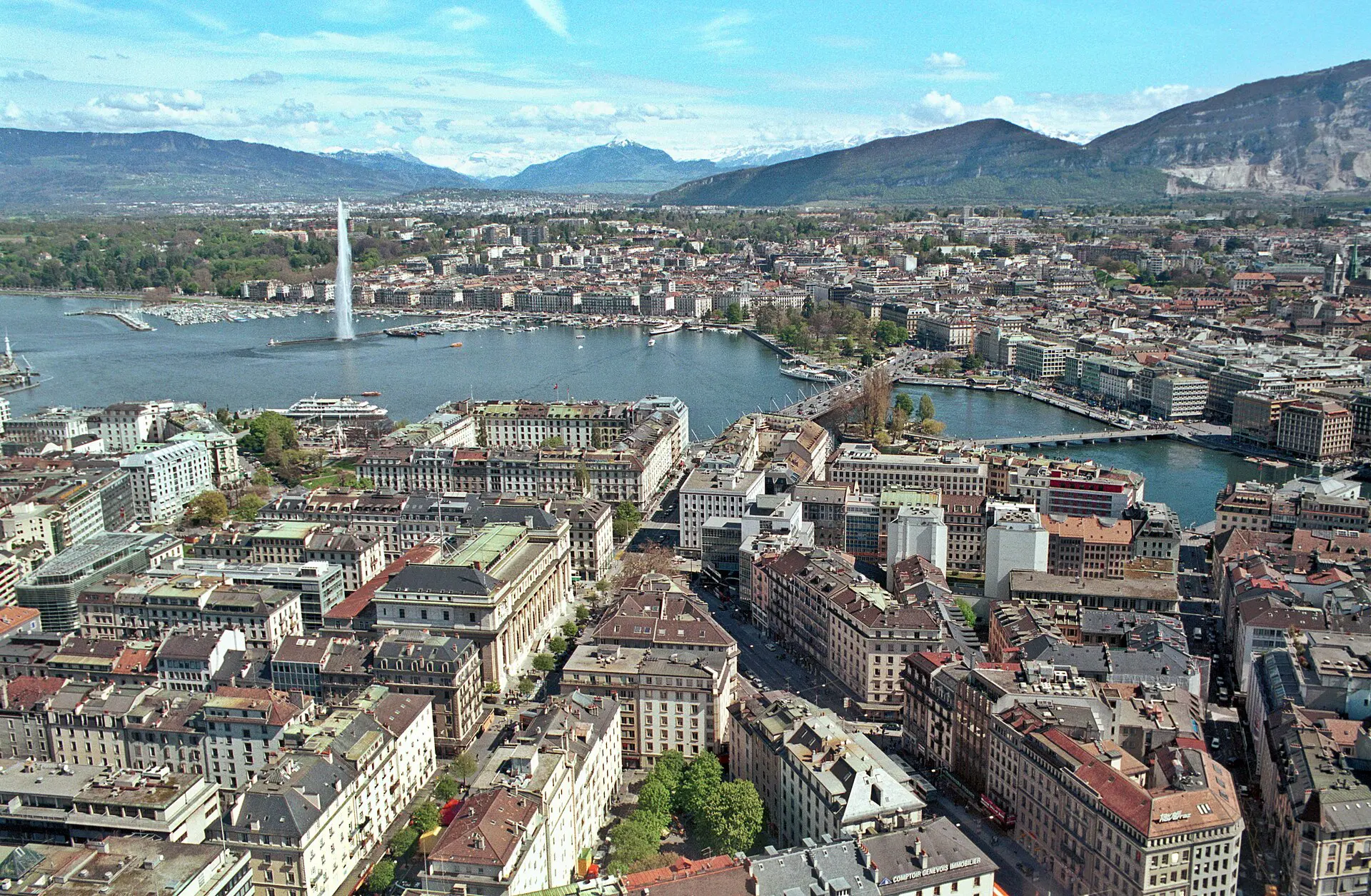
If you are planning things to do in Geneva, start with its setting. The city sits at the western end of Lake Geneva, where the Rhone flows out, with the Alps and the Jura mountains visible on clear days. It is in the French-speaking part of Switzerland and shares a border with France on several sides.
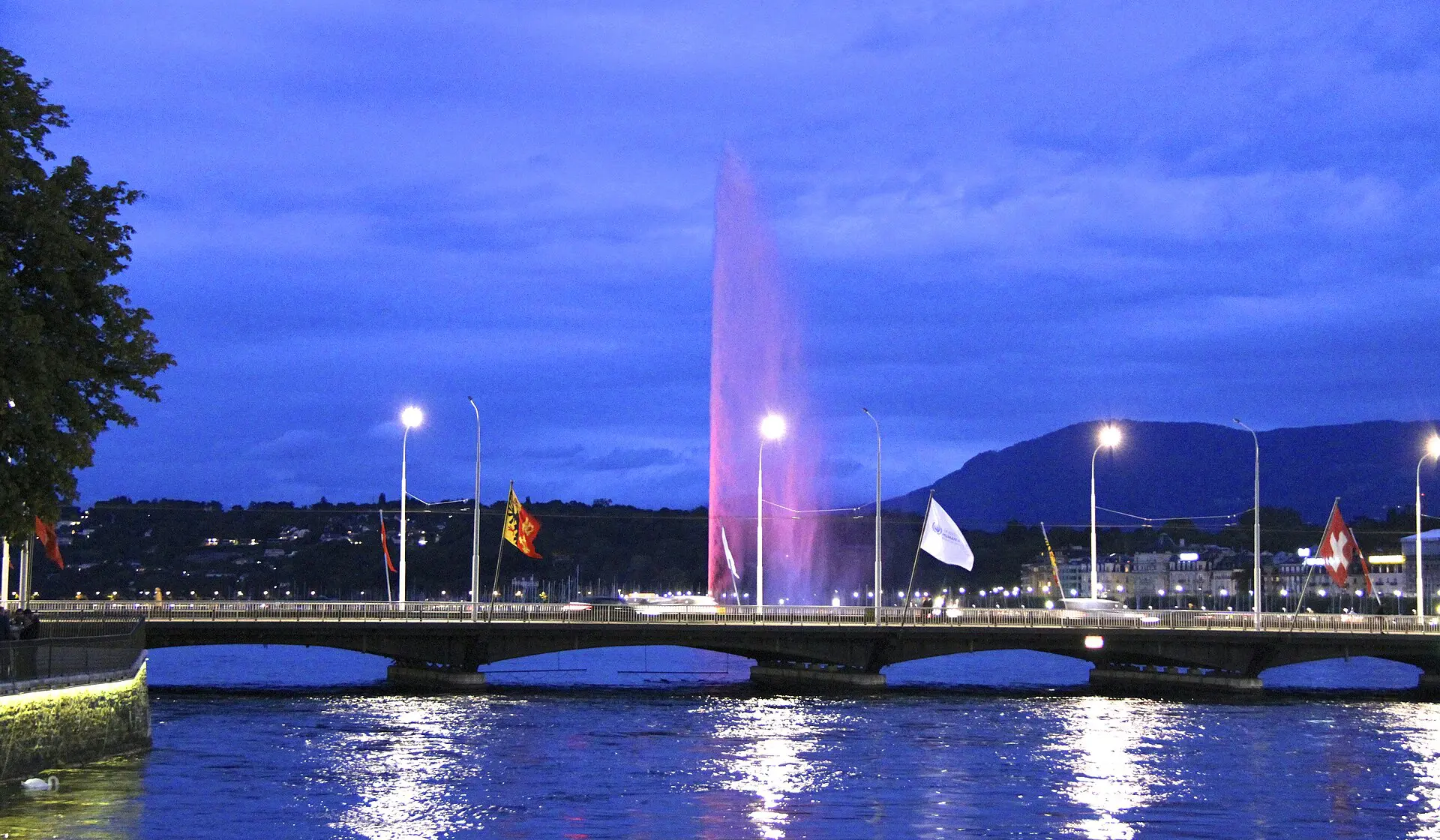
Geneva is known for its international role. It hosts the European headquarters of the United Nations, the Red Cross and many other organisations, which gives it a cosmopolitan feel. Visitors also come for the lakefront promenades, the Jet d’Eau fountain, the old town and museums covering art, watchmaking and humanitarian history.
It is one of the most expensive cities in Europe, so planning matters. Public transport is good, and hotel guests often receive a transport card that covers local travel, which helps. Geneva works well as a short city break or as a base for Alpine day trips. Many sights are within walking distance of the lake, and the city is calm and orderly, so it suits a relaxed pace more than a packed itinerary.
Top things to do in Geneva
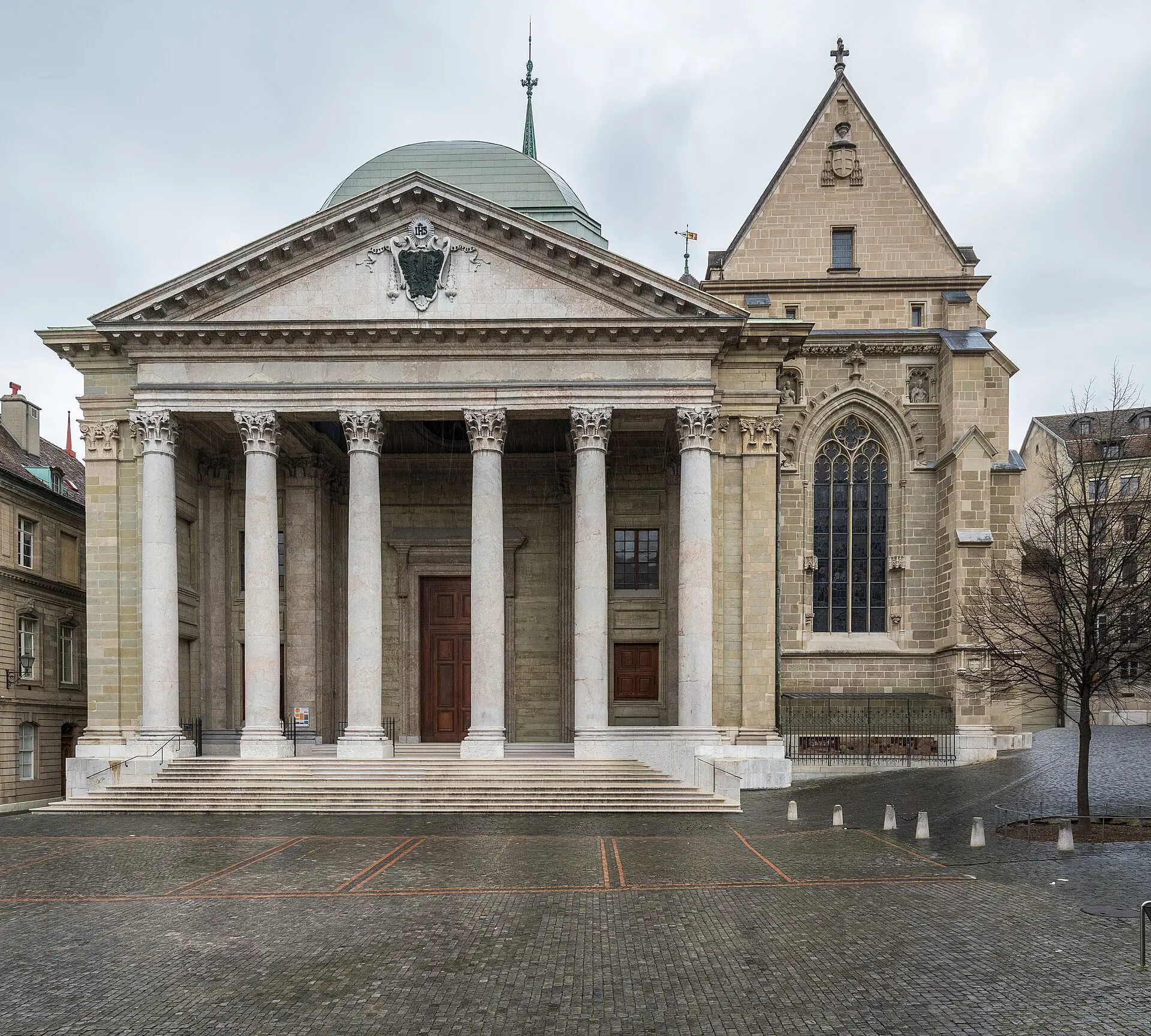
Jet d’Eau and the lakefront
The Jet d’Eau is a giant fountain that shoots water high above the lake and has become the city’s symbol. You can walk along the pier or the quays for views. Allow an hour or two, and check seasonal operation, since the jet can be paused in strong wind or in winter.
Old town and Saint Pierre Cathedral
The old town climbs a hill above the lake, with narrow streets, squares and small museums. Saint Pierre Cathedral has a climbable tower with views across the city. Allow two to three hours, wear comfortable shoes for the cobbles and check tower opening times.
Palais des Nations and the UN district
The United Nations office in Geneva is housed in the Palais des Nations, which offers guided tours. You normally need to book ahead and bring identification. Allow around two hours, and check security rules and tour availability, since they can change.
Red Cross and Red Crescent Museum
This museum tells the story of humanitarian action and the founding of the Red Cross in Geneva. It is an engaging stop for history and social issues. Allow about two hours, and check opening days before you go.
Reformation Wall and Parc des Bastions
The Reformation Wall is a long monument to the leaders of the Protestant Reformation, set in a park near the old town. The park also has giant chess boards, which are popular with locals. It takes under an hour and combines well with the old town.
Lake cruises
Boats cross Lake Geneva to nearby towns such as Nyon and Lausanne, and short sightseeing cruises circle the bay. A cruise is a relaxed way to see the shoreline and the Alps. Check timetables, because services are reduced in winter.
Swimming and the lake in summer
In summer, public lake baths and shore spots are popular for a swim. Water is cold but clean in most places. Check which sites are open and the entry price, and note that lifeguards may only be present in some areas.
Best time to visit Geneva
Geneva has a temperate climate with four clear seasons, and conditions are strongly influenced by the lake and the mountains.
| Season | Weather | Crowds and prices |
|---|---|---|
| Spring (Mar-May) | Cool to mild, some rain | Moderate crowds, mid-range prices |
| Summer (Jun-Aug) | Warm, long days, occasional storms | Highest crowds and prices |
| Autumn (Sep-Nov) | Mild, then foggy and cool | Moderate, easing |
| Winter (Dec-Feb) | Cold, grey, sometimes snow | Quieter, business travel keeps prices high |
May to September is best for the lakefront, boat trips and mountain excursions. Business events can raise hotel prices at any time of year, so book early if your dates are fixed. In winter, the Alps are close enough to combine city sightseeing with skiing.
How to get to Geneva and around
Geneva Airport is about 4 km from the centre and is one of the best connected in Switzerland. Trains run to Cornavin, the main station, in around 10 minutes. Visitors landing at the airport can usually collect a free public transport ticket for the area, so check how to get it.
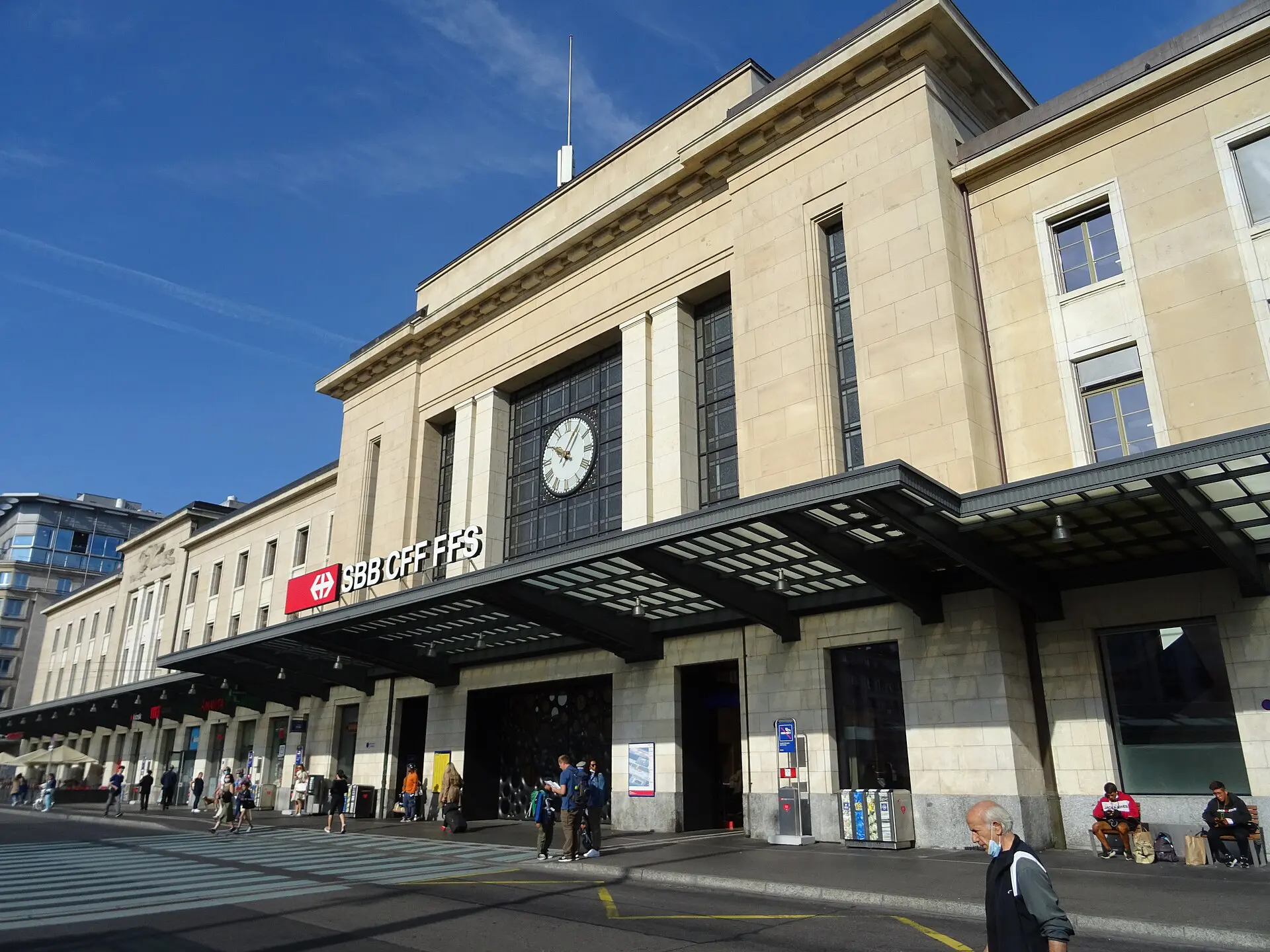
By rail, Cornavin connects Geneva with Lausanne, Bern and Zurich on fast Swiss services, and with Paris and other French cities on international routes. Check current timetables and book ahead for the cheapest fares.
In the city, trams, buses and the yellow lake boats known as Mouettes form an integrated network. Many sights in the centre are within walking distance. Taxis are expensive, so use public transport where possible. Cycling is popular in good weather, and bike-share is available.
Where to stay in Geneva
Accommodation is expensive, and it often fills during major conferences. Choose by whether you want a walkable centre or a calmer area.
- Near the station and the Pâquis district is convenient for trains, the lake and restaurants. It has a mix of budget and mid-range hotels and suits short stays, though some streets are busy at night.
- Old town offers atmosphere and cobbled streets, with limited choice and higher prices. It suits couples and those who want to walk everywhere.
- Lakefront hotels on the quays have views and a more polished feel, at a premium.
- French side towns just across the border can be cheaper and well linked, but check transport and border rules.
Ask whether your hotel provides a free city transport card.
How many days do you need?
Two days is enough to cover the main sights, and three days gives time for a lake cruise or a day trip. If you want to ski or hike in the Alps, or visit Montreux or Lausanne, plan four days. Geneva itself is compact and unhurried.
- Day 1: Walk the lakefront to the Jet d’Eau, then explore the old town and Saint Pierre Cathedral.
- Day 2: Palais des Nations in the morning and the Red Cross museum in the afternoon.
- Day 3: A lake cruise or a train trip to Lausanne or Montreux.
Leave an evening free for a lakeside dinner.
Day trips and nearby
Lausanne
Lausanne is a lakeside city on a hillside, reachable in roughly 35 to 50 minutes by train. It has a Gothic cathedral and the Olympic Museum. It makes an easy half-day or full-day trip, with steep streets and fine lake views.
Montreux
Montreux lies at the eastern end of the lake and is known for its promenade and a lakeside castle at Chillon nearby. The train takes around an hour to an hour and a half. It is best for a relaxed day with a lakeside walk.
Interlaken and Lauterbrunnen
These Bernese Oberland destinations offer mountain scenery, waterfalls and hiking. They are a long day from Geneva, usually three to four hours each way, so an overnight stay is better. Check weather before heading to high viewpoints.
Zermatt
Zermatt is a car-free mountain resort beneath the Matterhorn. It takes several hours by train, so it suits an overnight trip. Check rail connections and weather before you plan, since mountain views depend on clear skies.
FAQ
Q1When is the best time to visit Geneva?
May to September offers the warmest weather and the best conditions for the lakefront, cruises and mountain trips, but it is also the most expensive period. Winter is quiet and grey, though you can combine it with skiing. Book early around major conferences.
Q2How many days do you need in Geneva?
Two days cover the old town, the lakefront, the Jet d'Eau and one major museum or the UN tour. Three days let you add a lake cruise or a day trip to Lausanne or Montreux. If you want Alpine excursions, plan four days.
Q3How do you get from Geneva Airport to the city?
Geneva Airport is about 4 km from the centre. Trains reach Cornavin station in roughly 10 minutes, and buses and taxis also run. Arriving passengers can usually collect a free public transport ticket, so check at the airport how to get it.
Q4Is Geneva expensive?
Yes, Geneva is one of the most expensive cities in Europe, especially for hotels, restaurants and taxis. Budget roughly CHF 250-450 per day for mid-range travel. Using public transport, eating at casual places and staying near the station can reduce costs.
Prices, schedules and entry rules change. Check current details with official sources before you travel. Read the Switzerland travel guide.