Why visit Lake Geneva
If you are planning things to do in Lake Geneva, the main decision is which shore to base yourself on. The lake, known in French as Lac Léman, lies on the border between Switzerland and France and is one of the largest lakes in Western Europe. It is crescent-shaped, fed by the Rhone at the eastern end and drained by the same river at Geneva in the southwest.
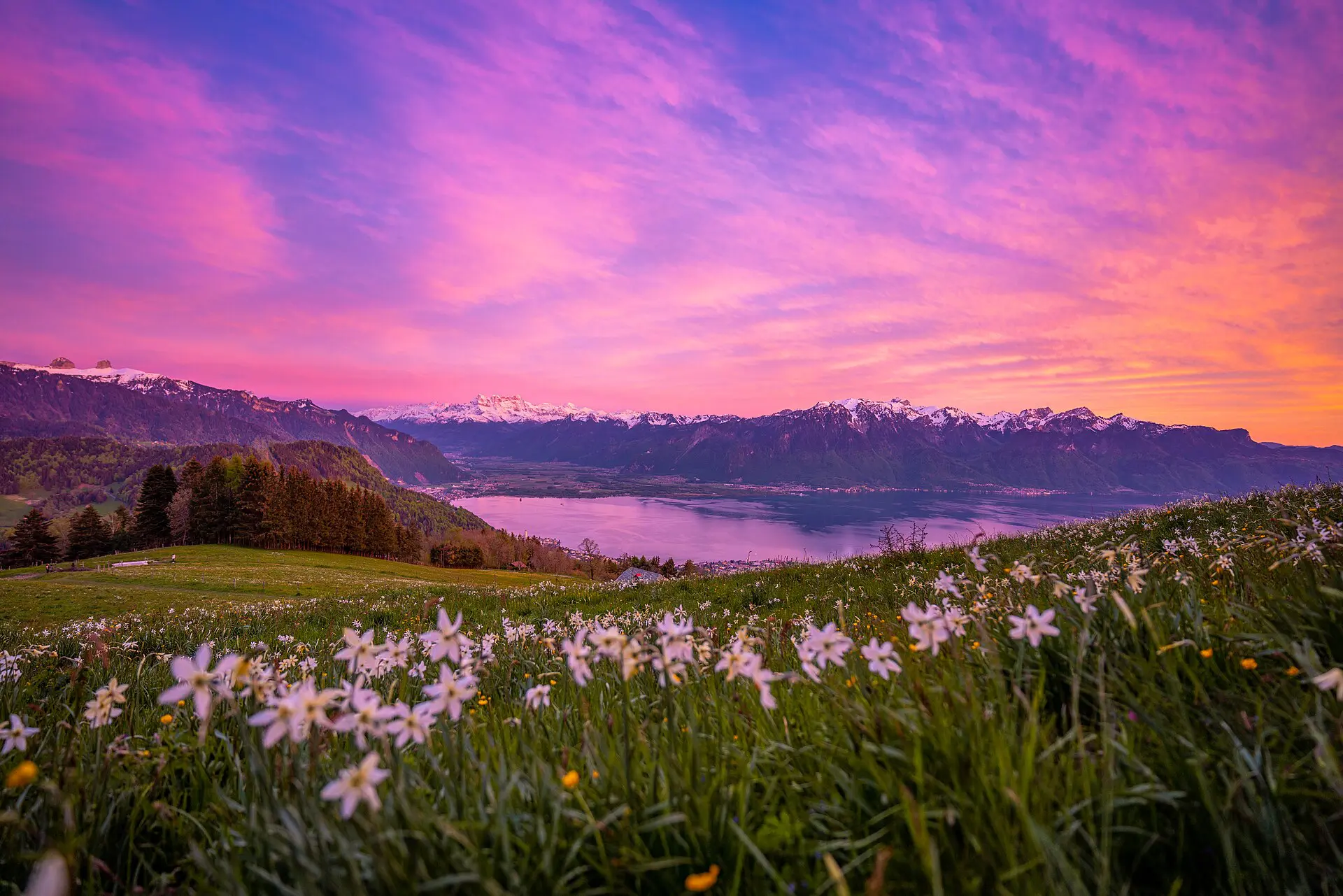
The Swiss north shore has the main towns of Lausanne, Vevey and Montreux, with promenades, museums and the terraced vineyards of Lavaux, a UNESCO World Heritage landscape. Geneva sits at the western tip, and the French south shore has quieter towns such as Evian and Thonon.
Snow-covered peaks rise behind the water, and in clear weather you may see the Mont Blanc range. Paddle steamers and modern ferries cross the lake, trains run along the shore, and wine villages invite short walks between tastings. The lake suits couples, families and anyone who prefers a slow, scenic holiday with comfortable transport. Prices are high on the Swiss side, so the French shore can be a cheaper alternative.
Top things to do in Lake Geneva
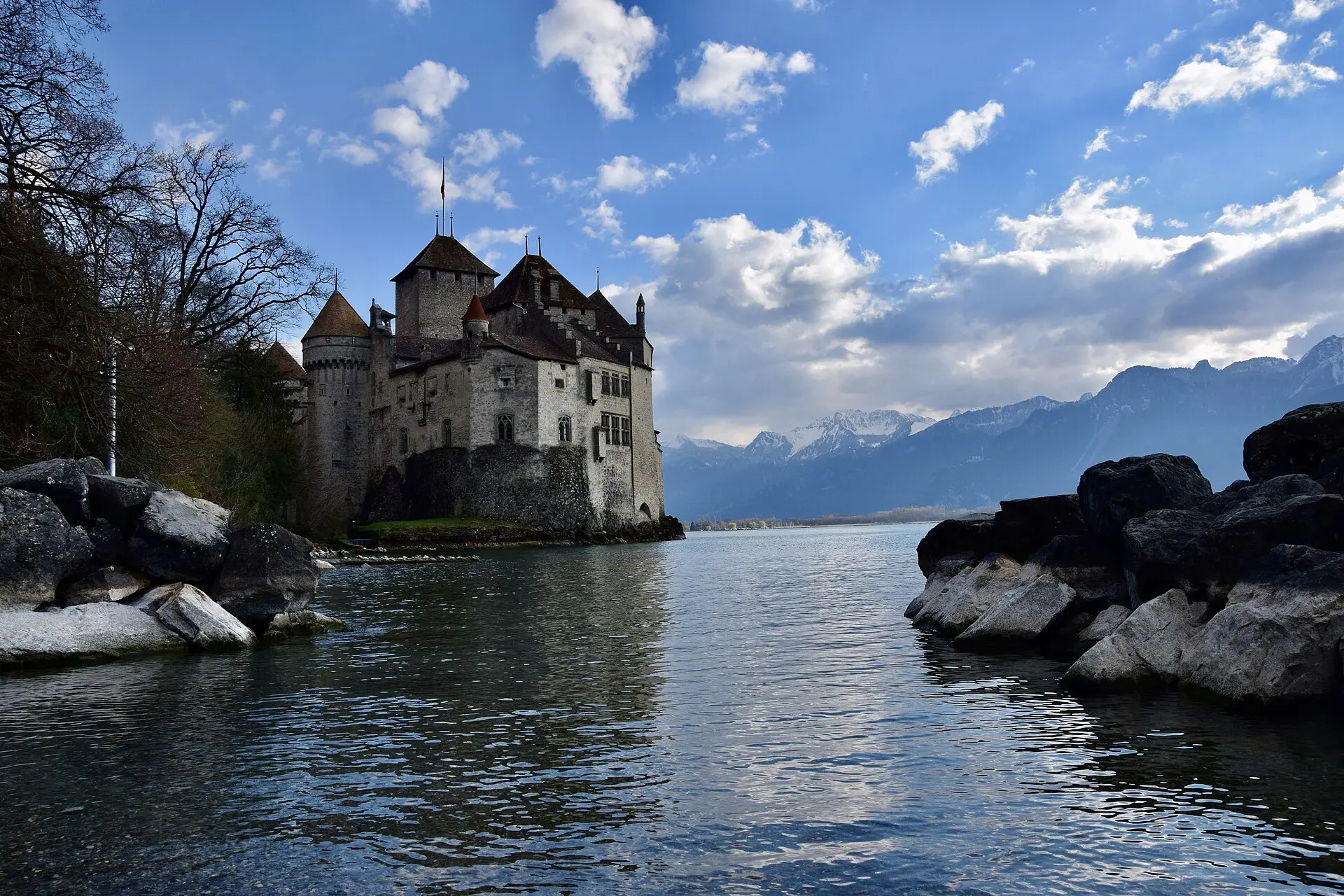
Chillon Castle
This medieval castle sits on a rock at the water’s edge near Montreux and is one of Switzerland’s most visited historic sites. Allow about two hours to explore the halls, vaults and towers. You can walk the lakeside path from Montreux in around 45 minutes, or take a bus or train.
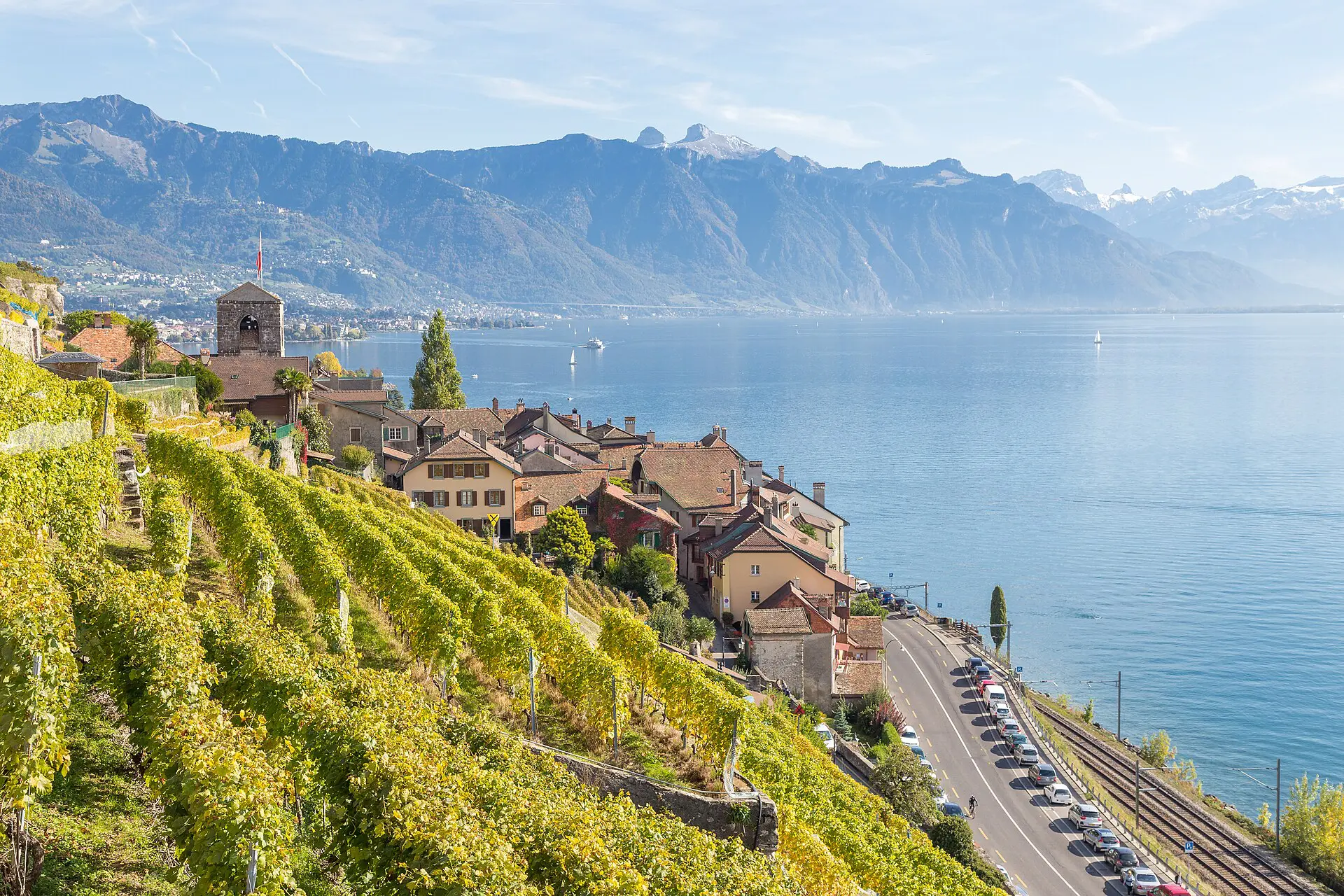
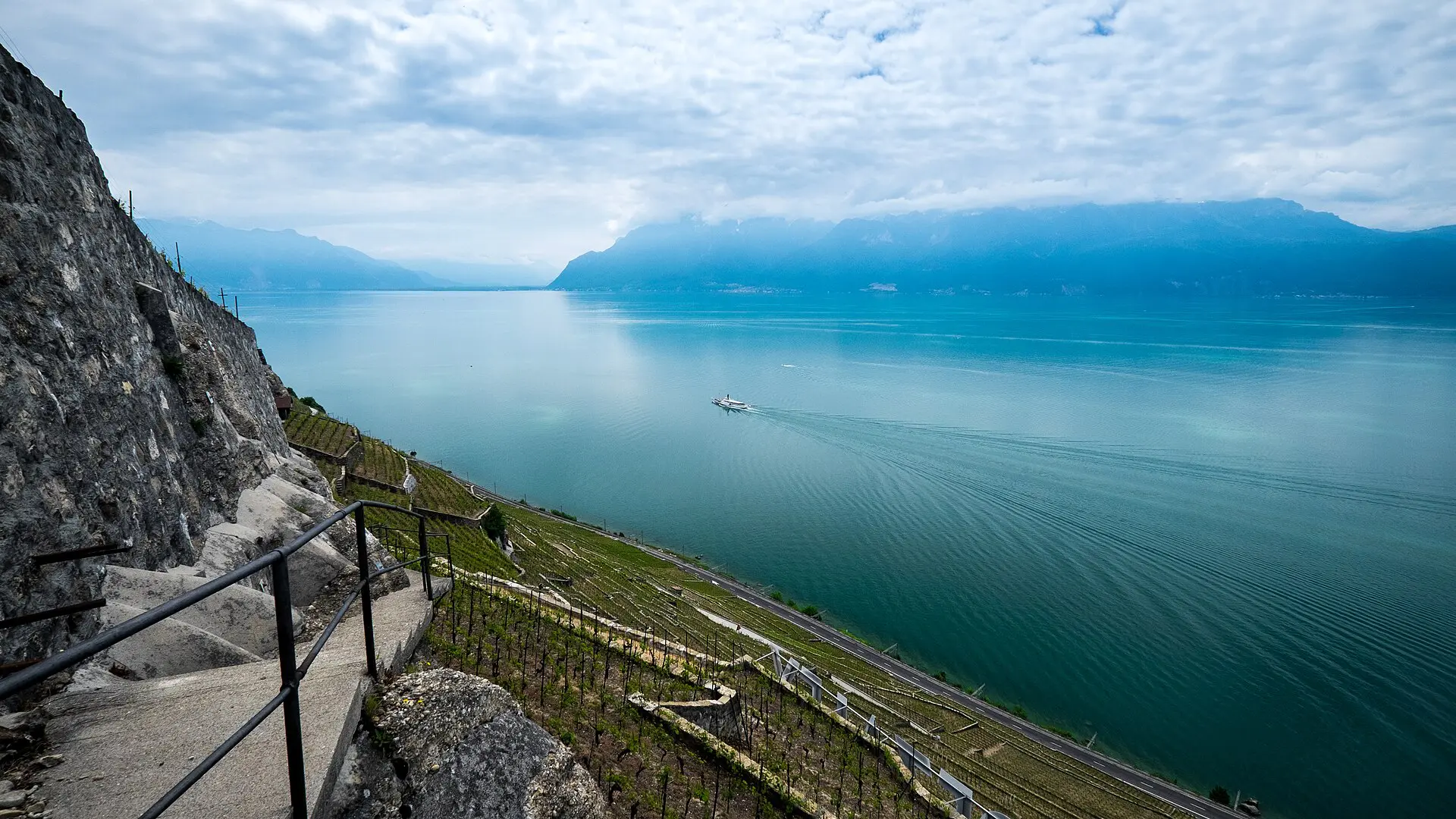
Lavaux vineyards
Terraced vineyards climb the hills between Lausanne and Vevey, and marked paths pass villages and tasting rooms. Allow half a day for a section of around 8 to 12 km. Wear sun protection, bring water and book tastings ahead in busy months.
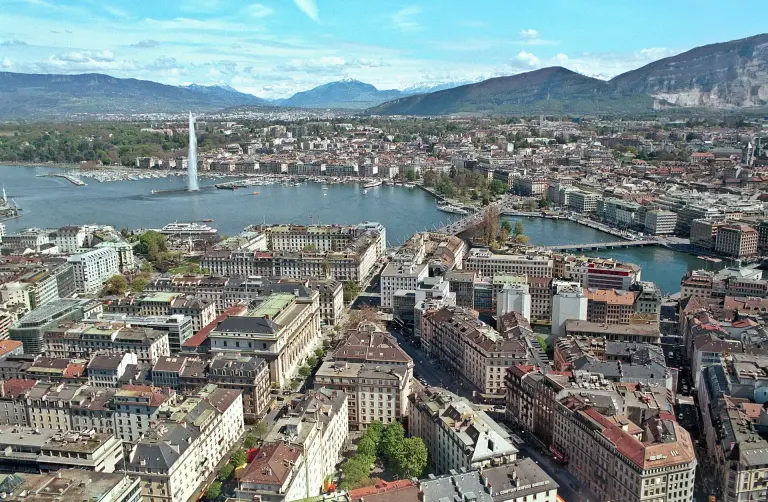
Geneva waterfront and Jet d’Eau
The city’s best-known landmark is a tall fountain in the harbour, and the lake promenade is a pleasant place to walk. The old town has a cathedral with a tower you can climb. Allow half a day, and note that the fountain may be switched off in strong wind or cold weather.
Lausanne
Built on steep slopes above the lake, Lausanne has a Gothic cathedral, an Olympic museum and lively markets. Allow half a day to a full day. The metro helps with the hills, and the lakeside district of Ouchy is a good place to eat.
Vevey and Montreux promenade
The two towns are linked by a flat lakeside path of roughly 3 to 6 km, passing statues, gardens and cafes. Plan two hours at an easy pace. Montreux hosts a well-known jazz festival in summer.
Lake cruises
Modern ferries operate year-round on parts of the lake, while the historic paddle steamers run mainly in the warmer months. A short trip takes about an hour, and a round trip between towns can take half a day. Check timetables and whether passes cover your route.
Evian-les-Bains
Across the lake in France, Evian has a pleasant promenade, spa heritage and views back to Switzerland. Reach it by ferry from Lausanne in about 35 minutes. Carry a passport or ID, as you are crossing a border.
Best time to visit Lake Geneva
The lake has a mild climate for its latitude, moderated by the water. Summer is warm, with swimming spots and long evenings, while spring and autumn bring comfortable walking weather and, in September and October, the grape harvest in Lavaux. Winters are cool and often grey on the shore, though the mountains above can have snow for skiing.
| Season | Weather | Crowds and prices |
|---|---|---|
| Spring (March to May) | Cool to mild, spring flowers | Moderate |
| Summer (June to August) | Warm to hot, some storms | High |
| Autumn (September to November) | Mild, harvest colours, then mist | Moderate, falling |
| Winter (December to February) | Cold, often cloudy, snow in the hills | Low on the shore; Christmas markets in Montreux |
Some boat services and attractions reduce hours outside summer, so check timetables.
How to get to Lake Geneva and around
Geneva Airport is the main gateway, close to the city and linked by train to the central station in under 10 minutes. From Geneva, fast trains run along the north shore through Lausanne, Vevey and Montreux, with frequent services. From Zurich, the journey to Lausanne takes about two and a half hours by train.
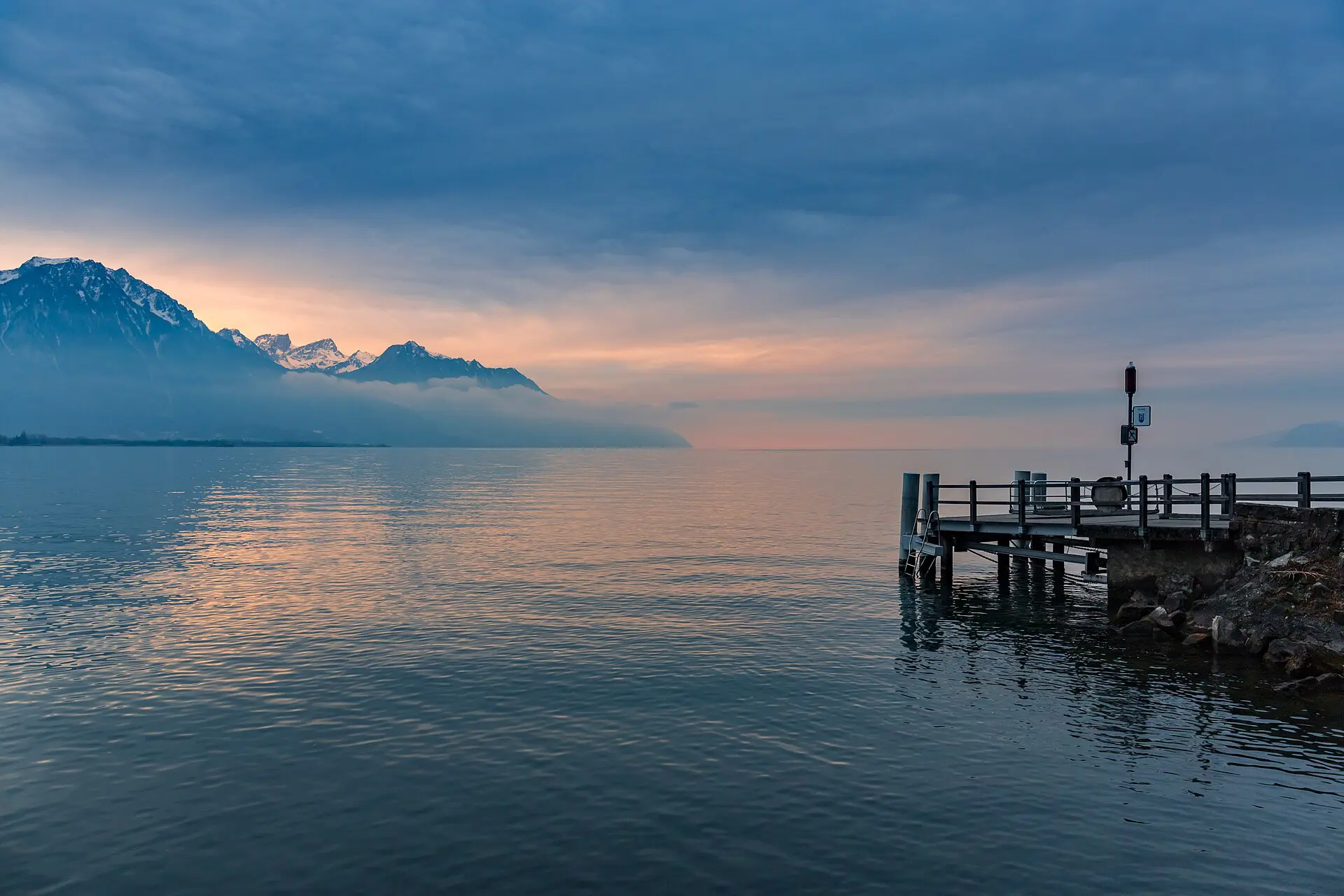
Around the lake, the combination of trains and boats is hard to beat. Boats link the Swiss shore with Evian and other French towns, and a day pass may cover both trains and ferries within a region. Regional buses reach the smaller villages and the vineyard paths.
Driving gives more freedom on the French side but parking in town centres is limited and costly. If you plan to stay in several towns, travelling light by train is the most practical choice. Hotels in many Swiss towns offer visitor transport cards, so ask when you check in.
Where to stay in Lake Geneva
Lausanne is the best all-round base on the Swiss shore, with a good range of hotels, restaurants and trains, and an easy ferry to Evian. It suits first-time visitors.
Montreux and Vevey offer lakeside promenades, a more relaxed atmosphere and quick access to Chillon Castle and Lavaux, suiting couples and travellers who want a slower pace. Prices are high on the waterfront.
Geneva suits those who want a big-city feel, international restaurants and an airport close by, though it is the most expensive. On the French shore, Evian and Thonon give a quieter and generally cheaper base, with good ferry links to Lausanne. Smaller wine villages in Lavaux offer guesthouses and vineyard views, but have fewer evening options.
How many days do you need?
Three days covers Geneva, Lausanne and the Vevey to Montreux stretch with Chillon Castle. Four days lets you add Lavaux walking and a French shore day. Two days is enough only if you focus on one or two towns.
- Day 1: Geneva waterfront, old town and cathedral, then the train to Lausanne for the evening.
- Day 2: Lausanne cathedral and the Ouchy waterfront, then a walk through the Lavaux vineyards.
- Day 3: Vevey and the Montreux promenade, Chillon Castle and a lake cruise.
Day trips and nearby
Geneva
Geneva is around 40 minutes by train from Lausanne and an hour or more from Vevey and Montreux. It suits a full day with the old town, lakeside promenade and museums.
Montreux and the Alps
From Montreux, scenic trains climb into the mountains, offering views over the lake. A half-day trip is possible, and weather matters for the view.
Bern
The Swiss capital is around one to one and a half hours by train from Lausanne and has an arcaded old town and river setting. It makes a relaxed day out.
Zurich and Interlaken
Both are longer rides, usually two to three hours each way, so they suit an overnight rather than a day trip. Interlaken is the gateway to the Bernese Oberland.
FAQ
Q1When is the best time to visit Lake Geneva?
May to September offers the warmest weather, long days and the fullest boat timetables. September and October bring the grape harvest in Lavaux. Winters are cool and often cloudy on the shore, but there are Christmas markets and snow in the nearby hills.
Q2How many days do you need around Lake Geneva?
Three days covers Geneva, Lausanne, Vevey, Montreux and Chillon Castle by train and boat. A fourth day adds a Lavaux vineyard walk or a trip to the French shore. Two days work if you stay in one or two towns.
Q3How do I get to Lake Geneva?
Fly into Geneva Airport, which is a short train ride from the city centre, then take frequent trains along the north shore to Lausanne, Vevey and Montreux. From Zurich, trains take roughly two and a half hours to Lausanne. Check current timetables.
Q4Is Lake Geneva expensive?
The Swiss side is expensive, especially hotels and restaurants, and Geneva is the priciest town. The French shore tends to be cheaper. You can cut costs with transport passes, supermarket picnics and free lakeside walks such as the Vevey to Montreux promenade.
Prices, schedules and entry rules change. Check current details with official sources before you travel. Read the Switzerland travel guide.