Why visit Lucerne
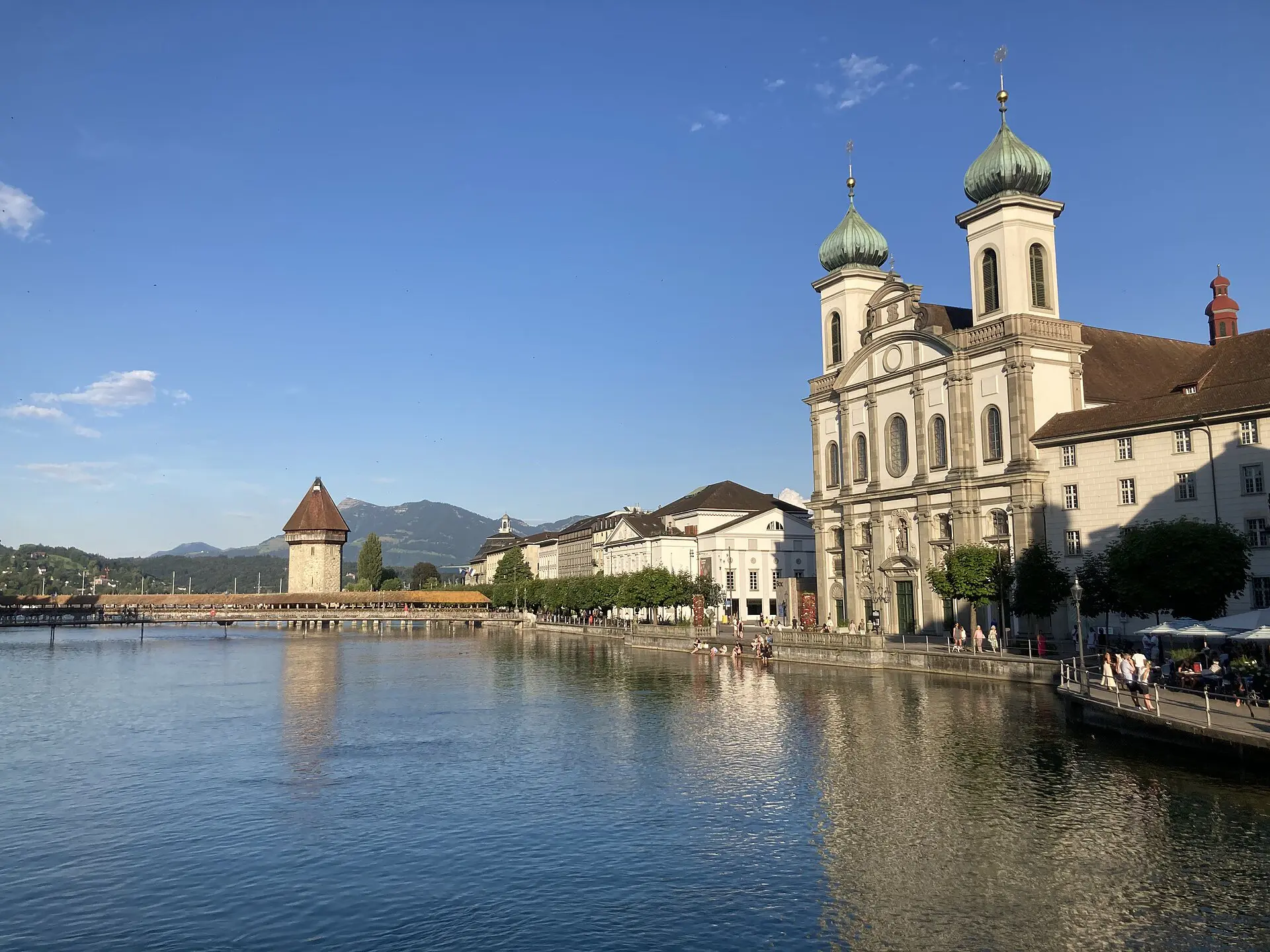
If you are comparing things to do in Lucerne, start with the setting. The city of about 80,000 people sits on the shore of Lake Lucerne, with the Alps rising behind it. It was the first city to join the Swiss Confederation and remains a centre of Swiss history and legend, including stories linked to William Tell across the lake.
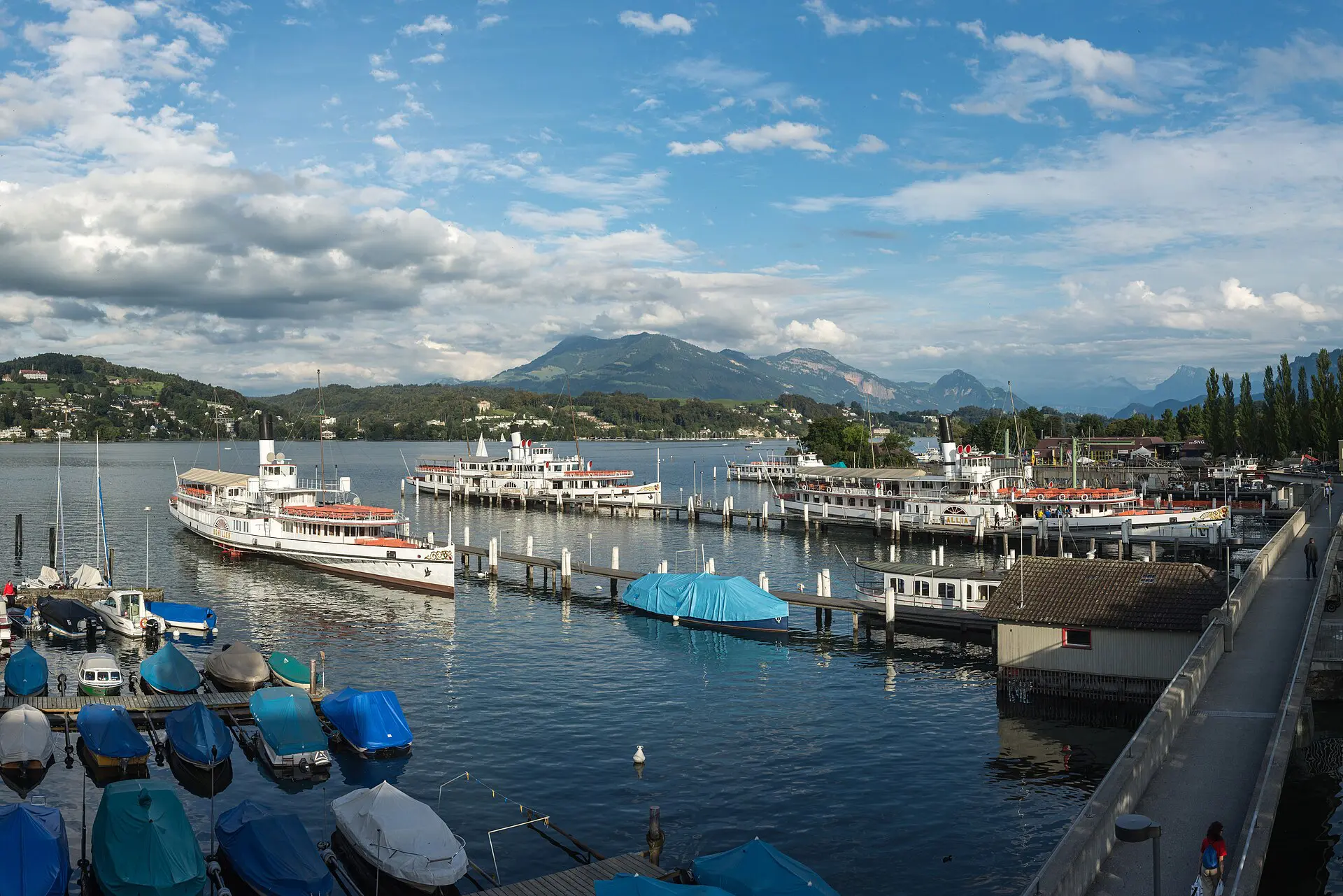
The old town is small and walkable, with painted facades, squares and two famous covered wooden bridges over the River Reuss. Tourism here dates back to the mid-19th century, and the city has long been a gateway to central Switzerland.
Lucerne suits travellers who want scenery with minimal logistics. You can see the main sights in a day, then spend the rest of your time on lake steamers and cable cars to nearby peaks. It is not cheap, so plan a budget before you go and check which activities are worth the cost.
Top things to do in Lucerne
Chapel Bridge and Water Tower
The covered wooden footbridge across the Reuss is the symbol of Lucerne, with its octagonal stone Water Tower alongside. Paintings inside the roof tell local history. It takes only 15 to 20 minutes to cross, so go early or after dinner to avoid crowds, and look at the bridge from the lakeside too.
Old town walk
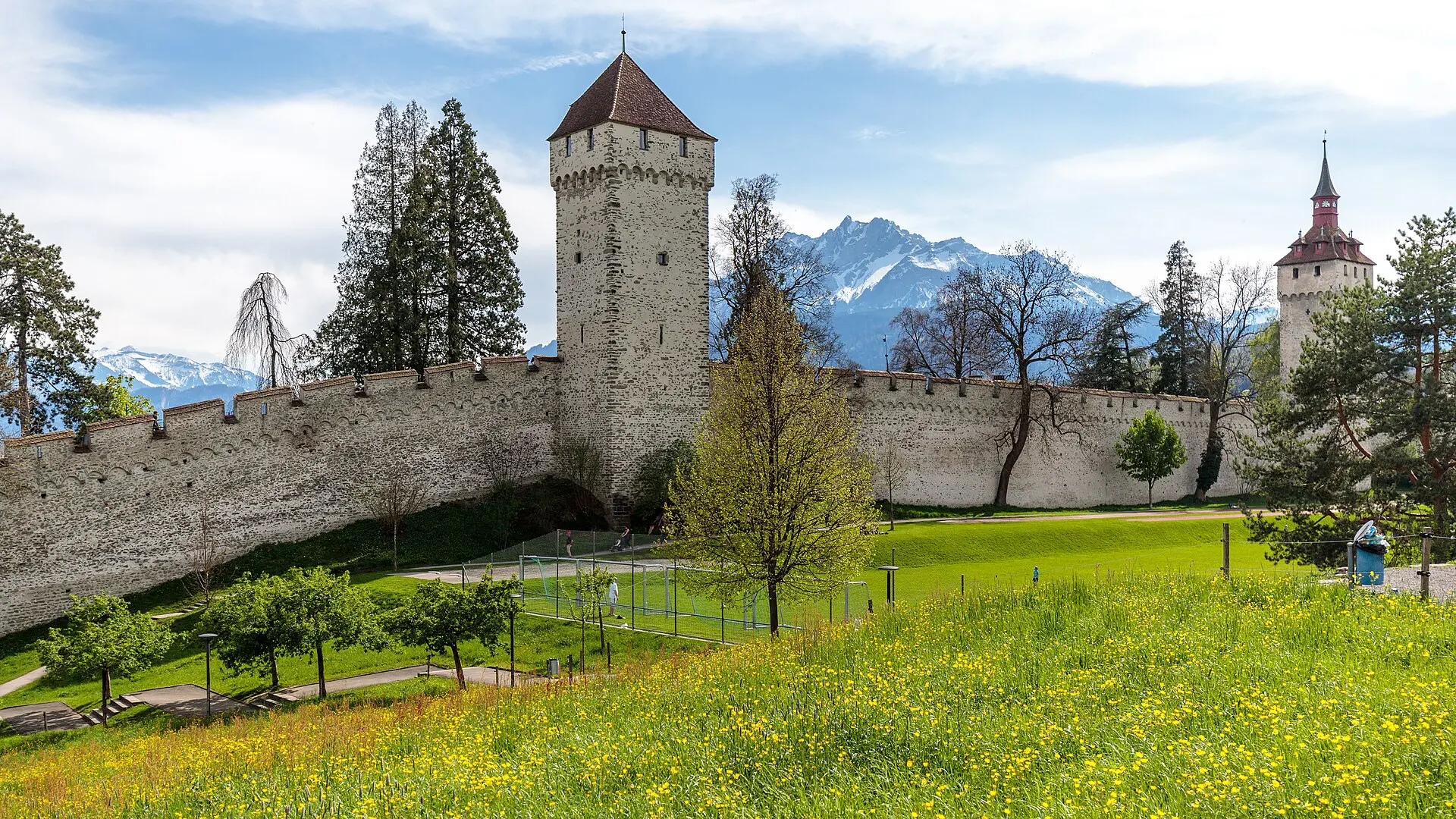
The old town’s squares, painted houses and parts of the medieval Museggmauer wall can be covered in two to three hours. The towers on the wall are open to climb during the warmer months, so check dates before you go. Wear shoes suited to cobbles.
Lake Lucerne boat trip
Boats run across the lake to villages and viewpoints, including some historic paddle steamers. A short ride takes an hour or so, while longer routes take half a day. Check timetables and seasonal schedules, and bring a jacket, as the lake breeze can be cool.
Lion Monument
This large rock carving of a wounded lion commemorates Swiss guards killed in 1792 and is a short walk from the old town. It takes about 15 to 30 minutes, and the shady pond makes it calm. Visit in the morning for fewer tour groups.
Mount Pilatus
The mountain above the city is reached by a mix of cogwheel railway, cable car and gondola, with views over the lake and the Alps. Budget at least half a day. Check weather and the lift schedule beforehand, as clouds can hide the views.
Rigi
Often called the queen of the mountains, Rigi can be reached by boat to Vitznau followed by a cogwheel train. It makes a good half-day or full-day outing. Pick a clear morning and check combined ticket options, which can save money.
Swiss Museum of Transport
A large museum of trains, aircraft, cars and ships that works well with children and as a rainy day option. Allow two to four hours. Check opening times and ticket prices, and arrive early on school holidays.
Best time to visit Lucerne
May to September is the main season, with the longest days and the full range of boats and mountain lifts. July and August are the busiest and most expensive. Late spring and early autumn can be better balanced, with fewer people and often clear weather.
Winters are cold, and some mountain services reduce or close, though the city has a festive feel in December with markets. Weather in the mountains can change quickly in any season, so check forecasts before booking lifts.
| Season | Weather | Crowds and prices |
|---|---|---|
| Spring (April to May) | Cool to mild, showers possible | Moderate crowds; some lifts reopen |
| Summer (June to August) | Warm, with thunderstorms | Peak crowds and prices |
| Autumn (September to October) | Mild and often clear | Quieter, good value |
| Winter (November to March) | Cold, fog possible | Fewer visitors; limited mountain services |
How to get to Lucerne and around
The easiest way to reach Lucerne is by train. Direct services from Zurich take roughly an hour, and Zurich Airport is the usual arrival point for international flights, with trains running from the airport station. Other Swiss cities, including Basel and Bern, connect with one change or fewer, depending on the time of day.
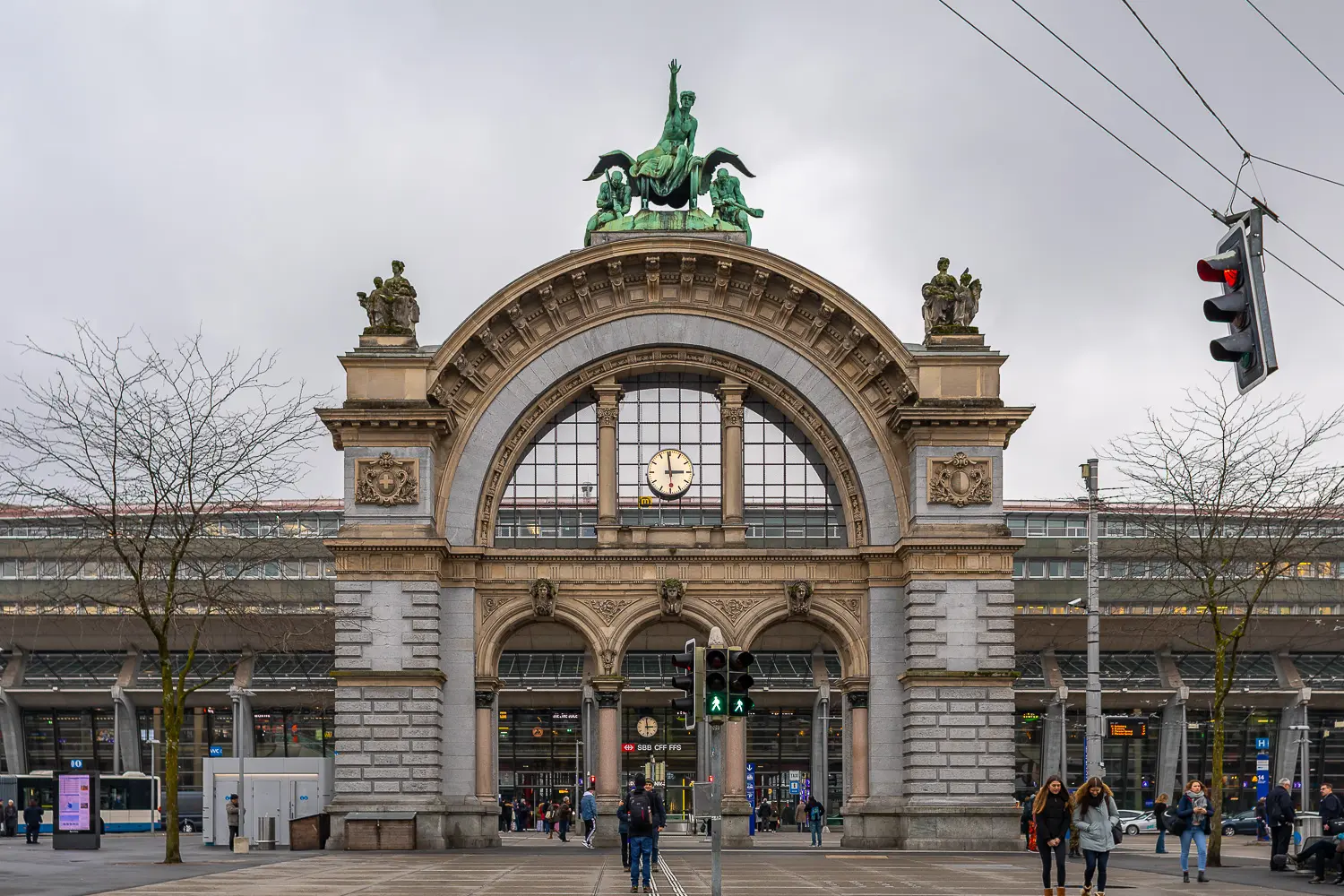
The railway station sits beside the lake, a few minutes on foot from the old town. Most central sights are walkable, and buses cover the rest. Lake boats and mountain railways serve the surrounding area, and many leave from near the station.
Check whether a Swiss rail pass or visitor card helps with the places you plan to visit, as discounts and conditions vary.
Where to stay in Lucerne
Lucerne is small and prices are high, so location and booking date matter more than anything else.
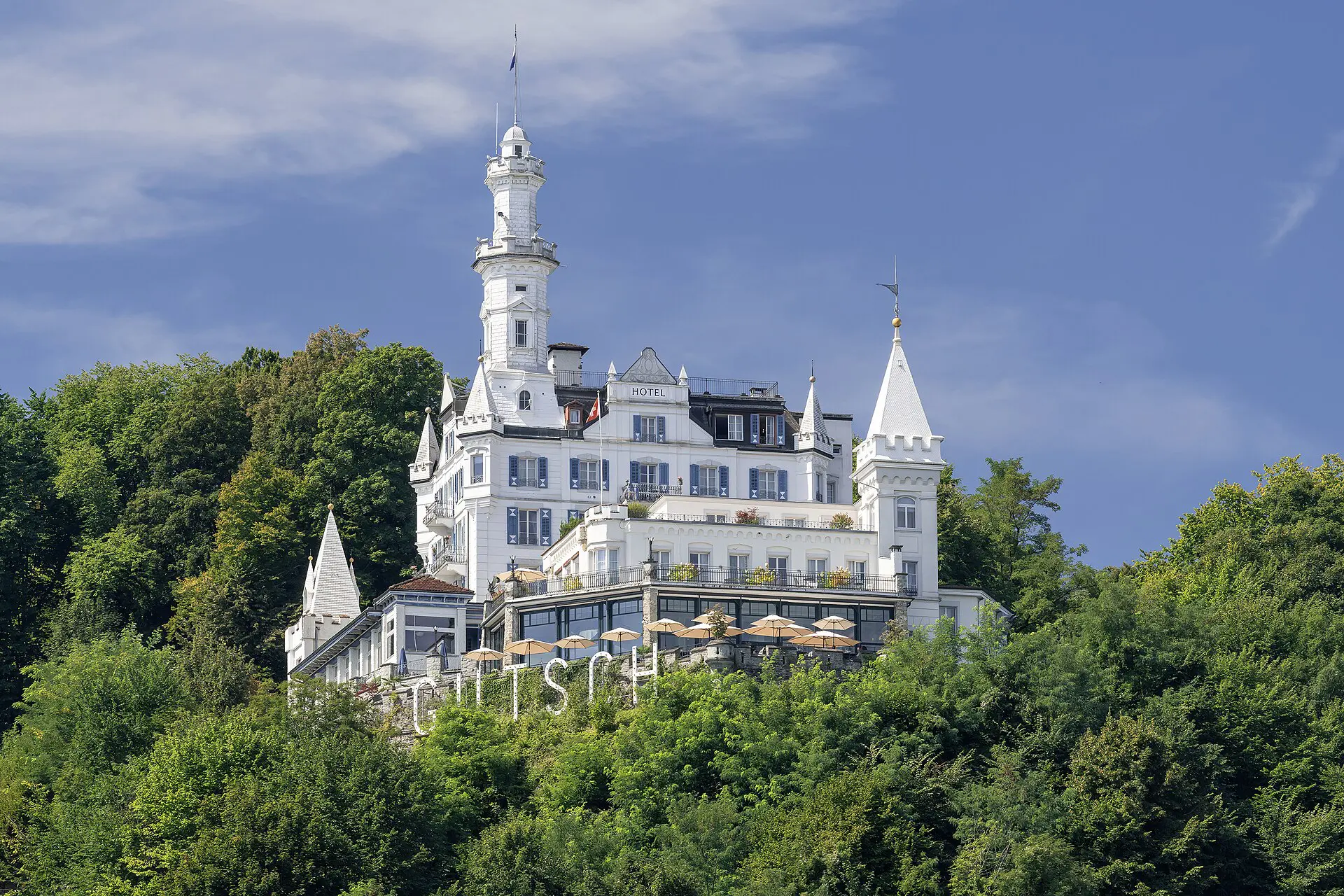
- Old town: the most atmospheric, with a mix of hotels and guesthouses close to the bridges. Suits short stays and first-time visitors, though rooms can be small and rates are higher.
- Lakefront: classic hotels with water views. Suits couples and those who want scenery from the window.
- Near the station: practical for early trains and mountain excursions, with a good range of mid-range hotels and hostels.
- Outside the centre: quieter neighbourhoods and lake villages are cheaper but need a bus or boat to reach the main sights.
How many days do you need?
Two days covers the old town, the lake and one mountain excursion. Three days adds a second peak or a slower pace, and one day works only as a day trip from Zurich. Weather matters, so keep a flexible plan and swap days if clouds roll in.
- Day 1: Chapel Bridge, the old town, the Lion Monument and a lake walk, with a boat ride in the evening.
- Day 2: a mountain day on Pilatus or Rigi, depending on the weather.
- Day 3: a lake cruise to a village, the transport museum, or a trip to another town.
Day trips and nearby
Zurich
Switzerland’s largest city is about an hour away by train. It has a lakeside old town, museums and a lively restaurant scene. Allow a full day, and check whether a day ticket is cheaper than separate tickets.
Interlaken
The gateway to the Bernese Oberland is reachable by train in roughly two hours, often through scenic mountain routes. It is more rewarding with an overnight stay, so you can explore Grindelwald or Lauterbrunnen as well.
Bern
The Swiss capital has a medieval old town, arcaded streets and the river Aare. Trains from Lucerne take roughly an hour to an hour and a half, depending on the service. It makes a relaxed day trip.
Lugano
On the Italian-speaking side of the Alps, Lugano is reachable by train through the Gotthard route in roughly two hours. It suits an overnight stay more than a rushed day, with a different climate and feel.
FAQ
Q1When is the best time to visit Lucerne?
May to September is best for boats, lifts and long days, though July and August are busiest and most expensive. Late spring and early autumn often offer a good balance. Winter suits Christmas markets, but some mountain services are limited.
Q2How many days do you need in Lucerne?
Two to three days is enough for the old town, the lake and one or two mountain trips. A single day covers only the highlights, so it works better as a day trip from Zurich than as a full visit.
Q3How do you get to Lucerne from Zurich?
Direct trains run from Zurich and Zurich Airport to Lucerne, usually taking around an hour. Check timetables and fares in advance. The station is beside the lake and a short walk from the old town.
Q4Is Lucerne expensive?
Yes, Switzerland is one of the more expensive countries for travellers, and Lucerne is no exception. Hotels, mountain lifts and restaurant meals add up quickly. Save by eating at bakeries and supermarkets, using visitor passes and booking early.
Prices, schedules and entry rules change. Check current details with official sources before you travel. Read the Switzerland travel guide.