Why visit Interlaken
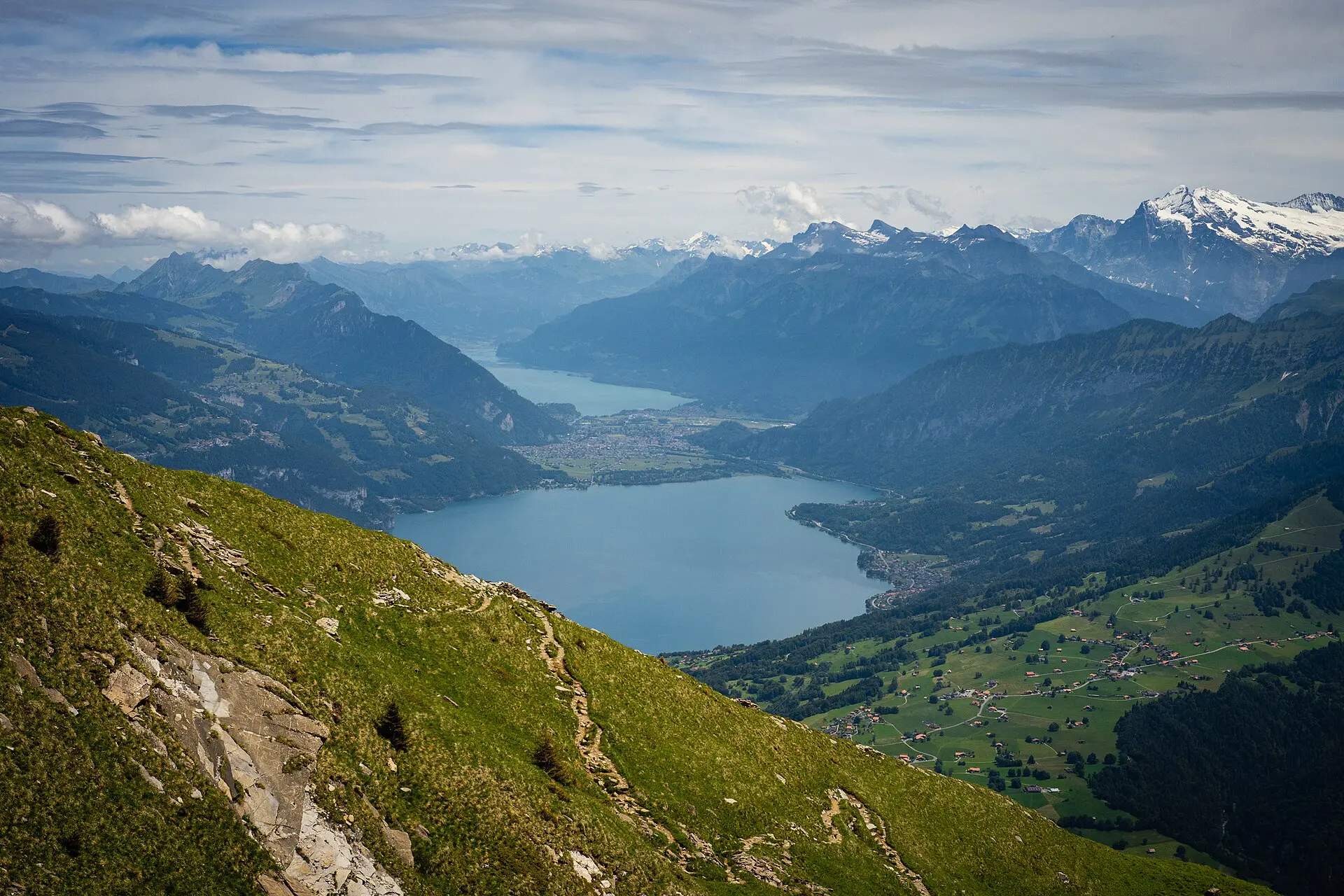
If you are looking for things to do in Interlaken, the answer starts with the location. The town lies on flat land called the Bödeli, between Lake Thun to the west and Lake Brienz to the east, with the River Aare flowing through. Its name means “between lakes”.
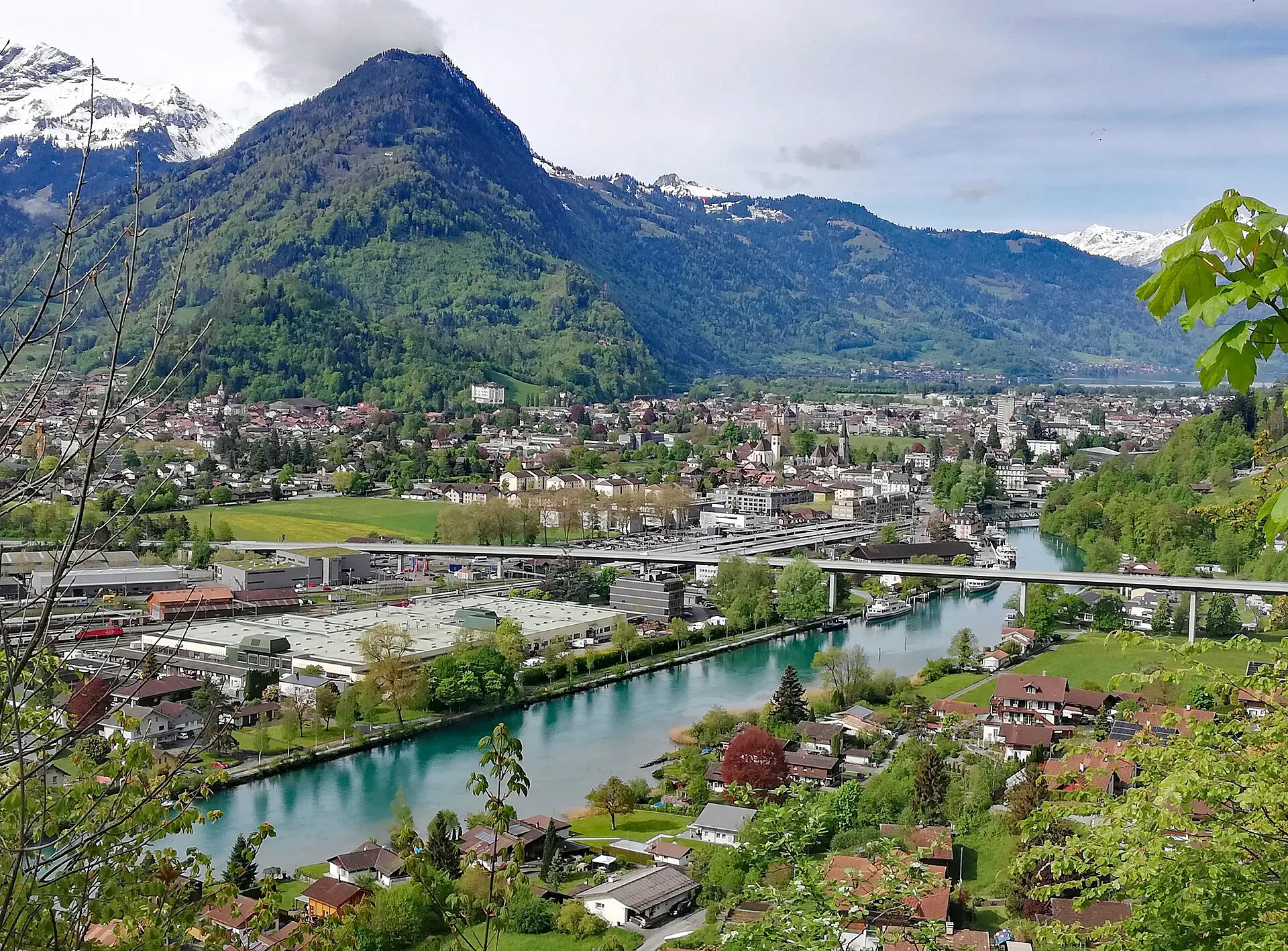
It is the main transport gateway to the Bernese Oberland, and trains and boats fan out from here to some of the best-known mountain scenery in Switzerland, including the Eiger, Mönch and Jungfrau. It is a popular base camp for outdoor sports and travel in the region.
That makes Interlaken more useful as a hub than as a single sight. You can swim, walk and take a boat from the town, then choose a mountain excursion according to the weather forecast. Expect a busy, tourist-focused place with high Swiss prices.
Top things to do in Interlaken
Lake Brienz and Lake Thun
Both lakes have passenger boat services, and the water is a strong turquoise in good light. A short trip on either lake takes one to two hours, while longer routes take more. Tip: sit on the open deck if the weather allows, and check the timetable, as services vary by season.
Harder Kulm
This viewpoint above the town is reached by a funicular and gives a wide view over the two lakes and the Alps. Allow two to three hours including the ride and some time at the top. Tip: go on a clear day, since low cloud can hide the view, and check seasonal opening before you set out.
Höheweg and the town centre
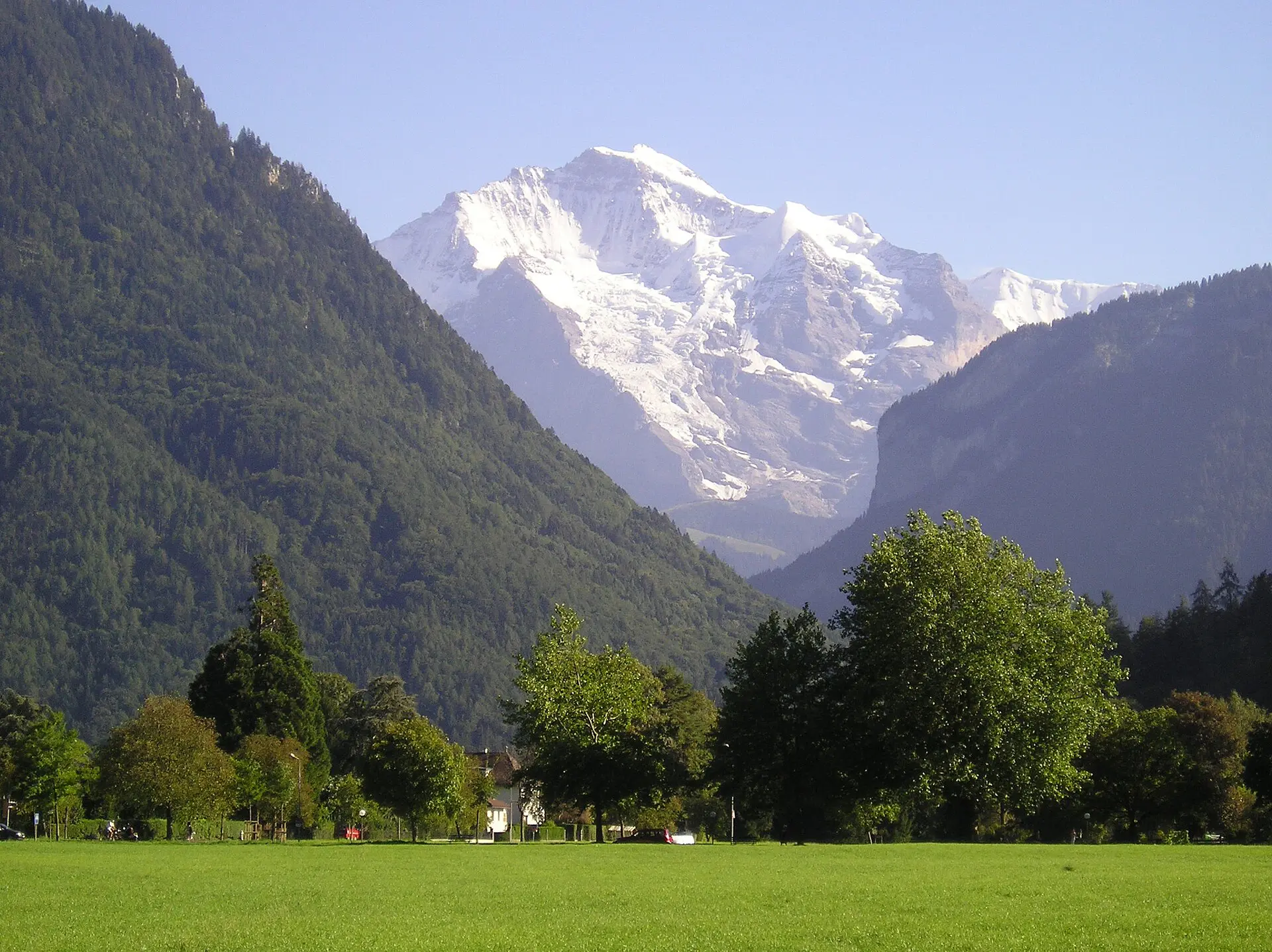
The Höheweg is the main promenade, with a long lawn and views of the Jungfrau on clear days. It is an easy stroll of 30 to 60 minutes. Tip: this is a good fallback for a short morning or evening when mountain trains are not worth the cost.
Jungfrau region by train
From Interlaken Ost, the Berner-Oberland Bahn runs to Wilderswil and on to Grindelwald and Lauterbrunnen, the usual routes into the high mountains. Allow a full day for an excursion. Tip: fares are high, so compare passes and check the weather before buying.
Adventure sports
The town is known for outdoor activities such as paragliding and canyoning. Choose a licensed operator and check safety information and weather conditions. Allow half a day. Tip: book ahead in peak summer, as slots fill.
Walking by the Aare and the lakeshore
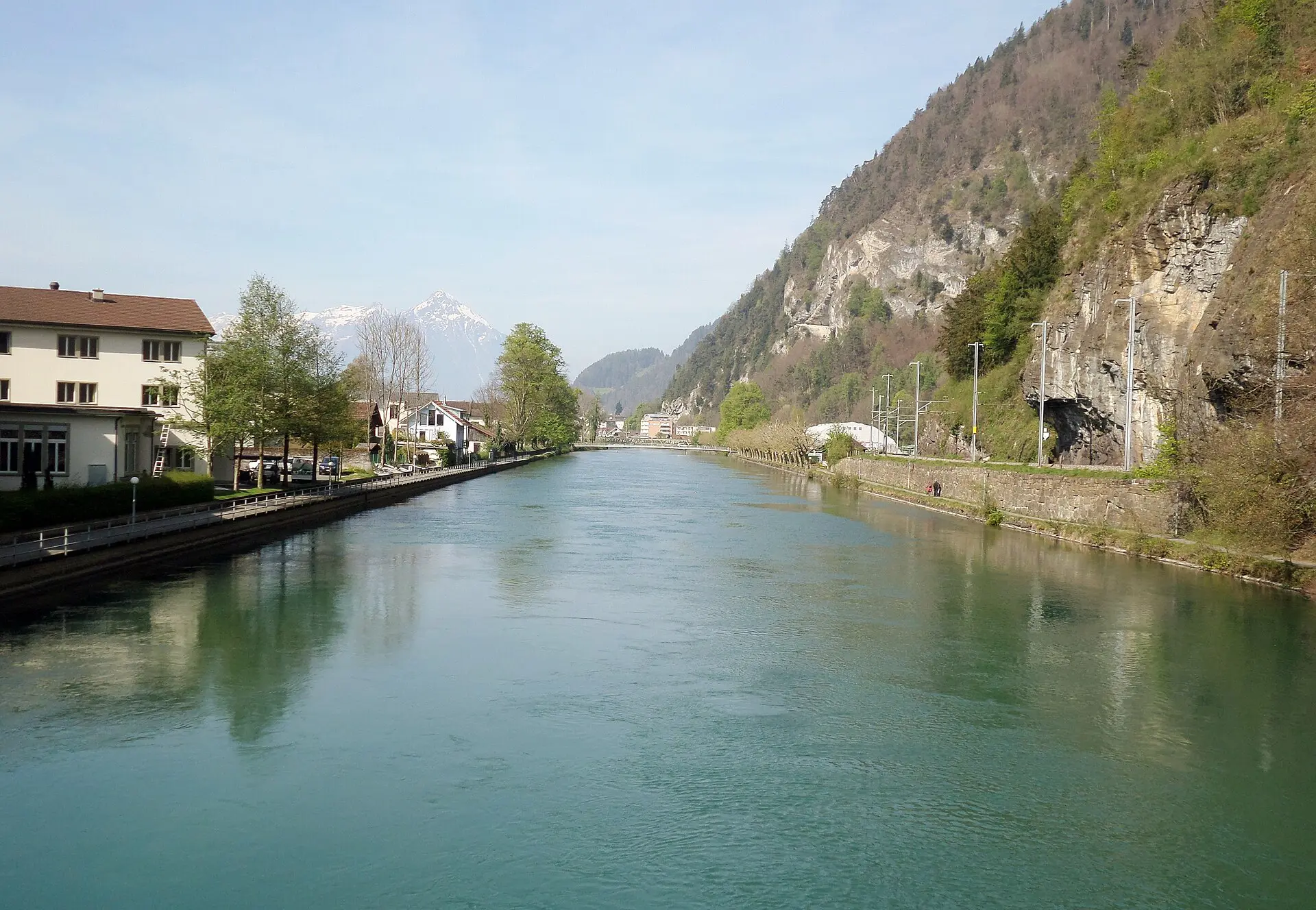
Flat paths follow the river and the shores of both lakes and suit all fitness levels. Allow one to three hours. Tip: a river or lakeside walk is a good low-cost option on a day with cloud over the high peaks.
Unterseen and the old quarter
The neighbouring old town of Unterseen has historic buildings and quieter lanes than the main strip. Allow about an hour. Tip: pair it with a walk along the Aare.
Best time to visit Interlaken
Summer, roughly June to September, is the main season for hiking, lake swimming, boat trips and mountain railways, and also the busiest and most expensive. Long days make it easy to combine a morning excursion with an afternoon by the water.
Spring and autumn are quieter. Some high-altitude routes and cableways may be closed or run reduced services, so check ahead. Autumn can bring clear views and good walking weather on lower trails.
Winter is cold, and the town itself sees snow at times. It suits visitors who plan to ski or enjoy winter railway excursions in nearby resorts. Mountain weather changes quickly in every season, so keep some flexibility in your plans.
How to get to Interlaken and around
Swiss trains are the easiest way in. Trains from Bern run about every 30 minutes and take just under an hour via Thun and Spiez, and there are services from Basel. From Zurich or Geneva you usually change at Bern, and hourly trains run from Lucerne via Brienz to Interlaken Ost.
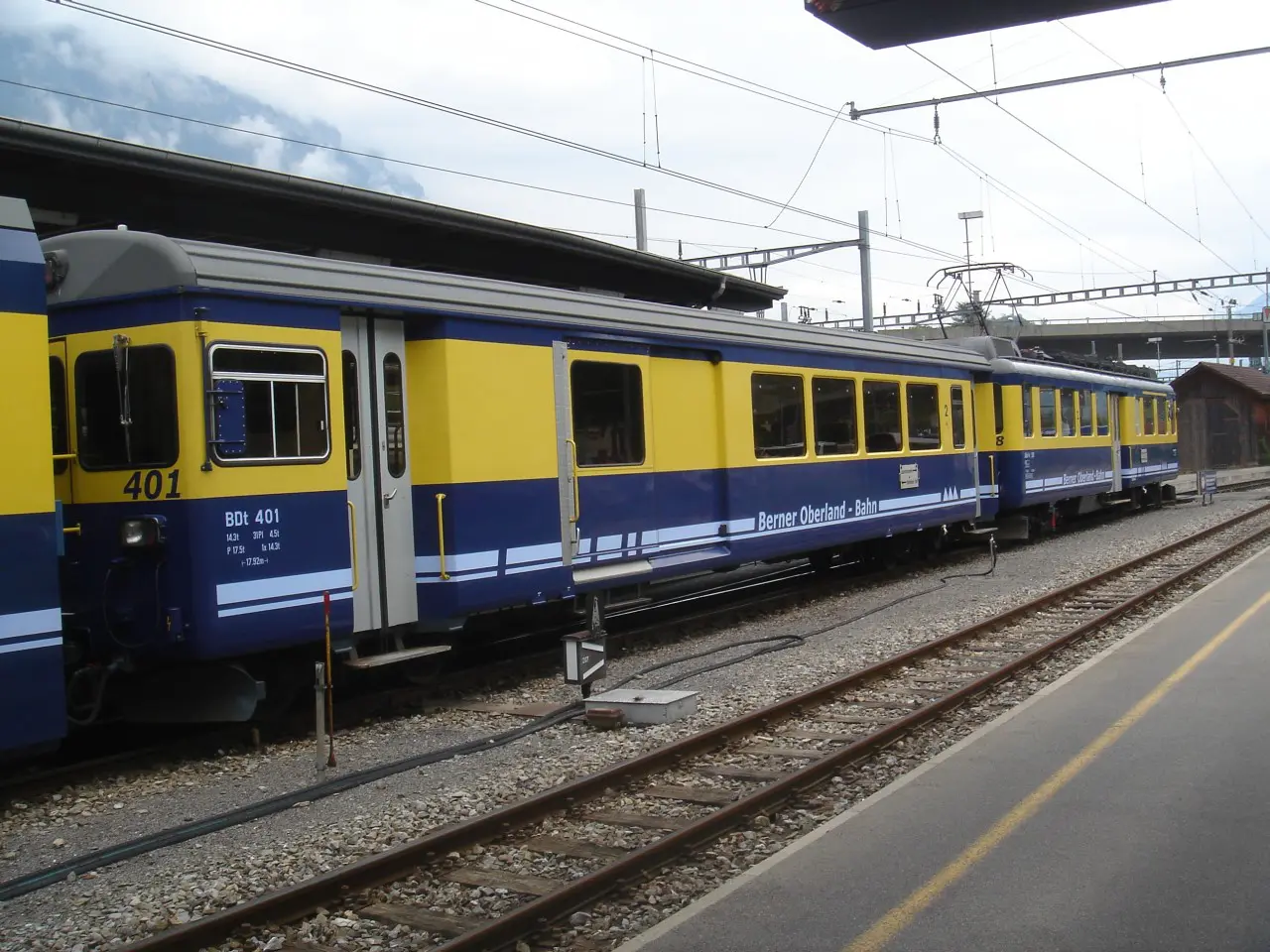
There are two stations, Interlaken West in the town centre and Interlaken Ost, where you change for the mountain railway to Grindelwald and Lauterbrunnen. Zurich and Bern are the usual airport gateways. Inside the town you can walk almost everywhere, and local buses and lake boats fill the gaps. A car is not necessary.
Where to stay in Interlaken
Staying near Interlaken West or Ost gives the easiest access to trains and is practical for short trips and early departures. The area around the Höheweg suits visitors who want to be close to restaurants and the central promenade.
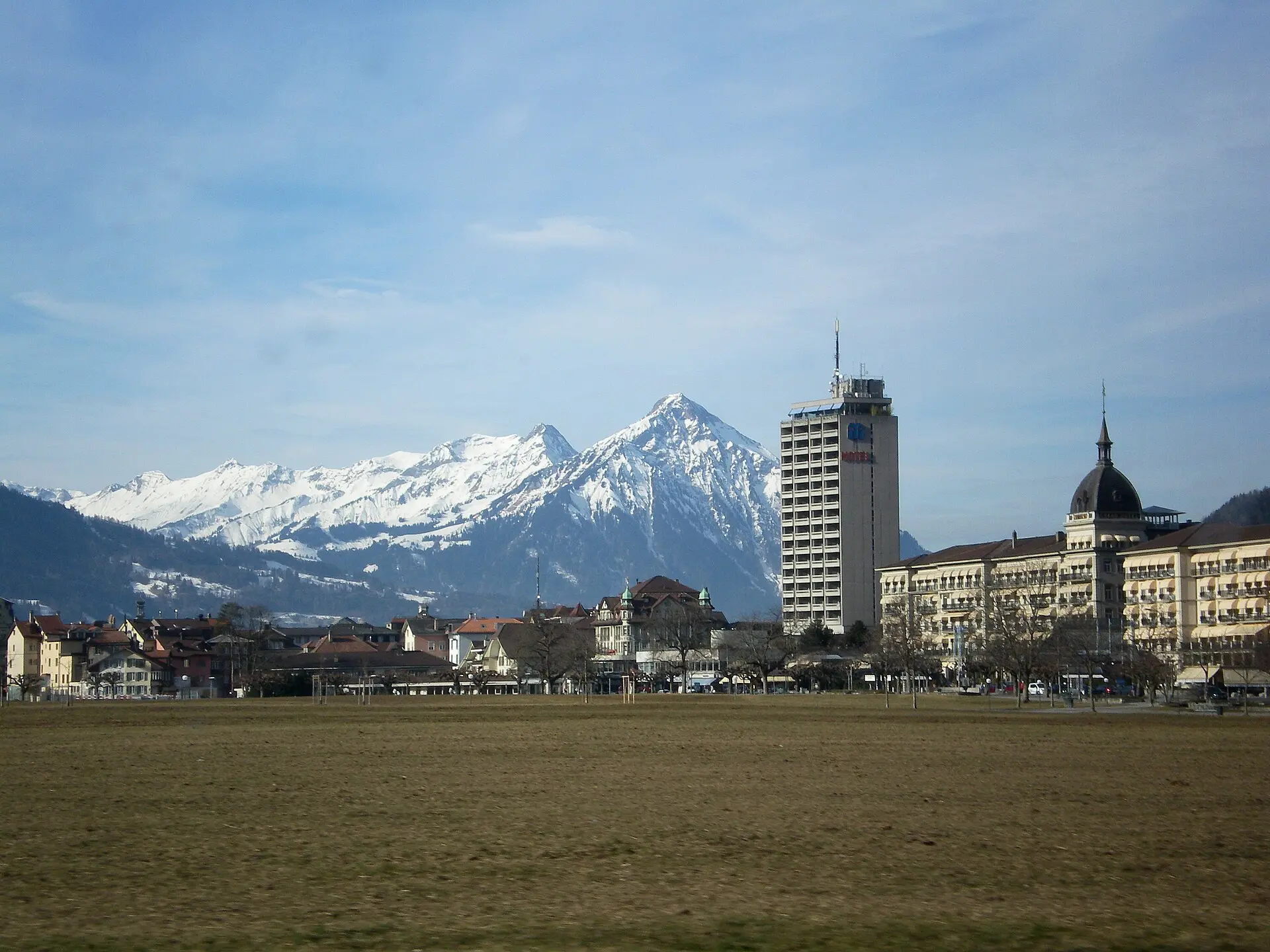
Quieter residential areas and neighbouring villages such as Unterseen or Wilderswil are options if you want a calmer stay, often with good rail links. For a stay with mountain views, consider the villages further up the valley, such as Grindelwald or Lauterbrunnen, which are covered separately. Prices are high across the region, so booking early for summer is wise.
How many days do you need?
Two days works if you want the town, the lakes and one major mountain trip. Three to four days is better, because you can swap in a different excursion when the weather turns.
- Day 1: Höheweg, Harder Kulm and a walk by the Aare.
- Day 2: Train to Grindelwald or Lauterbrunnen, with time for a walk or a mountain railway.
- Day 3: A boat trip on Lake Brienz or Lake Thun, plus a slower afternoon in town.
Day trips and nearby
Lauterbrunnen
This valley is known for steep cliffs and waterfalls, and links onward to Wengen, Mürren and the Schilthorn. It is easy by train from Interlaken Ost. Allow a half or full day, and check the weather.
Grindelwald
Grindelwald is the main route to Jungfraujoch, and also has walks and views of the Eiger. Plan a full day for an excursion, and check the cost of the railway before you commit.
Bern
The Swiss capital is about an hour away by train. It has a well-preserved old town and is a practical day trip if you want a break from the mountains.
Lucerne and Zurich
Both are possible as long days by train, though they work better as separate stops. Lucerne has a lake and old town, and Zurich is the usual international gateway.
FAQ
Q1When is the best time to visit Interlaken?
June to September is the best period for hiking, lake boats and mountain railways, but it is also the busiest and most expensive. Spring and autumn are quieter, with some high routes closed. Winter suits visitors planning to ski or visit snow resorts nearby.
Q2How many days do you need in Interlaken?
Plan two to four days. Two days covers the town, the lakes and one major mountain excursion. Three or four days gives you flexibility to choose the clearest weather for a high-altitude trip, which matters because cloud can hide the views.
Q3How do you get to Interlaken?
Take the train. Services run from Bern about every 30 minutes in just under an hour, and Zurich and Geneva connect via Bern. Zurich and Bern airports are the usual gateways. Interlaken has two stations, West and Ost, so check which one is closer to your accommodation.
Q4Is Interlaken expensive?
Yes, by most standards. Switzerland has high prices for rooms, meals and mountain transport, and summer is the most costly season. Many visitors budget roughly CHF 200-350 per day mid-range, but check current prices and consider passes if you plan several excursions.
Prices, schedules and entry rules change. Check current details with official sources before you travel. Read the Switzerland travel guide.