Why visit Basel
If you are planning things to do in Basel, think art, architecture and a river. Basel is a city in northwestern Switzerland on the Rhine, with about 177,600 inhabitants, making it the country’s third most populous city. It lies where Switzerland meets France and Germany, a corner known as the Dreiländereck.
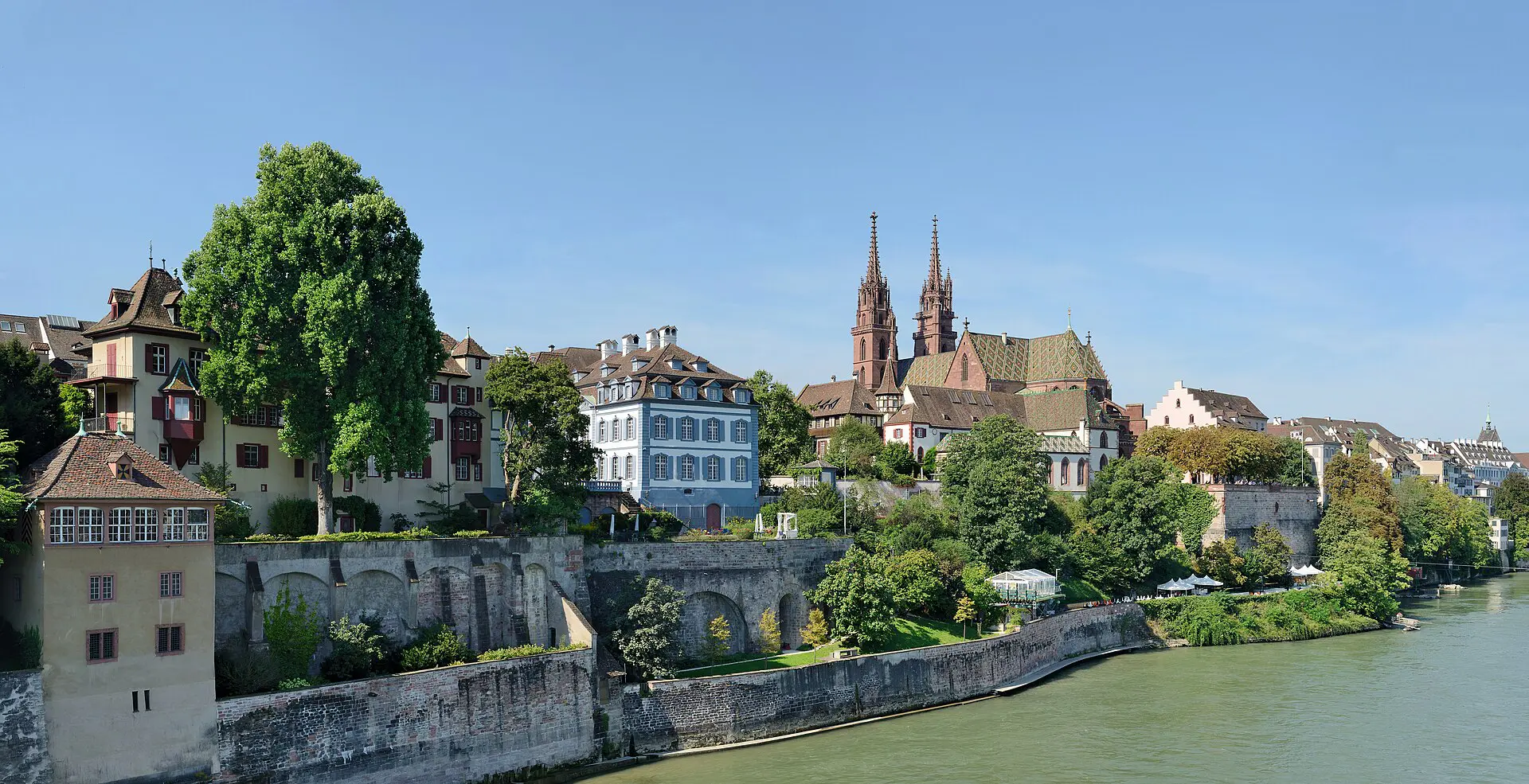
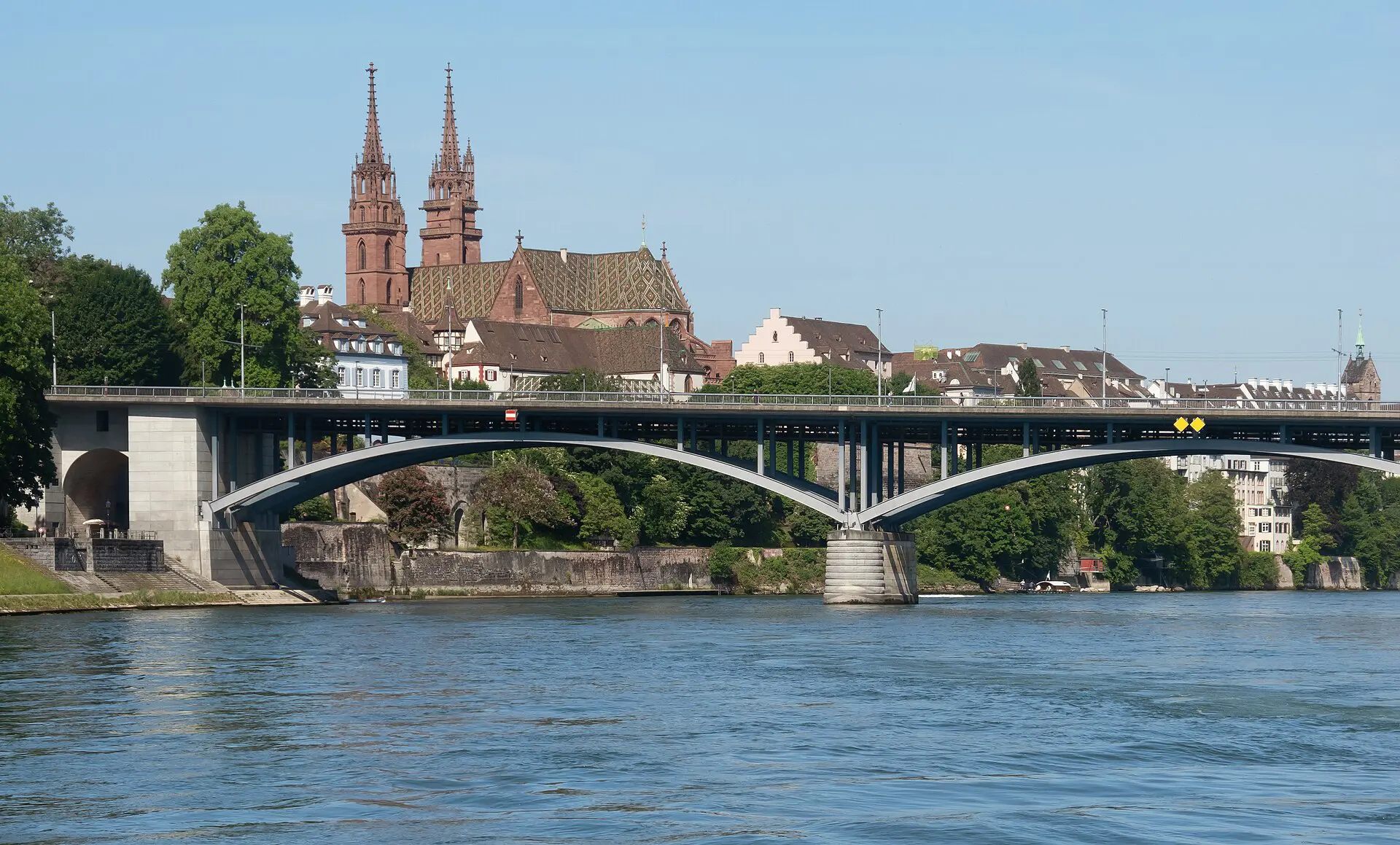
Basel is often called the cultural capital of Switzerland. The canton has around 40 museums, including the Kunstmuseum, the Fondation Beyeler in Riehen and the Museum Tinguely. The old town has a Romanesque Münster and a Renaissance town hall, and the city is the home of the Art Basel fair.
It is also a good base for Alsace in France and the Black Forest in Germany, as well as the Swiss Jura. Basel suits culture-minded travellers and anyone building a trip across borders.
Top things to do in Basel
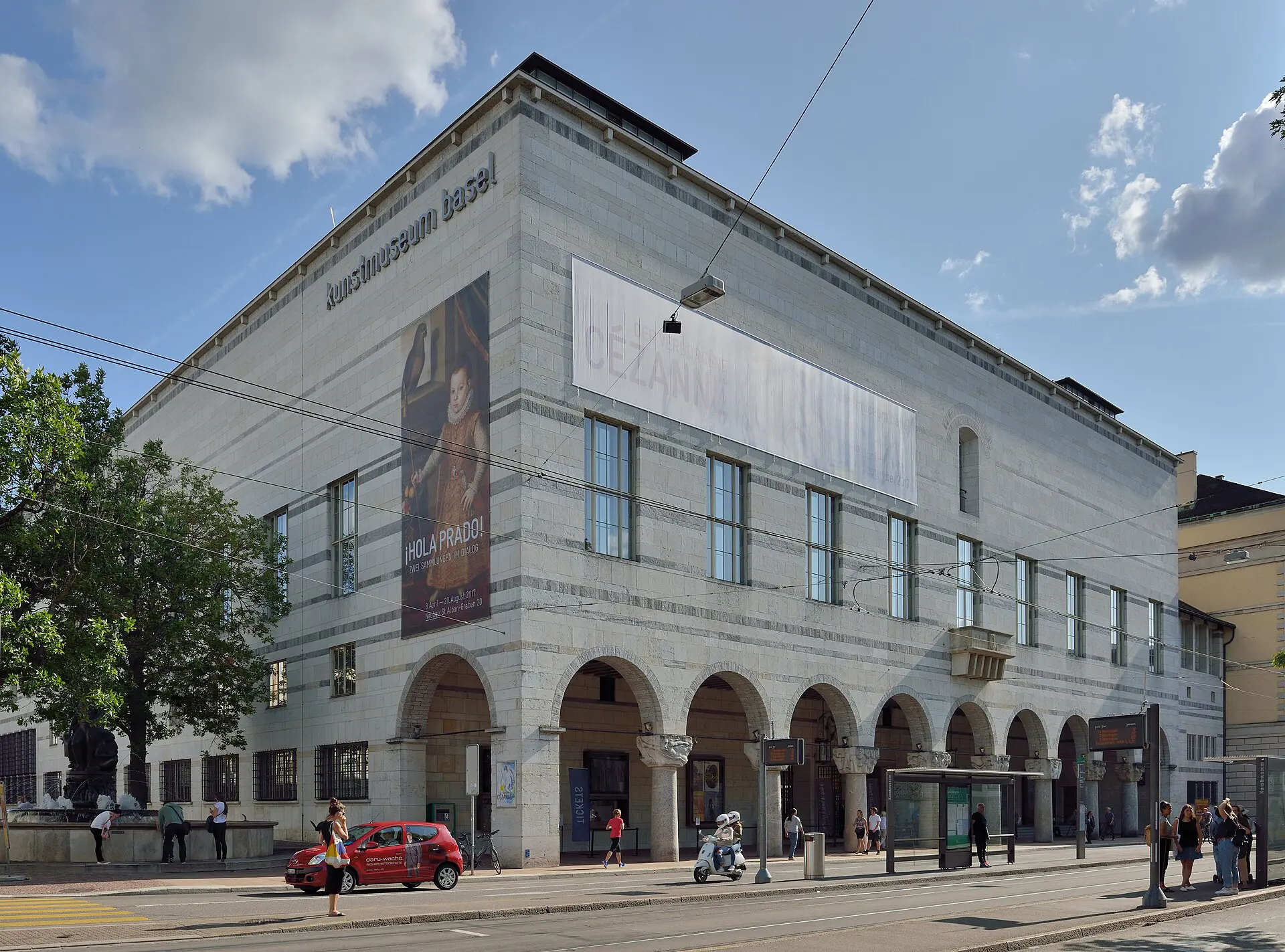
Kunstmuseum Basel
The Kunstmuseum is the largest art museum in Switzerland, and its collection grew from what is considered the first publicly accessible art collection in the world, from 1661. Allow two to three hours. Check opening days and ticket options before you go.
Fondation Beyeler
This museum in Riehen, just outside the centre, shows modern and contemporary art in a building designed by Renzo Piano. Allow half a day including the tram ride. Book timed tickets in advance in busy periods, and check current exhibitions.
Museum Tinguely
Dedicated to the kinetic sculptures of Jean Tinguely, this museum sits beside the Rhine. Many of the works move, and some demonstrations run at set times. Allow about two hours, and check the schedule when you arrive.
Basel Münster
The red sandstone Münster is the city’s main landmark, with a terrace over the Rhine. You can usually climb a tower for a view of the roofs and river. Allow an hour, and check opening times and tower access before you go.
Old town and Rathaus
The old town has narrow lanes, squares and the Renaissance town hall with its red facade. Allow two to three hours on foot, ideally including the market square. Wear comfortable shoes, since the cobbles can be uneven.
The Rhine and the ferries
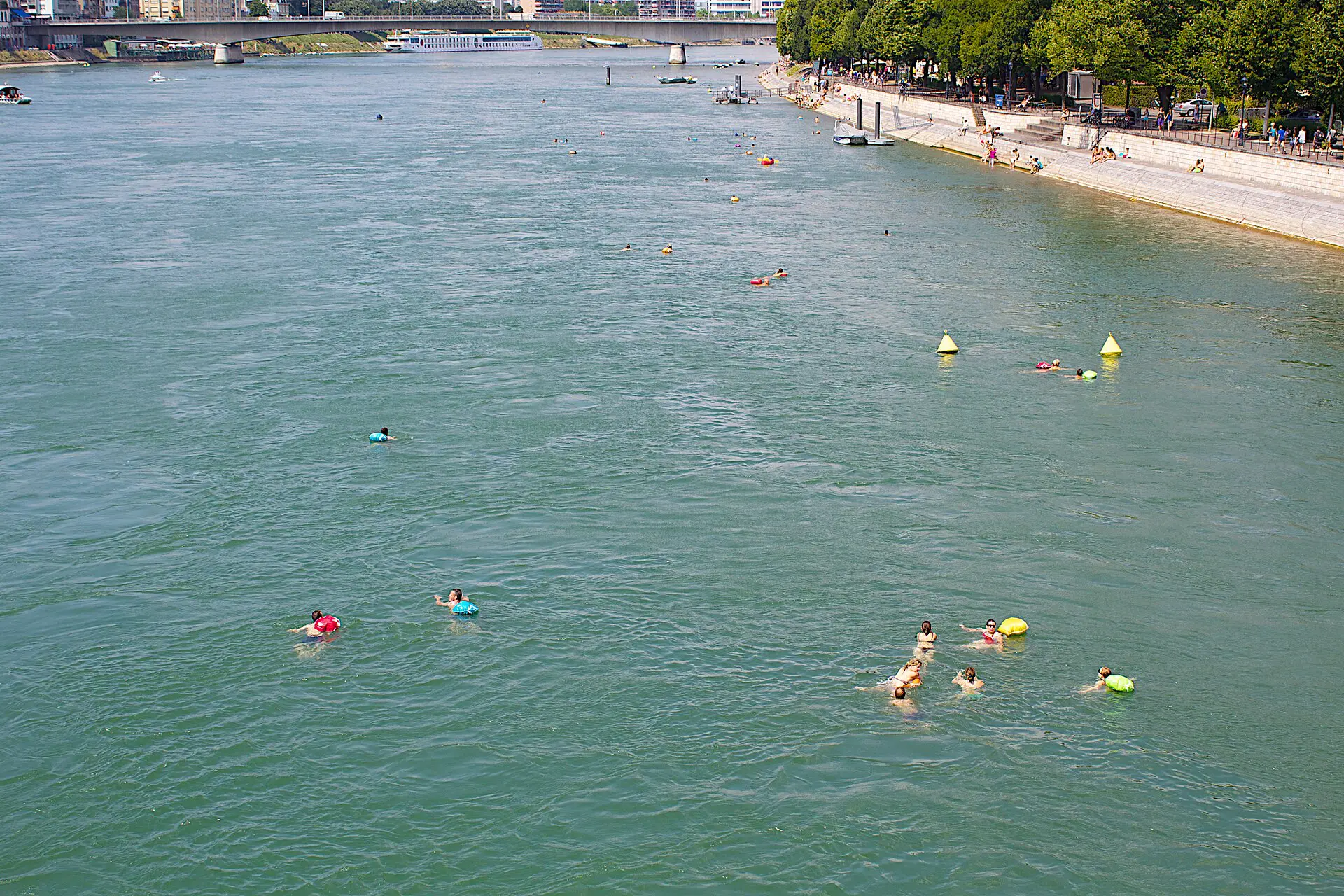
In warm months, locals swim in the Rhine or float along it, and small ferries cross the river on the current. Only enter the water where it is clearly allowed and follow local safety advice, because the current is strong. The riverbanks are good for a picnic.
Fasnacht carnival
Basel’s carnival is a major event, with parades, masks, music and lantern displays, held in late winter. Book accommodation early, check the dates, and expect it to affect transport and prices around the festival.
Best time to visit Basel
Basel has a mild climate by Swiss standards, with warm summers and cool, grey winters. Most visitors choose spring to early autumn, when the Rhine and outdoor spaces are at their best.
| Season | Weather | Crowds and prices |
|---|---|---|
| Spring (March to May) | Cool to mild, some rain | Moderate; Fasnacht raises demand |
| Summer (June to August) | Warm, long days, river swimming | Busy; hotels pricey |
| Autumn (September to October) | Mild, often clear | Quieter, but trade fairs can fill hotels |
| Winter (November to February) | Cold, grey | Quiet; Christmas markets |
Check the dates of Art Basel and major trade fairs, which can sharply raise hotel prices and fill rooms.
How to get to Basel and around
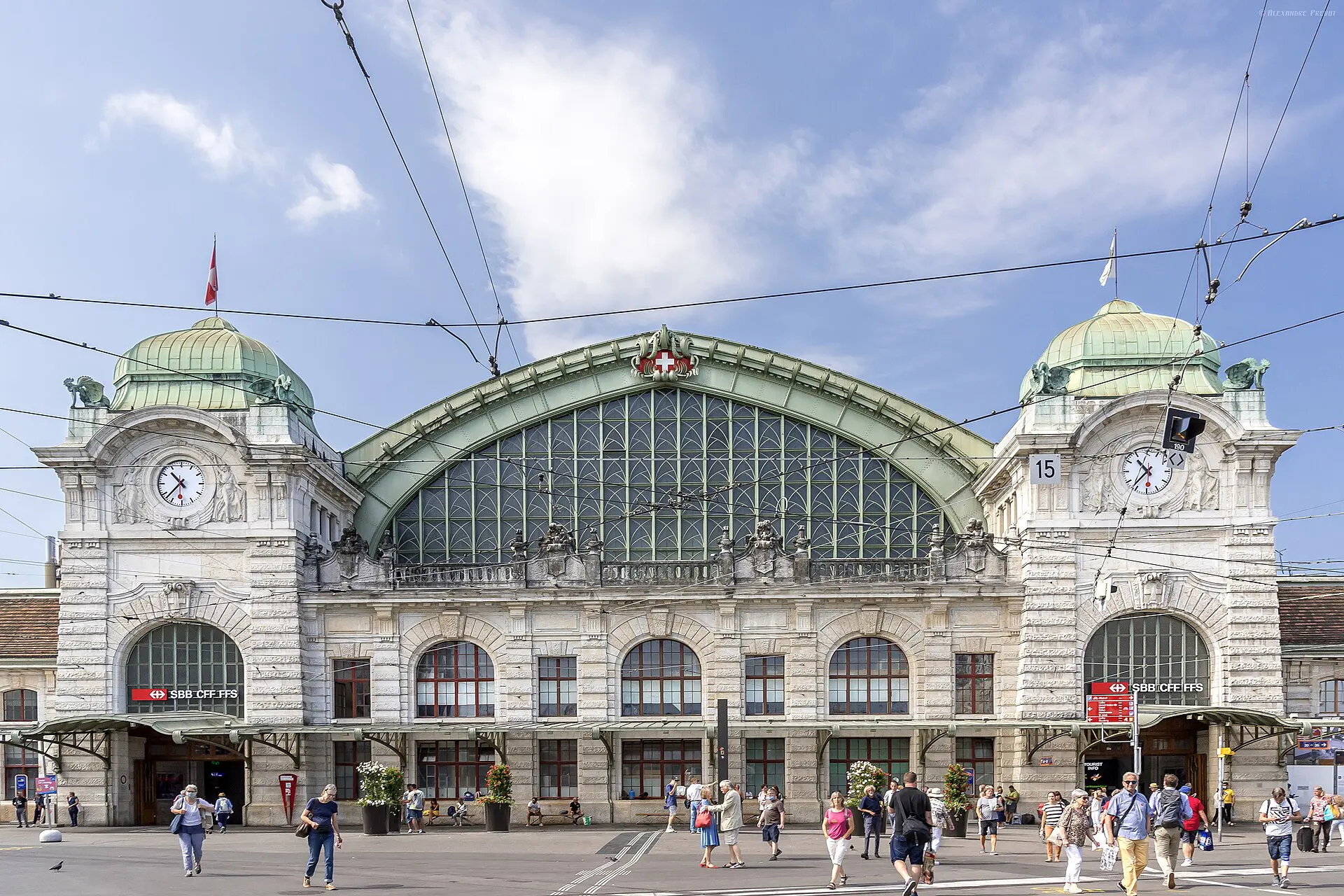
Basel is a major rail hub, with frequent trains to Zurich, Bern and Lucerne, as well as services to Germany and France. Check timetables for current journey times.
EuroAirport Basel-Mulhouse-Freiburg is the local airport, close to the city and located on French territory, with a bus link to the centre. Zurich airport is also a possible gateway, linked by direct train.
Inside the city, trams and buses cover the centre, the museums and the border areas. The old town is compact and walkable. Hotels commonly give guests a local transport pass, so ask when you check in.
Where to stay in Basel
The old town and areas near the Münster suit first-time visitors who want character and walkable sights. Rooms can be small and prices higher, but the setting is hard to beat.
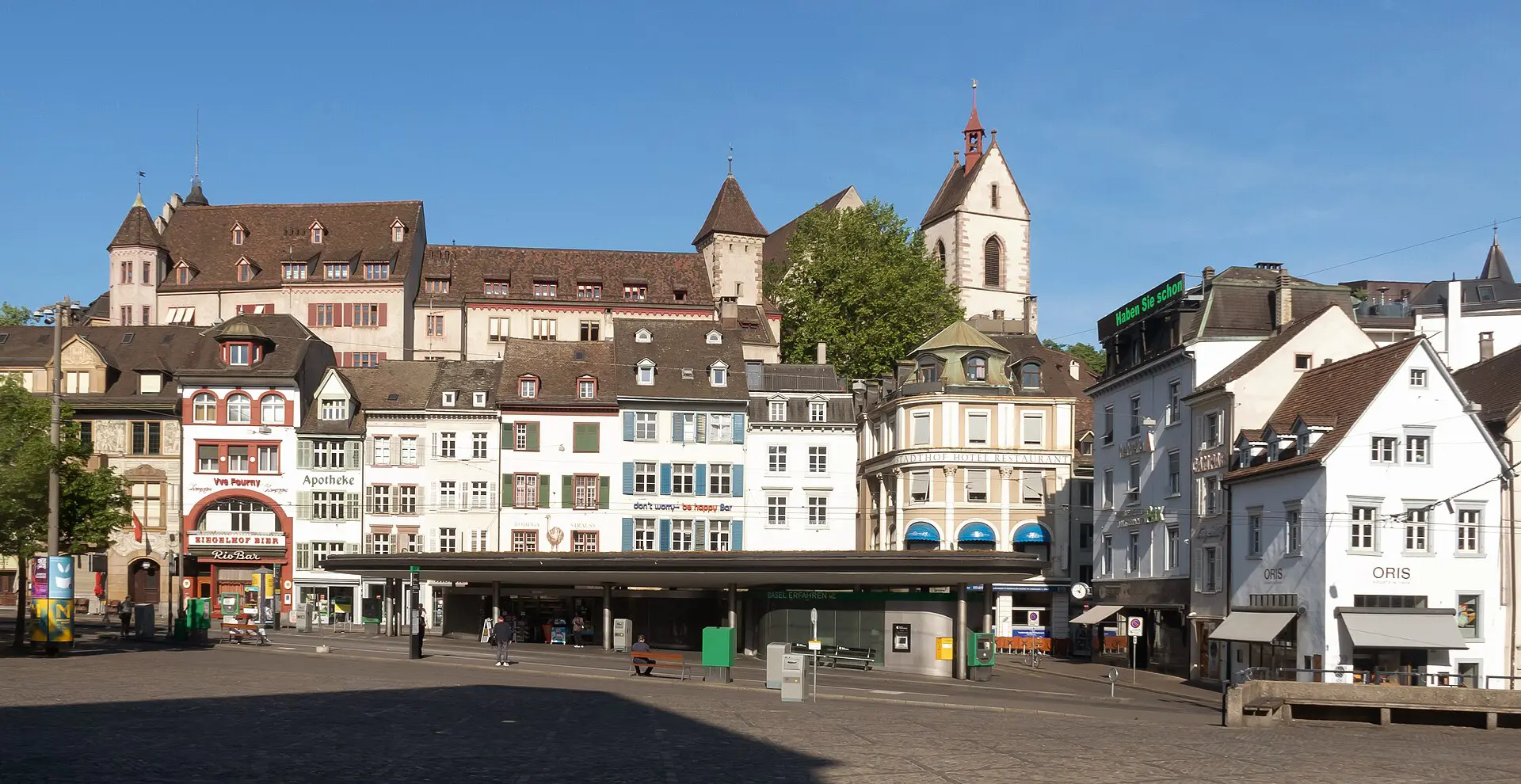
Near the main railway station, you will find a wide choice of hotels with easy rail connections. This is a practical option for short stays and for trips onward by train.
Neighbourhoods across the Rhine, such as Kleinbasel, have a more local feel with cafés and restaurants, and often lower prices. Budget travellers can look at hostels and guesthouses away from the centre. Book early around Fasnacht, Art Basel and trade fairs.
How many days do you need?
Two days lets you see the old town and two or three museums. A third day is useful for a border trip or the Fondation Beyeler.
- Day 1: Münster and old town in the morning, lunch by the Rhine, then the Kunstmuseum.
- Day 2: Museum Tinguely and a river walk or swim, then dinner in Kleinbasel.
- Day 3: The Fondation Beyeler, or a day trip into Alsace or the Black Forest.
Many museums close on Mondays, so check before you plan your order.
Day trips and nearby
Alsace, France
The French region of Alsace is close, with villages and wine towns reachable by train or car. Passports or ID may be needed for border checks, so carry them. Allow a full day.
Black Forest, Germany
The Black Forest begins just across the border and offers walking, small towns and forest scenery. A car makes it easiest, though some places are reachable by rail.
Lucerne and Zurich
Both cities are reachable by direct train in roughly an hour. Lucerne has a lake and an old town, while Zurich offers museums and shopping.
Bern
The Swiss capital is a train ride away, in about an hour. Its UNESCO-listed old town and arcades make a good half-day or full-day trip.
FAQ
Q1How many days do you need in Basel?
Two days is enough for the old town, the Münster and two or three museums. Add a third day for the Fondation Beyeler, a trip into France or Germany, or a slower walk along the Rhine.
Q2When is the best time to visit Basel?
April to October gives mild to warm weather and good river activity. Summer is busiest, while autumn is quieter. Check event dates such as Fasnacht and Art Basel, which draw large crowds and push up hotel prices.
Q3How do you get to Basel?
Basel has frequent trains from Zurich, Bern and neighbouring countries. The local airport, EuroAirport Basel-Mulhouse-Freiburg, is just outside the city. You can also fly to Zurich and continue by direct train.
Q4Is Basel expensive?
Yes, as with most of Switzerland, hotels and restaurants cost a lot. Many museums are not cheap either. You can save with lunch menus, supermarket picnics and the transport pass that hotels often provide for guests.
Prices, schedules and entry rules change. Check current details with official sources before you travel. Read the Switzerland travel guide.