Why visit Bern
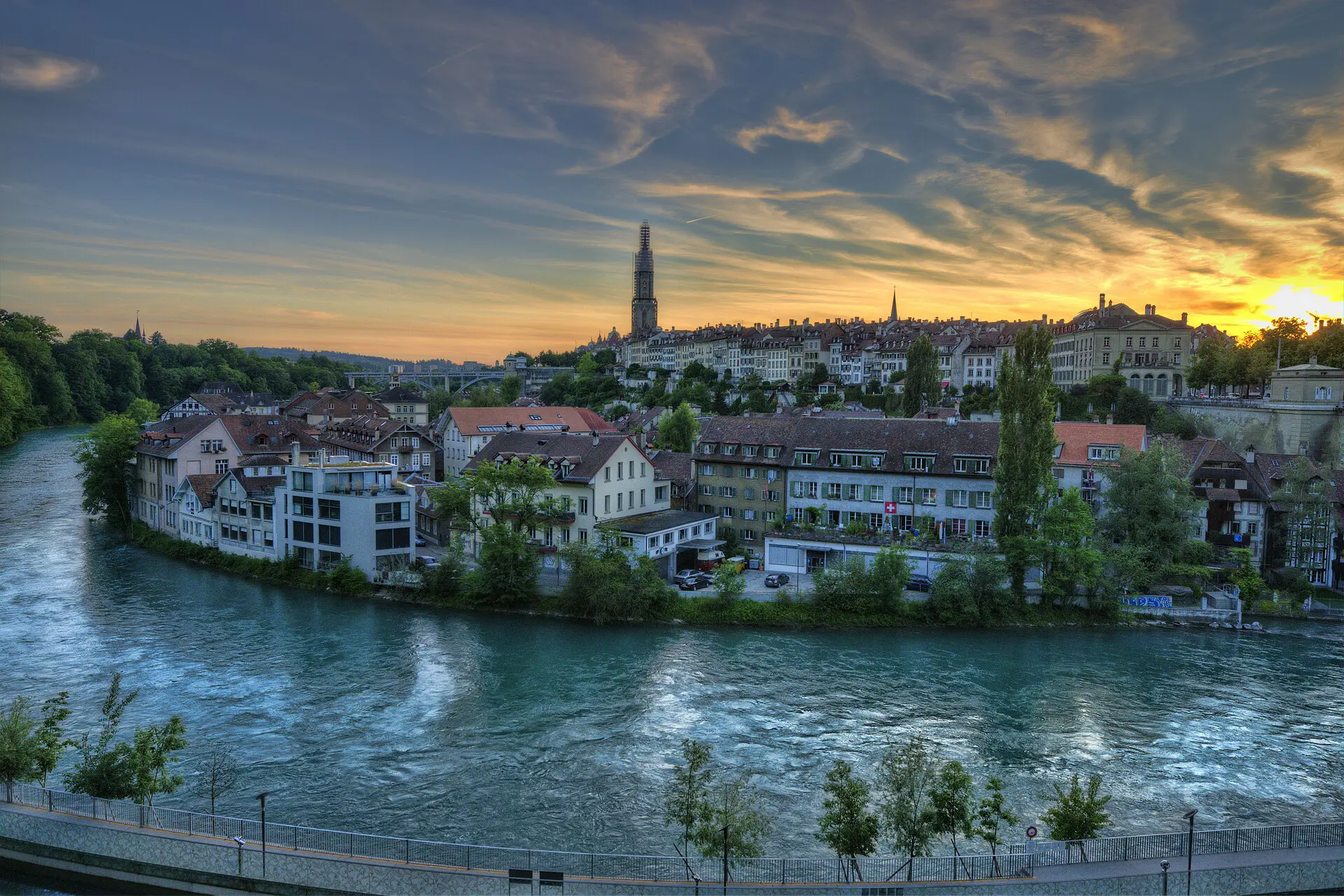
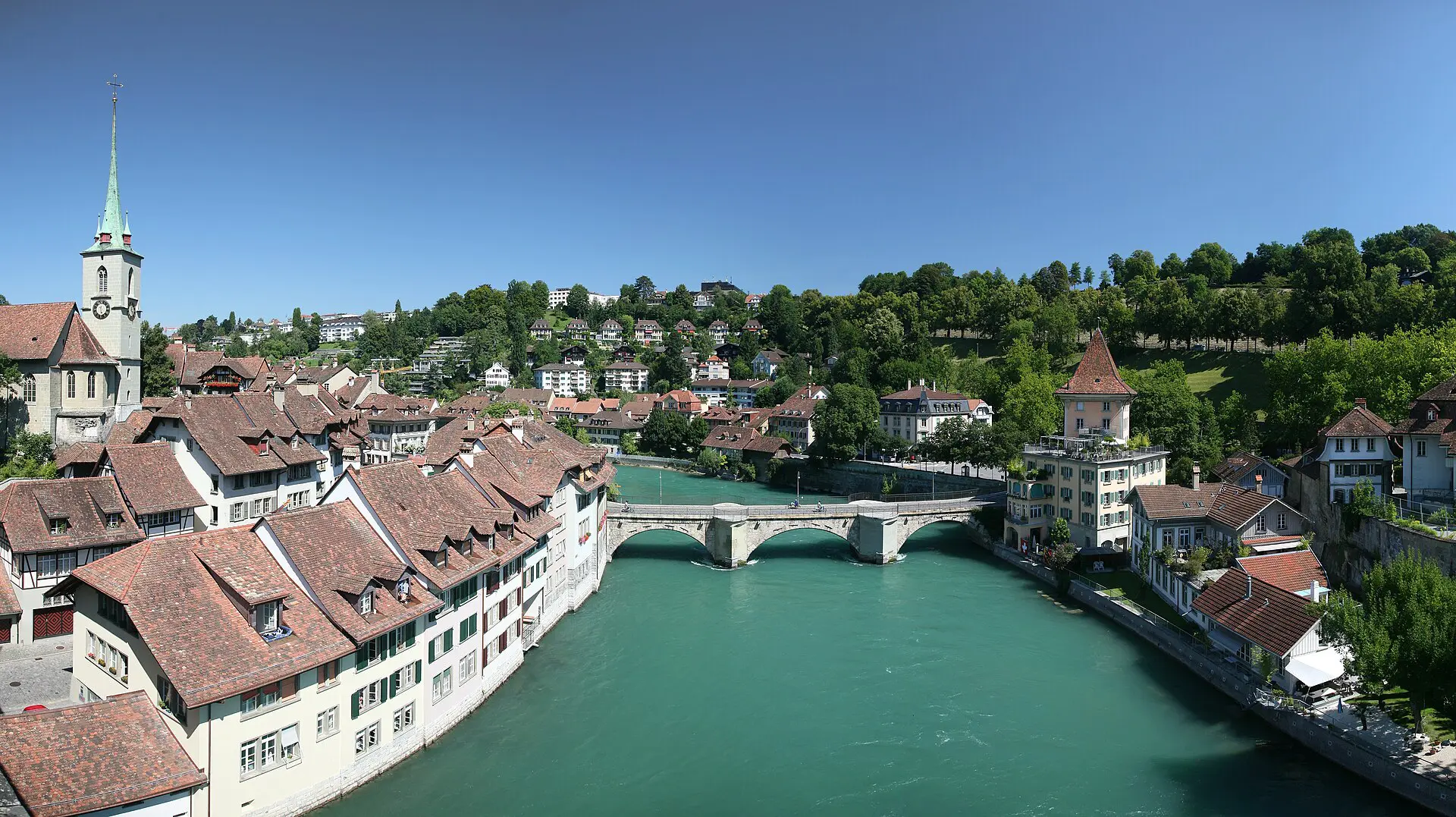
If you are planning things to do in Bern, expect a small, walkable capital with a big sense of history. Bern is the de facto capital of Switzerland, officially called the federal city, with a population of about 146,000. It sits on a peninsula formed by the loops of the river Aare.
The medieval old town was founded in 1191 by Berthold V, Duke of Zähringen, and became a UNESCO World Heritage Site in 1983. It is known for its coherent design, around 6.4 km (4 miles) of covered arcaded walkways, and streets lined with fountains and clock towers.
Bern is quieter than Zurich or Geneva and easy to see on foot. It suits short city breaks, rail-based trips across Switzerland, and travellers who want history and a river setting without big-city crowds.
Top things to do in Bern
Walk the old town and arcades
The old town is the main attraction. Its sandstone buildings, arcades, fountains and cobbled streets are best seen on a slow walk along Marktgasse, Kramgasse and neighbouring lanes. Allow two to three hours. The arcades keep you dry in rain and shaded in summer.
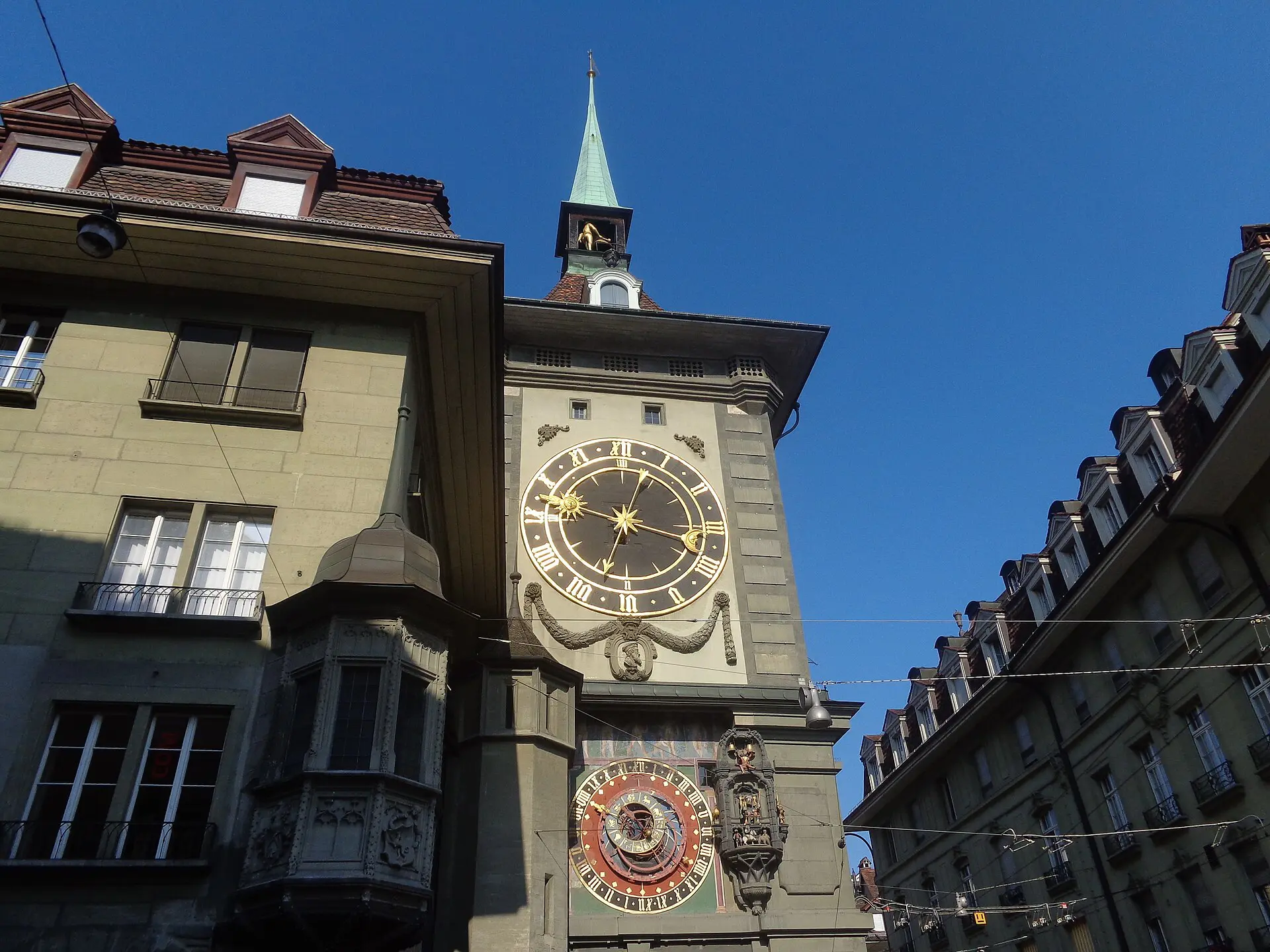
Zytglogge clock tower
The medieval clock tower is one of the city’s best-known landmarks. Its astronomical clock draws a crowd shortly before the hour, when the figures begin to move. Stand a little back for a good view, and check whether tower tours are running if you want to go inside.
Bern Minster
The Gothic minster has a tall tower you can climb for a view across the old town and the Aare. Allow an hour including the climb, which involves a narrow spiral stair. Check opening times and tower access before you go, as they vary by season.
Bärengraben and Rosengarten
The bear is the city’s symbol. The former bear pits by the river are a short walk from the old town, and the hillside Rosengarten above them gives a classic postcard view of the roofs and minster. Allow an hour, and go late afternoon for softer light.
Swimming and floating in the Aare
In summer, locals swim in the river or float downstream through the city. The current is strong and cold, so only enter where it is clearly allowed, observe local safety signs and do not swim after heavy rain or snowmelt if you are unsure. Many riverside spots also work as picnic places.
Museums and the Federal Palace
Bern has a good range of museums, including art and history collections. The Federal Palace, where the national parliament sits, can usually be visited on guided tours when parliament is not in session. Check schedules and booking requirements, and bring photo ID if asked.
Gurten viewpoint
Gurten is the hill on the edge of the city, reached by a short funicular ride from a tram stop. Allow two to three hours for the view, a walk and a meal. It is a good choice on clear days, and quieter than the old town.
Best time to visit Bern
Bern has four distinct seasons. Summer is the most popular time, thanks to long days and river swimming, while winter can be cold and grey but atmospheric around the Christmas markets.
| Season | Weather | Crowds and prices |
|---|---|---|
| Spring (April to May) | Cool to mild, changeable | Moderate; fewer crowds |
| Summer (June to August) | Warm, long days | Busiest; hotel prices highest |
| Autumn (September to October) | Crisp, often clear | Quieter; good walking weather |
| Winter (November to February) | Cold, grey, some snow | Quiet except around the Christmas markets |
For the best balance of weather and prices, aim for late spring or early autumn. Check dates for events and fairs, which can raise hotel prices.
How to get to Bern and around
Bern is well served by rail, and most visitors arrive by train. Services connect it with Zurich, Geneva, Basel, Lausanne and Interlaken, with frequent intercity trains on main routes. Check timetables on the national railway site for current times.
The nearest major airports are Zurich and Geneva, each a train ride away, and Bern has a small regional airport used for limited routes. If you arrive by plane, follow signs to the airport station and buy a ticket for Bern.
Inside the city, the old town is compact and walkable. Trams and buses cover the rest, and a ticket from the local operator works across the network. Hotels often provide a local transport pass for guests, so ask when you check in.
Where to stay in Bern
The old town is the most atmospheric place to stay, with historic buildings, restaurants and sights on your doorstep. It suits first-time visitors and short stays, though rooms can be small and rates higher.
Near the central station, you will find a wide choice of hotels with easy rail access. This area suits travellers using Bern as a base for day trips by train, and it is less expensive than the old town in some cases.
Across the river, neighbourhoods such as the Kirchenfeld district have museums and quieter streets, good for a more residential feel. Budget travellers can look at hostels and guesthouses on the edge of the centre. Book early for summer and major events.
How many days do you need?
One full day is enough for the highlights, but two days is more relaxed and gives you time for a museum and the river.
- Day 1: Walk the old town and arcades, see the Zytglogge, climb the minster tower, then cross the river to the Bärengraben and Rosengarten at sunset.
- Day 2: Visit a museum or the Federal Palace in the morning, then go to Gurten or swim in the Aare in summer.
- Day 3: Take a day trip to a nearby town or the Bernese Oberland.
Weather may change your order of plans, so keep indoor options ready.
Day trips and nearby
Interlaken
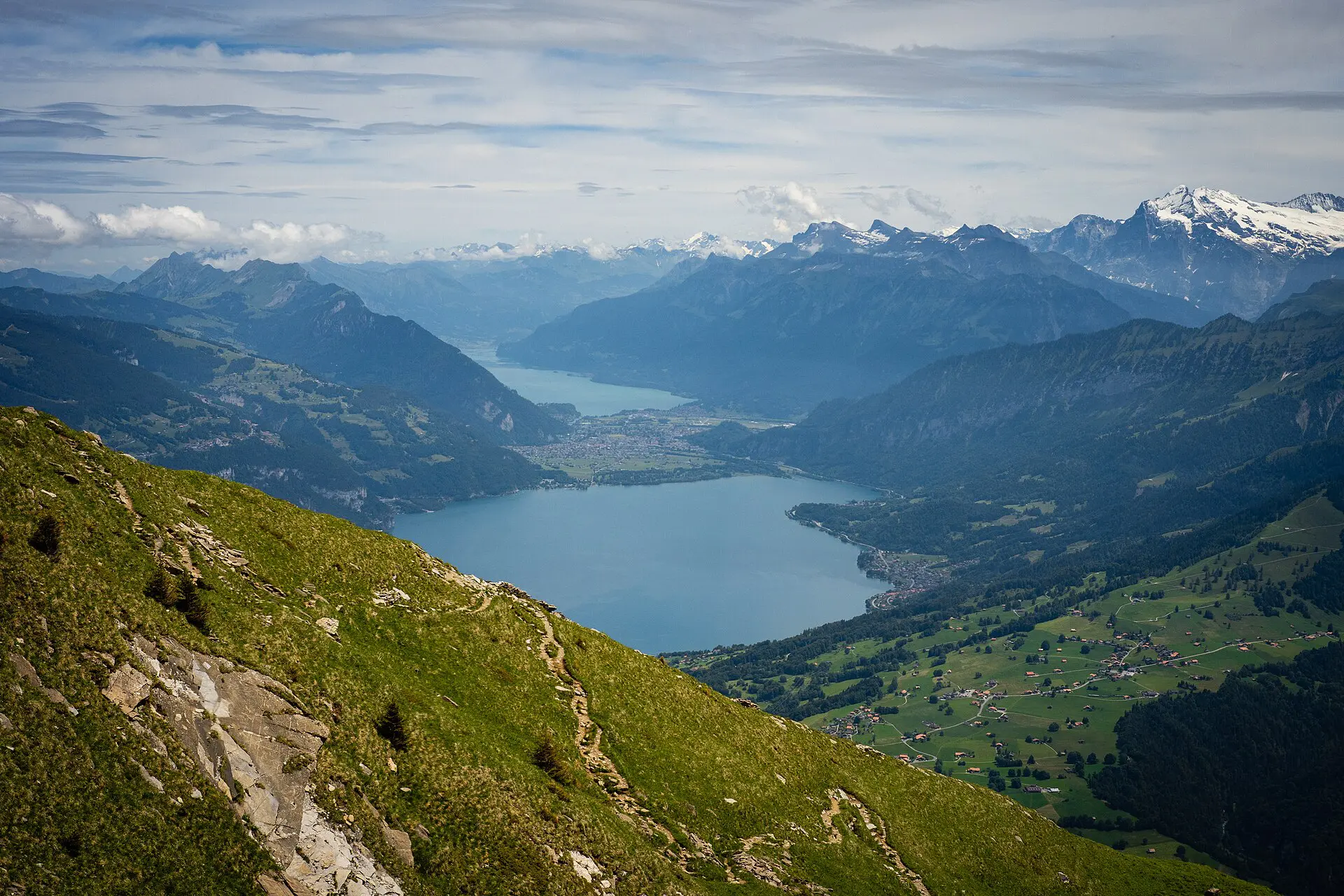
Interlaken lies between two lakes and is the gateway to the Bernese Oberland. Trains run roughly every half hour from Bern, and the journey takes under an hour. It is a good base for boat trips and mountain railways.
Lauterbrunnen
This valley of waterfalls is reached via Interlaken by train and is a popular stop for walking and views. Allow a full day for the trip, and check the weather before you go.
Lausanne and Lake Geneva
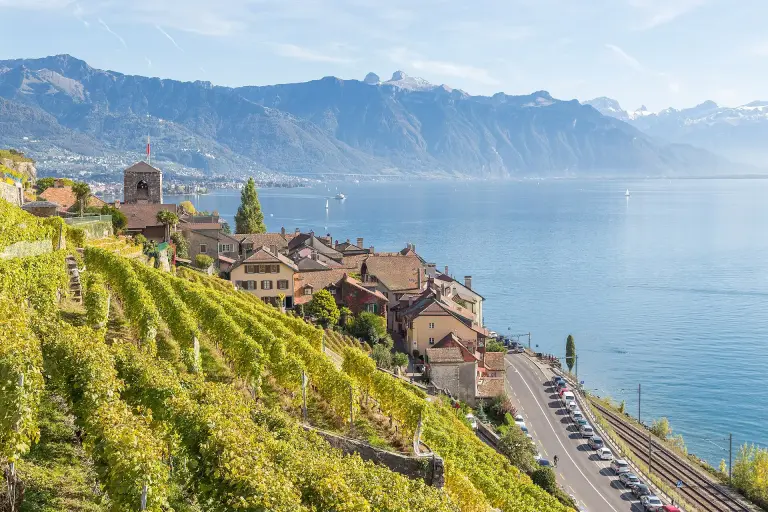
Lausanne sits on Lake Geneva, reached by direct train in roughly an hour and a quarter. It is a good option for a lakeside day with vineyards and a hillside old town.
Lucerne and Zurich
Both cities are reachable by direct train, taking roughly one to one and a half hours depending on the route. Lucerne is the better scenic day out, while Zurich offers museums and shopping.
FAQ
Q1How many days do you need in Bern?
One full day covers the main old-town sights, but two days is more comfortable and leaves time for a museum, the Gurten hill and a swim or walk along the Aare. Add a third day if you want a day trip.
Q2When is the best time to visit Bern?
Late spring and early autumn offer pleasant weather and fewer crowds. Summer is best for river swimming and long days but is busier and pricier. Winter is cold, though the Christmas markets add atmosphere.
Q3How do you get to Bern?
Most visitors arrive by train, with frequent connections from Zurich, Geneva, Basel and Lausanne. The nearest major airports are Zurich and Geneva, each linked to Bern by rail. Check current timetables before you travel.
Q4Is Bern expensive?
Switzerland is one of Europe's priciest countries, and Bern is no exception, although it is usually cheaper than Zurich or Geneva. Hotels and meals add up, so look for lunch deals, supermarket picnics and hotel transport passes.
Prices, schedules and entry rules change. Check current details with official sources before you travel. Read the Switzerland travel guide.