Why visit Lausanne
If you are planning things to do in Lausanne, expect a hilly city that mixes lake views, museums and a lively student scene. Lausanne is the capital of the canton of Vaud, on the northern shore of Lake Geneva, about halfway between the Jura Mountains and the Alps. It faces the French town of Évian-les-Bains across the water.
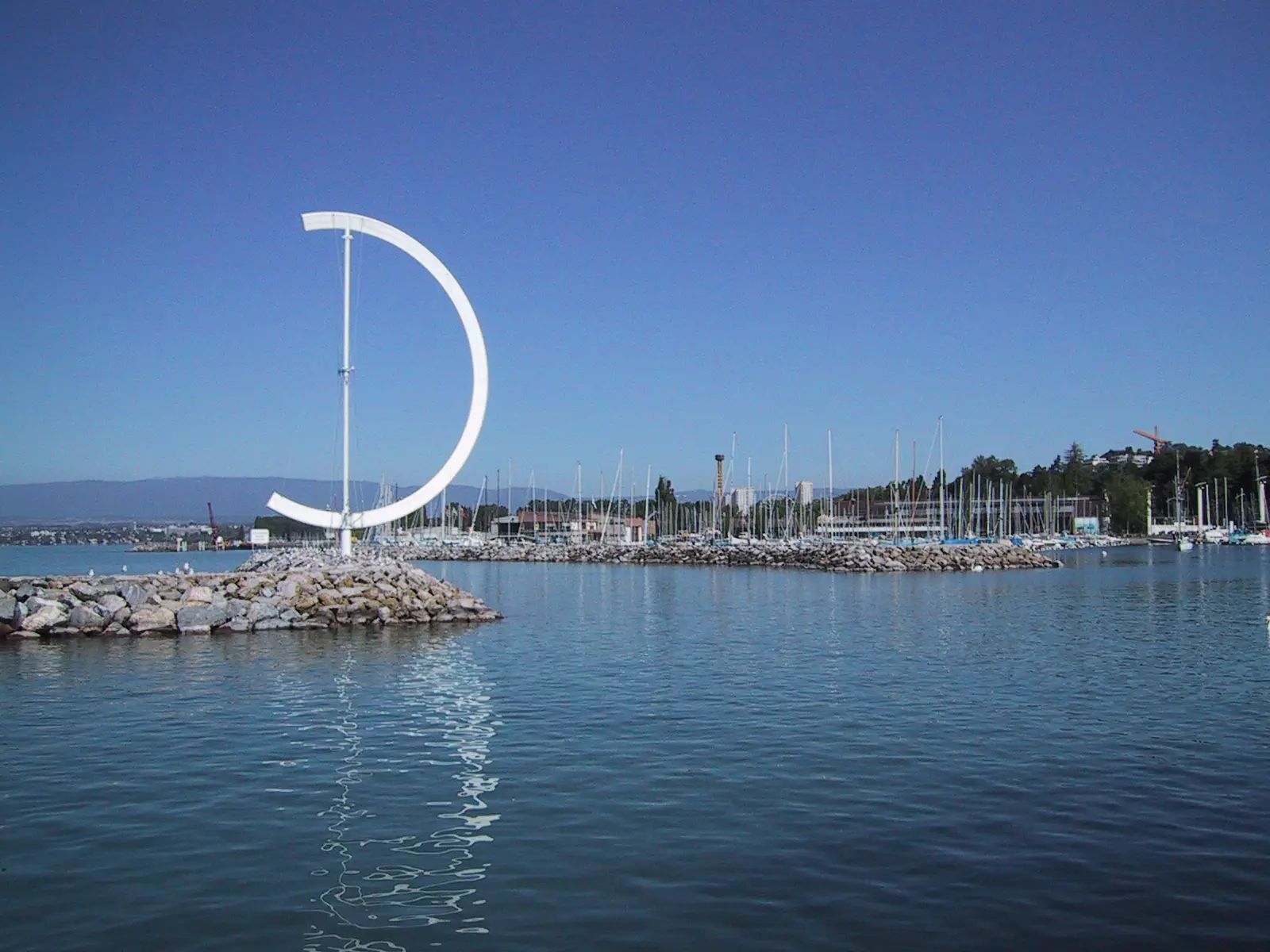
The city is known as the Olympic capital and is home to the International Olympic Committee. It also has a Gothic cathedral at the top of the old town, around two dozen museums and a nightlife and arts scene centred on the Flon district.
Lausanne is French-speaking, and English is less widely spoken than in Geneva, though most service staff speak some. It works well as a base for the lake and the surrounding wine country.
Top things to do in Lausanne
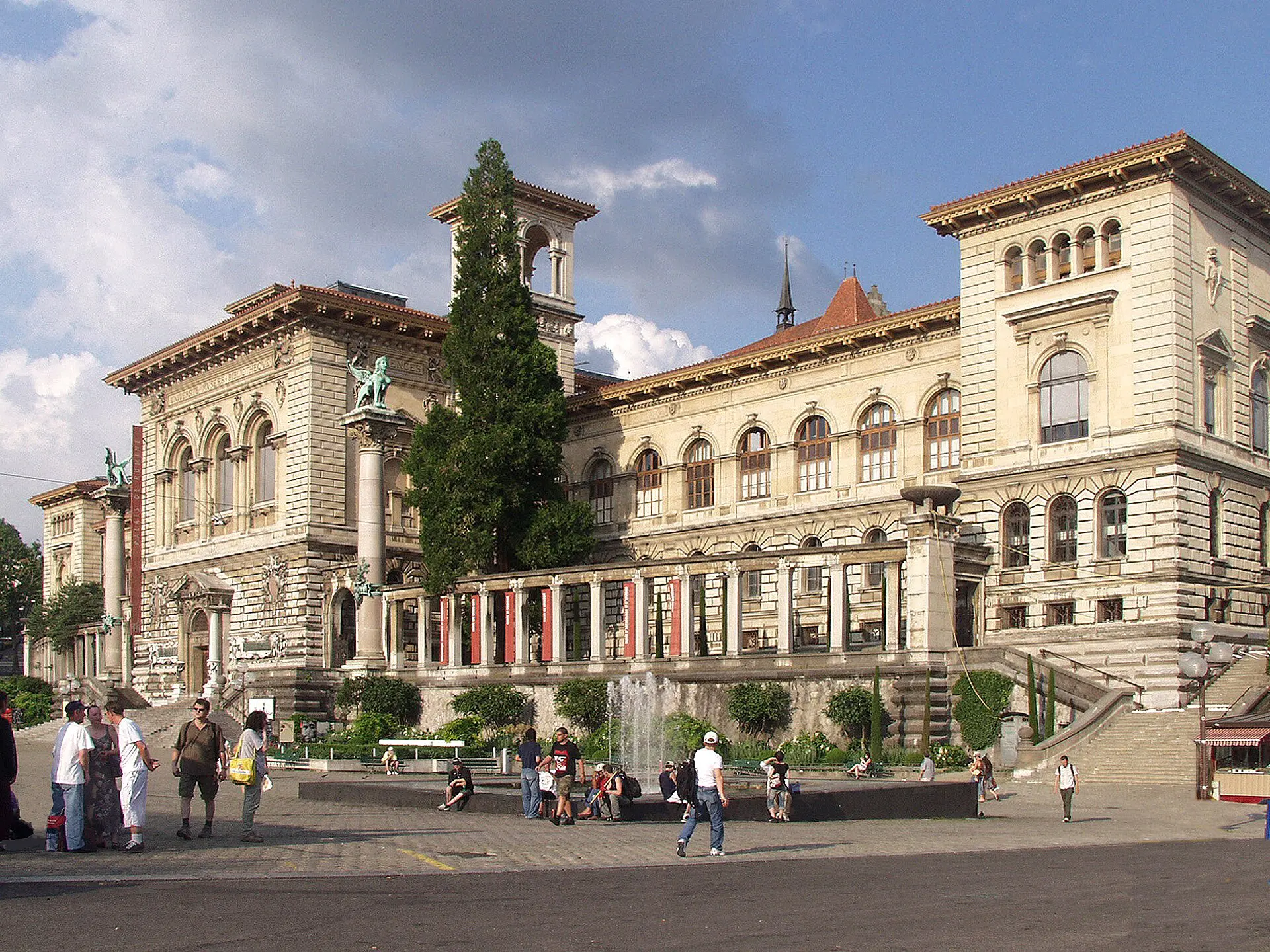
Lausanne Cathedral
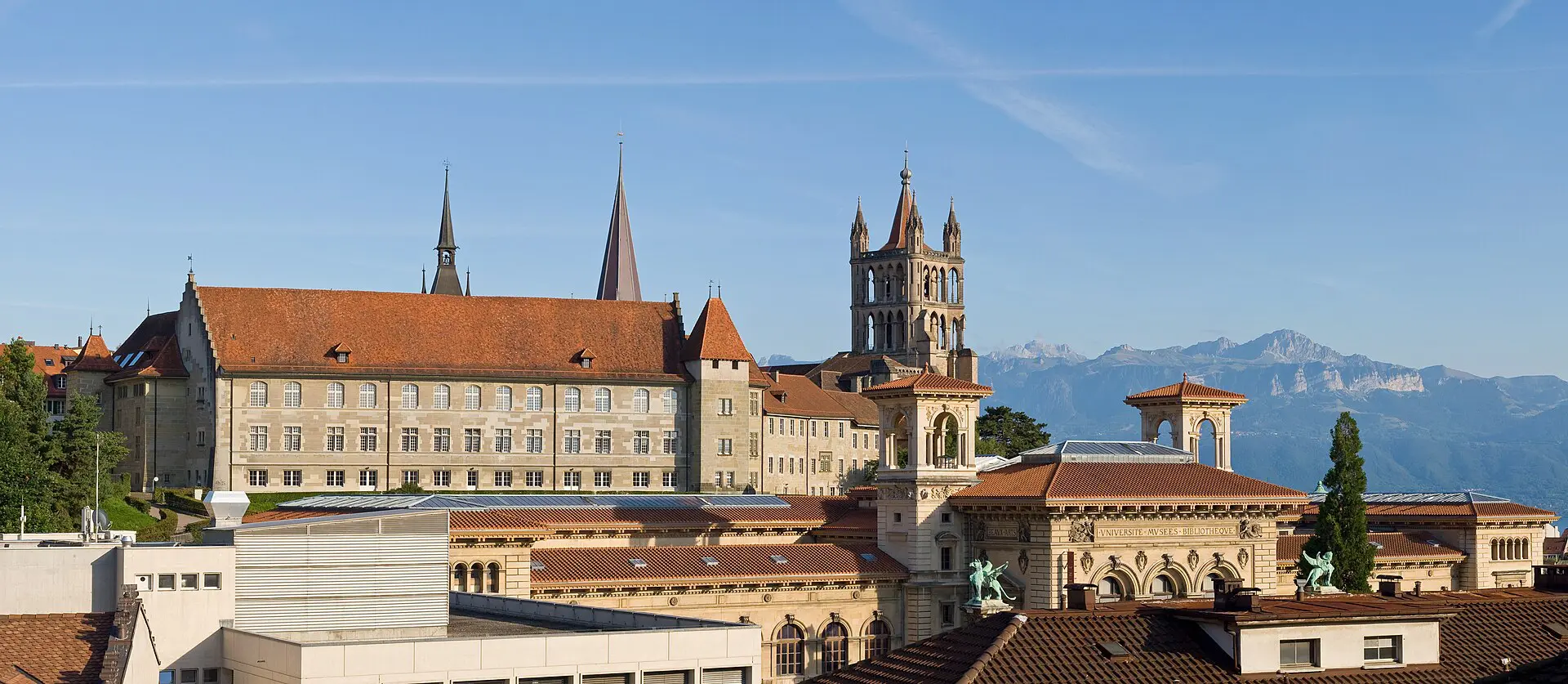
The Gothic cathedral, started in the 12th century, is often described as the best-preserved Gothic cathedral in Switzerland. It sits at the top of the old town, and its tower offers views over the roofs and lake. Allow an hour, and check access and tower times before you go.
The Olympic Museum
The museum is on the lakeside in Ouchy and covers the history of the Games with exhibits, films and a sculpture park. Allow two to three hours. The park and café terrace can be visited for the view, and it is worth buying tickets online in peak season.
Ouchy lakefront
The waterfront at Ouchy has a long promenade, gardens, boats and cafés. It is a good place to walk in the evening, with the mountains across the lake. Allow an hour or two, and take the metro down from the city to save the climb back.
Old town and the Palud
The old town is a maze of steep lanes, stairways and small squares. Spend a couple of hours wandering from the cathedral down towards Place de la Palud. Wear comfortable shoes, since the slopes and cobbles are steep.
Collection de l’Art Brut
This unusual museum shows work by self-taught and outsider artists, and is one of the city’s offbeat highlights. Allow about two hours. Check opening days, since many museums close on Mondays.
Flon district
Flon is a former warehouse area turned into a district of bars, restaurants, shops and galleries. It suits evenings and weekends. Check what is on, as venues and events change by season.
Lake cruise
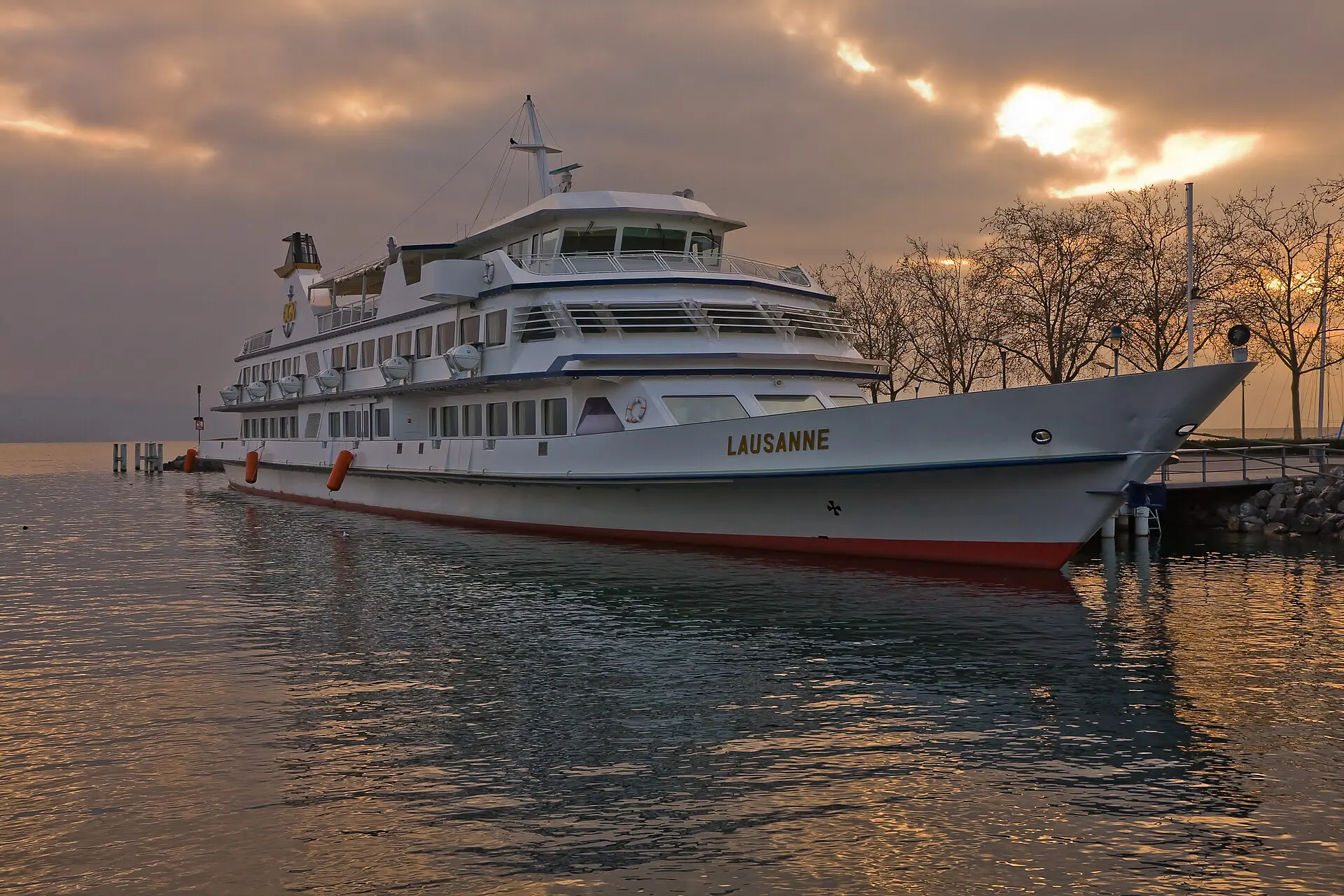
Boats run from Ouchy to other lakeside towns, including routes on the Swiss and French shores. A short cruise is a relaxed way to see the vineyard slopes. Check timetables, as services are more frequent in summer.
Best time to visit Lausanne
Lausanne has a temperate climate, with warm summers and cool winters. The lake moderates temperatures, and views of the mountains are best on clear days.
| Season | Weather | Crowds and prices |
|---|---|---|
| Spring (April to May) | Mild, some rain | Moderate; fewer visitors |
| Summer (June to August) | Warm, long days, lake swimming | Busiest; hotels dearest |
| Autumn (September to October) | Crisp, often clear, grape harvest | Quieter; good value |
| Winter (November to March) | Cool to cold, grey spells | Quiet; ski trips nearby |
For walking and lake views, late spring and early autumn are hard to beat. Check events and conference dates, which can raise hotel prices.
How to get to Lausanne and around
Lausanne station has frequent trains to Geneva, Bern, Zurich and Montreux, and it is the public transport hub of the canton of Vaud. It also links to the Valais and its mountain resorts.
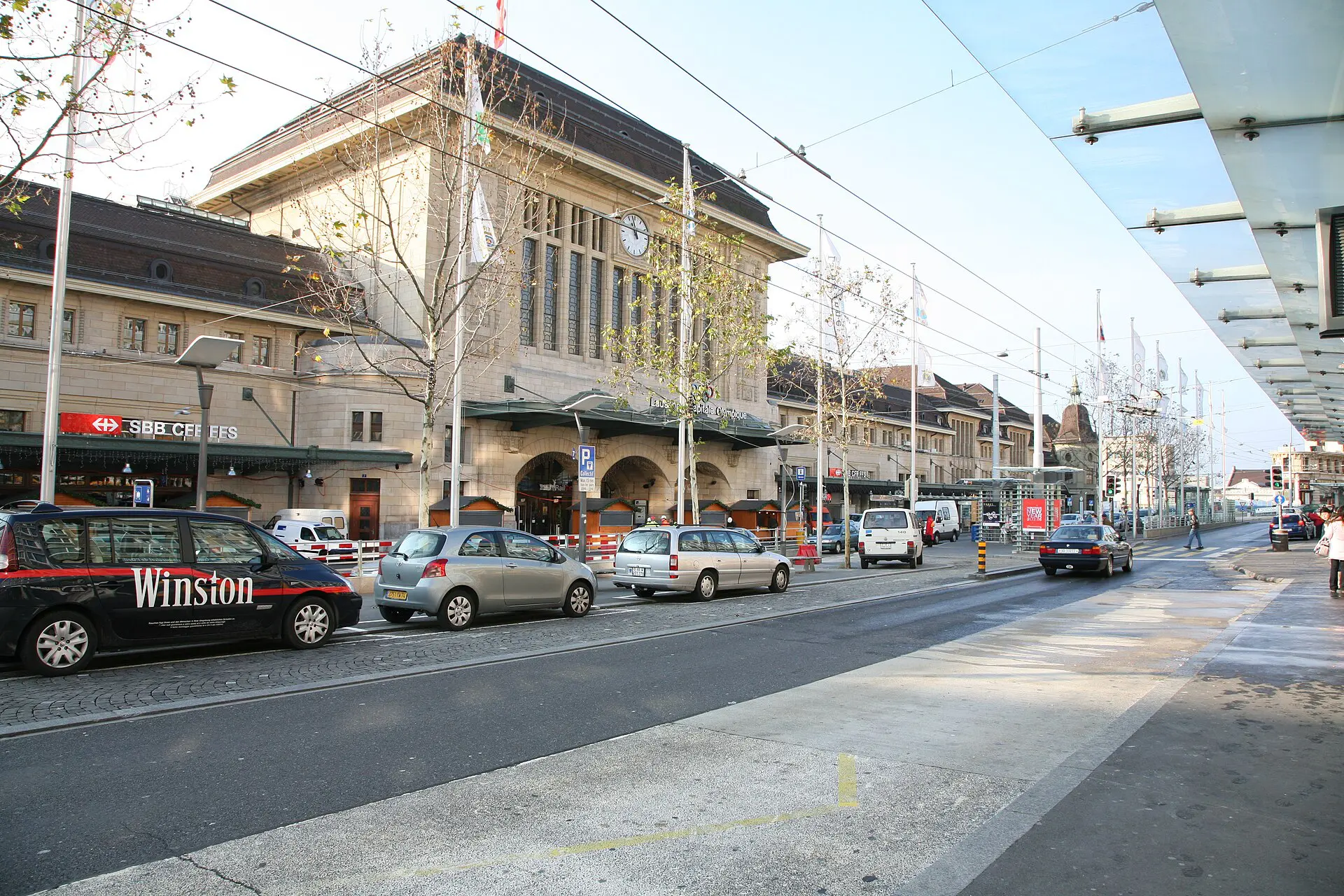
Geneva is the nearest major airport, around 50 km away, with direct trains to Lausanne. Zurich is further but also well connected by rail. Check current timetables before you travel.
Inside the city, the metro, buses and local transport make steep distances manageable, and hotels commonly provide a visitor transport pass for guests. The old town and lakefront are best explored on foot, though you will do a lot of climbing. Boats offer another way to travel along the lake in season.
Where to stay in Lausanne
Ouchy is the lakefront district, with hotels near the water and the Olympic Museum. It suits visitors who want lake views and a promenade, though it is a short metro ride from the centre.
The city centre and Flon area put you close to restaurants, nightlife and the station. This is convenient for rail-based trips and for evenings out, though some streets can be noisy.
The old town and cathedral quarter suit travellers who want a historic setting, with smaller guesthouses and a quieter feel in the evening. Budget travellers can look for hostels and simple hotels away from the lakefront. Book early for summer and major events.
How many days do you need?
Two days covers the highlights comfortably. Add a third if you want to explore the wine villages or take a longer lake trip.
- Day 1: Cathedral and old town in the morning, then Flon for lunch and an evening walk at Ouchy.
- Day 2: The Olympic Museum, then a lake cruise or a museum such as the Art Brut collection.
- Day 3: A day trip to Lavaux, Montreux or Geneva.
Weather can affect lake views, so keep a museum option for rainy hours.
Day trips and nearby
Montreux
Montreux is a lakeside resort town reached by train in under half an hour. It has a flower-lined promenade, Chillon Castle nearby and, in summer, a well-known jazz festival.
Lavaux vineyards
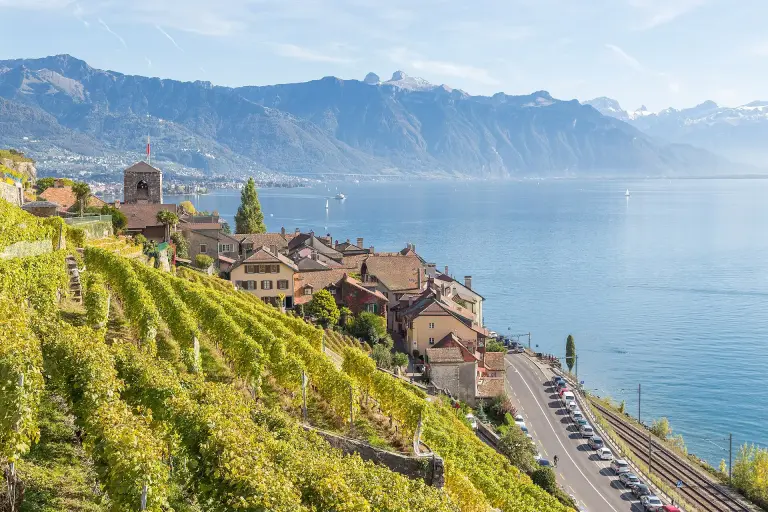
The terraced vineyards east of Lausanne slope down to the lake and make a good walking area. Trains and boats serve villages along the shore. Allow a full day for a walk and a tasting.
Geneva
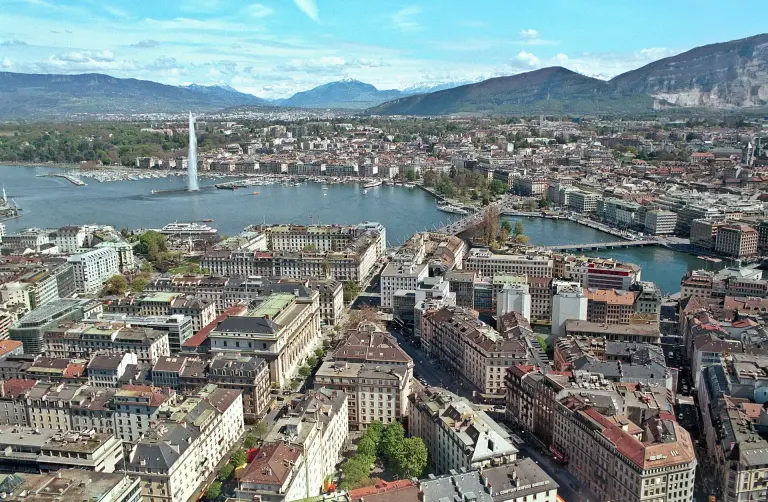
Geneva is around 50 km southwest of Lausanne, with direct trains. It offers the lake fountain, the old town and international institutions, and it works as a day trip or a first or last stop.
Bern
The Swiss capital is reachable by direct train in roughly an hour and a half. It has a UNESCO-listed old town and works well as a half-day or full-day excursion.
FAQ
Q1How many days do you need in Lausanne?
Two days is enough for the cathedral, old town, Olympic Museum and lakefront. A third day lets you add a lake cruise, the Lavaux vineyards or a trip to Montreux. Many visitors also use Lausanne as a base for the region.
Q2When is the best time to visit Lausanne?
Late spring to early autumn is best, with mild weather, long days and lake activities. Summer is busiest and most expensive. September and October are good for clear views and vineyard harvest atmosphere.
Q3How do you get to Lausanne?
Fly to Geneva, about 50 km away, and take a direct train to Lausanne. The city also has frequent rail links to Bern, Zurich and Montreux. Check current timetables, as services vary by season.
Q4Is Lausanne expensive?
Yes, Lausanne is expensive by most standards, as is much of Switzerland. Hotels and restaurants cost the most. You can save with lunch menus, supermarket picnics, free lakeside walks and the transport pass many hotels provide.
Prices, schedules and entry rules change. Check current details with official sources before you travel. Read the Switzerland travel guide.