Why visit Zermatt
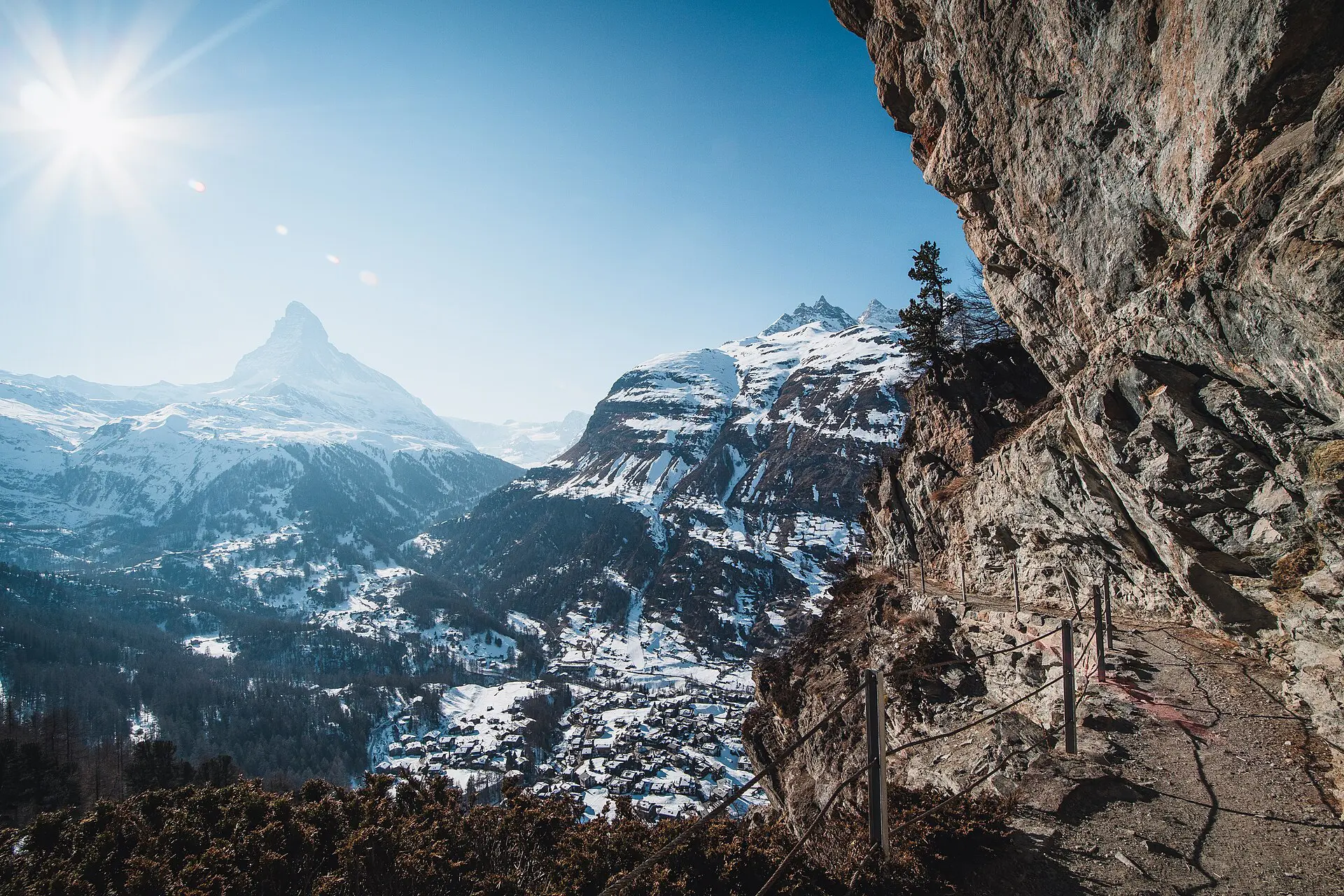
If you are looking for things to do in Zermatt, the answer starts with the mountain. The village lies in the Swiss canton of Valais, at the foot of the Matterhorn, one of the most recognisable peaks in the Alps. Most visitors come for that view, then stay for the hiking, skiing and mountain railways.
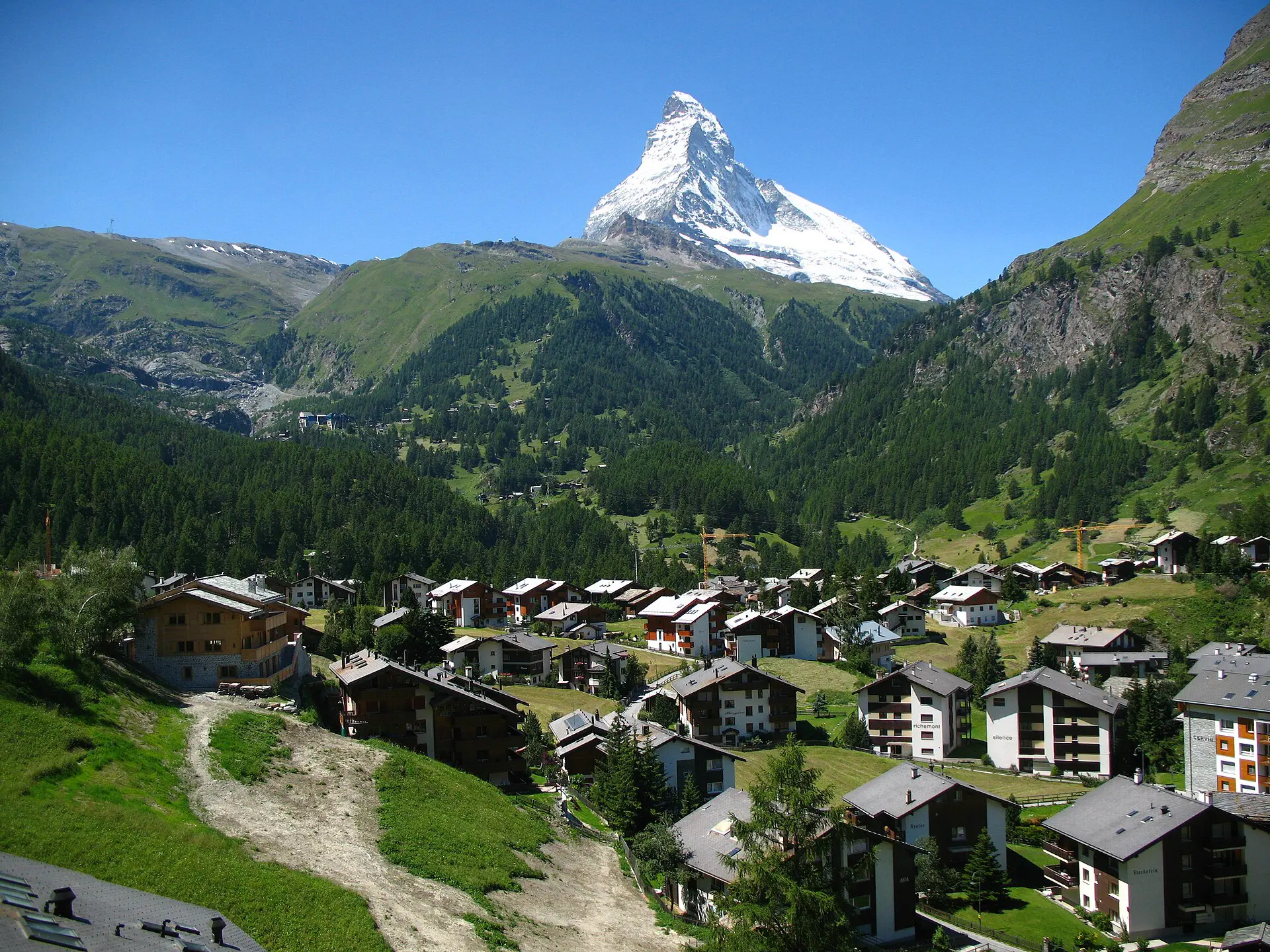
Zermatt is largely car-free. Electric taxis and small vehicles move around, while visitors usually arrive by train and walk, which helps keep the village quiet and gives it a distinctly Alpine feel. Wooden chalets sit beside shops, restaurants and hotels along the main street.
The village works in both main seasons. Winter brings ski terrain that reaches high altitude, and summer opens hiking trails, mountain lakes and viewpoints. It is expensive, but the setting is hard to match.
Top things to do in Zermatt
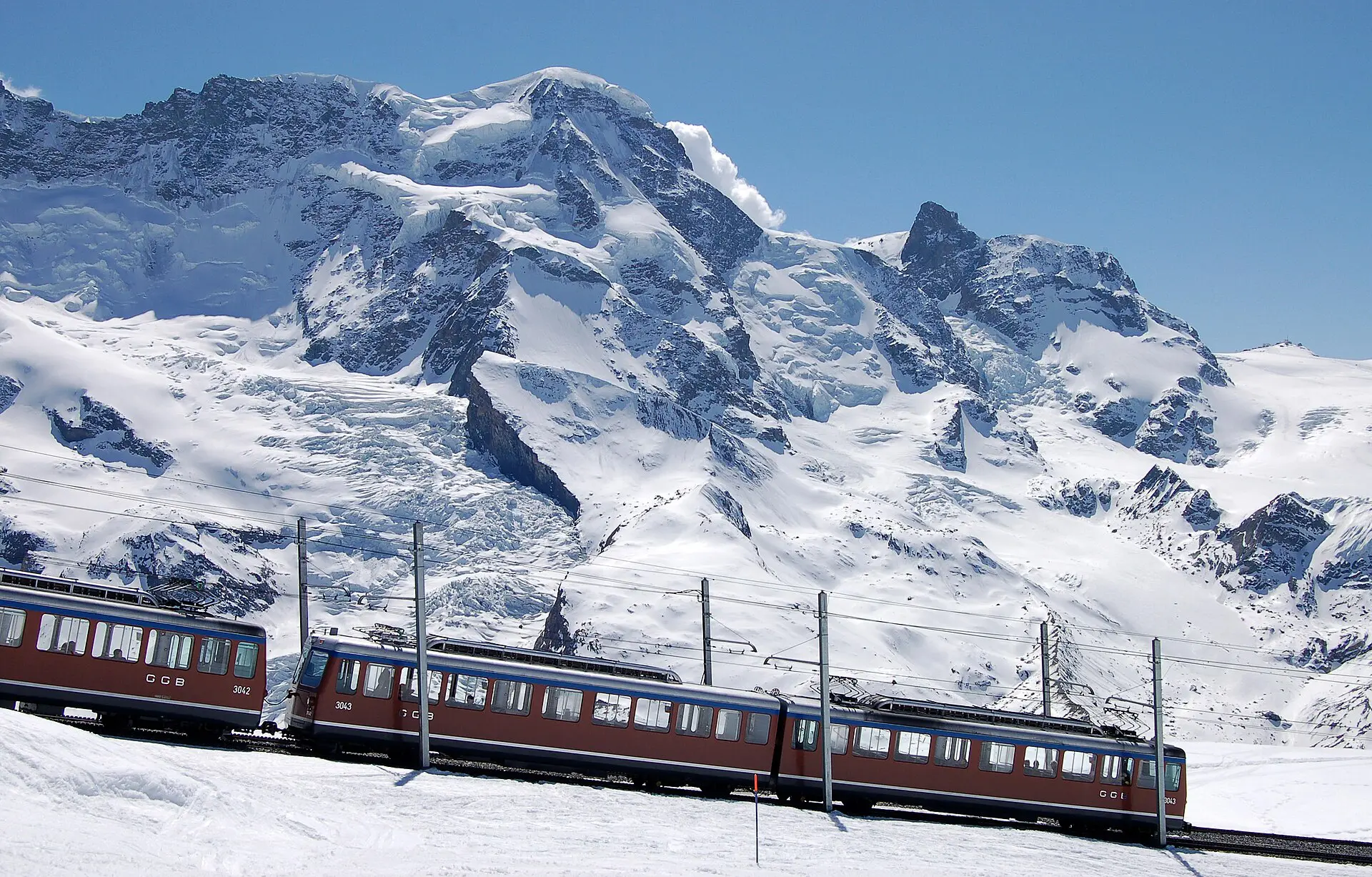
Gornergrat railway
A cog railway climbs from the village to a high viewpoint with panoramas of the Matterhorn and surrounding glaciers. Plan around half a day. Go in the morning for clearer views, bring warm layers and check the weather forecast and ticket prices before you buy.
Klein Matterhorn cable car
Cable cars take you to one of Europe’s highest cable car stations, with glacier views and an ice palace. Allow half a day and dress warmly, as it is cold even in summer. Altitude can cause headaches, so take it slowly and drink water.
Skiing and snowboarding
The ski area is large and reaches high elevations, with runs for beginners to experts and a long season. Book lessons or gear rentals in advance for peak weeks. Check snow conditions and lift status, and consider a multi-day pass if you plan several days.
Five Lakes Walk
This popular summer hike links several small mountain lakes, with reflections of the Matterhorn on calm days. Plan a half-day, wear proper hiking shoes and check trail conditions with the local tourist office. Access depends on the season and snow cover.
Village walk and Hinterdorf
Wander the main street and the old quarter, Hinterdorf, where traditional wooden barns stand beside the river. It takes an hour or two and costs nothing. It is a good option for a bad-weather day or an easy evening.
Matterhorn Museum
The museum covers the history of the mountain, early climbing and the village’s development. Plan about one to two hours. It is a useful stop on a rainy afternoon. Check current hours before you visit.
Sunnegga and Blauherd viewpoints
These lift-served areas give easy access to viewpoints, family trails and a well-known reflection lake. They suit travellers who want a gentler day than the high-altitude trips. Check lift schedules, which change by season.
Best time to visit Zermatt
Zermatt has two main seasons. Winter, roughly December to April, is the skiing season, with snowy streets, busy slopes and higher prices around Christmas and school holidays. Summer, from about late June to September, is the best time for hiking, when most trails and lifts are open and the weather is generally more stable. Spring and late autumn are shoulder seasons: some lifts, trails and hotels may be closed, and weather can be unpredictable, but you will find fewer visitors and lower prices. Check seasonal closures before you book.
| Season | Weather | Crowds and prices |
|---|---|---|
| Winter (December-April) | Cold, snowy | Busy, highest around holidays |
| Spring (May-June) | Variable, melting snow | Quiet, some closures |
| Summer (July-September) | Mild days, cold nights | Busy, high prices |
| Autumn (October-November) | Cool, variable | Quiet, some closures |
How to get to Zermatt and around
Zermatt is reached by train. From Zurich or Geneva, you typically travel by rail to Visp, then change to the narrow-gauge line up the valley; check current timetables and journey times. Cars can drive as far as Täsch, where there are car parks and a shuttle train covers the final stretch to the village. The nearest major airports are Zurich and Geneva.
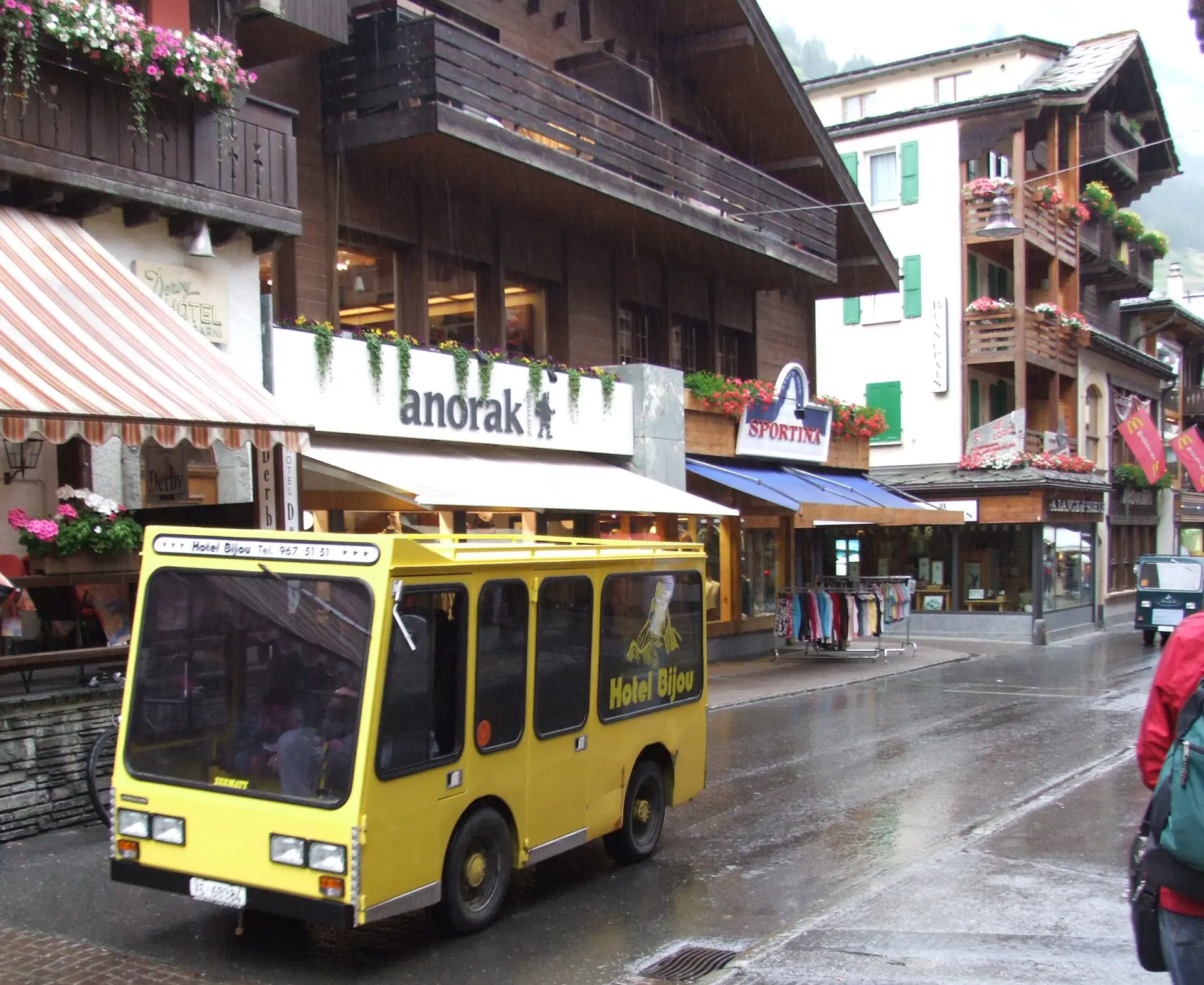
Inside the village, you can walk almost everywhere, and electric taxis and hotel shuttles help with luggage. Mountain railways, gondolas and cable cars connect to the surrounding terrain. A Swiss travel pass may cover some journeys but not always the mountain lifts, so check what is included before you buy.
Where to stay in Zermatt
The village is small enough that most places are within walking distance of the station and the lifts, so decide by budget and atmosphere.
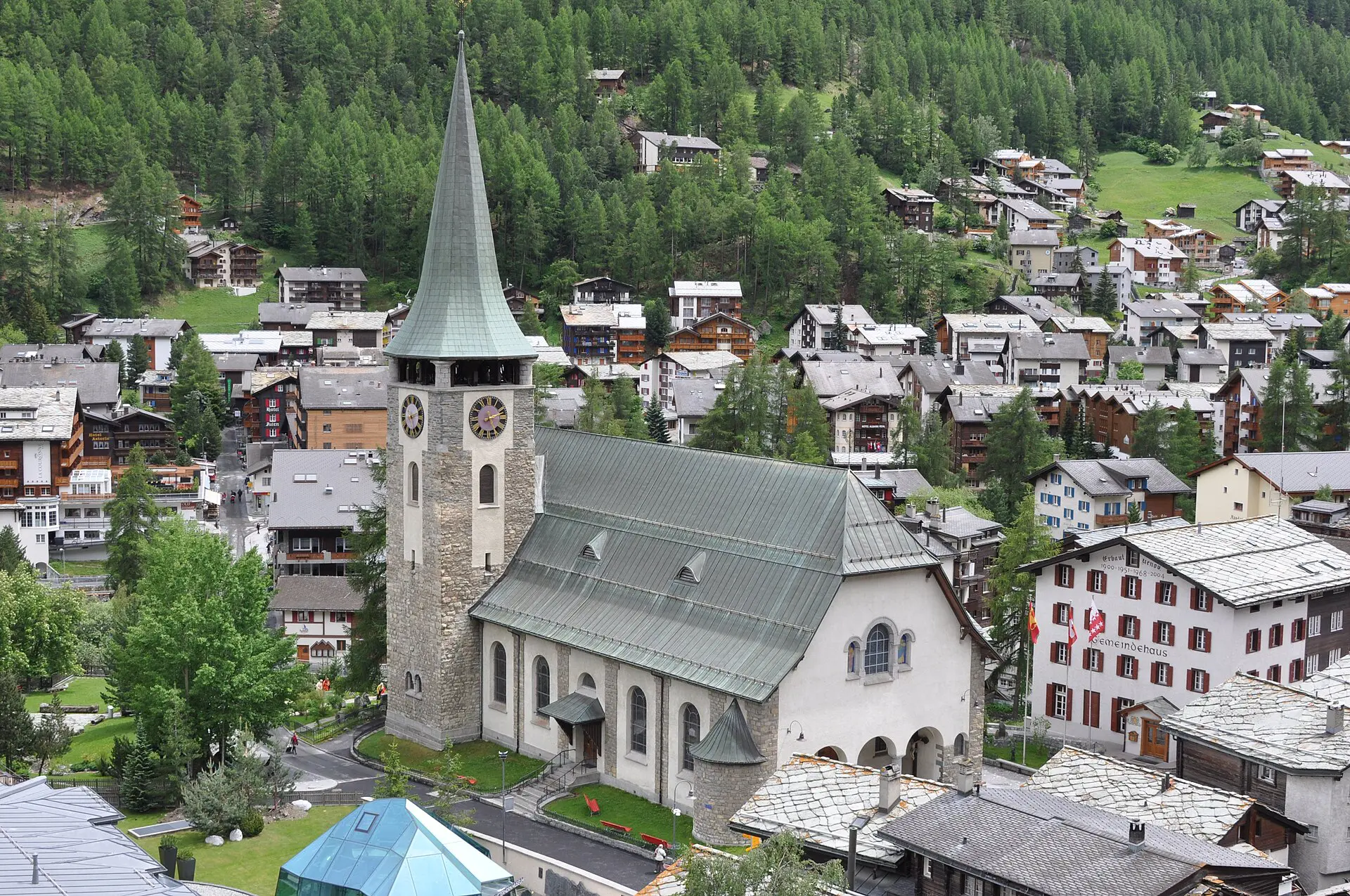
- Central village: close to restaurants, shops and the station. Convenient for first visits and short stays, but the most expensive and often busy.
- Near the lifts: useful in ski season for early starts. Check walking times and whether skis can be stored.
- Hinterdorf and quieter edges: more traditional and peaceful, with chalets and guesthouses. A good choice for couples and slower stays.
- Apartments and chalets: good for families or groups staying several days, available throughout the village.
Book early for Christmas, February and July to August, and consider staying in a nearby valley village if costs are a concern.
How many days do you need?
Two days is the practical minimum: one for a high viewpoint and one for the village or a short hike. Three to four days gives you room for bad weather, which can hide the Matterhorn, and for combining a mountain day with a slower day.
- Day 1: Take the Gornergrat railway in the morning for views, then walk through Hinterdorf in the afternoon.
- Day 2: Choose between skiing, the Five Lakes Walk or Klein Matterhorn cable car, depending on the season.
- Day 3: Take a lower-key day: museum, village, spa, or a gentle lift-served walk around Sunnegga.
Always check the weather and lift status the evening before.
Day trips and nearby
Täsch
The village below Zermatt is the main car parking point, with a shuttle train to Zermatt. It is not a destination in itself, but it is a cheaper place to stay than Zermatt, and trains run frequently.
Lake Geneva and Montreux
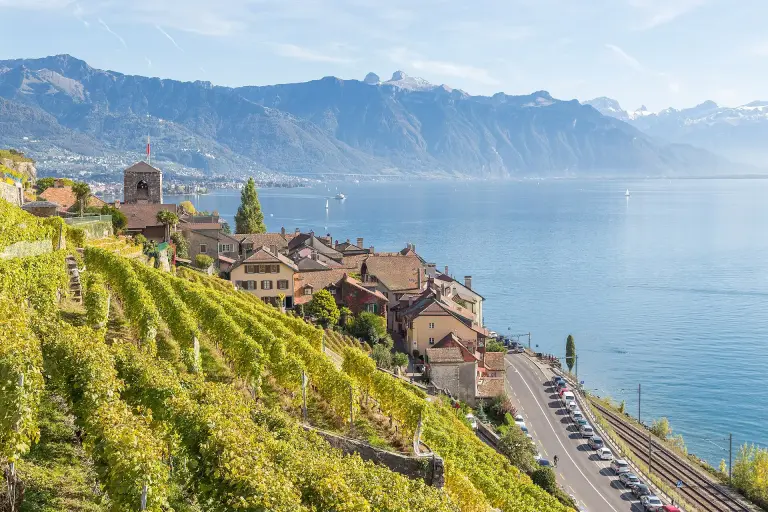
The lake region lies several hours away by train and can be visited as part of a wider Swiss itinerary. It suits travellers heading toward Geneva or Lausanne after Zermatt. Check timetables and allow a full day.
Interlaken and Grindelwald
The Bernese Oberland has its own mountain railways and scenery. It is better as a separate stop than a day trip from Zermatt, with routes via scenic trains. Plan at least one night and check connections.
Lucerne and Zurich
Both are common start or end points for a Swiss trip. They are far enough that most travellers treat them as a separate leg of the journey, not a day trip.
FAQ
Q1How many days do you need in Zermatt?
Two to four days is a good range. Two days covers a high viewpoint and a village or hiking day, while extra days give you flexibility if clouds hide the Matterhorn. Skiers usually stay longer to make the most of a lift pass.
Q2When is the best time to visit Zermatt?
Visit from July to September for hiking and stable weather, or from December to April for skiing. May, June and late autumn are quieter but some lifts and hotels close. Check seasonal schedules before booking.
Q3How do you get to Zermatt?
You reach Zermatt by train, usually changing at Visp from Zurich or Geneva. Cars park in Täsch, and a shuttle train completes the trip. Check current timetables, as journey times and connections change by season.
Q4Is Zermatt expensive?
Yes, it is one of the pricier destinations in Switzerland. Expect mid-range costs of roughly CHF 250-450 per day, with lift passes, mountain railways and meals adding up. Staying in a nearby valley village and picnicking can reduce costs.
Prices, schedules and entry rules change. Check current details with official sources before you travel. Read the Switzerland travel guide.