Why visit Poland
The things to do in Poland go well beyond a single capital. The country has 18 UNESCO World Heritage Sites, 23 national parks and a coastline on the Baltic Sea, and it stretches from the Tatra Mountains in the south to the Masurian lakes in the north-east (background on Wikipedia). Cities such as Kraków, Gdańsk and Wrocław combine medieval cores with lively cafés, and much of the old architecture has been rebuilt with great care after World War II.
Poland suits history readers, food lovers, hikers and travellers who want good public transport at moderate prices. English is common among younger people, trains link the main cities, and the main sights are close together. Visitors who want to understand the 20th century will find some of Europe’s most significant museums and memorial sites here, and they deserve time and a respectful approach.
Best places to visit in Poland
The best places to visit in Poland are a mix of historic cities, castles and mountains, and many can be linked by train.
Kraków
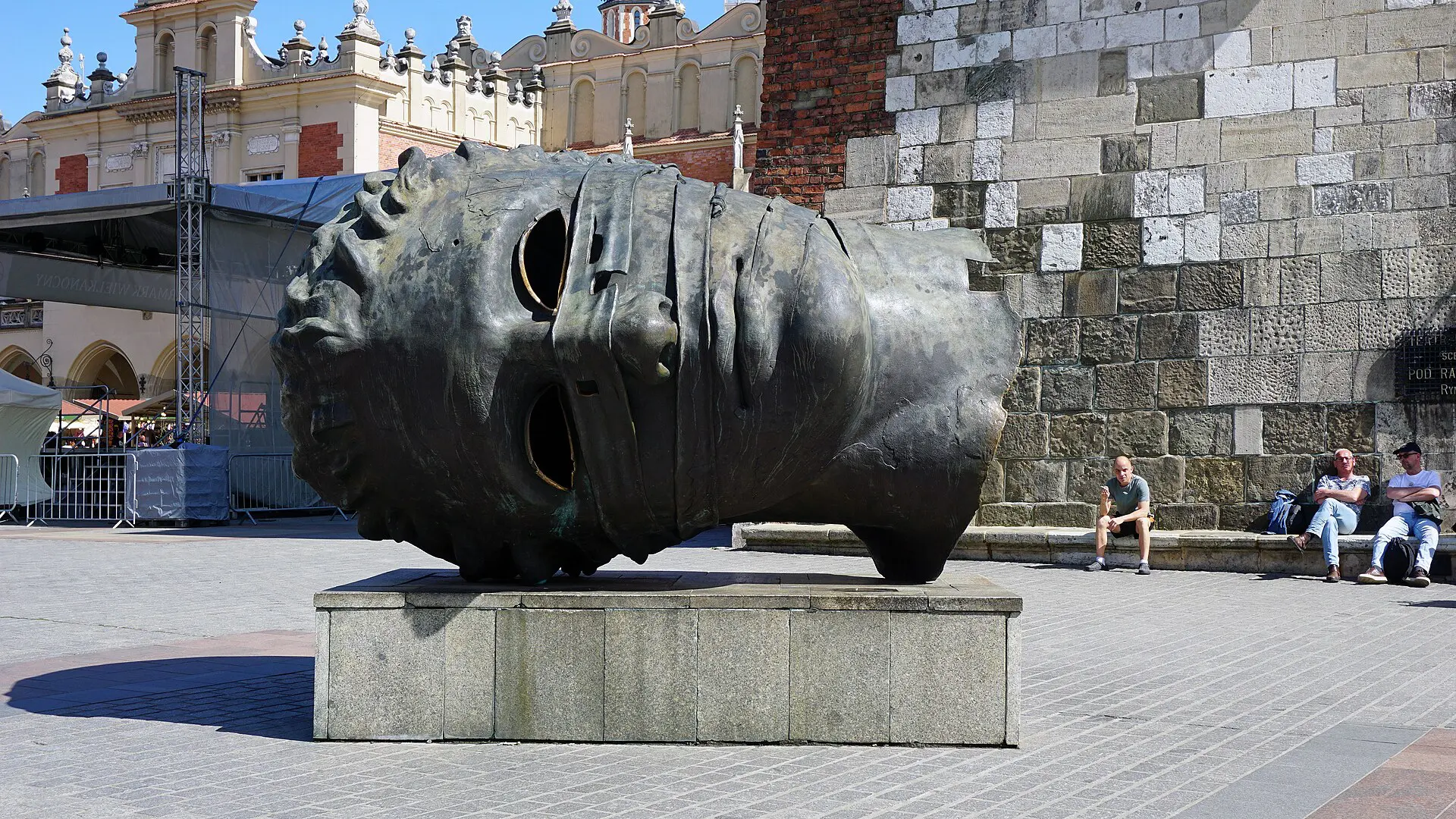
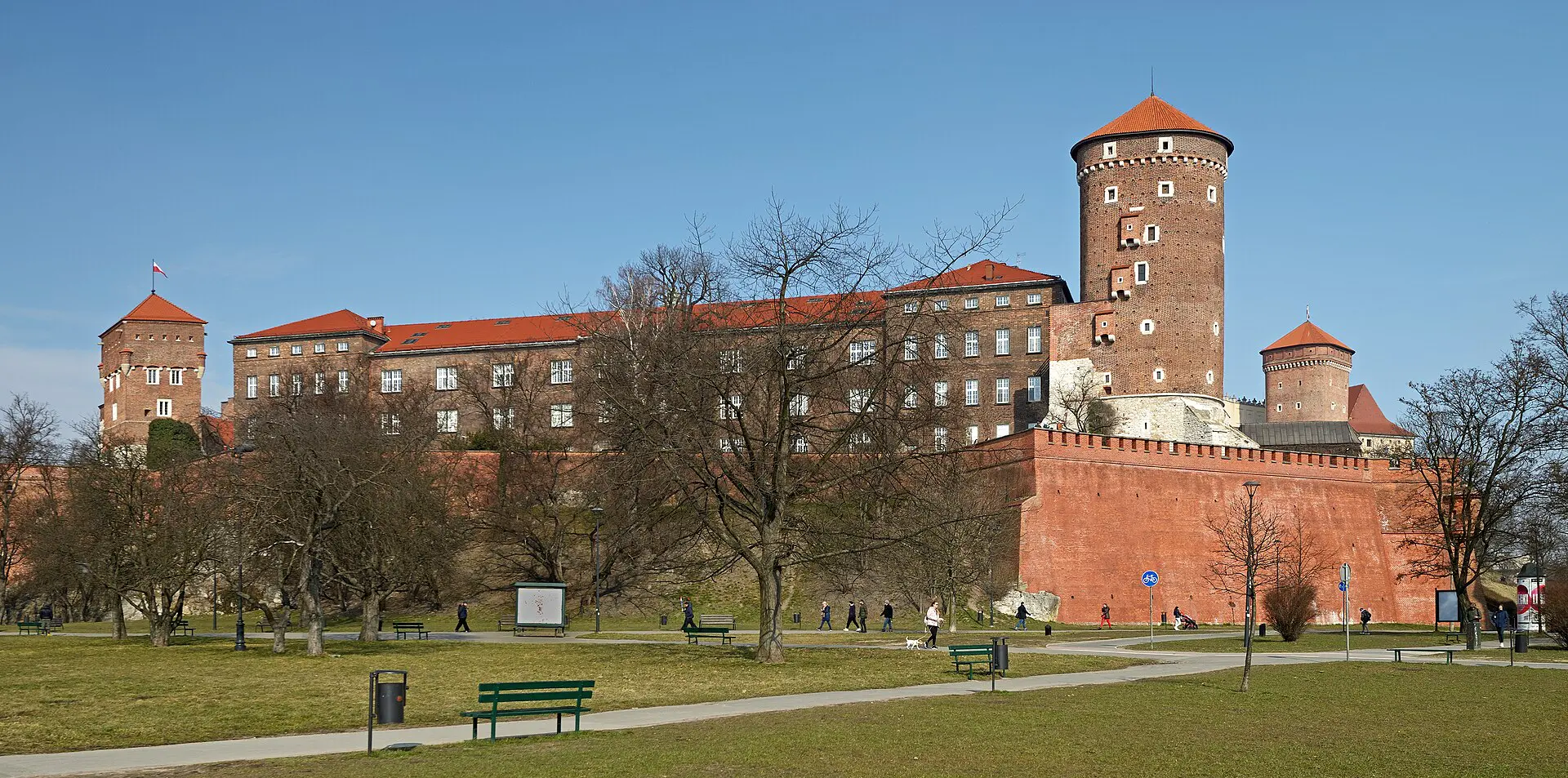
The former royal capital has the largest medieval market square in Europe, Wawel Castle and the Jewish district of Kazimierz. It is also the base for Auschwitz-Birkenau and the Wieliczka Salt Mine. Plan three nights.
Warsaw
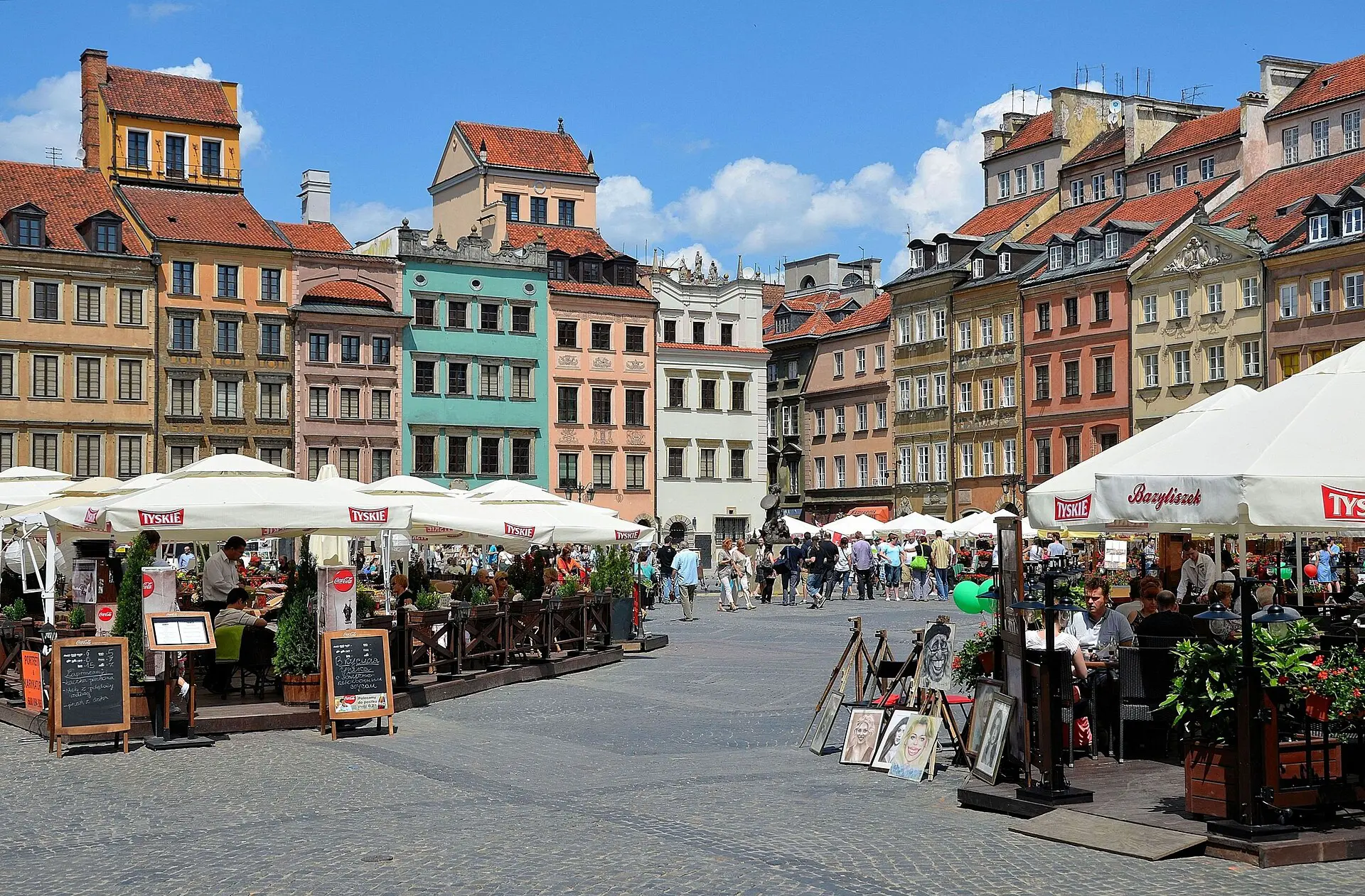
Warsaw was largely destroyed in World War II, and the Old Town was rebuilt from paintings and records. The Warsaw Uprising Museum, POLIN Museum and Royal Castle are essential stops.
Gdańsk
A Hanseatic port on the Baltic, Gdańsk has a reconstructed Main Town, the Solidarity movement’s shipyard and the nearby beaches of Sopot.
Wrocław
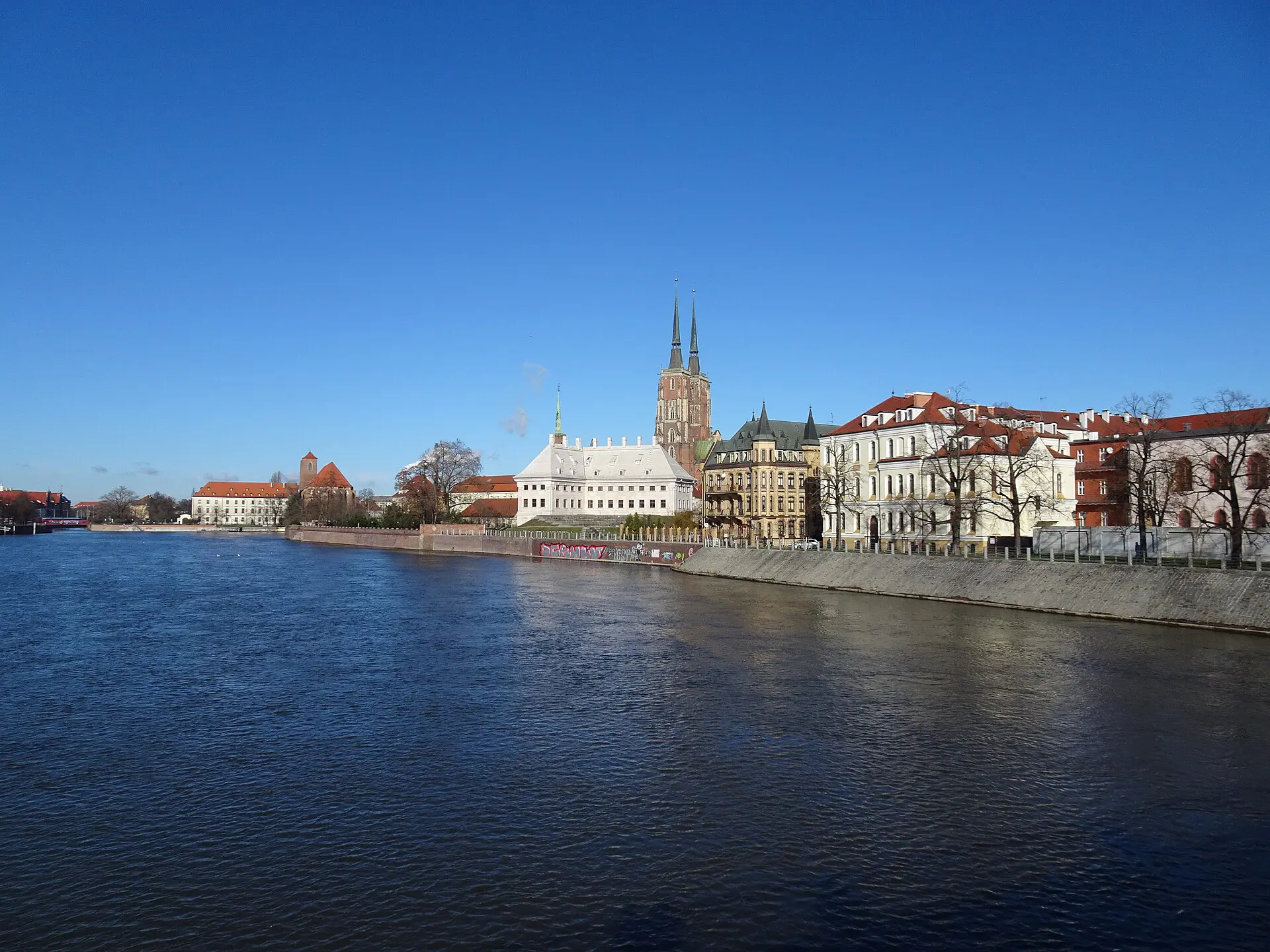
Built across islands and bridges on the Oder, Wrocław has a colourful market square, dwarf statues hidden around town and a lively student scene.
Toruń and Malbork
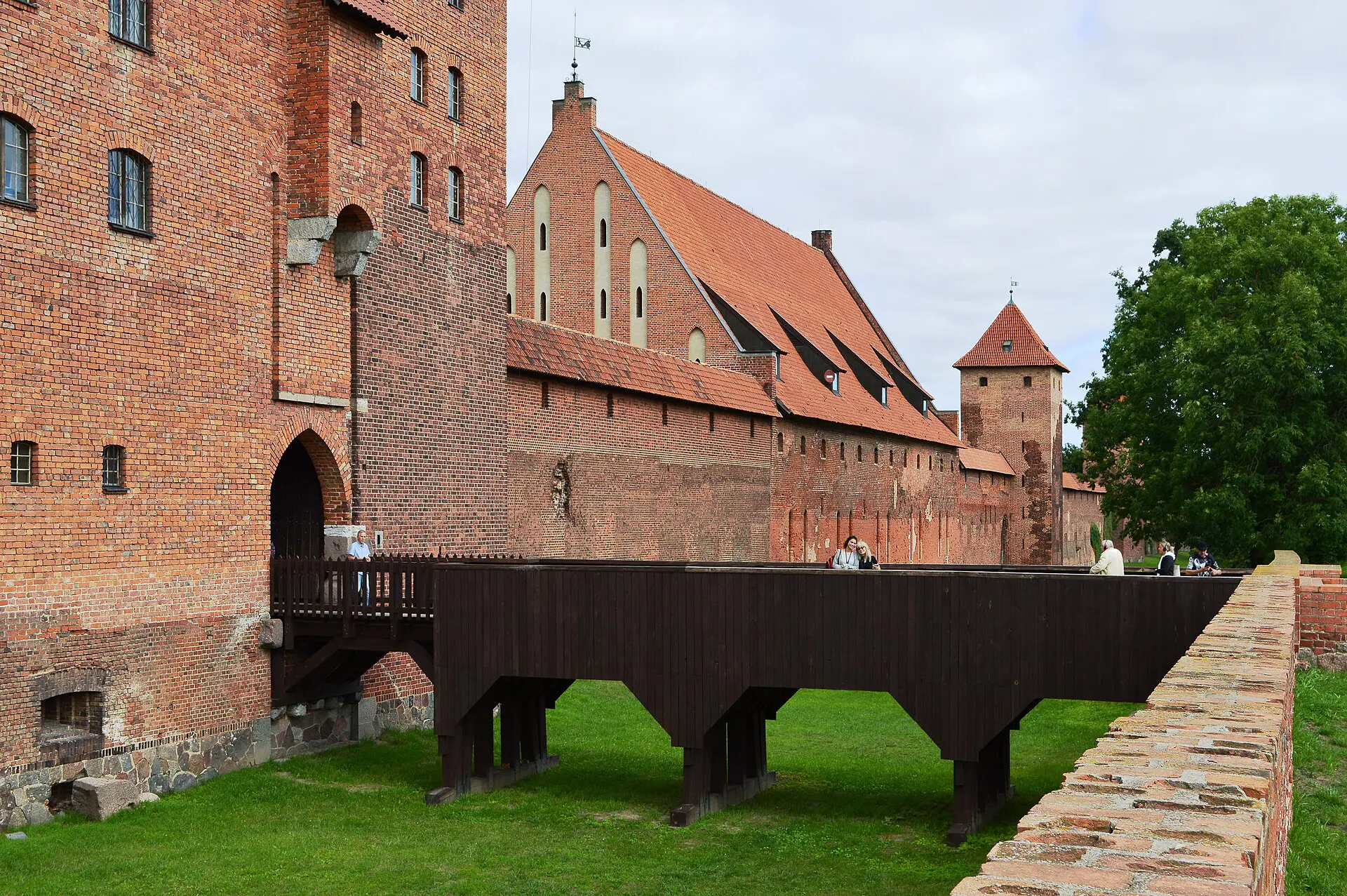
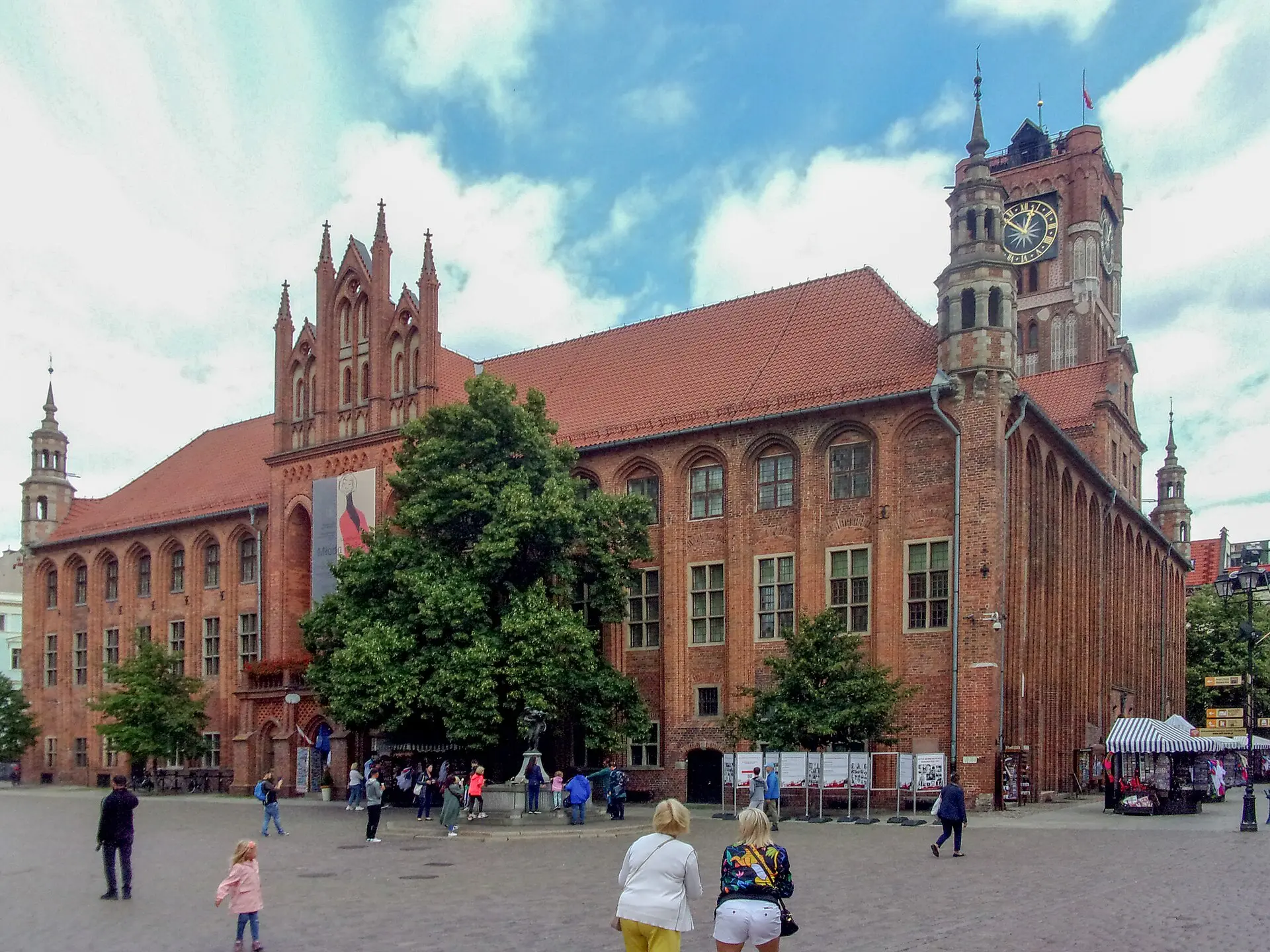
Toruń has a well-preserved Gothic old town and gingerbread tradition. Malbork Castle, built by the Teutonic Order, is the largest brick castle in the world.
Zakopane and the Tatras
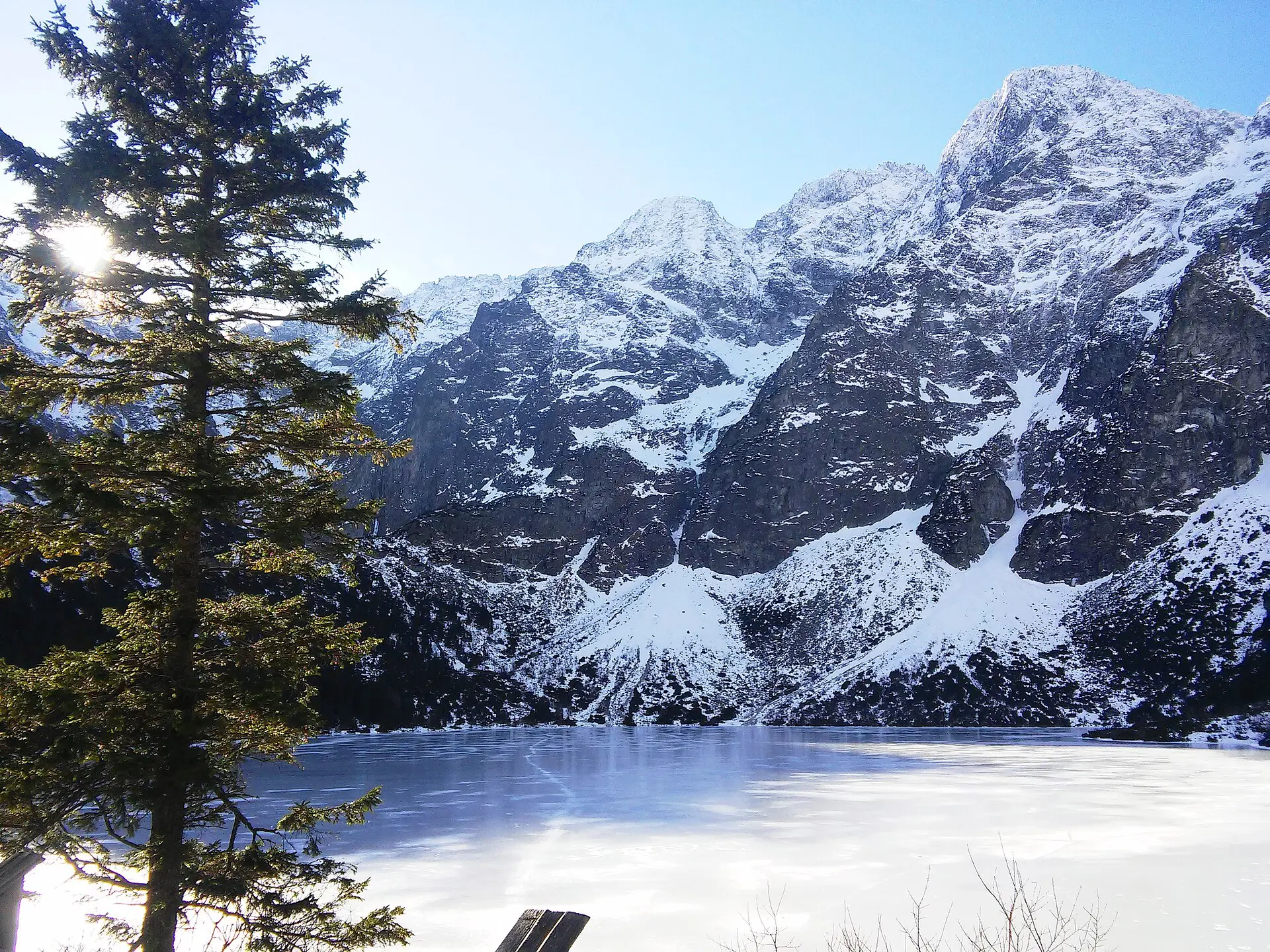
Zakopane is the base for hiking and skiing in the Tatra Mountains, with trails to Morskie Oko lake.
Top things to do in Poland
The top things to do in Poland are mostly urban and cultural, with strong outdoor options in the south and north.
- Walk Kraków’s Main Market Square: see the Cloth Hall and hear the trumpet call from St. Mary’s tower every hour.
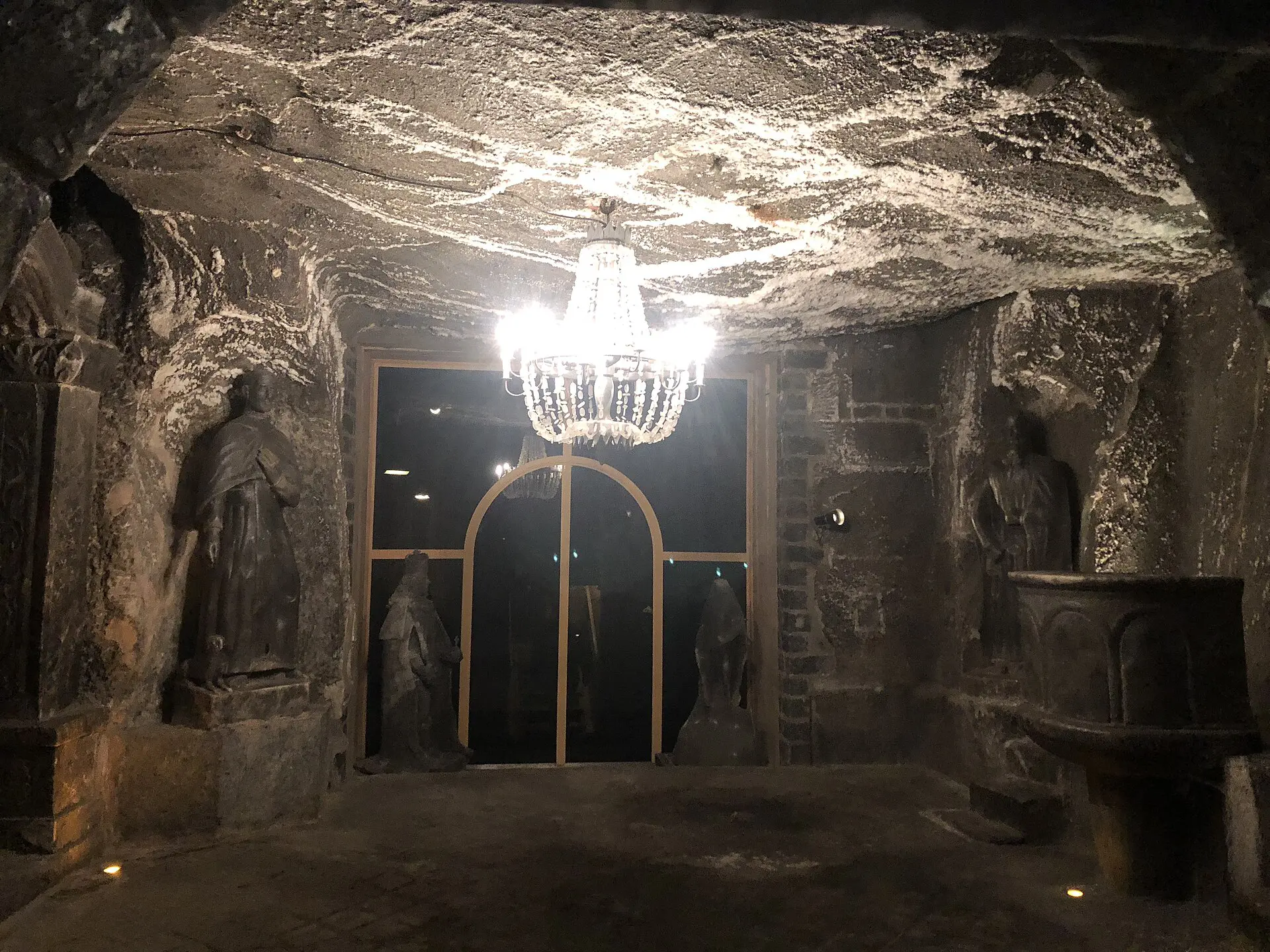
- Tour the Wieliczka Salt Mine: descend into chambers and chapels carved out of salt.
- Visit Auschwitz-Birkenau: the memorial and museum require advance booking and a serious, respectful visit.
- Explore Warsaw’s museums: the Warsaw Uprising Museum and POLIN give a thorough picture of Polish history.
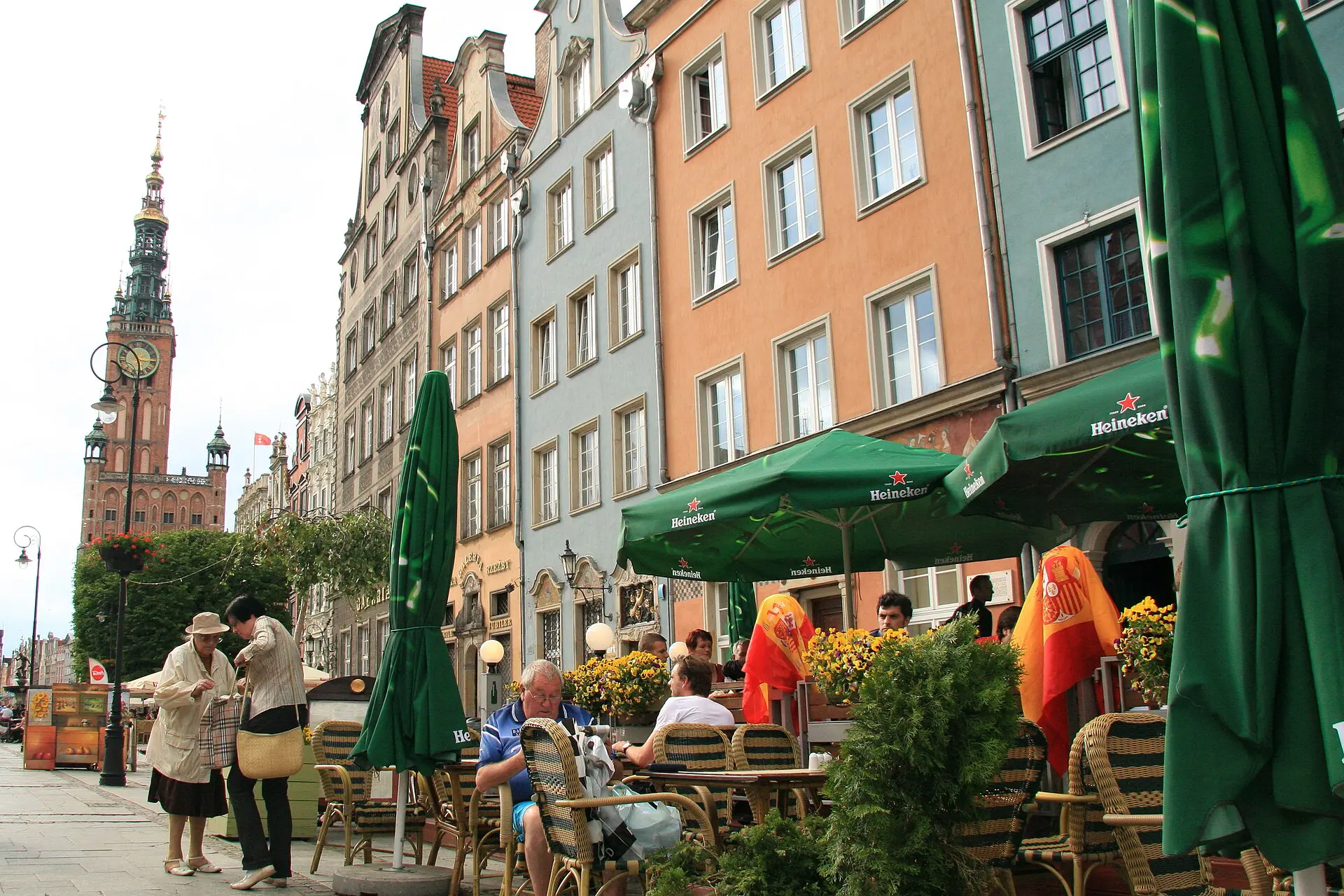
- Stroll Gdańsk’s Long Market: take in the colourful facades and the Neptune Fountain.
- Tour Malbork Castle: allow half a day for the huge Gothic complex.
- Hike to Morskie Oko: the Tatra lake is a long but easy walk from the road.
- Walk Wrocław’s Ostrów Tumski: the cathedral island is lit by gas lamps at dusk.
- Paddle the Masurian lakes: kayaking and sailing are the summer activities in the north-east.
- Visit Białowieża Forest: one of Europe’s last lowland primeval forests, home to European bison.
Best time to visit Poland
The best time to visit Poland is May to September, when days are long and the weather is warm enough for city walking, lakes and mountain hikes. June to August is the peak season, particularly on the Baltic coast. December adds Christmas markets, and winter suits skiing and cheaper city breaks.
| Season | Weather | Crowds and prices | Good for |
|---|---|---|---|
| Spring (Apr-May) | Cool to mild, some rain | Moderate | City breaks, blossom, Easter traditions |
| Summer (Jun-Aug) | Warm to hot, occasional storms | Highest, especially coast | Beaches, lakes, hiking, festivals |
| Autumn (Sep-Oct) | Mild, colourful forests, rain increases | Falling | Cities, wine and food, Tatra trails |
| Winter (Nov-Mar) | Cold, snow in the south and east | Low, except Christmas | Skiing, Christmas markets, museums |
Tatra trails can hold snow into June, so check conditions before planning high routes.
Is Poland safe to visit?
Is Poland safe? Yes, Poland is considered safe for tourists, and violent crime against visitors is uncommon. Is Poland safe to visit while war continues in neighbouring Ukraine? Governments such as the UK FCDO have not advised against travel to Poland, but you should read their current advice, especially if you plan to go near the Belarus and Ukraine borders.
Theft. Pickpocketing occurs in crowded tourist areas, trains and stations in Warsaw and Kraków. Keep your bag closed and in front of you.
Scams. Use licensed taxis or ride-hailing apps rather than unmarked cabs, and check exchange rates, since some currency booths in tourist areas give poor deals.
Roads. Driving standards vary, rural roads can be narrow and winter conditions can be hard. Cyclists and pedestrians should take extra care at crossings.
Nightlife and politics. Drinks in bars are fine, but avoid political demonstrations and heavy drinking late at night in central areas.
Mountains. The Tatras have fast-changing weather. Check forecasts and avalanche warnings, and keep to marked trails.
Visa and entry requirements for Poland
Poland is a member of the EU and the Schengen Area. EU and EEA citizens can enter with a valid passport or national ID card. Citizens of many other countries, including the US, UK, Canada and Australia, have generally been able to visit visa-free for up to 90 days in any 180-day period, but rules differ by nationality, so confirm the details with the Polish Ministry of Foreign Affairs or your nearest embassy.
Europe is also introducing the EU Entry/Exit System and a travel authorisation called ETIAS for visa-exempt visitors, and the timing of these rollouts has shifted, so check what applies when you travel. Your passport should normally be valid for at least three months after you leave, and you may be asked for proof of accommodation and funds.
Land borders with Germany, the Czech Republic, Slovakia and Lithuania are generally open, though temporary checks are sometimes applied. For heritage sites you may want to visit, see the UNESCO page for Poland.
Getting to and around Poland
The main international airports are Warsaw Chopin, Kraków John Paul II, Gdańsk Lech Wałęsa, Wrocław and Katowice, with many budget airline routes. Long-distance trains and buses also link Poland with Berlin, Prague, Vienna and Vilnius.
Domestic trains are the best option between big cities. Express services run Warsaw to Kraków in around 2.5 hours, Warsaw to Gdańsk in about 3 hours and Kraków to Wrocław in around 3.5 hours. Book seats on faster services with PKP Intercity, since they can sell out on summer weekends and holidays, and buy tickets online or in the app. Regional trains and buses cover smaller towns, and flixbus-style coaches are cheap.
Within cities, trams, buses and metro lines are efficient; Warsaw has two metro lines. Car hire helps for the Tatras, lakes and countryside, and Poland drives on the right. Roads are good on motorways and variable on rural routes.
How much does a trip to Poland cost?
Poland is cheaper than Germany, France or the UK, particularly for food and local transport. The currency is the Polish złoty (PLN); Poland has not adopted the euro, so you will need złoty. The euro figures below are rough per-person daily estimates for 2026 and exclude international flights.
- Budget: around EUR 35 to 55 per day, with hostel dorms, milk bars, trains and free sights.
- Mid-range: around EUR 60 to 110 per day, with a private room or three-star hotel, restaurant meals and museum entries.
- High-end: from around EUR 150 per day, with boutique hotels, fine dining and private tours.
Accommodation is the main variable, with Kraków, Warsaw and Gdańsk costing more in summer and around Christmas. Meals are good value, and a milk bar lunch costs only a few euros. Entrance fees for castles and museums are modest, and many museums have free days.
Poland food and drink
Poland food is hearty, seasonal and centred on soups, dumplings, pork and potatoes, with a growing modern restaurant scene. Prices are low, and portions are large.
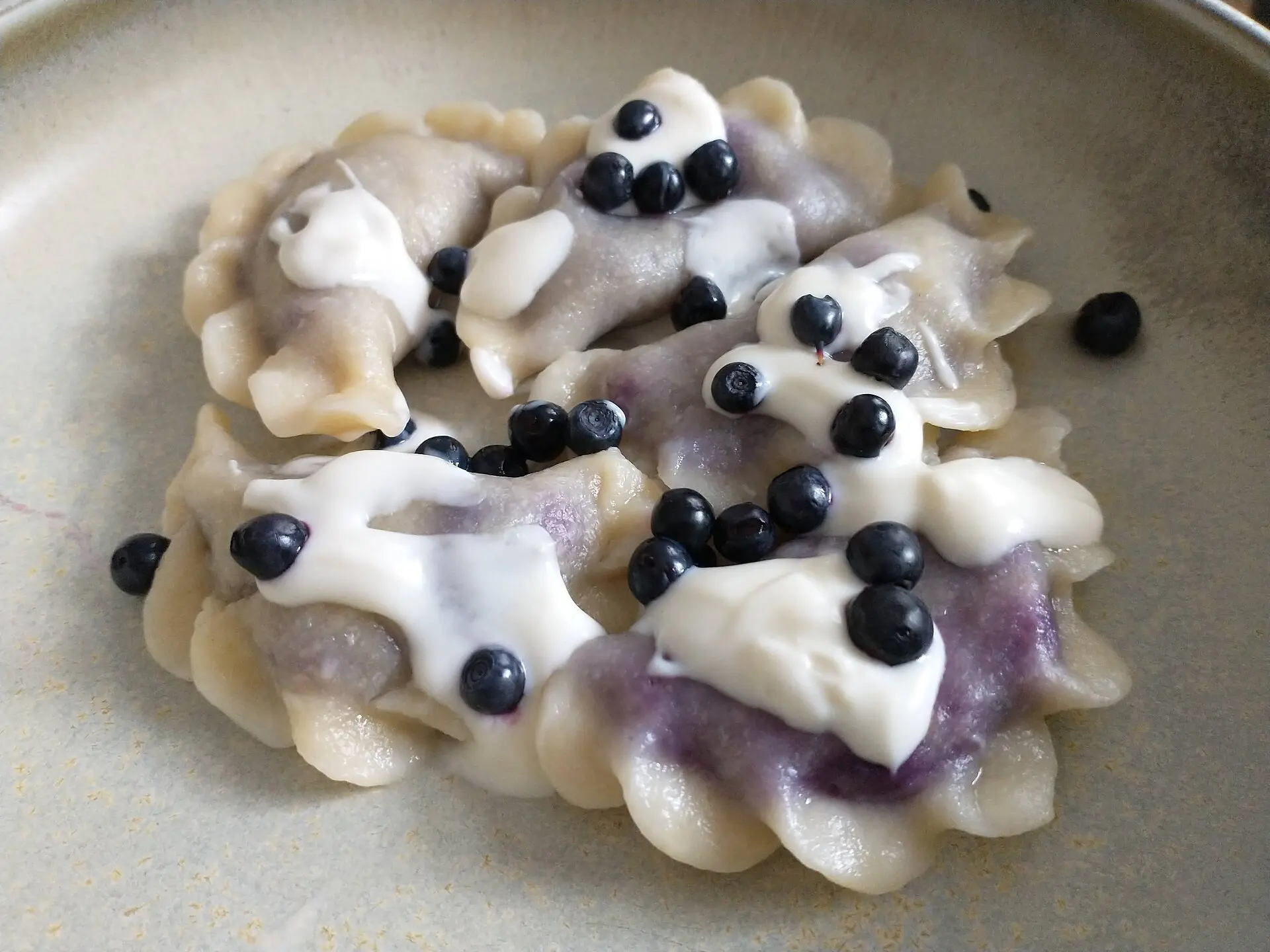
- Pierogi: dumplings filled with cheese and potato, meat, cabbage or fruit.
- Żurek: sour rye soup, often served in a bread bowl with sausage and egg.
- Bigos: a hunter’s stew of cabbage, sauerkraut and meats.
- Kotlet schabowy: breaded pork cutlet served with potatoes and cabbage salad.
- Obwarzanek: a ring-shaped bread sold from street carts in Kraków.
- Oscypek: smoked sheep’s cheese from the Tatra region.
- Vodka and craft beer: Polish vodka is usually sipped neat with food, while craft breweries are common in cities.
Cheap canteens called milk bars (bar mleczny) serve simple meals at low prices. Vegetarian choices are good, with pierogi ruskie, potato pancakes and plenty of vegan places in big cities. Pączki doughnuts are eaten on Fat Thursday before Lent.
Culture, language and etiquette in Poland
Polish is the national language, a West Slavic language that can look difficult in print. English is widely spoken by younger people, in hotels and in big cities, though less so in rural areas. German and Russian are also known by older generations. Dzień dobry (good day), dziękuję (thank you) and proszę (please) are easy to learn and appreciated.
Poland is predominantly Catholic, and churches are central to local life, with large crowds at Easter and on All Saints’ Day on 1 November, when cemeteries glow with candles. Dress modestly and stay quiet inside churches.
Poles can seem reserved with strangers but are warm and hospitable once you meet them. Greet when entering shops, remove shoes if asked at a private home, and bring flowers or a small gift if invited, giving an odd number of stems. Be careful with history: avoid jokes about World War II, and describe Nazi camps as German Nazi camps, not Polish camps. Remember that talking politics is possible but best left to locals to start.
Poland itinerary: a 7-day route
This route uses fast trains between the three biggest historic cities and keeps transfers short.
- Day 1, Warsaw: arrive, walk the rebuilt Old Town and cross to the Vistula boulevards at sunset.
- Day 2, Warsaw: visit the Warsaw Uprising Museum or POLIN, then take the afternoon train to Kraków in about 2.5 hours.
- Day 3, Kraków: see Main Market Square, the Cloth Hall and Wawel Castle.
- Day 4, Auschwitz or Wieliczka: book a morning guided visit to Auschwitz-Birkenau, or go underground at the Wieliczka Salt Mine, and use the afternoon to rest.
- Day 5, Kazimierz and Kraków: explore the former Jewish quarter, Schindler’s Factory museum and local cafés.
- Day 6, Wrocław: take a train in about 3.5 hours, then walk the market square and Ostrów Tumski.
- Day 7, Wrocław: hunt the dwarf statues, visit the Centennial Hall and fly or take a train onward.
Swap Wrocław for Gdańsk and Malbork if you prefer the coast, or add Zakopane in summer for hiking.
Practical tips for Poland
- Money: the złoty (PLN) is the currency. Cards and contactless payments are accepted almost everywhere, and ATMs are plentiful. Avoid dynamic currency conversion and choose to pay in złoty.
- SIM and eSIM: EU roaming applies for EU SIMs; other visitors can use cheap local prepaid SIMs or an eSIM.
- Plugs: types C and E at 230 V.
- Tipping: around 10 percent in restaurants if service is not included; round up for taxis.
- Health: EU citizens should carry an EHIC or GHIC; others should buy travel insurance. Tap water is safe to drink.
- Packing: comfortable shoes for cobbles, a rain layer in all seasons and warm clothing from October to March.
- Booking: reserve Auschwitz-Birkenau tickets and intercity trains in advance in summer.
- Opening hours: many shops close on Sundays, and some museums close on Mondays.
For further reading, see the Wikivoyage Poland guide.
FAQ
Q1What are the best things to do in Poland?
Top things to do include walking Kraków's Market Square, touring the Wieliczka Salt Mine, visiting Warsaw's museums, exploring Gdańsk and Malbork Castle, and hiking in the Tatra Mountains. Visitors with more time can add Wrocław, Toruń and the Masurian lakes.
Q2What is Poland food like?
Poland food is hearty and comforting: pierogi dumplings, żurek sour rye soup, bigos stew, breaded pork cutlets and smoked cheese. Milk bars serve cheap canteen meals, and cities have strong vegetarian and craft beer scenes. Portions are large and prices are low.
Q3Is Poland safe for tourists?
Yes, Poland is considered a safe destination with low violent crime against visitors. The most common problems are pickpocketing in crowds and taxi overcharging. Check your government's travel advice, especially for areas near the Belarus and Ukraine borders.
Q4What is the best time to visit Poland?
May to September is best for sightseeing, lakes and hiking, with June to August the busiest and warmest. December suits Christmas markets, and January to March suits skiing in the Tatras. Spring and autumn offer lower prices and fewer crowds.
Q5What are the best places to visit in Poland?
Kraków, Warsaw, Gdańsk and Wrocław are the main cities. Add Toruń and Malbork for Gothic architecture, Zakopane for mountains, and Auschwitz-Birkenau or Wieliczka for major historic sites. Most can be reached by train.
Q6Is Poland safe to visit during the war in Ukraine?
Poland is a NATO and EU member, and governments have not advised against travel to it. Normal tourism continues in all main cities. Avoid areas right on the Belarus and Ukraine borders unless you have a reason to be there, and follow official advice.
Q7Do I need a visa for Poland?
It depends on your nationality. Poland is in the Schengen Area, so EU citizens need no visa and many others can stay up to 90 days in any 180 without one. New systems such as ETIAS may apply, so confirm with official sources before travel.