Why visit Gdansk
If you are planning things to do in Gdansk, start with the waterfront. The city sits on the Baltic coast of northern Poland, at the mouth of the Motlawa river, and has been one of the most important ports in northern Europe for centuries. It was a Hanseatic League member and, for a long time, the largest and richest city in the Polish kingdom.
Much of the Main Town was destroyed in World War II and has been painstakingly rebuilt, so the tall merchant houses, gates and churches you see today are restorations, often in a slightly different style from the originals. Alongside the old streets, the city has major museums that explore the outbreak of the war and the shipyard story that led to Solidarity.
Gdansk forms part of the Tricity, with Sopot and Gdynia, which gives you beaches and a long seafront promenade a short train ride away. It is compact, walkable and affordable.
Top things to do in Gdansk
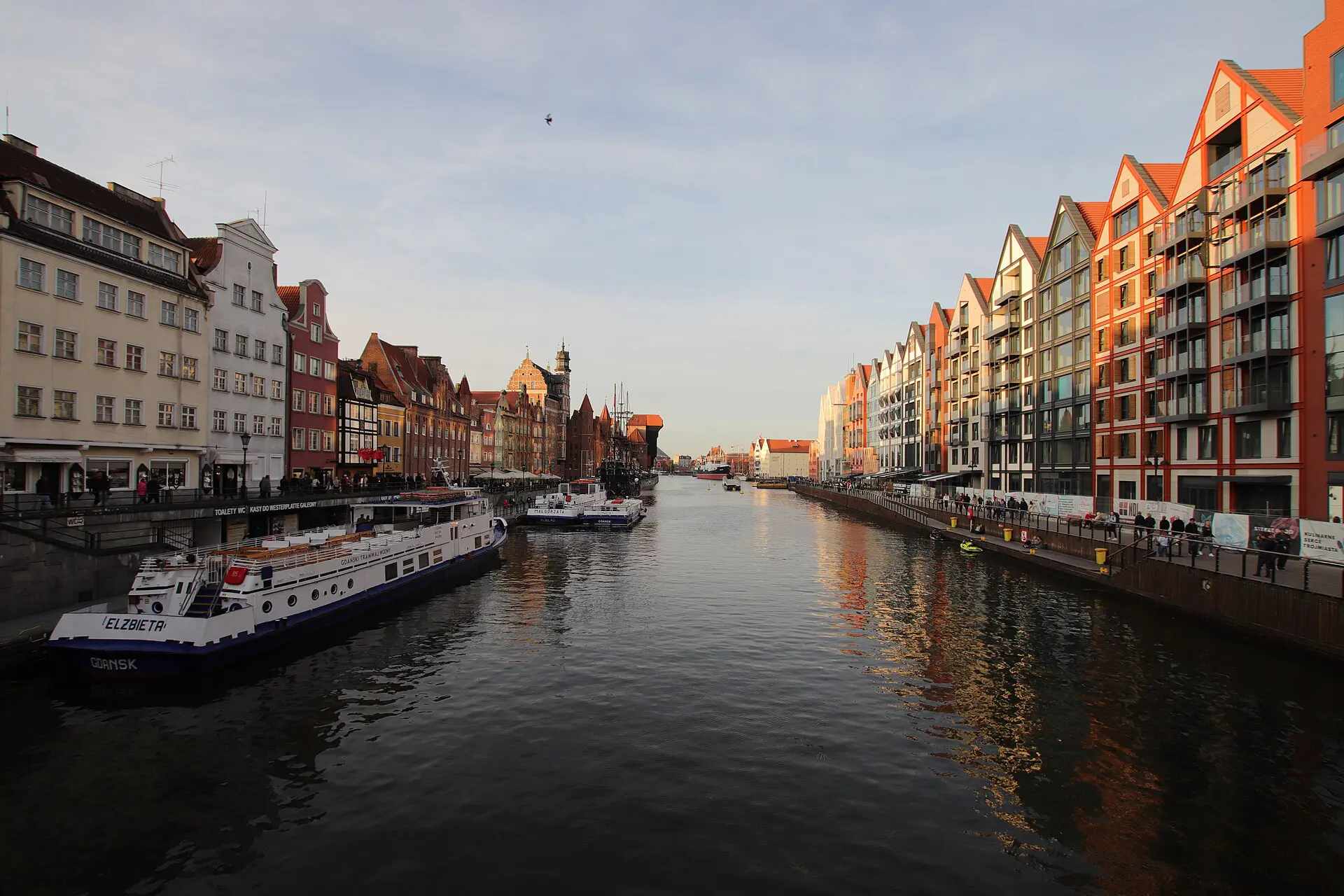
Long Market and Main Town
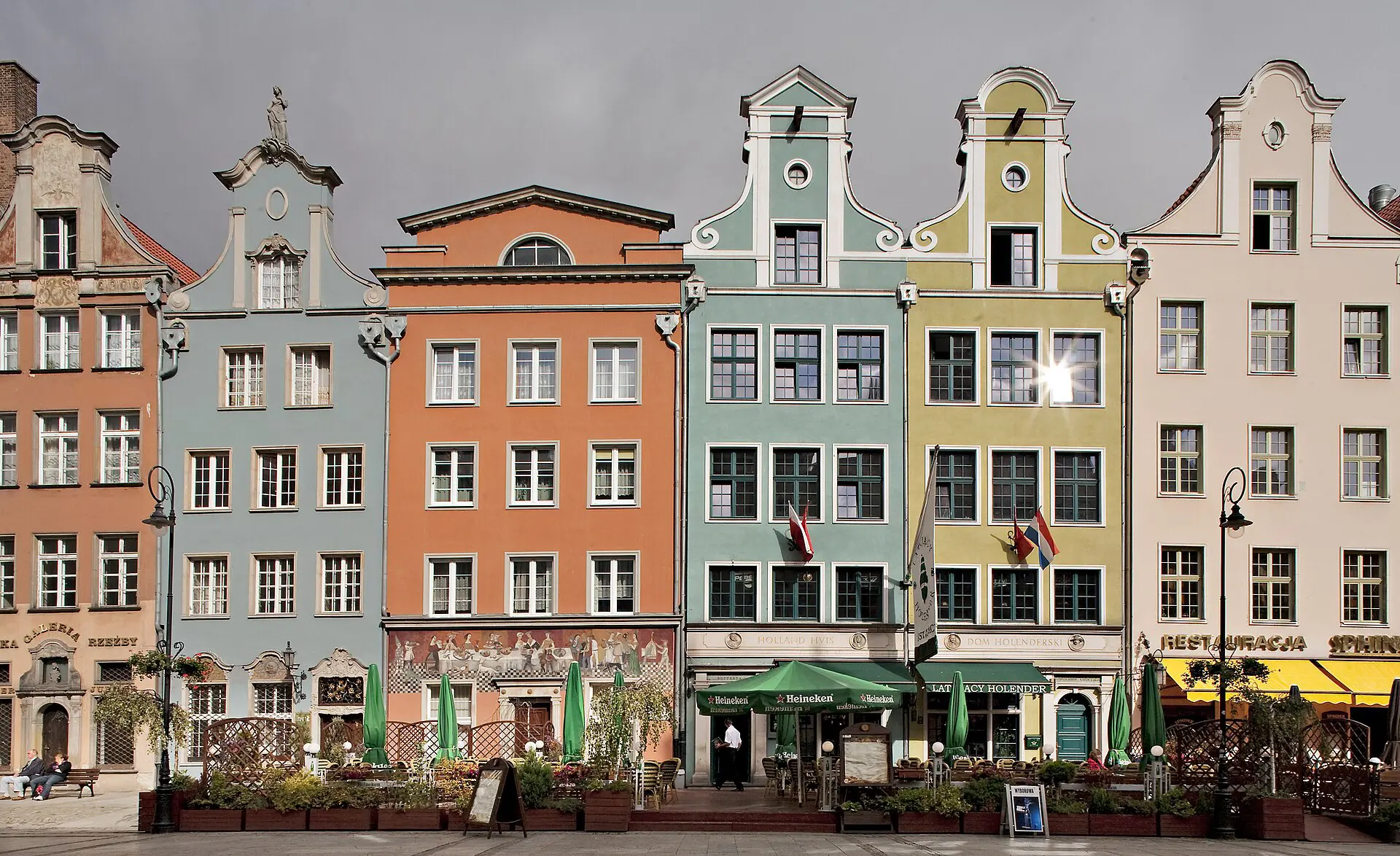
The heart of the old town is the Long Market, with its colourful facades, Neptune Fountain and the Town Hall. Allow two to three hours. Look up at the detail on the facades, and visit early morning for photos without crowds.
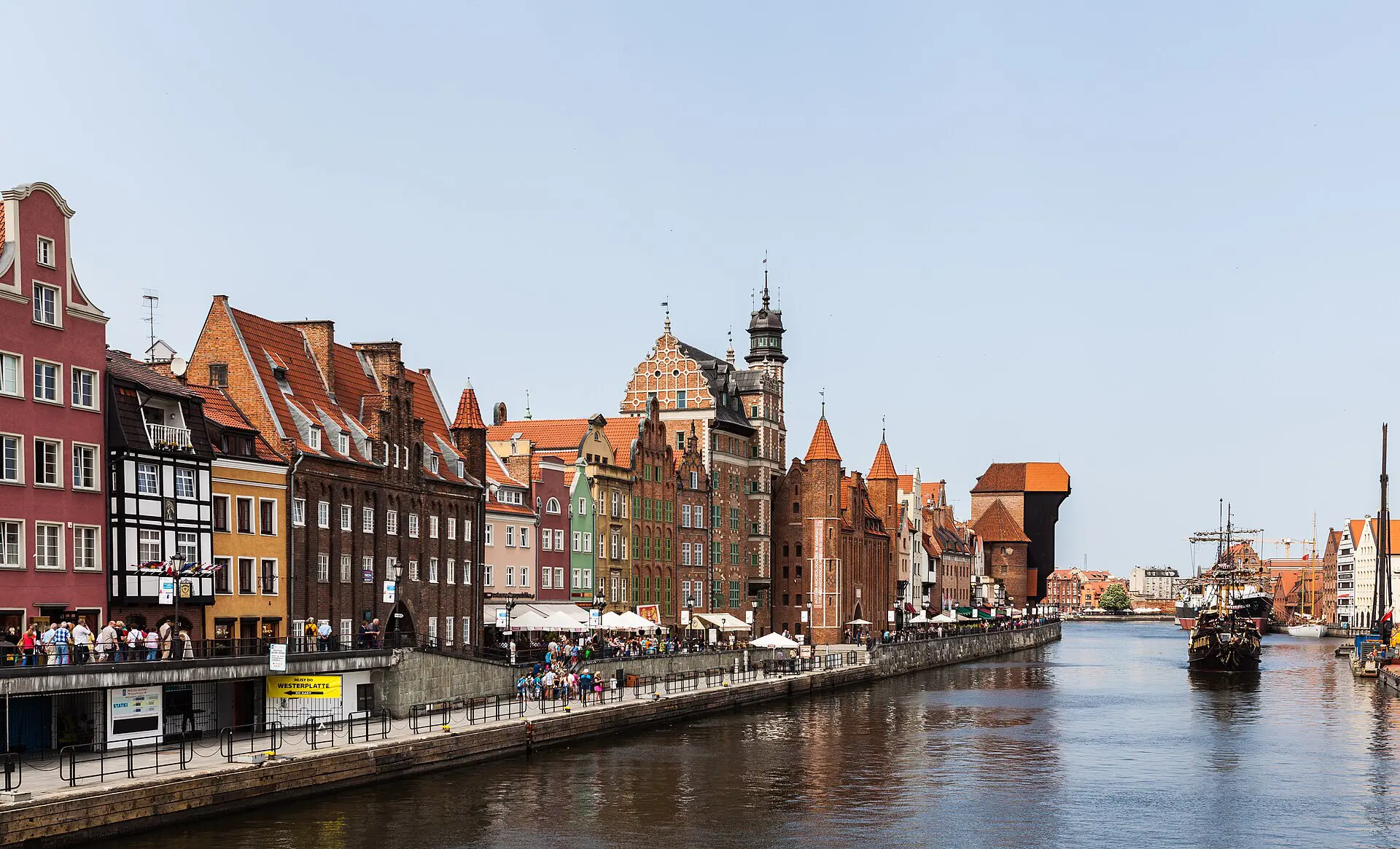
Motlawa waterfront and the Crane
The riverside promenade is lined with cafes, boats and the medieval Crane, a landmark port structure. Allow one to two hours. It is lively in the evening, so choose a terrace table for a meal with a view.
St Mary’s Church
One of the largest brick churches in the world, it dominates the Main Town. Allow 30 to 45 minutes. A climb up the tower gives views over the roofs, but check the current opening hours and entry rules.
European Solidarity Centre
This museum near the shipyards covers the Solidarity movement and the fall of communism in Poland. Allow two to three hours. Book tickets ahead in peak season, and check current opening days.
Museum of the Second World War
A large museum on the city’s Motlawa side covers the war in Europe and its impact on civilians. Allow three or more hours, because it is large. Check current ticket details and time slots before you go, and arrive early.
Mariacka Street
This narrow cobbled street behind St Mary’s is known for amber shops and decorative stone terraces. Allow 30 to 45 minutes. Amber is a local speciality, but check authenticity and compare prices before buying.
Westerplatte
The peninsula at the harbour entrance is where the first shots of World War II were fired. Allow two to three hours. It is reached by bus, tram plus walk or boat in season, so check current routes.
Best time to visit Gdansk
Gdansk has a cool maritime climate. Summers are mild to warm and the busiest, with long days and beach weather on the coast. Spring and early autumn are pleasant and quieter, while winters are cold and grey, though the old town is atmospheric at Christmas markets.
| Season | Weather | Crowds and prices |
|---|---|---|
| Spring (Mar to May) | Cool, changeable | Quiet to moderate, good value |
| Summer (Jun to Aug) | Mild to warm, long days | Busiest, higher prices |
| Autumn (Sep to Nov) | Cool, often pleasant early | Quieter, good value |
| Winter (Dec to Feb) | Cold, grey, possible snow | Quiet, lower prices |
May to September is the easiest window, and June to August is best if you want the beach.
How to get to Gdansk and around
Gdansk Lech Walesa Airport is about 12 km from the centre and has flights from many European cities, including budget airlines. A city bus and a rail link connect it with the centre, and taxis are available. Check current options.
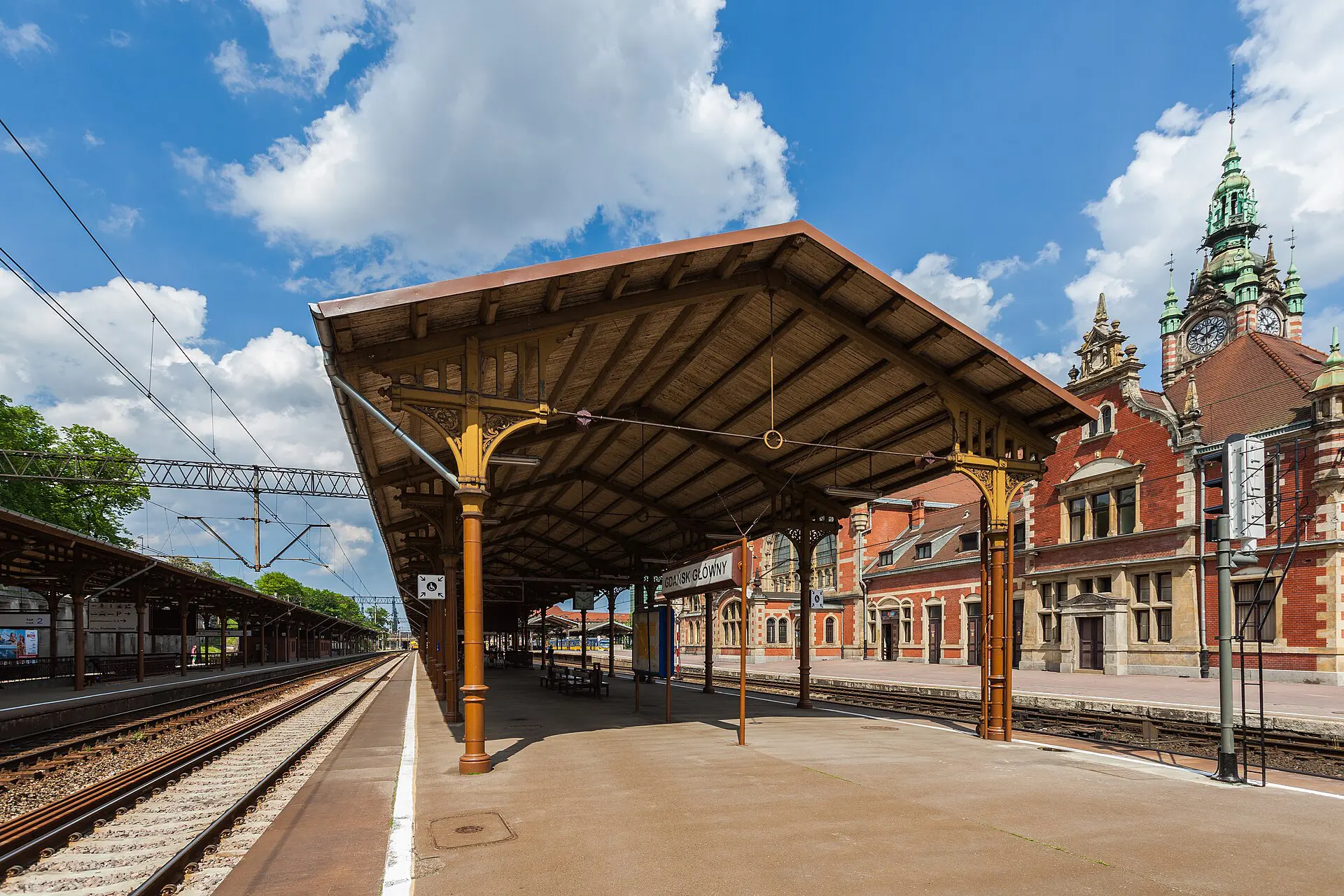
By train, Gdansk Glowny station is close to the Main Town and has links with Warsaw, Krakow, Poznan and other cities. Journey times from Warsaw are a few hours, so check the current timetable and book ahead for busy days. Long-distance buses also serve the city.
The Main Town is compact and walkable. Trams and buses cover the wider city, and the commuter train, SKM, links Gdansk with Sopot and Gdynia frequently. Buy and validate tickets before boarding where required. Taxis and ride-hailing apps are inexpensive.
Where to stay in Gdansk
The Main Town and Old Town keep you close to the Long Market, the waterfront and the best restaurants. They suit first-time visitors and weekend breakers. Expect higher prices, and some noise on weekend nights, so ask for a courtyard room.
Granary Island and the Motlawa riverside have modern hotels and apartments with views, and they are a short walk from the centre. They suit couples and anyone who wants a quieter evening.
Near the station and in the Wrzeszcz district, prices are lower and public transport is easy, which suits budget travellers and those planning day trips on the SKM. If you want a beach stay, Sopot has hotels and guesthouses by the seafront, though it is lively in summer. Book ahead for July, August and Christmas markets.
How many days do you need?
Two days covers the Main Town, the waterfront and one major museum. Three days lets you add a second museum and an easy trip to Sopot or Gdynia. One day is possible for a stopover but you will have to choose between museums and walking. Add a day if you want Malbork Castle or beaches.
- Day 1: Walk the Long Market, Mariacka Street and the Motlawa waterfront, climb St Mary’s tower and have dinner on the river.
- Day 2: Visit the Museum of the Second World War and the European Solidarity Centre, then the shipyard area.
- Day 3: Take the SKM train to Sopot for the pier and beach, then on to Gdynia.
Day trips and nearby
Sopot
This seaside resort town is a short train ride from Gdansk and is known for one of the longest wooden piers in Europe. Allow half a day. It is busy and lively in summer, with beaches, cafes and a pedestrian main street.
Gdynia
The third city of the Tricity has a modern port, interwar architecture and a seafront promenade. Allow half a day. It combines well with Sopot on the same train line, and it has a more local feel.
Malbork Castle
The large medieval brick castle of the Teutonic Order lies to the southeast of Gdansk. Allow half a day to a full day. It is reached by train, and you should check current opening hours and ticket details.
Hel Peninsula
This narrow sandy peninsula juts out into the Baltic and has beaches, a seal sanctuary and fishing villages. Allow a full day in summer by ferry or train. Check current schedules, as transport is seasonal.
FAQ
Q1When is the best time to visit Gdansk?
May to September is the easiest period, with mild weather and long days, and June to August is best for beaches. Winters are cold and grey but quieter and cheaper, and the Christmas markets give the old town a festive feel.
Q2How many days do you need in Gdansk?
Two to three days covers the Main Town, the waterfront and the main museums. Add a day for Sopot, Gdynia or Malbork Castle. One day only works if you focus on the old streets and skip the big museums.
Q3How do you get to Gdansk?
Most visitors fly into Gdansk Lech Walesa Airport, about 12 km from the centre, with bus, rail and taxi links. Trains from Warsaw, Krakow and Poznan arrive at Gdansk Glowny, close to the old town. Check timetables.
Q4Is Gdansk expensive?
Gdansk is generally good value compared with western Europe, with reasonable prices for food, transport and museums. Accommodation costs rise in summer and during major events, so book ahead. A mid-range budget goes further here than in many other Baltic cities.
Prices, schedules and entry rules change. Check current details with official sources before you travel. Read the Poland travel guide.