Why visit Warsaw
If you are looking for things to do in Warsaw, the city’s story shapes almost everything. Poland’s capital and largest city stands on the Vistula and was devastated in the Second World War, then painstakingly rebuilt. It is called a “phoenix city” for its habit of recovering from ruin.
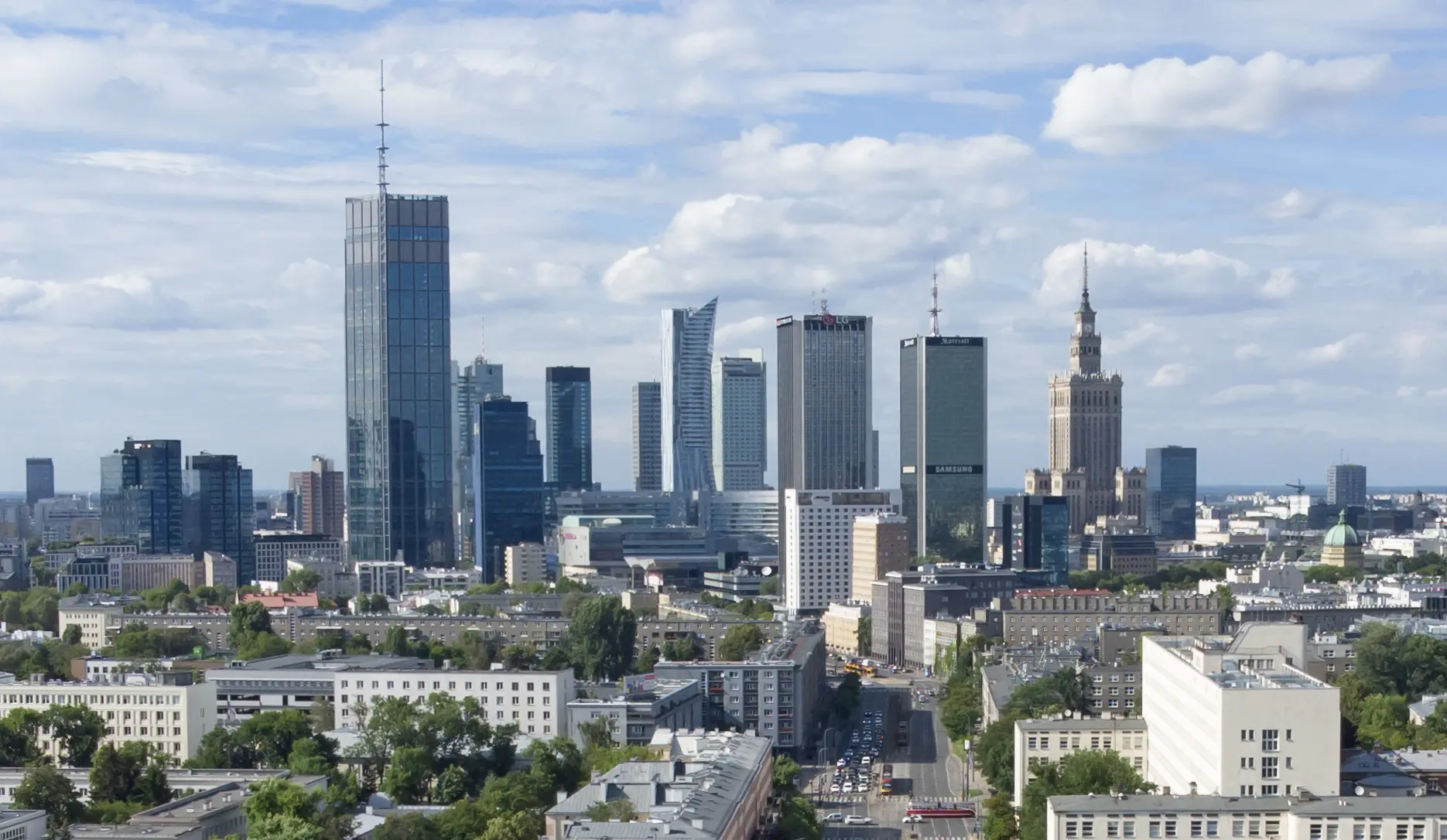
That history is the main draw. The reconstructed Old Town is a UNESCO-listed example of postwar rebuilding, and several museums explain the city’s wartime experience, the Warsaw Uprising and the story of its Jewish community.
It is also a modern capital. Glass towers, a good public transport system and a revived cafe culture sit alongside parks and the riverbank. Most important sights are close together, so Warsaw is easy for a first visit, and it is usually cheaper than many Western European capitals.
Top things to do in Warsaw
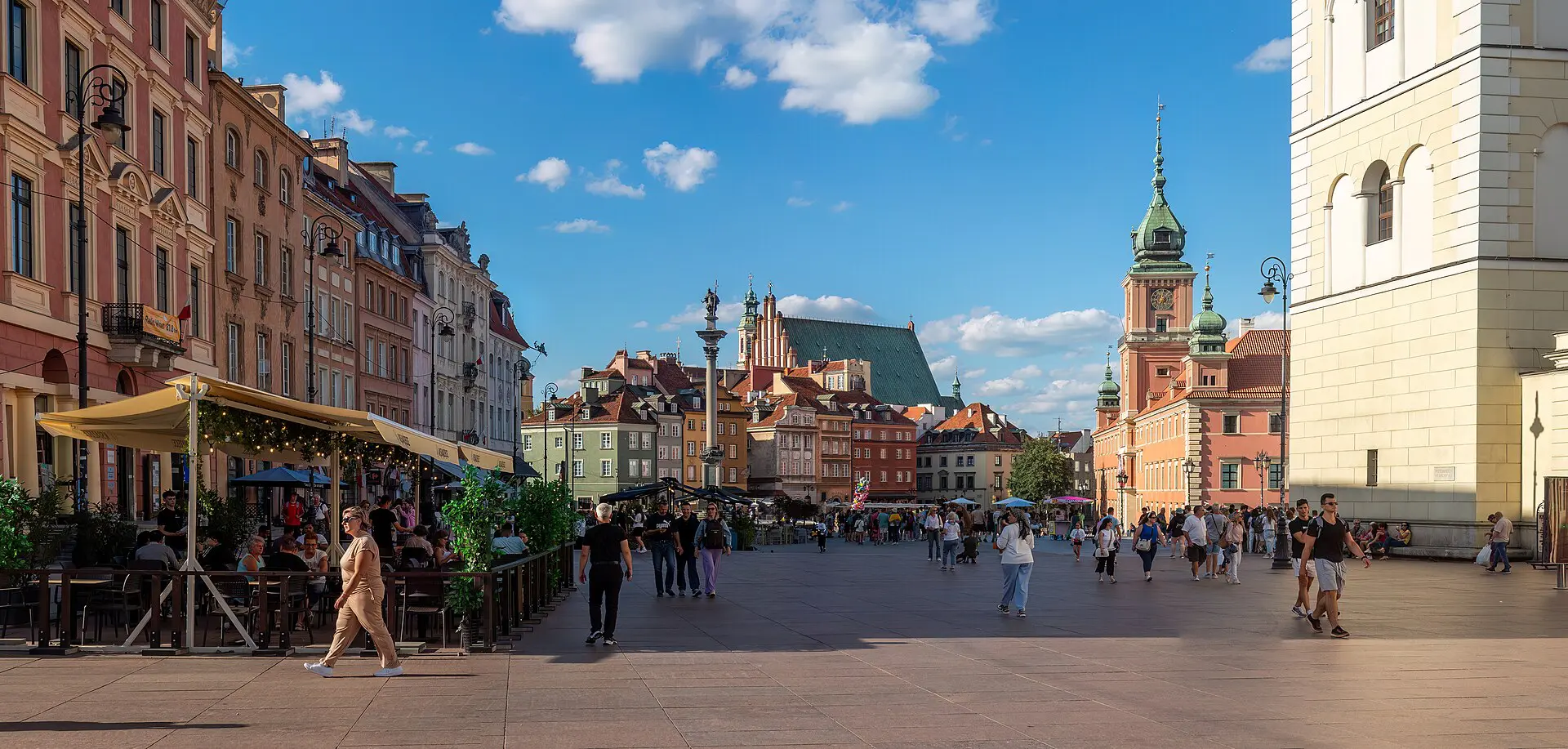
Old Town and Royal Castle
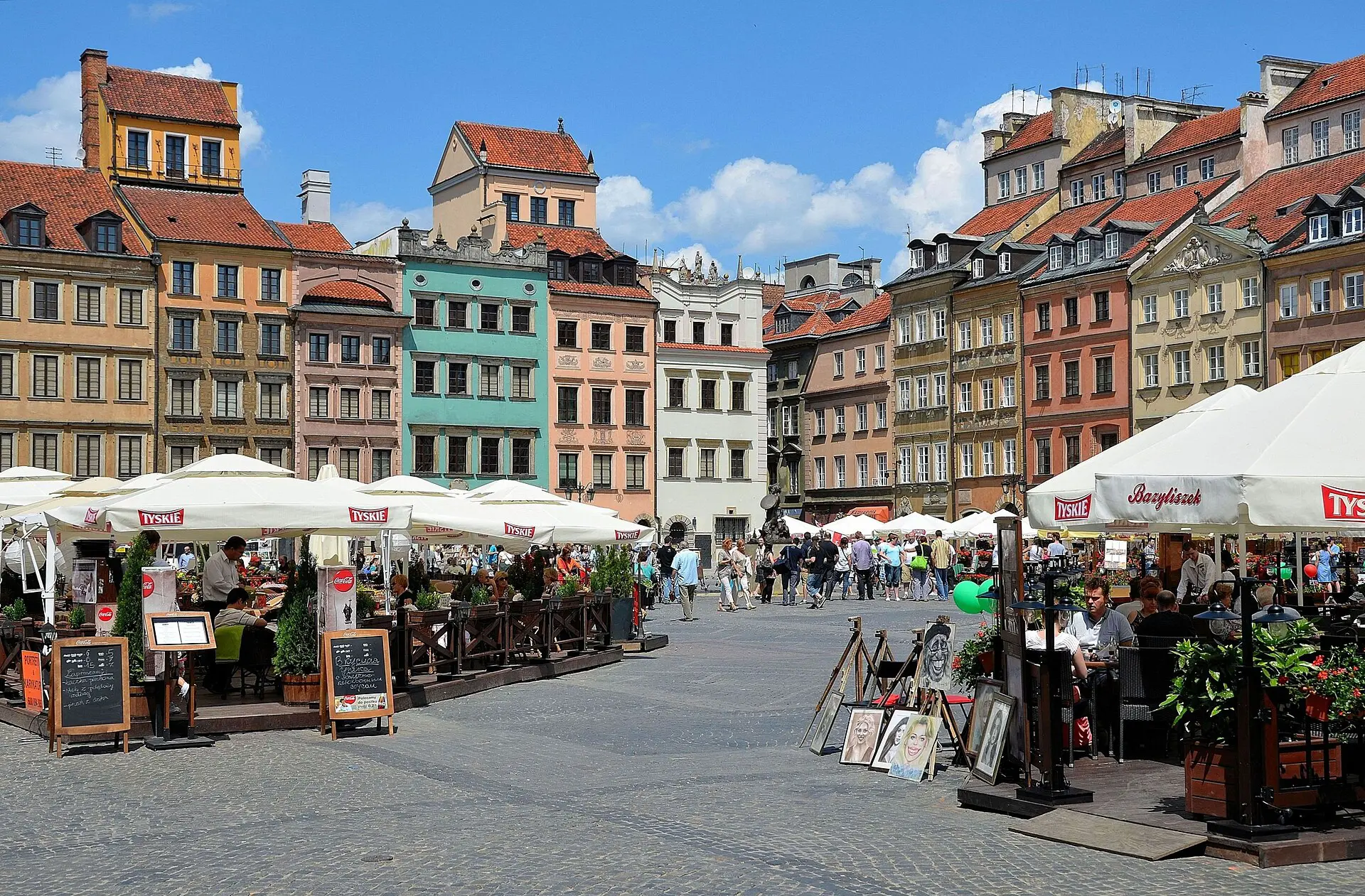
The Old Town Market Square, the lanes around it and the Royal Castle make a natural starting point. Allow two to three hours. The buildings are postwar reconstructions, so look for the exhibits that explain how the rebuilding was done. Visit early to avoid the crowds.
Warsaw Uprising Museum
This large museum covers the 1944 uprising against German occupation, with objects, photographs and recreated scenes. Plan around two hours or more, and check opening days and ticket rules. It is moving and intense, so leave space in the day afterwards.
POLIN Museum of the History of Polish Jews
Located in the former Jewish district, this museum traces a thousand years of Jewish life in Poland. Allow two to three hours. Timed tickets and audio guides are available, so check the current booking arrangements before you go.
Palace of Culture and Science
A towering Stalin-era building that dominates the city centre, it has a viewing terrace high up. It takes about an hour. Go on a clear day, and remember that the view includes the tower’s surroundings rather than the tower itself.
Lazienki Park
A large landscaped park south of the centre, with a palace on the water, peacocks and formal gardens. Allow two hours. In summer, outdoor Chopin piano concerts are often held on Sundays, so check the schedule for the current season.
Vistula riverside
The riverbank on the east side has beaches, bars and paths and is a favourite in warm weather. Spend an afternoon walking or cycling, and look at the Copernicus Science Centre close by if you have children.
Praga district
Across the river, Praga escaped much of the wartime destruction and has a rougher, creative feel, with old courtyards, murals, galleries and bars. Allow an evening, and use daytime to get your bearings first.
Best time to visit Warsaw
Warsaw has a continental climate with warm summers and cold winters. The most comfortable months for sightseeing are May to September, when parks, the river and outdoor cafes are at their best. Summer can be hot, with some storms.
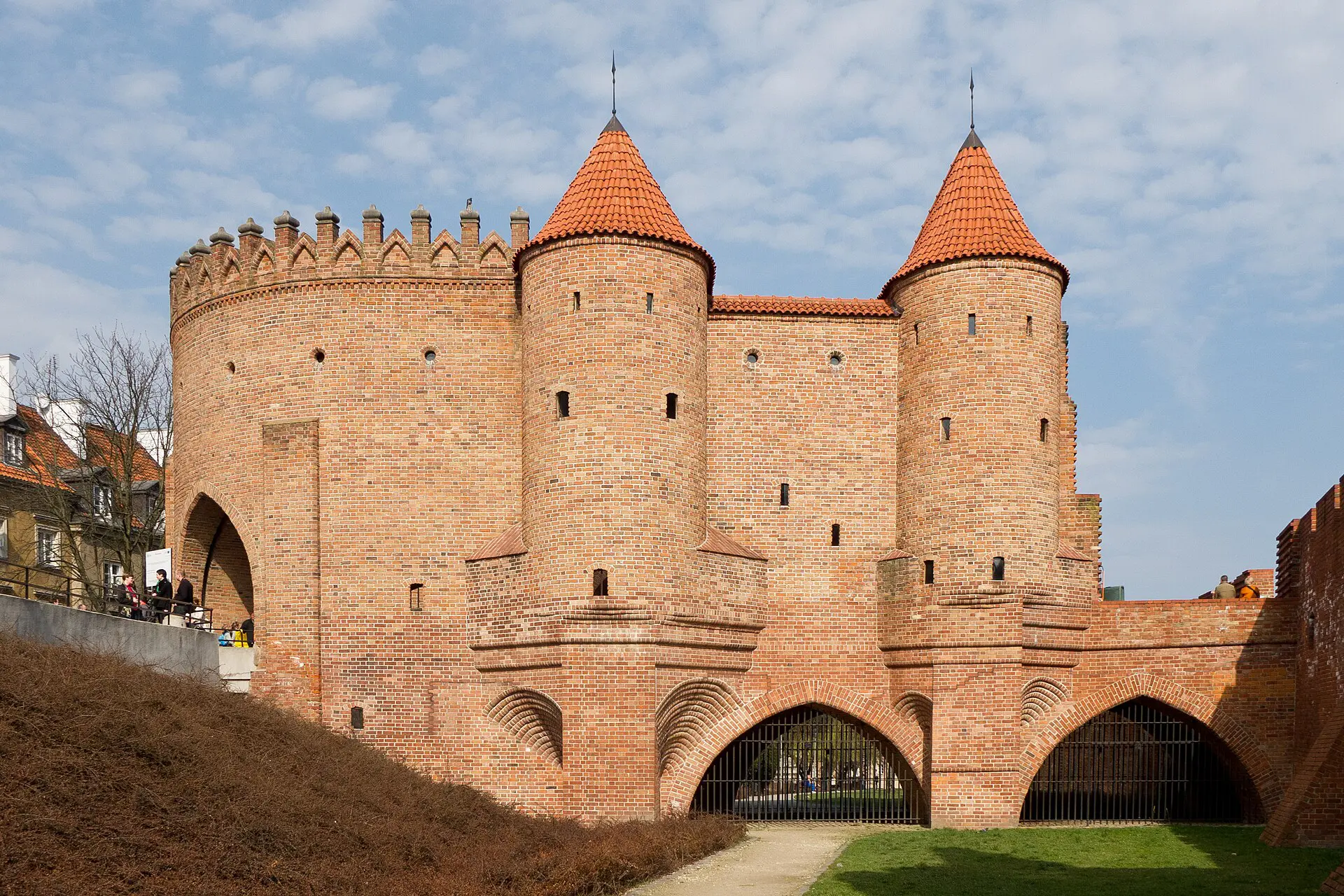
Spring and early autumn are mild and less busy. Winters are cold, often below freezing, with short days, but the city offers Christmas markets in December and fewer crowds at museums. Pack layers whatever the season, and check forecasts before outdoor days.
| Season | Weather | Crowds and prices |
|---|---|---|
| Spring (Apr-May) | Cool to mild | Moderate |
| Summer (Jun-Aug) | Warm to hot | Busiest; higher hotel prices |
| Autumn (Sep-Oct) | Mild, then cool | Moderate |
| Winter (Nov-Mar) | Cold, often below freezing | Quiet; lower prices |
How to get to Warsaw and around
Warsaw Chopin Airport (WAW) is the main international gateway, with trains and buses reaching the centre in roughly 20 to 40 minutes. A second airport, Modlin, serves some budget flights and is farther out. Trains connect Warsaw to Krakow in about 2.5 hours, and to Gdansk, Wroclaw and Poznan, with international services to neighbouring countries.
The city has a metro, trams and buses, covered by one ticket system, and most visitors use day or multi-day passes. Taxis and ride-share are common and relatively cheap. The central sights are walkable, although distances between districts add up, so use trams or the metro for longer hops. Check the official transport pages for current fares.
Where to stay in Warsaw
The city centre (Srodmiescie) is the most convenient for first visits, with the main train station, the metro and many restaurants. It is a good choice for short stays and for travelling on by train.
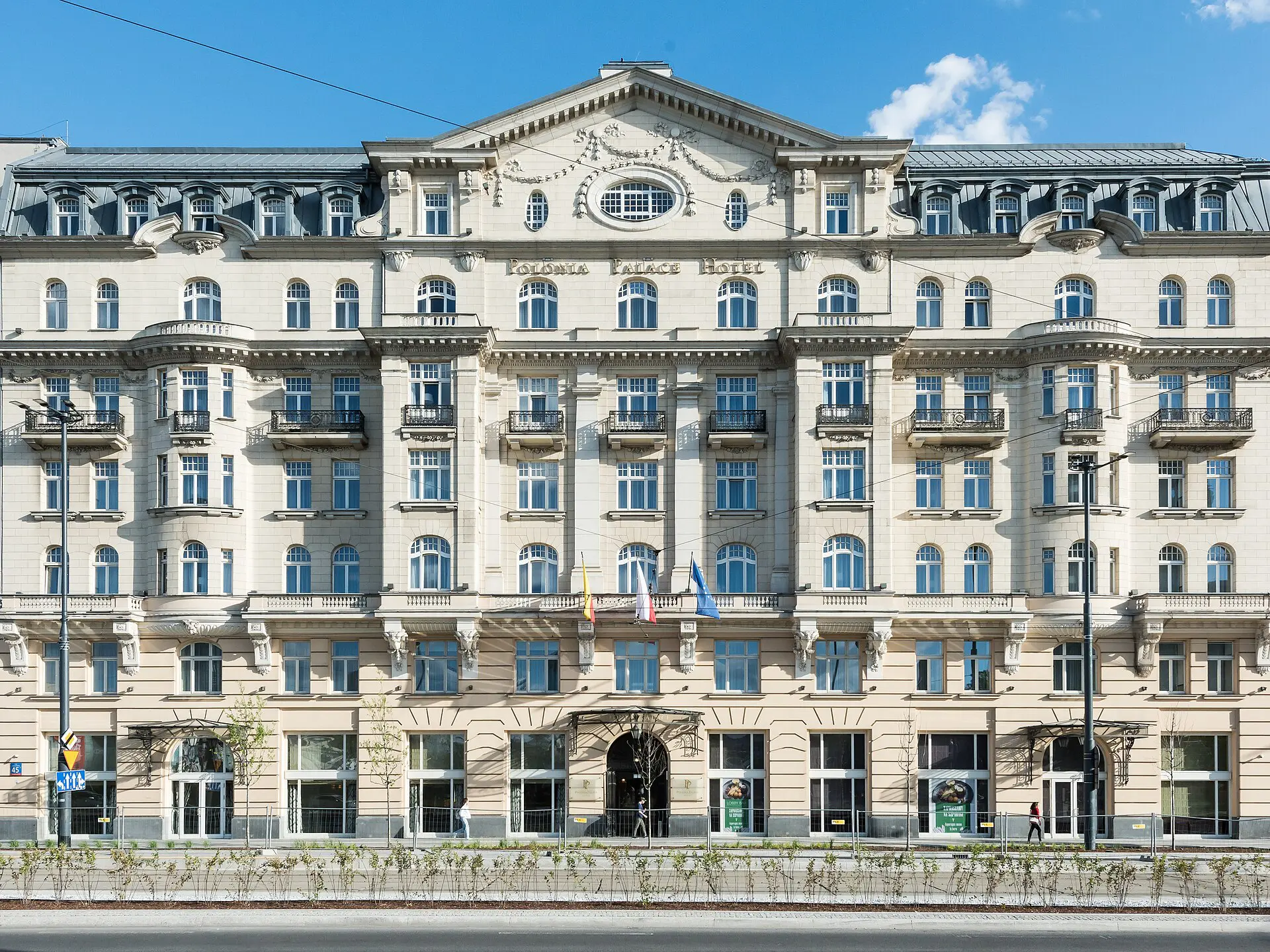
Staying in or near the Old Town puts you among the historic sights, with a pleasant atmosphere in the evening, though prices are higher and cobbled streets can be awkward with luggage. Praga suits travellers who like a more local, creative feel and lower prices.
Some visitors prefer quieter districts near the parks, such as the area around Lazienki, or places close to the river. Warsaw has a wide range of hotels, hostels and apartments, so compare locations with metro or tram access, and book earlier for large events.
How many days do you need?
Two days cover the Old Town, one or two major museums and a park, and three days leave time for Praga, the riverside and a slower pace. For a short break, two nights is a sensible minimum.
- Day 1: Old Town and Royal Castle in the morning, the Palace of Culture and Science viewpoint, and an evening in the centre.
- Day 2: Warsaw Uprising Museum or POLIN, then Lazienki Park in the afternoon.
- Day 3: Praga district and the Vistula riverside, with a relaxed cafe afternoon.
If you only have one day, combine the Old Town with one museum and an evening walk by the river.
Day trips and nearby
Krakow
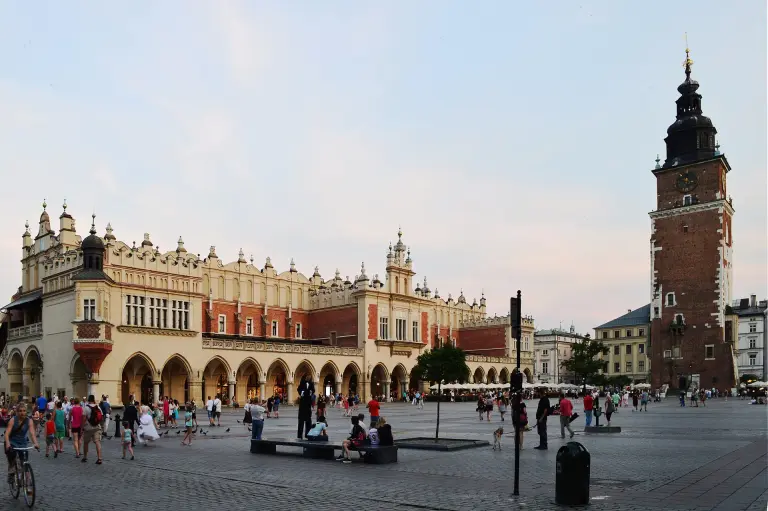
Poland’s former capital is a fast train ride of around 2.5 hours. It has a large medieval centre and the Wawel Castle. It works as a long day trip, but two nights is better.
Gdansk
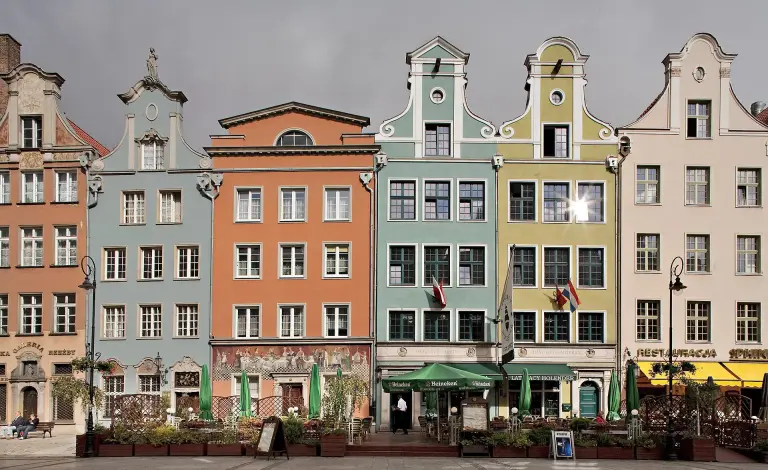
On the Baltic coast, Gdansk has a rebuilt old town and maritime museums. It is a few hours by train, so an overnight stay is more realistic than a day trip. Combine it with Sopot and Gdynia.
Wroclaw
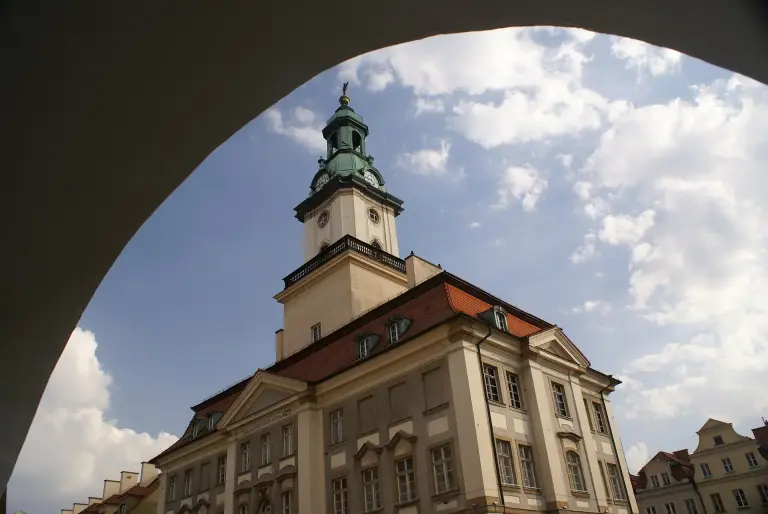
A colourful city in the southwest with a market square and many bridges. It takes a few hours by train, so it suits a stop on a longer route rather than a return day trip.
Poznan
One of Poland’s oldest cities, with an old market square and a lively student scene. Trains from Warsaw take roughly three hours, so consider it for a one-night stop.
FAQ
Q1How many days do you need in Warsaw?
Two to three days is enough to see the Old Town, a couple of major museums and a park. With three days you can add Praga and the Vistula riverside at a relaxed pace, or take a day trip to another Polish city.
Q2When is the best time to visit Warsaw?
May to September is usually best, with warm weather, open-air cafes and long days. Spring and early autumn are quieter. Winter is cold but good for Christmas markets, fewer crowds and lower hotel prices, as long as you pack warm layers.
Q3How do I get from Warsaw airport to the city centre?
Chopin Airport has train and bus links to the centre, usually taking 20 to 40 minutes, and taxis and ride-share are available. Check current routes and fares on the official sites, as services and prices change over time.
Q4Is Warsaw expensive to visit?
Warsaw is generally cheaper than most Western European capitals. Public transport, meals and many museums are good value, and accommodation prices are moderate outside peak summer. Costs vary, so check hotel rates early if your dates are fixed.
Prices, schedules and entry rules change. Check current details with official sources before you travel. Read the Poland travel guide.