Why visit Krakow
If you are looking for things to do in Krakow, the first answer is the Old Town. Krakow was the capital of Poland during the Middle Ages, and at its core is a beautifully preserved medieval town on the banks of the Vistula River. It is Poland’s top tourist draw, and the compact historic centre is easy to explore on foot.
The modern city has just over 800,000 people and stretches well beyond the historic centre, including the communist-era district of Nowa Huta. Most visitors, however, focus on the Old Town, Wawel Hill, and the former Jewish quarter of Kazimierz, each with a different atmosphere and a distinct set of cafes, galleries and restaurants.
The city is popular with budget airline travellers, so it is busy in summer and at weekends. It also works as a base for two of the most visited sites in southern Poland: the Wieliczka Salt Mine and the Auschwitz-Birkenau Memorial and Museum, both reached in under two hours from the centre.
Top things to do in Krakow
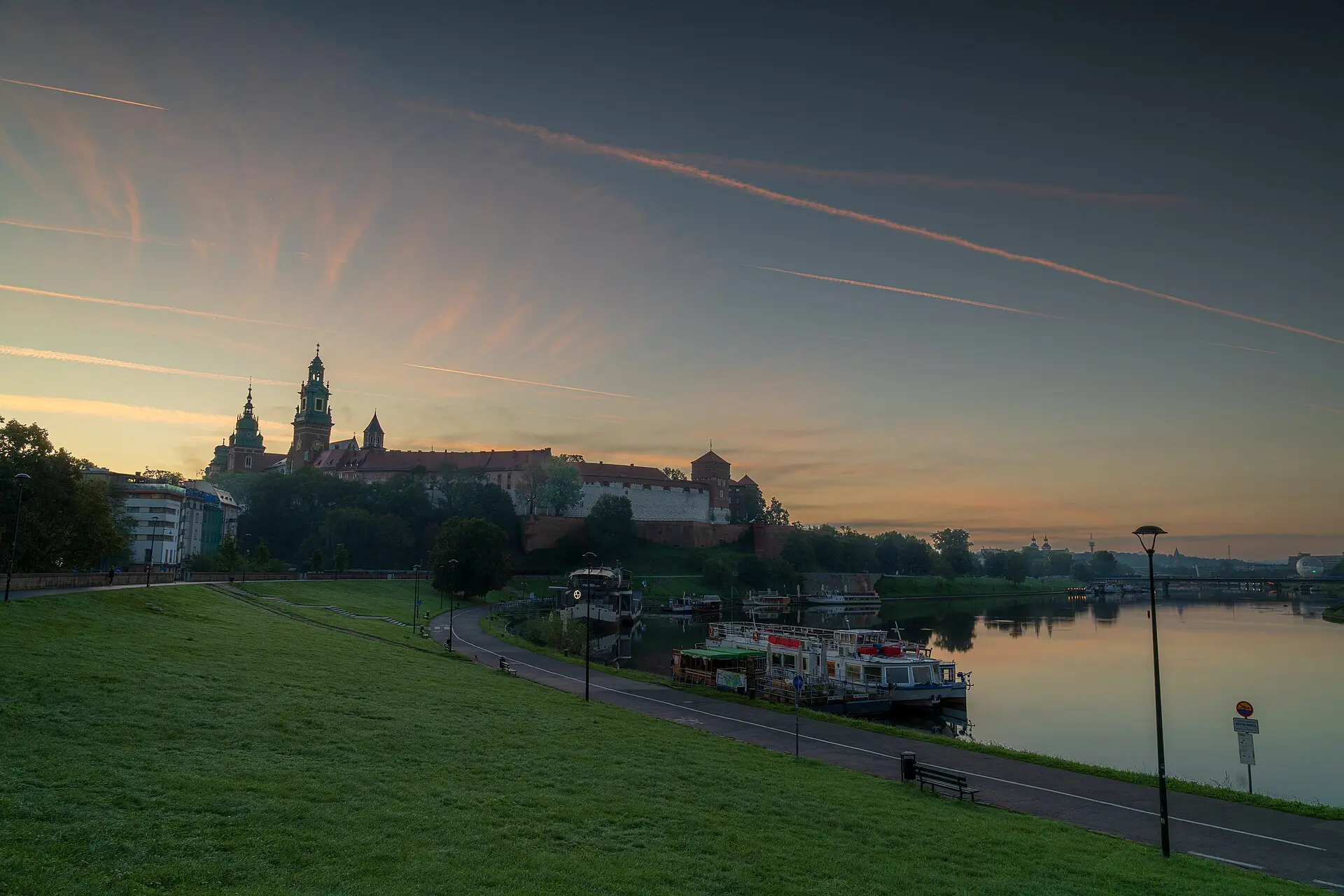
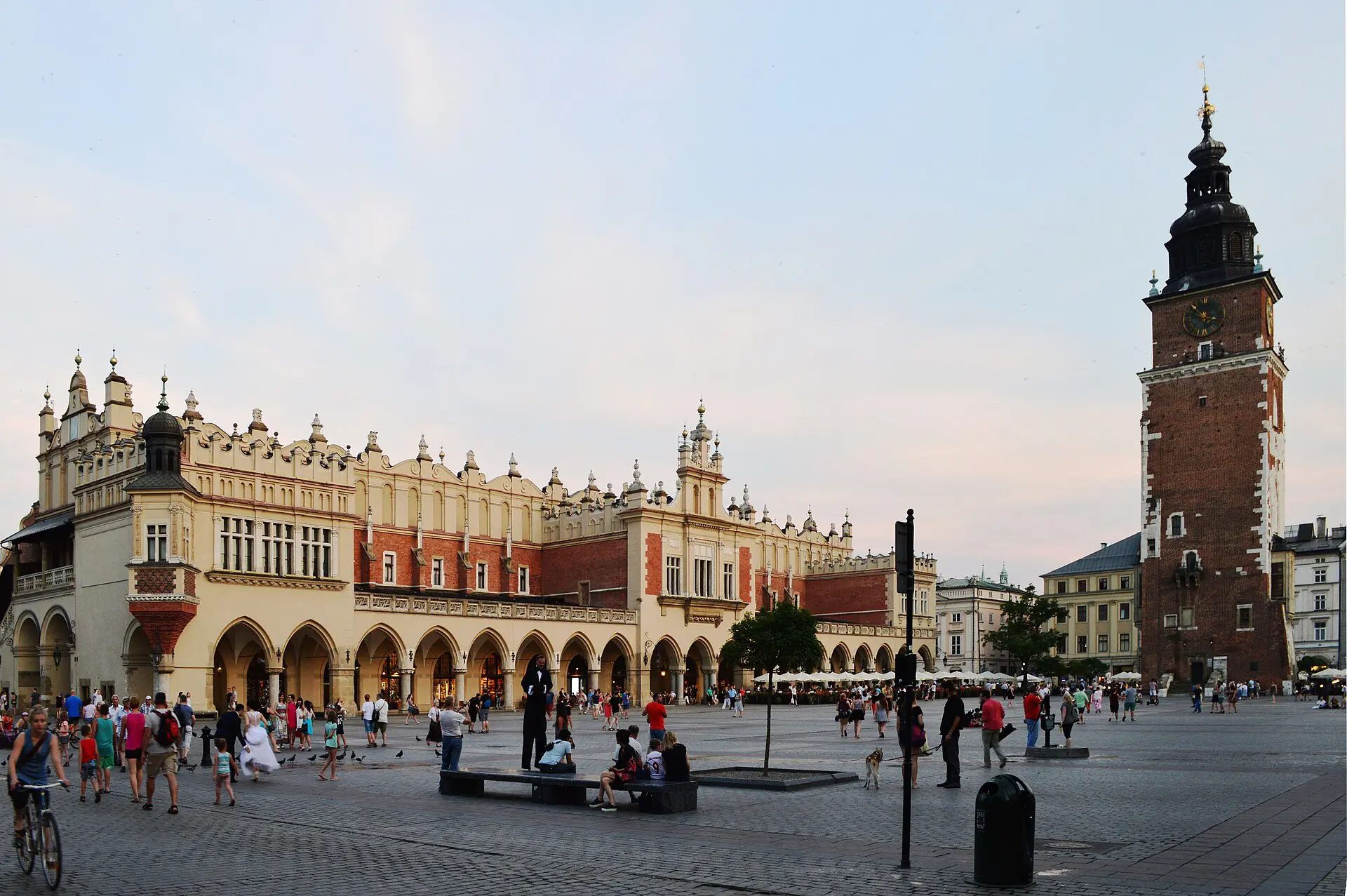
Main Market Square
One of the largest medieval squares in Europe, it is surrounded by townhouses, cafes and the Cloth Hall. Allow one to two hours. Go early for quiet photographs, then return in the evening, when the square is lively and the main church tower is lit.
St Mary’s Basilica
This Gothic church overlooks the square and is known for its altarpiece and for the trumpet call played from its taller tower. Plan 30 to 45 minutes inside. Check visiting hours, as they vary and the church is still active for worship.
Wawel Castle and Cathedral
Wawel Hill holds the royal castle and the cathedral where Polish kings were crowned and buried. Allow two to three hours. Tickets for different parts are sold separately and can sell out in peak season, so book ahead and check current opening days.
Kazimierz
The historic Jewish quarter is one of the city’s most atmospheric areas, with synagogues, cafes and street art. Plan half a day. Visit the synagogues and the old cemetery, and return in the evening for restaurants and bars.
Schindler’s Factory museum
Located in the Podgorze district across the river, this museum covers the city under Nazi occupation in World War II. Allow two to three hours. Tickets can sell out, so book online in advance, and expect an emotionally heavy visit.
Planty Park walk
A green belt of parkland circles the Old Town where the medieval walls once stood. A walk takes around an hour and offers a calm break between sights. It is pleasant in spring and early autumn and gives views of several historic gates and towers.
Wieliczka Salt Mine
This UNESCO-listed salt mine near the city features underground chambers and a carved chapel. Plan half a day including travel. Wear comfortable shoes, bring a light layer because it is cool underground, and book ahead during busy seasons.
Best time to visit Krakow
Krakow has a continental climate, with warm summers and cold winters. Late spring and early autumn offer the best balance of comfortable weather and manageable crowds, while summer is busiest and winter is atmospheric, with Christmas markets in December.
| Season | Weather | Crowds and prices |
|---|---|---|
| Spring (Apr-May) | Cool to mild, some showers | Moderate; Easter and long weekends are busy |
| Summer (Jun-Aug) | Warm to hot, occasional storms | Busiest and most expensive |
| Autumn (Sep-Oct) | Mild, colourful leaves | Easing crowds, good value |
| Winter (Nov-Mar) | Cold, sometimes snowy, short days | Quietest, except for Christmas markets |
Book accommodation early for summer weekends, Easter and the Christmas market period.
How to get to Krakow and around
John Paul II International Airport is about 11 km west of the centre and receives many low-cost and full-service flights from European cities. A train links the airport with Krakow Glowny station in around 20 minutes, and buses and taxis are also available. Check current schedules and ticket options.
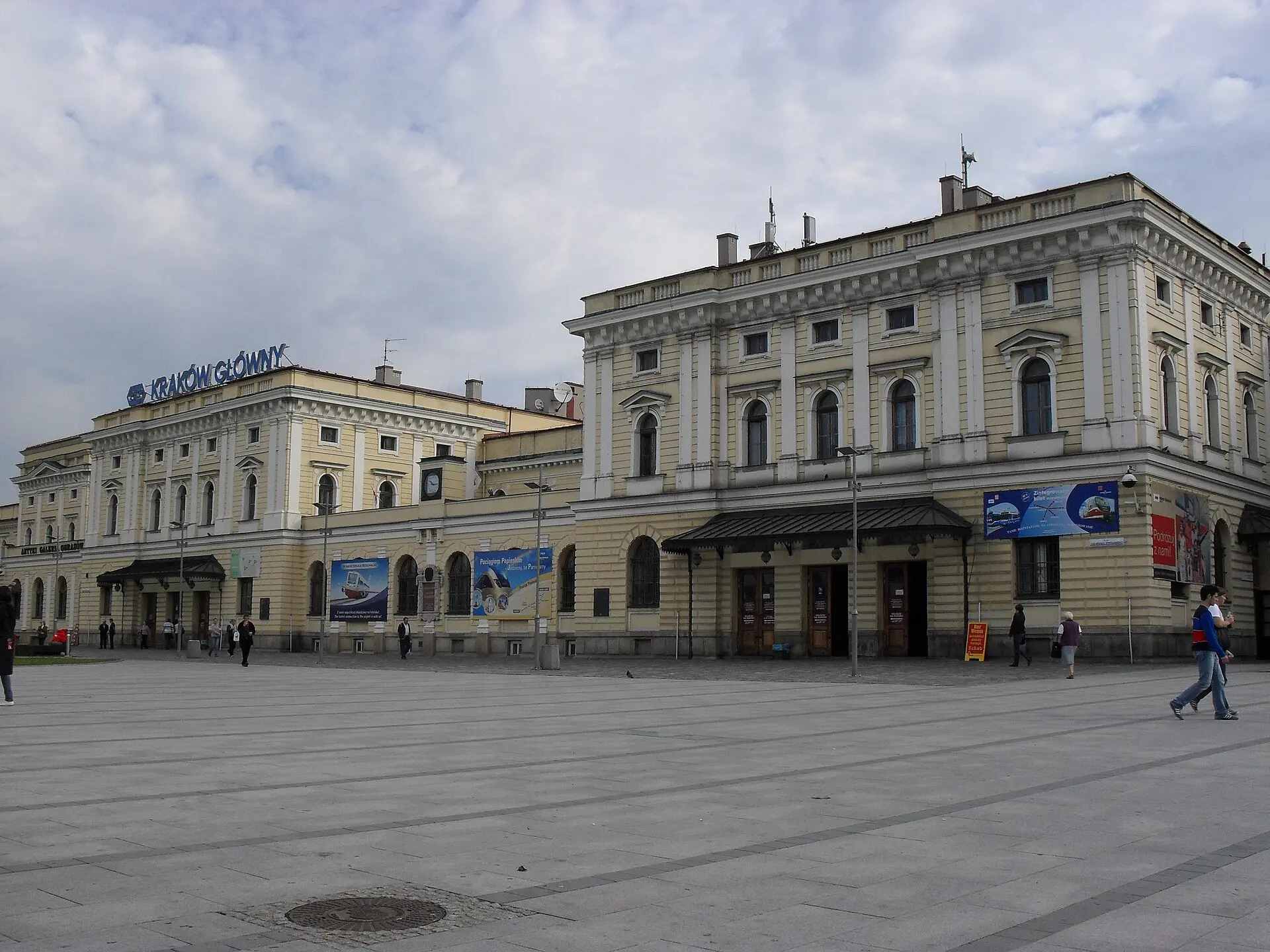
Krakow Glowny is the main railway station and sits next to the Old Town, with direct trains from Warsaw, usually in around 2.5 hours on fast services, and from other Polish cities. Long-distance buses also serve the nearby bus station.
The Old Town and Kazimierz are walkable, and trams and buses cover the wider city. A single ticket system applies across public transport, so check current fares and validate tickets on board. Taxis and ride-hailing apps are widely available, and electric scooters are common in the centre.
Where to stay in Krakow
The Old Town puts you within walking distance of the main sights, with a wide choice of hotels and apartments, but it can be noisy and prices are higher. It suits first-time visitors who want to walk everywhere.
Kazimierz is a popular choice for a livelier, more atmospheric stay, with many restaurants and bars close by. It suits couples and independent travellers, though weekends can be loud. Podgorze, across the river, is quieter and more local, with easy access to Schindler’s Factory and a short walk or tram ride to the centre.
Staying near the railway station offers convenience for onward travel and day trips, with many mid-range hotels and hostels. Whichever area you choose, book early for summer, Easter and December, and consider the noise level of your street.
How many days do you need?
Two to three days is enough for the main sights of Krakow. With two days you can see the Old Town, Wawel and Kazimierz at a comfortable pace. A third day lets you add a major day trip, such as the salt mine or Auschwitz-Birkenau, which each take half a day or more.
- Day 1: Main Market Square, St Mary’s Basilica, Planty Park and Wawel Castle, then dinner in the Old Town.
- Day 2: Explore Kazimierz in the morning, visit Schindler’s Factory in the afternoon and eat in the evening in Kazimierz.
- Day 3: Take a half-day or full-day trip to Wieliczka Salt Mine or Auschwitz-Birkenau, returning to Krakow for the evening.
Day trips and nearby
Wieliczka Salt Mine
Just southeast of Krakow, the mine is reached by train, bus or organised tour in around 30 to 45 minutes. Visits are guided and take roughly two to three hours, so plan half a day and book ahead in season.
Auschwitz-Birkenau
The memorial and museum at the former concentration and extermination camp lies roughly 1.5 hours west of Krakow. Booking in advance is strongly advised, and the visit is a serious, emotionally heavy experience that needs most of a day with transport.
Zakopane
Zakopane, in the Tatra Mountains, is about two hours by road and is known for hiking, skiing and highland culture. It works as a long day trip but is better with an overnight stay.
Katowice
Katowice lies to the west and offers a contrast, with modern architecture and cultural venues in a former industrial region. It is reachable by train in around an hour, and suits visitors who have already seen Krakow’s main sights.
FAQ
Q1How many days do you need in Krakow?
Two to three days is enough for the Old Town, Wawel Castle, Kazimierz and a museum or two. Add a third or fourth day if you want to include Wieliczka Salt Mine or Auschwitz-Birkenau, each of which needs half a day or more.
Q2When is the best time to visit Krakow?
May to September has the warmest weather, though summer is busiest. Late spring and early autumn are a good balance of comfort and crowds. December suits Christmas markets, but days are short and cold, so pack warm clothing.
Q3How do you get to Krakow from the airport?
John Paul II International Airport is about 11 km from the centre. A direct train runs to Krakow Glowny station in roughly 20 minutes, and buses and taxis are also available. Check current timetables and ticket options before you travel.
Q4Is Krakow expensive?
Krakow is generally good value compared with Western Europe, with reasonably priced food and drink. Accommodation rises in summer, at Easter and during the Christmas markets. Booking early and staying outside the Old Town can keep your costs down.
Prices, schedules and entry rules change. Check current details with official sources before you travel. Read the Poland travel guide.