Why visit Jelenia Góra
The best things to do in Jelenia Góra are split between a compact historic centre, the old spa district of Cieplice and the hills around the city. With about 77,000 people, it is the largest city in the area and the seat of the surrounding Karkonosze county. Its name means “deer mountain”, as did its former German name, Hirschberg.
Town rights date from 1288, and the city grew rich on trade routes and later on weaving. It came through the Second World War with little damage, so the 17th-century town hall and baroque churches are still standing. Few visitors stay long, and that is the appeal: you get city prices, more choice of food and better transport than in the mountain resorts, while Karpacz and Szklarska Poręba remain within easy reach.
Top things to do in Jelenia Góra
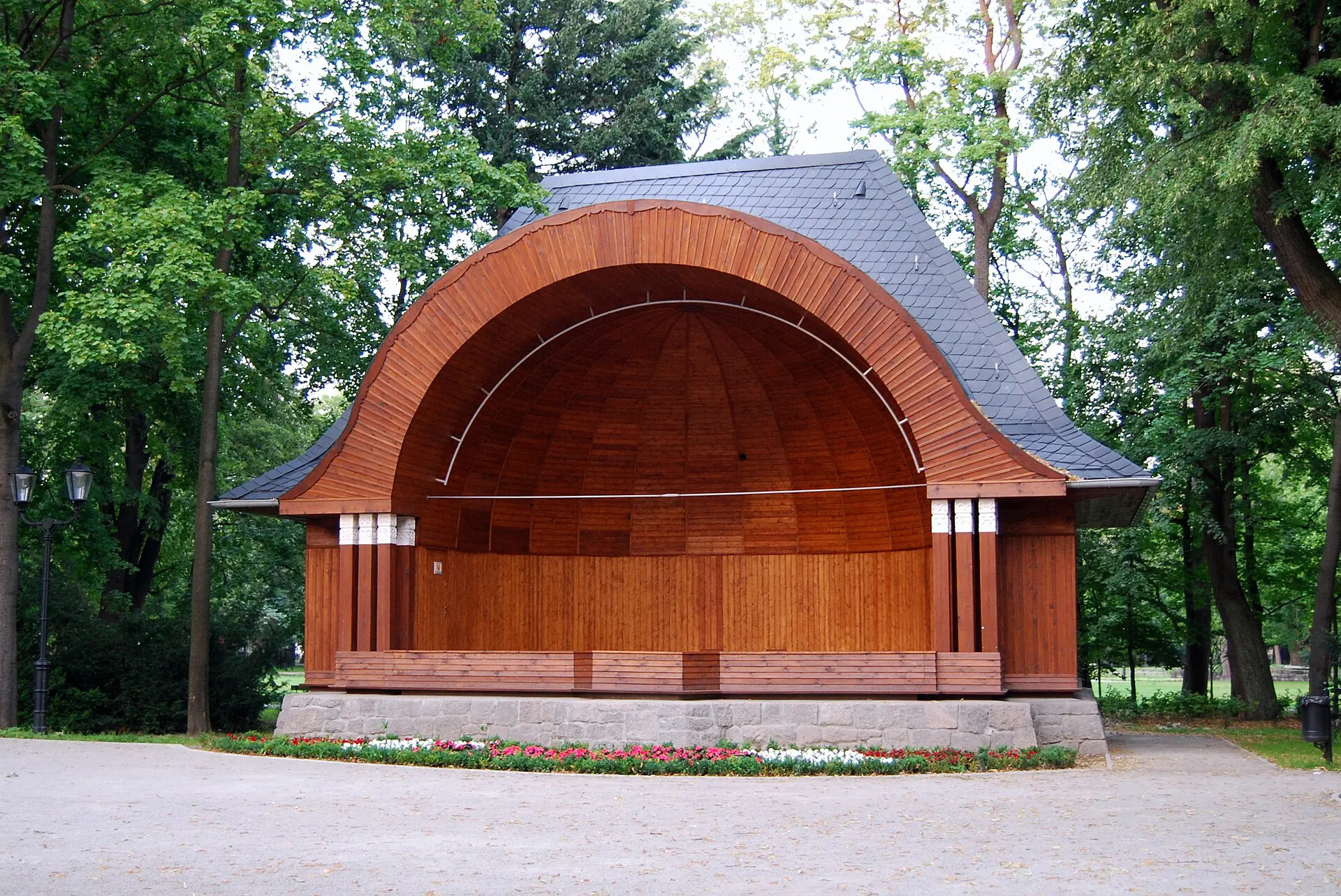
Town Hall Square
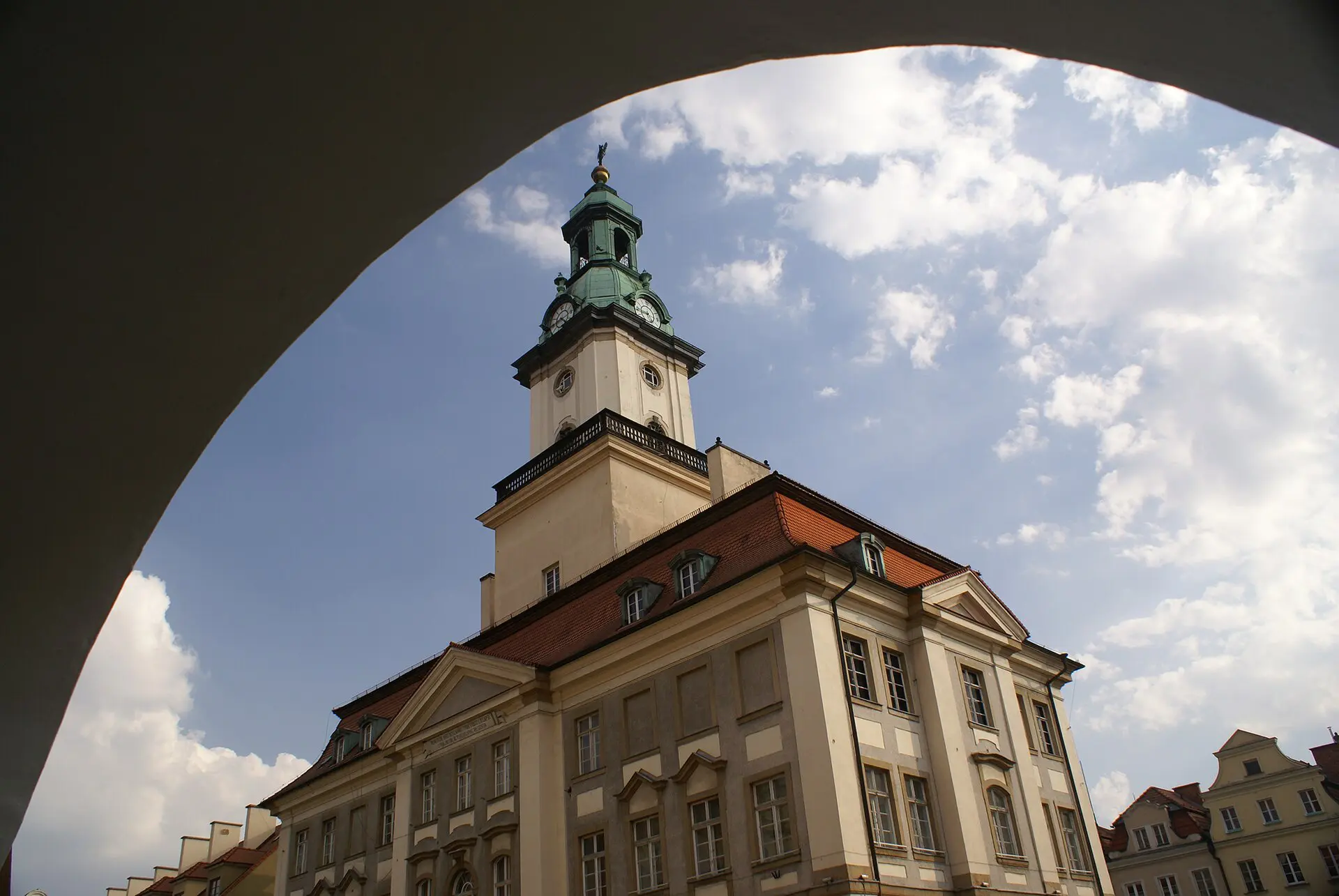
The market square is ringed by arcaded merchant houses around the 17th-century town hall. It is the natural place to start, and the main pedestrian street leads off it. Allow an hour for a walk around and a coffee under the arcades, more if there is an event on the square.
Cieplice spa district
Thermal water has drawn visitors to Cieplice for centuries, and it is one of the oldest spa towns in the region. The park, the Schaffgotsch palace and the spa theatre make a pleasant half day. It is several kilometres from the centre, and local buses connect the two.
Termy Cieplickie
The modern thermal pool complex in Cieplice is the obvious answer to a wet day in the mountains. Allow two to three hours. Check opening times and prices before you go, and expect more of a queue when bad weather sends hikers down from the hills.
Karkonosze Museum
The museum on Matejki street holds a large collection of regional glass alongside material on the area’s past. Glassmaking shaped the valley’s economy, so it is useful background for the rest of a trip. Allow about an hour, and confirm closing days in advance.
Church of the Holy Cross
This large baroque church outside the old walls was built by the city’s Protestants in the early 18th century and later became a Catholic sanctuary. The painted interior is worth the short walk from the square. Allow about 30 minutes and avoid service times.
Chojnik Castle
This ruined hilltop castle stands above the Sobieszów district, inside Karkonosze National Park. A walk up and back takes around one and a half to two hours. The castle ticket has included the park entry charge, but check the current terms when you buy it.
Gerhart Hauptmann House
The Nobel Prize-winning German dramatist lived in this villa in Jagniątków, now part of the city, from 1901 until his death in 1946. It is now a museum and pairs well with a walk on the lower Karkonosze slopes. Check opening days, as it is typically closed on Mondays.
Best time to visit Jelenia Góra
May to September is the most comfortable period, with warm days in the valley and mostly snow-free trails at lower levels. July and August bring more visitors, though the city rarely feels as crowded as the resorts do.
Spring and autumn suit walks around the palaces and castles, when the valley can be mild while the high ridge has already turned wintry. Winter works as a cheaper base for skiing, but you need to travel to the slopes each day. Each January, Cieplice has hosted a festival of light that mixes science and art; confirm dates before planning around it.
How to get to Jelenia Góra and around
Wrocław has the nearest major airport. Trains from Wrocław take about two hours, run mainly by the regional operator Koleje Dolnośląskie, with a few long-distance services a day from elsewhere in Poland. Buses also run from Wrocław and can fill up on Fridays in term time, so buy tickets early.
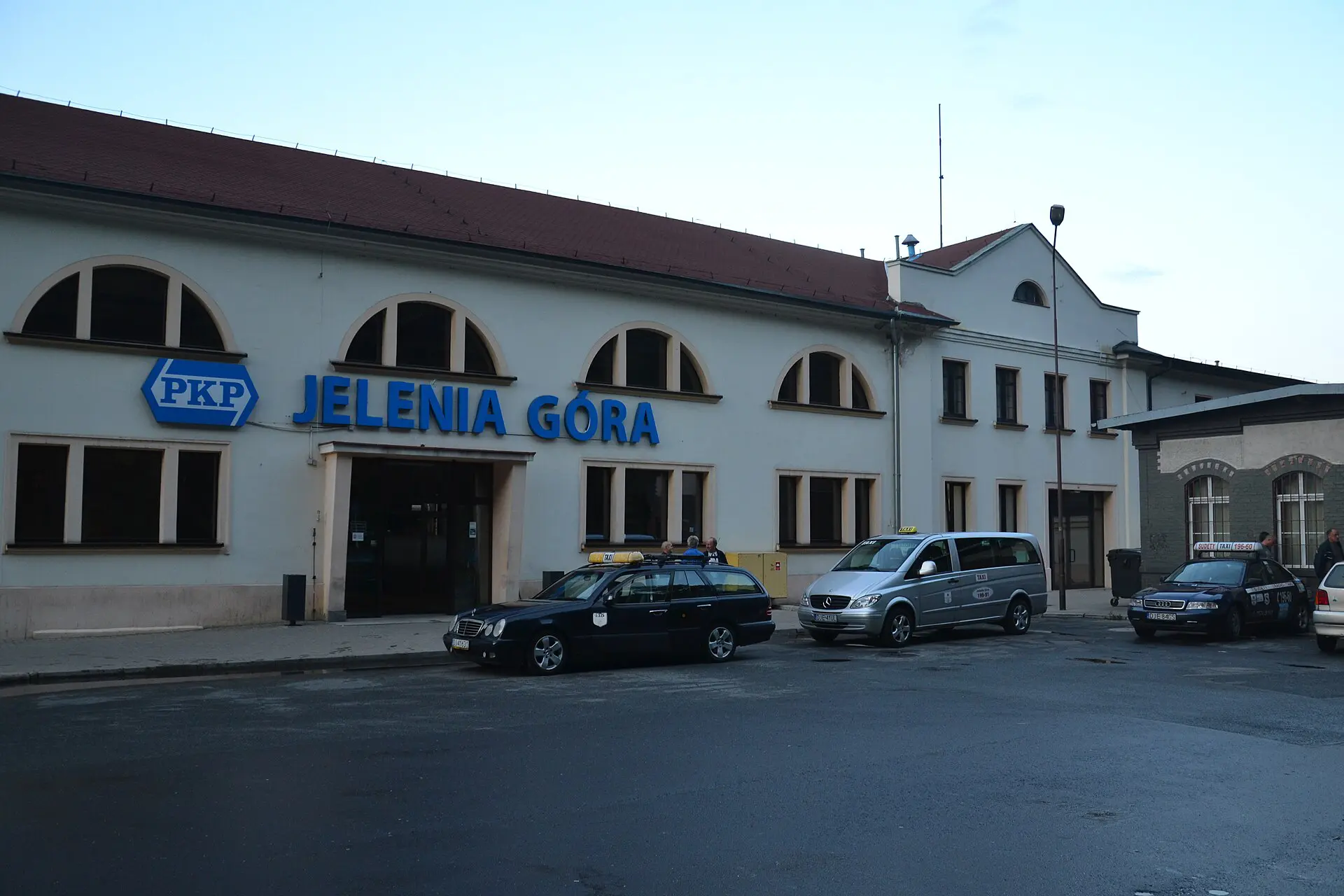
From the city, regional trains and buses go to Karpacz and Szklarska Poręba, and local buses cover Cieplice and Sobieszów. A car helps most for the palaces, some of which have limited public transport. Check current timetables before planning a tight connection.
Where to stay in Jelenia Góra
The old town suits a short stay, with restaurants and the main sights on foot and the station a walk or short ride away. Cieplice is the better choice for a slower stay, with the park and pools at the door and quicker access to the Sobieszów trails.
If you came mainly to hike, Sobieszów and the southern edge of the city put you closest to the national park. Spa hotels and guesthouses are the common choice there. Prices are generally below those in Karpacz, and you will usually find more options outside holiday weeks.
How many days do you need?
One day is enough for the old town and Cieplice. Stay two or three days if you are using the city as a base and want some margin for mountain weather.
- Day 1: Town Hall Square, the Karkonosze Museum and the Church of the Holy Cross, then an evening in Cieplice.
- Day 2: Chojnik Castle in the morning and the thermal pools or Hauptmann House in the afternoon.
- Day 3: A palace circuit by car, or a day trip to Karpacz for the Śnieżka trails.
Day trips and nearby
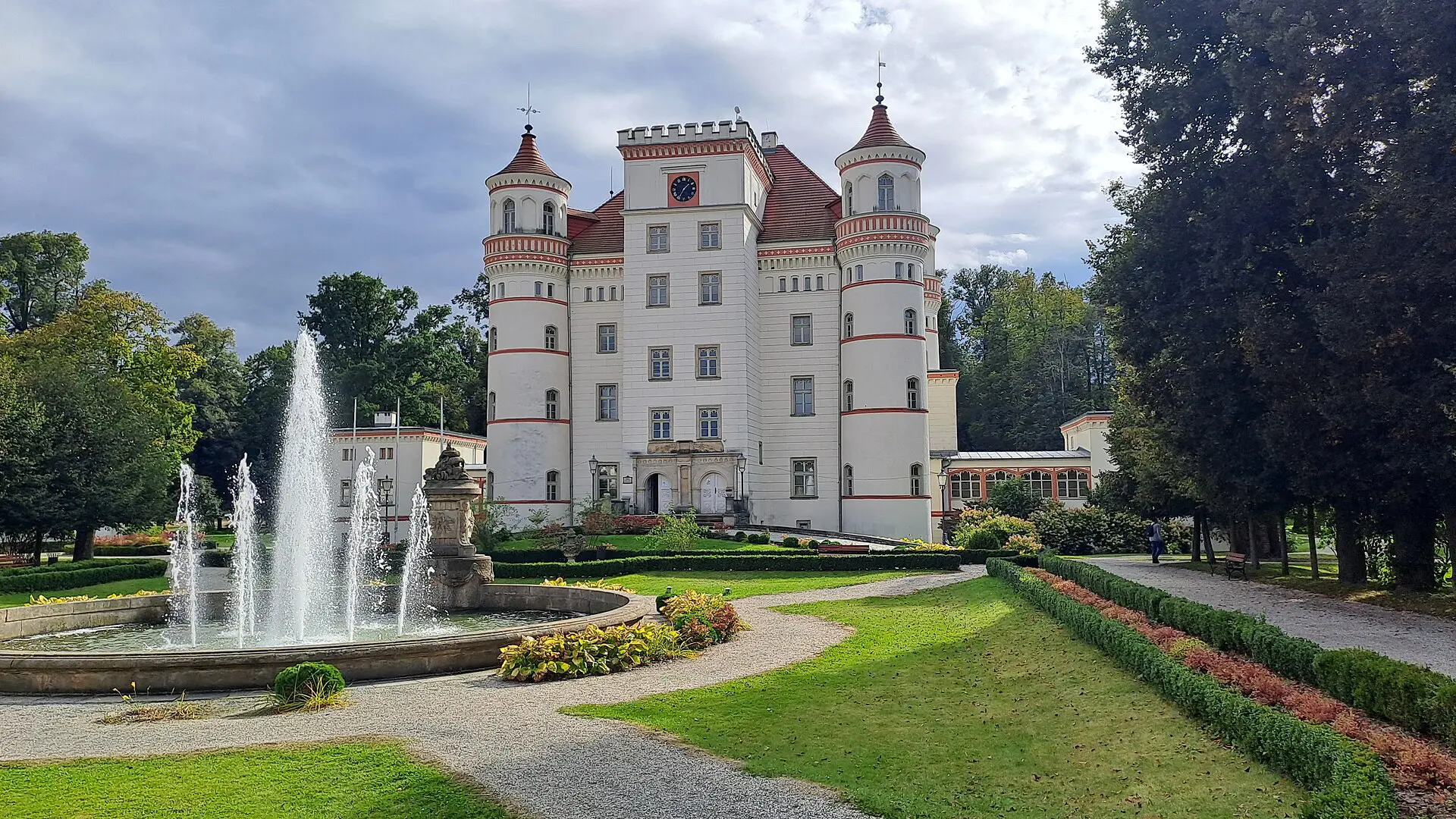
Valley of Palaces and Gardens
The basin around the city holds one of the densest groups of historic residences in Poland, including Bukowiec, Łomnica and Wojanów. Some are now hotels or museums. A car makes it simple to link two or three in a half day.
Karpacz
This resort below Śnieżka is the most direct route to the highest peak in the range and has the Wang stave church from Norway. It works as a long day trip by train or bus, though an overnight stay allows a safer early start.
Szklarska Poręba
A train ride up the Kamienna valley reaches this resort, with Kamieńczyk Waterfall and the Szrenica massif. It is one of the easier mountain trips to make from the city without a car, as the station is on the main line.
Rudawy Janowickie
These lower granite hills east of the city have rock formations, including the Sokoliki climbing area, and quieter walking than the national park. They make a good alternative when cloud is sitting on the Karkonosze ridge.
FAQ
Q1Is Jelenia Góra a good base for the Karkonosze?
Yes, especially without a car. It has the best rail and bus links in the area and more accommodation and food at lower prices than the resorts. The trade-off is travel time to the trails, so stay in Karpacz or Szklarska Poręba if you plan an early start on the high ridge.
Q2How many days do you need in Jelenia Góra?
One day covers the old town and the Cieplice spa district. Two days let you add Chojnik Castle and the thermal pools. Three work well if you also want to see the palaces or make a day trip into the mountains, particularly when the weather forecast is uncertain.
Q3How do you get from Wrocław to Jelenia Góra?
Trains take about two hours and are the most straightforward option. Buses also run from Wrocław and can be busier at the start of the weekend during term time. By car, the drive takes a similar time depending on traffic. Check current timetables and fares before you travel.
Q4What can you do in Jelenia Góra when it rains?
The Termy Cieplickie thermal pools are the first choice, with the Karkonosze Museum, the Hauptmann House and the Cieplice spa area as alternatives. The Karkonosze park also runs an education centre in Sobieszów. Check opening days in advance, since some museums close one or two days each week.
Prices, schedules and entry rules change. Check current details with official sources before you travel. Read the Poland travel guide.