Why visit Karpacz
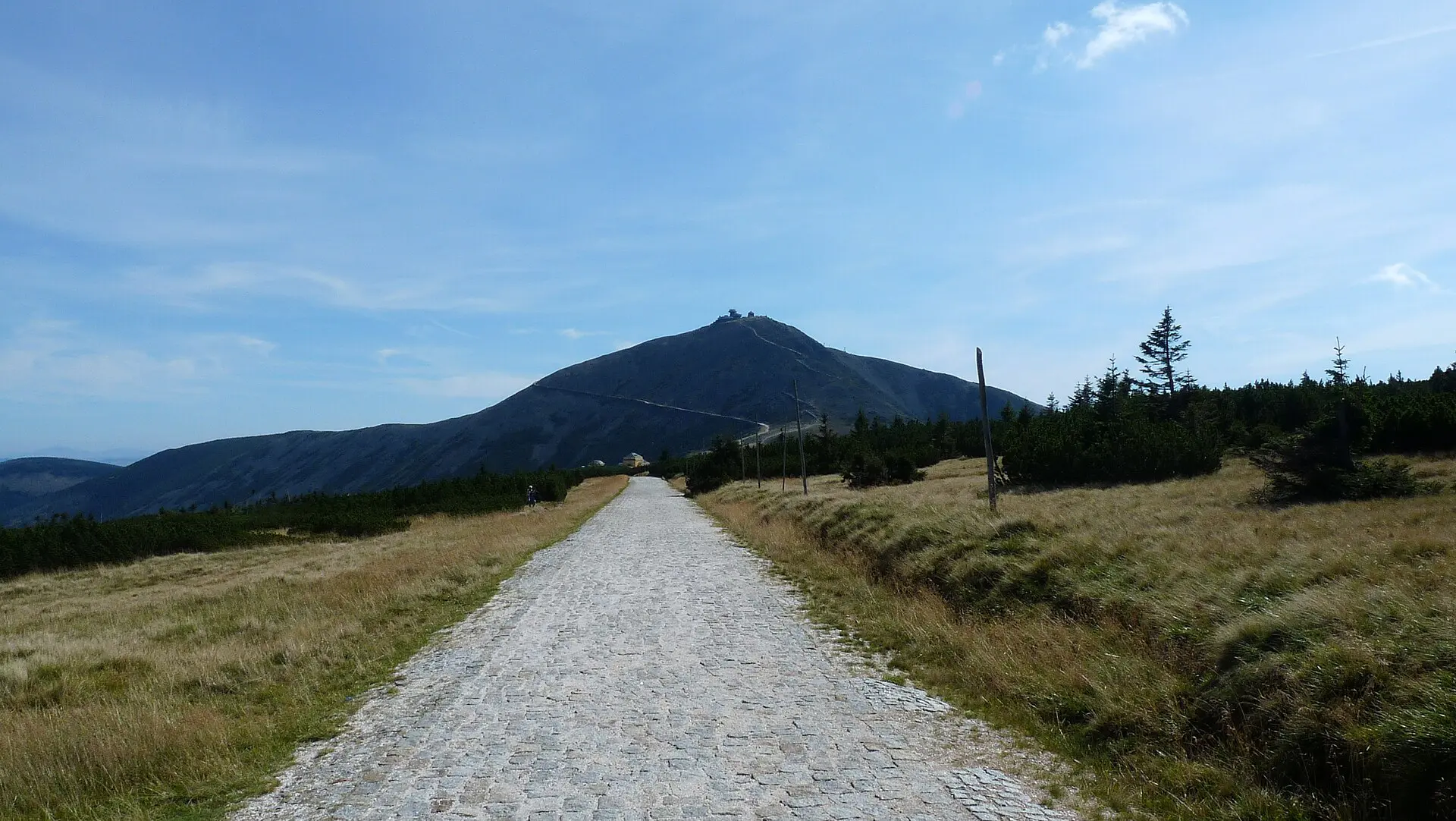
Most things to do in Karpacz start with one decision: which way up Śnieżka. At 1,603 metres, Śnieżka is the highest peak in the Karkonosze and the whole Sudetes, and Karpacz sits directly below it on the Polish side. The town has been a mountain resort since the 19th century, when it was known in German as Krummhübel and drew visitors from as far as Berlin.
It is a working base rather than a pretty old town. Hotels and guesthouses line a long road that climbs steadily uphill, so short distances on the map take longer on foot. What you get in return is direct trail access, a chairlift towards the ridge and a medieval wooden church brought from Norway. The summit crowds are real on summer weekends and the weather on the ridge is much harsher than in town, so plan both into the day.
Top things to do in Karpacz
Climb Śnieżka
The classic walk leaves upper Karpacz through the national park, passing the Strzecha Akademicka and Dom Śląski mountain huts before the final stony climb. On foot from town, allow about three to four hours up and a full day in total. The summit is exposed and wind is common, so carry a shell layer even on warm days. The old summit observatory has been closed for years, so do not count on shelter at the top.
Wang Church
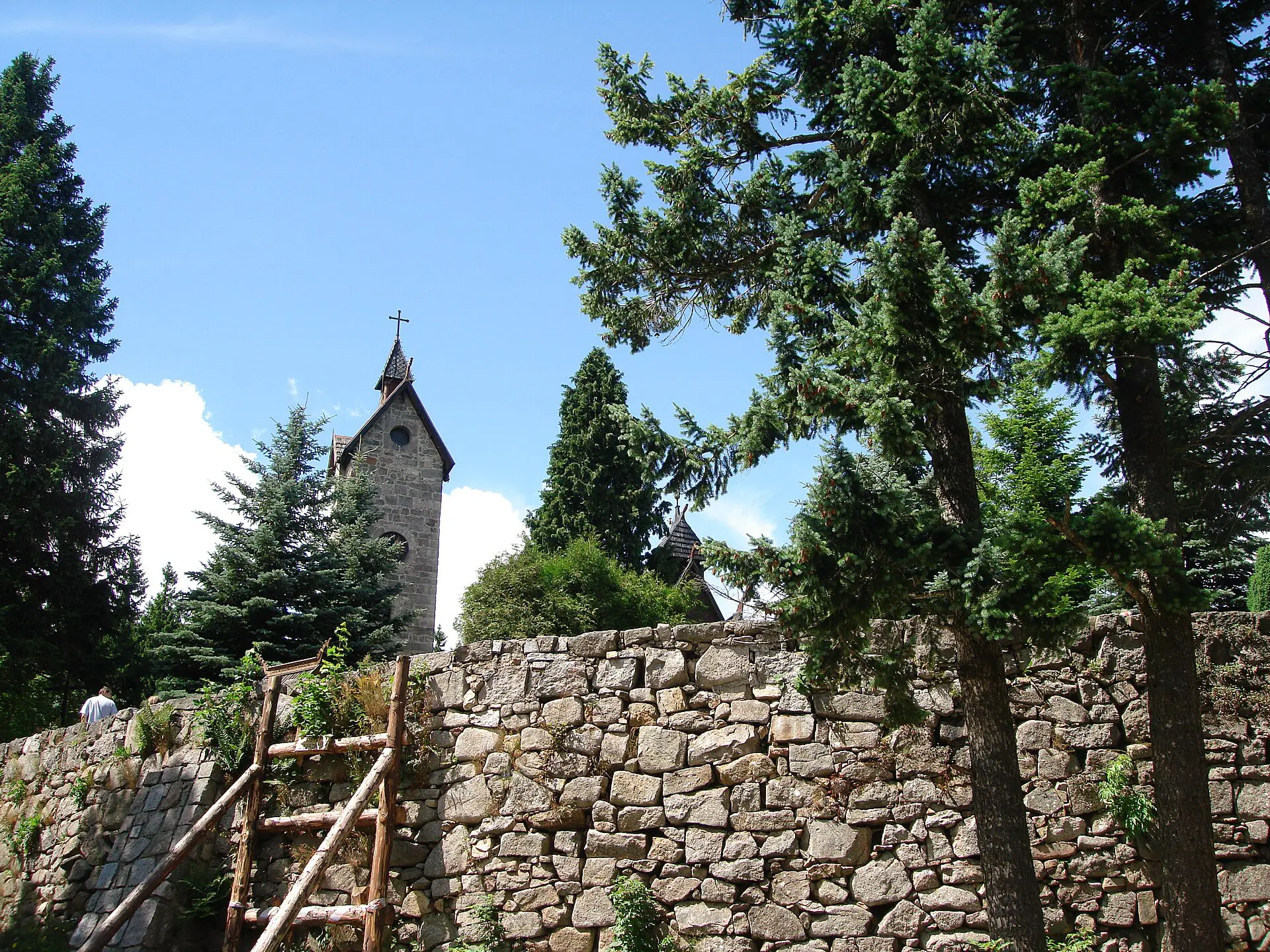
This timber stave church dates from around the early 13th century and stood in Vang, Norway, until it was moved to Silesia in the 1840s. It is the best-known building in town and a good first stop, because the main trail into the park starts close by. Allow 30 to 45 minutes and check visiting hours, as services take priority.
Kopa chairlift
The Kopa lift cuts out most of the lower climb and leaves a walk of around one to two hours to the summit by way of Dom Śląski. The lift ticket includes a park access charge. It can stop in high wind and for maintenance, so check that it is running and when the last ride down leaves before you commit to it.
Small Pond and the Samotnia hut
The glacial cirque of Mały Staw, with the Samotnia hut on its shore, is the strongest scenery you can reach without going to the summit. Allow about four to five hours for a return walk from Wang Church. Stay well back from the cirque edges on the ridge above, where the park warns of fall risk.
Great Pond loop
The park’s own suggested route runs around 15 km from Wang Church around the Great Pond and Small Pond cirques and back to Wild Waterfall. Treat it as a full day. Much of the upper part is above the treeline, so turn back early if cloud or wind builds.
Wild Waterfall and the Łomnica stream
Dziki Wodospad is really a stepped stream barrier below the Biały Jar area, but it makes a pleasant short stop on the way to the park. Damage to a dam on the Łomnica has closed some ground off Olimpijska street and the yellow trail. Do not cross fencing there, because the park says the site is dangerous.
The gravity hill
On Strażacka street, a stretch of road appears to make a car or bottle roll uphill. It is an optical illusion created by the slope and the lack of a clear horizon. It takes about 15 minutes and suits a poor-weather afternoon or a stop with children.
Best time to visit Karpacz
Karpacz works in summer and winter, but they are different trips. June to September brings the longest days and the most reliable hiking, along with the biggest crowds on Śnieżka, especially at weekends. Afternoon storms are a real risk in summer, so start early.
From November the high trails can hold ice and snow while the town stays mild, and the wind makes it feel far colder on the ridge. Winter trail routes differ from summer ones, and some sections close. December to March is the ski season at Kopa. April and May bring lingering snow up high and mud lower down, with fewer people.
How to get to Karpacz and around
Wrocław has the nearest major airport, about two to three hours away by road or rail with a change. Jelenia Góra is the transport hub: regional passenger trains returned to the Karpacz branch line in June 2025, and buses also link the two. Check current timetables, as services vary by season.
By car, leave the main road at Jelenia Góra and follow the signs south. Parking in town is scarce and usually paid, so ask your accommodation about a space before you arrive. A local bus runs up to the Wang Church area, and the town can be walked in around two hours, though the gradient makes it feel longer.
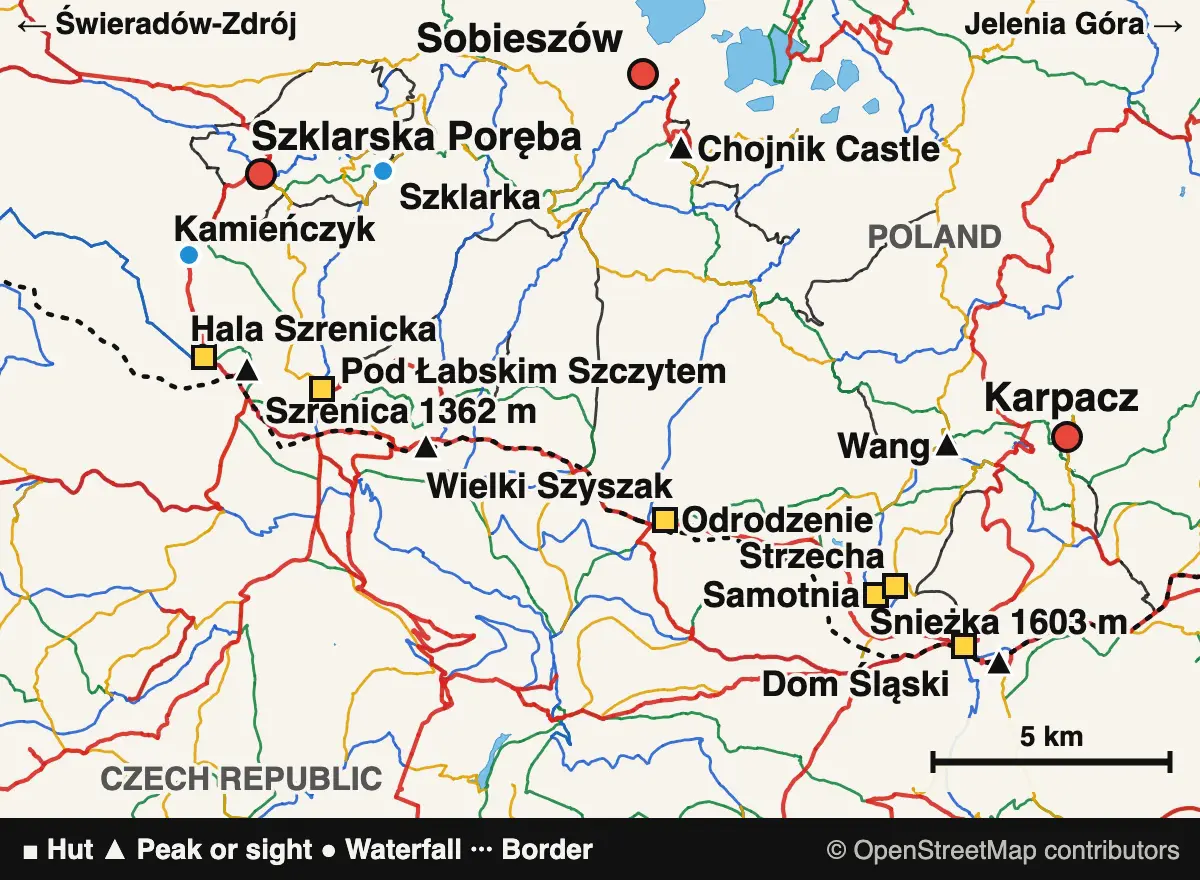
The map above is for orientation only; the coloured lines are marked hiking trails. For navigation on the trail, use the Mapy.com tourist map, which offers offline downloads in its app, or the park’s interactive trail map. Before you set out, check the park’s daily notice for closed trails.
Where to stay in Karpacz
Upper Karpacz, near Wang Church and Biały Jar, suits hikers who want to reach the trail on foot and start early. The central stretch along the main road has more restaurants and shops and is the easier choice without a car.
Lower Karpacz is often quieter and closer to the old station, but expect a walk or bus ride uphill each morning. For a night on the mountain, the park’s staffed huts such as Samotnia or Strzecha Akademicka put you close to the high trails, and they need booking well ahead in season. Camping is not allowed in the park.
How many days do you need?
Two days covers the main reasons to come, and a third gives you a margin for bad weather, which on Śnieżka is worth having. If you have only one day, go for the summit and leave early.
- Day 1: Wang Church, then the Small Pond and Samotnia walk, or the full summit if the forecast for the next day is poor.
- Day 2: Śnieżka, up through Dom Śląski and down by the Kopa lift or on foot.
- Day 3: A rest day in town, the Great Pond loop, or a trip to Chojnik Castle.
Day trips and nearby
Jelenia Góra
The regional city has an arcaded town square and the old spa district of Cieplice with its thermal pool. It is a sensible rainy-day option and the place to change for onward trains. It is under an hour away by train or bus.
Chojnik Castle
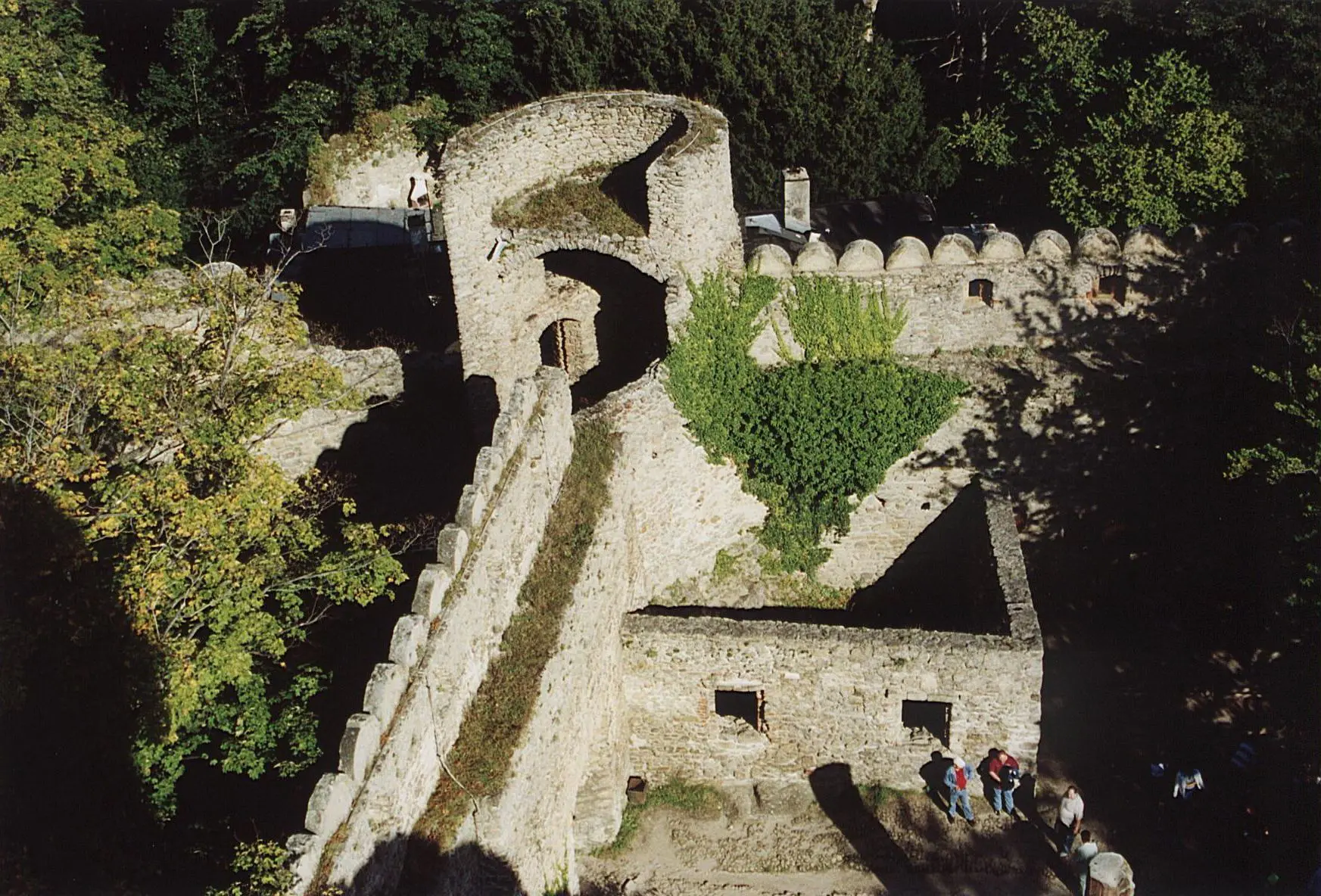
This medieval ruin on a wooded hill above Sobieszów is a shorter walk than anything on the main ridge and has wide views over the Jelenia Góra valley. Allow about a half day, including the climb on foot from the village.
Szklarska Poręba
The other main Polish base, at the western end of the range, has the Szrenica ridge and Kamieńczyk Waterfall. The road between the two towns goes around the mountains, so allow about an hour by car, or walk the ridge if you are well prepared.
Pec pod Sněžkou
The Czech resort on the far side of Śnieżka has a cable car towards the summit. You can cross on foot along the ridge, as the border is open, but carry ID and check that the lift is running before relying on it for the way back.
FAQ
Q1How long does it take to climb Śnieżka from Karpacz?
On foot from upper Karpacz, allow about three to four hours up and two to three hours down, plus time at the top. The Kopa chairlift shortens this to about one to two hours each way from the upper station. Check that it is running and leave a margin for wind, ice or poor visibility.
Q2Do you need a ticket for the trails above Karpacz?
Yes, Karkonosze National Park charges an entry fee, around 11 zł for one adult day as of late 2026, with cheaper multi-day and reduced tickets. Buy it online or at the booths on the main routes. Children under seven and residents of nearby municipalities are exempt, and you must be able to show proof.
Q3Is Karpacz worth visiting in winter?
Yes, if you want skiing at Kopa or a mountain walk with the right equipment. The ridge can be icy and very windy from November onwards, and winter trail routes differ from the summer ones. Check the park's daily notice before going high, and carry traction aids and warm layers even on sunny days.
Q4Can you visit Karpacz without a car?
Yes. Trains and buses link Karpacz with Jelenia Góra, which has direct connections to Wrocław and other Polish cities. A local bus runs uphill through town towards Wang Church, where the main trails start. Parking in town is limited anyway, so arriving without a car can be easier. Check current timetables before you travel.
Prices, schedules and entry rules change. Check current details with official sources before you travel. Read the Poland travel guide.