Why visit Hungary
The list of things to do in Hungary starts with Budapest, one of the great Danube capitals, but the country rewards a wider look. Hungary is a landlocked country of about 93,000 square kilometres in the Carpathian Basin, with just over 9.5 million people (background on the Wikipedia page). It has more thermal springs than almost anywhere in Europe, a long wine tradition, baroque and Habsburg towns, and open plains where herdsmen still graze cattle.
Hungary suits travellers who like cities with a strong food scene, slow days in spa water and short hops between interesting places. Trains and roads are good, English is common in Budapest, and prices are lower than in Vienna or Prague. It is less suited to anyone wanting beaches or mountain hiking, although Lake Balaton and the Mátra hills cover both in modest form. Hungarian is unrelated to most European languages, which makes signs unfamiliar but rarely a problem for visitors.
Best places to visit in Hungary
The best places to visit in Hungary are close together, so you can base yourself in Budapest and still reach most of them in a day or two.
Budapest
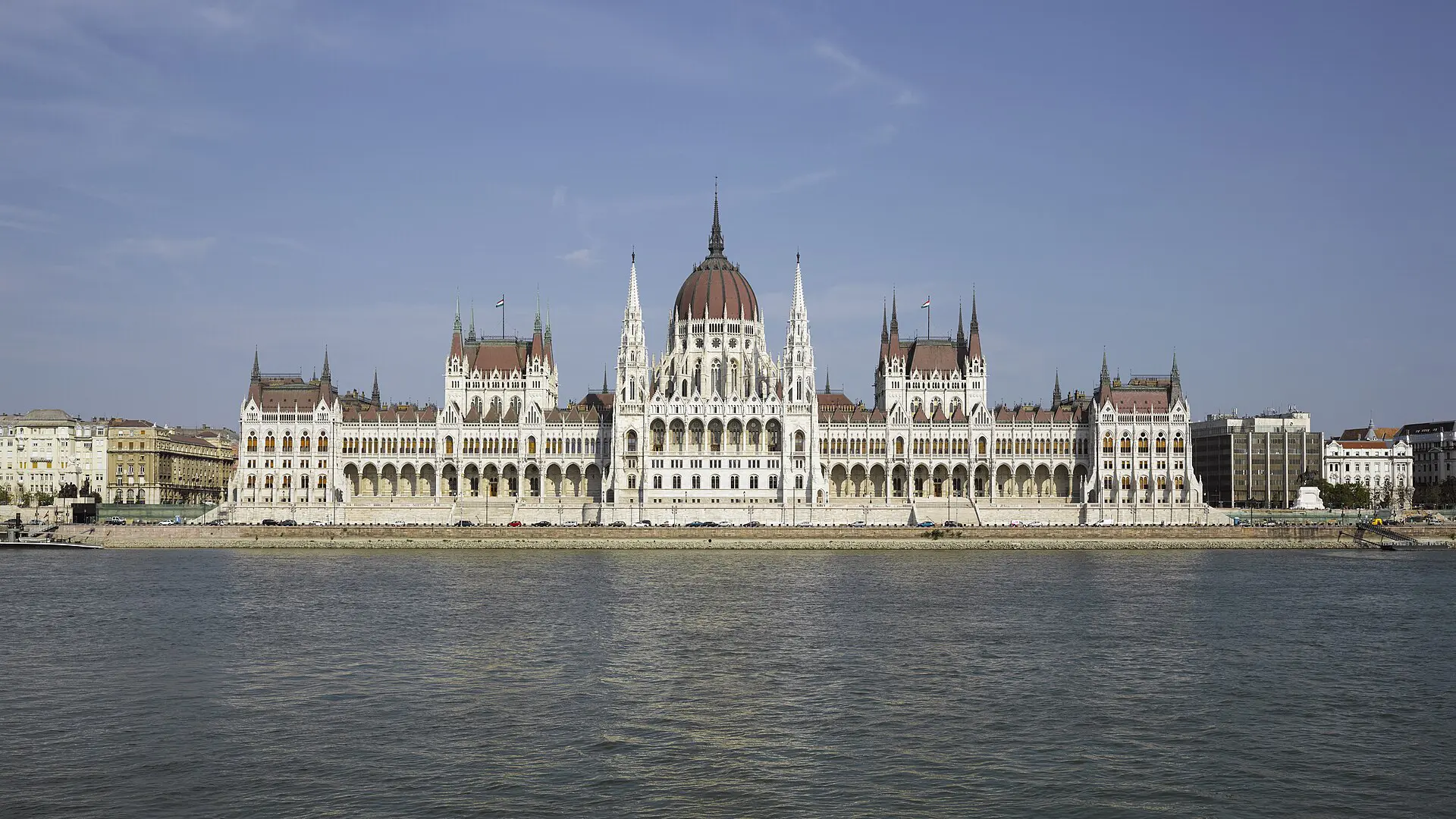
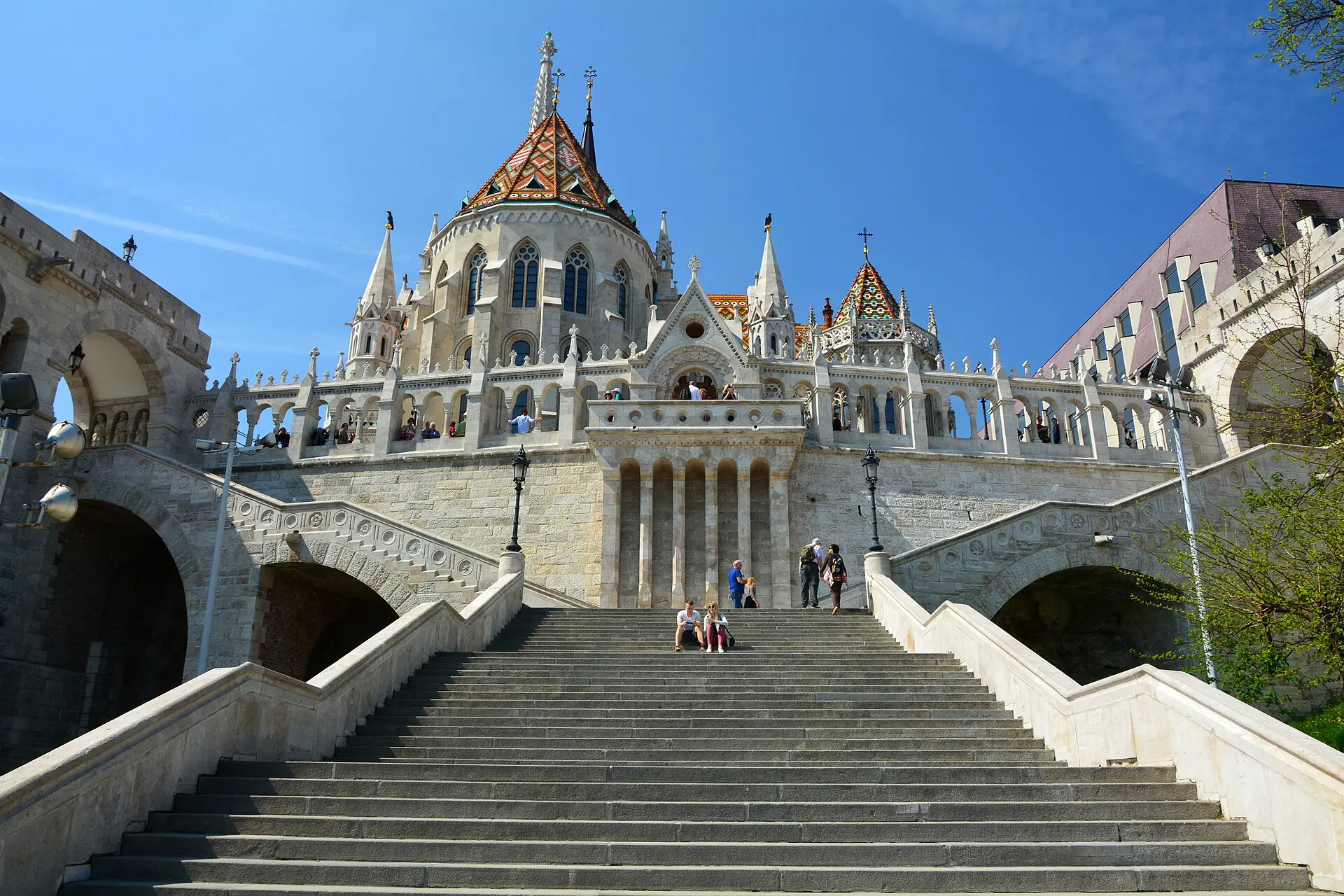
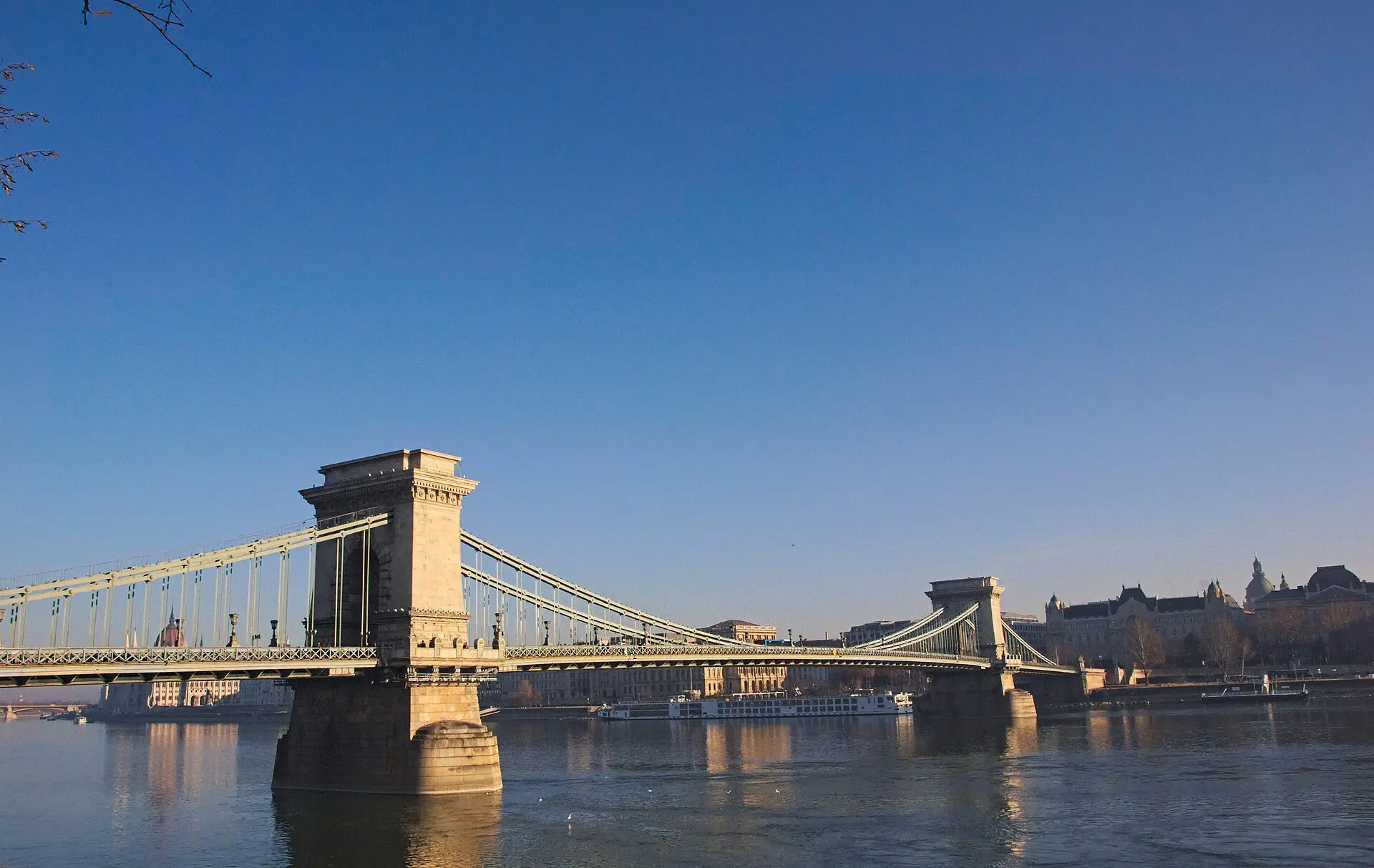
The capital straddles the Danube, with hilly Buda holding Buda Castle and the Fisherman’s Bastion, and flat Pest holding the Parliament, St Stephen’s Basilica and the ruin bars of the Jewish Quarter. Allow at least three nights. The riverbank and Buda Castle district are UNESCO-listed.
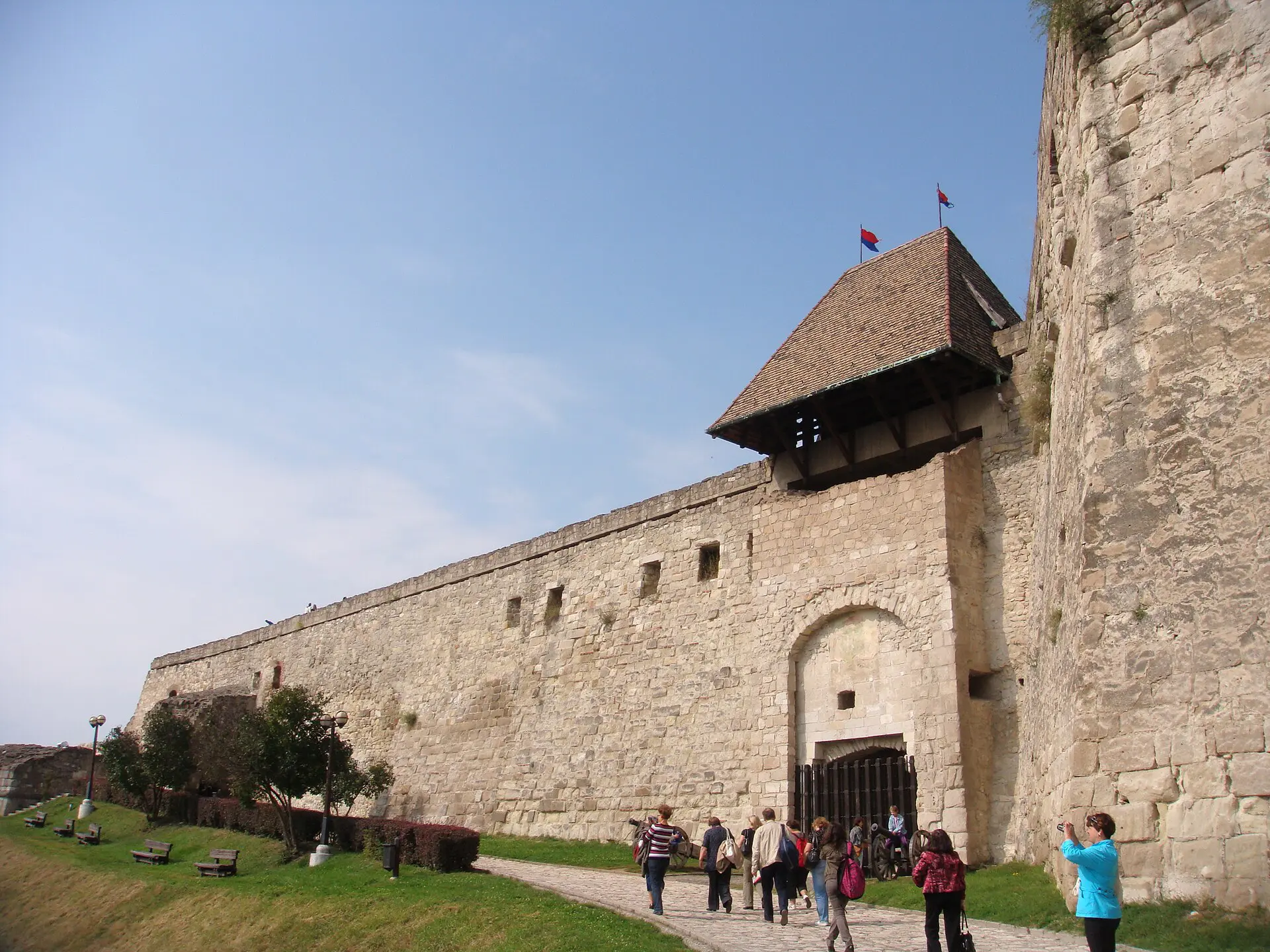
Eger
A baroque town in the northeast with a hilltop castle that withstood an Ottoman siege in 1552, a Turkish minaret and cellars in the Valley of the Beautiful Women where you can taste Egri Bikavér red wine.
Pécs
A southern city with early Christian burial chambers, Ottoman mosque architecture, the Zsolnay ceramic quarter and a gentle Mediterranean feel.
Lake Balaton
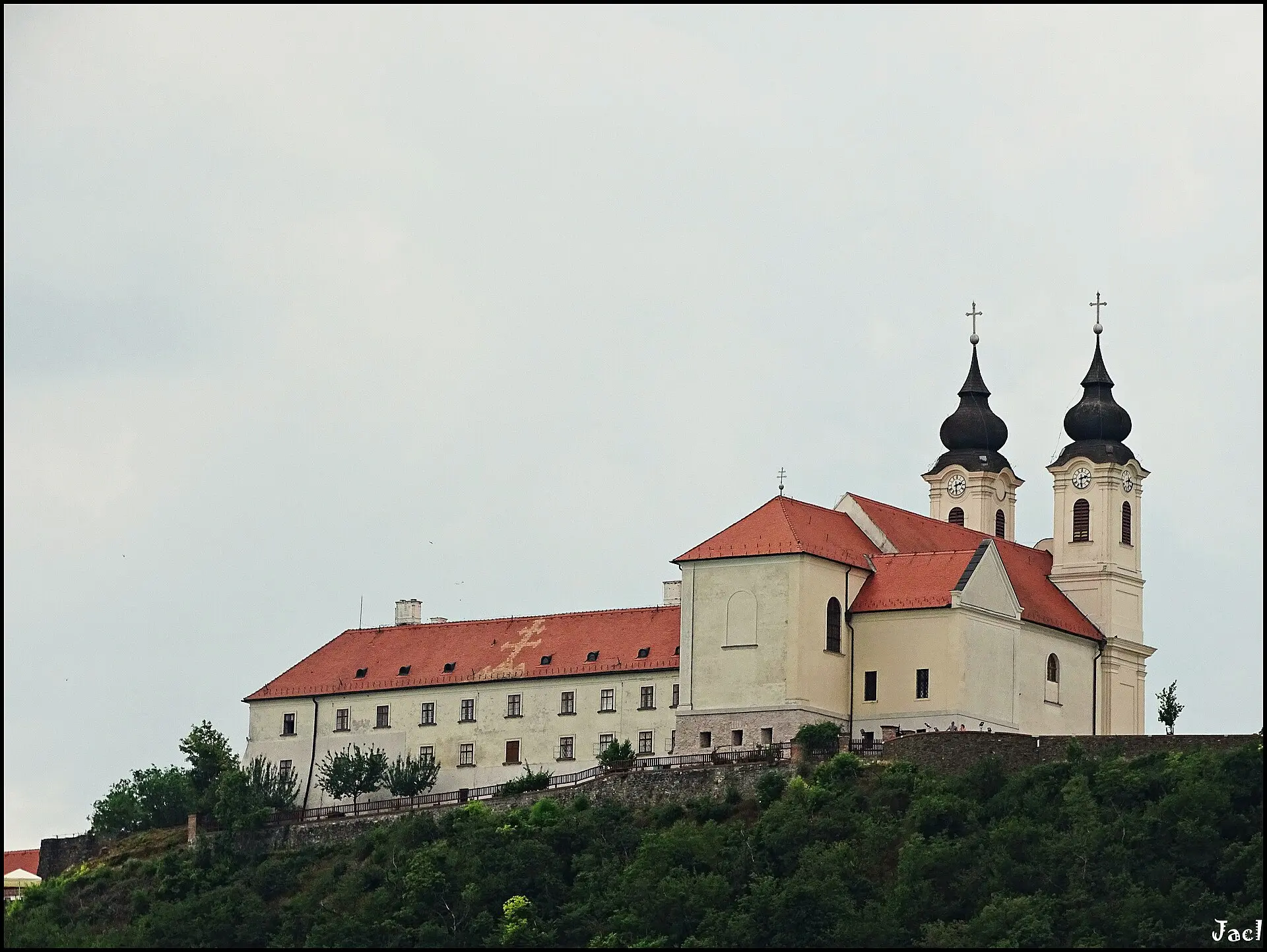
Central Europe’s largest lake is shallow and warm in summer. Siófok is the party base, while Tihany, on the northern shore, offers an abbey, lavender fields and quieter villages.
Szentendre and the Danube Bend
A short trip north of Budapest brings an artists’ town of colourful houses, the hilltop town of Visegrád and the basilica at Esztergom.
Hortobágy and Tokaj
Hortobágy National Park preserves the Great Plain with grazing animals and a historic bridge. Tokaj, in the northeast, is a UNESCO wine region famous for sweet Tokaji Aszú.
Top things to do in Hungary
These are the top things to do in Hungary, with Budapest first and the countryside close behind.
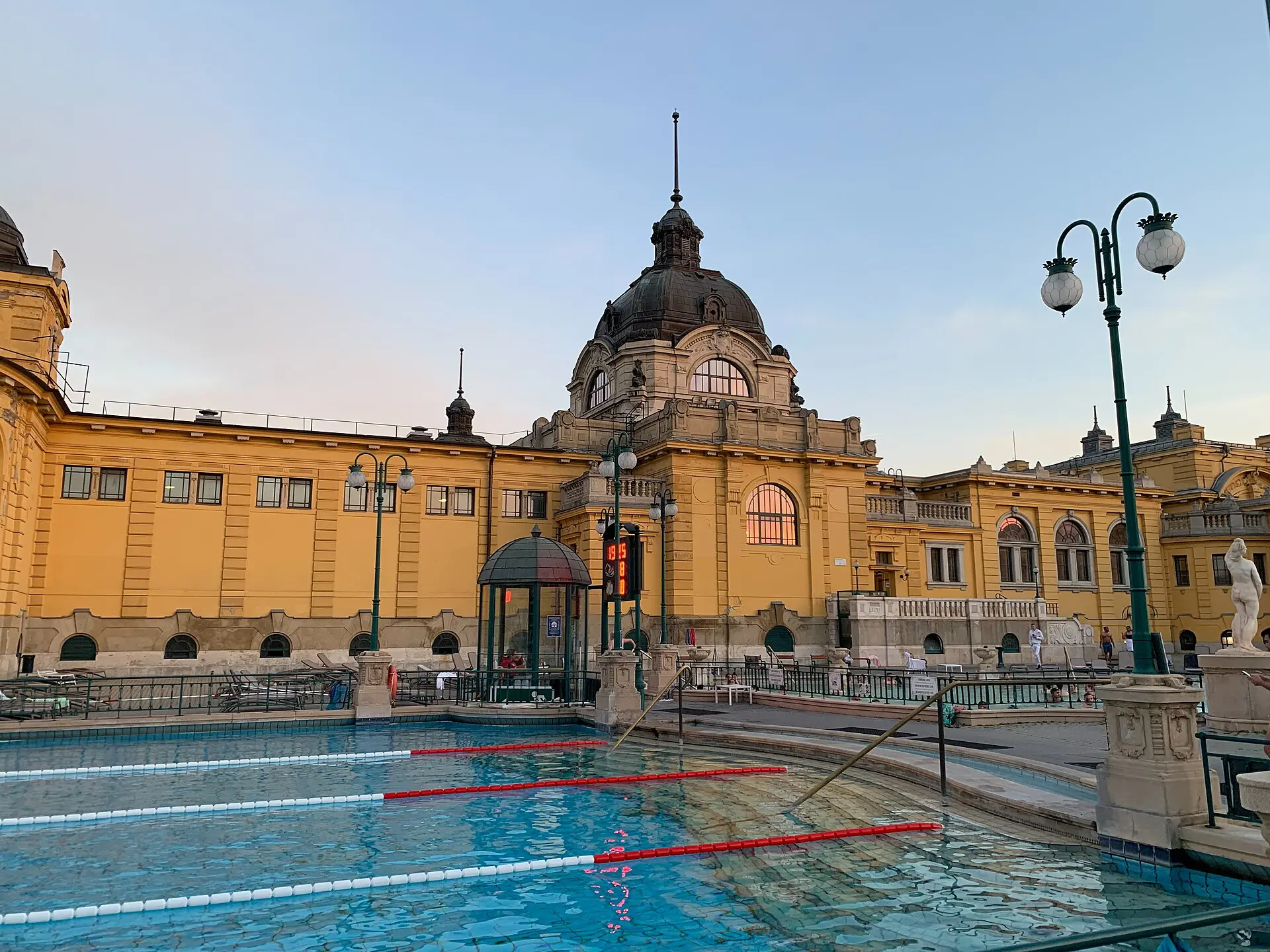
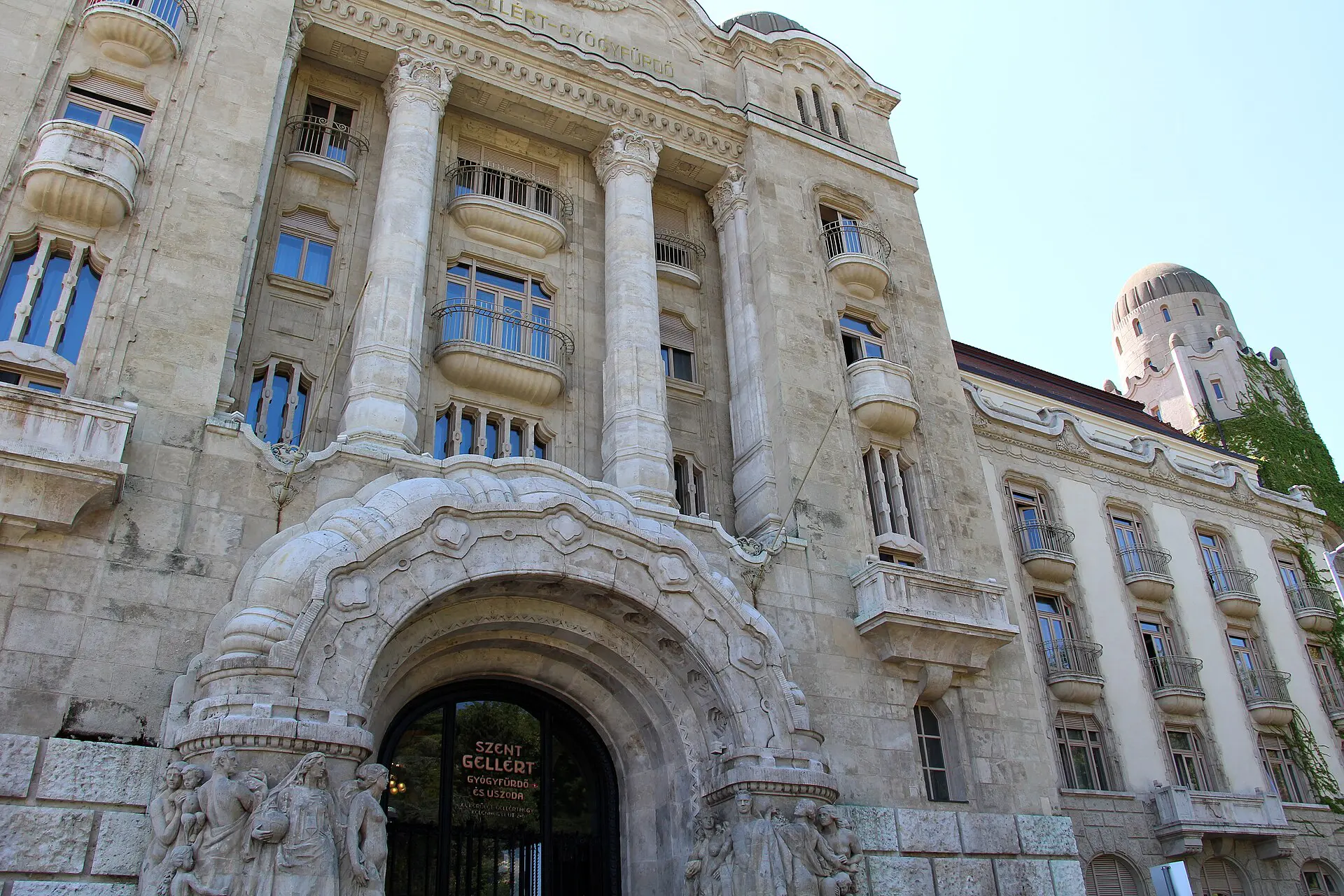
- Soak in a thermal bath: Széchenyi and Gellért are the best known in Budapest; Rudas has an Ottoman-era dome.
- Walk Buda Castle and the Fisherman’s Bastion: go early for river views before the tour groups arrive.
- Tour the Parliament: guided visits include the Holy Crown, and tickets should be booked ahead.
- Cruise the Danube at night: the lit bridges and Parliament look best from the water.
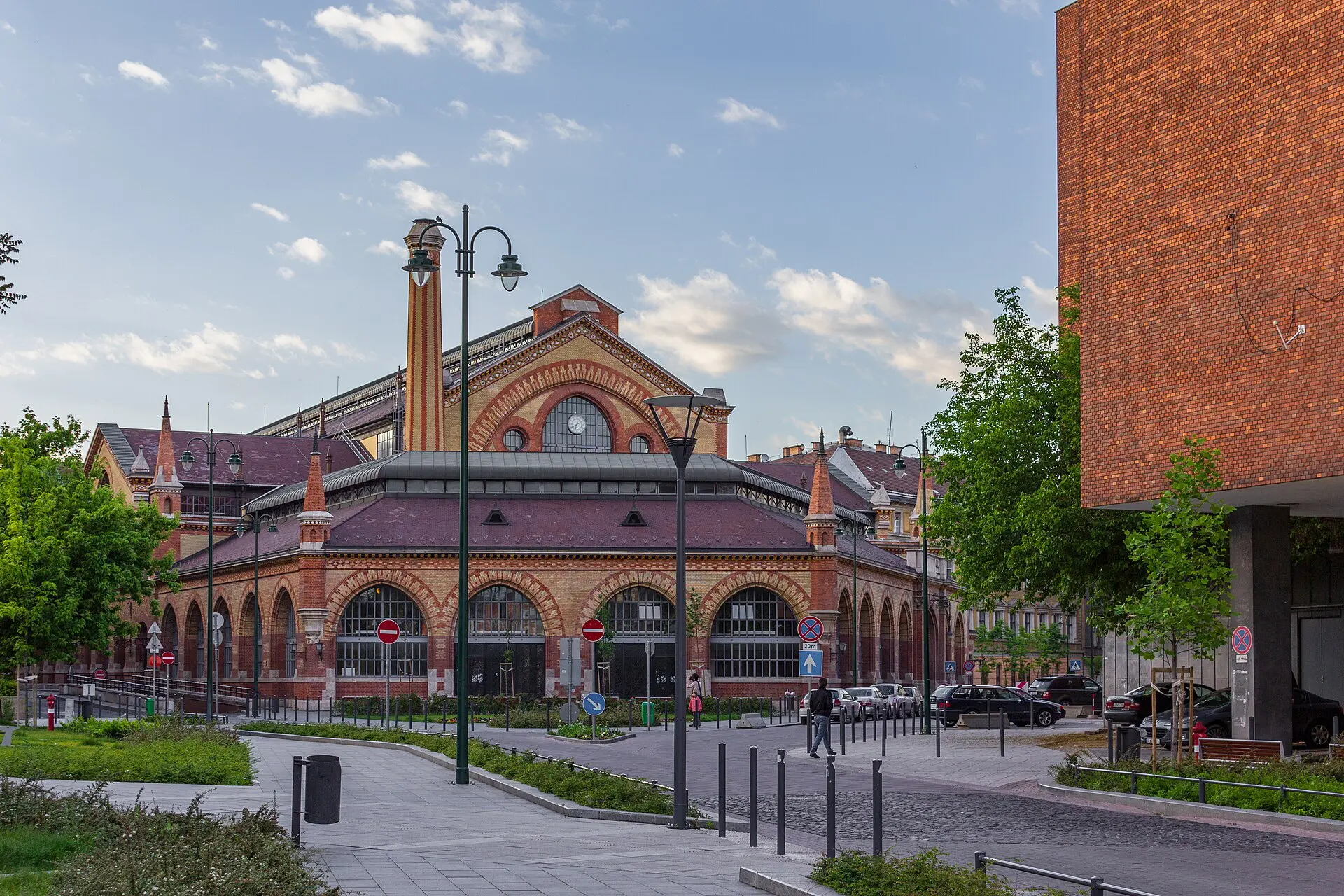
- Visit the Great Market Hall: buy paprika, salami and lángos upstairs.
- Drink in a ruin bar: Szimpla Kert is the original, in a former Pest courtyard building.
- Taste wine in Eger or Tokaj: cellar visits are cheap and usually informal.
- Walk the Shoes on the Danube Bank: a memorial to Jews shot here in 1944-45.
- Cycle or swim at Lake Balaton: the Tihany peninsula and the lakeside paths suit a relaxed day.
- Ride the Children’s Railway: in the Buda Hills, staffed largely by children and a quirky survival of communist-era youth schemes.
- See a horse show at Hortobágy: herdsmen demonstrate traditional riding on the plain.
Best time to visit Hungary
The best time to visit Hungary is April to June and September to October, when days are mild, terraces are open and crowds are manageable. Summers are hot, often above 30 C, and suit Lake Balaton. Winter is cold but brings Christmas markets in Budapest, steaming outdoor baths and low hotel prices.
| Season | Weather | Crowds and prices | Good for |
|---|---|---|---|
| Spring (Apr-Jun) | Mild, some showers | Moderate, rising in May and June | City walking, day trips, Danube cruises |
| Summer (Jul-Aug) | Hot, sometimes 35 C | High on Balaton, busy in Budapest | Lake swimming, festivals, outdoor baths |
| Autumn (Sep-Oct) | Warm to cool, golden light | Falling after September | Wine harvest, cities, hiking |
| Winter (Nov-Mar) | Cold, frost and some snow | Low, except around Christmas | Thermal baths, museums, markets |
Many Lake Balaton attractions and ferries run a reduced timetable from October to April, so check before planning a lakeside stay outside the summer season.
Is Hungary safe to visit?
Yes, Hungary is safe for most visitors, and violent crime against tourists is uncommon. The main problems are pickpocketing on crowded trams and metro lines in Budapest, and overcharging by some taxis and nightlife venues. Check your government’s current travel advice, such as the UK FCDO or US State Department pages, before you travel.
Theft and scams. Watch bags on the Metro line 2, on tram 4 and 6 and in the Great Market Hall. Use a ride-hailing app or a dispatched taxi rather than hailing one on the street. In Budapest bars, check the menu prices first and avoid venues where a stranger invites you for a drink, as inflated bills with pressure to pay are a known scam.
Roads and transport. Hungary applies a zero tolerance rule on alcohol for drivers. Pedestrians should watch for fast trams and cyclists.
Weather and water. Summer heatwaves are strong, and the Danube can flood in spring or early summer, which sometimes closes riverside paths. Tap water is safe to drink. Carry travel insurance, and EU citizens should bring a valid health insurance card.
Visa and entry requirements for Hungary
Entry rules depend on your nationality. Hungary is a member of the Schengen Area, so citizens of many countries, including the US, UK, Canada and Australia, have generally been able to visit visa-free for up to 90 days in any 180-day period. Citizens of EU and Schengen states can enter with a national ID card or passport. Other nationalities need a Schengen visa from a Hungarian embassy or consulate.
Schengen is moving to digital systems, including an entry and exit registration scheme and a pre-travel authorisation for visa-exempt visitors called ETIAS. Dates have shifted several times, so confirm what applies on your travel date with the Hungarian government or EU official sources. Carry a passport valid for at least three months beyond your stay, and keep proof of accommodation and return travel in case you are asked.
Hungary is not in the euro area, so no currency declaration is needed for ordinary amounts, but check limits for cash. The UNESCO page for Hungary is useful for heritage planning but does not cover entry rules.
Getting to and around Hungary
Most visitors arrive at Budapest Ferenc Liszt International Airport, which has many budget and full-service links to European cities. Trains are the other major route: Budapest to Vienna takes roughly two and a half to three hours, and there are services to Bratislava, Prague, Zagreb and Belgrade. Hungary has no sea coast, but the Danube has a passenger boat service to Vienna in the main season.
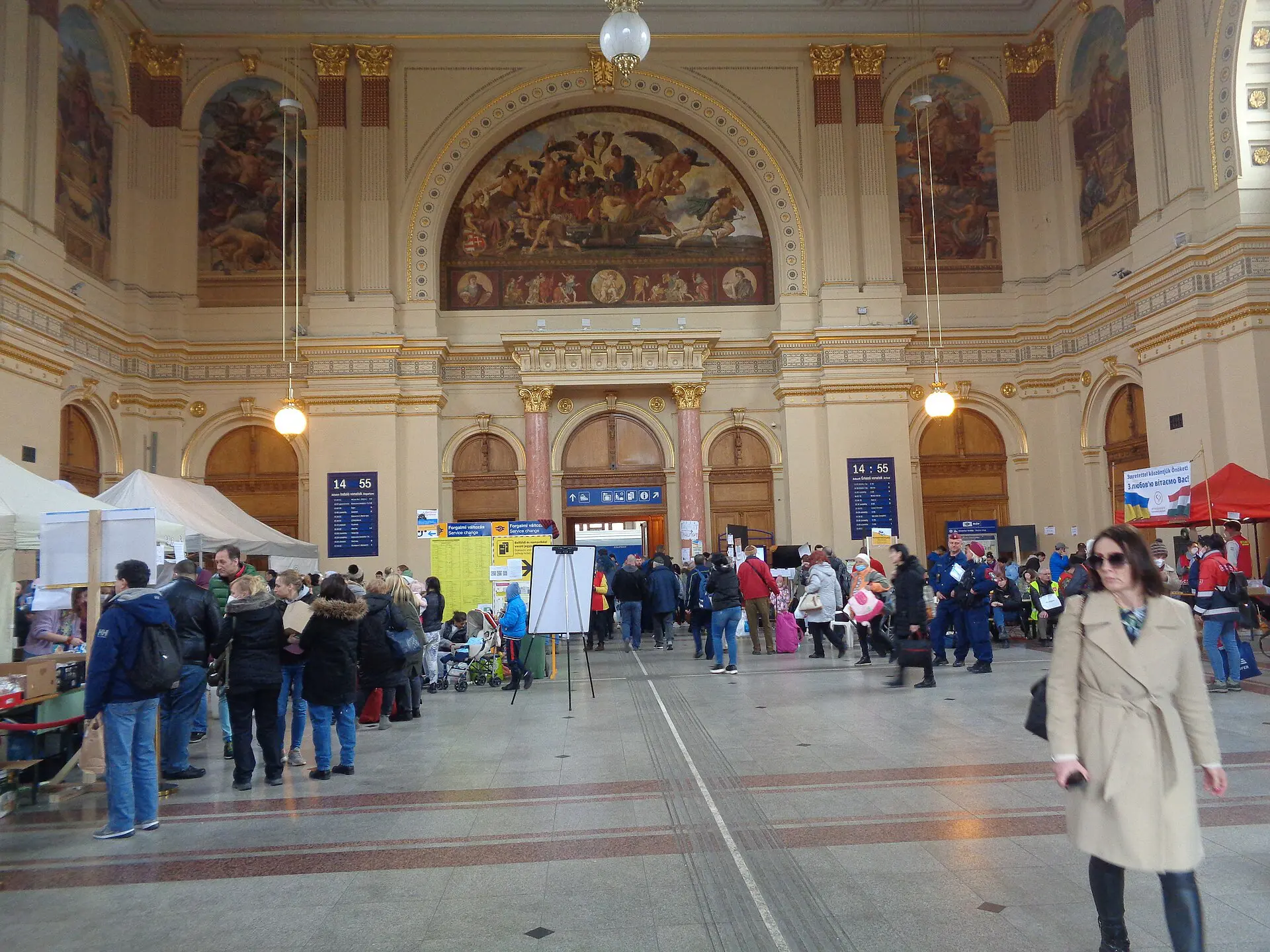
Domestic trains run by the state operator MÁV link Budapest with most towns. Eger takes around two hours, Pécs about three, Szeged around two and a quarter, and Siófok on Lake Balaton about an hour and a half. Intercity buses are cheaper to some places and are the better option where trains are slow. Inside Budapest, the metro, trams, buses and ferries share a ticket system, and a travel card pays off for several days.
Driving is on the right. Motorways need an electronic vignette, which rental firms usually arrange, and you should confirm this when you collect the car. Park outside central Budapest where possible, since public transport is quicker.
How much does a trip to Hungary cost?
Hungary is cheaper than most of Western Europe, with Budapest the most expensive place. The currency is the forint (HUF), not the euro; euros are accepted in some tourist places but at poor rates, so pay in forints. Figures below are rough per-person guides for 2026 and may shift with the exchange rate and inflation.
- Budget: around EUR 40 to 60 per day, with hostel dorms, markets, set lunches and public transport.
- Mid-range: around EUR 60 to 100 per day, with a three-star hotel or apartment, restaurant meals, a bath ticket and day trips.
- High-end: from around EUR 150 per day, with boutique or five-star hotels, tasting menus and private guides.
Accommodation in Budapest drives the budget, especially around the May to September peak and the Christmas period. Food is good value, and a set lunch in a local restaurant is often much cheaper than dinner. Thermal bath entry costs more at weekends and in peak periods, and booking online can save time at the gate.
Hungary food and drink
Hungary food is hearty, built on paprika, lard, sour cream and slow-cooked meat, with a growing modern scene in Budapest. Meals often start with soup and end with pastry.
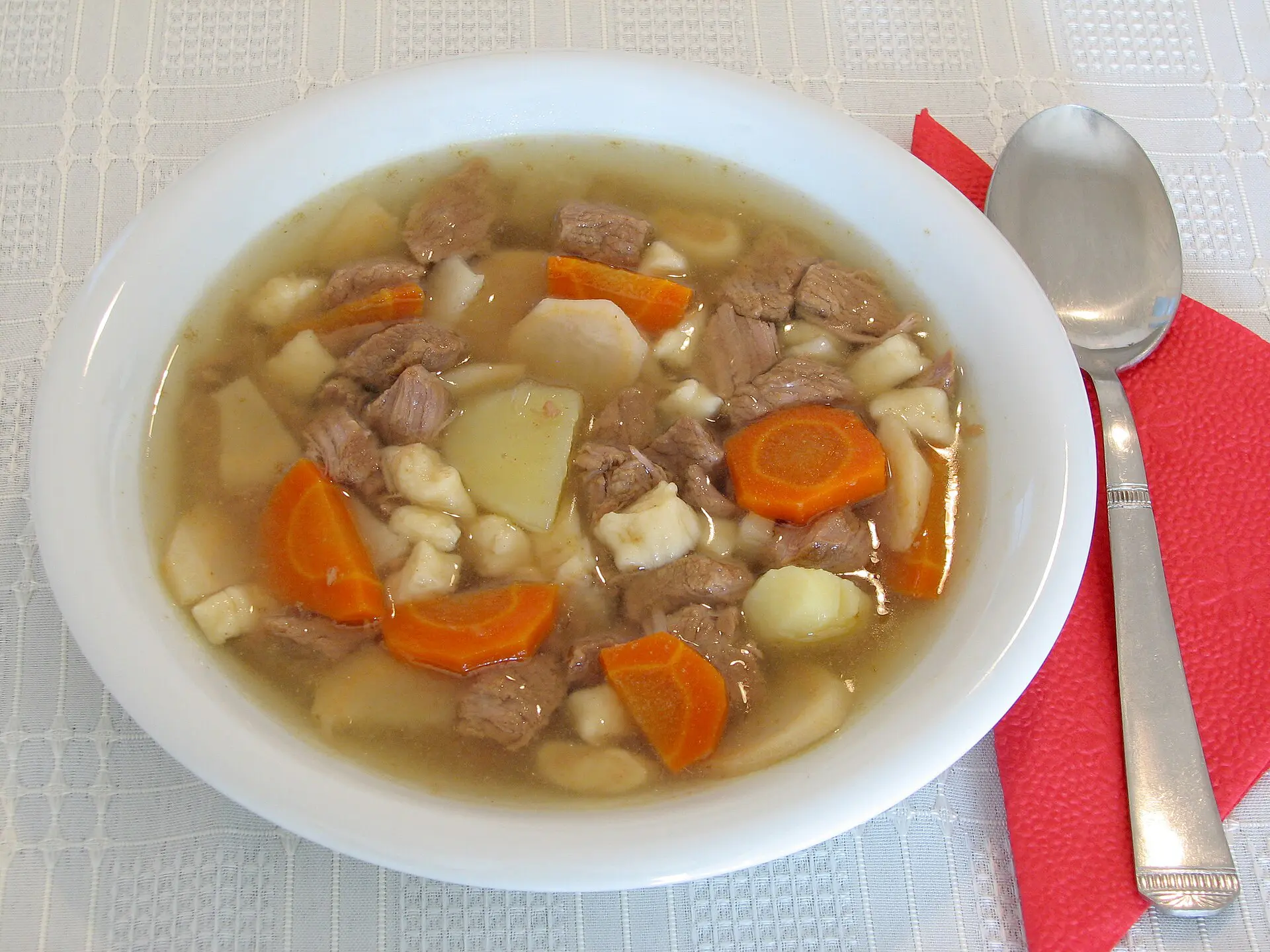
- Gulyás: the national beef and paprika soup, thinner than the stew foreigners call goulash.
- Paprikás csirke: chicken in a paprika and sour cream sauce, served with nokedli dumplings.
- Halászlé: a spicy fish soup from the Danube and Tisza rivers.
- Lángos: deep-fried flatbread topped with sour cream and cheese.
- Töltött káposzta: cabbage rolls stuffed with pork and rice.
- Dobos torta and kürtőskalács: a layered sponge cake and a sugar-coated chimney cake.
- Wine and pálinka: Tokaji Aszú, Egri Bikavér and fruit brandy pálinka.
Eat at a traditional vendéglő or csárda for classic dishes, and visit the Great Market Hall for snacks. Vegetarians can find dishes such as főzelék (vegetable stew) and cheese-filled pasta, but menus lean on meat, so ask before ordering. Gluten-free and vegan options are common in central Budapest.
Culture, language and etiquette in Hungary
Hungarian is the official language and belongs to the Uralic family, not the Indo-European one. Written signs can look hard, but English is widely spoken in Budapest and tourist areas, and German is common in the west. Useful words are köszönöm (thank you), szia (hello, informal) and egészségedre (cheers). Hungarians put the family name first, so István Nagy is Nagy István in Hungarian order.
Greet people with a handshake in formal settings. Hungarians are generally reserved with strangers but warm once introduced. Clinking beer glasses is traditionally avoided, a custom linked to the 1849 executions of generals, though many younger Hungarians do not follow it. Dress modestly in churches, and keep voices down in baths and trams.
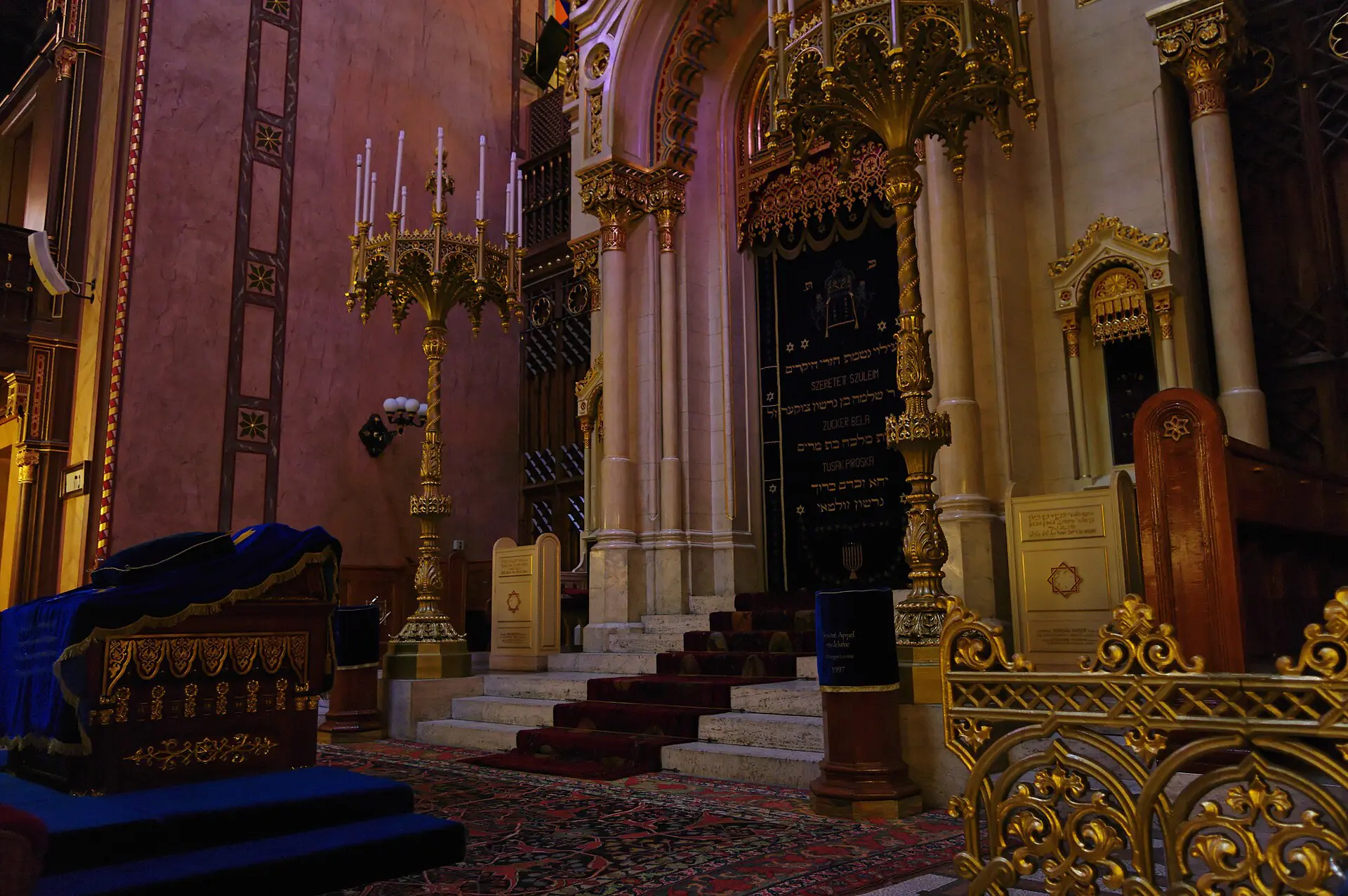
Topics such as the Treaty of Trianon, which cost Hungary much of its historic territory after World War I, and current politics are sensitive. Listen rather than offer opinions. The country is mostly Christian, with a significant secular population and a small, historically important Jewish community, and the Great Synagogue in Budapest is the largest in Europe.
Hungary itinerary: a 7-day route
This route uses Budapest as the main base and travels by train and bus, so no car is needed.
- Day 1, Budapest: arrive, walk along the Danube and see the Parliament from the Pest side.
- Day 2, Buda: visit the Castle District, the Fisherman’s Bastion and the Gellért Hill viewpoint, then rest in a thermal bath.
- Day 3, Pest: tour St Stephen’s Basilica, the Great Market Hall, the Dohány Street Synagogue and a ruin bar in the evening.
- Day 4, Danube Bend: take a train to Szentendre and continue to Visegrád or Esztergom, returning to Budapest.
- Day 5, Eger: travel about two hours by train, climb the castle, then taste wine in the Valley of the Beautiful Women.
- Day 6, Lake Balaton: return via Budapest to Siófok or a northern shore town; visit Tihany Abbey and swim in summer.
- Day 7, return: travel back to Budapest for your flight, allowing two hours for the airport.
With extra days, add Pécs, Tokaj or Hortobágy. In winter, replace Balaton with a second thermal bath and the Christmas markets.
Practical tips for Hungary
- Money: the forint is the currency; cards and contactless payments are accepted almost everywhere in cities. If an ATM or terminal asks to charge you in euros or your home currency, choose forints to avoid poor conversion rates.
- SIM and eSIM: prepaid SIMs and eSIMs are cheap and coverage is good. EU roaming rules apply for EU residents.
- Plugs: types C and F at 230 V, as in much of continental Europe.
- Tipping: about 10 to 15 percent in restaurants; many places add a service charge, so check the bill first.
- Public transport: validate paper tickets before boarding, because inspectors fine visitors for unstamped tickets.
- Health: tap water is safe, pharmacies (gyógyszertár) are common, and EU citizens can use a health insurance card for state care. Bring travel insurance anyway.
- Baths: bring a swimsuit, flip-flops and a towel, or rent them at the entrance. Some baths have mixed and single-sex days.
For wider background, see the Wikivoyage Hungary guide.
FAQ
Q1What is Hungary food like?
Hungary food is rich and paprika-led. Classics include gulyás soup, paprikás csirke with dumplings, halászlé fish soup, fried lángos and cabbage rolls, followed by dobos torta or chimney cake. Wines from Tokaj and Eger and fruit pálinka are common drinks. Vegetarian choices exist but menus favour meat.
Q2What are the best things to do in Hungary?
The best things to do in Hungary are soaking in a Budapest thermal bath, walking Buda Castle and the Danube embankment, touring the Parliament, tasting wine in Eger or Tokaj, visiting Lake Balaton and Szentendre, and eating at the Great Market Hall.
Q3Is Hungary safe?
Yes, for most visitors. Violent crime against tourists is uncommon. Expect pickpockets on trams and in crowded Budapest spots, and watch for overcharging in some bars and taxis. Use a taxi app, check prices before ordering and follow your government's current travel advice.
Q4What is the best time to visit Hungary?
April to June and September to October are best, with mild weather and fewer visitors than in summer. July and August are hot but suit Lake Balaton. Winter is cold, though Christmas markets and outdoor thermal baths make Budapest appealing and cheaper.
Q5Do I need a visa for Hungary?
It depends on your nationality. Hungary is in the Schengen Area, and citizens of many countries can stay up to 90 days in 180 without a visa, while others need a Schengen visa. New EU entry systems are being introduced, so check official sources before you travel.
Q6What are the best places to visit in Hungary?
Budapest is the main draw, followed by Eger for baroque streets and wine, Pécs for Roman and Ottoman history, Lake Balaton for swimming and Tihany, the Danube Bend towns, and Tokaj for sweet wine. Hortobágy suits those who want the Great Plain.
Q7How many days do you need in Hungary?
Three days cover the main sights of Budapest. Seven days allow Budapest plus Eger, the Danube Bend and Lake Balaton at a steady pace by train. Add two to three days for Pécs, Tokaj or the Hortobágy plains if you have time.