Why visit Czech Republic
The best things to do in Czech Republic (also called Czechia, the short official name) include some of the best-preserved medieval and baroque towns in central Europe, with a long record of castle building, brewing and music (see the Wikipedia overview for background). Prague, the capital, is the main draw, but the country is small enough that Bohemia and Moravia can be explored by train in a few days.
The Czech Republic suits travellers who want culture, history and good food at fair prices, without long distances. It works for couples, families, solo travellers, architecture fans and anyone interested in beer and wine. It is less suited to beach holidays, since it is landlocked, and Prague’s centre is crowded in summer. Outside Prague, prices fall and the pace slows noticeably.
Best places to visit in Czech Republic
The best places to visit in Czech Republic are close together, so most are easy day trips or short stays.
Prague
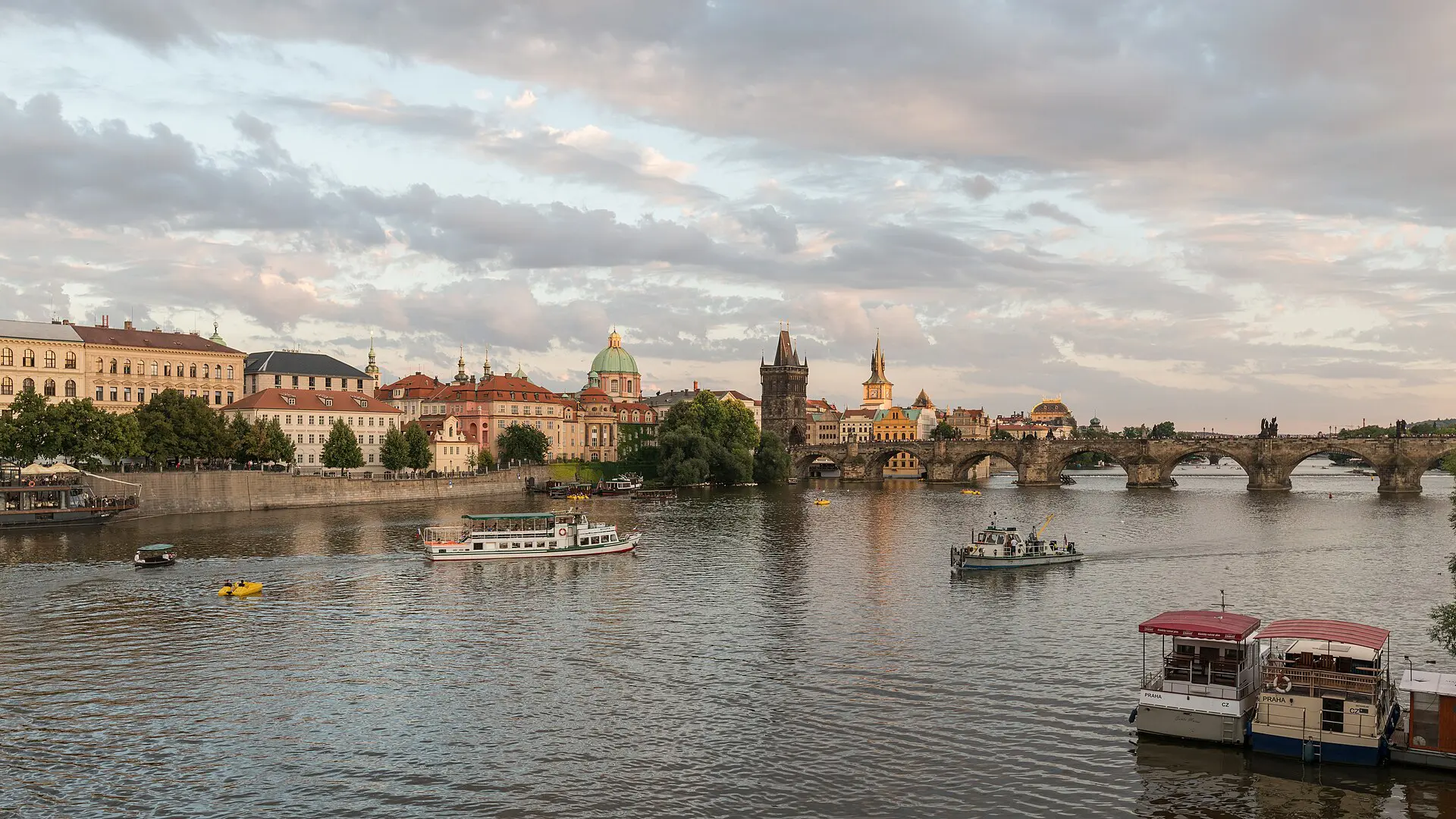
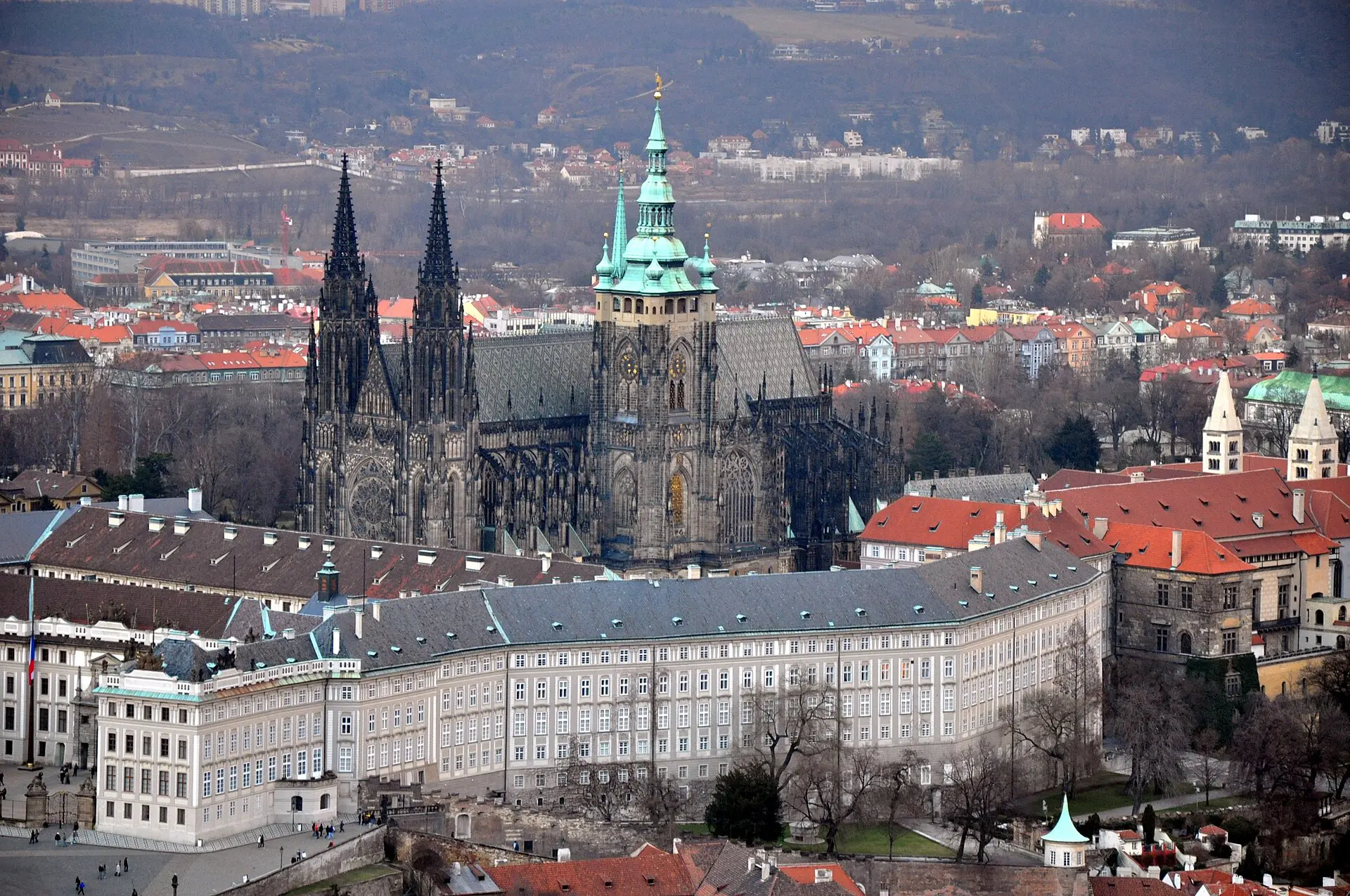
Prague has a medieval Old Town, a castle complex above the river, the Charles Bridge and Jewish Quarter. Allow at least three nights. Visit the main sights early in the morning to avoid crowds.
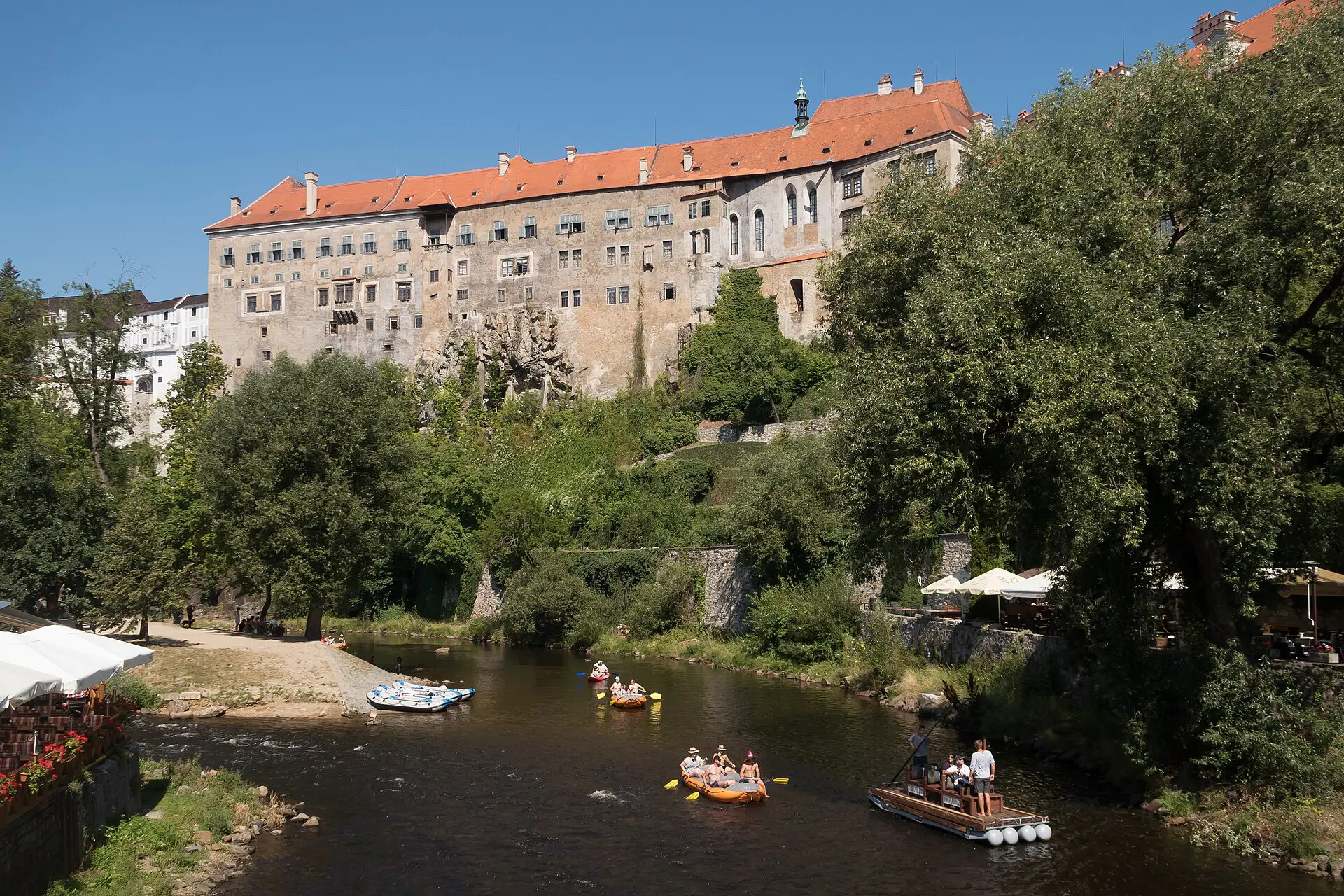
Český Krumlov
This UNESCO town in South Bohemia is wrapped in a bend of the Vltava, with a large castle and a baroque theatre. It is about three hours from Prague by bus.
Kutná Hora
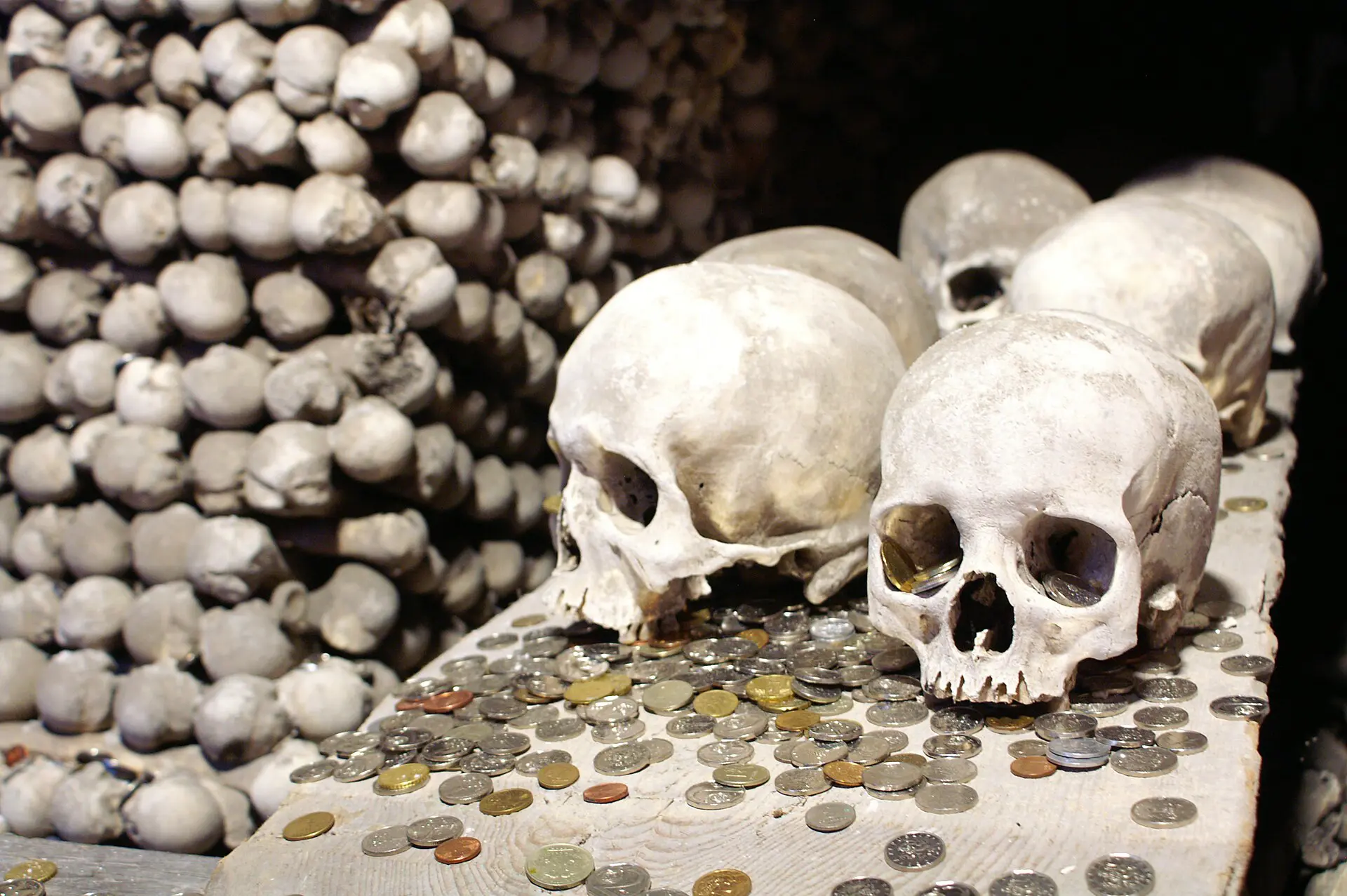
A former silver-mining town, about an hour from Prague, with a Gothic cathedral and the Sedlec Ossuary, a chapel decorated with human bones.
Brno
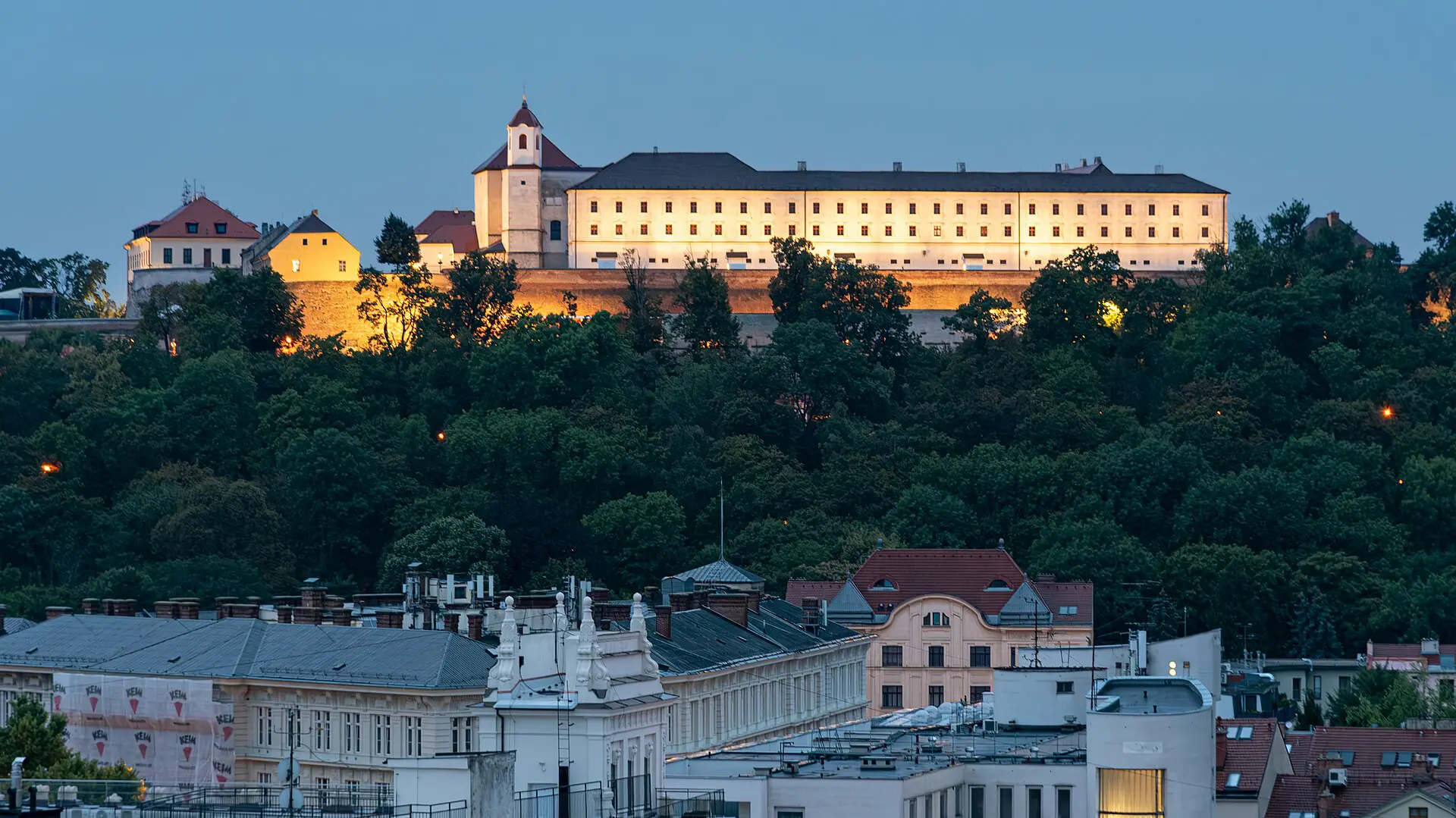
The Moravian capital is a student city with a hilltop castle, modernist villas and a strong café and wine bar scene.
Karlovy Vary
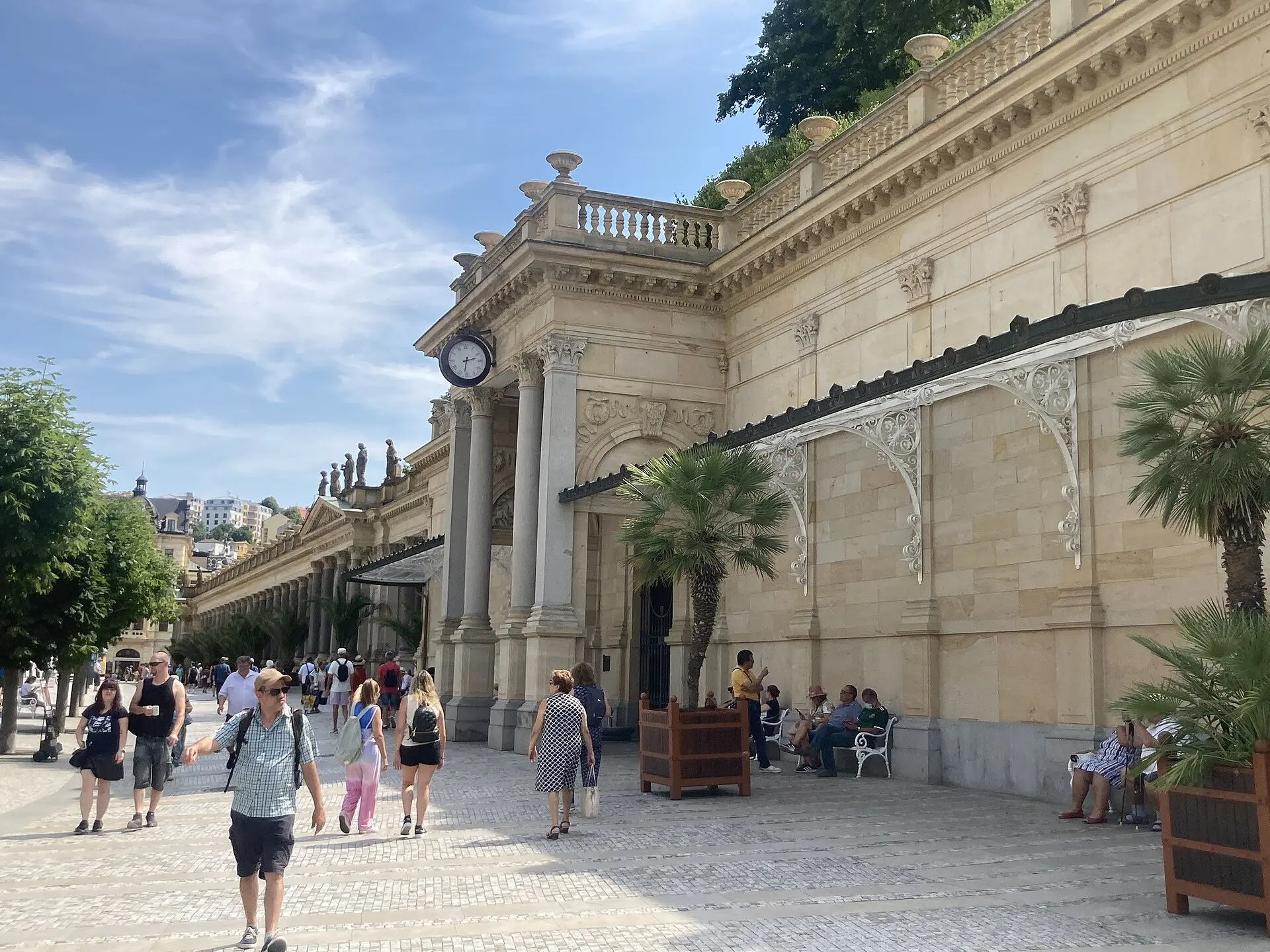
The best-known of the western spa towns, with colonnades, hot springs and a film festival each summer.
Olomouc
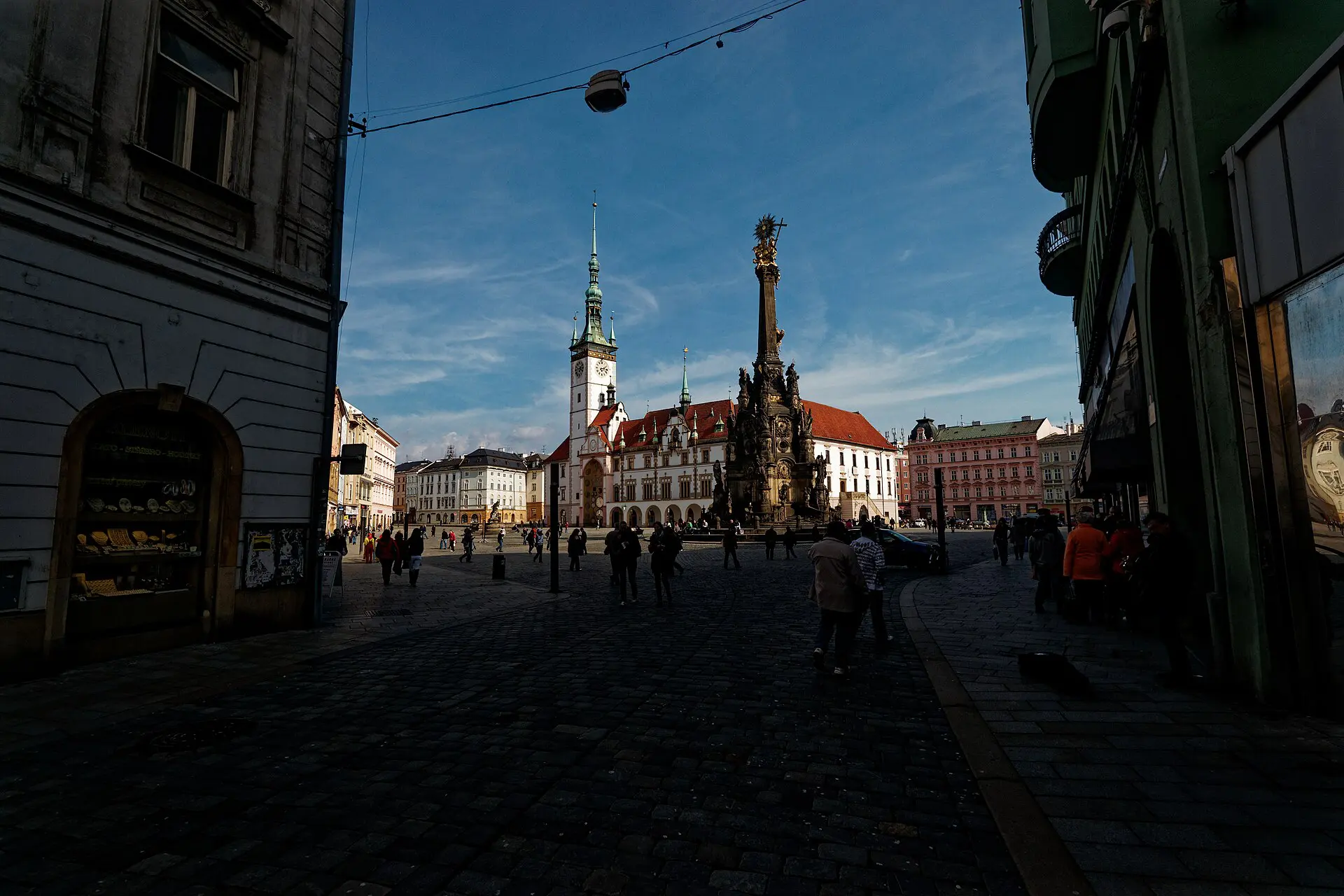
A quieter university city with a Holy Trinity Column and baroque squares, often chosen by visitors who want a calmer alternative to Prague.
Top things to do in Czech Republic
The top things to do in Czech Republic combine history, architecture and food, with many sights inside walking distance in the cities.
- Walk the Charles Bridge at sunrise: early morning is the quietest time for the statues and river views.
- Tour Prague Castle: the complex includes St. Vitus Cathedral, the Old Royal Palace and Golden Lane.
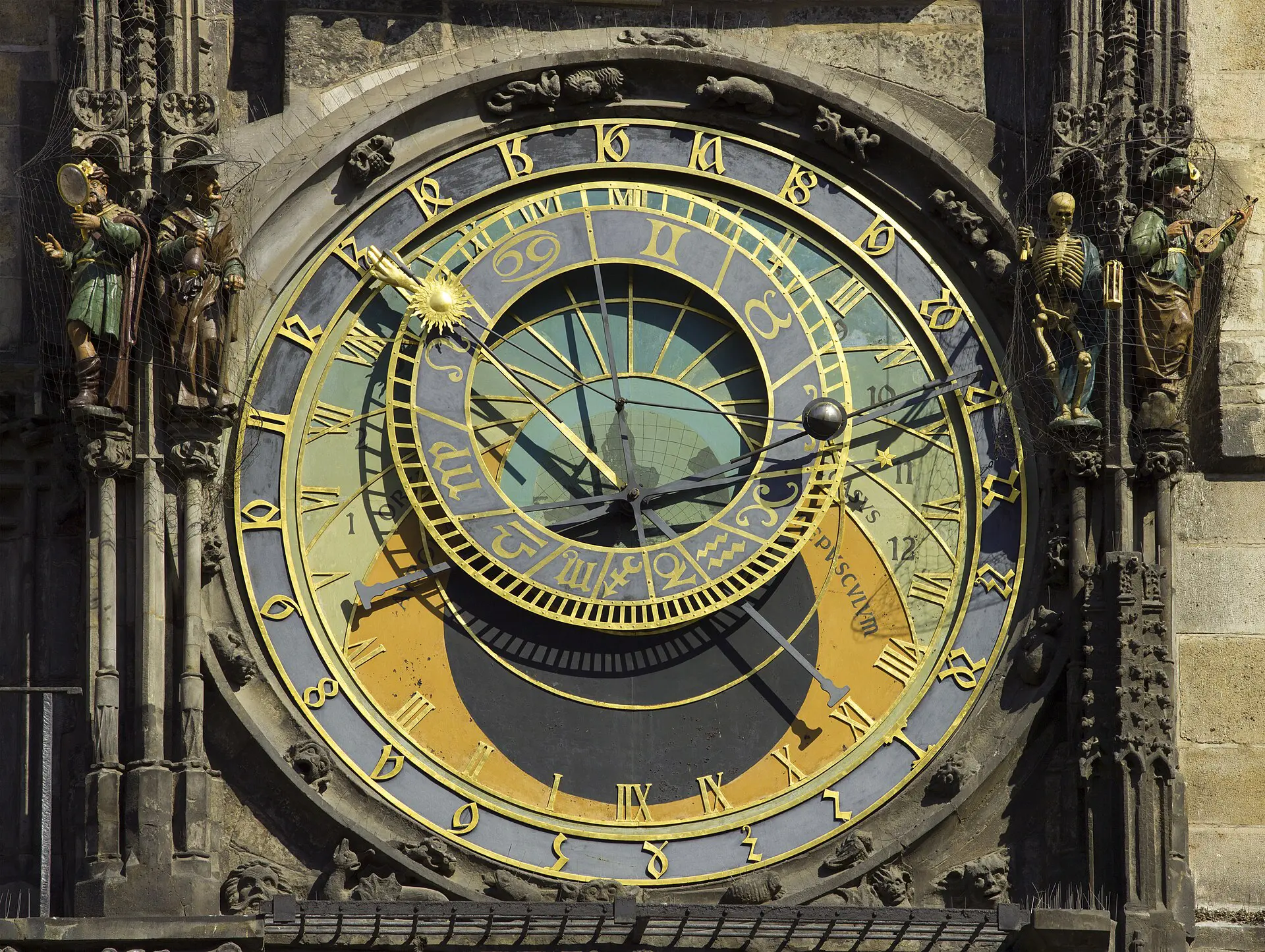
- Watch the Astronomical Clock: the medieval clock in Old Town Square performs on the hour.
- Visit the Sedlec Ossuary: an unusual chapel in Kutná Hora furnished with thousands of skeletons.
- Take the waters at Karlovy Vary: sip from the hot springs using the traditional spouted cups.
- Tour a brewery in Plzeň: Pilsner Urquell offers tours with cellar tastings in the home of pilsner beer.
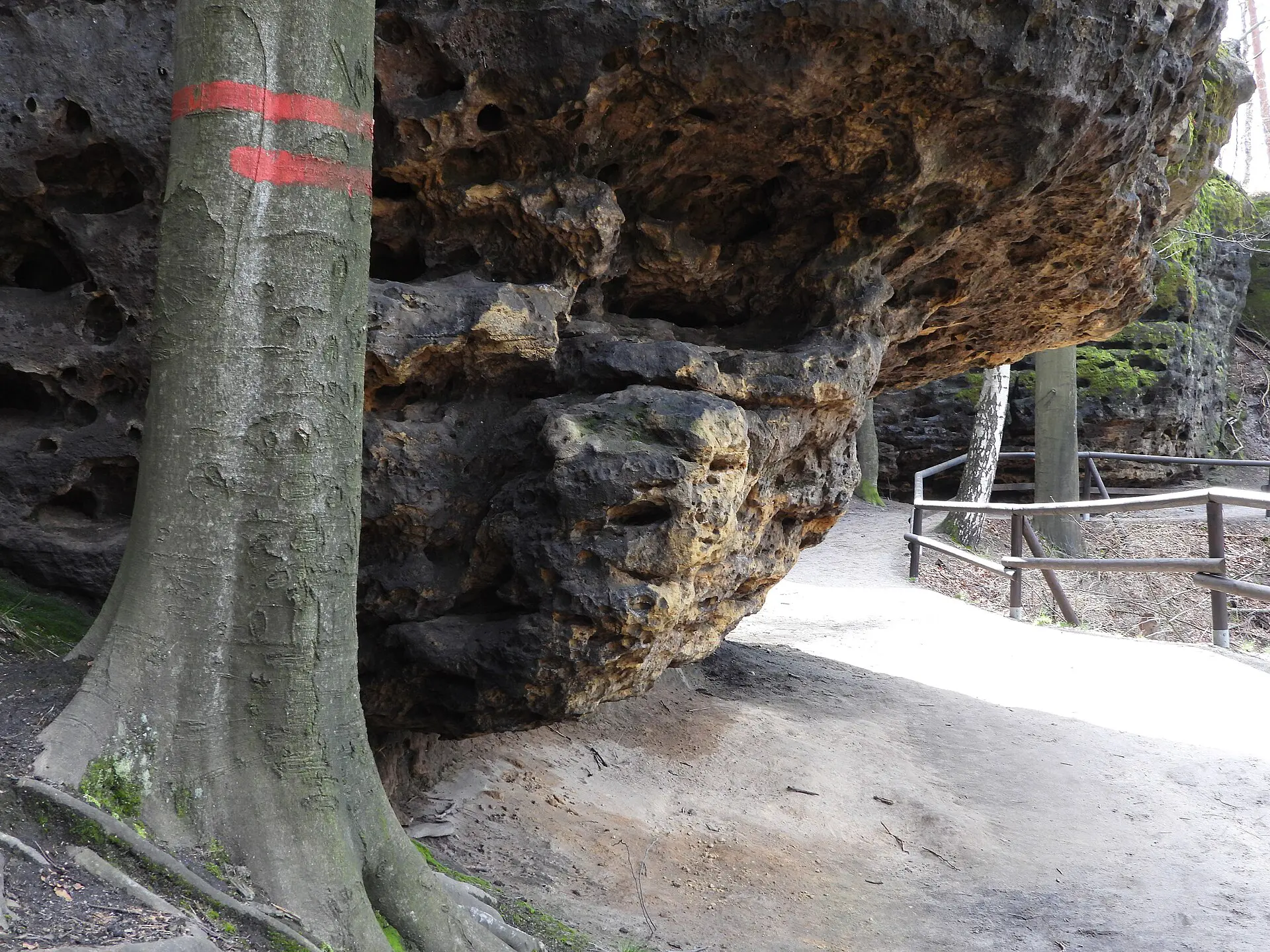
- Hike in Bohemian Switzerland: sandstone rock towers, gorges and the Pravčice Gate arch.
- Explore Brno’s Villa Tugendhat: a UNESCO-listed modernist house, usually booked in advance.
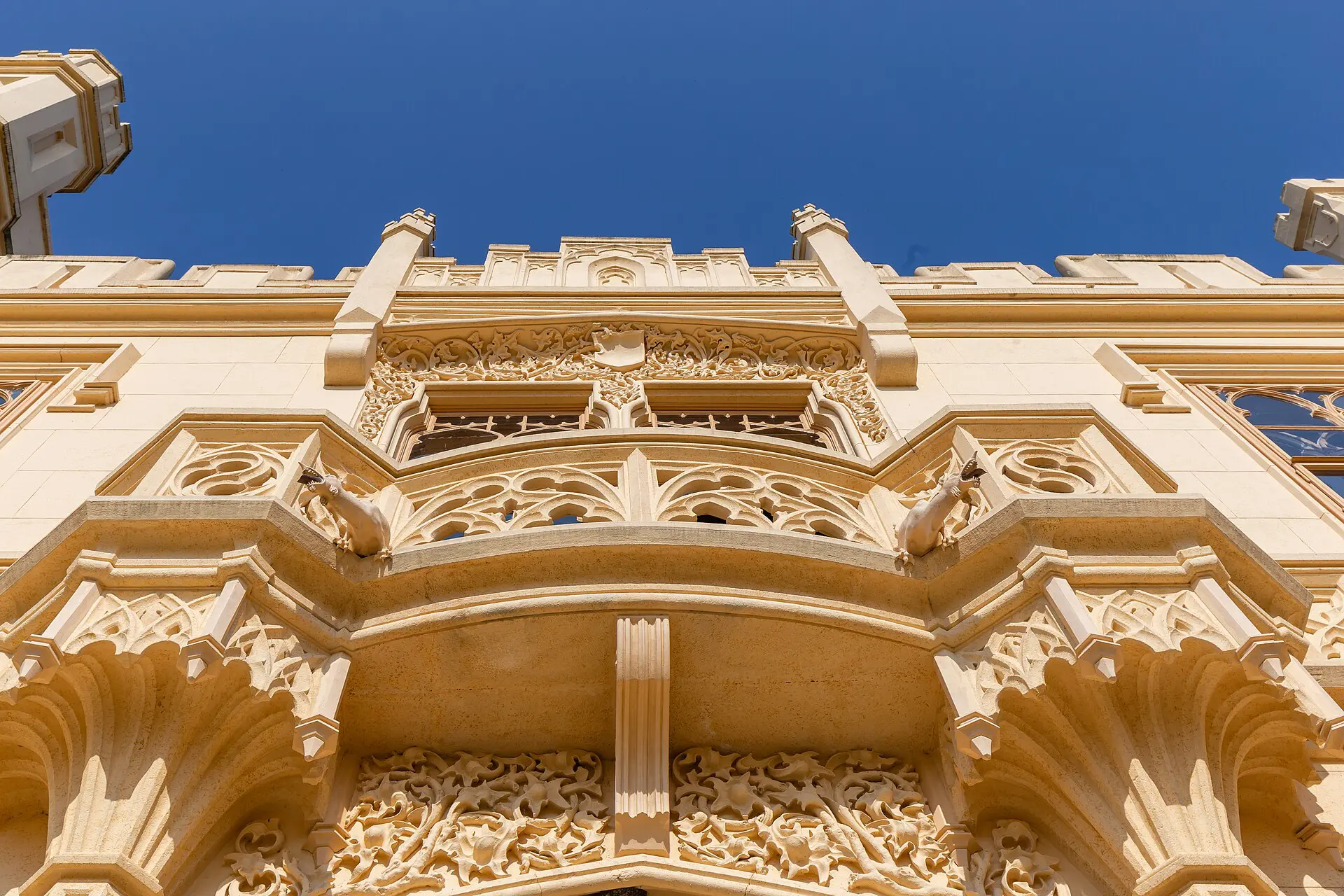
- Tour a castle: Karlštejn, Konopiště and Hluboká are popular day trips from Prague or Brno.
- Taste Moravian wine: cellars around Mikulov and Valtice offer tastings and cycling routes.
Best time to visit Czech Republic
The best time to visit Czech Republic is May to June and September to October, when days are mild, gardens and vineyards are at their best and crowds are manageable. July and August are warm and busy in Prague, and December has Christmas markets, though it is cold and dark early. Winters can be below freezing, with snow in the mountains.
| Season | Weather | Crowds and prices | Good for |
|---|---|---|---|
| Spring (Apr-Jun) | Cool to warm, some rain | Moderate, rising in May | City sightseeing, gardens, castles |
| Summer (Jul-Aug) | Warm to hot, 22-30 C, storms | Highest in Prague | Day trips, beer gardens, hiking |
| Autumn (Sep-Oct) | Mild, colourful foliage | Falling | Wine harvest, hiking, culture |
| Winter (Nov-Mar) | Cold, often 0 C or below, snow in hills | Low, except Christmas and New Year | Christmas markets, concerts, spas |
Check opening hours outside summer, as some castles and sites close or reduce tours between November and March.
Is Czech Republic safe to visit?
Yes, Czech Republic is safe for most visitors, and violent crime against tourists is rare. The most common problems are pickpocketing in Prague’s busiest areas, overcharging by some taxis and currency exchange booths, and occasional rowdy behaviour in nightlife districts. Check your government’s current travel advice, such as the UK FCDO or US State Department pages, before you book.
Theft. Pickpockets work crowded trams, the Charles Bridge and Old Town Square. Keep your bag zipped and in front, and do not leave a phone on a café table.
Taxis and exchange. Use a ride-hailing app or a taxi booked by phone rather than street hails. Avoid street exchange booths with poor rates, and use ATMs from banks or exchange at a bank.
Nightlife. Drinks are cheap, and some bars add charges or offer spiked drinks to tourists, so choose well-reviewed places and watch your drink.
Weather and health. Winter ice and snow can make pavements slippery. Tick-borne encephalitis exists in some forests, so consider vaccination and wear long trousers when hiking in summer. Tap water is safe to drink.
Visa and entry requirements for Czech Republic
The Czech Republic is part of the Schengen Area, so Schengen rules apply. Citizens of the UK, US, Canada, Australia and many other countries have generally been able to enter without a visa for up to 90 days in any 180-day period, but this depends on your passport, so confirm the current rule with the Czech Ministry of Foreign Affairs or your nearest embassy.
Your passport should be valid for at least three months after your planned departure, and you may be asked for proof of accommodation, return travel and funds. The EU has been introducing a digital Entry/Exit System, and a travel authorisation called ETIAS is planned for visa-exempt travellers, so check official EU sources for the current status before you travel.
Internal border checks between Schengen countries are normally absent, though they can be reintroduced temporarily, so carry your passport on trips to Germany, Austria, Poland or Slovakia. The UNESCO page for the Czech Republic lists World Heritage sites to plan around, though it does not cover entry rules.
Getting to and around Czech Republic
Most visitors fly into Václav Havel Airport Prague, which has links to many European cities, while Brno, Ostrava and Karlovy Vary have smaller airports. Long-distance trains and buses link Prague to Berlin, Vienna, Budapest, Dresden and Munich, with the Prague-Vienna and Prague-Berlin trains taking around four to six hours.
Czech trains and buses are reliable, frequent and cheap by Western European standards. Regional operators and national rail run to most towns, and you can buy tickets online or at stations. Prague to Brno takes about two and a half hours, Prague to Plzeň about an hour and a half, and Prague to Kutná Hora about an hour. Český Krumlov is best reached by bus in around three hours.
In Prague, the metro, trams and buses share one ticket system and are efficient, so a car is not needed. Outside the capital, a rental car helps for castles and rural areas. Driving is on the right, motorways require a digital vignette, and drink-driving limits are zero, so avoid alcohol before driving.
How much does a trip to Czech Republic cost?
The Czech Republic still uses its own currency, the Czech koruna (CZK), not the euro. Prices are lower than in Western Europe, particularly outside Prague, though Prague’s centre has risen in recent years. Figures below are rough per-person guides for 2026.
- Budget: around CZK 1,500 to 2,500 per day, with hostel beds or simple rooms, bakery and pub meals, and public transport.
- Mid-range: around CZK 2,500 to 4,500 per day, with a hotel room, restaurant meals, local transport and sightseeing tickets.
- High-end: from around CZK 6,000 per day, with boutique hotels, fine dining and private tours.
Accommodation is the main variable, and Prague prices rise in summer, at Christmas and New Year. Beer in a local pub is often cheaper than water or soft drinks in tourist areas. Castle tours, public transport and train tickets are inexpensive. Avoid tourist-trap restaurants around Old Town Square, where prices and quality are poorer.
Czech Republic food and drink
Czech Republic food is hearty, built on meat, dumplings, sauces and cabbage, designed for cold weather and beer. Lunch menus (denní menu) at local restaurants are the best-value meal.
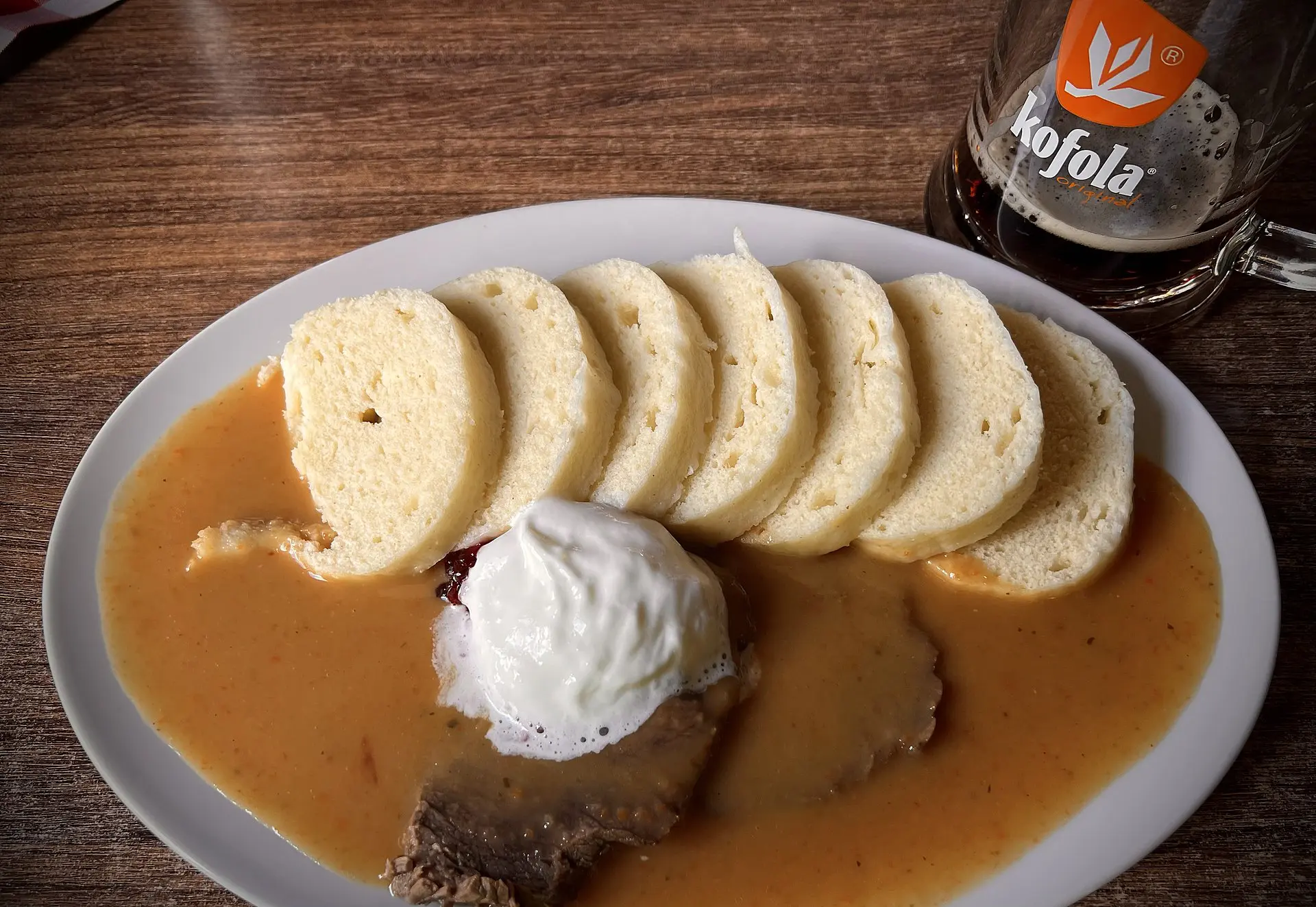
- Svíčková: beef sirloin in a creamy root-vegetable sauce with bread dumplings and cranberries.
- Vepřo knedlo zelo: roast pork with dumplings and sauerkraut, often called the national dish.
- Guláš: a thick beef stew in paprika sauce served with dumplings or bread.
- Smažený sýr: breaded and fried cheese, served with tartar sauce and chips.
- Chlebíčky: small open-faced sandwiches sold in delis.
- Trdelník: a sweet rolled pastry sold to tourists in Prague, but not a traditional Czech dish.
- Beer and spirits: pilsner lagers from Plzeň and České Budějovice, plus Becherovka herbal liqueur and Moravian wine.
Vegetarians can find fried cheese, mushroom dishes and dumplings, though most traditional dishes include meat. Pubs, called hospoda, serve food and beer, and beer is often cheaper than soft drinks.
Culture, language and etiquette in Czech Republic
Czech is the official language, and English is widely spoken in Prague and by younger people. German is understood in border regions. Useful words include dobrý den (good day), prosím (please) and děkuji (thank you). Slovak is closely related and widely understood.
Czechs can seem reserved at first, but are friendly and dry-humoured once conversation starts. The Czech Republic is one of the least religious countries in Europe, though churches are active. Dress modestly in cathedrals and monasteries, and respect quiet hours in apartments.
Say hello when entering a small shop or restaurant, and goodbye when leaving. Remove shoes if invited to a Czech home. Wait to be seated in traditional restaurants, and share tables in busy pubs, asking before you sit. Pay at the table rather than at the counter. Tip about 10 percent by rounding up. Avoid joking about the communist period or the Velvet Revolution, since many families have personal memories of both.
Czech Republic itinerary: a 7-day route
This route uses trains and buses, and covers Bohemia and Moravia with minimal backtracking.
- Day 1, Prague: arrive, walk the Old Town and the Charles Bridge, and eat in a local pub.
- Day 2, Prague: tour Prague Castle in the morning, then see the Lesser Town and the Jewish Quarter.
- Day 3, Kutná Hora: take a train of about an hour, visit the ossuary and cathedral, and return to Prague.
- Day 4, Český Krumlov: travel about three hours south by bus, and explore the castle and old town.
- Day 5, Brno: take a bus or train via České Budějovice, roughly four hours, and spend the evening in the centre.
- Day 6, Olomouc or Moravian wine country: take a day trip to Olomouc, about an hour and a half, or to Mikulov for wine tasting.
- Day 7, return: allow about two and a half hours back to Prague by train for your flight.
With more time, add Karlovy Vary and Plzeň in the west or Bohemian Switzerland for hiking. In winter, replace the wine day with Christmas markets and a spa.
Practical tips for Czech Republic
- Money: the koruna is the currency, and cards and contactless payments are widely accepted. Withdraw from bank ATMs and decline dynamic currency conversion, which gives poor rates.
- SIM and eSIM: prepaid SIMs and eSIMs are cheap, with good coverage. EU roaming rules apply to EU residents.
- Plugs: types C and E at 230 V, as in most of continental Europe.
- Tipping: not required, but rounding up or about 10 percent in restaurants is customary. Say the total you want to pay when handing over cash.
- Health: bring insurance, and consider tick protection for forest hikes. EU visitors can use their health card, and others need insurance. Pharmacies are plentiful.
- Packing: comfortable shoes for cobbled streets, a warm layer from October to April and a rain jacket in any season.
- Booking: reserve Prague hotels early for summer and December, and book Villa Tugendhat and castle tours ahead.
For wider background, see the Wikivoyage Czech Republic guide.
FAQ
Q1What is Czech Republic food like?
Czech Republic food is hearty and meat-centred. Try svíčková with dumplings, roast pork with sauerkraut, guláš, fried cheese and chlebíčky. Beer is central, and lunch menus at local pubs and restaurants offer the best value. Vegetarian choices exist but are limited.
Q2What are the best things to do in Czech Republic?
Top picks are walking Prague's Old Town and Charles Bridge, touring Prague Castle, visiting Kutná Hora's ossuary, exploring Český Krumlov, tasting pilsner in Plzeň, taking the waters in Karlovy Vary and hiking in Bohemian Switzerland.
Q3Is Czech Republic safe?
Yes, for most visitors. Violent crime is rare. The main issues are pickpockets in Prague's tourist areas, taxi and exchange-booth overcharging and bar scams. Use ride-hailing apps, keep valuables secure and check your government's current travel advice.
Q4What are the best things to do in Czechia besides Prague?
Český Krumlov, Kutná Hora, Brno, Olomouc, Karlovy Vary and Bohemian Switzerland are the best Czechia alternatives. Add Moravian wine villages and castle tours, all reachable by train or bus within a few hours of Prague.
Q5What is the best time to visit Czech Republic?
May to June and September to October are best, with mild weather and fewer crowds than summer. December suits Christmas markets, though it is cold. July and August are warm and busy in Prague, and winters can be freezing.
Q6How many days do you need in Czech Republic?
Seven days covers Prague, Kutná Hora, Český Krumlov, Brno and Olomouc by train or bus at a steady pace. Three or four days is enough for Prague and one or two day trips. Add days for Karlovy Vary or hiking.
Q7Do I need a visa for Czech Republic?
It depends on your nationality. The Czech Republic is in the Schengen Area, and many travellers can enter visa-free for up to 90 days in any 180. New EU entry systems and ETIAS are being phased in, so confirm current rules with official sources.