
Why visit Brno
If you are looking for things to do in Brno, the city rewards curiosity more than a checklist. It is the second-largest city in the Czech Republic, with roughly 400,000 inhabitants, and it has served as the cultural and political heart of Moravia for centuries, until 1948.
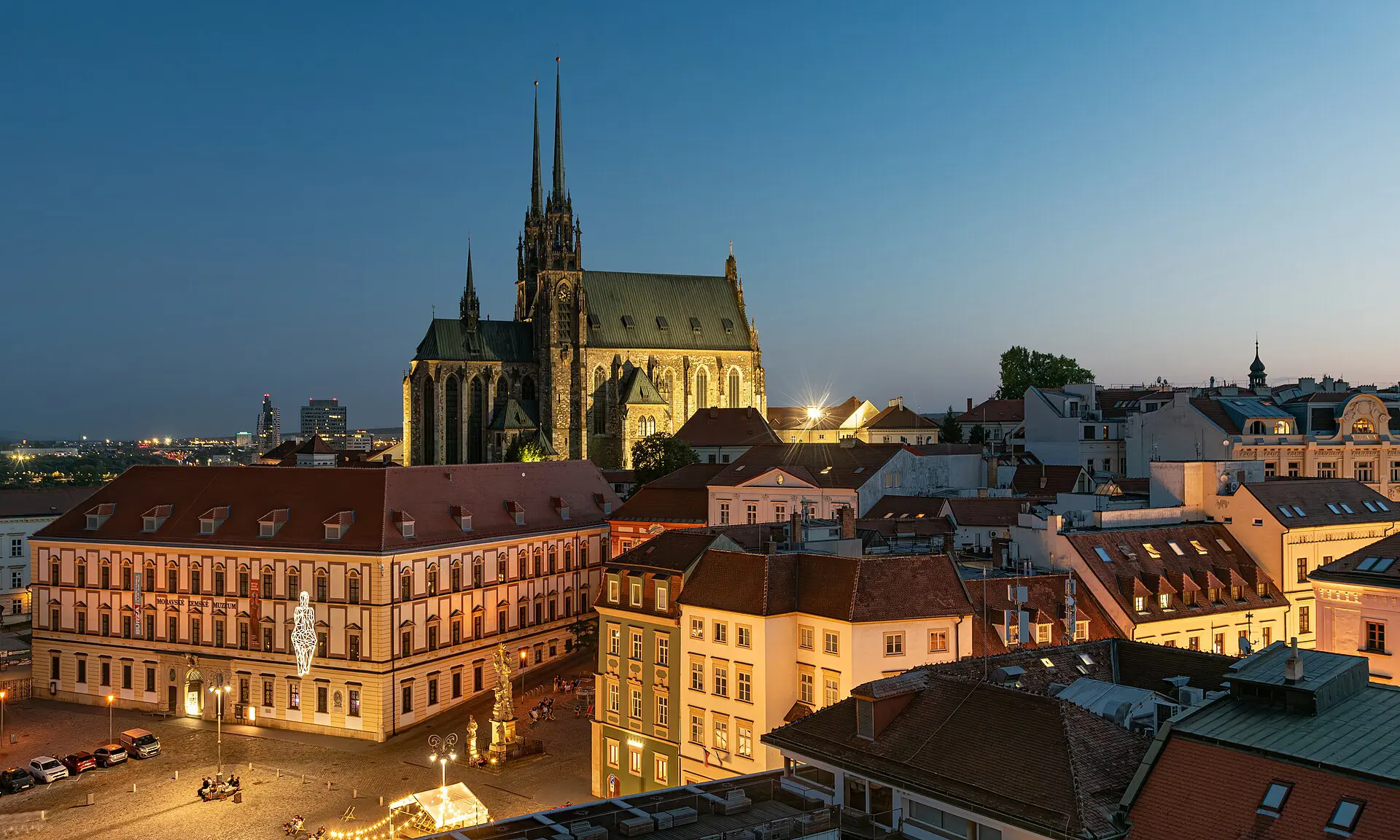

Brno sits at the confluence of the Svitava and Svratka rivers, between South Moravian vineyards and the Moravian Karst. Its centre mixes Gothic, Baroque and modernist buildings, and a large student population, with ten universities, gives it a lively cafe and bar scene.
The city is also a centre of the Czech judiciary and has one of Europe’s larger exhibition centres. For visitors it offers a compact old town, a hilltop castle, excellent coffee and a more relaxed pace than Prague. It makes a good two- or three-day stop on a Central European route, or a base for wine country.
Top things to do in Brno
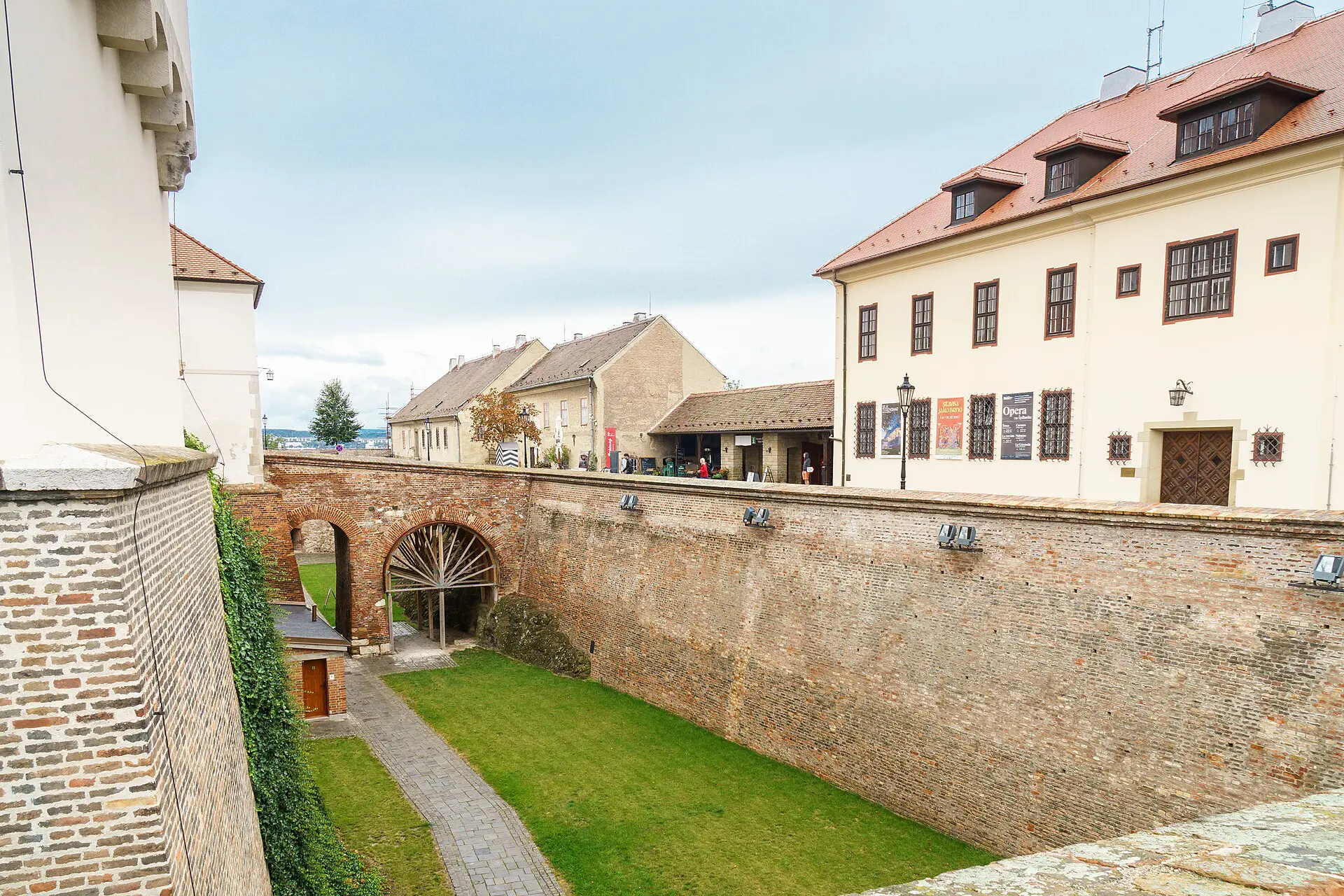

Climb to Špilberk Castle
This hilltop fortress overlooks the old town and has served as a castle and a prison across its history. Allow two hours for the exhibitions, the casemates and the views. Opening hours and ticket options change, so check before you go. Walk up through the park for the best approach.
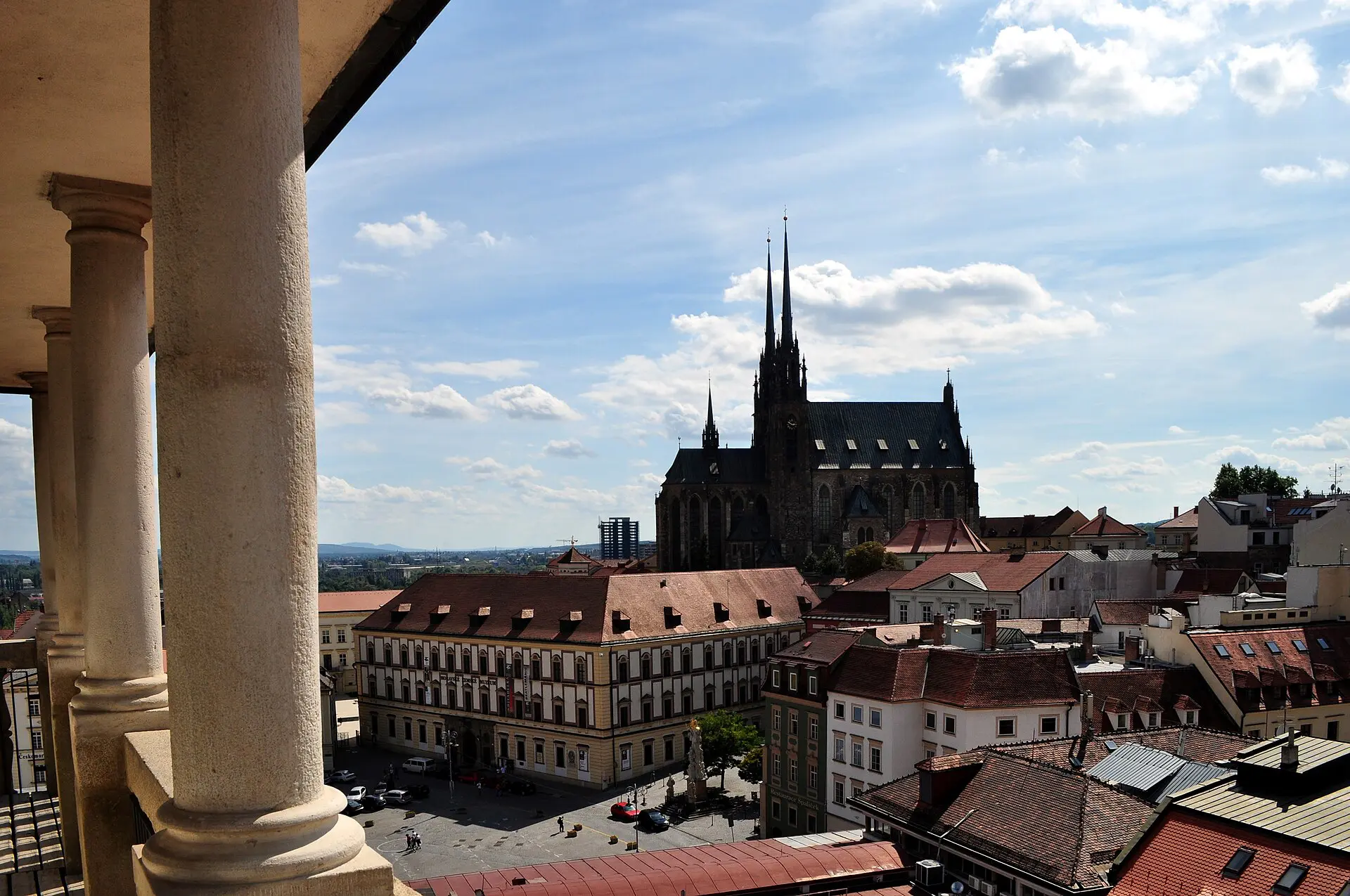
See the Cathedral of St Peter and Paul
The cathedral stands on Petrov hill and dominates the skyline. Allow 30 to 60 minutes. Check access to the towers if you want a view over the roofs, and avoid service times for a quiet look inside.
Walk the old town and squares
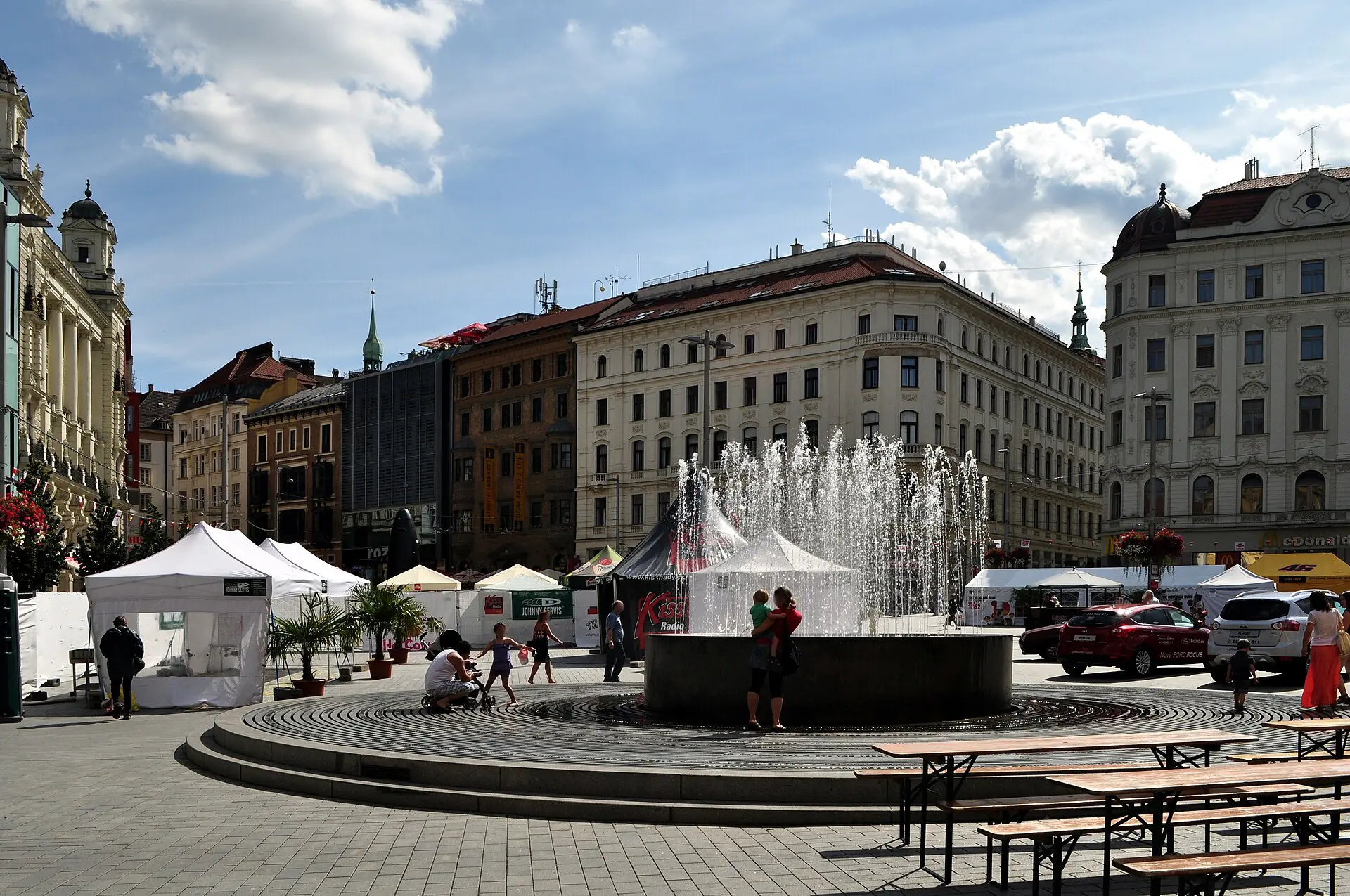
The historic centre is compact and best explored on foot. Allow half a day for Zelný trh (the Cabbage Market), Freedom Square and the lanes between them. Stop at a cafe, and visit the market in the morning for a lively scene.
Visit Villa Tugendhat
This modernist villa is a UNESCO World Heritage Site and one of the best-known functionalist houses in Europe. Visits are normally by guided tour, so reserve in advance. Allow around an hour and a half, and check the current tour options.
Explore the Capuchin Crypt
The crypt below the Capuchin monastery contains naturally mummified remains. It is a short visit of about 30 minutes. Opening hours are limited, so check ahead and approach the place with respect.
Taste Moravian wine
South Moravia is one of the Czech Republic’s main wine regions. In the city, wine bars offer local bottles, and a short ride takes you to vineyards. Allow an evening, and ask for regional grape varieties.
Best time to visit Brno
Brno has a temperate continental climate with warm summers and cold winters. The best months for walking and outdoor cafes are May to September, when days are long and warm.

- Spring (April to May): mild and green, with fewer visitors. Showers are possible.
- Summer (June to August): warm to hot, busiest and with festivals and open-air events. Book popular tours ahead.
- Autumn (September to October): pleasant weather and the grape harvest in the surrounding region, which makes it a favourite for wine lovers.
- Winter (November to March): cold and often grey, with Christmas markets in December. Prices are lower and the city is quiet.
Check event dates, since trade fairs at the exhibition centre can fill hotels.
How to get to Brno and around
Trains and buses link Brno with Prague in about 2.5 to 3 hours, and with Vienna and Bratislava in roughly 1.5 to 2 hours. The main railway station is within walking distance of the old town. Brno also has an airport with limited flights, and Vienna, Prague and Bratislava are common alternatives. Check current timetables.
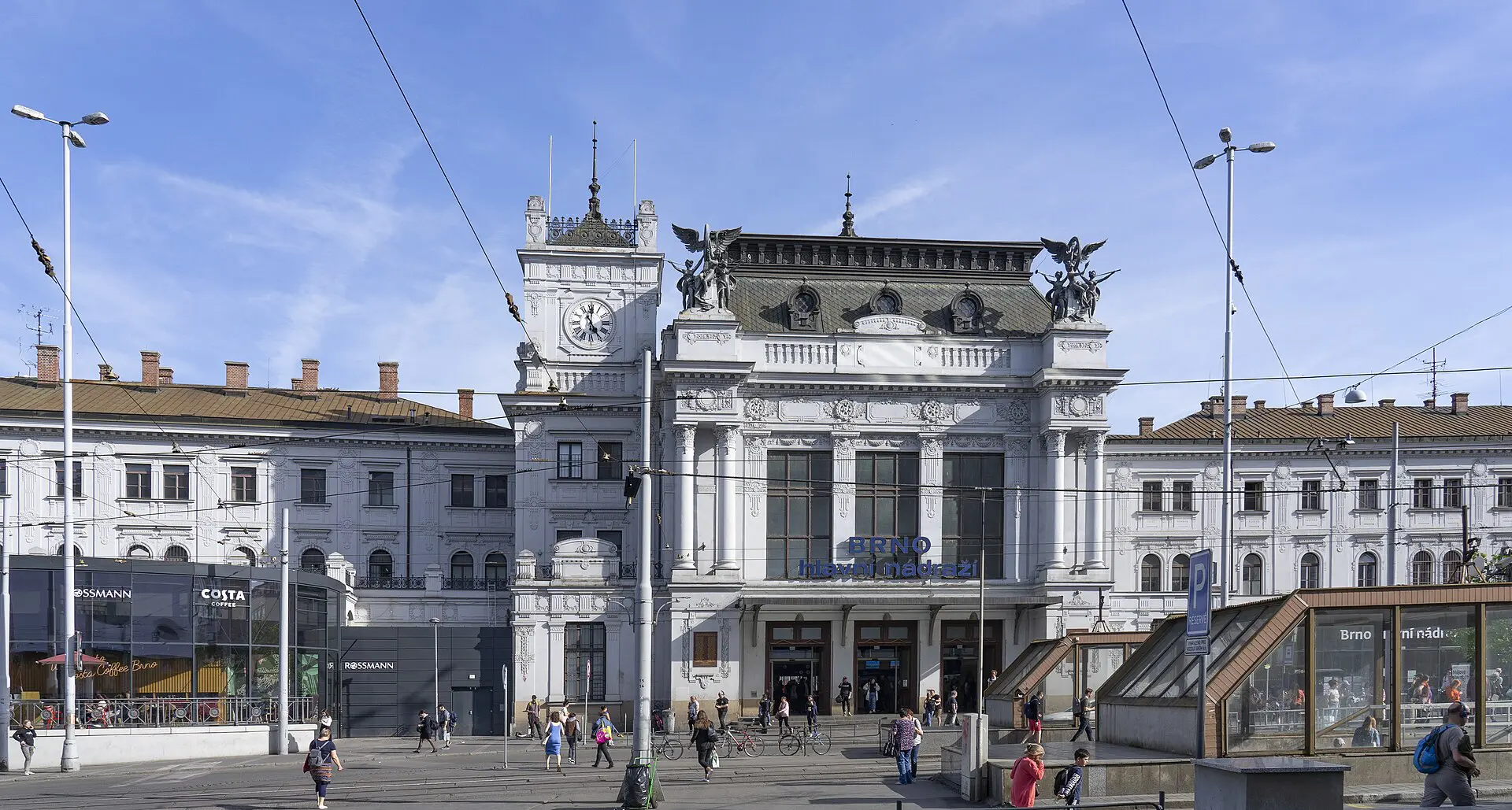

The city centre is compact and walkable. A network of trams, buses and trolleybuses covers the rest, with tickets usually bought at machines or by app. Validate your ticket if required, and check the local rules for transport zones.
For day trips to wine villages or the Moravian Karst, trains, regional buses or a rental car work, and some tours run from the city. Bikes are a good option along the rivers.
Where to stay in Brno
Brno is small enough that most visitors stay in or near the centre.
- Old town and around Freedom Square: best for first visits. Sights, restaurants and bars are within walking distance, though some streets are noisy at weekends.
- Near the railway station: convenient for early trains and good for short stays. It is a few minutes from the old town on foot.
- Residential districts and the university area: quieter and often cheaper, with local cafes. Trams get you to the centre quickly.
- Guesthouses and apartments: suit longer stays or groups.
Book early around major trade fairs and festivals, and compare prices across seasons.
How many days do you need?
Two days gives you the highlights, and three allows a wine excursion or a nature trip. Brno suits slow travel, so build in cafe stops.
- Day 1: Old town, Zelný trh, the cathedral and the Capuchin Crypt, then an evening in a wine bar.
- Day 2: Morning at Špilberk Castle, then Villa Tugendhat on a pre-booked tour.
- Day 3: A day trip to the Moravian Karst caves or to a South Moravian wine village.
Reserve Villa Tugendhat early, as slots can sell out.
Day trips and nearby
Moravian Karst
A limestone region north of Brno with caves, gorges and the Macocha Abyss. Allow a full day, with cave tours and walks. Book cave tours in season, as slots can fill.
Olomouc
Olomouc is a university city with a large historic centre and a Holy Trinity Column that is UNESCO listed. It is roughly 1.5 hours away by train, so a day trip is feasible.
Kutná Hora
Known for its Gothic cathedral and the Sedlec Ossuary, Kutná Hora lies east of Prague. It is a longer trip from Brno, so it suits travellers continuing towards Prague rather than a day return.
Prague
The capital is about 2.5 hours away by train or bus. A day trip is possible but tiring, so many visitors treat it as a separate stay.
FAQ
Q1When is the best time to visit Brno?
May to September is the most comfortable, with warm weather and long days, while September and October add the wine harvest. Winter is cold but quiet, with Christmas markets in December. Check trade fair dates, which can fill hotels.
Q2How many days do you need in Brno?
Two days covers the old town, Špilberk Castle and Villa Tugendhat. Add a third day for the Moravian Karst or a wine village. Brno suits a slower pace, so leave time for cafes and a long dinner.
Q3How do you get to Brno?
Trains and buses from Prague take around 2.5 to 3 hours, and from Vienna or Bratislava roughly 1.5 to 2 hours. Brno also has a small airport with limited flights. Check timetables, and book in advance for popular times.
Q4Is Brno worth visiting?
Yes, if you want a relaxed city with good architecture, coffee and wine country within reach. It is less crowded and generally cheaper than Prague. It is a strong choice for two or three days on a Central European trip.
Prices, schedules and entry rules change. Check current details with official sources before you travel. Read the Czech Republic travel guide.