Why visit Austria
The things to do in Austria are unusually varied for a country of about 84,000 square kilometres and 9 million people. Vienna offers palaces, opera and coffee houses, Salzburg is Mozart’s birthplace, and the Alps cover most of the west and south with lakes, glaciers and villages. Austria is landlocked in the Eastern Alps and borders eight countries (see the Wikipedia overview for background). Its German name is Österreich.
It suits travellers who want high-quality infrastructure, clean cities and excellent hiking or skiing without long transfers. It works well for first-time Europe visitors, couples, families, music lovers and anyone building a route between Vienna, Salzburg and Innsbruck. It is not a budget destination, but trains are reliable, mountain huts are good value and many outdoor activities are free.
Best places to visit in Austria
The best places to visit in Austria include one great capital, a few historic cities and several Alpine regions, all linked by train.
Vienna
The former Habsburg capital has the Hofburg, Schönbrunn Palace, St Stephen’s Cathedral, the Ringstrasse and a strong museum scene. It is also the best place for coffee house culture and classical music. Allow three nights.
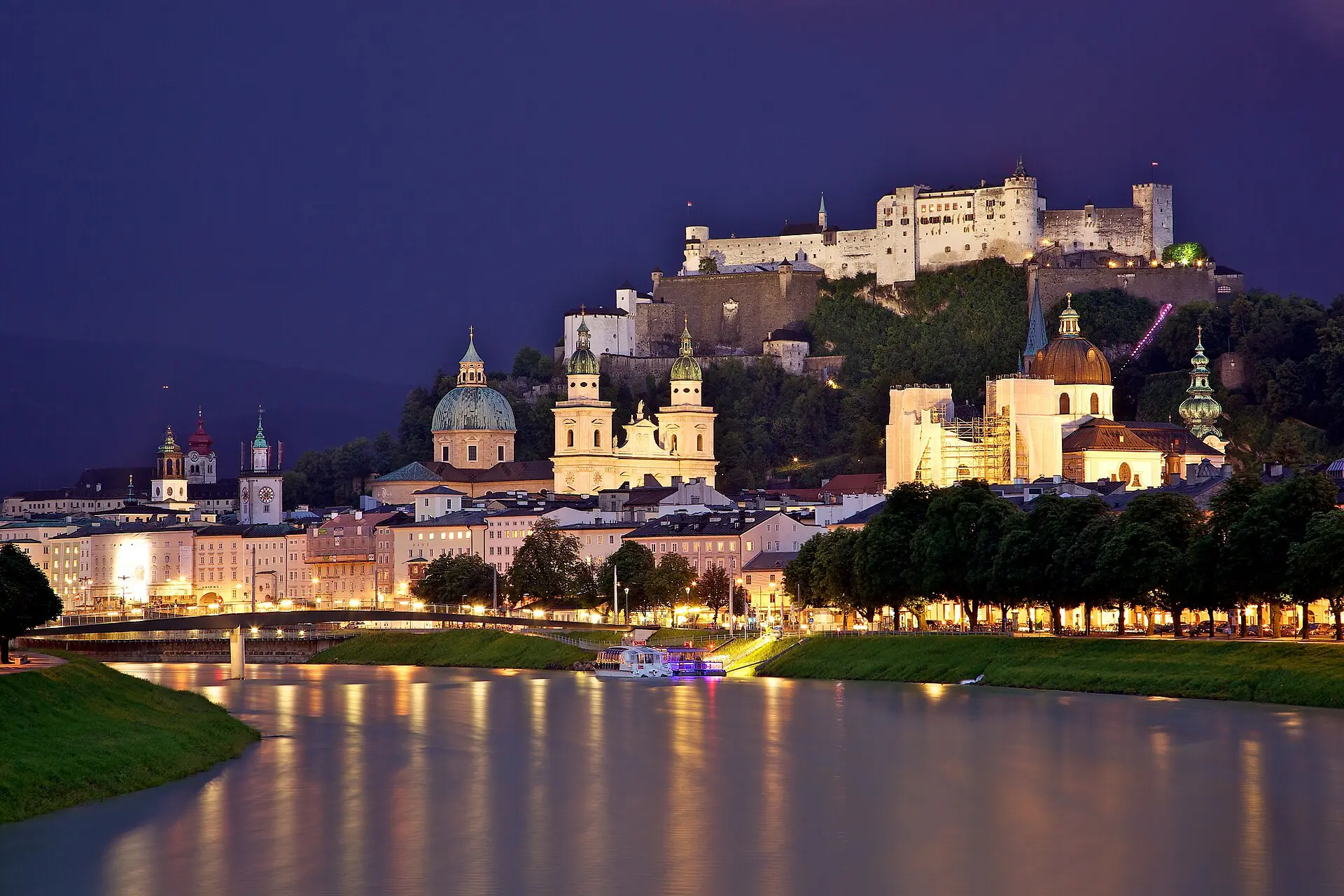
Salzburg
The baroque old town lies below Hohensalzburg Fortress, with Mozart’s birthplace on Getreidegasse and the Mirabell Gardens nearby. It is also the gateway to the Salzkammergut lakes.
Hallstatt and the Salzkammergut
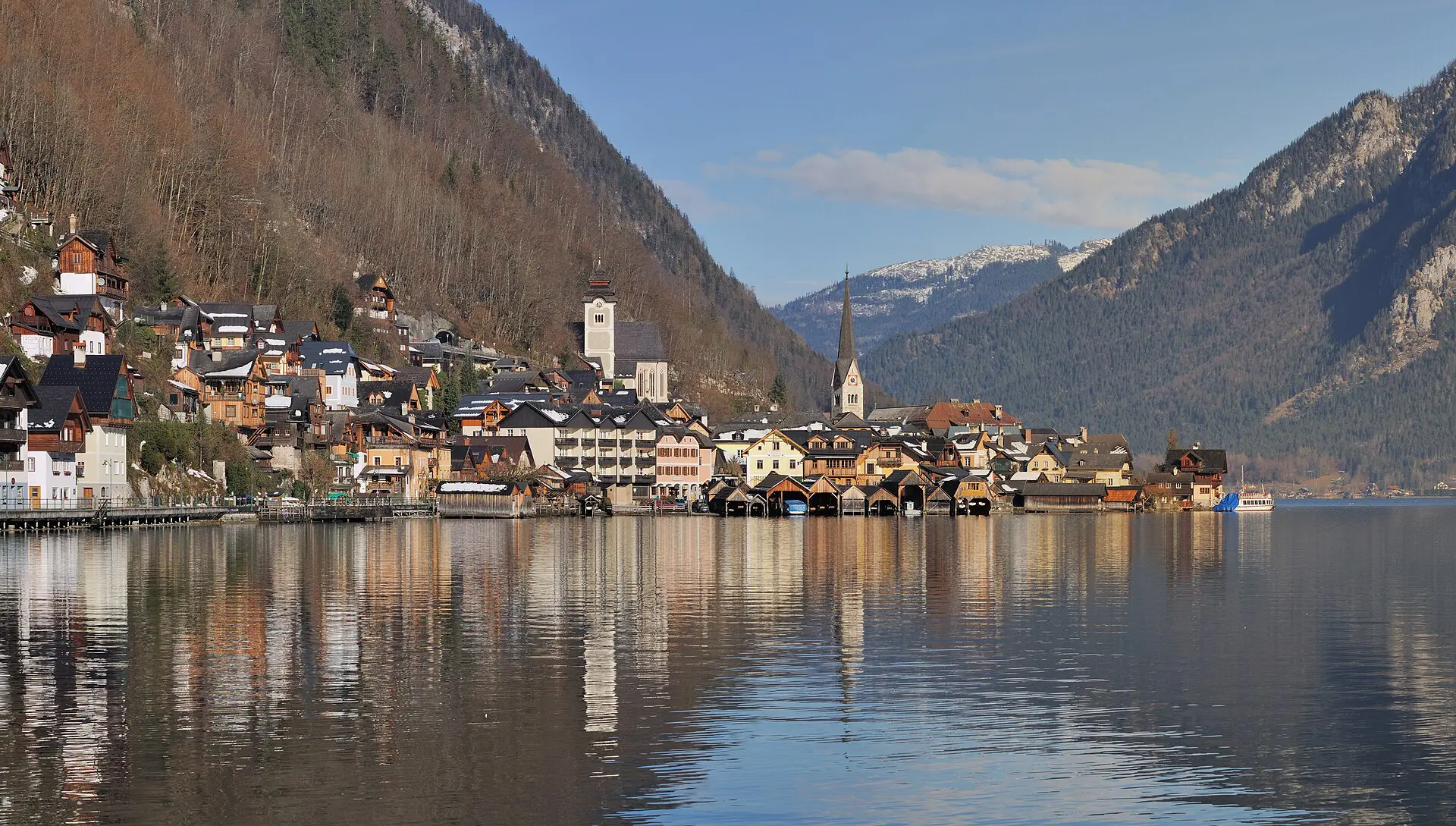
This lake district has the postcard village of Hallstatt, along with Wolfgangsee and St Gilgen. Visit early or late in the day, because Hallstatt gets very crowded by midday.
Innsbruck and Tyrol
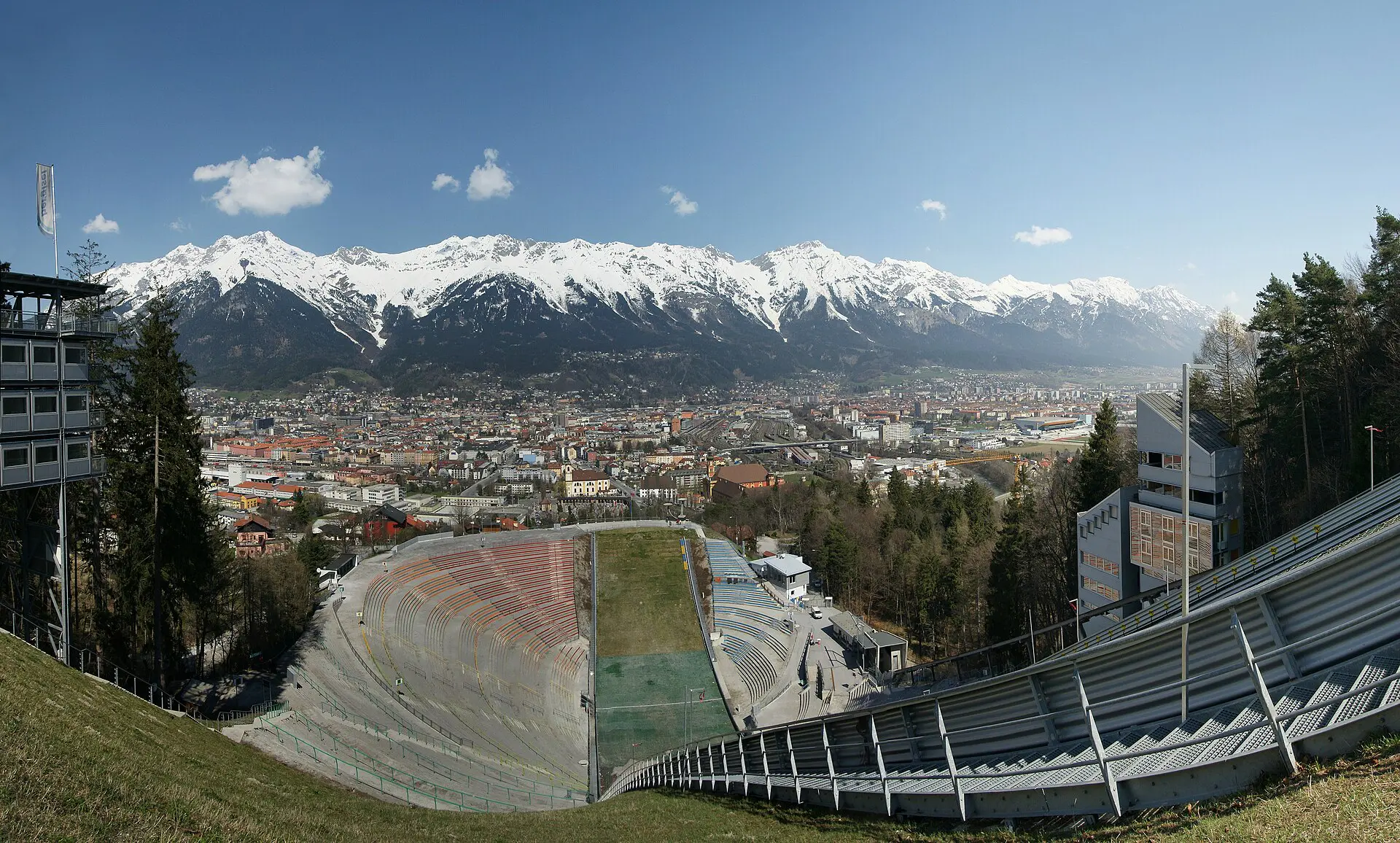
Innsbruck combines a medieval centre with cable cars from town to the Nordkette mountains. It is the base for hiking and skiing across Tyrol.
Graz and Styria
Austria’s second city is known for food, a UNESCO-listed old town and the nearby spas and wine roads of southern Styria.
Zell am See and the High Tauern
Zell am See sits beside a lake near the Grossglockner High Alpine Road and Kaprun glacier, so it works for both summer and winter.
Things to do in Austria
The top things to do in Austria mix city culture with mountain days, and the rail network makes it easy to combine them.
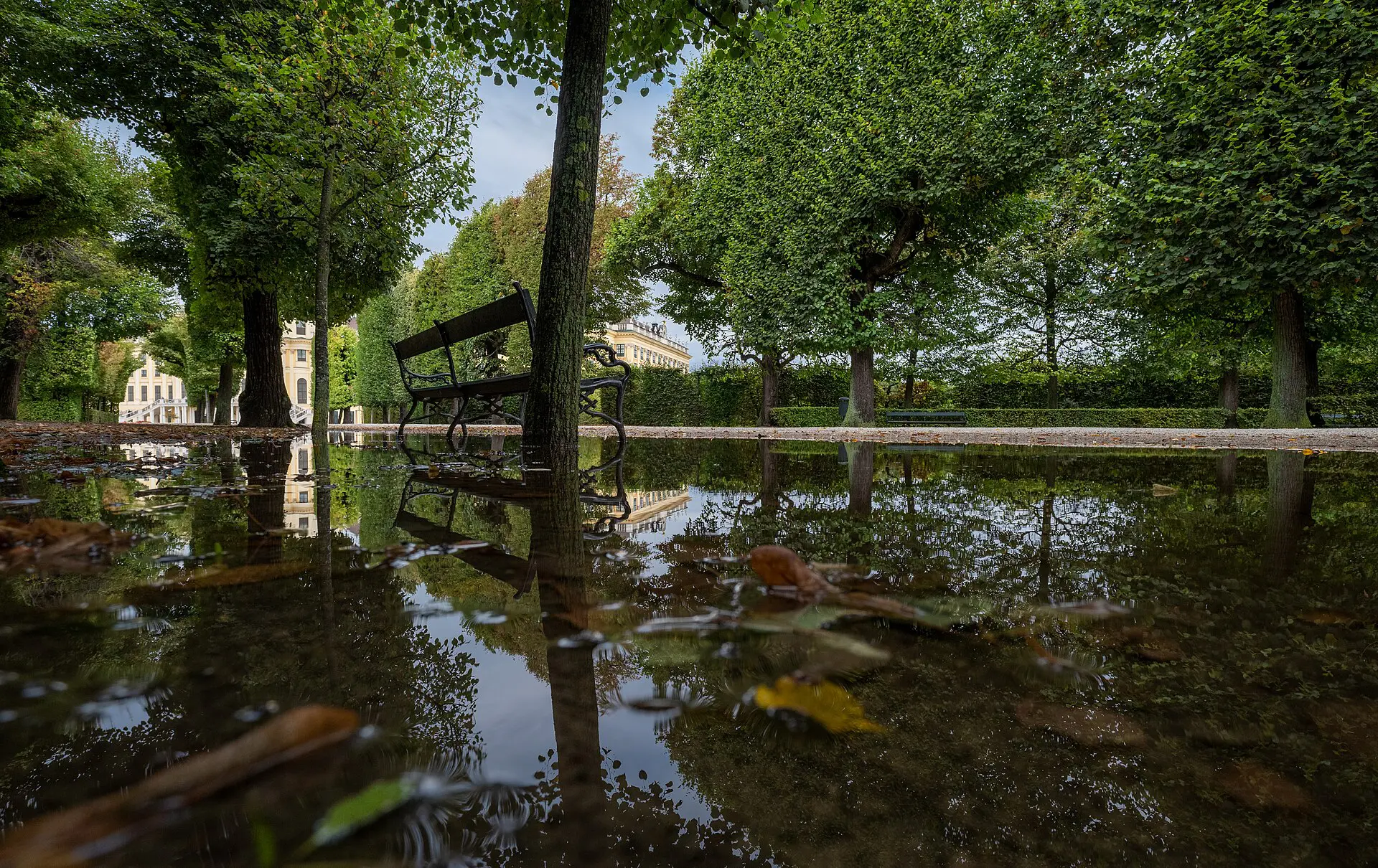
- Tour Schönbrunn Palace: the Habsburg summer residence in Vienna has staterooms and large formal gardens.
- Spend an afternoon in a Viennese coffee house: order a melange and cake, and stay as long as you like.
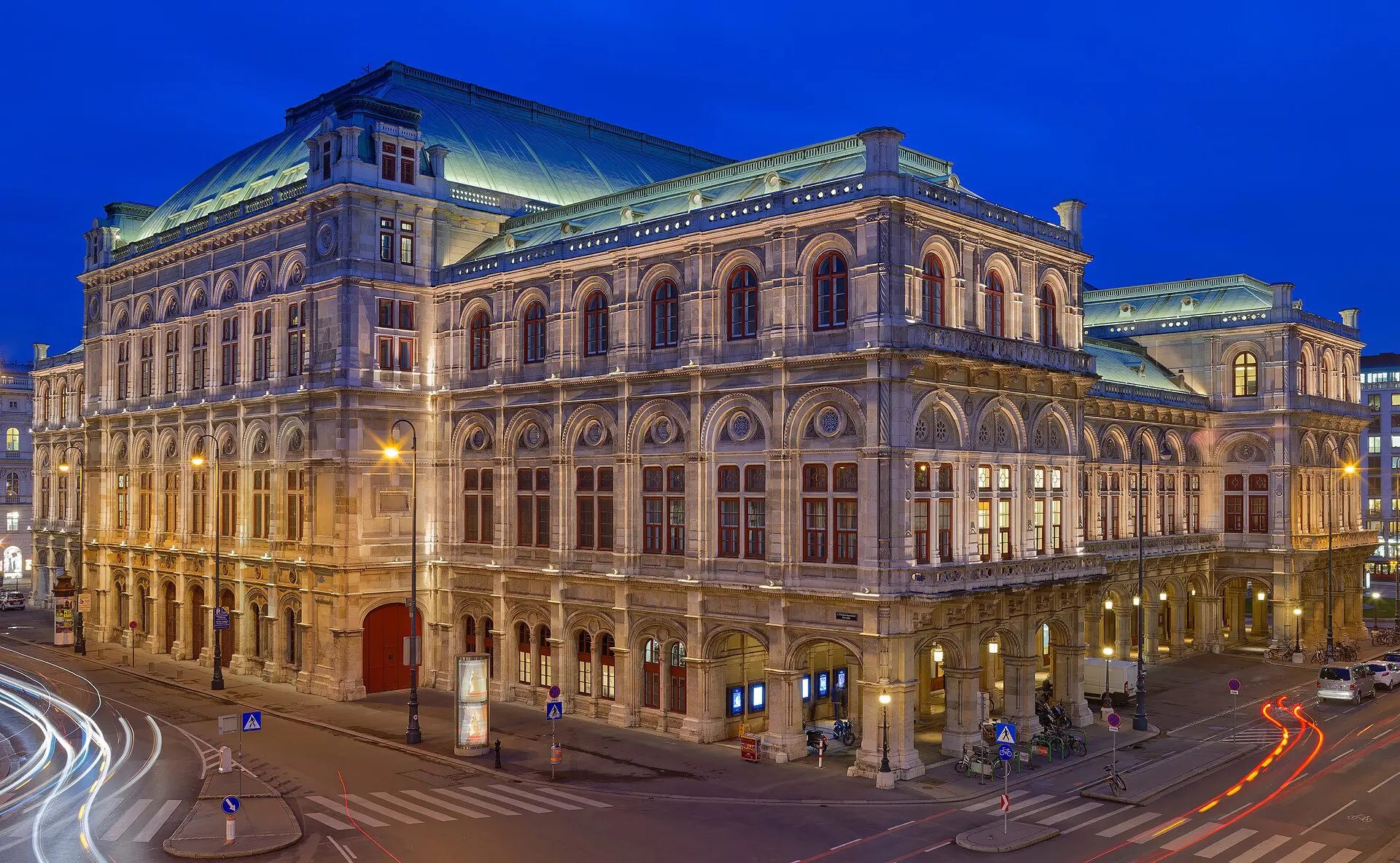
- Hear classical music in Vienna: the State Opera and the Musikverein offer concerts, often with standing tickets on the day.
- Walk Salzburg old town and the fortress: take the funicular up to Hohensalzburg for views of the city and the Alps.
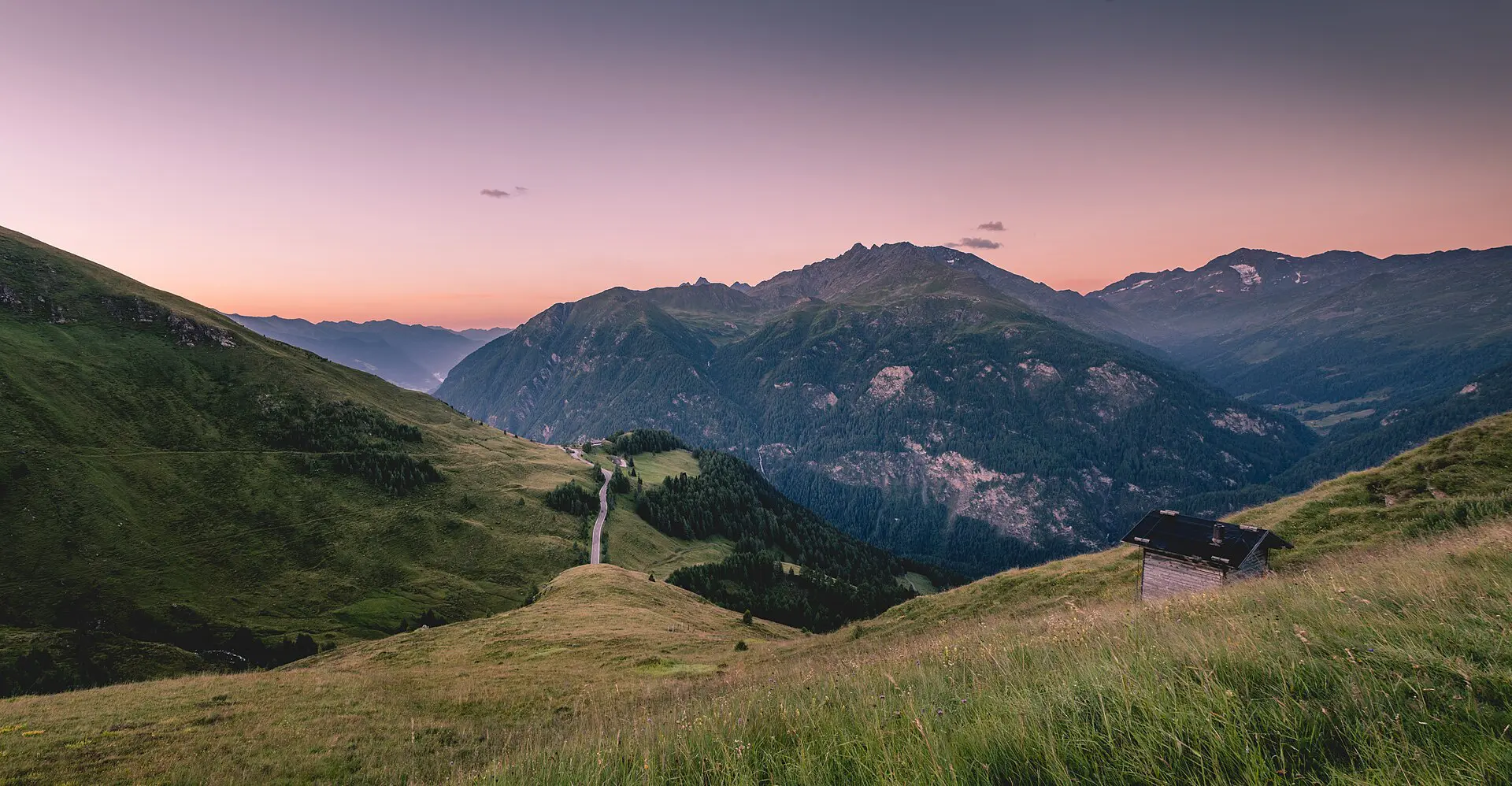
- Drive the Grossglockner High Alpine Road: the toll road crosses the Hohe Tauern from late spring to autumn.
- Take a boat on Hallstätter See: the lake is quieter in the early morning.
- Ride the Nordkette cable car in Innsbruck: it rises from the city centre to above 2,000 metres.
- Ski or snowboard: resorts such as St Anton, Kitzbühel and Kaprun are among the best known.
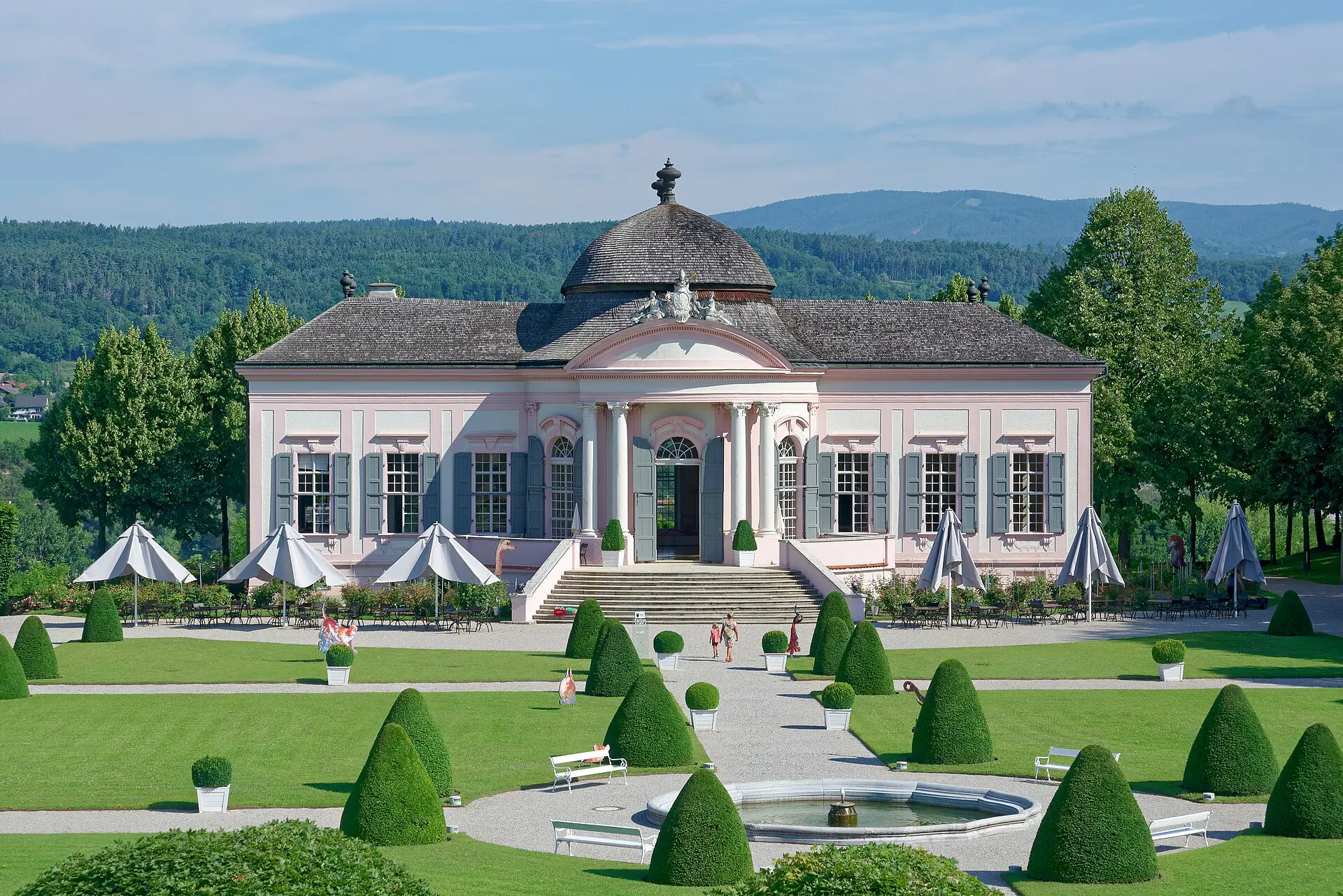
- Visit Melk Abbey: the baroque monastery overlooks the Danube in the Wachau valley.
- Hike hut to hut: marked trails link Alpine huts that serve hot meals and simple beds.
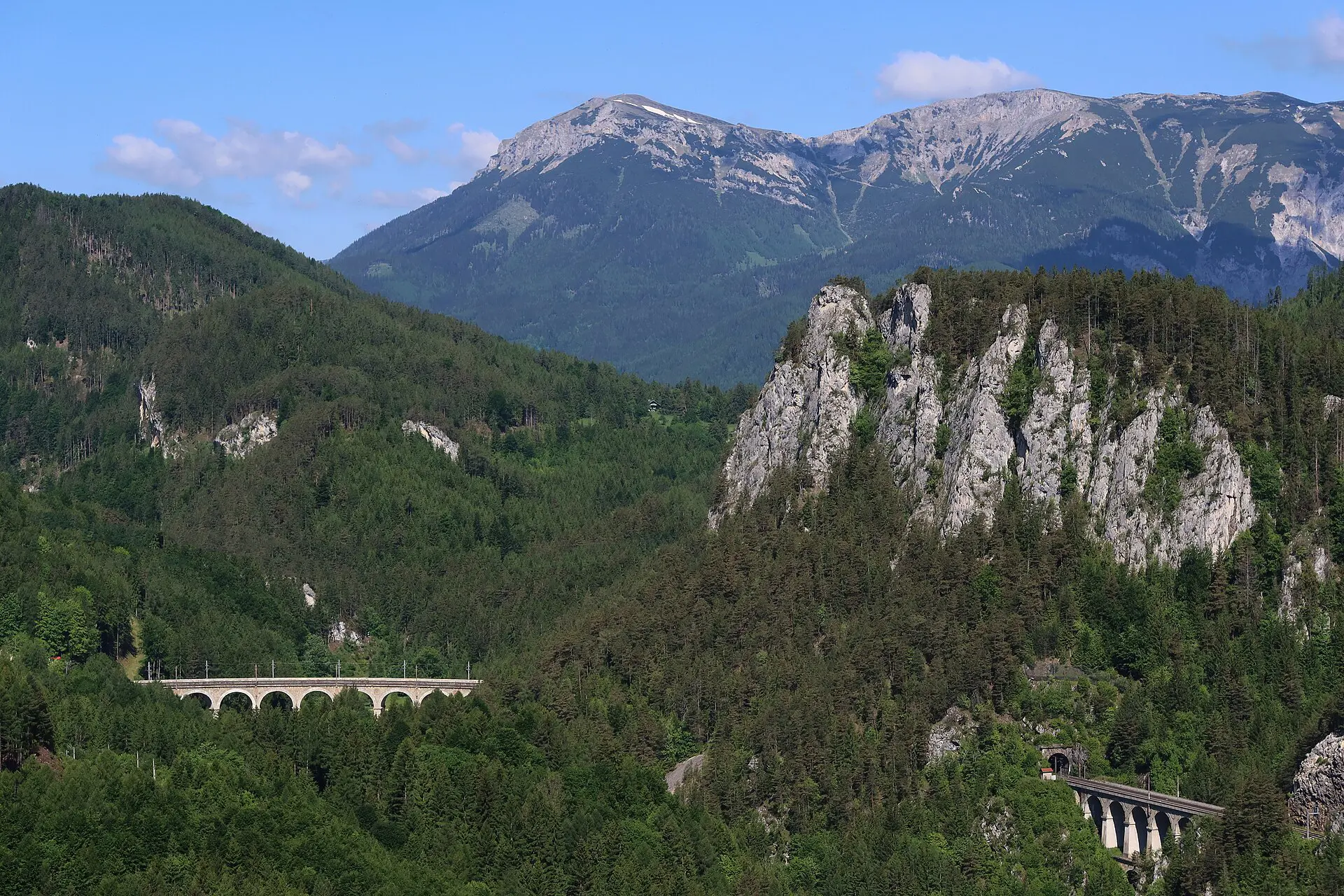
- Ride the Semmering Railway: the world’s oldest mountain railway is a UNESCO site.
Best time to visit Austria
The best time to visit Austria depends on your plan: June to September is best for hiking, lakes and mountain roads, December to March suits skiing, and May and September work well for cities with mild weather and fewer visitors. July and August are the busiest, and Christmas markets in late November and December draw crowds to Vienna and Salzburg.
| Season | Weather | Crowds and prices | Good for |
|---|---|---|---|
| Spring (Apr-May) | Cool to mild, some rain, snow lingering on high ground | Moderate | Cities, lakes, gardens |
| Summer (Jun-Aug) | Warm to hot, afternoon thunderstorms in the mountains | High, especially in August | Hiking, lakes, festivals, mountain roads |
| Autumn (Sep-Oct) | Mild and often clear, colourful foliage | Falling after mid-September | Hiking, wine, culture |
| Winter (Dec-Mar) | Cold, with reliable snow at altitude | High in ski resorts and at Christmas | Skiing, Christmas markets, spas |
Many mountain huts and some high roads close between October and May, so check opening dates before you plan a trek or drive.
Is Austria safe to visit?
Yes, Austria is one of the safest countries in Europe for visitors, with low violent crime and good emergency services. The most common problems are pickpocketing in busy tourist areas and accidents in the mountains. Check your government’s current travel advice, such as the UK FCDO or US State Department pages, before you go.
Theft. Watch bags on crowded trams, at Christmas markets and around Vienna’s main sights. Keep passports and cards in a front pocket or zipped bag.
Mountains. Weather changes fast above the tree line. Check forecasts, start early, carry layers and a map, and stay on marked trails. In winter, ski off-piste only with a guide and avalanche gear, and read the daily avalanche bulletin.
Roads. Austrian roads are good, but winter driving may require snow tyres or chains, and mountain roads can close. Motorways need a vignette sticker or digital pass, and tolls apply on some Alpine roads.
Health. Tap water is excellent. Tick-borne encephalitis exists in some regions, so ask a doctor about vaccination if you plan to hike in forests in summer. Carry travel insurance that covers mountain rescue.
Austria visa and entry requirements
Austria is part of the Schengen Area, so entry rules follow the common Schengen system. Many travellers, including citizens of the US, UK, Canada, Australia and Japan, have generally been able to enter visa-free for short stays of up to 90 days in any 180-day period. Citizens of EU and Schengen countries can enter freely with an ID card or passport. Other nationalities need a Schengen visa.
The EU is introducing new digital entry systems, including an entry and exit system and a travel authorisation for visa-exempt visitors, and the start dates have shifted more than once. Check the official Austrian foreign ministry or EU website for the current position before booking.
Carry a passport valid for at least three months beyond your planned departure, and keep proof of accommodation and return travel. If you drive across a land border, carry your licence, vehicle papers and insurance. Border checks can be reintroduced at short notice for some Schengen frontiers.
Getting to and around Austria
Vienna International Airport is the main gateway, with Salzburg, Innsbruck, Graz and Linz handling smaller airlines. Munich and Zurich are common alternatives for Alpine trips. Vienna also has direct trains to Prague, Budapest, Munich, Venice and other cities.
Austria has a fast, frequent and punctual rail network run mainly by ÖBB. Vienna to Salzburg takes about 2 hours 30 minutes, Salzburg to Innsbruck about 2 hours, and Vienna to Graz about 2 hours 30 minutes. Book in advance for lower fares and reserved seats. Regional buses reach most mountain villages and often connect with train arrivals.
A rental car gives freedom in the lakes and mountains, but cities are better by public transport. Motorways need a vignette, so check that your rental car has one. Driving is on the right, and speed limits are enforced with cameras.
Cable cars, lake boats and the Semmering and narrow-gauge mountain railways are part of the experience, as well as transport. Regional passes can cover several of them.
How much does a trip to Austria cost?
Austria is moderately expensive by European standards, with prices highest in Vienna, Salzburg and the ski resorts. The currency is the euro (EUR). Figures below are rough per-person guides for the 2026 season and rise at Christmas and in the ski season.
- Budget: around EUR 70 to 100 per day, with hostel dorms, supermarket meals, rail passes and free sights.
- Mid-range: around EUR 130 to 220 per day, with a private room in a three-star hotel, restaurant meals and museum entries.
- High-end: from around EUR 300 per day, with luxury hotels, spas, opera tickets and private transfers.
Accommodation is the biggest swing factor, followed by ski passes, which can cost well over EUR 60 per day in major resorts. Palace and museum tickets range from about EUR 15 to 30. Lunch menus and bakery meals save money, and many cities offer multi-day transport cards. Prices in mountain resorts drop sharply outside school holidays.
Austria food and drink
Austria food is hearty and meat-based, with strong influences from Hungary, Bohemia and Italy, and a long tradition of cafés and pastry. Mountain huts serve filling meals, and Vienna has a strong modern restaurant scene.
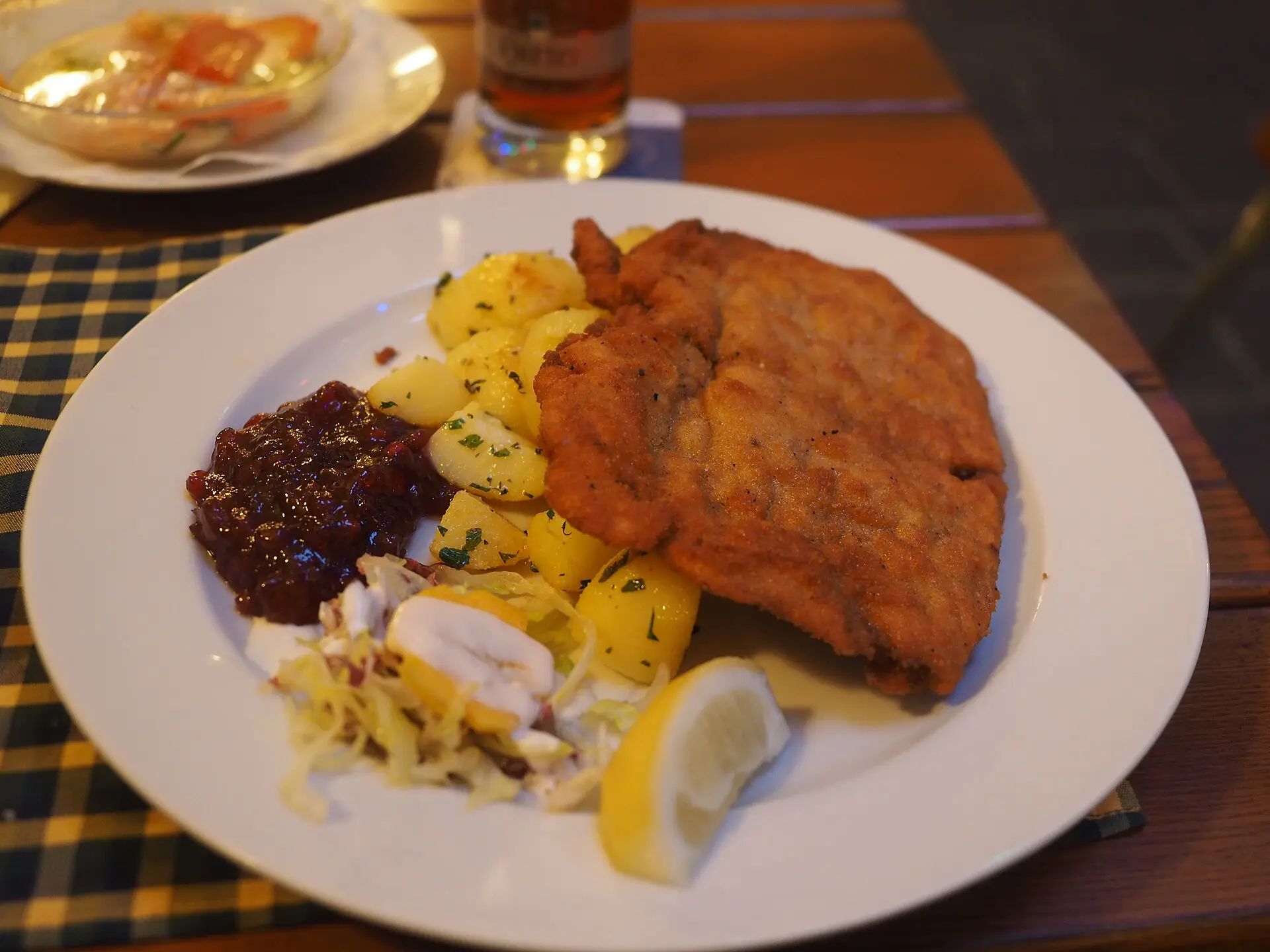
- Wiener Schnitzel: a thin breaded veal cutlet, fried and served with potato salad and lemon.
- Tafelspitz: boiled beef served with horseradish and apple sauce, a Viennese classic.
- Kaiserschmarrn: shredded sweet pancake with fruit compote and powdered sugar.
- Käsespätzle: egg noodles baked with mountain cheese and fried onions.
- Sachertorte: a dense chocolate cake with apricot jam, served with whipped cream.
- Apfelstrudel: layered pastry filled with spiced apples and raisins.
- Wine and beer: Grüner Veltliner and Zweigelt are the leading wines, and the heuriger wine taverns around Vienna serve young wine with cold dishes.
Vegetarian options are growing, and menus often include cheese noodles, dumplings and salads. Coffee houses serve cakes and light meals, and lunch menus cost less than dinner.
Culture, language and etiquette in Austria
German is the official language, spoken in Austrian dialects that differ from standard German. Standard German is understood everywhere, and English is widely spoken in cities and tourist areas. Useful words are Grüß Gott (hello, common in the south and west), Danke (thank you) and Bitte (please).
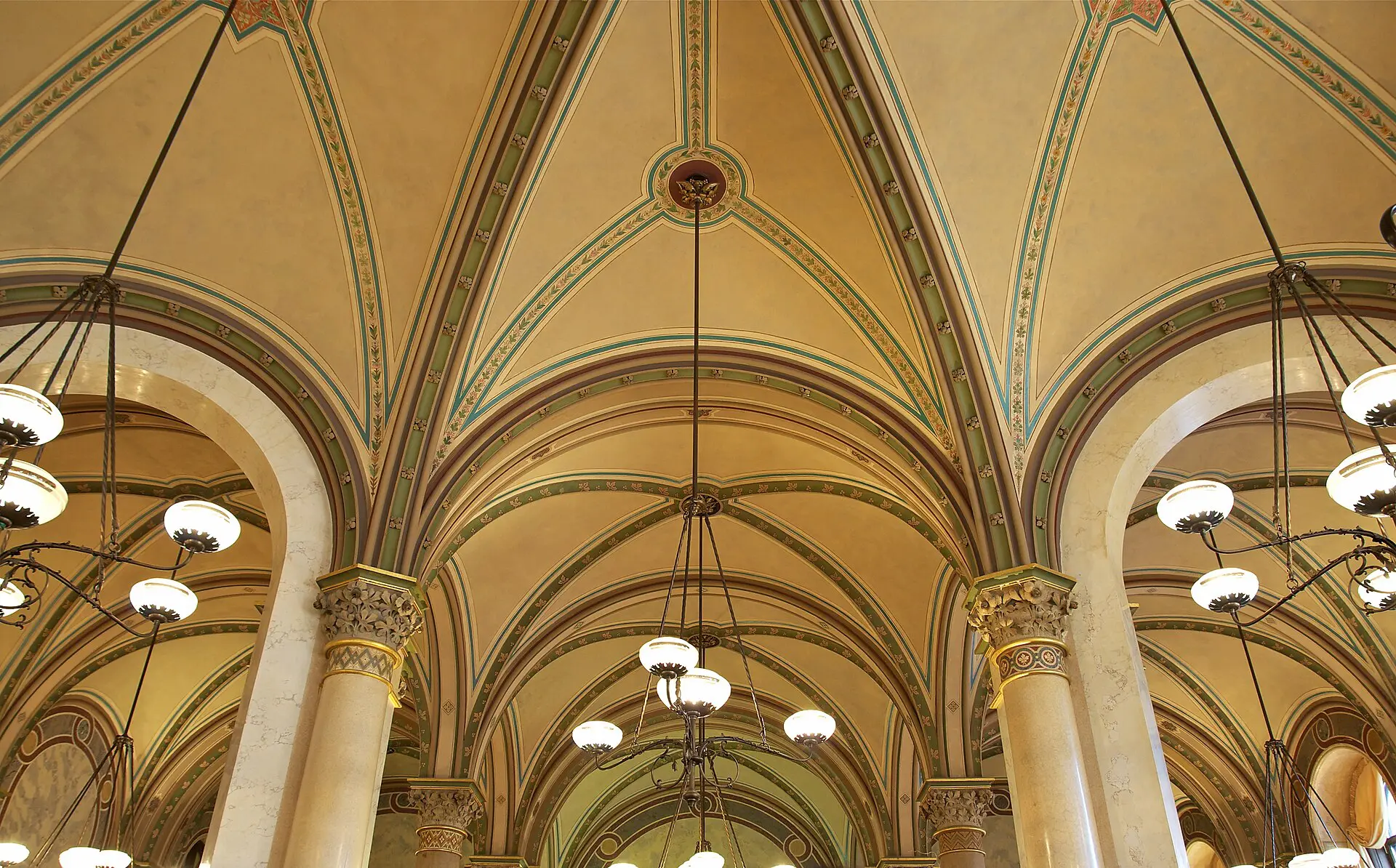
Austrians value politeness, punctuality and quiet in public places. Greet shopkeepers when you enter, shake hands in formal settings and say goodbye when leaving. Table service in restaurants is relaxed, and you usually have to ask for the bill.
The coffee house is a central part of Viennese culture, and nobody will rush you. Classical music, opera and balls are part of the calendar, with the Vienna Opera Ball in winter and Salzburg Festival in summer as the best-known events. Dress smartly for concerts and the opera.
Sundays are quiet: most shops close, so buy supplies on Saturday. Recycling is taken seriously, and cyclists use marked lanes, so watch for bikes when crossing. History is discussed openly, including the Nazi period, and visitors should treat it with respect.
Austria itinerary: a 7-day route
This route runs west from Vienna by train and avoids long backtracking, with a final stop in the lakes and mountains.
- Day 1, Vienna: arrive, walk the Ringstrasse and Graben, and have coffee and cake.
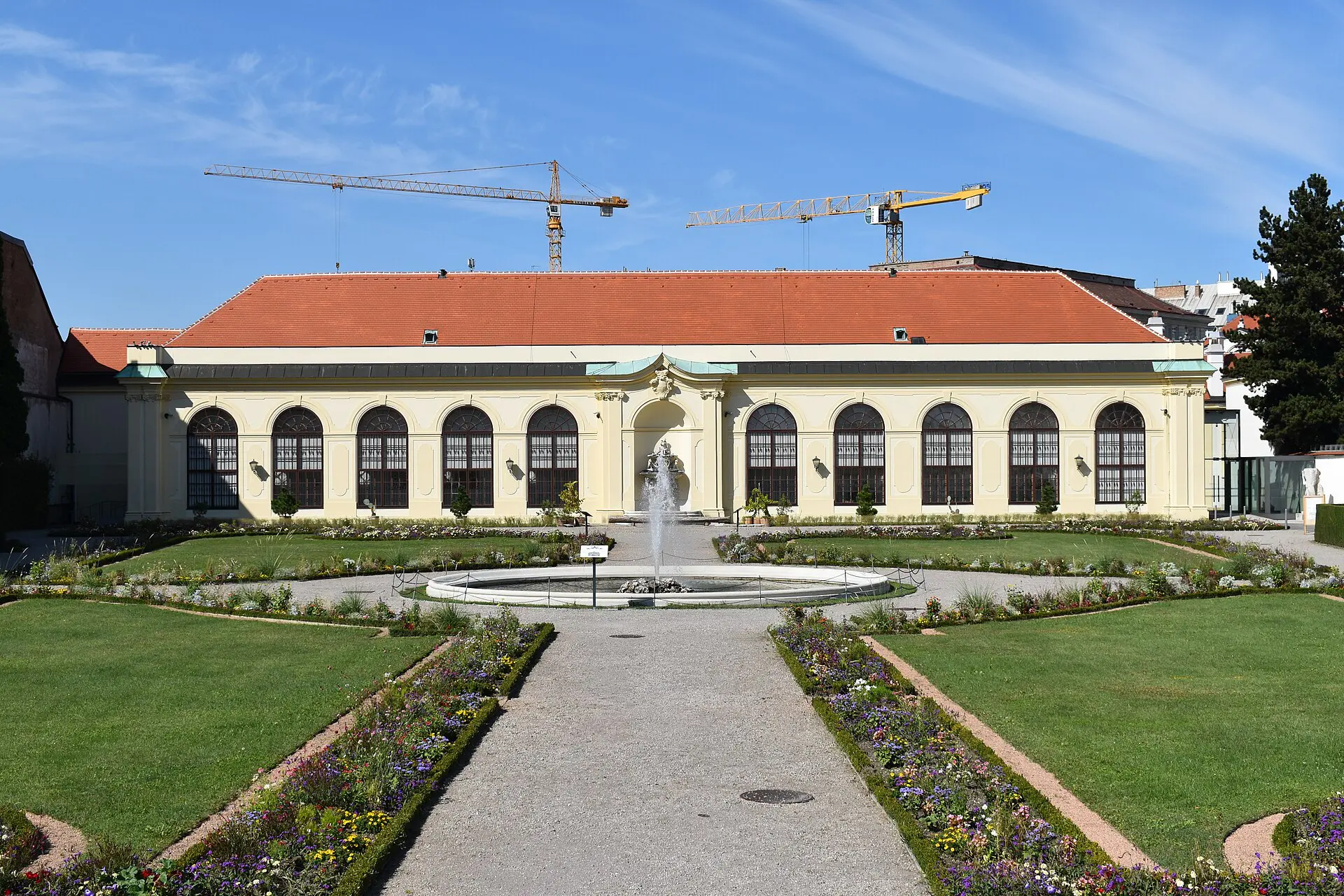
- Day 2, Vienna: tour Schönbrunn Palace in the morning, then visit the Belvedere or the Hofburg in the afternoon.
- Day 3, Wachau and Melk: take a train or river cruise to Melk, visit the abbey, and return to Vienna or continue west.
- Day 4, Salzburg: travel about two and a half hours by train, climb the fortress and walk the old town.
- Day 5, Hallstatt: go by train and bus to the village, take an early boat on the lake and have lunch by the water.
- Day 6, Innsbruck: travel about three hours by train, ride the Nordkette cable car and walk the old town.
- Day 7, return: fly home from Innsbruck or travel to Munich or Vienna for your flight, allowing several hours.
In winter, replace Hallstatt with a ski day in Tyrol. In summer, add Zell am See and the Grossglockner road if you have a car.
Practical tips for Austria
- Money: the euro is the currency. Cards are widely accepted, but small cafés, huts and some taverns still prefer cash, so carry some notes.
- SIM and eSIM: EU roaming rules apply for EU residents; other visitors can buy a cheap prepaid SIM or eSIM. Coverage is good except in deep valleys.
- Plugs: types C and F at 230 V, as in most of continental Europe.
- Tipping: round up or add around 5 to 10 percent, and give the amount when you pay rather than leaving cash on the table.
- Health: bring travel insurance that covers mountain rescue and winter sports. Pharmacies are plentiful, and tap water is safe.
- Packing: layers, a waterproof jacket and sturdy shoes, plus smarter clothes for the opera. Pack warm gear for the mountains even in summer.
- Passes: consider the Vienna City Card, Salzburg Card or regional hiking and lift passes if you plan many sights.
- Booking: reserve rooms early for Christmas, New Year and the ski season, and for Hallstatt in summer.
For wider background, see the Wikivoyage Austria guide.
FAQ
Q1What are the best things to do in Austria?
Top picks are touring Schönbrunn Palace and the coffee houses of Vienna, walking Salzburg's old town and fortress, driving the Grossglockner High Alpine Road, visiting Hallstatt and Melk Abbey, riding the Nordkette cable car in Innsbruck and hiking or skiing in the Alps.
Q2What is Austria food like?
Austria food is hearty and traditional: Wiener Schnitzel, Tafelspitz boiled beef, Käsespätzle cheese noodles, Kaiserschmarrn pancake and Sachertorte cake. Wine taverns and mountain huts serve regional dishes, and vegetarian choices such as cheese noodles and dumplings are easy to find. Lunch menus cost less than dinner.
Q3What is the best time to visit Austria?
June to September is best for hiking, lakes and mountain roads, while December to March suits skiing and Christmas markets. May and September are good for cities with mild weather and fewer crowds. July and August are busiest, so book accommodation early, especially in Hallstatt and ski regions.
Q4What are the best places to visit in Austria?
Vienna and Salzburg are the main cultural stops, Hallstatt and the Salzkammergut offer lakes, Innsbruck and Tyrol offer mountains, Graz is known for food, and Zell am See is a base for the Grossglockner road. Trains connect all of them.
Q5What is a good Austria itinerary for one week?
A good Austria itinerary for seven days runs Vienna for two nights, a Wachau or Melk day trip, Salzburg, Hallstatt and Innsbruck, all by train. Total rail time is around eight hours. In winter, replace Hallstatt with a ski day, and in summer add the Grossglockner road.
Q6Is Austria safe?
Yes, Austria is among the safest countries in Europe, with low violent crime. The main risks are pickpockets in tourist areas and mountain accidents. Check weather and avalanche bulletins, stay on marked trails, carry insurance with mountain rescue and check your government's current travel advice before you go.
Q7Do I need a visa for Austria?
Austria follows Schengen rules. Many nationalities, including US, UK, Canadian and Australian citizens, have generally been able to visit visa-free for up to 90 days in 180, while others need a Schengen visa. New EU entry systems are being introduced, so confirm current rules with the official foreign ministry before booking.