Why visit the Sudetes
The best things to do in the Sudetes depend on which range you pick, because this is a long chain rather than a single destination. The mountains stretch from near Dresden, across south-western Poland and the northern Czech Republic, to the Moravian Gate, with the highest point on Śnieżka at 1,603 metres.
The scenery is more varied than the modest heights suggest: glacial cirques in the Karkonosze, sandstone mazes in the Table Mountains, and a dense spread of castles, abbeys and spa towns left by centuries of Silesian wealth. Most of the area belonged to Germany until 1945, and that history is visible in the architecture. Costs are generally low, trails are well marked, and rail links reach many of the larger towns.
Top things to do in the Sudetes
Karkonosze and Śnieżka
This is the highest range, with an open ridge along the Czech border, glacial lakes and staffed huts. Base yourself in Karpacz or Szklarska Poręba, and spend at least three days. Check the park’s daily notice, as wind, fog and ice are the main risks on the ridge.
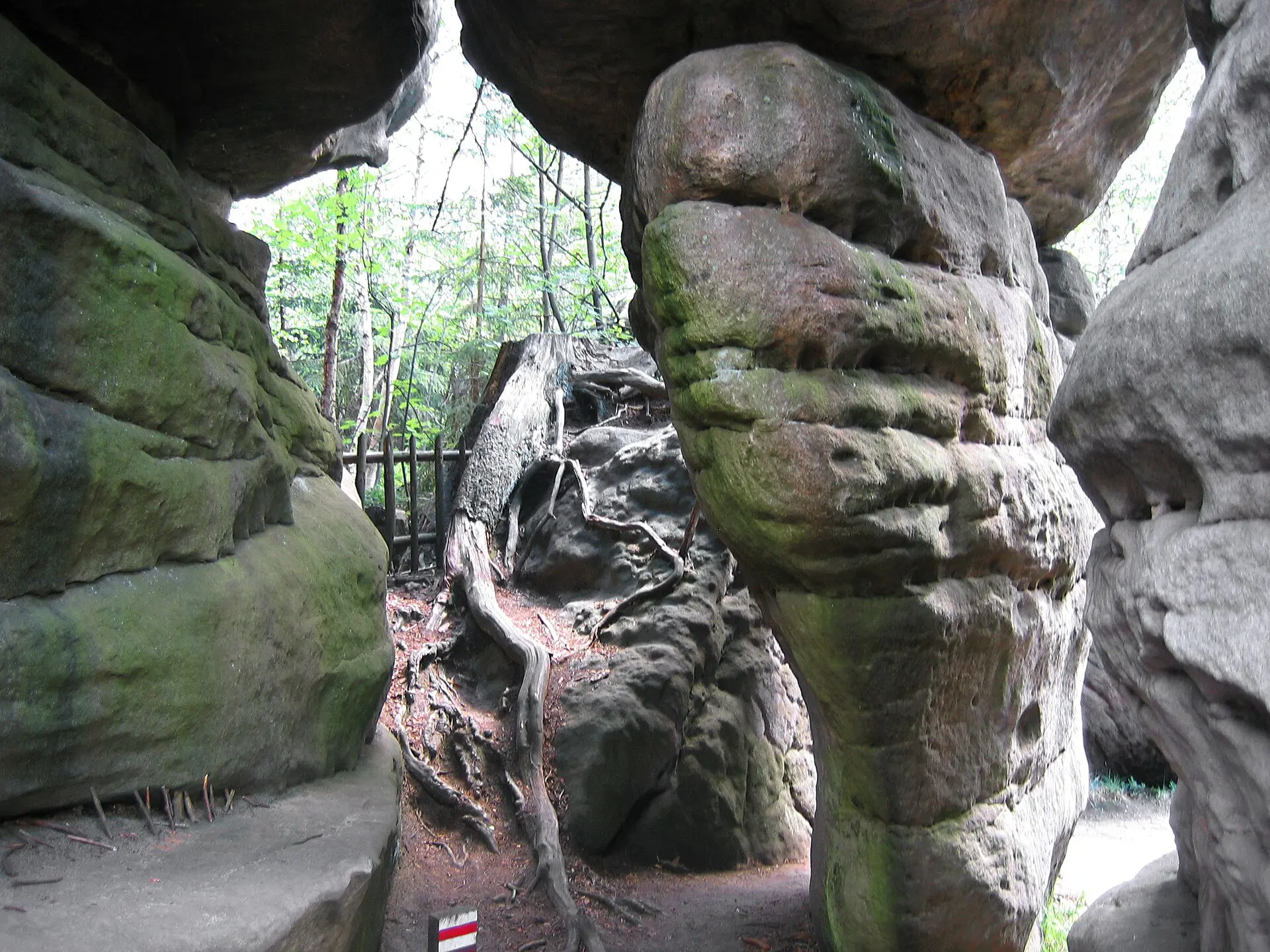
Table Mountains
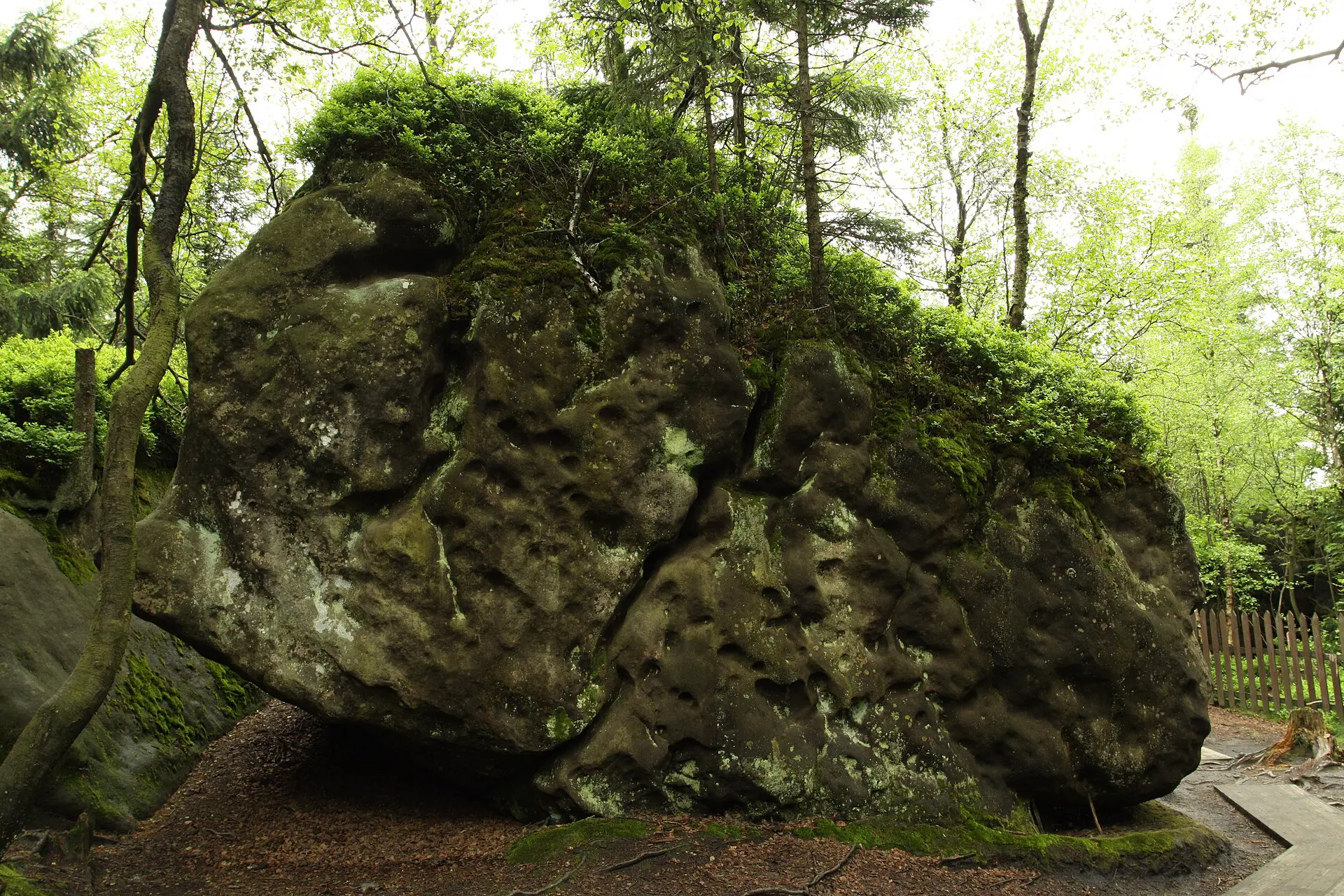
This national park has flat-topped sandstone massifs, with the labyrinth of Błędne Skały and the stairways of Szczeliniec Wielki as its best-known sights. Both make easy half-day trips, though they can fill up in summer. Kudowa-Zdrój and Karłów are the usual starting points, and the sites charge entry.
Owl Mountains and Project Riese
These forested hills hide the unfinished Nazi tunnel complex known as Riese, built with forced labour, with sections such as Osówka and Walim open to visitors. Allow about two hours per site and expect cool underground temperatures. Wielka Sowa, at 1,015 metres, is a good walk nearby.
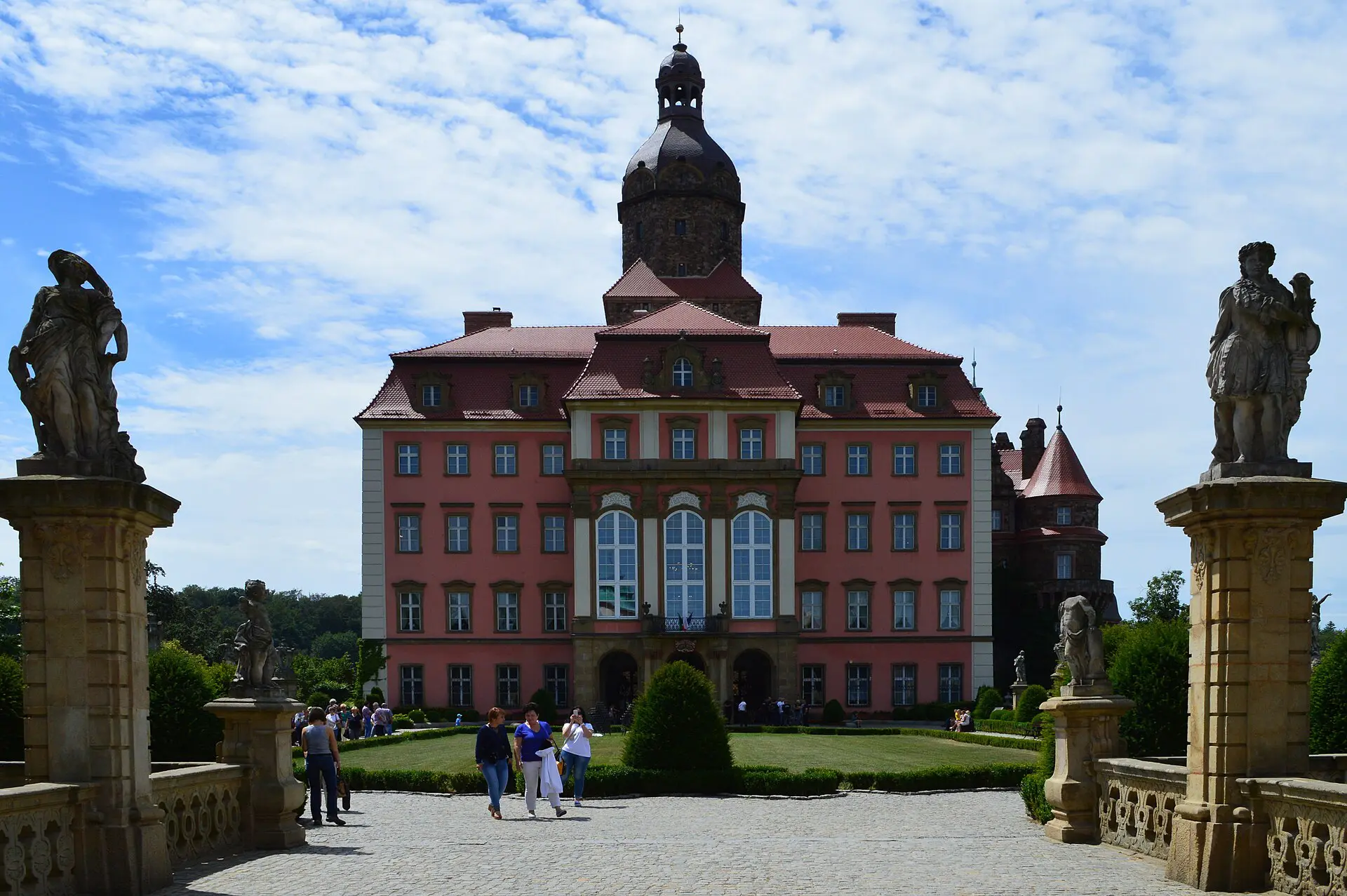
Książ Castle
Poland’s third-largest castle stands on a rock above a gorge near Wałbrzych and connects to the same wartime history as Riese. Allow about half a day for a tour and the terraces. It is one of the easier sights to reach by public transport from Wrocław.
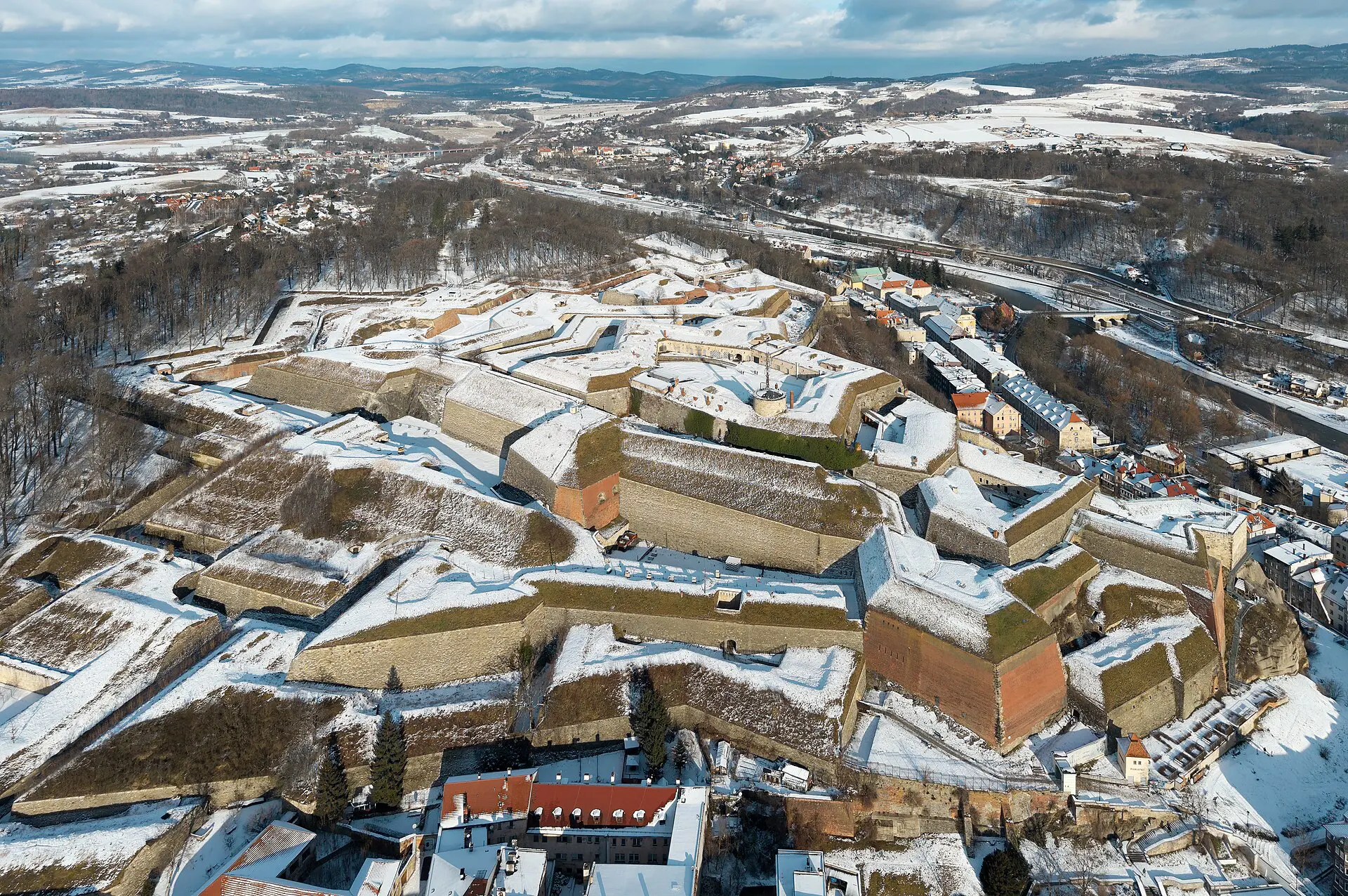
Kłodzko and its fortress
The historic centre of Kłodzko has a large fortress with underground passages and a Gothic stone bridge. It is the natural hub for the south of the range, and it works well as a base without a car. Allow about half a day for the town.
Spa towns
Kudowa-Zdrój, Polanica-Zdrój, Duszniki-Zdrój and Świeradów-Zdrój keep their old pump rooms and promenades. They make good, gentle stops between hikes. Near Kudowa, the Chapel of Skulls at Czermna is unusual and takes only around 20 minutes to see, though it is not for everyone.
Śnieżnik and the Bear Cave
The Śnieżnik massif in the far south-east rises to about 1,425 metres, with a viewing platform on top and the show cave of Jaskinia Niedźwiedzia at Kletno below it. Cave tours must usually be booked well in advance, and the temperature inside stays low all year.
Main Sudetes Trail
This red-marked route of about 440 km runs from Świeradów-Zdrój to Prudnik and takes most walkers around three weeks. You can do individual stages, and most have towns or huts at the end. It bypasses the summit of Śnieżka but passes close by on the way through the Karkonosze.
Best time to visit the Sudetes
May to October is the main hiking season, with June to September the most reliable on higher ground. Summer weekends bring crowds to Śnieżka, Szczeliniec and Książ, and storms are common in the afternoons. September and October are quieter, with autumn colour lower down.
December to March is ski season in Karpacz, Szklarska Poręba, Zieleniec and around Śnieżnik. Snow can arrive on the high ridges by November. Castles, caves and underground sites are worthwhile in any season but may keep shorter hours in winter, so check before you go.
How to get to the Sudetes and around
Wrocław is the main gateway, with an international airport and trains to Jelenia Góra, Wałbrzych and Kłodzko. Prague is a realistic alternative for the Czech side and the Karkonosze, though connections take longer.
Regional trains and buses cover the main towns but can be infrequent in the side valleys, so check timetables. A car makes it much easier to combine sites such as the Riese tunnels and the Table Mountains. Distances look short, but mountain roads take time; allow about two hours between Jelenia Góra and Kudowa-Zdrój.
Where to stay in the Sudetes
Karpacz and Szklarska Poręba suit hikers and skiers on the high ridge, with plenty of hotels and guesthouses. Kłodzko works for anyone without a car in the south, while Kudowa-Zdrój and Polanica-Zdrój are comfortable choices for the Table Mountains.
Wałbrzych is practical for Książ Castle and the Owl Mountains, and rural guesthouses are common throughout the area for those travelling by car. PTTK mountain huts serve walkers along the higher trails. Book ahead for winter holidays and summer weekends.
How many days do you need?
A week is enough for two or three areas, and you should move your base at least once rather than making long daily drives. Ten days lets you add the southern ranges.
- Days 1-3: The Karkonosze, based in Karpacz or Szklarska Poręba.
- Days 4-5: Książ Castle and the Riese tunnels, based around Wałbrzych.
- Days 6-7: Table Mountains and Kłodzko, based in Kudowa-Zdrój or Kłodzko.
Day trips and nearby
Wrocław
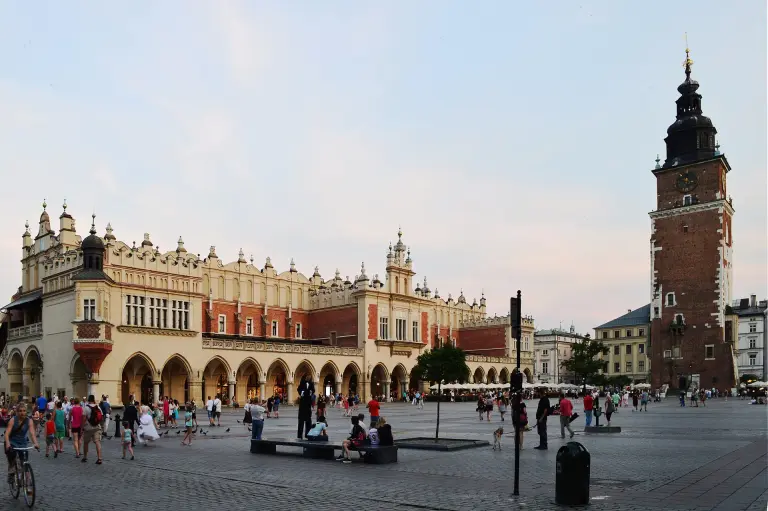
The largest city in the area has a large market square and a historic cathedral island. It sits about one to two hours from the northern edge of the mountains, and it is the natural start or finish for a trip.
Krzeszów Abbey
This baroque abbey near Kamienna Góra is among the finest in the region and lies directly on the Main Sudetes Trail. Allow an hour or two, and combine it with a drive between the Karkonosze and the Owl Mountains.
Adršpach-Teplice Rocks
These Czech sandstone towers lie just over the border from the Karkonosze and Table Mountains. They need around a half day and can require timed entry in season, so check and book in advance, and carry ID.
Jelenia Góra
The city at the foot of the Karkonosze has an arcaded square, the Cieplice spa and surrounding palaces. It is the best transport base for the west of the chain.
FAQ
Q1Where should you go first in the Sudetes?
Start with the Karkonosze if you want high-mountain hiking, and with the Table Mountains if you prefer short walks and unusual rock scenery. Both are realistic from Wrocław. With only a long weekend, stay in one area. A week lets you combine them with Książ Castle or the Riese tunnels on the way between.
Q2How long is the Main Sudetes Trail?
It runs for about 440 km from Świeradów-Zdrój to Prudnik and is marked in red. Published estimates put it at about 120 to 135 walking hours, so most people need around three weeks for the whole route. Many walkers split it into stages. Check accommodation before you go, as some sections have few services.
Q3Are the Sudetes good for beginners?
Yes. Many trails are well marked and moderate, and the Table Mountains, the castles and the spa towns need no mountain experience. The higher ridges of the Karkonosze and Śnieżnik are more exposed. They still need proper shoes, warm layers and attention to the forecast, particularly from autumn to spring when ice is common.
Q4Do you need a car to visit the Sudetes?
No, but it helps. Trains and buses reach Jelenia Góra, Szklarska Poręba, Karpacz, Wałbrzych and Kłodzko. Side valleys and the Riese tunnels are harder to reach. Without a car, choose one or two towns on the rail network and check timetables carefully, since rural services can be sparse at weekends.
Prices, schedules and entry rules change. Check current details with official sources before you travel. Read the Poland travel guide.