Why visit Ireland
The best things to do in Ireland come from a rare mix: wild Atlantic coastline, ancient monuments, lively towns and a living tradition of music and storytelling, all in an island you can cross by car in a few hours. The Republic of Ireland covers 26 of the island’s 32 counties, with Dublin as the capital (see the Wikipedia overview).
Ireland suits travellers who like variety and do not mind weather that changes by the hour. It is excellent for self-drive trips, walking, family holidays and anyone interested in literature, medieval history or genealogy. English is the everyday language, which makes planning simple, and Irish remains visible on road signs and in the west.
It is also expensive compared with much of Europe, so pick a few regions rather than racing around.
Best places to visit in Ireland
The best places to visit in Ireland are concentrated along the west and south coasts, plus Dublin in the east. Distances are short, but narrow roads make journeys slower than the map suggests.
Dublin
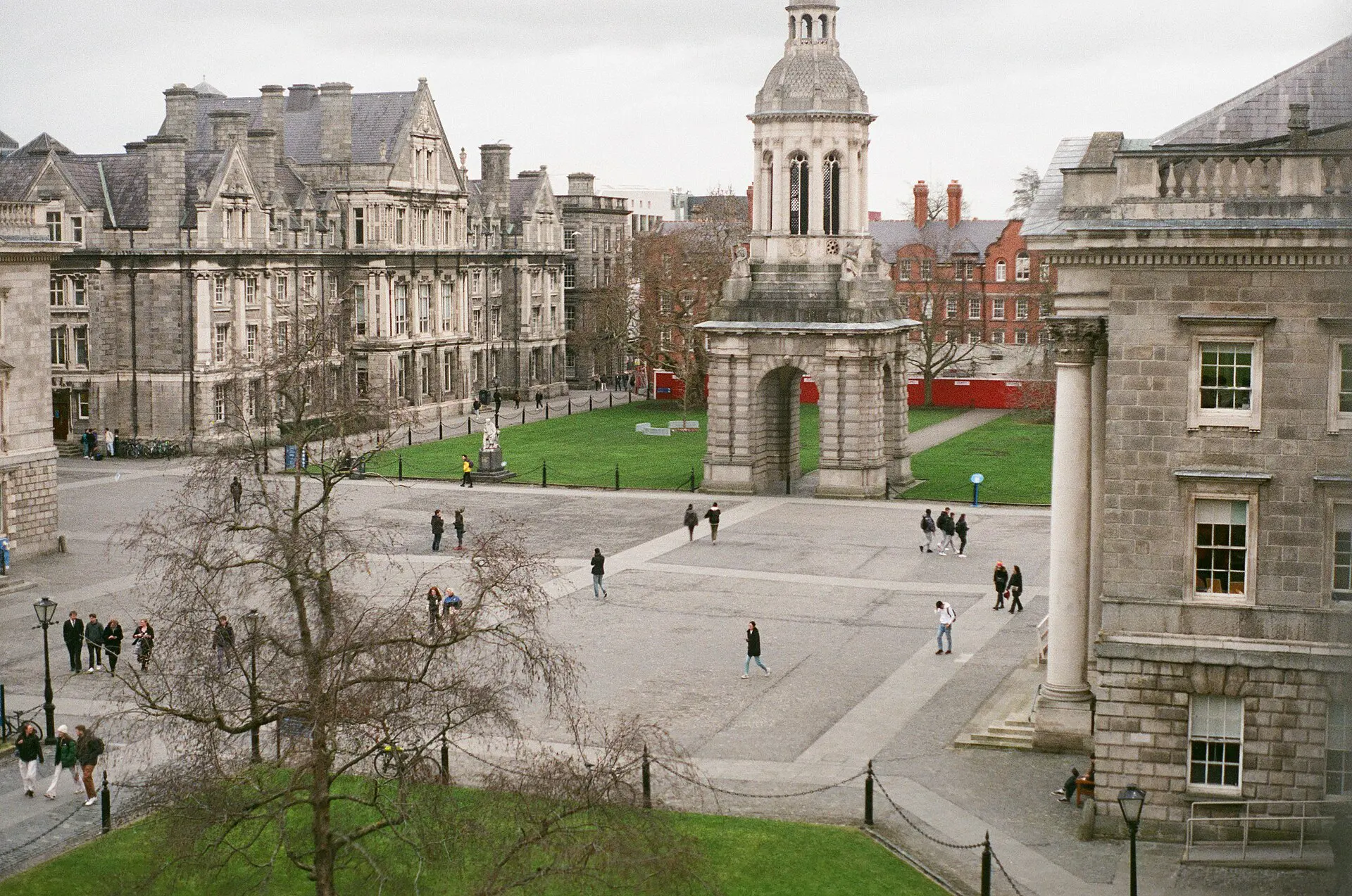
The capital has Georgian squares, Trinity College’s Book of Kells, the Guinness Storehouse, the Irish Museum of Modern Art and plenty of pubs. It works best as a two- or three-night base, with day trips to the coast.
Galway and Connemara
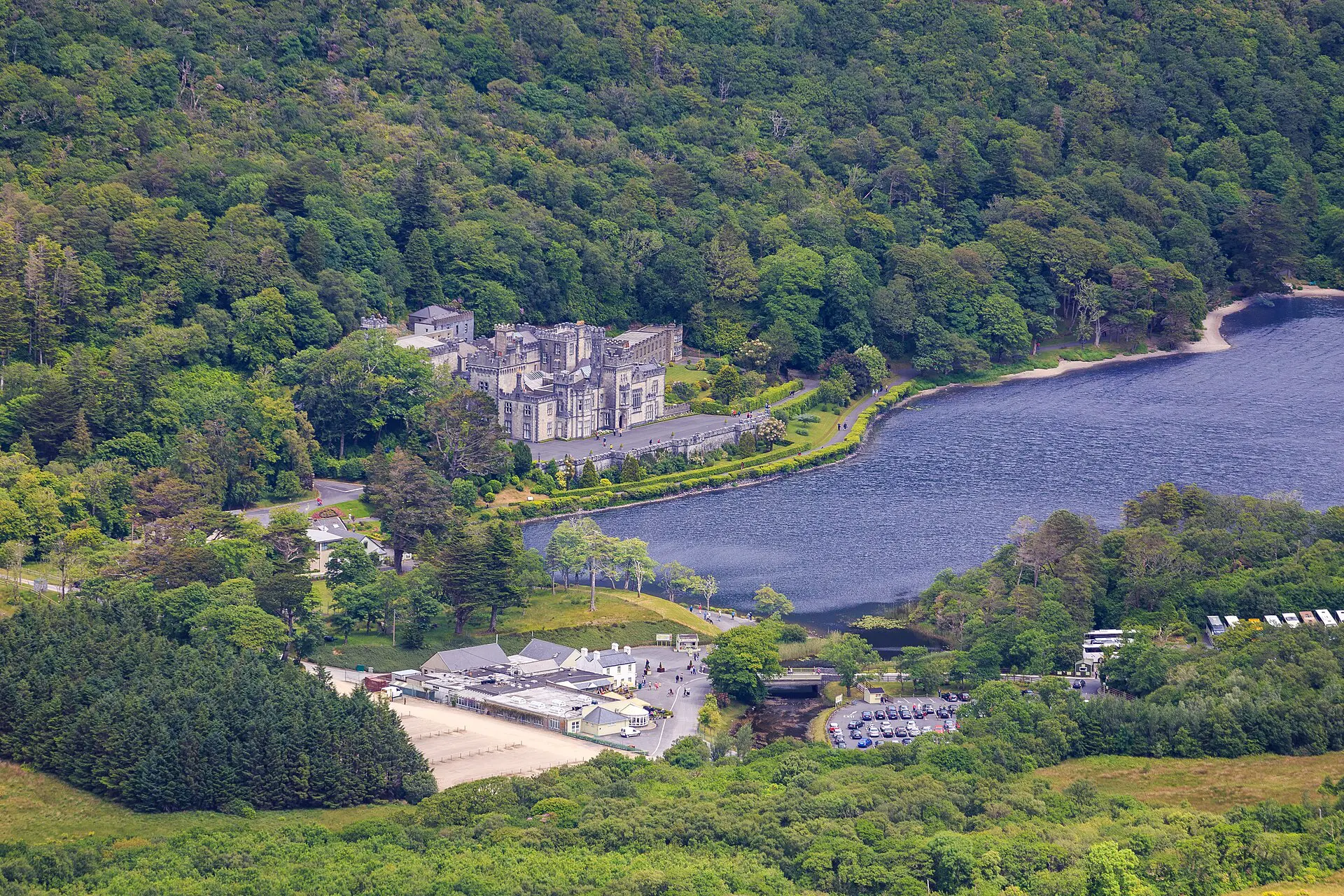
Galway is a compact, music-filled city on Galway Bay. West of it, Connemara has bogland, lakes and mountains, with Kylemore Abbey as its best-known stop.
Cliffs of Moher and the Burren
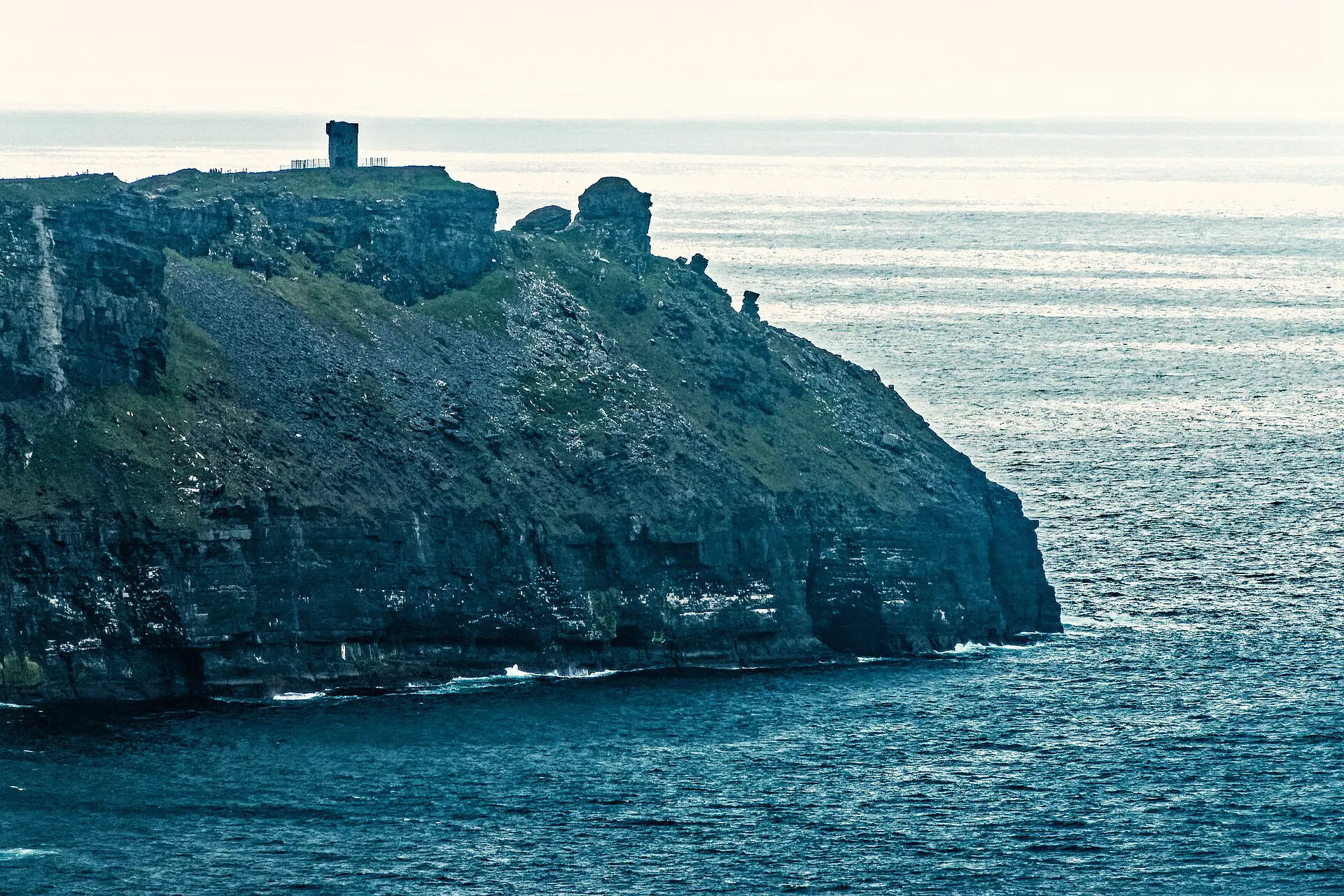
The cliffs in County Clare rise about 200 metres from the Atlantic. Nearby, the Burren’s limestone plateau holds rare flowers and ancient tombs.
Kerry: Killarney and Dingle
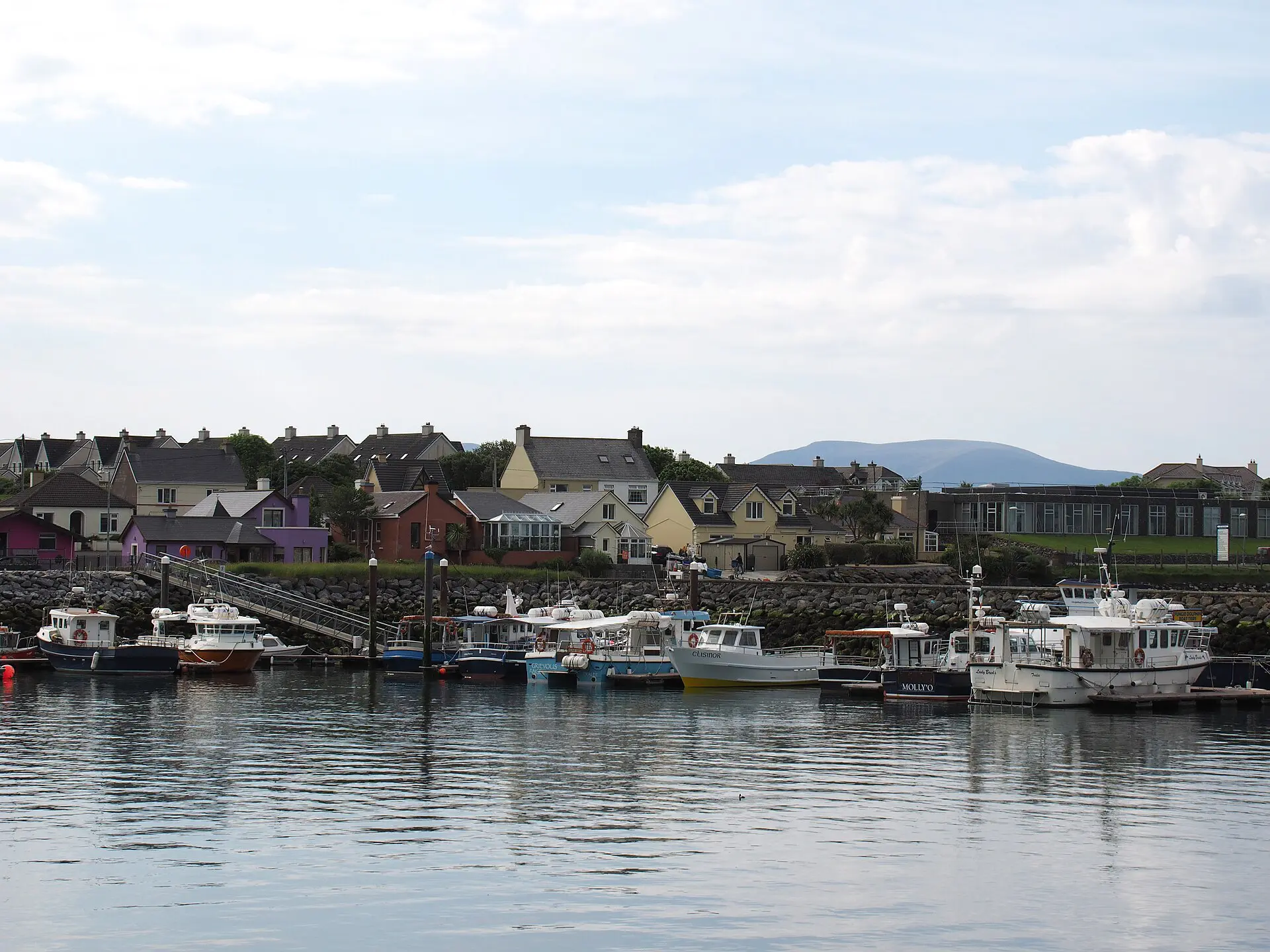
Killarney’s lakes and national park anchor the Ring of Kerry, while the Dingle Peninsula adds beaches, Irish-speaking villages and a lively harbour town.
Cork and the south coast
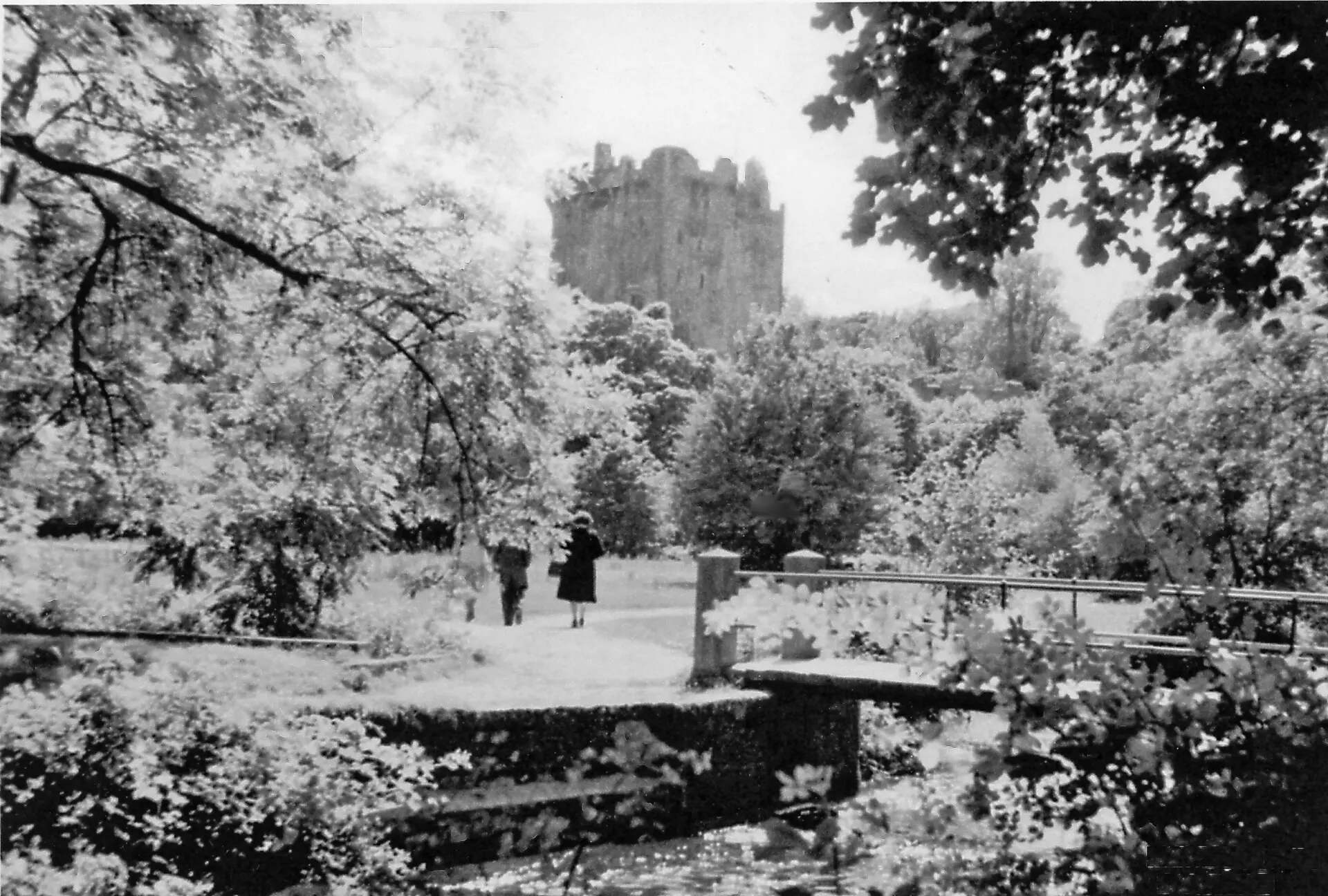
Cork city is known for its food, with the English Market and Blarney Castle nearby. West Cork has quiet harbour villages.
Kilkenny and the Rock of Cashel
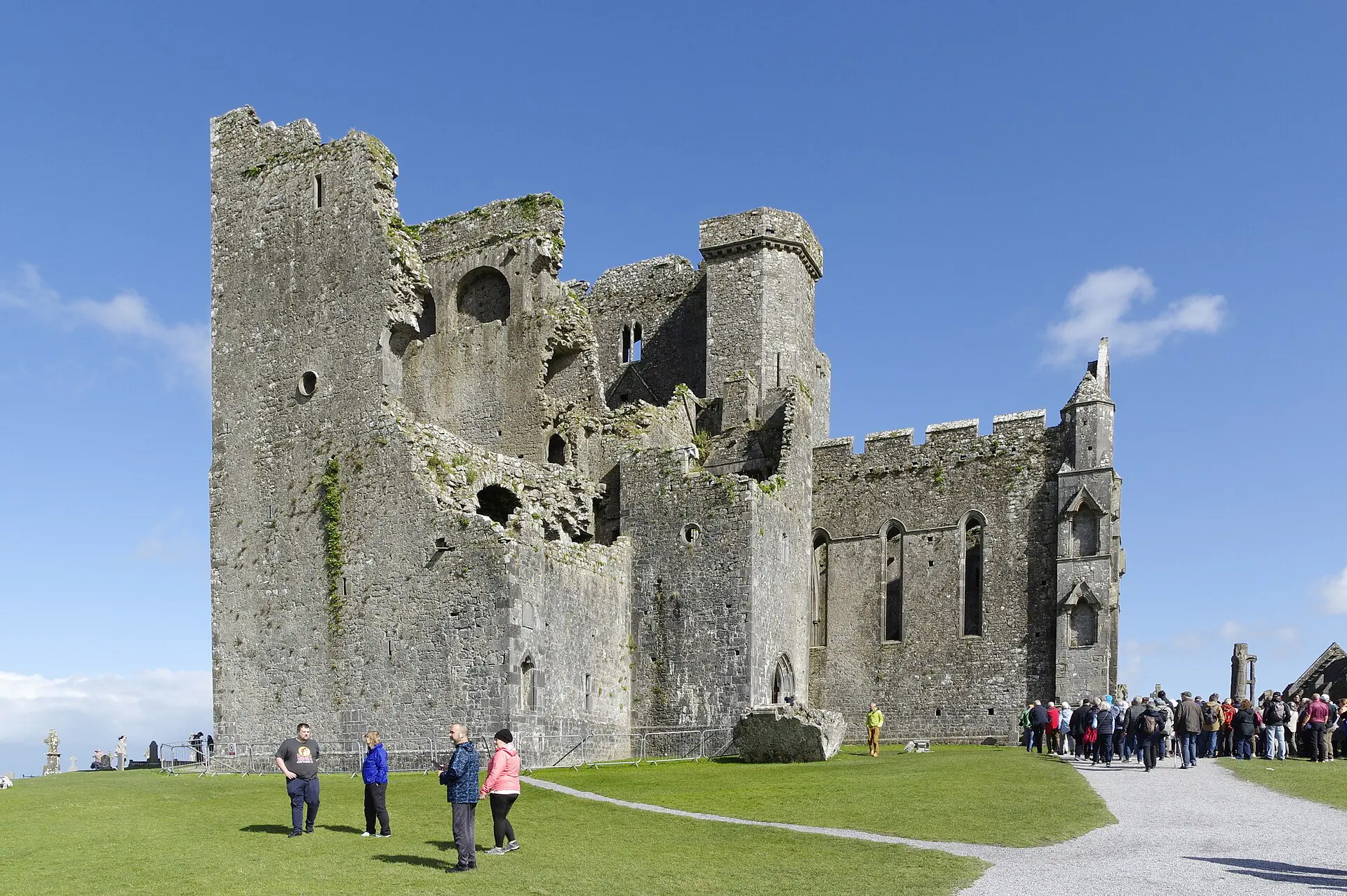
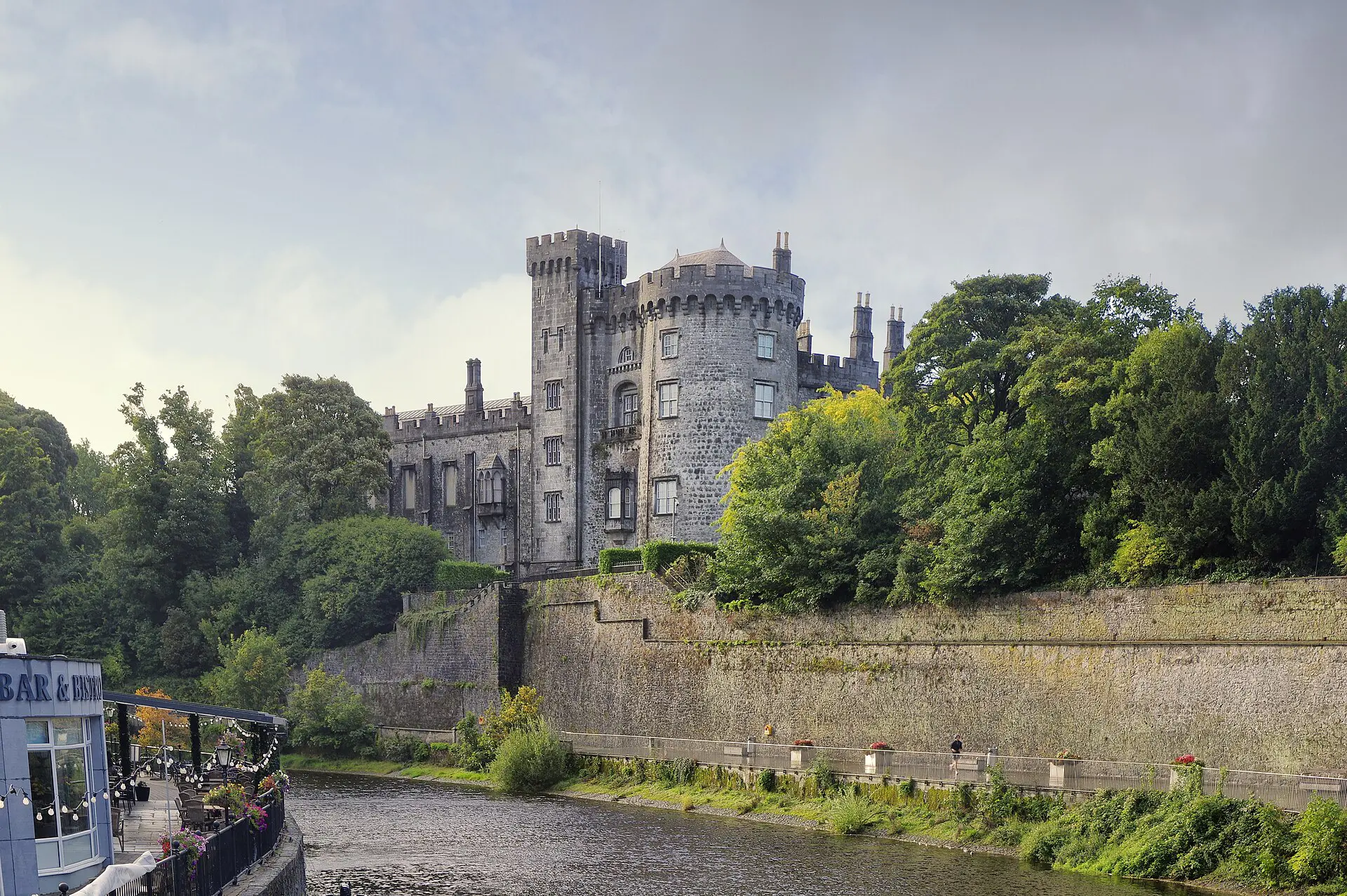
Medieval Kilkenny has a castle and craft shops, while the Rock of Cashel is a dramatic cluster of ecclesiastical ruins on a limestone outcrop.
Top things to do in Ireland
The top things to do in Ireland mix scenery, heritage and social life, and most work in any weather if you pack a waterproof.
- Walk the Cliffs of Moher: go early or late to avoid tour-bus crowds.
- Drive the Ring of Kerry or Slea Head: loop routes with sea views, best done anticlockwise on the Ring to avoid coaches.
- See the Book of Kells: the illuminated medieval manuscript at Trinity College Dublin; book ahead.
- Join a traditional music session: pubs in Galway, Doolin, Dingle and Dublin host nightly sessions.
- Take the ferry to the Aran Islands: cycle to Dún Aonghasa, a fort on a cliff edge on Inis Mór.
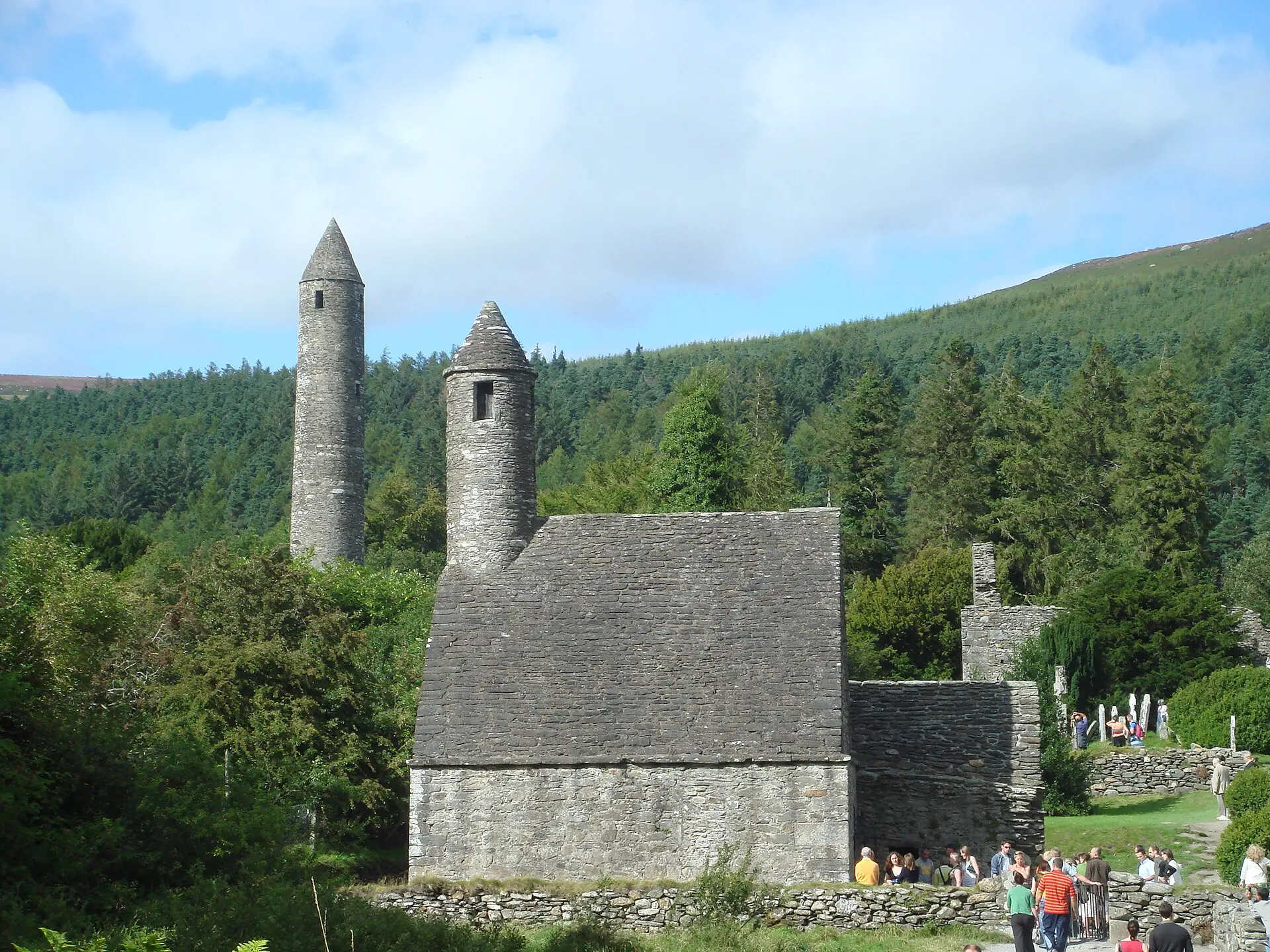
- Explore Glendalough: a monastic site with lakes and walking trails in the Wicklow Mountains.
- Climb the Rock of Cashel: a medieval round tower, chapel and cathedral ruins.
- Tour a whiskey distillery: Jameson in Midleton and Dublin both run tours.
- Visit Newgrange: a Stone Age passage tomb older than Stonehenge, in the Boyne Valley.
- Hike in Killarney National Park: lakes, waterfalls and Ladies View.
Best time to visit Ireland
The best time to visit Ireland is May to September for the longest days and the most reliable weather, with June and early September a good balance of light and crowds. July and August are busiest and priciest. Spring and autumn are cheaper and quieter, though you should expect rain in every season.
| Season | Weather | Crowds and prices | Good for |
|---|---|---|---|
| Spring (Mar-May) | Cool, changeable, longer days | Low to moderate | Gardens, walks, cities |
| Summer (Jun-Aug) | Mild, around 15 to 20 C, light until late evening | Highest prices and crowds | Road trips, islands, coast |
| Autumn (Sep-Oct) | Cooler, softer light, wetter later | Falling | Food, hiking, fewer coaches |
| Winter (Nov-Feb) | Cold, wet, short days | Low, except Dublin at Christmas | Cities, pubs, Newgrange solstice |
Some rural attractions, ferries and guesthouses close from November to March, so check opening times in advance. Pack layers year-round.
Is Ireland safe to visit?
Yes, Ireland is very safe for visitors, with low violent crime and a reputation as one of the world’s more peaceful countries. The main problems are petty theft, bad weather and narrow roads. Check your government’s current travel advice, such as the UK FCDO or US State Department pages, before you travel.
Theft and scams. Pickpocketing and bag theft occur in central Dublin, on public transport and around tourist sites. Never leave bags visible in a parked car, especially at trailheads and beauty spots, where break-ins are a known issue.
Roads. Many rural roads are narrow and winding with stone walls, and driving is on the left. Allow extra time, take care with sheep and tour buses, and avoid long drives at night.
Weather and nature. Cliff edges can be unfenced and slippery, and weather can turn quickly on mountains and the sea. Follow trail guidance and ferry cancellations.
Health. Tap water is safe, and EU visitors can use the European Health Insurance Card; others should carry travel insurance.
Ireland visa and entry requirements
Ireland visa requirements depend on your nationality. Citizens of the EU, the UK and many other countries, including the US, Canada and Australia, have generally been able to visit without a visa for stays of up to 90 days, but you should confirm your own case with the Irish immigration service or an Irish embassy. Others must apply for a short-stay visa in advance.
Ireland is in the Common Travel Area with the UK, so there are no routine passport checks on the land border with Northern Ireland, but Ireland is not in the Schengen area, and a Schengen visa does not cover it. Ireland has no electronic travel authorisation scheme as of 2026, but the UK has one for visa-exempt nationals, which can matter if your trip includes Northern Ireland, so check before crossing.
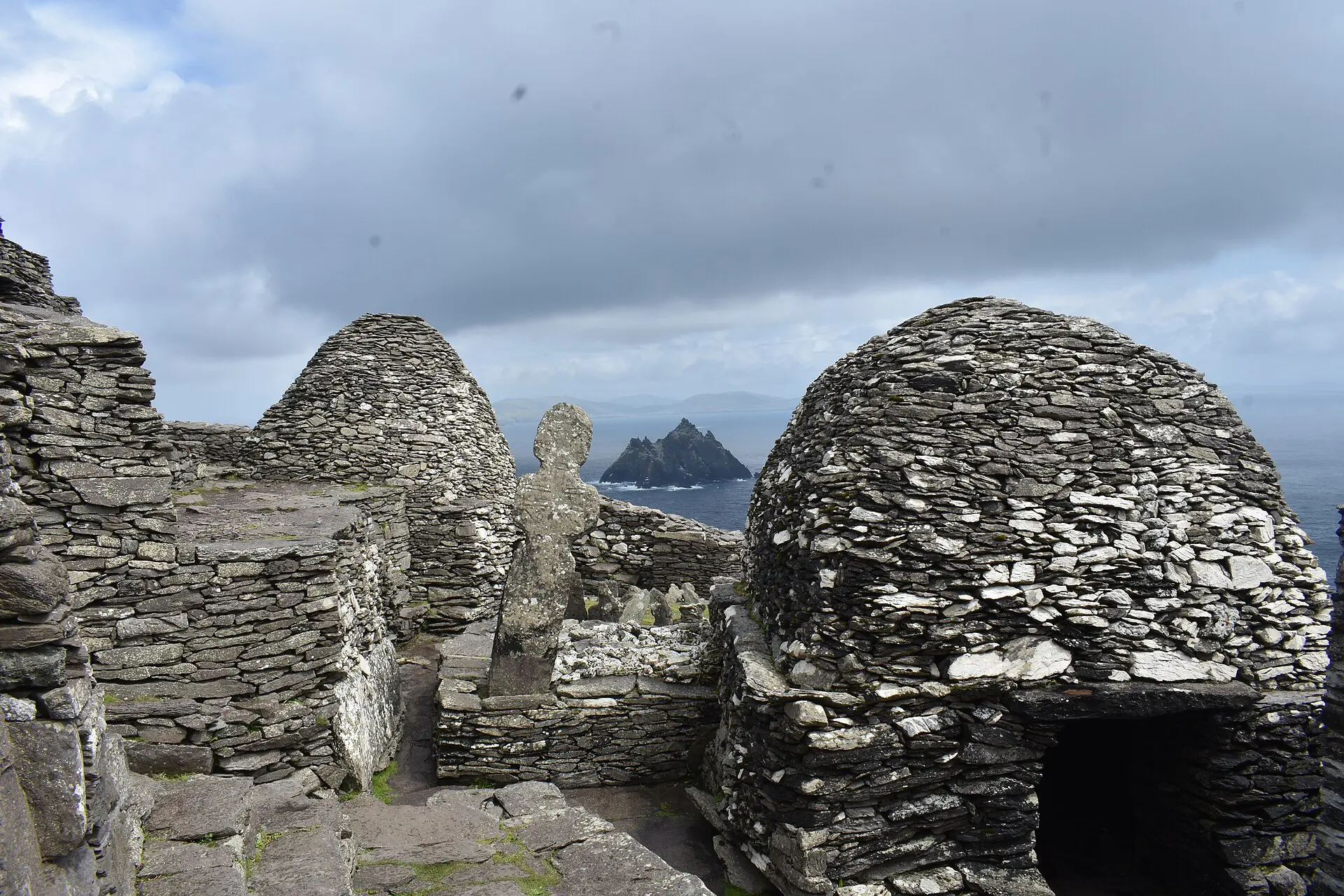
Carry a valid passport, proof of funds and accommodation details in case border officers ask. The UNESCO page for Ireland lists World Heritage sites like Skellig Michael and Brú na Bóinne, but it does not cover entry rules.
Getting to and around Ireland
Most visitors arrive at Dublin Airport, with Shannon and Cork handling transatlantic and European flights. Ferries run from Britain and France to Dublin, Rosslare and Cork. The only land border is with Northern Ireland.
Public transport covers the main routes. Intercity trains link Dublin with Cork, Galway, Limerick, Killarney, Belfast and Sligo; Dublin to Cork takes about two and a half hours and Dublin to Galway about two and a half hours. Buses reach smaller towns, but services thin out in the west and on peninsulas, with some routes running only a few times a day.
A rental car is the most flexible way to see the coast. Driving is on the left, many roads are narrow, and automatic cars cost more and need booking early. Allow double the time Google Maps suggests on rural roads. Some drivers prefer guided day tours for the Cliffs of Moher and Kerry. Dublin has trams, buses and a rail network, and taxis are expensive.
How much does a trip to Ireland cost?
Ireland is one of the pricier destinations in Europe. The currency is the euro (EUR). These are rough per-person daily guides for 2026, and prices peak in July and August and around events and holidays.
- Budget: around EUR 90 to 130 per day, with hostels or simple B&Bs, buses and pub food.
- Mid-range: around EUR 150 to 250 per day, with a comfortable hotel or B&B, restaurant meals and a rental car.
- High-end: EUR 350 or more per day, with castle hotels, guided tours and fine dining.
Accommodation is the biggest cost, especially in Dublin and on the Wild Atlantic Way in summer. Car rental, fuel and parking add up; young-driver fees can also be high. Pints and restaurant meals cost more than in most of Europe, though many pubs serve good-value lunches. Book hotels and popular attractions such as the Guinness Storehouse and the Book of Kells early to avoid higher prices.
Ireland food and drink
Ireland food has moved well beyond its meat-and-potatoes reputation. Cork, Galway and Dublin have strong restaurant scenes, farmhouse cheese and seafood are excellent, and pubs serve hearty, simple meals.
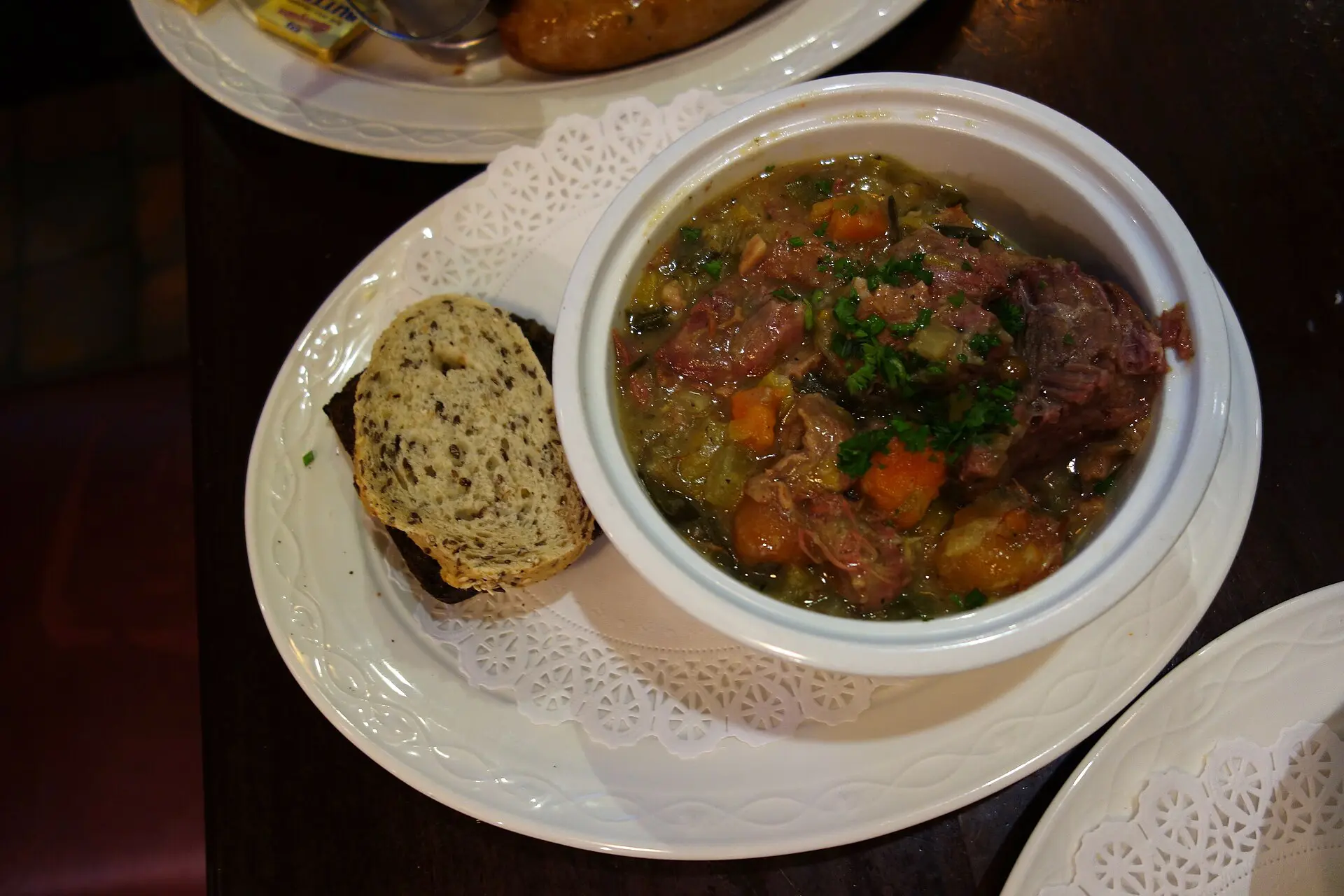
- Irish stew: a slow-cooked dish of lamb or mutton with potatoes and onions.
- Soda bread: a quick bread raised with buttermilk, served with butter or smoked salmon.
- Full Irish breakfast: eggs, bacon, sausages, black and white pudding, tomato and toast.
- Seafood chowder: a creamy soup of fish and shellfish, best on the west coast.
- Boxty and colcannon: potato pancake and mashed potato with cabbage or kale.
- Guinness and craft beer: stout is the national drink, with a growing craft scene.
- Irish whiskey: tasting flights are offered at distilleries and pubs.
Vegetarian and vegan options are now common in cities and larger towns, though rural pubs may offer limited choice. Gluten-free awareness is high. Lunch is usually the cheapest meal of the day, and many restaurants offer early-bird menus. In the evenings, book ahead in summer.
Culture, language and etiquette in Ireland
English is the main language, and Irish (Gaeilge) is the first official language, spoken daily in Gaeltacht regions on the west coast, including parts of Kerry, Galway and Donegal. Signs are often bilingual, and a few words such as sláinte (cheers) and go raibh maith agat (thank you) are appreciated.
Pub culture is central to social life. People often buy drinks in rounds, so if you join a group, expect to take your turn. Traditional music sessions are informal: stay quiet during tunes, and do not request songs or interrupt the players. Talking to strangers is normal, and humour, teasing and understatement are part of conversation.
The country is historically Catholic and has changed rapidly in recent decades; most people are relaxed, but avoid assumptions about religion and politics. Be careful with history: the Troubles, partition and the relationship with Britain are sensitive topics, so listen first. Irish people are not British, and mixing them up causes offence. Queue politely and say thank you to bus drivers.
Ireland itinerary: a 7-day route
This Ireland itinerary loops from Dublin through the west and south by car, with a train option for the first section. It avoids long backtracking and leaves room for rain.
- Day 1, Dublin: arrive, walk Trinity College and Temple Bar, and have dinner in a pub with music.
- Day 2, Dublin and Glendalough: see the Book of Kells in the morning, then drive about an hour to Glendalough.
- Day 3, Kilkenny and Cashel: head south-west via Kilkenny Castle and the Rock of Cashel, then on to Cork or Killarney, around four hours in total with stops.
- Day 4, Killarney and Kerry: drive the Ring of Kerry or walk Killarney National Park.
- Day 5, Dingle: take the Dingle Peninsula road and stay overnight in Dingle town.
- Day 6, Cliffs of Moher and Galway: take the Tarbert-Killimer ferry across the Shannon estuary, then visit the cliffs, about four hours with stops, and finish in Galway.
- Day 7, return: drive about two and a half hours back to Dublin, or fly from Shannon or Knock.
With more time, add Connemara, the Aran Islands or Cork. In winter, shorten the drives and book accommodation near the sights.
Practical tips for Ireland
- Money: the euro is the currency; cards and contactless payments are accepted almost everywhere, though carry a little cash for rural spots and buses.
- SIM and eSIM: prepaid SIMs and eSIMs are easy to buy, and coverage is good in towns but patchy in mountains and remote coasts. EU roaming rules apply for EU visitors.
- Plugs: type G with three rectangular pins, at 230 V; non-UK visitors usually need an adapter.
- Tipping: not obligatory; 10 to 15 percent in restaurants if service is not included, and rounding up for taxis.
- Health: pharmacies are common, tap water is safe, and the emergency number is 112 or 999.
- Packing: a waterproof jacket, layers, sturdy walking shoes and a small daypack matter more than an umbrella in the wind.
- Booking: reserve rental cars, summer accommodation and popular attractions well ahead; check seasonal ferry timetables.
For wider background, see the Wikivoyage Ireland guide.
FAQ
Q1What are the best places to visit in Ireland?
Dublin, Galway and Connemara, the Cliffs of Moher and the Burren, Killarney and the Ring of Kerry, the Dingle Peninsula, Cork and Kilkenny rank highest. Together they cover the main cities, coastline and heritage sites. Most visitors choose three or four regions and drive between them.
Q2What are the best things to do in Ireland?
Walk the Cliffs of Moher, see the Book of Kells in Dublin, drive the Ring of Kerry or Dingle, join a music session in a pub, explore Glendalough, tour a whiskey distillery and take a ferry to the Aran Islands. Most fit into a week.
Q3What is the best time to visit Ireland?
May to September has the longest days and mildest weather, with June and early September balancing light, price and crowds. July and August cost most. Spring and autumn are quieter, and winter is cold and wet, with some rural attractions and ferries closed.
Q4What is Ireland food like?
Ireland food is hearty and increasingly refined. Expect Irish stew, soda bread, seafood chowder, a full Irish breakfast, farmhouse cheese and Guinness. Cities offer strong restaurant scenes, and vegetarian choices are widespread, although rural pubs can have limited options.
Q5Do I need a visa for Ireland?
It depends on nationality. EU, UK, US, Canadian and Australian citizens can usually visit visa-free for short stays, while others need a visa in advance. Ireland is outside Schengen, so confirm your case with the official Irish immigration service before booking.
Q6How many days do you need for an Ireland itinerary?
Seven days works for a loop from Dublin through Kilkenny, Kerry and Galway, with early starts. Ten days lets you add Connemara, Cork or the Aran Islands without rushing. Plan on slow rural roads, and add buffer days for rain and ferry changes.
Q7Is Ireland safe to visit?
Yes. Ireland has low violent crime, and the main risks are petty theft in Dublin, car break-ins at tourist spots, narrow roads and changeable weather on cliffs and mountains. Use normal precautions, and check your government's current travel advice before you go.